

-
August 30, 2026
Event date:
-
August 30, 2026
Event end:
Fireworks Display
Following the lively karaoke entertainment, the festival culminates in a breathtaking mountain fireworks display. Bright pyrotechnics streak upward into the vast night sky, casting colorful reflections across the entire valley. The visual grandeur of the explosions creates an unforgettable spectacle for everyone present.
The mountain setting enhances the visual and auditory impact of the display. Because the venue sits at an elevated altitude surrounded by steep terrain, the sound of each detonation echoes dramatically through the forested ravines. The scale of the night sky feels immense, making the modest temple below appear wonderfully dwarfed by the cosmic light show.
The published festival information notes that approximately 150 fireworks are launched during this finale. While this count may seem small compared to massive metropolitan urban displays, the intimate grandeur and dramatic contrast remain entirely unmatched. The fiery bursts against the dark, quiet mountain backdrop deliver a deeply emotional and striking conclusion to the evening.
Enjoy Your Event Stress-Free with Japan Travelo
Do you know? Planning events, festivals, concerts, and cultural experiences in Japan can be overwhelming. Japan Travelo brings everything together in one place, helping you manage your itinerary, transport, and accommodation with ease—so you can enjoy Japan without the stress of planning.
- Night Sky Finale: Erupts directly after the karaoke session concludes to close out the festival’s main events.
- Mountain Echoes: Sound waves bounce dynamically off the surrounding forested peaks and deep valleys.
- Vast Sky Setting: The expansive horizon makes the brilliant pyrotechnic bursts look exceptionally vivid.
- Compact Scale: Features approximately 150 carefully selected fireworks launched for maximum visual impact.
- Dramatic Contrast: Creates a striking juxtaposition between high-tech modern pyrotechnics and an ancient holy site.
- Valleyside Views: Spectators enjoy clear sightlines from multiple vantage points around the elevated temple grounds.
Shosan-ji Temple & Mountain Setting
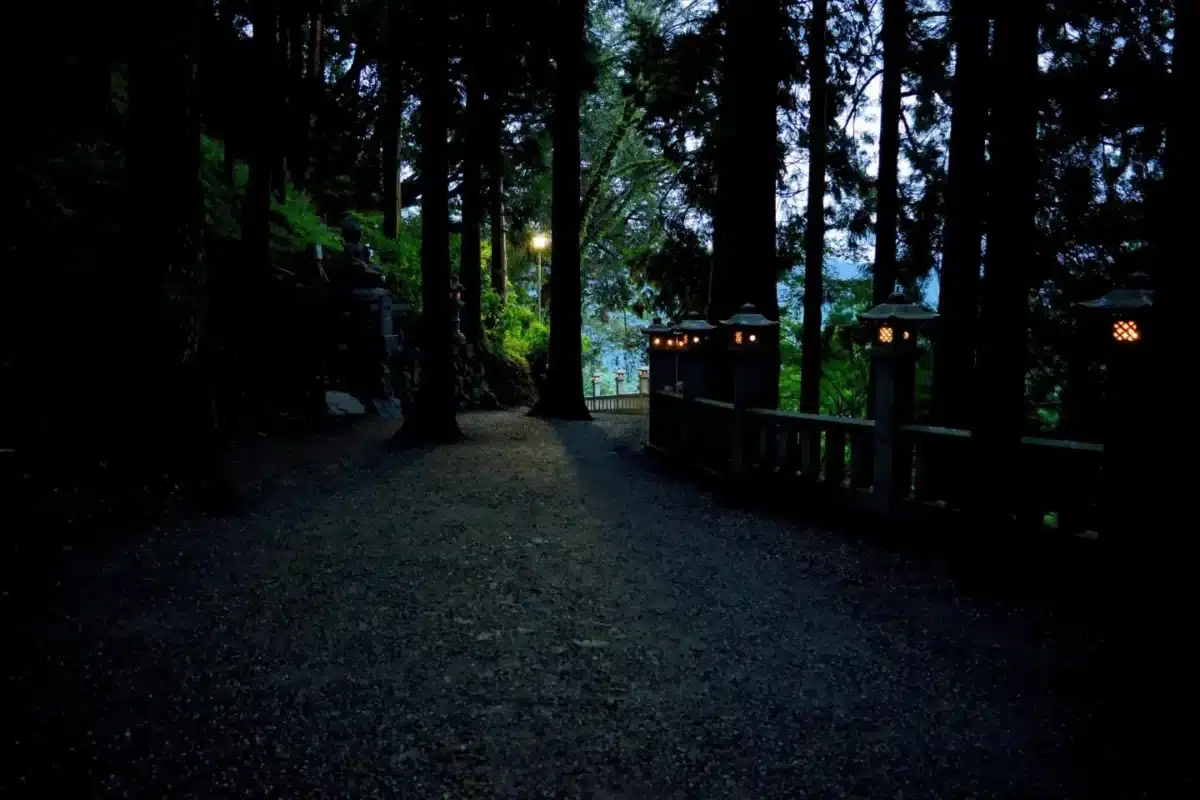
Shosan-ji Temple rests majestically near the upper reaches of a steep mountain environment, providing a breathtaking natural sanctuary. The sacred grounds are heavily shaded by towering cedar trees that have stood for centuries, earning the forest a regional natural monument designation. These ancient giants welcome weary travelers and pilgrims with a profound sense of timeless peace.
As the 12th temple of the sacred Shikoku pilgrimage, Shosan-ji carries immense historical and spiritual weight. Founded centuries ago amidst rugged terrain, it represents a place of intense ascetic training and deep devotion. The natural scenery surrounding the compound includes dramatic rock formations, mountain streams, and sweeping vistas stretching toward distant horizons.
This isolated mountain setting isolates the temple from the bustle of modern city life. Visitors are immediately enveloped by the crisp alpine air, the rustling of cedar needles, and the quiet resonance of chanting. It remains one of the most atmospheric stops along the entire Henro trail.
- High Altitude Sanctuary: Sits high on a steep mountain slope, offering cooler evening temperatures and dramatic views.
- Centuries-Old Cedars: The temple boundaries feature massive, protected cedar trees that create a solemn forest canopy.
- Pilgrimage Milestone: Serves as a vital spiritual checkpoint for travelers completing the 88-temple Shikoku route.
- Rugged Topography: Surrounded by steep ridges, deep valleys, and impressive rock formations tied to local legends.
- Natural Serenity: Provides a quiet, meditative environment far removed from urban noise and distraction.
When & How Long
- Event Date: Sunday, August 30th 2026
- Event Duration: One day (Evening festival program)
Visiting this event? Don’t miss out on these amazing activities and local experiences while you’re here.
Festival History & Buddhist Significance
The annual festival held on August 30th centers around a solemn and deeply revered Buddhist memorial service at Shosan-ji. This sacred site holds immense historical weight as the 12th stop along the legendary 88-temple Shikoku pilgrimage route. Pilgrims and locals have gathered at this mountain sanctuary for centuries to honor spiritual roots, pay respects to ancestral spirits, and celebrate community continuity.
Shosan-ji’s designation as an important pilgrimage milestone infuses the summer festival with a unique sense of sacred devotion. The memorial service allows monks, practitioners, and local families to connect deeply with Buddhist teachings while remembering those who came before them. This annual gathering reinforces the spiritual bonds of the region, ensuring ancient traditions remain vibrant and active in modern times.
For the local community of Kamiyama, the festival serves as both a religious obligation and a cherished cultural anchor. It brings generations together under the shared banner of heritage, bridging quiet monastic traditions with communal celebration. The event highlights the enduring harmonious relationship between the mountain temple and the surrounding rural villages.
Lanterns & Evening Temple Atmosphere
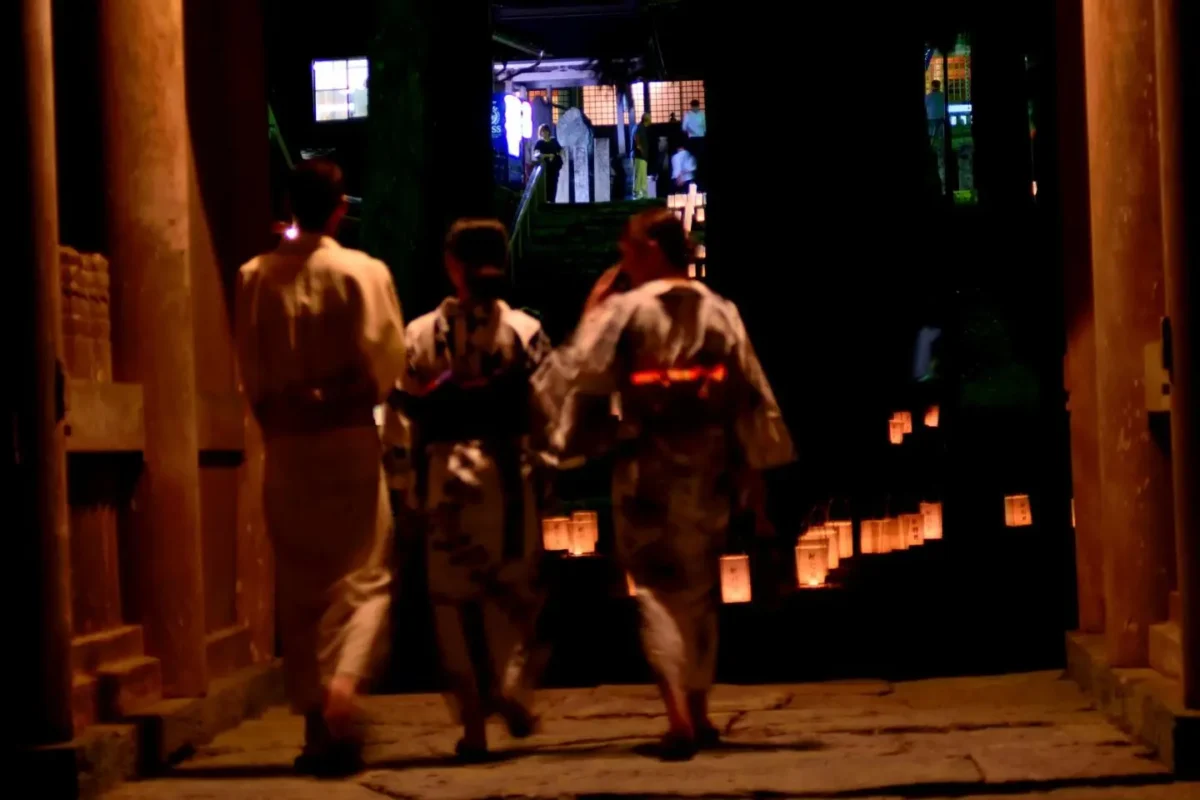
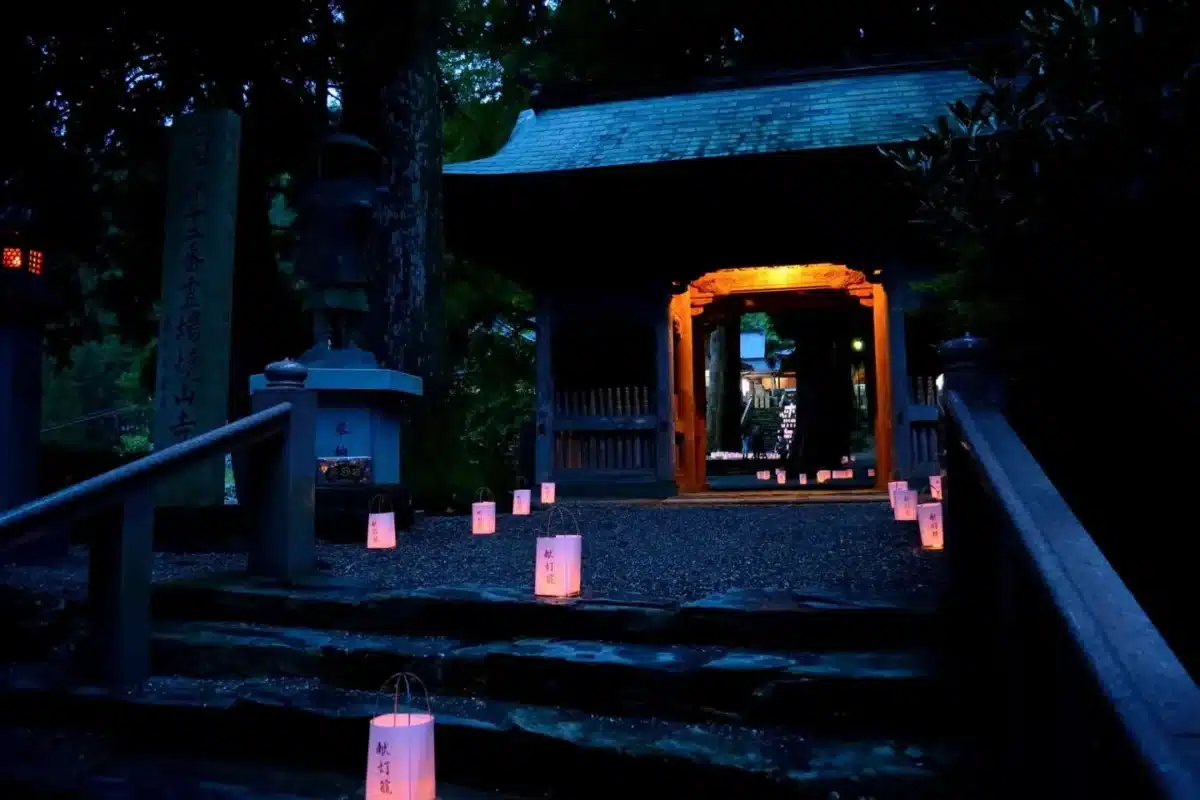
As twilight descends upon the mountain, traditional lanterns are lit along the primary paths leading to the temple grounds. This glowing illumination transforms the ancient cedar-lined approaches into a mystical pathway of warm amber light. The flickering paper lanterns guide visitors through the deepening shadows, creating a serene and timeless visual environment.
The temple architecture and surrounding sacred grounds take on an entirely different atmosphere during the evening hours. Soft lighting highlights the classical contours of the historic wooden structures, ancient stone statues, and towering centuries-old trees. The quiet evening mountain air carries the subtle scent of incense and mountain foliage, wrapping attendees in deep tranquility.
This special nighttime ambiance provides a sharp and captivating contrast to ordinary daytime visits. The stillness of the high-altitude setting combined with the gentle glow of dozens of lanterns fosters deep contemplation. It establishes a meditative yet welcoming backdrop before the more lively community celebrations begin.
Where It Takes Place
- City and Country: Kamiyama, Tokushima Prefecture, Japan
- Venue Name: Shosanji Temple
- Google Maps Address: Jichu-318 Shimobun, Kamiyama, Myozai District, Tokushima 771-3421, Japan
Traditional Bon Dance & Community Celebration
The festival embraces regional Obon traditions by incorporating lively Bon-dance elements that reflect the cultural spirit of Tokushima Prefecture. Groups of families, friends, and visitors gather closely within the temple vicinity to partake in the festive summer customs. The relaxed atmosphere encourages everyone to cast aside daily stresses and join together in collective joy.
Community participation stands at the very center of this gathering, allowing outsiders and locals to mingle effortlessly. Children run about with wide smiles while elders share stories and oversee the evening’s unfolding events. This shared communal rhythm captures the authentic essence of a Japanese rural summer celebration.
- Bon Dance Customs: Celebrates regional ancestral welcoming customs through traditional circle dances and folk music.
- Family Gatherings: Multigenerational families come together to enjoy the cool mountain evening and festive environment.
- Community Bonding: Strengthens local ties by welcoming neighboring residents and travelers into a unified celebration space.
- Relaxed Atmosphere: Offers an unhurried, welcoming environment distinct from massive urban summer events.
- Summer Traditions: Preserves classic rural Japanese matsuri customs high up in the mountain terrain.
Food Stalls & Local Festival Food
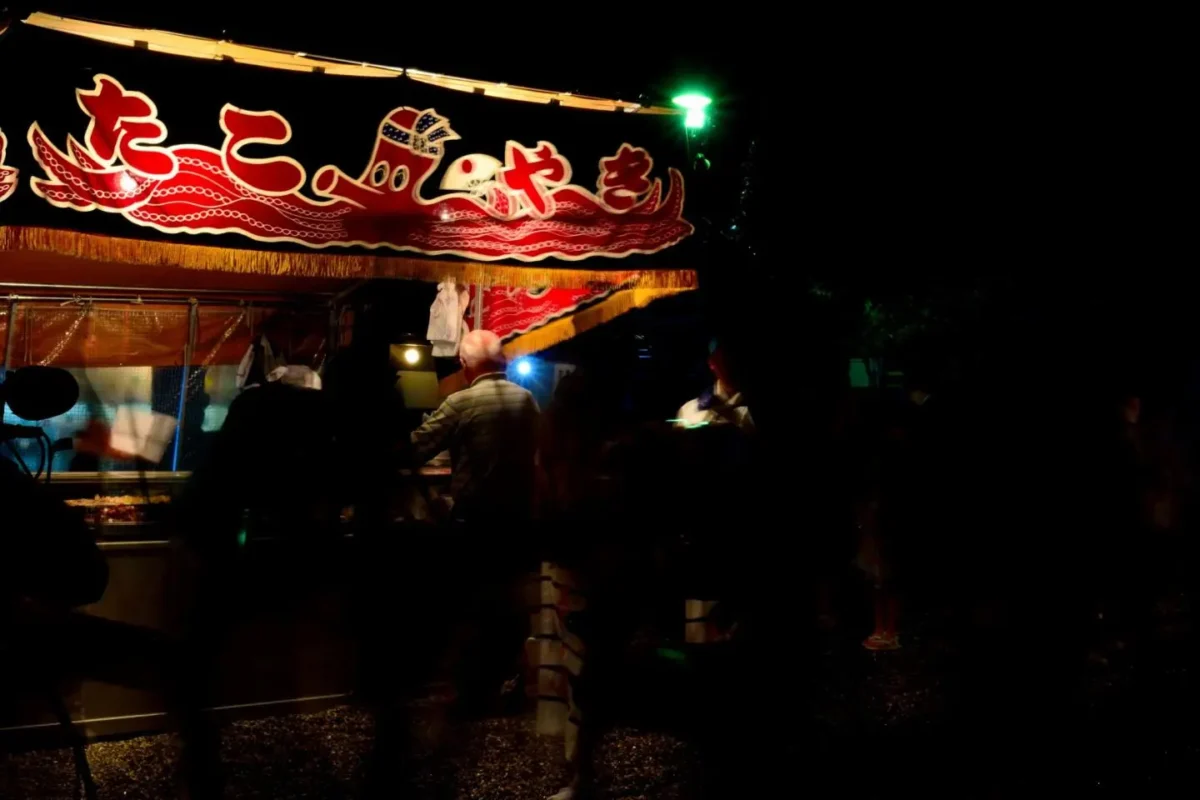
Traditional food stalls line the temple grounds during the event, offering an array of classic Japanese festival delicacies. The scent of savory cooking fills the warm night air, drawing hungry visitors toward the bustling vendor stands. These culinary offerings provide an essential, flavorful component of the overall festival experience.
Among the various grilled items available, local specialties like grilled squid stand out as crowd favorites. Attendees can sample typical festival refreshments while strolling beneath the glowing lanterns and enjoying the mountain scenery.
- Temple Ground Stalls: Rows of active food vendors set up directly inside the historic temple precincts.
- Grilled Squid: Freshly grilled seafood seasoned to perfection serves as a primary culinary highlight.
- Savory Snacks: Classic street foods like yakisoba and takoyaki are readily available for hungry festival-goers.
- Sweet Treats: Traditional confections and refreshing shaved ice delight younger visitors throughout the night.
- Local Produce: Reflects Kamiyama’s agricultural identity through seasonal snacks and regional flavors.
- Refreshing Drinks: Cold beverages are served to keep guests cool during the warm late-summer evening.
- Casual Dining: Visitors enjoy their food informally while walking or resting near the lantern-lit paths.
Karaoke & Community Entertainment
Once the main religious and formal portions of the festival conclude, the atmosphere shifts toward interactive community entertainment. A participatory karaoke event invites brave souls from the crowd to take the microphone and showcase their vocal talents. This lighthearted segment injects a wave of laughter and casual fun into the evening’s schedule.
The karaoke session highlights a distinctly local and unpretentious community-oriented element. Neighbors cheer for neighbors, and visitors are welcomed into the impromptu performances with enthusiastic applause. It bridges any remaining gaps between performers and spectators, ensuring everyone feels like part of the neighborhood.
- Participatory Format: Encourages audience members and locals to step up and sing their favorite songs.
- Community Spirit: Fosters local camaraderie through shared laughter, music, and lighthearted performances.
- Inclusive Entertainment: Welcomes participants of all ages to share the stage in a relaxed setting.
- Local Flavor: Showcases authentic grassroots entertainment unique to small-town Japanese festivals.
- Transition Event: Serves as the transitional bridge between the quiet temple rituals and the grand finale.
Event Contact Details
- Email: info@kamiyama-navi.jp
- Phone Number: 088-677-0112
- Website: shikoku-tourism.com
Best Viewing Experience & Photography
Capturing the magic of the Shosan-ji Summer Festival requires timing your movements with the shifting evening light. The best moments to experience the tranquil temple atmosphere occur right at dusk when the lanterns first ignite along the cedar-lined paths. Photographers should position themselves early to frame the glowing paper lights against the darkening forest backdrop.
- Dusk Lantern Glow: The transition hour just after sunset provides the most atmospheric lighting for photography.
- Cedar Path Framing: Use the ancient stone lanterns and giant trees to create compelling depth in evening compositions.
- Fireworks Positioning: Secure an open vantage point with a clear view of the upper horizon before the display begins.
- Low-Light Preparedness: Utilize fast lenses or stabilization gear since the mountain temple grounds have minimal ambient lighting.
- Balanced Perspectives: Frame shots to include both the small temple structures and the massive night sky overhead.
- Respectful Shooting: Ensure camera equipment does not block narrow pathways or intrude upon worshippers.
Getting Around & Mountain Access
Reaching Shosan-ji for the summer festival requires navigating a demanding mountain environment. Visitors arriving by motor vehicle must drive up a steep, winding mountain road featuring numerous sharp curves and predominantly single-lane sections. Designated parking areas are available near the upper sections, though drivers should proceed with caution during evening hours.
For travelers choosing to arrive on foot, the pilgrimage trail provides a much more demanding physical challenge. Traditionally known as a difficult mountain pass or henro-korogashi, the hiking route from the preceding temple involves a long, steep ascent. Proper hiking preparation, stamina, and daylight travel planning are essential for anyone attempting the foot path.
- Steep Mountain Roads: Access by car involves navigating narrow, winding single-lane paved routes with many curves.
- On-Site Parking: Designated parking lots are located within walking distance of the main temple gates.
- Challenging Hiking Trail: The traditional foot pilgrimage route requires a strenuous, multi-hour uphill climb.
- Driving Caution: Extra vigilance is required when driving down the mountain after dark following the fireworks display.
- Remote Location: Public transit options directly to the temple are limited, making cars or private tours necessary.
- Arrival Buffer: Plan extra travel time to account for winding mountain speeds and parking availability.
Visitor Etiquette, Safety & What to Bring
Attending an evening festival at an active Buddhist mountain temple requires adherence to proper cultural etiquette and personal safety measures. Visitors must respect sacred spaces by bowing appropriately, keeping noise levels moderate near shrines, and avoiding restricted monastic areas. Showing reverence for worshippers and monks ensures a harmonious environment for everyone.
Because the event takes place at a high-elevation mountain site after dark, environmental preparation is crucial. Temperatures can drop significantly once the sun sets, making layers of warm clothing necessary. Sturdy footwear is also mandatory for navigating uneven stone steps, unpaved paths, and dark parking areas safely.
- Buddhist Etiquette: Observe quiet reverence, bow respectfully, and follow all signage regarding sacred temple boundaries.
- Respect Worshippers: Allow pilgrims and local practitioners unhindered access to altars and memorial prayer spaces.
- Layered Clothing: Bring warm jackets or sweaters to combat the chilly evening air common in high-altitude terrain.
- Sturdy Footwear: Wear comfortable walking shoes suited for uneven stone steps, gravel paths, and dark slopes.
- Crowd and Fire Safety: Maintain safe distances from active food stall flames and designated fireworks launching zones.
- Flashlight or Phone Light: Carry a light source to safely navigate unlit mountain pathways after the festival concludes.
- Insect Repellent: Pack bug spray to protect against mosquitoes and forest insects during the warm evening hours.
- Trash Management: Carry small bags to pack out your own waste, as public trash receptacles are limited.
Entry & Tickets
- How Tickets Are Sold: Attendance is open to the public on-site with no advance ticketing required for general entry to the festival grounds.
- Admission Type: Free Admission for all visitors entering the temple grounds to view the memorial service, lanterns, and evening displays.
- Ticket Pricing: Free Admission
- Special Seating Options: Open standing and casual seating areas around the temple grounds, food stalls, and the entertainment zones.
- VIP Options: No specialized VIP packages or reserved seating tiers are offered for this traditional community festival.
Location
FAQ
What is the main religious purpose of the Shosan-ji Summer Festival?
The event centers around a vital Buddhist memorial service held annually on August 30th at the 12th temple of the Shikoku pilgrimage. It honors the spiritual heritage of the mountain and prays for the peace and well-being of ancestors and local residents.
How can visitors travel up to the temple grounds for the event?
Travelers can drive up a steep, winding mountain road that leads to designated parking lots near the summit area. Alternatively, dedicated hikers can tackle the challenging traditional pilgrimage foot trail, though it requires significant physical stamina.
Is there any cost required to enter the festival grounds?
General admission to the temple grounds, memorial service viewing areas, and evening entertainment zones is completely free for all attendees. Visitors only need to budget money if they wish to purchase food from the local vendor stalls.
What kind of entertainment takes place after the memorial service?
The evening transitions into a lively community gathering featuring participatory karaoke sessions where locals and visitors can sing. This lighthearted entertainment directly precedes the grand finale fireworks display over the valley.
What should travelers pack for an evening festival at Shosan-ji?
Visitors should pack warm clothing layers because temperatures drop sharply at high altitudes after the sun goes down. Sturdy walking shoes and a portable flashlight are also strongly recommended for navigating dark mountain paths safely.

Leave a Reply