
Geisha, Young People & Local Community
The festival draws its true strength from the active involvement of local residents, young people, and the town’s cultural figures. Women dressed in exquisite traditional garments, including local geisha figures, take prominent roles on the shrines and lead cultural duties. Their presence connects the modern celebration directly to the deep-rooted entertainment traditions of the historic onsen district.
Youth groups and children form the spirited backbone of the carrying and chanting teams, ensuring traditional skills pass smoothly to new generations. Family members line the streets to support their children and neighbors, creating an intensely warm environment. This heavy grassroots participation gives the festival its authentic, tight-knit community character.
- Traditional Attire: Participants and performers wear authentic historical garments and festive festival wear.
- Local Geisha Presence: Cultural figures add elegance and historical continuity by riding atop the primary mikoshi.
- Youth Engagement: Children and teenagers take active leadership in carrying the junior shrines and chanting.
- Intergenerational Bonds: Seniors, parents, and youth work collectively to execute the evening’s events.
- Community Spirit: Reflects the genuine hospitality and cooperative pride of the permanent Higashiyama residents.
When & How Long
- Event Date: Early August 2027 (Dates TBD)
- Event Duration: One evening session (beginning around 6:45 PM)
Visiting this event? Don’t miss out on these amazing activities and local experiences while you’re here.
Festival Route, Stops & Main Moments
The festival follows a carefully established route starting near the entrance gateway of Higashiyama Onsen. The procession moves at a deliberate pace down the main resort street, pausing at designated intervals to allow maximum water-throwing interaction. These strategic stops serve as the primary focal points where the crowd and shrine bearers interact most intensely.
Enjoy Your Event Stress-Free with Japan Travelo
Do you know? Planning events, festivals, concerts, and cultural experiences in Japan can be overwhelming. Japan Travelo brings everything together in one place, helping you manage your itinerary, transport, and accommodation with ease—so you can enjoy Japan without the stress of planning.
Major moments occur when the adult mikoshi halts in front of major hot-spring inns, drawing cheers from guests watching from balconies. The transition from the children’s mini shrine segment to the arrival of the main adult procession marks a dramatic escalation in energy. Navigating these key stops lets visitors find optimal locations to experience the splashing action firsthand.
- Gateway Starting Point: Commences near the official entrance archway of the hot-spring town.
- Main Resort Thoroughfare: Travels down the primary paved road flanked by traditional ryokan hotels.
- Strategic Pauses: The procession stops periodically to let crowds intensify their water-throwing activity.
- Inn Balcony Viewing: Guests watch and splash from the elevated windows and balconies of roadside inns.
- Transition Moments: Shifts smoothly from the children’s energetic opening to the massive adult shrine march.
- Climax Zones: Central street areas feature the heaviest concentrations of water splashing and chanting.
Entry & Tickets
- How Tickets Are Sold: General access to public streets and viewing zones is completely open on-site with no advance ticketing required.
- Admission Type: Free Admission for all spectators and participants joining the open-air water-throwing processions along the public resort streets.
- Ticket Pricing: Free Admission
- Special Seating Options: Open standing along sidewalks and resort road borders for viewing the shrines and joining the splashes.
- VIP Options: No specialized VIP packages or reserved seating tiers are provided, as the festival is a community-driven public street celebration.
Where It Takes Place
- City and Country: Aizuwakamatsu, Fukushima Prefecture, Japan
- Venue Name: Higashiyama Onsen
- Google Maps Address: Higashiyama Onsen, Yumoto, Aizuwakamatsu, Fukushima 965-0814, Japan
Mikoshi Procession Through the Onsen Town
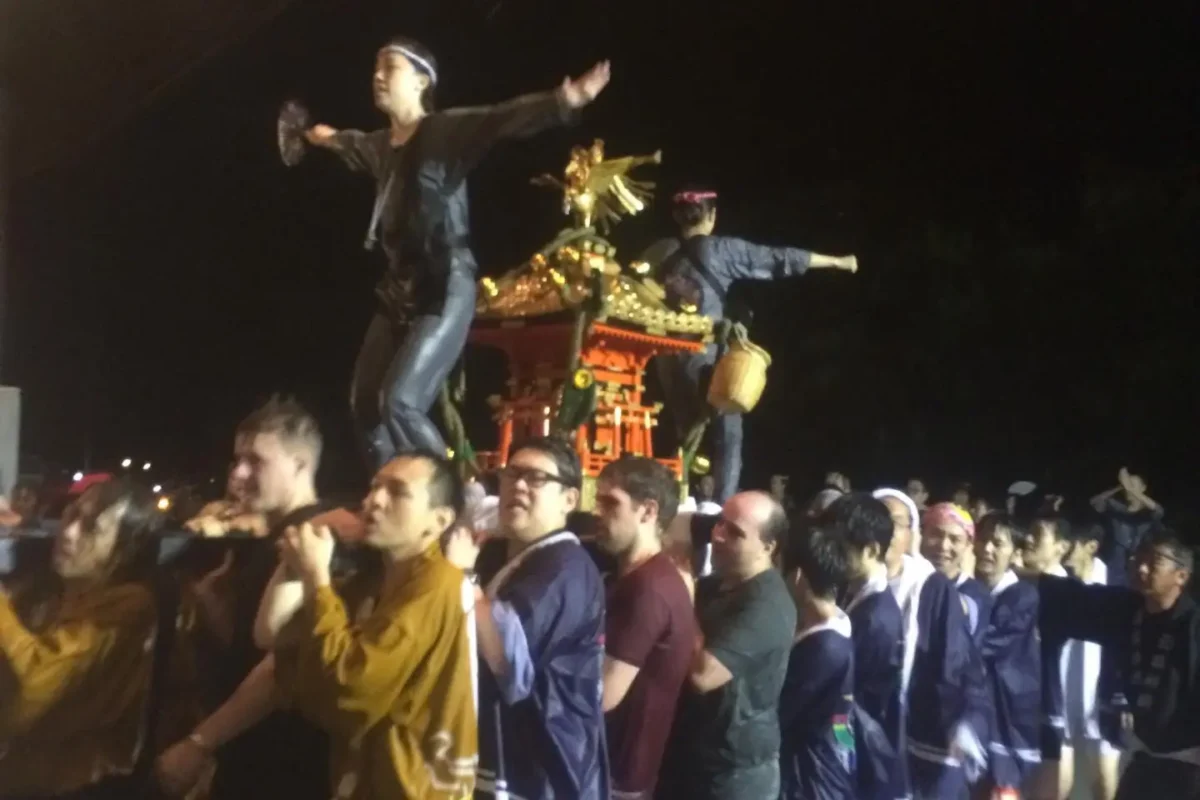
The festival officially launches around 6:45 PM following a solemn Shinto ritual performed at the entrance of the hot-spring town. The focal point of the parade features two women dressed in traditional attire standing atop a massive portable shrine known as a mikoshi. Dozens of participants dressed in matching historical garb hoist this heavy structure onto their shoulders to march down the street.
Right behind the main shrine, a mini shrine carried by young children follows closely for the first twenty minutes of the route. These children chant fiercely with remarkable spirit, making their spirited way through the resort thoroughfares. The rhythmic marching pace and synchronized lifting movements project deep communal dedication.
The procession winds its way past historic hot-spring inns and bubbling river channels, bringing dynamic movement to the quiet valley. The steady beat of traditional festival drums and matching chants echo off the mountain walls. This grand display honors local deities while injecting lively motion into the evening resort landscape.
- Shinto Ritual Opening: Begins with purification ceremonies at the entrance of the hot-spring town.
- Main Mikoshi Structure: Features a large portable shrine carrying two women in traditional dress.
- Adult Bearers: Dozens of costumed community members shoulder and transport the heavy shrine structure.
- Children’s Mini Shrine: A smaller secondary shrine follows for twenty minutes, carried by enthusiastic youth.
- Fierce Chanting: Young participants shout traditional refrains as they march through the resort streets.
- Winding Route: Moves deliberately past historic ryokan inns and commercial hot-spring storefronts.
Lucky Coins & Festival Blessings
Throughout the progress of the evening festival, a unique blessing ritual takes place involving special lucky coins known as yu-sen. The women riding atop the portable shrine toss 5-yen coins wrapped or tied with colored strings into the surrounding crowd. These colored cords traditionally come in red, white, or yellow variations.
Catching one of these lucky coins carries specific symbolic blessings for those who retrieve them from the street or air. Red strings traditionally symbolize good fortune in love and relationships, white strings represent health and wellness, and yellow strings bring financial prosperity. This charming custom adds an element of joyful anticipation for the spectators hoping for a blessing.
- Yu-Sen Coins: Special 5-yen coins distributed by shrine riders to bestow luck upon onlookers.
- Colored String Meanings: Different string colors designate distinct categories of future fortune.
- Love Blessings: Red-strung coins are sought after for good luck in romance and relationships.
- Health Wishes: White-strung coins represent prayers for physical vitality and wellness.
- Financial Prosperity: Yellow-strung coins symbolize hopes for future wealth and economic success.
- Interactive Catching: Spectators eagerly try to catch the tossed coins as they rain down from the shrine.
Event Contact Details
- Email: info@aizukanko.com
- Phone Number: 0242-23-4141
- Website: aizukanko.com
Higashiyama Onsen & Festival Setting
Higashiyama Onsen rests quietly in the lush mountains of Aizuwakamatsu in Fukushima Prefecture, translating literally to East Mountain. This well-known yet intimate hot-spring resort town features natural waters cascading down between steep mountain slopes and over charming small waterfalls. The surrounding landscape transforms through vibrant seasonal colors, offering stunning views whether lush green in summer or blanketed in snow.
This tranquil hot-spring environment provides an exceptionally picturesque backdrop for a traditional regional celebration. Historic ryokan inns line the winding riverbanks, filling the valley with a nostalgic, classic Japanese ambiance that feels far removed from modern urban life. The town’s natural thermal abundance sets the exact stage for a festival uniquely centered around hot-spring water.
- Mountain Valley Setting: Tucked deeply into the scenic forested peaks of Aizuwakamatsu.
- Thermal Resort Town: Renowned for abundant natural hot-spring sources and riverside ryokan architecture.
- Seasonal Landscapes: Features dramatic natural shifts from lush summer greenery to brilliant autumn foliage.
- Intimate Scale: Offers a close-knit, welcoming community atmosphere distinct from massive city festivals.
- Riverside Pathways: Built along winding valley routes that naturally channel the evening procession.
Hot-Spring Water Throwing Tradition
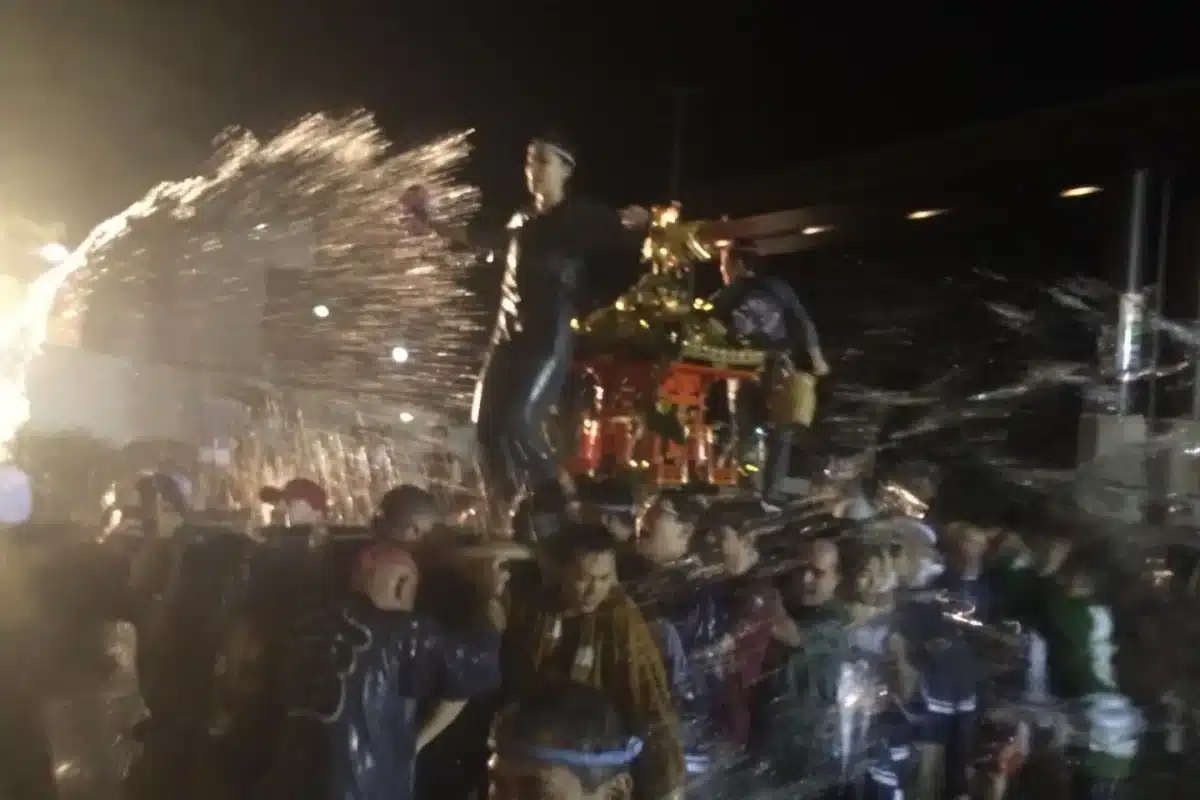
The core highlight of the festival is its exhilarating and unusual water-throwing tradition, which turns spectators into active participants. As the portable shrines move through the resort streets, onlookers fling water generously onto the mikoshi and the carrying participants. This refreshing dousing acts as a playful relief against the intense summer heat while driving up the event’s excitement.
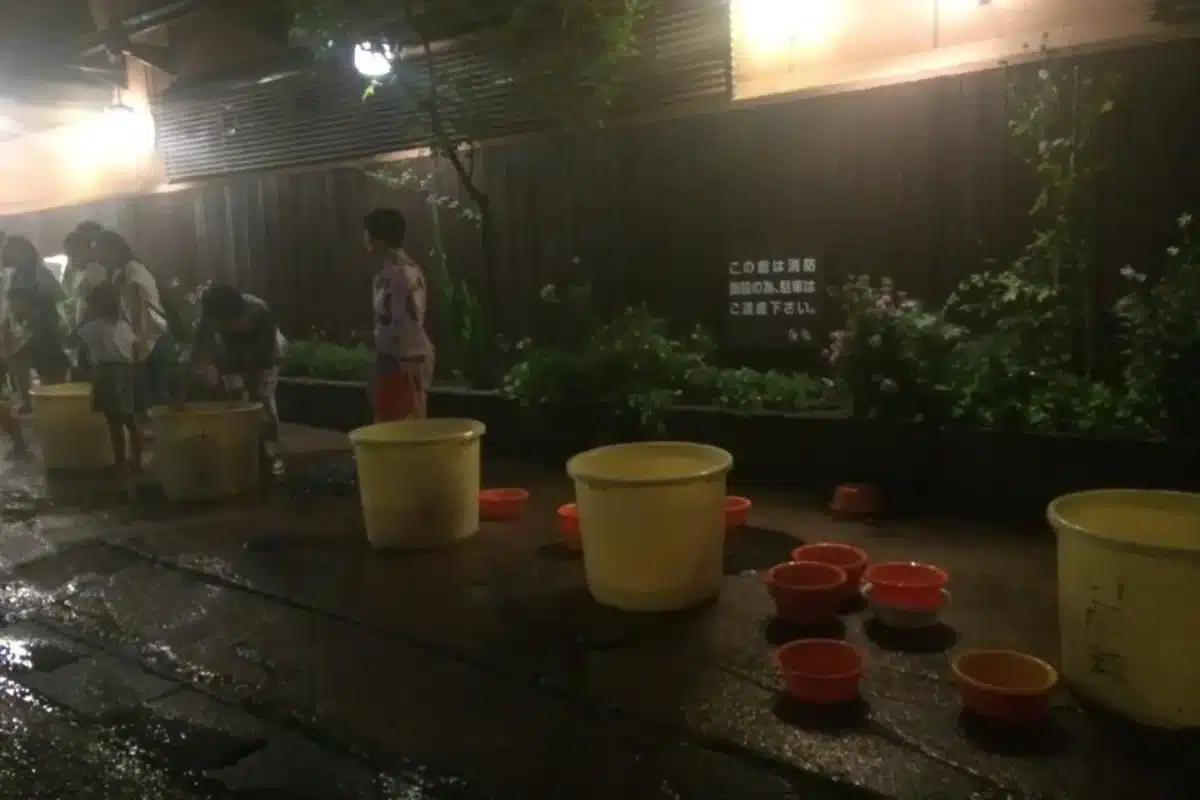
The origins of this custom tie directly into the town’s identity as a thermal spring resort, utilizing the local water element as a medium of blessing and purification. Participants and carriers willingly brave the cascade of buckets, splashing water back and forth in a joyous, high-energy exchange. This cooperative chaos creates an intensely vibrant atmosphere where traditional boundaries between observer and performer completely dissolve.
The dynamic interplay of flying water, echoing chants, and cheering crowds transforms the quiet mountain street into an open-air water park. The splashing water catches the evening light, producing a shimmering visual spectacle that invigorates everyone involved. It stands out as one of the most interactive and memorable festival experiences in the Tohoku region.
- Interactive Tradition: Spectators actively splash water onto shrines and carriers to cool off and join the fun.
- Thermal Water Connection: Celebrates the town’s rich hot-spring heritage by utilizing water as a festival element.
- Summer Relief: Provides a refreshing, cooling burst against the humid August evening weather.
- High-Energy Atmosphere: Generates an electric, chaotic environment filled with laughter and shouting.
- Mutual Participation: Both locals and tourists engage equally in throwing and receiving water splashes.
- Visual Spectacle: Water droplets catch street lighting, creating dramatic shimmering effects mid-air.
- Purification Symbolism: Blends playful celebration with traditional Shinto notions of ritual cleansing.
Participating in the Water-Throwing Experience
Visitors are not merely allowed to watch the Water Throwing Festival, but are actively encouraged to join in the splashing. Anyone stepping near the street borders should expect to be thoroughly soaked by flying water buckets wielded by both locals and fellow tourists. Embracing the wet environment with a cheerful attitude is essential for enjoying the event.
To participate respectfully and safely, attendees should wear quick-drying summer clothing, sandals or water shoes, and leave sensitive electronics behind. Securing smartphones and wallets in waterproof pouches prevents water damage during the intense splashing phases. Maintaining polite awareness ensures that the high-energy water battle remains fun and friendly for all ages.
- Active Invitation: Tourists are explicitly welcomed to participate in splashing water toward the parade.
- Soaking Expectation: Attendees near the street will get completely wet from head to toe.
- Waterproof Gear: Secure phones and valuables inside sealed plastic pouches before approaching the route.
- Appropriate Clothing: Wear light, quick-drying garments or swimwear alongside comfortable water shoes.
- Friendly Demeanor: Keep the water exchange lighthearted, respectful, and fun for families and children.
- Camera Protection: Use waterproof housing or stay back if capturing images with sensitive digital equipment.
Evening Atmosphere, Food & Onsen Experience
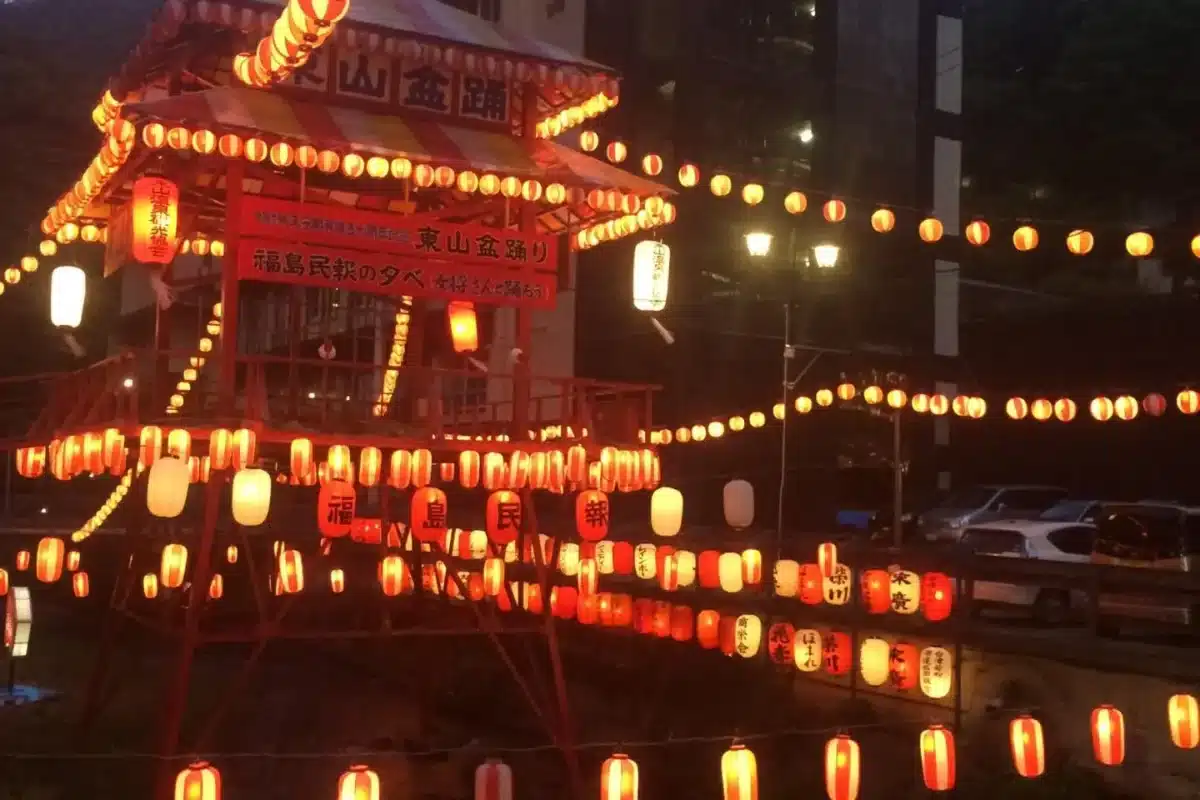
The festival captures the quintessential magic of a Japanese summer night in a historic mountain resort. As the evening progresses, the warm glow of lanterns mixes with the lingering mist from the hot springs and water splashes. Local food stalls offer comforting festival snacks, adding savory aromas to the cool mountain air.
Pairing the festival with a stay at a local ryokan elevates the experience into a complete weekend getaway. Visitors can soak in soothing outdoor hot spring baths either before joining the street excitement or afterward to warm up after getting soaked. This seamless blend of festival energy and thermal relaxation defines a trip to Higashiyama Onsen.
- Summer Night Magic: Combines evening mountain breezes, lanterns, and lively street festivities.
- Local Food Stalls: Vendors offer traditional festival treats and savory snacks along the resort paths.
- Ryokan Accommodations: Nearby traditional inns provide classic Japanese hospitality and multi-course meals.
- Onsen Bathing: Soak in soothing thermal waters before or after the wet street festivities.
- Relaxing Contrast: Transitions smoothly from high-energy water splashing to peaceful hot-spring tranquility.
Location
FAQ
What makes the Higashiyama Onsen Water Throwing Festival unique?
The event invites spectators to actively throw hot-spring water onto the portable shrines and participants as they march through the town. This interactive water battle creates an energetic, cooling celebration designed to beat the intense summer heat.
Are visitors allowed to participate in the water throwing?
Tourists and onlookers are warmly welcomed to join in the water-throwing activities along the streets of the resort. Attendees should wear quick-drying clothes and protect their electronics because getting thoroughly soaked is guaranteed.
What is the significance of the colored strings on the coins?
Shrine riders toss special 5-yen coins tied with red, white, or yellow strings into the surrounding crowds. Each specific string color bestows a distinct traditional blessing for love, health, or financial prosperity to whoever catches it.
How long does the festival procession last through the town?
The main evening event begins around 6:45 PM following an initial opening Shinto ritual at the resort entrance. It features an initial children's mini shrine segment followed by the primary adult mikoshi procession moving down the street.
Is public transportation available to reach Higashiyama Onsen?
Travelers can easily access the hot-spring town via regular local buses or short taxi rides from Aizuwakamatsu Station. Checking regional transit schedules ahead of time ensures smooth travel planning for the evening festival.

Leave a Reply