
What to expect in 2027
The Water Throwing Festival in Tohoku is a traditional summer celebration held in the Higashiyama Onsen area of Aizuwakamatsu, Fukushima Prefecture. The event is associated with the region’s long-established hot-spring culture and is known for its energetic water-throwing ritual, in which participants and spectators splash water over the procession and each other.
The festival takes place around the streets and traditional atmosphere of Higashiyama Onsen, one of Aizuwakamatsu’s historic hot-spring districts. The combination of local religious traditions, decorated floats, participants in traditional clothing and large quantities of water gives the event a distinctive character compared with more formal Japanese festivals.
The 2027 edition is expected to retain the traditional format, although the official programme and exact schedule have not yet been announced. For this listing, the event is presented as an early-August 2027 festival with dates to be confirmed.
Enjoy Your Event Stress-Free with Japan Travelo
Do you know? Planning events, festivals, concerts, and cultural experiences in Japan can be overwhelming. Japan Travelo brings everything together in one place, helping you manage your itinerary, transport, and accommodation with ease—so you can enjoy Japan without the stress of planning.
Visitors should be prepared to get wet. Water is deliberately thrown toward the procession, making waterproof clothing, footwear and protection for phones and cameras particularly useful. The festival is best experienced as an active street celebration rather than a conventional performance that is watched from a dry viewing area.
The surrounding Higashiyama Onsen district also makes it possible to combine the festival with a traditional Japanese hot-spring experience. Visitors can explore ryokan, public baths, historic streets, restaurants and nearby cultural attractions during the same trip.
Event dates
The Water Throwing Festival in Tohoku is expected to take place in early August 2027, but the exact date has not yet been announced.
The event traditionally forms part of the summer festival calendar in Higashiyama Onsen. Because the celebration is held outdoors, visitors should check the latest information from Aizuwakamatsu tourism authorities before arranging transportation or accommodation.
The festival generally centers on a procession moving through the hot-spring district. The water-throwing ritual creates a lively atmosphere along the route, with spectators becoming part of the celebration.
Visitors planning to stay overnight should consider arriving before the festival programme begins and remaining in the area after the procession. This allows time to experience Higashiyama Onsen without having to make a same-day return journey.
Visiting this event? Don’t miss out on these amazing activities and local experiences while you’re here.
Venues & festival locations
Higashiyama Onsen
The principal festival location is Higashiyama Onsen, a historic hot-spring district southeast of central Aizuwakamatsu. The area is known for its traditional ryokan, mountain scenery, streams and long history as a bathing destination.
Onsen streets
The narrow streets around the hot-spring district provide the setting for the procession and water-throwing activities. Buildings, inns and the surrounding wooded hills create a distinctly traditional backdrop.
Festival route
The procession uses public streets in the Higashiyama Onsen area. Spectators gather along the route to watch and participate in the water-throwing tradition.
Higashiyama Onsen community area
The festival is closely connected with the local hot-spring community rather than being confined to a single enclosed venue. Visitors therefore experience the event alongside the everyday atmosphere of the onsen district.
Full cultural programme
The exact 2027 programme will be confirmed by the organizers, but the established festival format centers on a traditional procession and a water-throwing ritual.
Opening preparations
Festival participants gather in traditional attire before the procession begins. The atmosphere around the hot-spring streets gradually becomes more active as residents and visitors prepare for the main celebration.
Traditional procession
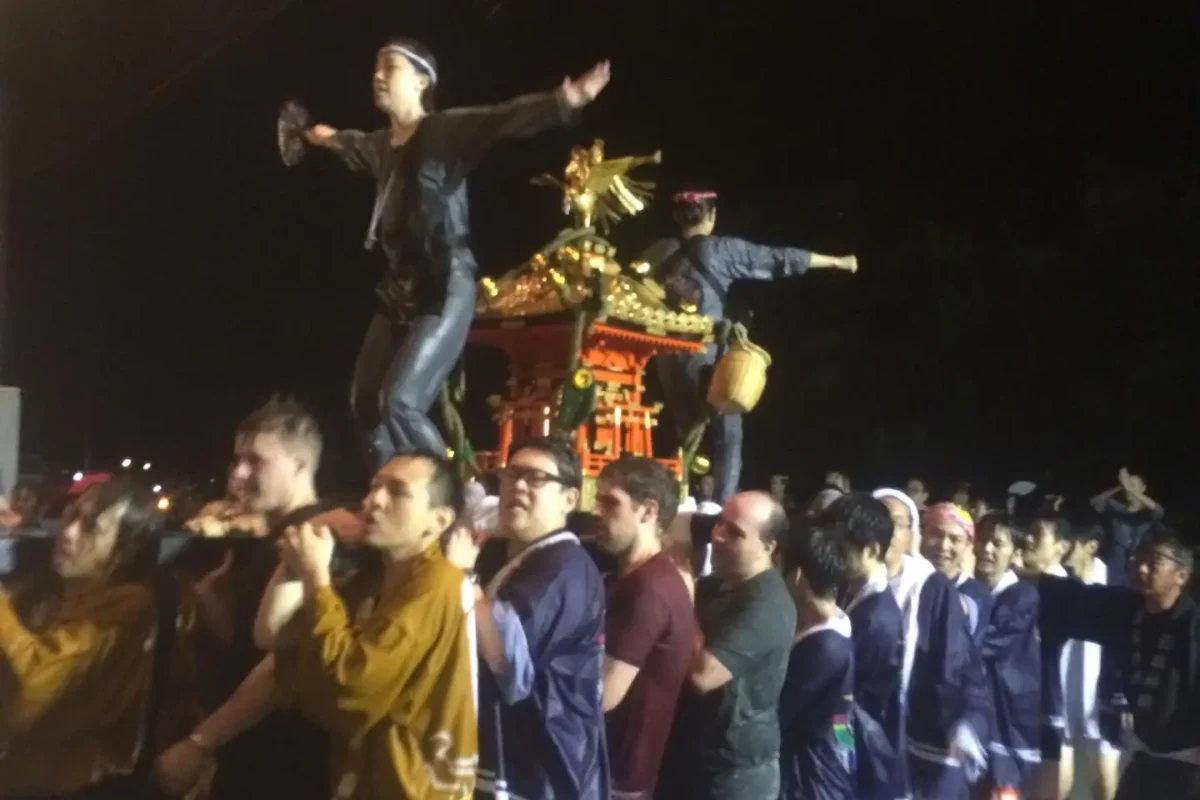
A procession moves through Higashiyama Onsen accompanied by traditional decorations, participants and ceremonial activities.
Water-throwing ritual
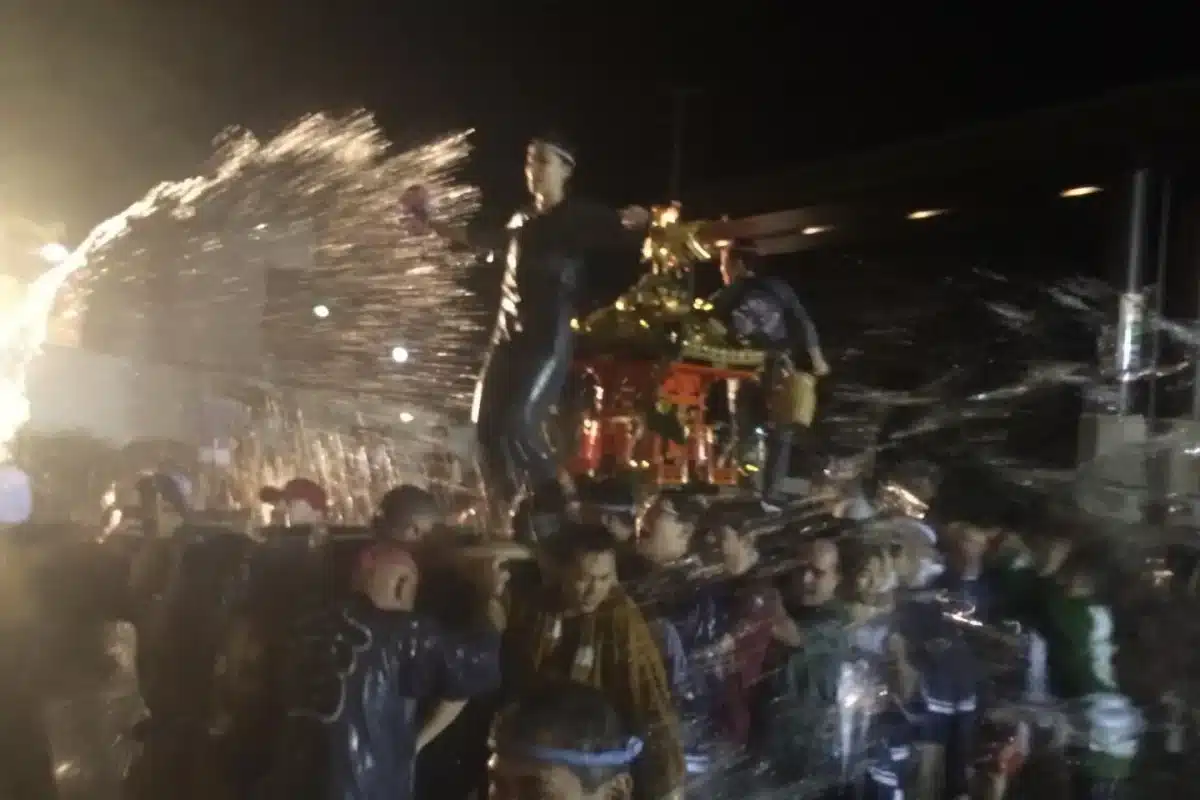
The defining feature of the festival is the throwing of water toward the procession. Spectators can also become involved, creating a communal celebration in which the boundary between performers and audience becomes less distinct.
Traditional atmosphere
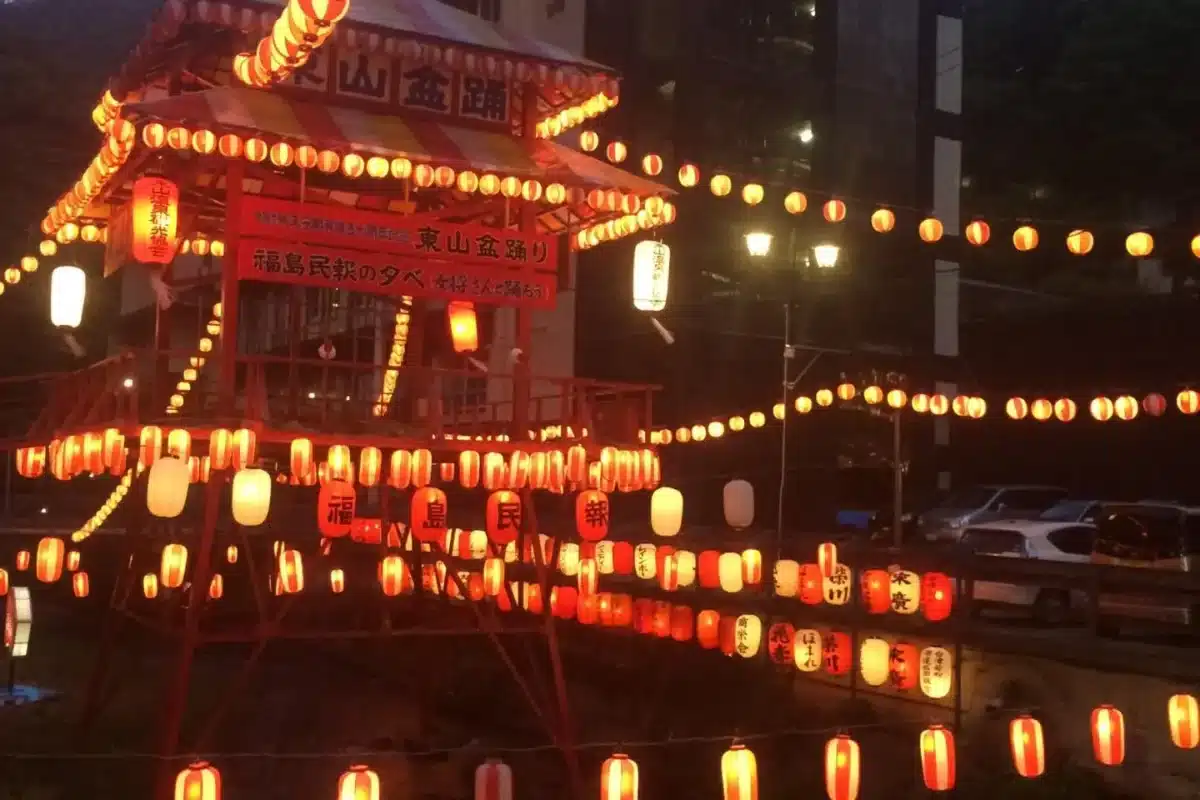
The festival combines local customs with the historic surroundings of Higashiyama Onsen. Traditional clothing, decorations and the old hot-spring streets contribute to the cultural character of the event.
Community celebration
The festival is strongly connected with the local community. Residents, visitors and participants gather along the streets, creating a friendly and informal summer atmosphere.
Featured traditions & performances
Water throwing
The water-throwing ritual is the central tradition of the event. Participants throw water toward the procession as it moves through Higashiyama Onsen.
Visitors should expect to get wet if they stand close to the action. A waterproof phone case or sealed bag is recommended for electronic equipment.
Traditional procession
The procession provides the formal structure around which the water-throwing celebration develops. Traditional clothing and festival decorations help distinguish the event from an ordinary summer street gathering.
Local festival customs
The celebration reflects the community traditions of Higashiyama Onsen, where local residents have maintained seasonal events alongside the area’s hot-spring culture.
Summer festival atmosphere
The combination of water, traditional streets and local participation makes the event particularly lively. Rather than being a stage-based performance, much of the experience happens directly around visitors.
Historical & heritage highlights
Higashiyama Onsen is one of the historic hot-spring areas associated with Aizuwakamatsu. Its history is closely linked to the development of the region as a destination for bathing and relaxation.
The onsen district is located in a valley surrounded by wooded hills, giving it a strong connection with the natural landscape. Traditional inns and waterways contribute to the area’s historic character.
Aizuwakamatsu itself has an important samurai-era heritage, with Tsurugajo Castle, former samurai residences and other historical attractions located within the wider city.
Visitors attending the Water Throwing Festival can therefore combine a local summer celebration with a broader exploration of Aizu’s history.
The festival also demonstrates how traditional celebrations remain connected with everyday community life. Instead of taking place in an isolated festival ground, the event uses the streets of an established hot-spring neighborhood.
Events & activities schedule
The 2027 timetable has not yet been officially released. The following describes the established sequence rather than confirmed 2027 times.
Festival gathering
Participants and local residents gather around the Higashiyama Onsen area before the main procession.
Procession
The traditional procession moves through the onsen district, providing the main focus for spectators.
Water throwing
Water is thrown toward the procession and around the viewing areas. This is the most interactive part of the celebration.
Community celebration
The procession and water activities create opportunities for visitors to experience the event alongside local residents.
Onsen experience
Visitors can extend their cultural experience by using one of the area’s traditional hot-spring facilities or staying at a local ryokan.
Ticket types & entry options
The Water Throwing Festival is a traditional public street event rather than a conventional ticketed concert or exhibition.
General festival viewing
Visitors can generally watch the public celebration from the streets around Higashiyama Onsen without purchasing a festival admission ticket.
Participation
The water-throwing tradition is designed as an interactive public celebration, but visitors should follow instructions from organizers regarding where and how they may participate.
Onsen facilities
Hot-spring baths and ryokan are separate from the festival itself. Individual facilities have their own admission or accommodation arrangements.
Festival food
Any food or refreshments sold during associated activities are separate purchases.
No confirmed 2027 festival admission pricing has been announced, and the event should be treated as a free public street celebration unless organizers state otherwise.
Guided tours & cultural experiences
A visit to Higashiyama Onsen can be expanded into a broader cultural experience.
Explore the hot-spring district
Walking through the streets before the festival allows visitors to see traditional ryokan, bridges, streams and wooded surroundings.
Stay at a ryokan
A traditional Japanese inn provides an opportunity to experience the area’s hot-spring culture more deeply. Many ryokan combine bathing facilities with traditional rooms and regional meals.
Try a local onsen
Visitors can experience the purpose of the district itself by visiting an available public bath or an accommodation facility offering bathing access.
Explore Aizuwakamatsu
The festival can be combined with visits to Tsurugajo Castle and other historical attractions in the city.
Local walking experience
Because the festival takes place within the existing streets of Higashiyama Onsen, walking between viewing areas is an important part of the experience.
Special ceremonies & celebrations
The water-throwing ritual is the principal ceremonial feature of the event.
The procession moves through the historic hot-spring district while participants and spectators take part in the water ritual. The activity gives the festival a playful appearance while remaining connected with local seasonal traditions.
Visitors should observe the procession carefully before joining the water throwing. Festival staff and participants may indicate appropriate areas for spectators.
The surrounding hot-spring district also adds a ceremonial and cultural atmosphere. Traditional inns, wooded hills and the sound of flowing water provide a setting that differs from large urban summer festivals.
Festival rules
Prepare to get wet
Water throwing is an intentional part of the festival. Visitors should protect cameras, smartphones, passports and other valuables.
Protect electronic equipment
Use waterproof cases or sealed bags for phones and cameras. Avoid bringing fragile electronic equipment close to the procession.
Respect participants
Do not obstruct the procession or interfere with participants while taking photographs.
Follow local instructions
Follow directions from organizers, police and festival staff, particularly when crowds become dense.
Be considerate around ryokan
The festival takes place in an active residential and hospitality district. Keep noise under control away from the main celebration and respect private entrances and properties.
Use appropriate footwear
Wet streets can become slippery. Shoes with good grip are advisable.
How to get there
Higashiyama Onsen is located in Aizuwakamatsu, Fukushima Prefecture, southeast of the central city area.
Aizuwakamatsu Station is the main railway arrival point for visitors coming from other parts of Japan. From the station, visitors can continue toward Higashiyama Onsen by local bus or taxi.
The district is relatively close to central Aizuwakamatsu, making it practical to combine the festival with sightseeing in the castle area and downtown.
Visitors arriving by car should plan ahead because festival activity can affect road access and available parking around the onsen district.
Public transport & parking
Local buses
Local bus services connect central Aizuwakamatsu with Higashiyama Onsen. Bus travel is a practical option for visitors staying around Aizuwakamatsu Station or central Aizuwakamatsu.
Taxi
A taxi provides a convenient option for visitors carrying luggage or staying at a specific ryokan.
Walking
Higashiyama Onsen is best explored on foot once visitors arrive. The festival itself uses streets within the district.
Parking
Parking availability varies by accommodation and public parking facilities. Visitors staying at a ryokan should check whether guest parking is available.
During the festival, temporary restrictions or increased demand may affect parking. Public transport is therefore worth considering, particularly during the busiest part of the celebration.
Accommodation areas
Higashiyama Onsen
This is the most convenient area for visitors who want to experience the festival and the hot-spring district together. Staying locally also avoids the need to arrange late transportation back to central Aizuwakamatsu.
Aizuwakamatsu city centre
Central Aizuwakamatsu provides access to restaurants, shops, transport and major historical attractions.
Aizuwakamatsu Station area
The station area is practical for visitors arriving by train and provides convenient onward connections.
Tsurugajo area
Visitors interested in Aizu’s samurai history can stay nearer the castle and travel to Higashiyama Onsen for the festival.
For a full cultural trip, staying in Higashiyama Onsen allows visitors to combine the festival with traditional Japanese accommodation and bathing.
Food & traditional specialties
The Water Throwing Festival is an opportunity to explore Aizu’s regional food culture while visiting Higashiyama Onsen.
Aizu cuisine
Aizuwakamatsu is known for traditional dishes using locally produced rice, vegetables and other regional ingredients.
Kozuyu
Kozuyu is a traditional Aizu soup often associated with celebrations and important occasions. It is made with a clear broth and a selection of ingredients and is one of the region’s recognizable traditional foods.
Aizu sauce katsudon
Sauce katsudon is a local specialty consisting of a pork cutlet served over rice with a regional sauce.
Miso dengaku
Miso dengaku features ingredients such as tofu or konnyaku grilled and topped with seasoned miso. It is associated with traditional Aizu food culture.
Aizu sake
The region is known for sake production, supported by high-quality rice and water. Visitors can find locally produced sake at restaurants and specialist shops.
Ryokan meals
Visitors staying at a Higashiyama Onsen ryokan may have the opportunity to enjoy multi-course Japanese meals featuring seasonal regional ingredients.
Accessibility
The festival is held outdoors on streets within Higashiyama Onsen, so accessibility conditions can vary depending on the exact viewing location and crowd levels.
Street access
Visitors should expect uneven surfaces, narrow sections and wet pavement during the water-throwing activities.
Mobility assistance
Visitors who use wheelchairs or have limited mobility may find some sections easier than others. Contacting the accommodation or local tourism office in advance can help identify suitable viewing locations.
Wet conditions
The water ritual can make roads and walking areas wet and slippery. Visitors should take additional care when moving through the crowd.
Crowds
The most active sections of the procession may become crowded. Choosing a less congested viewing position can make the experience more comfortable.
Best cultural experiences
Experience the water ritual
The defining experience is seeing the procession pass through Higashiyama Onsen while water is thrown as part of the traditional celebration. Visitors should protect personal belongings and be prepared to get wet.
Stay in a traditional ryokan
A ryokan stay allows visitors to experience the hot-spring district beyond the festival itself, including traditional architecture, Japanese hospitality and regional cuisine.
Visit an onsen
Experiencing the hot springs gives additional context to the district where the festival takes place.
Explore Aizuwakamatsu’s heritage
Combine the festival with Tsurugajo Castle and other Aizu historical attractions to understand the wider cultural background of the region.
Walk Higashiyama Onsen
The surrounding streets, bridges, waterways and mountain landscape are worth exploring before or after the festival.
Try Aizu food
Sampling local specialties such as kozuyu, sauce katsudon, miso dengaku and regional sake provides another way to connect with Aizu culture.
Location
FAQ
What makes the Higashiyama Onsen Water Throwing Festival unique?
The event invites spectators to actively throw hot-spring water onto the portable shrines and participants as they march through the town. This interactive water battle creates an energetic, cooling celebration designed to beat the intense summer heat.
Are visitors allowed to participate in the water throwing?
Tourists and onlookers are warmly welcomed to join in the water-throwing activities along the streets of the resort. Attendees should wear quick-drying clothes and protect their electronics because getting thoroughly soaked is guaranteed.
What is the significance of the colored strings on the coins?
Shrine riders toss special 5-yen coins tied with red, white, or yellow strings into the surrounding crowds. Each specific string color bestows a distinct traditional blessing for love, health, or financial prosperity to whoever catches it.
How long does the festival procession last through the town?
The main evening event begins around 6:45 PM following an initial opening Shinto ritual at the resort entrance. It features an initial children's mini shrine segment followed by the primary adult mikoshi procession moving down the street.
Is public transportation available to reach Higashiyama Onsen?
Travelers can easily access the hot-spring town via regular local buses or short taxi rides from Aizuwakamatsu Station. Checking regional transit schedules ahead of time ensures smooth travel planning for the evening festival.

Leave a Reply