
-
October 18, 2026
Event date:
-
October 20, 2026
Event end:
Bettara Pickle Market & Street Food Experience
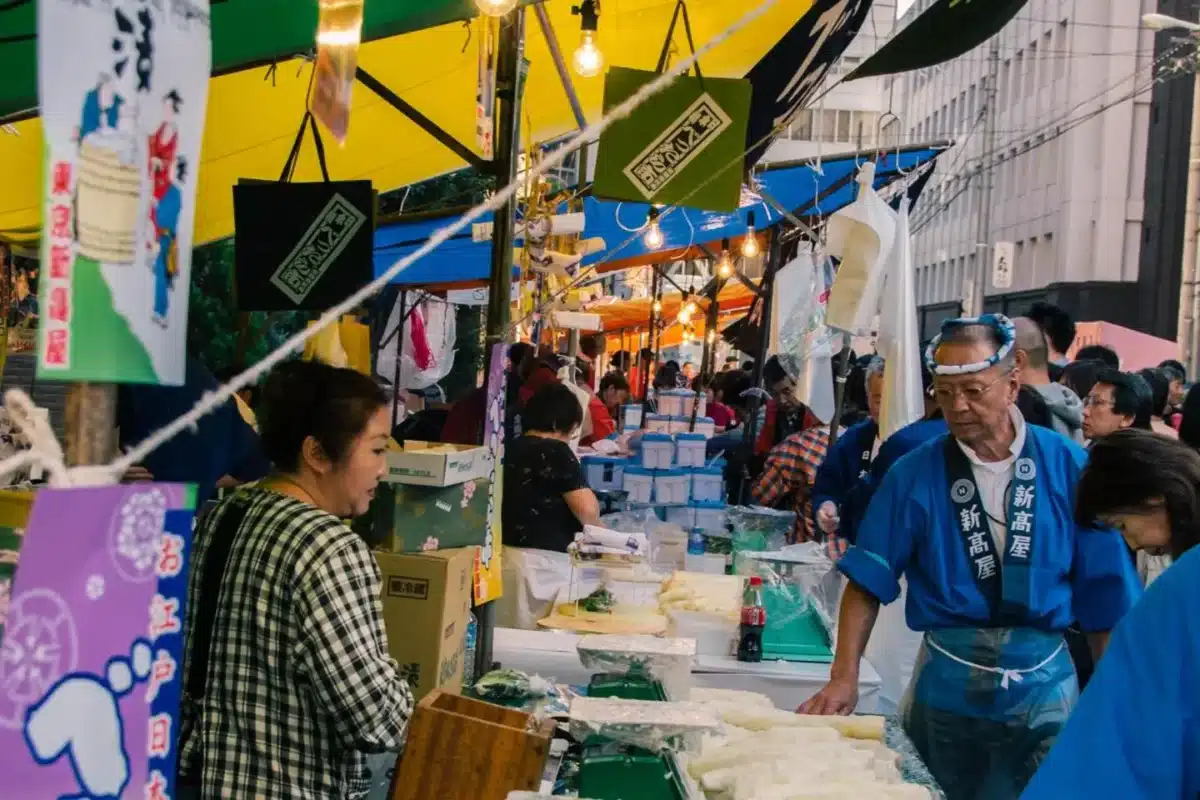
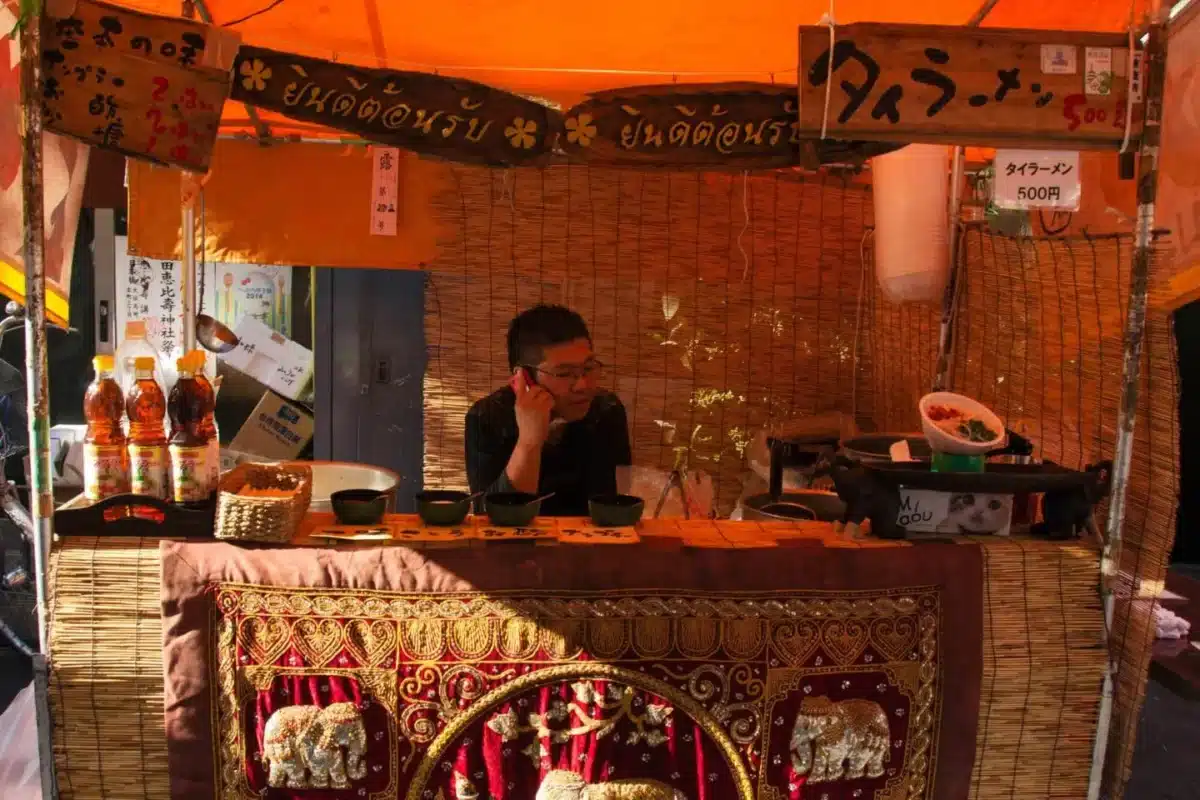
The absolute centerpiece of the autumn celebration is the famous bettara-zuke market, showcasing delicious sweet pickled daikon radish that gives the fair its iconic nickname, Bettara-ichi. Bettara-zuke is uniquely prepared by marinating raw daikon in a sweet mixture of malted rice, sugar, and salt, resulting in a crisp texture and a distinctively sweet, sticky flavor profile that melts in your mouth. During the multi-day event, specialized pickle vendors set up traditional wooden stalls decorated with festive banners, selling freshly chopped pieces of this local delicacy and offering generous free samples to curious passersby exploring the crowded alleyways.
- Bettara-zuke highlight: Taste the signature sweet pickled daikon radish sold by generational pickle artisans throughout the market streets.
- Free tasting culture: Enjoy friendly vendor interactions by accepting complimentary food and pickle samples before purchasing a whole block.
- Savory street snacks: Indulge in classic festival foods like sizzling yakisoba, buttered potatoes, and grilled seafood skewers.
- Traditional beverages: Sip on warm sake or crisp draft beer served directly from open-air beverage stalls lining the pathways.
- Souvenir shopping: Browse handmade crafts, wooden lucky trinkets, and specialty food items offered by regional merchants.
- Lively atmosphere: Immerse yourself in the bustling energy of thousands of patrons exploring narrow lanes decorated with festive banners.
- Affordable treats: Purchase delicious local snacks and regional delights for reasonable prices fitting a traditional street fair.
Venue
- City and Country: Tokyo, Japan
- Venue Name: Takaradaebisu Shrine and surrounding Odenma-cho streets
- Google Maps Address: 3-10-11 Nihombashidenmacho, Chuo City, Tokyo 103-0011, Japan
Visiting this event? Don’t miss out on these amazing activities and local experiences while you’re here.
Mikoshi Procession & Traditional Performances
The streets surrounding the shrine come alive with dynamic energy through the traditional mikoshi processions, where participants hoist heavy, ornate portable shrines on their shoulders. Both children’s and adults’ mikoshi groups wind their way through the historic Nihombashi neighborhoods, chanting rhythmic festival calls and demonstrating remarkable teamwork and physical endurance. These energetic parades serve as a powerful expression of community unity and cultural pride, drawing cheering crowds of spectators who line the streets to capture photographs and encourage the participants.
Traditional festival music fills the autumn air, driven by the rhythmic beating of taiko drums, the shrill melodies of bamboo flutes, and the ringing of brass bells played by local musicians. This classic festival accompaniment provides an unmistakable acoustic backdrop that echoes off the surrounding buildings, immersing everyone in an authentic historic atmosphere. Alongside the processions, various traditional performances and cultural showcases take place at designated spots, offering visitors a delightful glimpse into Japan’s rich performing arts heritage.
Enjoy Your Event Stress-Free with Japan Travelo
Do you know? Planning events, festivals, concerts, and cultural experiences in Japan can be overwhelming. Japan Travelo brings everything together in one place, helping you manage your itinerary, transport, and accommodation with ease—so you can enjoy Japan without the stress of planning.
- Adult mikoshi parade: Witness spirited community teams carrying heavy, gilded portable shrines through the bustling streets.
- Children’s procession: Enjoy heartwarming smaller mikoshi groups managed by younger participants carrying on cultural traditions.
- Taiko drum rhythms: Listen to the powerful, resonant beats of traditional Japanese drums echoing through the district.
- Flute and bell music: Experience the classic acoustic soundscape created by live performers playing festival instruments.
- Community participation: Observe local neighborhood associations working together seamlessly to coordinate the street parades.
- Traditional performances: Catch pop-up cultural demonstrations and heritage showcases staged around the festival grounds.
- Spectator engagement: Cheer alongside enthusiastic crowds as the vibrant processions navigate tight urban corners.
When & How Long
- Event Date: October 18th – October 20th 2026
- Event Duration: 3 days (main market and festival activities span October 19 and October 20, with preliminary shrine preparations starting October 18)
Visiting this event? Don’t miss out on these amazing activities and local experiences while you’re here.
Nihombashi Edo Culture & Historic Atmosphere
The festival serves as a living bridge to Nihombashi’s storied past as the premier merchant district of the Edo period, preserving the distinct character of old Tokyo. Walking through the festival area reveals historic streetscapes where modern commercial buildings stand alongside long-established traditional shops, family-run businesses, and generational mercantile houses. This unique urban juxtaposition highlights how deeply rooted commercial traditions continue to thrive within one of the world’s most hyper-modern metropolitan centers, offering a fascinating study in cultural continuity.
- Edo merchant heritage: Explore Tokyo’s historic commercial hub, which served as the economic engine of the shogunate era.
- Traditional storefronts: Discover generational family businesses and long-established shops that have operated in the area for decades.
- Historic streetscapes: Walk along streets steeped in history where past and present Tokyo seamlessly intertwine.
- Cultural continuity: Observe how ancient neighborhood traditions survive and flourish amidst contemporary urban development.
- Heritage markers: Spot historical monuments and plaques commemorating Nihombashi’s legacy as a major historical crossroads.
- Atmospheric immersion: Absorb the unique vibe of old Tokyo brought vividly to life during this autumn celebration.
Event Contact Details
- Phone Number: +81 3-3661-3323 (Associated with the local Chuo City tourism or neighborhood association contacts)
- https://en.japantravel.com/tokyo/nihombashi-ebisu-ko/16187
Festival History & Ebisu Religious Tradition
The roots of the Nihombashi Ebisu-ko Tokada Festival trace all the way back to the Edo period, originating in 1606 when the expansion of the Edo castle prompted the village residents of Takarada-mura to relocate to a newly established district known as Odenma-cho. According to historical accounts, an Ebisu statue was presented as a prestigious gift from General Tokugawa Ieyasu himself, cementing the community’s spiritual devotion to the deity. Over subsequent centuries, local residents began holding dedicated annual ceremonies in honor of Ebisu to seek divine blessings, protection, and patronage for their growing residential and commercial settlement.
Takarada Ebisu Shrine Ceremony & Prayers
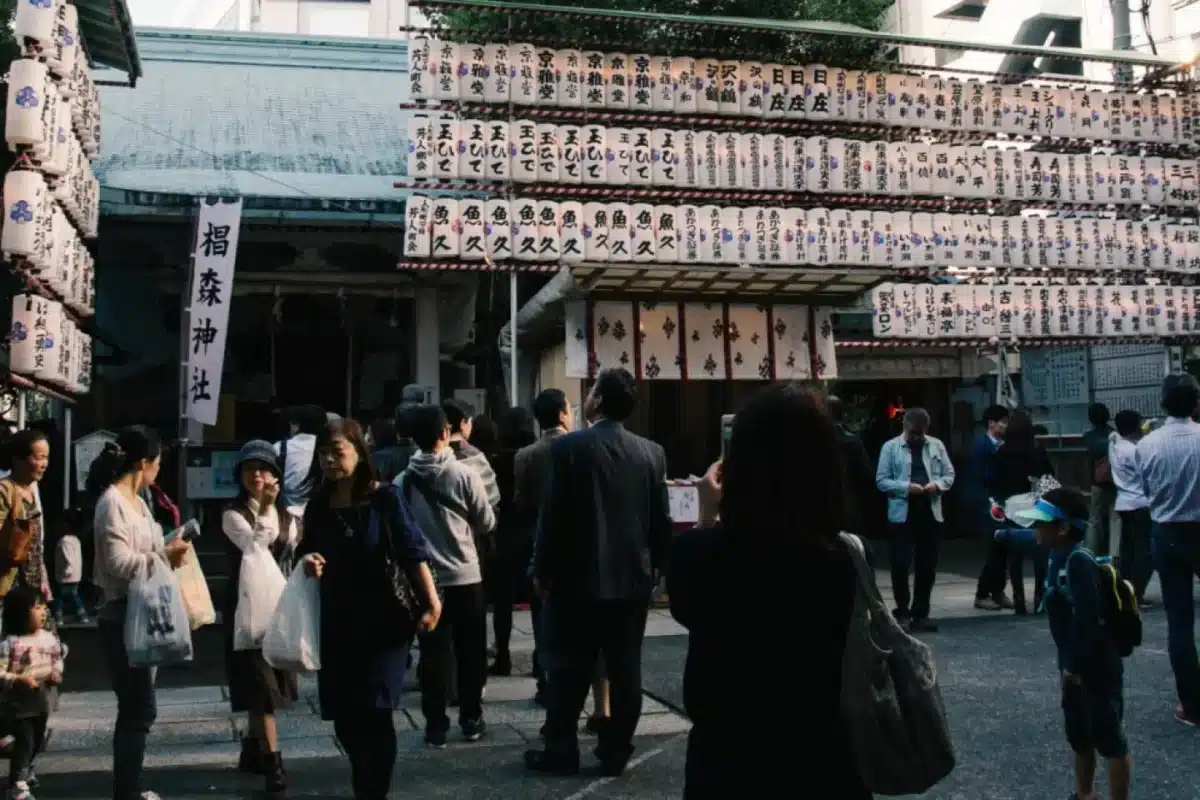
The spiritual core of the event centers firmly on the solemn shrine rituals conducted at Takarada Ebisu Shrine, where priests perform sacred rites to honor the deity of commerce. Throughout the multi-day festival, a continuous stream of local business owners, corporate executives, and everyday citizens gathers within the shrine grounds to offer sincere prayers for financial prosperity and occupational success. These sacred ceremonies maintain ancient Shinto protocols, creating a contemplative atmosphere of reverence that balances the lively, bustling energy of the surrounding commercial street market.
- Main Ebisu-ko ritual: Attend or observe the formal sacred ceremonies conducted by Shinto priests on October 20th.
- Prosperity prayers: Join local merchants and visitors in offering silent prayers for business success and career stability.
- Traditional offerings: Witness the presentation of sacred symbolic gifts and ritual goods to honor the deity Ebisu.
- Lucky charm acquisition: Purchase authentic talismans and protective amulets directly from the shrine priests and attendants.
- Kumade rakes: Browse ornately decorated bamboo fortune rakes designed to scoop up wealth and good fortune.
- Spiritual reflection: Experience a moment of quiet contemplation within the historic shrine courtyard amidst the festive celebrations.
Festival Night Atmosphere & Lantern-Lit Streets
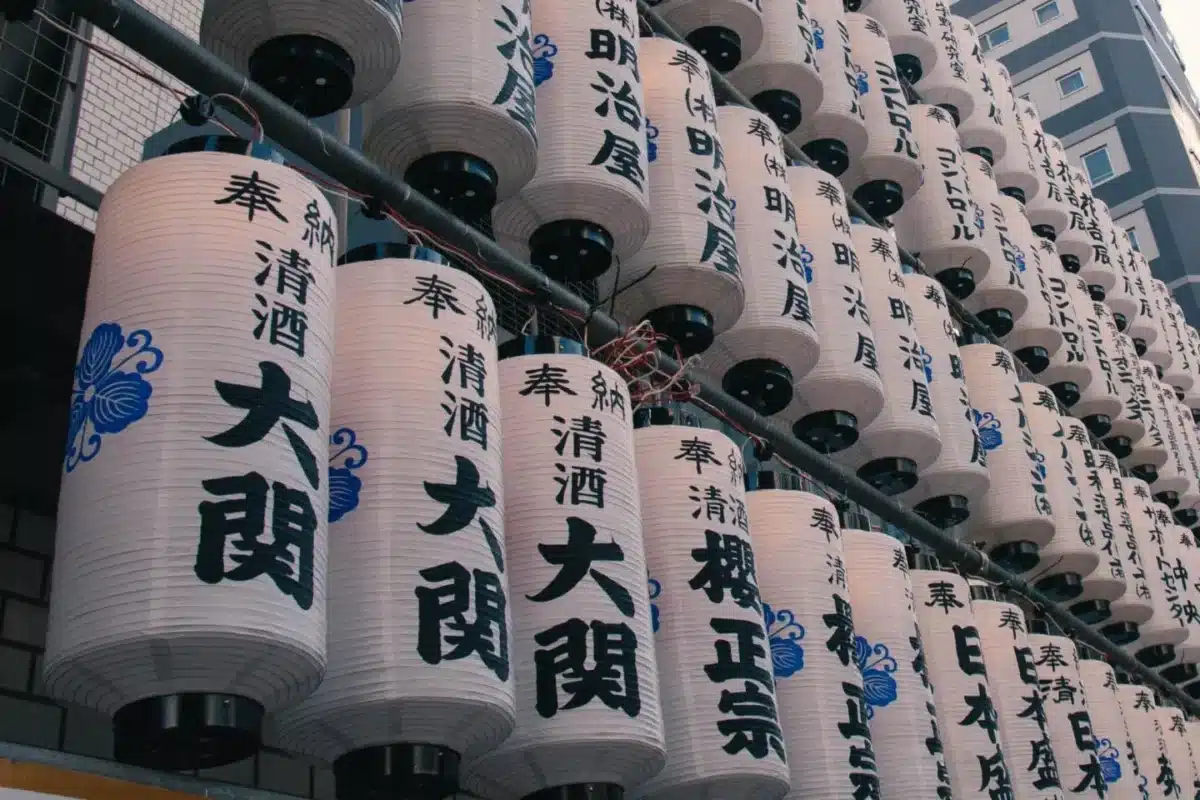
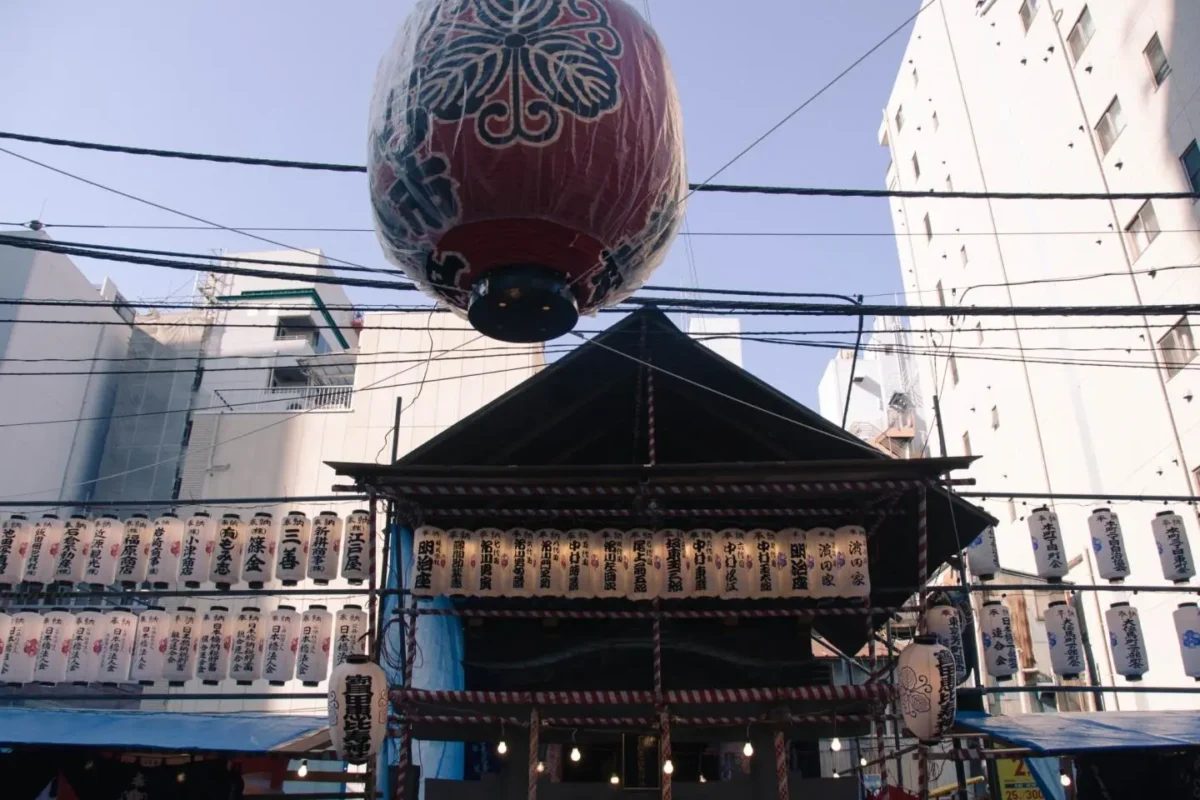
As daylight fades, the festival undergoes a magical transformation, making nighttime one of the absolute best and most atmospheric times to experience the event. Thousands of traditional red paper lanterns ignite overhead, casting a warm, nostalgic glow across the crowded street stalls, historic storefronts, and temple courtyards. This brilliant illumination creates a picturesque visual landscape that photographers and romantic evening strollers find endlessly captivating, drawing a massive influx of after-work visitors looking to unwind.
- Lantern illumination: Admire thousands of glowing red paper lanterns casting a warm, historic glow over the streets.
- Evening crowd dynamics: Experience the vibrant influx of after-work professionals and local residents filling the night market.
- After-dark dining: Enjoy a lively dinner atmosphere sampling various street foods under the illuminated night sky.
- Photographic appeal: Capture stunning evening shots of glowing stalls, crowds, and traditional shrine architecture.
- Social camaraderie: Soak in the cheerful communal spirit as friends and colleagues gather for drinks and conversation.
- Peak festival energy: Visit during peak evening hours to witness the festival operating at its most lively and dynamic state.
Visitor Experience, Best Time to Visit & Tips
- Optimal visiting hours: Arrive in the late afternoon to beat the heaviest after-work rush or experience the full lantern-lit magic after dark.
- Public transit access: Take advantage of the short six-minute walk from JR Shinnihonbashi Station for seamless travel.
- Cash preparedness: Carry sufficient Japanese yen cash, as many traditional food and pickle vendors operate on cash-only terms.
- Culinary exploration: Taste regional street foods, sample sweet bettara pickles, and enjoy traditional hot or cold drinks.
- Crowd navigation: Expect heavy pedestrian traffic in narrow lanes and practice patience while browsing popular stalls.
- Photography etiquette: Capture street scenes freely while remaining respectful of private individuals and sacred shrine rituals.
- Footwear choice: Wear comfortable walking shoes, as you will be standing and strolling on pavement for hours.
- Local immersion: Engage warmly with vendors and fellow festival-goers to fully embrace the authentic neighborhood spirit.
Location
FAQ
What is the main highlight of the Nihombashi Ebisu-ko Tokada Festival?
The central attraction is the famous bettara-zuke market, featuring sweet pickled daikon radish alongside hundreds of traditional street food stalls. Visitors also flock to the historic shrine to pray for business prosperity and view vibrant portable shrine processions.
How do I get to the festival using public transportation?
The event location is extremely accessible and sits just a convenient six-minute walk away from JR Shinnihonbashi Station. Subway connections via nearby stations in Chuo City also provide easy routes for travelers coming from across Tokyo.
Are there any entrance fees to enter the festival grounds?
General admission to the open-air market streets and Takarada Ebisu Shrine courtyards is completely free for all members of the public. Attendees only need to pay for individual food items, drinks, and lucky charms purchased from vendors.
What time do the festival activities and food stalls operate?
Food stalls and market vendors generally operate across two main days in mid-October, starting their lively operations from morning until late evening. The formal Ebisu-ko religious ceremonies take place on the final day of the main schedule.
Is this festival suitable for families and international tourists?
The celebration offers a welcoming, family-friendly environment filled with engaging sights, sounds, and delicious street food suitable for all ages. International visitors frequently praise its authentic atmosphere as a fantastic introduction to traditional Japanese culture.

Leave a Reply