
-
October 18, 2026
Event date:
-
October 20, 2026
Event end:
What to expect in 2026
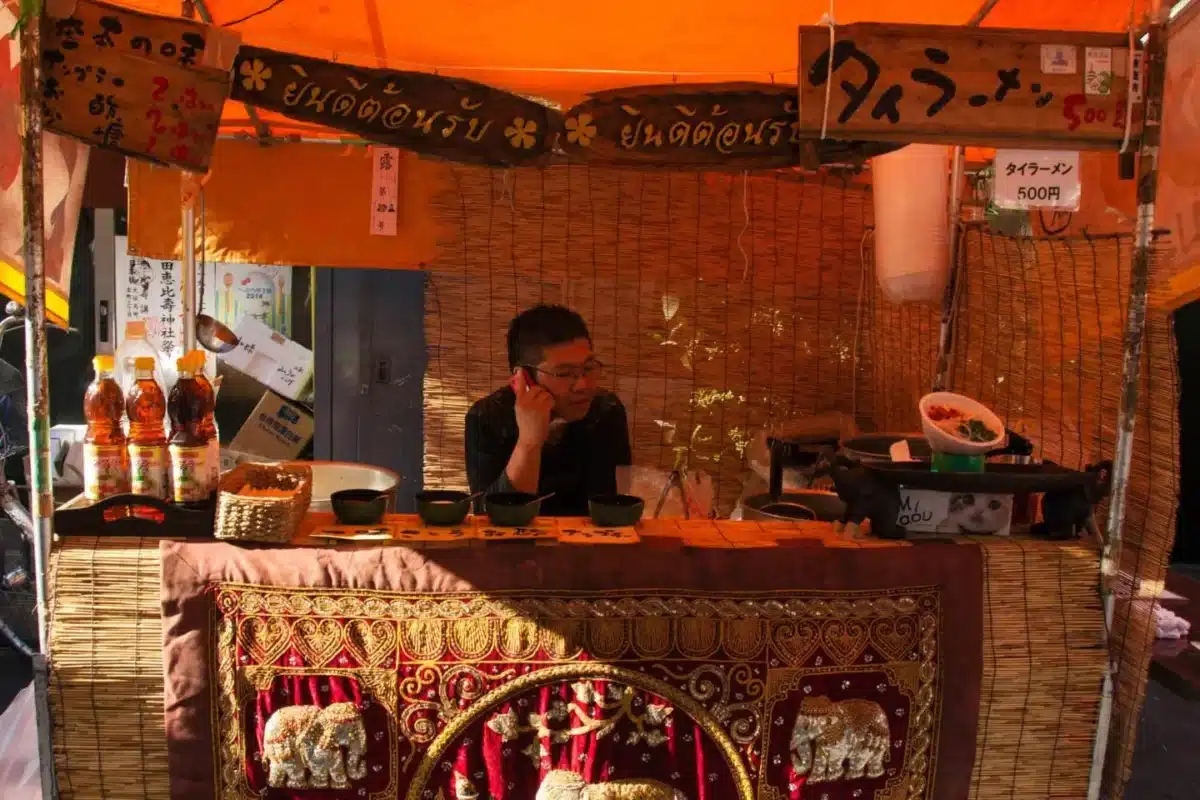
Nihombashi Ebisu-ko Tokada Festival 2026, also known as Nihonbashi Ebisu-ko Bettara-ichi, is a traditional autumn festival and street market centered around Takarada Ebisu Shrine in Nihonbashi, Tokyo. The celebration combines Ebisu worship, local merchant traditions, traditional food, temporary market stalls, mikoshi processions and evening entertainment.
The 2026 event is officially scheduled around Takarada Ebisu Shrine and the surrounding Nihonbashi neighborhood. The main market activity is concentrated around Nihonbashi Honcho, Horidomecho and Nihonbashi Odenmacho, creating a large pedestrian festival area rather than a single enclosed venue. GO TOKYO lists around 400 to 500 stalls in the Odenmacho area.
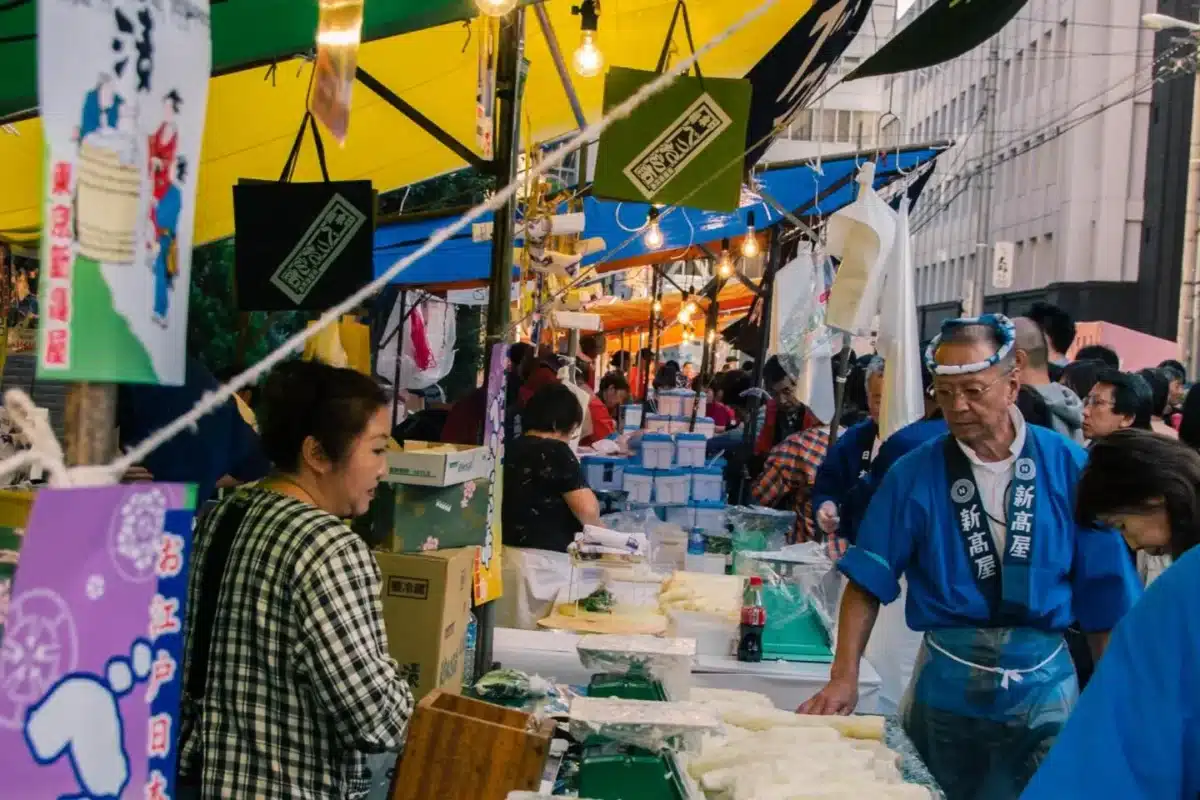
The festival is particularly famous for bettara-zuke, a sweetly flavored pickled daikon radish. The traditional pickle market is one of the most distinctive autumn food events in central Tokyo, while the religious side of the celebration connects the event with Ebisu, a deity traditionally associated with prosperity and commerce.
Enjoy Your Event Stress-Free with Japan Travelo
Do you know? Planning events, festivals, concerts, and cultural experiences in Japan can be overwhelming. Japan Travelo brings everything together in one place, helping you manage your itinerary, transport, and accommodation with ease—so you can enjoy Japan without the stress of planning.
Visitors can expect a mixture of traditional Japanese festival culture and everyday Nihonbashi neighborhood life. During the day, the market provides opportunities for food tasting and shopping, while the evening brings illuminated streets, larger crowds, mikoshi processions and a more energetic atmosphere.
The official 2026 programme includes children’s mikoshi, an adult mikoshi procession and Bon-odori dancing. The event is free to enter, and GO TOKYO lists opening hours from 10:00 to 21:00.
Event dates
The 2026 Nihombashi Ebisu-ko Tokada Festival is scheduled for October 18th – October 20th 2026 according to the event information supplied for this listing. The principal Bettara-ichi market and Ebisu-ko celebration traditionally take place around October 19 and October 20. Official Tokyo tourism information lists the 2026 festival itself for October 19–20.
The festival’s two principal days have different cultural focuses.
October 19
The first major festival day traditionally focuses on the Bettara-ichi market, with temporary stalls selling pickles, food, traditional goods and other products. The children’s and adult mikoshi activities also form part of the published programme.
October 20
The second day is associated more directly with Ebisu-ko, the traditional observance honoring Ebisu. Bon-odori dancing is scheduled as part of the public programme.
For the 2026 edition, GO TOKYO lists the public event hours as 10:00 to 21:00. It also lists children’s mikoshi from 15:00 to 16:30, adult mikoshi from 16:00 to 20:00 on the first main day, and Bon-odori from 16:30 to 19:30 on the second day.
Visiting this event? Don’t miss out on these amazing activities and local experiences while you’re here.
Venues & festival locations
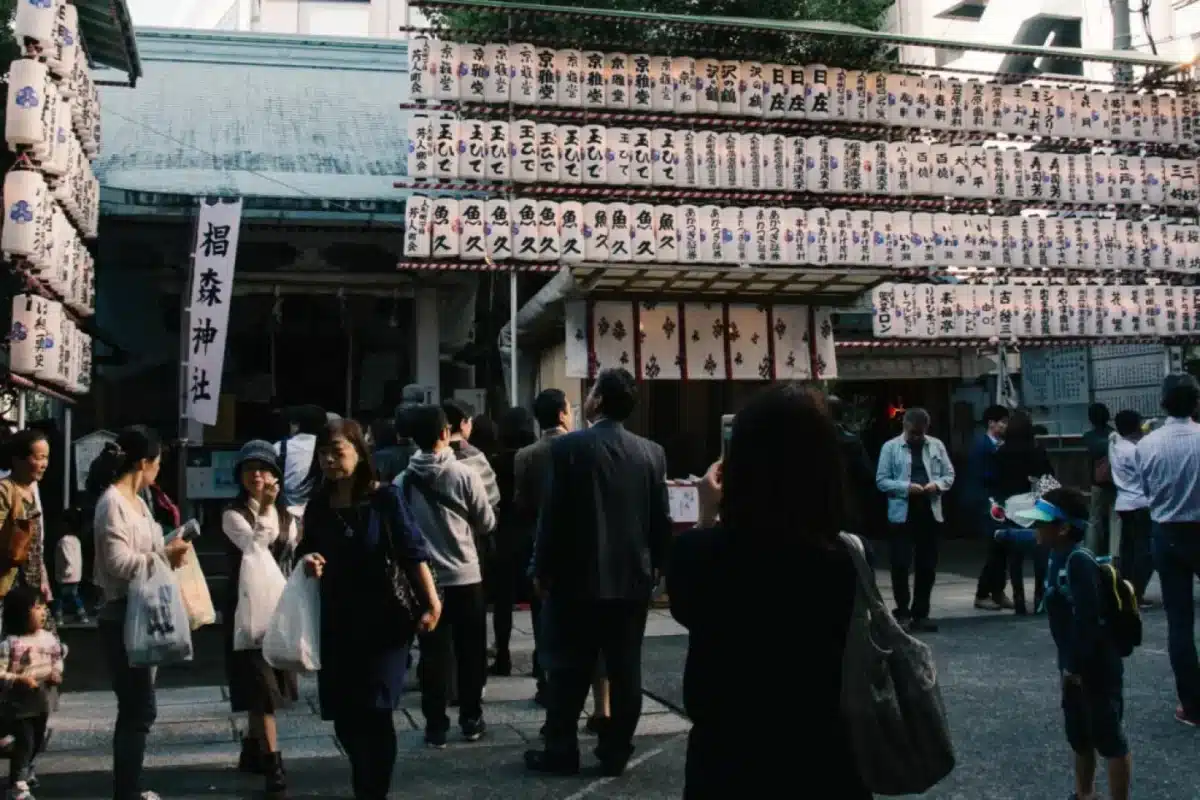
The central venue is Takarada Ebisu Shrine at 3-10 Nihonbashi-Honcho, Chuo City, Tokyo. The shrine is the religious heart of the celebration, but the actual festival environment extends through several surrounding streets and neighborhoods.
Takarada Ebisu Shrine
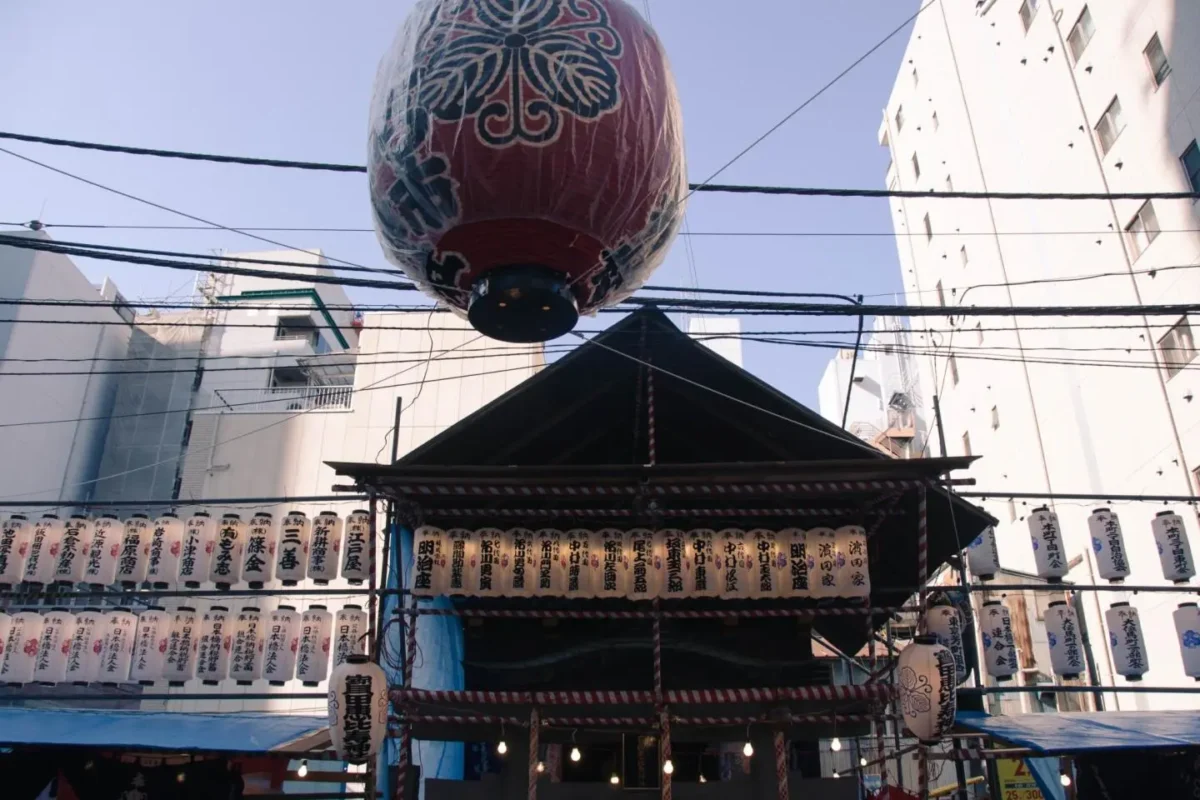
Takarada Ebisu Shrine provides the central setting for the Ebisu-ko observance. Visitors can see the shrine at the center of the festival and then walk into the surrounding market streets.
Nihonbashi Odenmacho
Odenmacho is one of the largest market areas, with approximately 400 to 500 stalls reported by GO TOKYO. The area becomes especially busy during the evening.
Nihonbashi Honcho
The streets around Nihonbashi Honcho connect the shrine with other parts of the market. Visitors can move between food stalls, traditional vendors and festival activities on foot.
Horidomecho
Festival stalls and food activity extend into Horidomecho, making the celebration feel like a neighborhood-wide event rather than a festival restricted to shrine grounds.
Surrounding Nihonbashi streets
The wider district provides additional opportunities to experience the historic commercial character of Nihonbashi. The official Nihonbashi tourism organization describes the Bettara Ichi Market as an important annual market with more than 500 booths, including stalls selling yakisoba and grilled chicken.
Full cultural programme
The 2026 cultural programme combines traditional religious observances with public street entertainment and market activity.
Ebisu-ko tradition
The festival is rooted in Ebisu-ko, a traditional observance connected with Ebisu and the prosperity of merchants. The celebration remains particularly appropriate for Nihonbashi, one of Tokyo’s historic commercial districts.
Bettara-ichi market
The market is the most visible part of the event, filling the surrounding streets with food sellers, pickle vendors and temporary stalls.
Children’s mikoshi
Children’s mikoshi is included in the official programme, giving younger local participants a direct role in the festival traditions.
Adult mikoshi
The adult mikoshi procession brings a more energetic traditional matsuri atmosphere to the surrounding streets.
Bon-odori
Bon-odori dancing is scheduled on the second principal festival day and provides one of the most accessible traditional performance experiences for visitors.
Lanterns and evening atmosphere
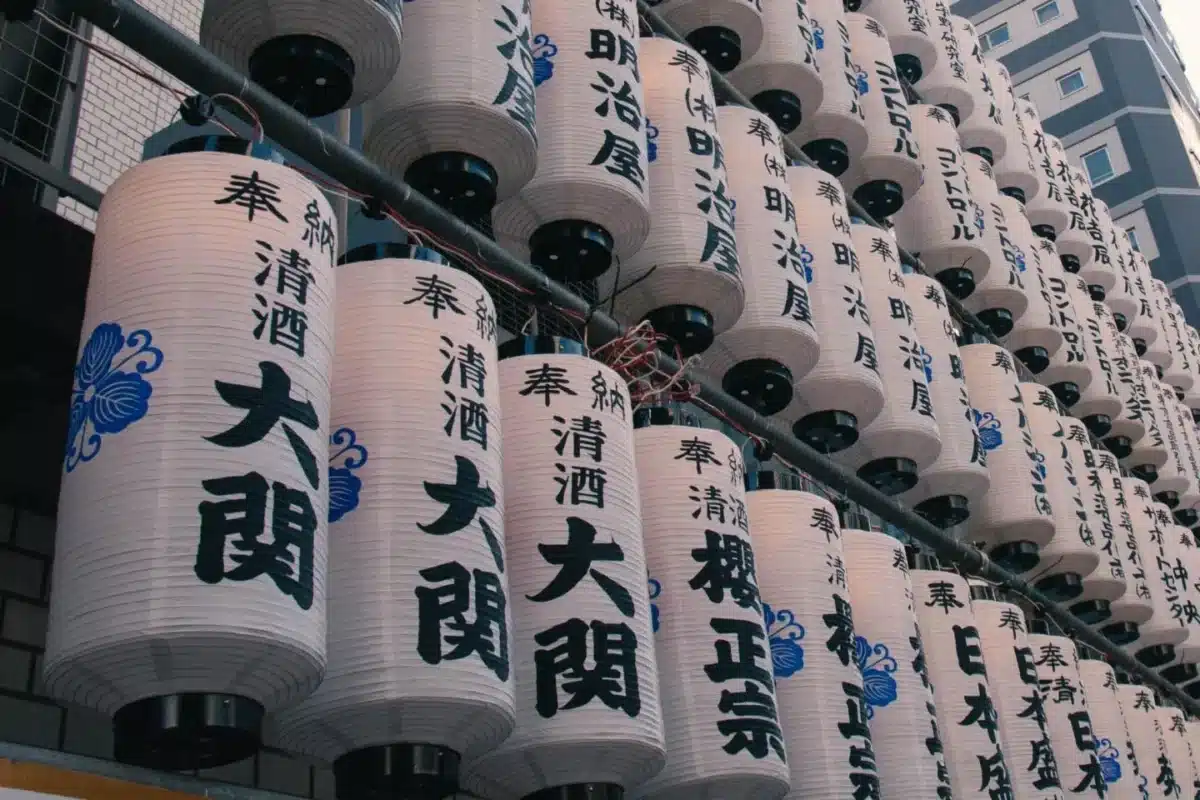
The surrounding streets are decorated with lanterns, creating a traditional nighttime atmosphere as the market becomes busier.
Featured traditions & performances
The most important cultural traditions at the festival are closely connected with food, commerce, shrine worship and community participation.
Bettara-zuke
Bettara-zuke is a sweet pickled daikon radish and the defining specialty of the festival. Vendors traditionally sell the pickles throughout the market, making tasting and purchasing bettara-zuke an essential part of the experience.
Mikoshi processions
Portable shrine processions connect the religious traditions of the shrine with the surrounding neighborhood. The 2026 programme includes both children’s and adult mikoshi activities.
Bon-odori
Bon-odori provides traditional Japanese dancing accompanied by music and creates a communal atmosphere. Visitors can watch the performance and experience the festival alongside local participants.
Street market culture
The large number of stalls creates a traditional Japanese matsuri market environment. Visitors can browse food, local products and festival goods while moving through the surrounding streets.
Historical & heritage highlights
Nihombashi Ebisu-ko Tokada Festival has roots reaching back to the Edo period. The historical connection between Takarada Ebisu Shrine and the surrounding merchant community is central to understanding the festival.
According to GO TOKYO, October 20 was traditionally associated with Ebisu-ko, when merchants and their families or close associates gathered to celebrate Ebisu. The previous day was associated with preparation for the observance, when vendors gathered in front of Takarada Ebisu Shrine to sell fish, vegetables, household shrine goods and other products. This market tradition is regarded as the origin of today’s Bettara-ichi.
Takarada Ebisu Shrine itself has an important connection with the historical development of Nihonbashi. Local Nihonbashi historical information explains that Takarada-mura was originally located near Edo Castle and was relocated as the castle was expanded. The community moved to the area that became associated with Odenmacho, while an Ebisu image associated with Tokugawa Ieyasu became enshrined at the shrine.
This history explains why the festival has remained closely associated with merchants, commercial prosperity and local community traditions.
Events & activities schedule
The official 2026 programme gives visitors several distinct periods to experience.
Market opening
The public festival area operates from 10:00 to 21:00 according to the official Tokyo tourism listing. Visitors can spend the daytime exploring the stalls and shrine area before the evening crowds arrive.
Children’s mikoshi
The children’s mikoshi is scheduled for 15:00 to 16:30 on the first main festival day. This is a family-friendly cultural activity and an opportunity to see younger members of the local community participating in the festival.
Adult mikoshi
The adult mikoshi is scheduled from 16:00 to 20:00 on the first main festival day. Visitors should expect crowded streets around the procession route and should follow any instructions from organizers.
Bon-odori
The Bon-odori programme is scheduled from 16:30 to 19:30 on the second main festival day. This provides an opportunity to experience a traditional Japanese community dance atmosphere.
Evening market
The market remains active into the evening, when the lanterns and illuminated stalls create a particularly atmospheric setting.
Ticket types & entry options
General admission to Nihombashi Ebisu-ko Tokada Festival is free. GO TOKYO lists the 2026 event price as free, so visitors do not need to purchase a general admission ticket to enter the public festival area.
General festival entry
Free. Visitors can walk through the public market streets, visit the shrine area and watch the public cultural programme.
Market purchases
Food, drinks, bettara-zuke and merchandise are purchased separately from individual vendors. The festival itself does not operate as a single ticketed exhibition.
Shrine-related services
Any optional shrine items, religious services or commemorative goods may have their own arrangements and should be checked directly at Takarada Ebisu Shrine.
Cultural activities
Public processions and Bon-odori are part of the festival programme and do not require a general admission ticket.
Guided tours & cultural experiences
The festival works particularly well as part of a broader Nihonbashi cultural walking experience.
Takarada Ebisu Shrine visit
Start at the shrine to understand the religious background of Ebisu-ko before exploring the market.
Historic Nihonbashi walk
The surrounding district contains historic commercial streets and long-established businesses, making it possible to combine the festival with a wider exploration of Nihonbashi’s heritage.
Bettara-zuke tasting
Trying the festival’s signature pickle is one of the most direct ways to connect with the history of Bettara-ichi.
Market browsing
Walking through the market allows visitors to see how traditional Japanese festival commerce continues within a modern central Tokyo neighborhood.
Evening cultural walk
A return visit after sunset provides a different atmosphere, with lanterns, illuminated stalls and larger crowds.
Special ceremonies & celebrations
The religious element of the festival is centered on Ebisu-ko and Takarada Ebisu Shrine.
Ebisu-ko observance
Ebisu is traditionally associated with prosperity and commercial success, making the celebration particularly significant in the historic merchant district of Nihonbashi.
Shrine traditions
The shrine provides the spiritual center of the event, while the surrounding market represents the commercial and community side of the celebration.
Mikoshi celebration
The mikoshi processions bring the shrine’s traditions into the streets and involve local participants.
Bon-odori celebration
The Bon-odori programme provides a public cultural celebration and creates an opportunity for visitors to observe traditional Japanese dance within the festival environment.
Festival rules
Visitors should follow normal Japanese shrine and festival etiquette and comply with instructions from organizers.
Respect shrine areas
Visitors should behave respectfully around Takarada Ebisu Shrine and follow any posted instructions concerning photography, access and religious activities.
Keep procession routes clear
Mikoshi processions require sufficient space for participants, so visitors should remain outside restricted areas and avoid blocking the route.
Follow crowd-control instructions
The market attracts large numbers of visitors, especially during the evening. Follow staff directions when streets become congested.
Dispose of rubbish properly
Use designated waste facilities and avoid leaving food packaging or other rubbish on the streets.
Photography
Photography is generally part of the festival experience, but visitors should avoid obstructing performers, shrine activities, vendors and other visitors.
Weather conditions
The event is scheduled to proceed in rain, although severe weather can result in cancellations or programme changes. GO TOKYO specifically advises checking the latest information for weather-related changes.
How to get there
The festival is located in central Tokyo and has excellent rail access.
Kodemmacho Station
Kodemmacho Station on the Tokyo Metro Hibiya Line is approximately one minute on foot from the festival area, making it one of the most convenient access points.
Shin-Nihombashi Station
Shin-Nihombashi Station on the JR Sobu Line Rapid is approximately two minutes away using Exit 5.
Higashi-Nihombashi Station
Higashi-Nihombashi Station on the Toei Asakusa Line is approximately five minutes on foot.
Toei Bus
Visitors can also use Toei Bus services and get off at Kodemmacho, followed by a short walk to the festival area.
Public transport & parking
Public transportation is the most practical option for reaching the festival because the event occupies multiple streets and attracts substantial evening crowds.
Tokyo Metro
Kodemmacho Station provides the shortest walk and is particularly convenient for visitors using the Hibiya Line.
JR services
Shin-Nihombashi Station offers rapid JR access and is only a short walk from the festival area.
Toei Subway
Higashi-Nihombashi Station provides another convenient route via the Asakusa Line.
Walking from Nihonbashi
Visitors staying in central Nihonbashi can also reach the event on foot, depending on their accommodation location.
Parking
Driving is less convenient because the festival occupies streets throughout the neighborhood and attracts large crowds. Visitors using a car should rely on established paid parking facilities rather than attempting to park on festival streets. Parking availability may become limited during peak evening periods.
Accommodation areas
Nihonbashi is the most convenient neighborhood for visitors who want to stay close to the festival.
Nihonbashi
Staying locally allows visitors to reach the festival quickly and explore the historic district outside festival hours.
Tokyo Station
The Tokyo Station area offers excellent rail connections and a wide choice of hotels. It is also close enough to Nihonbashi for convenient access.
Ginza
Ginza is suitable for travelers who want to combine the festival with shopping, restaurants and central Tokyo attractions.
Asakusa
Asakusa offers a more traditional sightseeing environment and is useful for visitors combining the festival with historic temples and older Tokyo neighborhoods.
Ueno
Ueno provides another practical accommodation base with strong transport connections across Tokyo.
Food & traditional specialties
Food is one of the central reasons to visit Nihombashi Ebisu-ko Tokada Festival.
Bettara-zuke
The signature product is bettara-zuke, a sweet pickled daikon radish that gives the festival its distinctive culinary identity. Visitors can purchase different versions from specialist vendors throughout the market.
Yakisoba
The official Nihonbashi tourism organization highlights yakisoba among the foods available at the market.
Grilled foods
Grilled chicken and other festival-style grilled foods are also among the market offerings described by Nihonbashi tourism information.
Festival snacks
Visitors can expect a range of temporary food stalls offering Japanese street-food favorites and seasonal snacks.
Traditional products
Bettara-zuke and other food products can also be purchased as souvenirs, although travelers should consider airline and customs restrictions before carrying perishable or fermented foods internationally.
Accessibility
The central Tokyo location provides excellent public transport access, but the temporary festival environment can present challenges for visitors with limited mobility.
Nearby stations
Several rail stations are only one to five minutes from the main festival area, reducing the distance visitors need to travel on foot.
Crowded streets
The market can become very crowded, particularly during the evening and around mikoshi activities. Visitors using wheelchairs or mobility aids may find quieter daytime periods easier.
Temporary stalls
Festival stalls can narrow pedestrian routes, and accessibility may vary from one street to another.
Families
Families with strollers should allow extra time when moving through busy market sections and should remain aware of procession routes.
Planning
Visitors who require step-free access or specific assistance should check current station accessibility information and consider arriving before the evening peak.
Best cultural experiences
Nihombashi Ebisu-ko Tokada Festival offers several ways to experience traditional Japanese culture within a modern Tokyo district.
Explore the shrine first
Begin at Takarada Ebisu Shrine to understand the religious foundation of the festival.
Taste bettara-zuke
The signature pickle is the defining food tradition of Bettara-ichi and should be part of any first visit.
Watch the mikoshi
The children’s and adult mikoshi processions provide some of the strongest traditional matsuri moments.
Experience the market after dark
The evening atmosphere is particularly lively, with illuminated stalls and large crowds moving through the surrounding streets.
Watch Bon-odori
The second day’s Bon-odori programme offers a different cultural experience from the market and mikoshi activities.
Explore historic Nihonbashi
Combining the festival with the surrounding historic district gives visitors a broader understanding of the neighborhood’s long commercial and cultural history.
Previous year’s highlights
Recent editions have maintained the festival’s combination of traditional food, shrine culture and large-scale neighborhood market activity.
The number of market stalls remains one of the event’s defining characteristics. GO TOKYO describes approximately 400 to 500 stalls around Odenmacho, while the official Nihonbashi tourism organization describes more than 500 booths across the market.
The previous festival atmosphere has also been shaped by the wide variety of food available alongside the signature bettara-zuke. Yakisoba, grilled chicken and other market foods add a broader street-food element to the traditional pickle market.
Another important highlight is the combination of daytime market activity and evening entertainment. The first principal day features children’s and adult mikoshi activities, while the second features Bon-odori dancing.
The festival’s historical character remains particularly visible around Takarada Ebisu Shrine. The relationship between the shrine, local merchants and the Bettara-ichi market continues to give the event a strong neighborhood identity.
For 2026, visitors can expect the established festival traditions to remain central, while exact crowd conditions, individual vendor offerings and minor programme details may vary.
Official tickets
Nihombashi Ebisu-ko Tokada Festival is a free public event. The official Tokyo tourism guide lists the 2026 admission price as free, meaning visitors do not need to purchase a general entrance ticket.
General admission
Free entry to the public festival and market areas.
Mikoshi and performances
The published children’s mikoshi, adult mikoshi and Bon-odori activities are part of the public festival programme and do not require a general admission ticket.
Food and shopping
Individual purchases from food stalls, pickle vendors and other market sellers are paid separately.
Official information
For the latest programme, operating conditions and any changes, visitors should check the official Tokyo tourism listing and local Nihonbashi event information before traveling.
https://en.japantravel.com/tokyo/nihombashi-ebisu-ko/16187
Location
FAQ
What is the main highlight of the Nihombashi Ebisu-ko Tokada Festival?
The central attraction is the famous bettara-zuke market, featuring sweet pickled daikon radish alongside hundreds of traditional street food stalls. Visitors also flock to the historic shrine to pray for business prosperity and view vibrant portable shrine processions.
How do I get to the festival using public transportation?
The event location is extremely accessible and sits just a convenient six-minute walk away from JR Shinnihonbashi Station. Subway connections via nearby stations in Chuo City also provide easy routes for travelers coming from across Tokyo.
Are there any entrance fees to enter the festival grounds?
General admission to the open-air market streets and Takarada Ebisu Shrine courtyards is completely free for all members of the public. Attendees only need to pay for individual food items, drinks, and lucky charms purchased from vendors.
What time do the festival activities and food stalls operate?
Food stalls and market vendors generally operate across two main days in mid-October, starting their lively operations from morning until late evening. The formal Ebisu-ko religious ceremonies take place on the final day of the main schedule.
Is this festival suitable for families and international tourists?
The celebration offers a welcoming, family-friendly environment filled with engaging sights, sounds, and delicious street food suitable for all ages. International visitors frequently praise its authentic atmosphere as a fantastic introduction to traditional Japanese culture.

Leave a Reply