
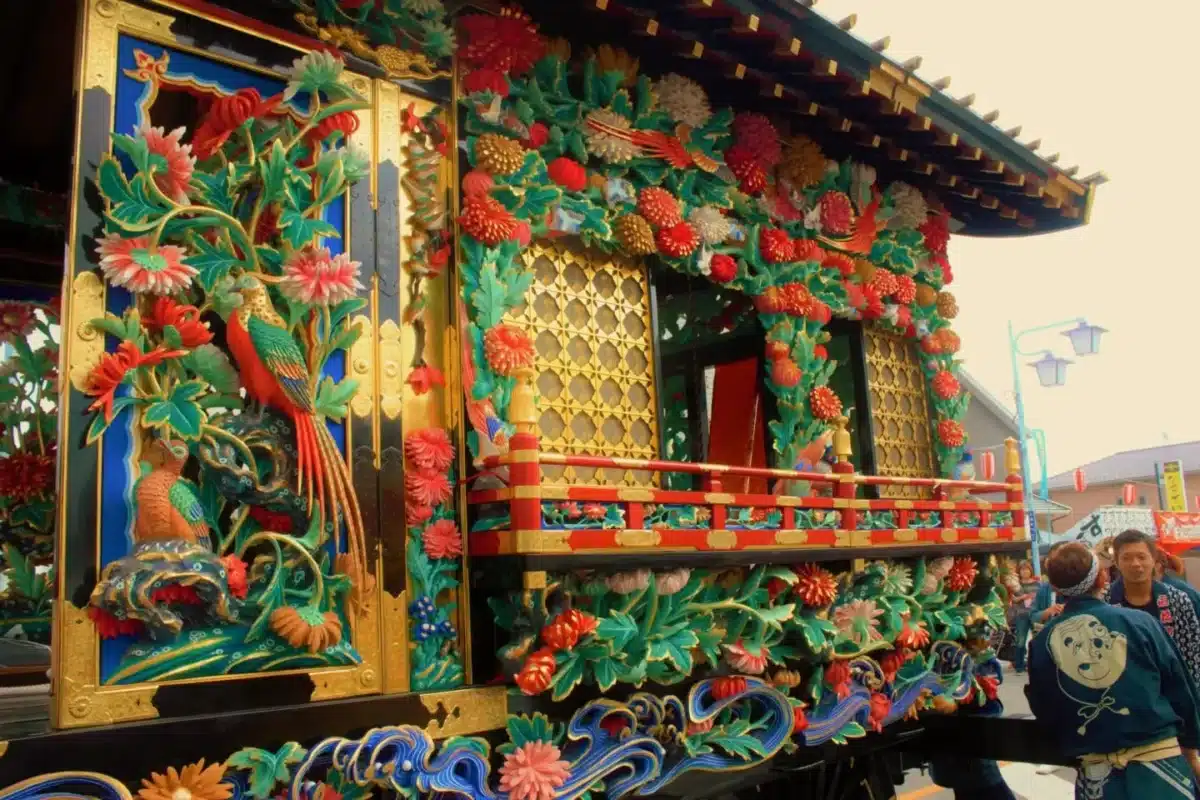
Buttsuke Musical Battle & Festival Climax
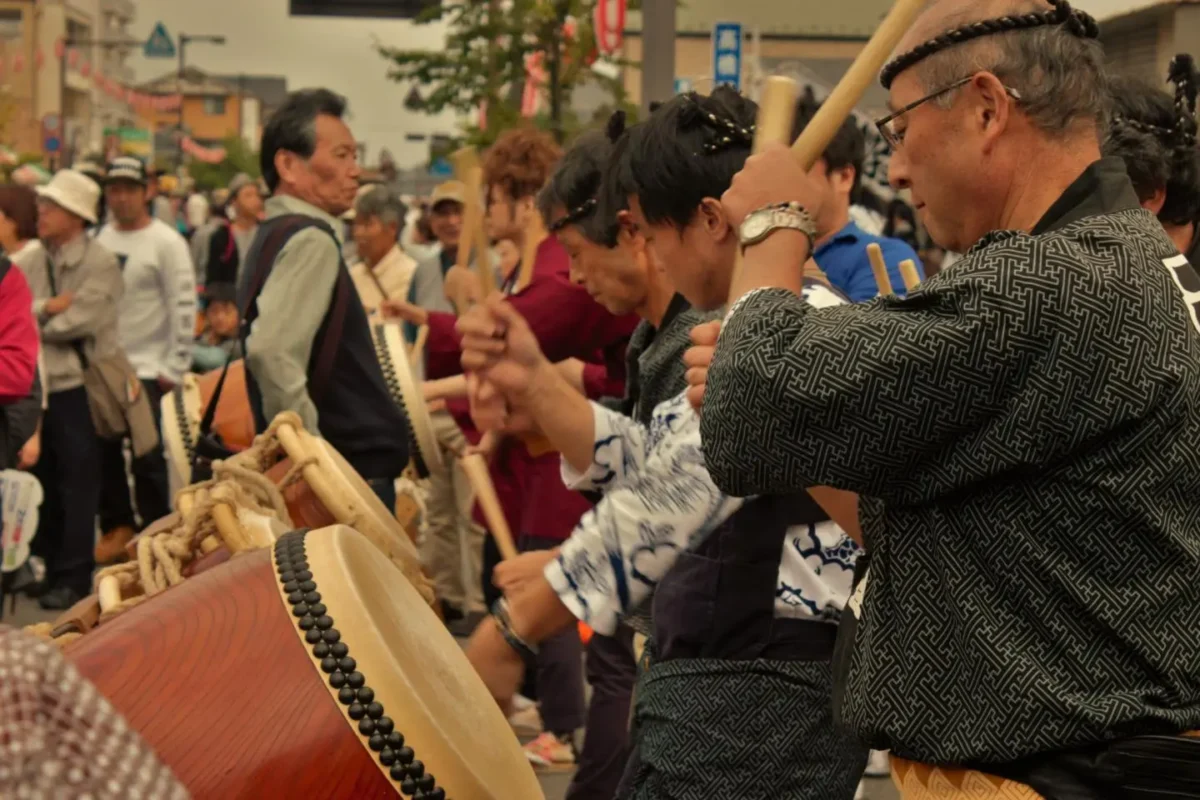
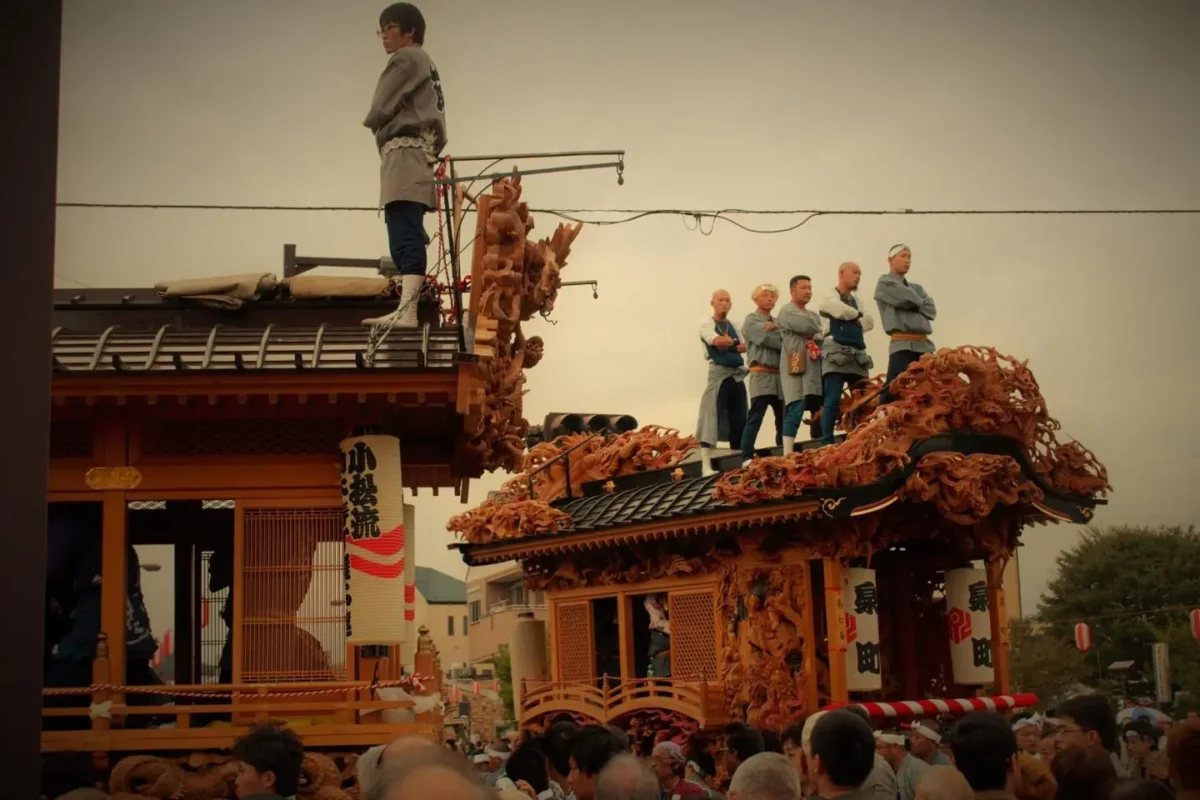
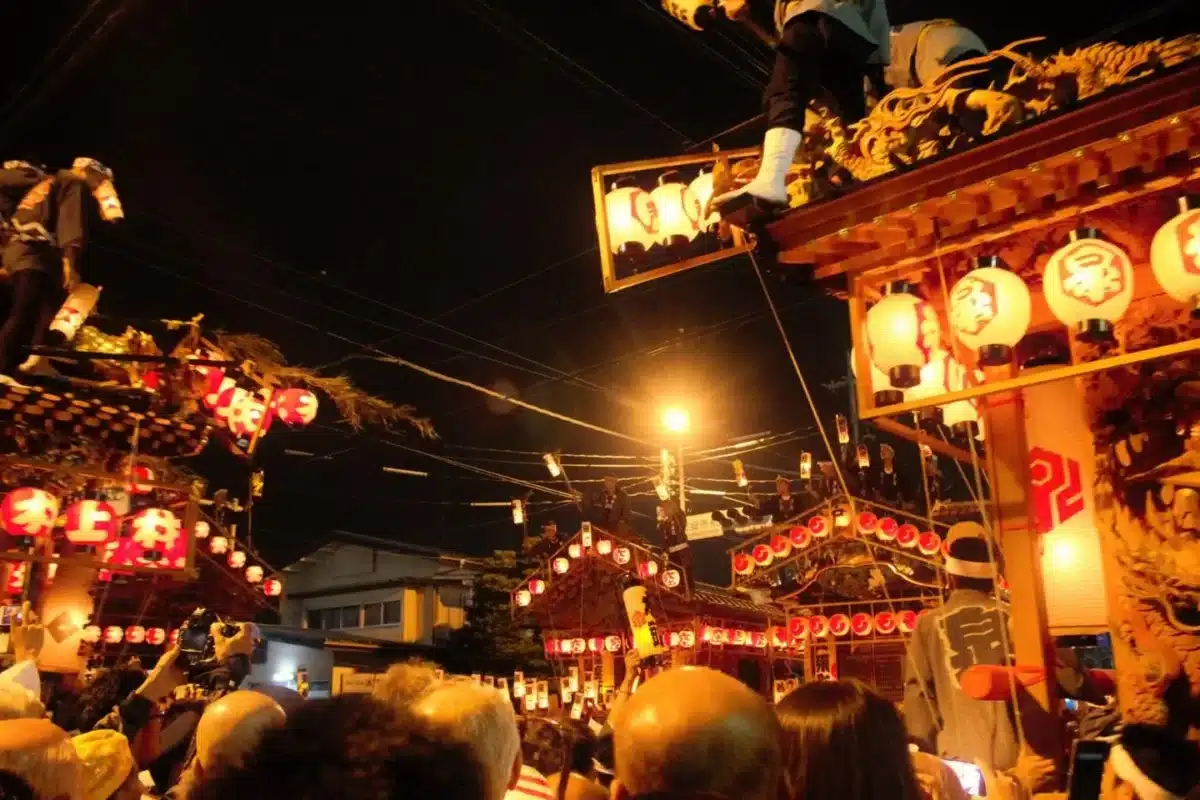
The absolute high point of the festival occurs during the exhilarating event known as Buttsuke, where multiple majestic floats converge at crowded street intersections. In these intense moments, the distinct districts pit their musical prowess against one another in a thrilling competition of sound, energy, and artistic skill. The atmosphere charges with electricity as rival teams strive to outperform their neighbors, creating a wall of sound that echoes through the historic streets of Kanuma.
At the heart of these musical clashes are powerful taiko drums and traditional bamboo flutes, played with unrelenting vigor by performers stationed inside the yatai structures. The drummers execute complex, thunderous rhythms with absolute precision, feeding off the escalating excitement of the surrounding crowd and opposing teams. Performers push their physical endurance to the absolute limit, their impassioned calls and synchronized movements driving the acoustic battle to a breathless crescendo.
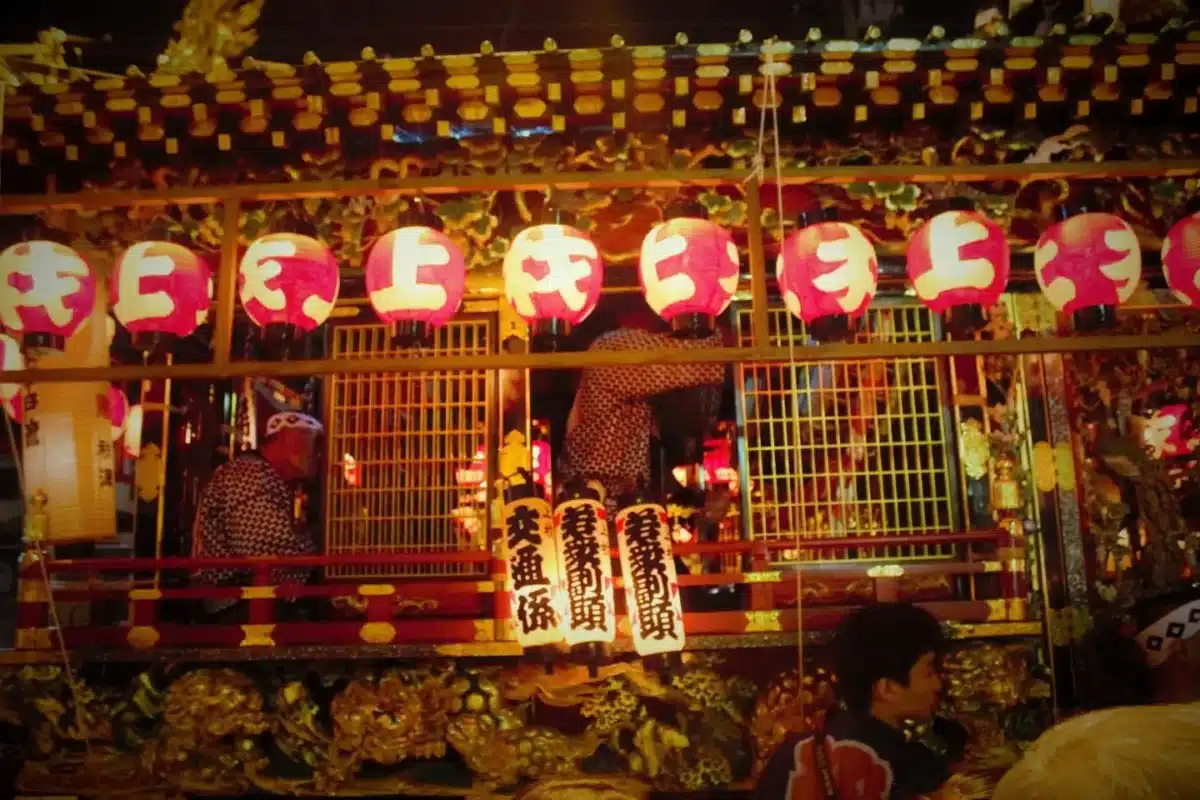
As dusk transitions into night, the visual landscape of the festival transforms dramatically, adding an entirely new dimension to the Buttsuke battles. The yatai are illuminated by hundreds of glowing paper lanterns, casting warm, flickering lights across the detailed wood carvings and the faces of the excited onlookers. This enchanting nocturnal setting amplifies the dramatic tension of the musical showdowns, wrapping the entire city in an unforgettable, mystical atmosphere of sights and sounds.
Enjoy Your Event Stress-Free with Japan Travelo
Do you know? Planning events, festivals, concerts, and cultural experiences in Japan can be overwhelming. Japan Travelo brings everything together in one place, helping you manage your itinerary, transport, and accommodation with ease—so you can enjoy Japan without the stress of planning.
The climax of the festival leaves an indelible impression on everyone present, merging raw auditory power with stunning visual aesthetics in a celebration of communal passion. It is a rare cultural phenomenon where historic ritual meets fierce, friendly competition, engaging all the senses of both participants and spectators. Long after the final drumbeat fades into the night air, the spirit of the Buttsuke battle resonates as the defining soul of the Kanuma Autumn Festival.
When & How Long
- Event Date: Early – Mid October 2026 (Dates TBD)
- Event Duration: 2 Days
Visiting this event? Don’t miss out on these amazing activities and local experiences while you’re here.
Entry & Tickets
- How Tickets Are Sold: General admission tickets and special access passes are available for purchase online through the official festival tourism website and directly at designated local tourist information centers upon arrival in the city.
- Admission Type: Free Admission to the general public for all outdoor street parades, neighborhood float viewings, and general shrine grounds access, with nominal fees required only for specific reserved grandstand seating areas.
- Ticket Pricing: Free Admission for general street viewing areas, while optional reserved seating packages range from a minimum of $10.00 to a maximum of $45.00 depending on the specific vantage point and inclusion of festival guides.
- Special Seating Options: Elevated grandstand viewing platforms situated near major intersections where the intense musical battles take place, offering unobstructed sightlines for photography and comfortable seating.
- VIP Options: Exclusive VIP packages offering priority access to prime viewing enclosures, guided cultural tours of the historic floats, complimentary local refreshments, and commemorative festival merchandise.
Yatai Parade & Mikoshi Procession
- Daytime Street Procession: Magnificent yatai floats journey slowly through the historic streets of Kanuma, accompanied by rhythmic chanting and traditional marching steps.
- Mikoshi Portable Shrine: A sacred portable shrine carrying local deities leads the ceremonial parade, bestowing spiritual blessings upon the entire town and its businesses.
- Traditional Routes: The procession follows designated historic paths connecting the Imamiya Shrine with the primary commercial corridors and participating neighborhood districts.
- Costumed Performers: Processions feature participants dressed in authentic historic garments, including traditional happi coats, festive headbands, and classical dance attire.
- Community-Wide Involvement: People of all ages participate directly in the movement of the festival, from young children pulling ropes to elders guiding the route.
- Omatsuri Road Festivities: The main thoroughfares transform into lively pedestrian zones lined with bustling food stalls, local crafts, and joyous gathering spaces.
Where It Takes Place
- City and Country: Kanuma, Tochigi Prefecture, Japan
- Venue Name: Imamiya Shrine (Day 1) & Town Area (Day 2)
- Google Maps Address: Imamiya Shrine, 231 Kabacho, Kanuma, Tochigi 322-0053, Japan
Festival History & Cultural Significance
The Kanuma Autumn Festival boasts a rich history spanning over 400 years, originating as an expression of deep community devotion tied closely to the historic Imamiya Shrine. Generations of local residents have gathered here to offer solemn prayers for peace, social stability, and an abundant agricultural harvest, turning spiritual faith into a vibrant living tradition. This profound cultural legacy was officially recognized globally when the event was designated as a UNESCO Intangible Cultural Heritage, cementing its status as one of Japan’s most treasured cultural expressions.
Over the centuries, the festival evolved from a modest religious observance into a magnificent showcase centered around breathtaking, hand-carved wooden floats known as yatai. These mobile architectural masterpieces reflect the incredible wealth, artistic dedication, and economic prosperity of the region during past eras, particularly the Edo period. Each district poured its collective pride into crafting and maintaining these vehicles, ensuring that the festival serves as a continuous bridge connecting modern society with ancient Japanese artistry and community solidarity.
The enduring survival of this 400-year-old tradition highlights the resilience of the Kanuma people, who have safeguarded their heritage through wars, economic shifts, and modernization. By maintaining the sacred rituals at Imamiya Shrine alongside the dynamic street celebrations, the community honors the hardships of their ancestors while welcoming visitors from around the world. It stands today as a powerful symbol of cultural continuity, teaching younger generations the value of historic preservation and communal harmony.
Event Contact Details
- Email: info@buttsuke.com
- Phone Number: +81 289-63-2188
- Website: buttsuke.com
Carved Wooden Floats (Yatai) & Traditional Craftsmanship
- Float Architecture: Each yatai is a masterpiece of traditional Japanese architecture, constructed entirely from rich, untreated woods without the use of modern nails.
- Edo-Period Carvings: The structural surfaces feature deep, intricate relief carvings depicting mythical beasts, legendary heroes, floral motifs, and historic folklore scenes.
- Master Artisans: These floats were originally built by master carpenters and wood sculptors whose sophisticated techniques have been meticulously handed down through generations.
- Lacquer and Gilding: Many floats are enhanced with brilliant gold leaf applications, vibrant Japanese lacquer, and elaborate decorative metal fittings that shimmer under daylight and lanterns.
- Structural Mobility: Despite their massive weight and intricate details, the floats are ingeniously engineered with complex pivoting front axles to navigate tight street corners.
- Cultural Preservation Value: Maintaining these historic vehicles requires specialized restoration guilds, ensuring that endangered traditional carpentry skills remain alive and practiced today.
- District Pride: Every neighborhood maintains its own unique yatai, treating the vehicle as a living entity that represents the collective identity and honor of the district.
Video
Location
FAQ
What is the primary purpose of the Kanuma Buttsuke Autumn Festival?
The festival serves as a historic community gathering to remember past hardships and offer sincere prayers for peace and an abundant harvest. It acts as a vital cultural anchor for the residents of Tochigi Prefecture.
Are the yatai floats open for visitors to enter?
While visitors cannot step inside the moving floats during active parades, they can admire the intricate craftsmanship up close when the yatai are stationary or parked during shrine visits.
How can travelers reach the festival venue from major cities?
The festival area is easily accessible from Tokyo by taking a train to Shin-Kanuma station or JR Kanuma station, followed by a short walk or free shuttle bus.
Is the event suitable for families and travelers with children?
The festival offers a welcoming, family-friendly environment filled with engaging street food stalls, mesmerizing musical performances, and vibrant daytime parades suitable for all ages.
What makes the Buttsuke musical battle unique?
It is a dynamic competition where illuminated floats meet at intersections to engage in thunderous taiko drum contests, creating an intense acoustic spectacle unique to Kanuma.

Leave a Reply