
What to expect in 2026
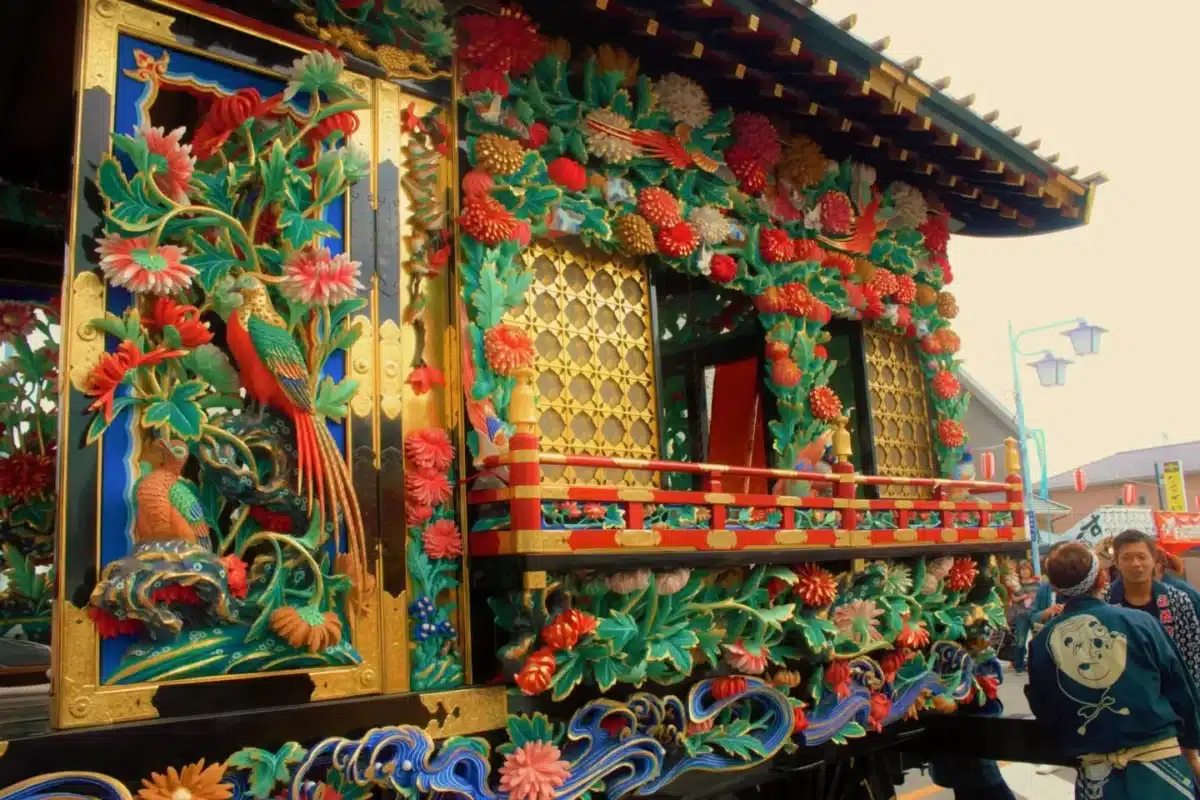
Kanuma Buttsuke Autumn Festival is one of Tochigi Prefecture’s most important traditional festivals and a major celebration of Kanuma’s religious, artistic and community heritage. The festival centers on Imamiya Shrine and the historic streets of Kanuma, where elaborately carved wooden festival floats known as yatai are brought together for processions, shrine ceremonies and dramatic musical performances.
The festival is officially recognized as an Important Intangible Folk Cultural Property of Japan and is also part of the UNESCO Intangible Cultural Heritage listing covering traditional Japanese float festivals. The official festival organization describes the event as a 400-year-old tradition featuring ornate carved floats, traditional hayashi music and spectacular nighttime performances.
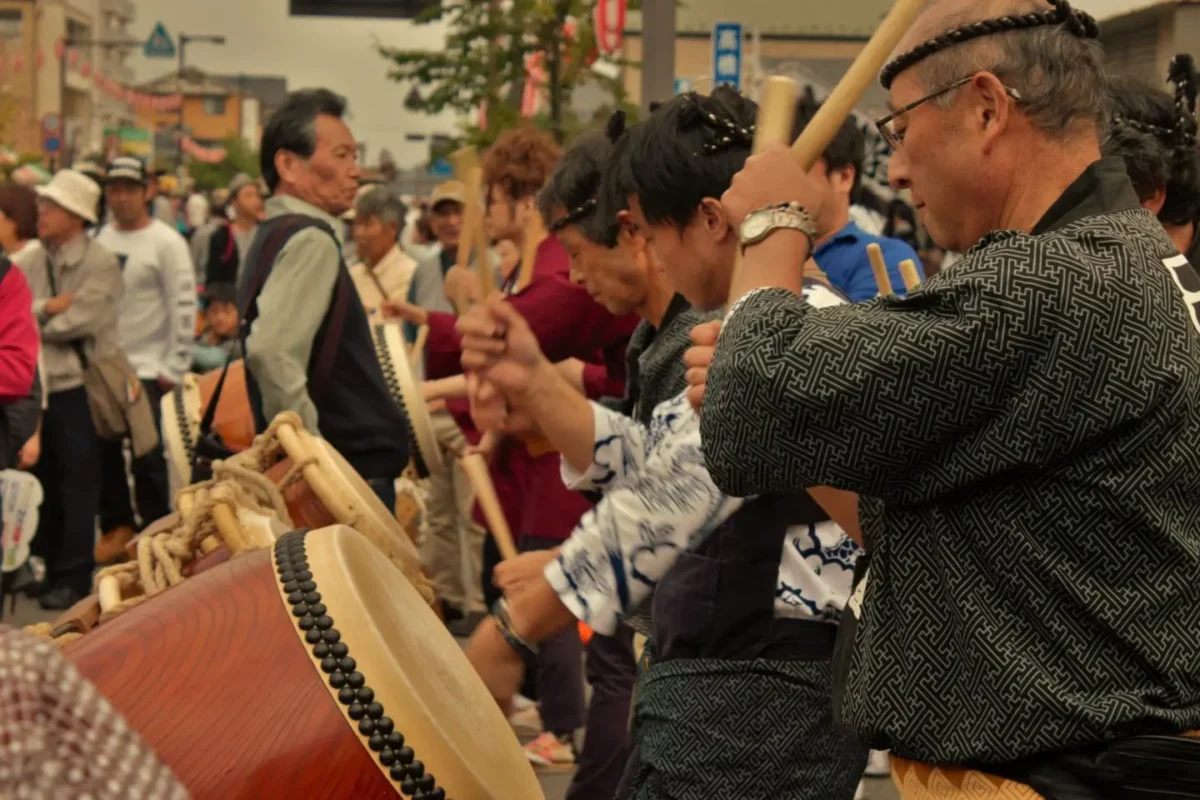
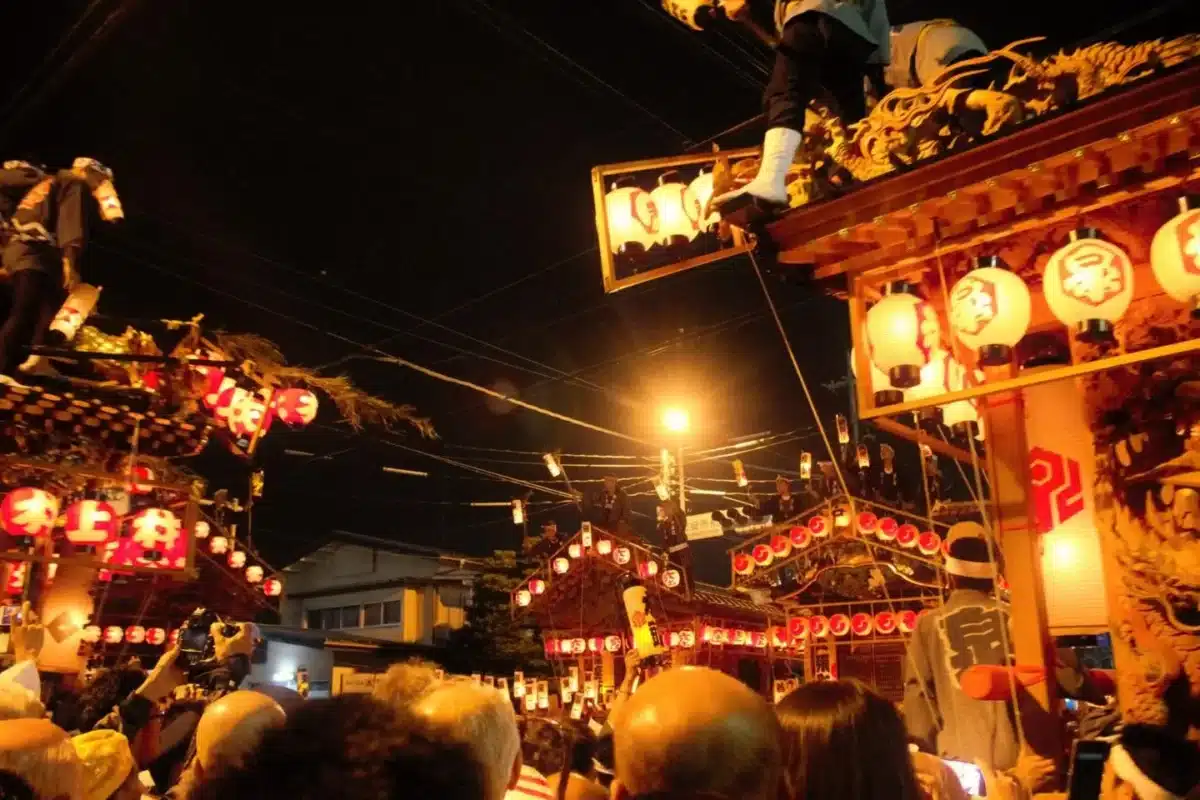
One of the most anticipated experiences is Buttsuke, a distinctive musical competition in which the musicians aboard several carved floats perform against one another at street intersections. The sound of drums, flutes and other traditional instruments combines with the movement of the floats and the energy of the surrounding crowds.
Enjoy Your Event Stress-Free with Japan Travelo
Do you know? Planning events, festivals, concerts, and cultural experiences in Japan can be overwhelming. Japan Travelo brings everything together in one place, helping you manage your itinerary, transport, and accommodation with ease—so you can enjoy Japan without the stress of planning.
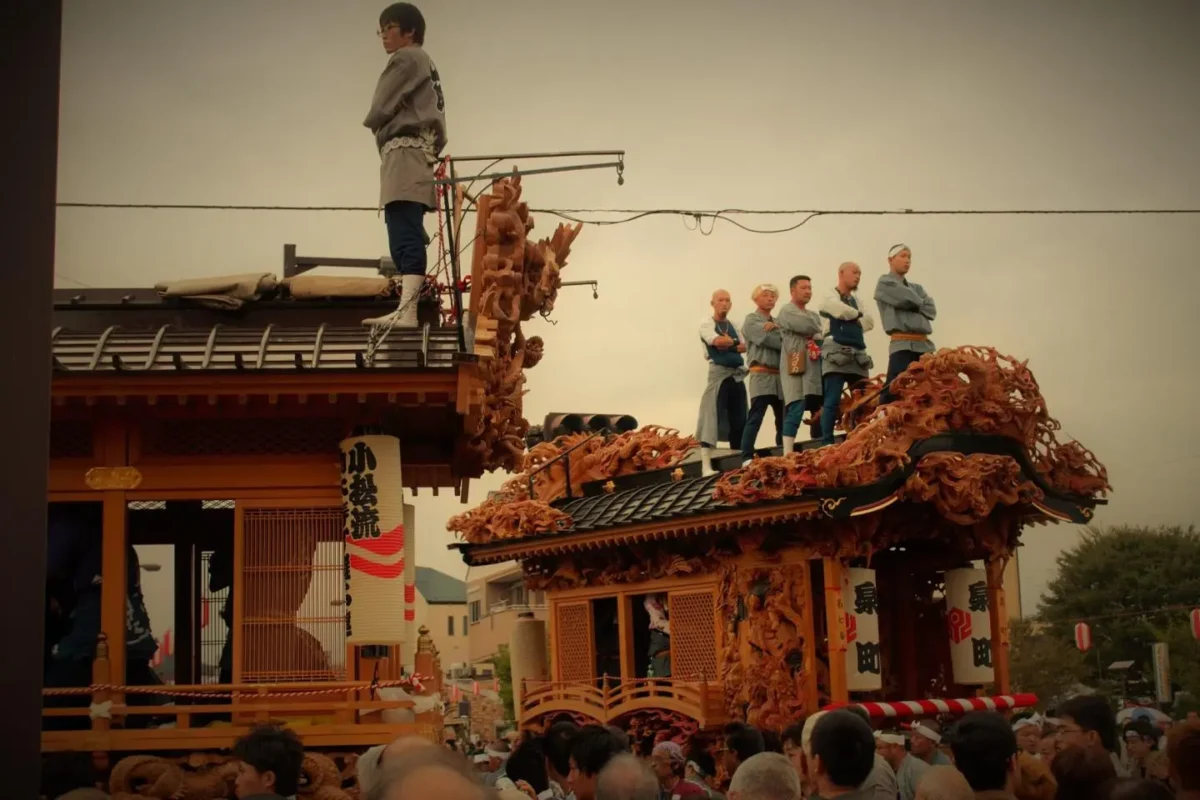
The daytime programme offers a very different atmosphere. Visitors can see the carved floats entering the shrine grounds, observe their detailed craftsmanship and watch them being pulled through the streets. The second main festival day traditionally features a large gathering of floats known as Yatai Sorihiki, along with a citizens’ parade and traditional performing arts.
The 2026 festival should provide a particularly rich cultural experience for visitors interested in Japanese craftsmanship, religious traditions, traditional music and historic town festivals. The exact programme and route arrangements should be checked with the official festival organizers as the event approaches.
Event dates
Early – Mid October 2026 (Dates TBD)
The festival traditionally takes place over a major autumn festival period, with activities centered on Imamiya Shrine and the surrounding Kanuma city area. The event generally follows a two-day structure, with the first day focused strongly on shrine ceremonies, float processions and nighttime Buttsuke performances, while the second day features city celebrations, aligned float pulling and additional cultural performances.
For visitors planning their trip, it is useful to treat the festival as a full-day cultural experience rather than a short shrine visit. Different parts of Kanuma become active at different times, and the best experience comes from seeing both daytime float movements and evening musical performances.
The official festival site recommends checking its latest programme information before traveling because individual float routes, performance locations, traffic restrictions and supporting activities can vary.
Visiting this event? Don’t miss out on these amazing activities and local experiences while you’re here.
Venues & festival locations
The principal religious venue is Imamiya Shrine, while the wider festival takes place throughout the central streets of Kanuma.
Imamiya Shrine
Imamiya Shrine is the spiritual center of the festival. The carved yatai floats gather at the shrine during the main religious proceedings, creating one of the most important visual moments of the celebration.
The shrine is located at 1692 Imamiya-cho, Kanuma City, Tochigi Prefecture. The surrounding shrine grounds and approach become especially important during the float arrival and departure ceremonies.
Kanuma city center
The festival extends through central Kanuma, with floats moving between different neighborhoods and designated festival locations. Streets and intersections become temporary performance spaces for traditional music and Buttsuke.
Festival Road
Kobugahara, commonly referred to as Festival Road, is an important area for the large-scale gathering and movement of carved floats. The aligned pulling of the yatai provides an opportunity to see numerous decorated floats together.
JR Kanuma Station area
Traditional music and festival activity can also be experienced around the JR Kanuma Station area. The official festival information identifies the station area as one of the locations for daytime hayashi performances.
Shin-Kanuma Station area
Shin-Kanuma Station is another important access point and can also form part of the wider festival atmosphere.
Full cultural programme
The cultural programme combines shrine ceremonies, carved-float traditions, traditional music, community participation and historic performing arts.
Shrine ceremonies
The festival begins with religious observances at Imamiya Shrine. Local communities bring their yatai floats toward the shrine as part of the traditional festival sequence.
Yatai processions
The carved floats are pulled through the city streets while musicians perform traditional hayashi music from inside them.
Float gathering
The arrival of the floats at Imamiya Shrine creates a spectacular concentration of carved wooden structures, each representing the identity and craftsmanship of its neighborhood.
Yatai aligned pulling
The second major festival day traditionally includes a large-scale procession in which numerous yatai move together through the city. Tourism information describes the possibility of up to 27 floats participating in the aligned pulling.
Buttsuke
Buttsuke is the festival’s signature musical tradition. Several floats meet at an intersection and the musicians perform intensely against one another, creating a dramatic soundscape.
Citizens’ parade
The second day traditionally includes a citizens’ parade featuring community organizations and marching groups.
Traditional performing arts
Additional local traditional arts are presented at festival venues, expanding the programme beyond the yatai processions.
Featured traditions & performances
Kanuma Buttsuke Autumn Festival is particularly notable for the combination of visual craftsmanship and live traditional music.
Carved yatai
The festival floats are covered with elaborate wood carvings and are among the most important examples of Kanuma’s traditional craftsmanship. The official festival organization emphasizes the ornate carving and distinctive construction of these floats.
Hayashi music
Musicians ride inside the yatai and perform traditional festival music while the floats move through the streets.
Buttsuke musical competition
Buttsuke literally refers to a confrontation or encounter between musical groups. Several yatai face one another at an intersection while their musicians perform energetically. According to the official terminology guide, the performers compete by playing intensely without losing the rhythm, while surrounding spectators add to the atmosphere with lanterns and cheers.
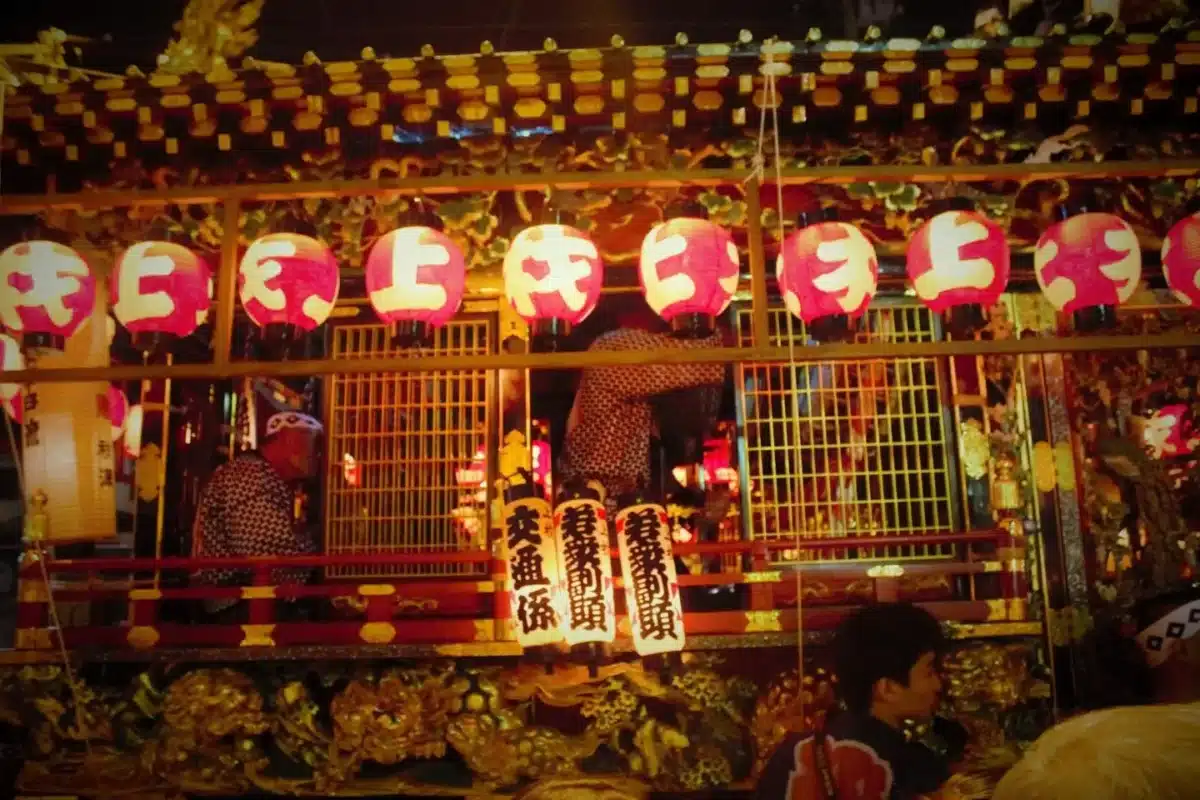
Lantern-lit performances
Evening performances are particularly atmospheric because lanterns illuminate the floats and streets. The combination of traditional music, carved wood, lanterns and crowds creates one of the festival’s most memorable experiences.
Historical & heritage highlights
The origins of the Kanuma festival are traditionally traced back around four centuries. The official festival history explains that the revival of Kanuma following a period of decline was connected with the rebuilding of Imamiya Shrine and a community rain-prayer ceremony. The tradition developed into the shrine’s annual festival.
The early festival floats were relatively simple covered platforms used as mobile stages for performances offered to the shrine. As festival activities became more elaborate, communities began rebuilding and decorating the floats, eventually producing the highly carved yatai that are now one of Kanuma’s defining cultural symbols.
The floats themselves represent more than transportation for musicians. Each yatai reflects the history, identity and craftsmanship of the neighborhood that maintains it.
The festival’s importance extends beyond Kanuma because the float procession tradition has been recognized as part of Japan’s nationally protected intangible folk heritage and UNESCO’s Intangible Cultural Heritage framework.
For visitors interested in Japanese heritage, the event offers an opportunity to see living traditions rather than static museum displays. The floats are maintained, pulled and used by local communities as part of an active annual celebration.
Events & activities schedule
The detailed 2026 timetable should be confirmed through the official festival programme, but the traditional sequence provides a useful guide.
Morning shrine activities
The first major festival day begins with local communities making their way toward Imamiya Shrine. The official festival flow describes early-morning visits by each participating neighborhood before the formal shrine ceremony and float procession.
Float arrival
The decorated yatai make their way toward the shrine and gather around the shrine approach. This is one of the best opportunities to see individual floats at close range.
Daytime procession
After the shrine activities, floats move through the city streets accompanied by hayashi music.
Afternoon float activities
Different neighborhoods and groups participate in processions and musical performances at designated intersections and festival areas.
Evening Buttsuke
The evening is traditionally dominated by Buttsuke performances. Several yatai meet and the musicians perform in an energetic musical exchange.
Second-day city programme
The second day traditionally includes the citizens’ parade, traditional performing arts and the large Yatai Sorihiki float procession.
Ticket types & entry options
Kanuma Buttsuke Autumn Festival is fundamentally a public community festival rather than a ticketed commercial event. General access to the streets and public festival atmosphere is free.
General festival access
Free. Visitors can experience the public streets, view the yatai processions and watch many of the traditional performances without purchasing an admission ticket.
Imamiya Shrine area
The shrine and public festival surroundings can be visited as part of the open festival environment, although visitors should follow any temporary access restrictions during ceremonies.
Buttsuke viewing
Public viewing of the traditional musical competitions does not normally require a general admission ticket.
Optional experiences
Individual museums, cultural facilities, food vendors or other attractions visited separately from the festival may have their own admission charges.
Because the festival takes place across public streets, there is no single ticket that provides access to every part of the event.
Guided tours & cultural experiences
Visitors who want to understand the festival beyond simply watching the floats can combine the event with Kanuma’s traditional craft and heritage attractions.
Yatai craftsmanship
Spend time examining the carved details of individual floats. Different neighborhoods maintain floats with their own decorative characteristics, making close observation an important part of the experience.
Imamiya Shrine
A visit to the shrine provides context for understanding the religious foundation of the festival and the relationship between the shrine and participating communities.
Traditional craft heritage
Kanuma has a strong woodworking and carving tradition. The festival can be combined with local cultural facilities that explain the city’s traditional crafts.
Yatai exhibitions
Kanuma maintains permanent and seasonal facilities connected with its yatai heritage, including Yatai no Machi Chuo Park and other cultural venues. These can be useful for visitors who want to understand the floats away from the crowds.
Local walking tours
A walking route through central Kanuma can combine the shrine, historic streets, festival intersections and local cultural attractions.
Special ceremonies & celebrations
The religious ceremonies at Imamiya Shrine provide the foundation for the festival.
Shrine festival ceremony
Participating communities gather at the shrine as part of the annual religious observance. The yatai are brought into the shrine area in a carefully organized sequence.
Float dedication
The movement of the yatai toward the shrine represents their role in the festival and their connection to the local communities.
Community participation
The festival depends heavily on neighborhood organizations, musicians, float handlers and local volunteers.
Nighttime Buttsuke
The evening musical competitions transform ordinary city intersections into temporary performance spaces. The sound of multiple hayashi groups performing against one another is one of the festival’s defining traditions.
Festival rules
Visitors should remember that Kanuma Buttsuke Autumn Festival is a religious and community celebration as well as a major tourist attraction.
Respect shrine customs
Follow shrine etiquette and obey instructions around ceremonial areas. Do not enter restricted spaces during religious activities.
Keep float routes clear
Yatai are large and heavy, and their movement requires considerable space. Visitors should remain behind designated barriers or away from the route when requested.
Follow staff instructions
Festival streets can become extremely crowded. Follow instructions from organizers, police, volunteers and traffic-control staff.
Do not touch the floats
The carved yatai are valuable cultural properties and should be observed without climbing on, leaning against or touching them unless organizers specifically permit it.
Photography
Photography is encouraged in many public areas, but visitors should avoid blocking procession routes or interfering with musicians and participants.
Be careful around Buttsuke
Buttsuke performances can become very loud and crowded. Maintain a safe distance from the floats and follow crowd-control instructions.
Traffic restrictions
Temporary road closures and traffic restrictions are used during festival activities. Visitors arriving by car should expect changes to normal road access.
How to get there
Kanuma is located in Tochigi Prefecture and can be reached from Tokyo using the railway network.
From Shin-Kanuma Station
Shin-Kanuma Station on the Tobu Nikko Line is approximately a 10-minute walk from the main festival area according to the official festival access information.
From JR Kanuma Station
JR Kanuma Station on the JR Nikko Line is approximately a 20-minute walk from the central festival area.
From Tokyo
Visitors traveling from Tokyo can reach Kanuma by rail through connections involving the Tokyo metropolitan rail network and Tochigi. The official festival site indicates approximately 80 minutes from Asakusa to Shin-Kanuma and approximately 70 minutes from Tokyo to JR Kanuma when using the relevant rail connections.
By car
Kanuma Interchange on the Tohoku Expressway is approximately 15 minutes from the festival area under normal conditions. Traffic can be considerably slower during festival periods because of road restrictions and large crowds.
Public transport & parking
Public transportation is strongly recommended because the festival occupies central streets and introduces temporary traffic restrictions.
Tobu Railway
Shin-Kanuma Station is one of the most convenient access points and is within walking distance of the main festival area.
JR East
JR Kanuma Station provides access from the JR Nikko Line and is also within walking distance.
Local buses
Kanuma’s local bus network can be useful, although festival traffic restrictions may result in temporary diversions or changed routes.
Shuttle services
Previous festival arrangements have included shuttle transportation connecting important access points and parking areas. Visitors should check the official 2026 transport information before traveling because routes can change according to traffic-control plans.
Parking
Parking is available in designated areas, but capacity is limited. The Kanuma tourism information specifically warns that parking spaces are limited. Visitors should arrive early if driving and should never attempt to park along restricted festival streets.
Accommodation areas
Kanuma itself is the most convenient place to stay for visitors who want to experience the festival over both main days.
Kanuma
Staying in Kanuma allows visitors to reach Imamiya Shrine and the central festival streets without relying on long-distance transportation during the busiest periods.
Utsunomiya
Utsunomiya is a larger regional city with a wider range of hotels and restaurants. It can serve as a practical base for visitors who want more accommodation choices while making a day trip to Kanuma.
Nikko
Visitors combining the festival with sightseeing in Nikko can stay in or around Nikko and travel toward Kanuma for the festival.
Tokyo
Travelers staying in Tokyo can make Kanuma a day trip, although staying locally provides more flexibility for experiencing both daytime processions and nighttime Buttsuke performances.
Food & traditional specialties
The festival atmosphere includes temporary food stalls and local specialties, giving visitors opportunities to combine cultural sightseeing with regional food.
Festival street food
Temporary stalls generally provide Japanese festival favorites such as grilled foods, noodles, snacks and drinks.
Kanuma cuisine
Visitors can explore local Kanuma restaurants for regional dishes outside the festival area, especially around the central shopping and station districts.
Local agricultural products
The wider Kanuma area is known for agricultural production, and seasonal local products can be found at shops and markets around the city.
Traditional sweets
Local confectionery and Japanese sweets can make useful souvenirs and provide a quieter alternative to the busiest festival food stalls.
Food and cultural tourism
The best approach is to combine festival stalls with a meal at a local restaurant, allowing visitors to experience both the temporary matsuri food culture and Kanuma’s everyday cuisine.
Accessibility
The festival takes place across public streets, shrine grounds and temporary event spaces, so accessibility can vary considerably from one location to another.
Rail access
Shin-Kanuma and JR Kanuma stations both provide relatively convenient walking access to the central festival area.
Crowded areas
The busiest areas around Imamiya Shrine, major intersections and Buttsuke performances can become extremely crowded. Visitors with mobility limitations should consider arriving earlier and identifying quieter viewing locations.
Temporary street conditions
Road closures, crowds, stalls and moving floats can change normal pedestrian routes. Step-free movement should therefore be planned in advance.
Viewing the floats
Some daytime areas provide better opportunities to observe the yatai at a slower pace, while evening Buttsuke areas can be considerably more congested.
Assistance
Visitors requiring specific accessibility assistance should contact the local tourism office or festival organizers before traveling to confirm current arrangements.
Best cultural experiences
Kanuma Buttsuke Autumn Festival offers several particularly memorable ways to experience Japanese traditional culture.
See the yatai at Imamiya Shrine
The gathering of elaborately carved floats at the shrine is one of the strongest visual experiences of the festival.
Study the wood carvings
Look closely at the decorative details of the yatai. Their carved surfaces demonstrate the craftsmanship that makes Kanuma’s festival floats culturally significant.
Watch Buttsuke
The musical confrontations between hayashi groups are the defining performance tradition of the event. The combination of sound, movement, lanterns and crowds creates a dramatic festival atmosphere.
Experience the daytime procession
Daylight provides better opportunities to appreciate the craftsmanship of the floats and observe their movement through Kanuma.
See the aligned float procession
The large-scale Yatai Sorihiki provides an opportunity to see numerous carved floats moving together through the city.
Explore Kanuma’s craft heritage
Extend the visit to local yatai and traditional craft facilities to understand the woodworking culture behind the festival.
Previous year’s highlights
Previous editions have demonstrated the scale and cultural importance of Kanuma’s festival traditions.
One of the major attractions has been the large collection of carved yatai participating in the festival. A recent official city announcement highlighted 26 carved floats taking part in the main festival activities, including the shrine procession and multiple Buttsuke locations.
The aligned float procession has also remained a major daytime attraction. Visitors can see numerous decorated yatai moving through the central city streets, providing a rare opportunity to compare different neighborhood floats in one setting.
Buttsuke continues to be the defining nighttime experience. The official festival organization describes the evening programme as featuring energetic hayashi performances, float encounters and other traditional activities.
The wider city programme has also included citizens’ performances, marching groups, traditional performing arts and special cultural presentations. This gives the festival a broader community character beyond the yatai processions.
The festival’s heritage status has remained an important part of its identity, with the event recognized both nationally and internationally for its traditional float culture.
For 2026, visitors can expect the carved yatai, shrine ceremonies, traditional music, Buttsuke and community participation to remain at the center of the celebration, while exact routes and supporting activities should be confirmed through the official programme.
Official tickets
Kanuma Buttsuke Autumn Festival is primarily a free public festival, with no standard general admission ticket required for the main street celebrations.
General festival access
Free. Visitors can enter the public festival areas, view the yatai processions and experience the public cultural programme without purchasing an admission ticket.
Shrine activities
Public access around Imamiya Shrine is generally available, subject to temporary restrictions during religious ceremonies and float movements.
Buttsuke performances
The public can watch the traditional musical competitions from designated street viewing areas without a standard festival admission ticket.
Optional attractions
Separate cultural facilities, museums, exhibitions or other attractions visited during a Kanuma trip may have their own admission arrangements.
The official festival website should be used for the latest 2026 programme, route information, traffic restrictions and visitor guidance.
Video
Location
FAQ
What is the primary purpose of the Kanuma Buttsuke Autumn Festival?
The festival serves as a historic community gathering to remember past hardships and offer sincere prayers for peace and an abundant harvest. It acts as a vital cultural anchor for the residents of Tochigi Prefecture.
Are the yatai floats open for visitors to enter?
While visitors cannot step inside the moving floats during active parades, they can admire the intricate craftsmanship up close when the yatai are stationary or parked during shrine visits.
How can travelers reach the festival venue from major cities?
The festival area is easily accessible from Tokyo by taking a train to Shin-Kanuma station or JR Kanuma station, followed by a short walk or free shuttle bus.
Is the event suitable for families and travelers with children?
The festival offers a welcoming, family-friendly environment filled with engaging street food stalls, mesmerizing musical performances, and vibrant daytime parades suitable for all ages.
What makes the Buttsuke musical battle unique?
It is a dynamic competition where illuminated floats meet at intersections to engage in thunderous taiko drum contests, creating an intense acoustic spectacle unique to Kanuma.

Leave a Reply