
-
November 21, 2026
Event date:
-
November 21, 2026
Event end:
Osaka’s Cultural & Historical Connection
Osaka holds a legendary status as the historical birthplace and spiritual heartland of Japanese comic storytelling and merchant-class humor. The city’s rich dialect, fast-paced wit, and unpretentious cultural attitude provide the ideal soil for stories centering on clever thieves and lovable rogues. Hosting the event at Asahi Life Hall places the gathering directly within this vibrant urban tradition, connecting modern audiences to centuries of local entertainment history.
The local community in Osaka has long embraced rakugo not merely as light entertainment, but as an essential reflection of regional identity and social resilience. Performances here carry a distinct energetic pulse, driven by an audience known for its sharp appreciation of comedic timing and dramatic authenticity. This deep-rooted cultural literacy ensures that subtle nuances in character delivery and dialect are instantly understood and warmly celebrated by the room.
As the annual Matsukyo Samadhi series returns to Osaka, it reinforces the city’s ongoing commitment to preserving and revitalizing classical performing arts for future generations. The event serves as a living museum of regional culture, where historical texts are reinterpreted through contemporary lenses without losing their traditional essence. Attendees walking the streets of Osaka after the show carry with them a renewed connection to the city’s enduring spirit of laughter, community, and artistic mastery.
Enjoy Your Event Stress-Free with Japan Travelo
Do you know? Planning events, festivals, concerts, and cultural experiences in Japan can be overwhelming. Japan Travelo brings everything together in one place, helping you manage your itinerary, transport, and accommodation with ease—so you can enjoy Japan without the stress of planning.
Event Information
- Email: support@rakugo-zanmai.pia.co.jp
- Phone Number: +81 6-6203-1251
- Website: https://t.pia.jp/pia/event/event.do?eventBundleCd=b2670681
Event Concept & Buddhist Spiritual Themes
The foundational philosophy of the Matsukyo Samadhi series draws deeply from Buddhist concepts of mindfulness, detachment, and the transient nature of worldly human affairs. Each year, the gathering transcends mere entertainment, functioning as a contemplative space where audience members reflect on existential truths through traditional storytelling. The performances invite listeners to pause their fast-paced daily routines and examine the inner workings of desire, morality, and spiritual redemption. This intentional integration of spiritual introspection transforms a standard theatrical comedy event into a mindful communal ritual.
Central to the thematic exploration is the Buddhist principle of impermanence, which is masterfully woven into both classic tales of clever thieves and poignant human dramas. Characters in these rakugo stories frequently grapple with ethical dilemmas, confronting the heavy karmic consequences of greed, deception, and personal choices. Through humor and pathos, the narratives illustrate how human nature remains constant across centuries, bound by the same timeless spiritual trials and temptations. The storytelling serves as a mirror, encouraging listeners to cultivate greater self-awareness, compassion, and inner peace in their daily lives.
The atmospheric tone within Asahi Life Hall is carefully cultivated to foster a quiet sense of mental clarity and focused attention among all attendees. Unlike modern sensory-heavy productions, rakugo relies entirely on minimalist props—a folding fan and a small hand towel—to evoke entire universes of thought. This stripped-down aesthetic mirrors meditative practices where external distractions are minimized to allow the deeper essence of reality to emerge. Spectators find themselves entering a state of focused absorption, where every spoken word and deliberate silence carries profound contemplative weight.
- Deep integration of Buddhist principles such as mindfulness and the impermanence of worldly attachments
- Contemplative storytelling frameworks designed to encourage inner reflection and emotional clarity
- Exploration of karmic consequences and moral choices through the lens of classic comedic tales
- Minimalist staging utilizing only a fan and hand towel to evoke profound mental imagery
- Cultivation of a meditative atmosphere within the hall to quiet the distractions of modern life
- Transmission of traditional artistic wisdom and spiritual discipline across master and disciple generations
- Philosophical examination of human greed, redemption, and the search for authentic inner peace
Event Schedule
- Event Date: November 21, 2026 (Sat)
- Event Duration: Approximately 3 hours including intermission breaks between the afternoon and evening shows
Visiting this event? Don’t miss out on these amazing activities and local experiences while you’re here.
Performances, Ceremonies & Special Activities
The performance structure is meticulously divided into two distinct parts, featuring master-disciple pairings designed to showcase technical growth and artistic continuity. The first part features a dynamic collaboration with Tsuyu no Murasaki, highlighting sharp comedic dialogue and the classic revival of theatrical literature. Performers utilize subtle vocal modulations and precise physical gestures to bring multi-generational characters to life without changing costumes or leaving the cushion. This mastery of transformation is a hallmark of high-level rakugo, requiring years of disciplined physical and mental training.
The second part introduces a special parent-child style discipleship meeting centered around innovative storytelling, including the highly anticipated modern thief tale Tokuryu. This contemporary narrative addresses modern societal anxieties regarding mobile criminal rings, seamlessly blending current headlines with traditional comic timing and structure. Alongside this modern piece, classical staples such as The Plate Mansion and Sutokuin provide a rich historical contrast that grounds the evening in tradition. The careful sequencing of humorous numbers and dramatic tragedies ensures a well-rounded artistic journey for all patrons.
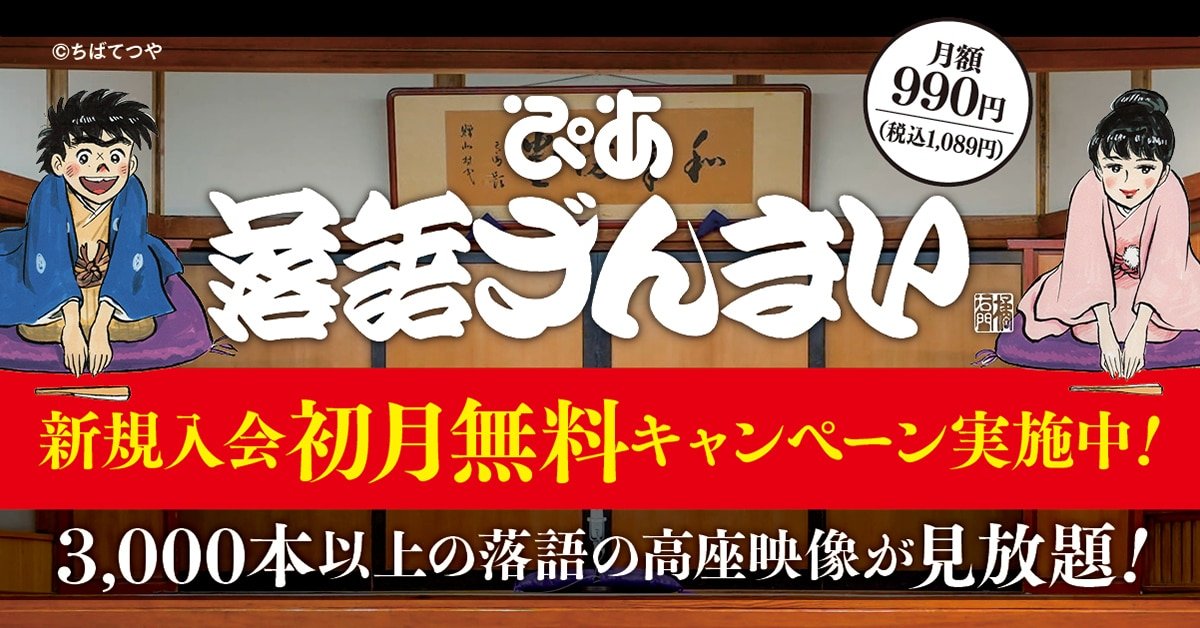
Special activities also include exclusive digital content integration through the Pia Rakugo Zanmai streaming network, expanding the reach of the festival beyond the physical hall. Subscribers gain access to behind-the-scenes insights, rehearsal footage, and pre-sale ticketing privileges that foster a dedicated community of digital and physical patrons. This hybrid approach ensures that the ancient art form remains viable and accessible to modern audiences across Japan and beyond. The day culminates in a profound sense of artistic fulfillment as the final curtain closes on an unforgettable day of storytelling.
- Two-part performance structure featuring afternoon and evening sessions with distinct master-disciple lineups
- Seamless character transformations executed entirely through vocal variation and minimalist head movements
- Integration of modern social commentary through the newly adapted rakugo piece titled Tokuryu
- Contrast between modern crime narratives and classical ghost stories like The Plate Mansion
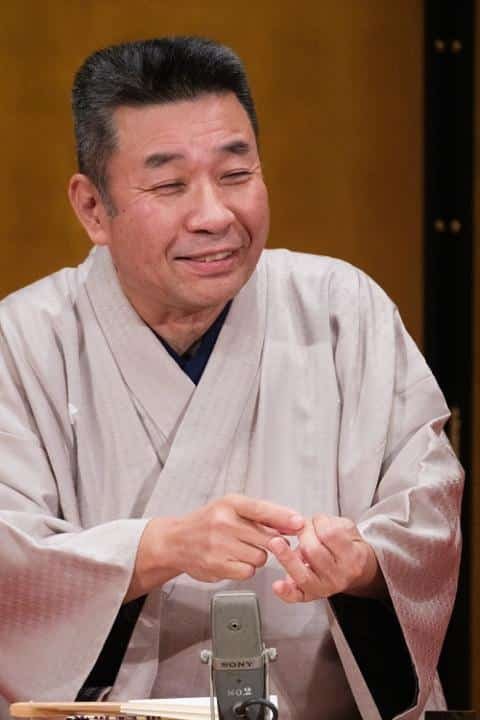
- Collaborative exchange of artistic energy between master Shofukutei Matsukyo and his talented disciples
- Integration of digital streaming platforms to enhance audience engagement and pre-sale access
- Preservation of authentic historical performance techniques within modern urban theatrical spaces
Ticket Prices
- How Tickets Are Sold: Available exclusively through the Pia Rakugo Zanmai digital member pre-sale platform and authorized partner agencies
- Admission Type: Reserved seating entry requiring a valid digital pass or physical ticket for admission to the hall
- Ticket Pricing: Ranges from a minimum of $35.00 to a maximum of $70.00 depending on seat selection and performance session
- Special Seating Options: Designated main floor and lower tier reserved sections offering unobstructed sightlines toward the traditional stage
- VIP Options: Premium membership ticket packages bundled with exclusive digital streaming access and commemorative event program materials
Meditation, Samadhi & Inner Reflection
The concept of samadhi, or meditative absorption, serves as the spiritual anchor for the entire gathering, guiding both performers and audience into a unified state of focused presence. In the tradition of classical Japanese storytelling, the master teller must achieve a calm, centered mindset before stepping onto the cushion to connect with the room. This internal stillness allows the narrative to flow naturally, bypassing intellectual barriers and striking directly at the emotional core of the listener. Attendees often report entering a deeply relaxed, observant mental state akin to seated meditation while following the unfolding plot.
The quiet moments of anticipation between dialogue lines function as silent pauses for contemplation, allowing the weight of the moral lessons to settle naturally. By stripping away complex stage design and elaborate lighting, the production forces both teller and audience inward, relying solely on imagination and active listening. This shared focus creates a collective resonance in the hall, where hundreds of minds synchronize in a peaceful, meditative appreciation of the spoken word. It is a powerful countermeasure to the constant digital noise and fragmented attention spans characteristic of contemporary urban life.
Engaging with these nuanced psychological narratives provides a healthy mental detachment from personal daily stresses, offering a therapeutic reprieve through shared laughter and sorrow. The characters’ struggles with temptation and ethical failure prompt quiet self-examination, encouraging viewers to evaluate their own spiritual and moral paths. Through this artistic medium, meditation ceases to be an isolated solo practice and becomes a vibrant, communal experience of shared human introspection. The event thus acts as a modern temple of storytelling where mindfulness is discovered through the universal joy of narrative art.
Buddhist Teachings & Japanese Religious Culture
- Integration of traditional Japanese religious folklore and moral fables into contemporary performance arts
- Reflection of Buddhist karma, cause and effect, through the humorous misadventures of classic thieves
- Cultural preservation of storytelling techniques rooted in ancient temple and shrine recitation traditions
- Exploration of secular ethics through the refined moral framework of classical Japanese narrative forms
- Respectful homage to historical literary adaptations originally penned by celebrated spiritual authors
- Promotion of communal harmony and shared cultural heritage inspired by traditional temple gatherings
- Educational value in introducing younger generations to the rich tapestry of classical Japanese values
Community, Participants & Shared Spiritual Experience
- Strong sense of fellowship among dedicated rakugo enthusiasts and platform members
- Collaborative atmosphere uniting veteran masters and rising generational talents on one stage
- Shared emotional resonance experienced collectively during poignant dramatic storytelling segments
- Active participation of digital streaming subscribers contributing to a vibrant nationwide fan base
- Welcoming environment fostering cross-generational appreciation of classical Japanese verbal arts
- Communal reflection on moral values and human flaws shared by every attendee in the hall
Getting to the Venue
- City and Country: Osaka, Japan
- Venue Name: Asahi Life Hall
- Google Maps Address: 4 Chome-2-16 Koraibashi, Chuo Ward, Osaka, 541-0043, Japan
Location
FAQ
What are the primary themes explored during the event?
The performances blend Buddhist philosophies of impermanence and mindfulness with classic tales of human error and redemption. Attendees are encouraged to reflect on their own moral choices and find inner calm through traditional storytelling art. This unique combination offers both lighthearted comedic entertainment and deep spiritual introspection for every audience member.
How do the performers achieve character transformations on stage?
Performers rely entirely on subtle shifts in vocal tone, posture, and facial expression while remaining seated on a cushion. They utilize a simple folding fan and hand towel to represent various props like swords, pipes, or letters. This minimalist technique requires immense discipline and allows the audience's imagination to construct the surrounding world.
What is the significance of the modern story Tokuryu?
Tokuryu adapts contemporary headlines concerning anonymous mobile criminal networks into the structured framework of classic comic rakugo storytelling. It bridges modern societal anxieties with traditional narrative forms to highlight the unchanging nature of human temptation. This creative fusion challenges viewers to examine modern ethical dilemmas through a timeless cultural lens.
How does the Pia Rakugo Zanmai membership enhance the experience?
Subscribers receive exclusive access to digital streaming archives, behind-the-scenes content, and priority pre-sale ticketing windows for live events. The platform fosters a connected nationwide community of enthusiasts dedicated to preserving traditional Japanese comic arts. New members also benefit from trial periods that make exploring the extensive digital library easy and affordable.
Why is Osaka chosen as the recurring home for this event?
Osaka is celebrated historically as the vibrant cultural birthplace of Japanese comic storytelling and merchant humor traditions. The local audience possesses an exceptional appreciation for comedic timing, authentic dialect, and nuanced character delivery. Hosting the gathering here maintains a living connection to centuries of regional theatrical heritage and community spirit.
What etiquette is expected of attendees inside the Asahi Life Hall?
Audience members are expected to maintain silence during performances to preserve the meditative atmosphere required for spoken word art. Photography, video recording, and audio capturing are strictly prohibited throughout the duration of both afternoon and evening shows. Patrons should arrive promptly before curtain times and respect all health and safety guidelines outlined by venue staff.

Leave a Reply