
-
November 21, 2026
Event date:
-
November 21, 2026
Event end:
What to expect in 2026
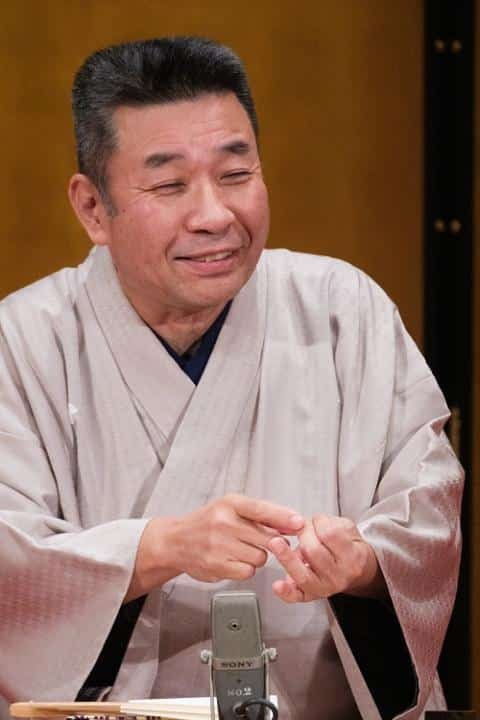
The 7th Matsukyo Samadhi 2026, officially presented in Japanese as the “第七回 松喬三昧,” takes place on Saturday, November 21, 2026, at Asahi Life Hall in Yodoyabashi, Osaka. The annual rakugo performance is led by Shofukutei Shokyo and features two separate performances during the same day, with each part built around a different guest and a distinct combination of classical rakugo, dialogue and Shokyo’s continuing series of new thief-themed stories.
The seventh edition continues the format that has developed through the previous Matsukyo Samadhi performances while introducing a new two-person structure. The first part is presented as “Shokyo VS Murasaki: Futari-kai,” bringing Shokyo together with Tsuyu no Murasaki. The second part is presented as “Shokyo VS Kyosuke: Oyako-kai,” featuring Shokyo and his second disciple, Shofukutei Kyosuke.
The programme combines traditional rakugo with newly created material. The first part includes Shokyo performing “Kinjin Musuko” and “Dorobo to Wakamono,” the latter based on a work by Japanese novelist Shumaro Yamamoto. Murasaki performs “Tameshi-zake” and “Keikoya.” The second part introduces “Tokuryu,” a new thief story written by Yoshihito Yonei and performed by Shokyo, alongside Kyosuke’s “Sarayashiki” and “Hyotan-bune” and Shokyo’s “Sutokuin.”
Enjoy Your Event Stress-Free with Japan Travelo
Do you know? Planning events, festivals, concerts, and cultural experiences in Japan can be overwhelming. Japan Travelo brings everything together in one place, helping you manage your itinerary, transport, and accommodation with ease—so you can enjoy Japan without the stress of planning.
A defining feature of the 2026 programme is the new story “Tokuryu.” The title refers to anonymous, fluid-type criminal groups that recruit people through social media for activities such as fraud and robbery. The organizers describe this as the new thief-themed rakugo debut for this year’s Matsukyo Samadhi, continuing Shokyo’s recurring approach of connecting contemporary subjects with the traditional rakugo form.
The event is structured as two independent performances rather than one continuous ticketed show. The first begins at 11:30 AM after an 11:00 AM opening, while the second begins at 3:30 PM following a 3:00 PM opening. Each part has its own ticket, allowing visitors to attend one session or experience both sides of the programme.
Event dates
Performance date
The 7th Matsukyo Samadhi takes place on Saturday, November 21, 2026, at Asahi Life Hall in Osaka’s Yodoyabashi district.
First part
The first part opens to the audience at 11:00 AM and begins at 11:30 AM. It is presented as the Shokyo and Tsuyu no Murasaki two-person performance.
Second part
The second part opens at 3:00 PM and begins at 3:30 PM. It is presented as the Shokyo and Shofukutei Kyosuke parent-and-child-style rakugo performance.
One-day format
Both performances are scheduled on the same Saturday, making the event a concentrated one-day rakugo programme. Visitors who want the complete 2026 Matsukyo Samadhi experience can plan their day around both sessions.
Visiting this event? Don’t miss out on these amazing activities and local experiences while you’re here.
Venue & festival site
Asahi Life Hall
The event takes place at Asahi Life Hall, located on the eighth floor of Osaka Asahi Life Building at 4-2-16 Koraibashi, Chuo-ku, Osaka, 541-0043, Japan. The hall faces Midosuji, one of Osaka’s principal avenues, and is directly connected to Yodoyabashi Station.
Hall capacity
Asahi Life Hall has 368 fixed seats and is designed for theatre-style performances and other events requiring dedicated stage and audience areas. The hall measures approximately 375 square metres including the stage and seating area.
Performance environment
The venue is substantially smaller than Osaka’s major concert arenas, which suits rakugo’s intimate storytelling format. The audience remains focused on the performer, voice, timing, gestures and dialogue rather than large visual production.
Location in Yodoyabashi
The hall sits in central Osaka between major business, shopping and cultural districts. Its location makes it practical for visitors combining the performance with sightseeing, restaurants and accommodation around Yodoyabashi, Kitahama, Nakanoshima and Umeda.
Full lineup
Shofukutei Shokyo
Shofukutei Shokyo is the principal performer and the central artist throughout both parts of the 2026 programme. He performs multiple rakugo stories and participates in the conversations with both guests.
Tsuyu no Murasaki
Tsuyu no Murasaki is the guest for the first part. Her programme includes “Tameshi-zake” and “Keikoya,” while she also appears with Shokyo in the opening conversation. The official announcement highlights her recent activity and recognition within the Kamigata rakugo scene.
Shofukutei Kyosuke
Shofukutei Kyosuke is the guest for the second part and is identified as Shokyo’s second disciple. His programme includes “Sarayashiki” and “Hyotan-bune,” while he also participates in the opening dialogue with his master.
Hayashiya Kaho
Hayashiya Kaho provides shamisen accompaniment for the performance. The official programme lists her among the performers for the 2026 event.
Headliners & featured artists
Shofukutei Shokyo
Shokyo is the principal name throughout Matsukyo Samadhi. His role in the seventh edition extends across both sessions, with traditional repertoire alongside the latest installment in his continuing new thief-story series.
The 2026 event gives him several contrasting opportunities: “Kinjin Musuko” and “Dorobo to Wakamono” in the first part, followed by “Tokuryu” and “Sutokuin” in the second part.
Tsuyu no Murasaki
Murasaki is featured in the first part as Shokyo’s performance partner. Her two scheduled stories provide the main guest rakugo section before Shokyo closes the first programme with “Dorobo to Wakamono.”
Shofukutei Kyosuke
Kyosuke takes the featured role in the second part. As Shokyo’s second disciple, his appearance creates a different relationship from the first part, with the programme specifically described as a “parent-and-child” style two-person performance.
Stages & performance areas
Main rakugo stage
Asahi Life Hall uses a single main performance stage. There are no separate music stages, outdoor areas or parallel festival zones. The entire event is designed around the traditional rakugo stage and the audience seating area.
First-part stage
The first session centers on Shokyo and Murasaki. Their interaction includes an opening conversation followed by individual rakugo performances and the closing “Dorobo to Wakamono” performance by Shokyo.
Second-part stage
The second session centers on Shokyo and Kyosuke. The programme combines their opening conversation, Kyosuke’s two stories and Shokyo’s new “Tokuryu” and “Sutokuin” performances.
Traditional presentation
The intimate hall environment is particularly appropriate for rakugo because the form relies heavily on spoken storytelling, vocal characterization, timing and minimal physical gestures rather than elaborate scenery.
Stage-by-stage schedule
First part – Shokyo VS Murasaki
The first performance begins at 11:30 AM. The programme opens with a greeting and conversation between Shokyo and Murasaki, establishing the two-person format before the individual performances begin.
Shofukutei Shokyo then performs “Kinjin Musuko,” followed by Tsuyu no Murasaki performing “Tameshi-zake” and “Keikoya.” The programme concludes with Shokyo’s “Dorobo to Wakamono,” based on the work of novelist Shumaro Yamamoto.
Second part – Shokyo VS Kyosuke
The afternoon performance begins at 3:30 PM. Shokyo and Kyosuke open with their own conversation before moving into the principal rakugo programme.
Shokyo performs “Tokuryu,” the new thief story written by Yoshihito Yonei. Kyosuke follows with “Sarayashiki” and “Hyotan-bune,” while Shokyo closes the programme with “Sutokuin.”
Set times
First performance
Doors open at 11:00 AM, with the first rakugo performance scheduled to begin at 11:30 AM.
Second performance
Doors open at 3:00 PM, followed by the second performance at 3:30 PM.
Daily schedule
The two-session format provides several ways to plan the visit. Visitors can attend the morning programme, the afternoon programme or both if they want to experience the complete event.
Arrival time
Arriving before the stated opening time allows visitors to enter the building, locate the eighth-floor hall and settle into their assigned seats before the performance begins.
Ticket types
Advance ticket
The official 2026 advance ticket price is $22.31 USD per performance, based on the published ticket price and the current JPY-to-USD exchange rate. The advance ticket covers one selected session and is for reserved seating.
Day-of-performance ticket
The published 2026 day-of-performance price is $25.50 USD per performance. Availability on the day should be confirmed before travelling because individual performances can have different remaining-seat situations.
Reserved seating
The event uses reserved seating rather than general admission. The official 2026 announcement identifies the tickets as reserved seats.
Two-performance planning
Visitors wanting to attend both sessions should plan for two separate admissions, as the event is organized as two distinct performances.
VIP & premium options
VIP packages
No separate VIP package is announced for the 2026 Matsukyo Samadhi. The official ticket information identifies standard reserved seating rather than a VIP or meet-and-greet package.
Premium seating
No separately marketed premium seating tier is currently listed. The event uses reserved seating, with the ticket information focused on the individual performance session rather than tiered hospitality packages.
Best seating approach
For rakugo, a clear view of the performer is particularly useful because the art relies on facial expression, vocal changes, posture and subtle gestures. Visitors interested in the detailed performance may therefore prefer a central seat where the stage can be viewed directly.
Event rules
Age restriction
Preschool children are not permitted to enter the event. This restriction is explicitly stated in the Ticket Pia event information.
Cast changes
The organizers note that performers may be changed. Visitors should therefore check the latest official information before attending if a particular performer is especially important to their plans.
Wheelchair arrangements
Visitors arriving in wheelchairs are asked to notify the event contact in advance. Advance communication allows the organizers to provide appropriate assistance and seating arrangements.
Performance etiquette
As this is a seated traditional storytelling performance, audience members should keep mobile devices silent and avoid conversations or activities that could interfere with the performers or other audience members.
How to get there
From Yodoyabashi Station
Asahi Life Hall is directly connected to Yodoyabashi Station on the Osaka Metro Midosuji Line. The venue’s official information identifies Exit 12 and the dedicated Asahi Life Building connection as the direct route.
From Keihan Yodoyabashi Station
Yodoyabashi is also served by the Keihan Railway network, making the venue convenient for visitors arriving from other parts of Osaka and the wider Kansai region.
From central Osaka
Visitors staying around Umeda, Nakanoshima, Kitahama or Honmachi can reach the Yodoyabashi area quickly by Osaka Metro or other rail connections.
Public transport & parking
Osaka Metro
The most direct public transport connection is Yodoyabashi Station on the Midosuji Line. The hall is directly connected to the station through Exit 12 and the Asahi Life Building entrance.
Keihan Railway
The Keihan Yodoyabashi area provides another convenient rail connection, particularly for visitors arriving from Kyoto and eastern Osaka. The Kamigata Rakugo Association also identifies Yodoyabashi Station as the direct access point for the hall.
Parking
Asahi Life Hall does not operate a dedicated visitor parking facility. Public transportation is therefore the simplest option for most attendees.
Taxi and drop-off
Visitors using taxis can give the driver the Asahi Life Building address in Koraibashi. Because the venue is in a central business district, allowing extra time around the event period is sensible.
Accommodation areas
Yodoyabashi
Yodoyabashi is the most convenient accommodation area for visitors attending the event because the hall is directly connected to the station. Hotels here also provide easy access to Nakanoshima, Kitahama and central Osaka.
Kitahama
Kitahama is within easy reach of Yodoyabashi and provides a quieter business-district base. It works well for visitors who want to stay near central Osaka while remaining close to the venue.
Umeda
Umeda offers extensive hotel choices and major railway connections. Visitors arriving by Shinkansen through Shin-Osaka can use the Osaka Metro network to reach Yodoyabashi.
Namba
Namba is farther south but is useful for visitors who want to combine the rakugo performance with Osaka’s major shopping, dining and entertainment districts. The Midosuji Line provides a direct connection toward Yodoyabashi.
Food & drink
Before the performance
The Yodoyabashi and Midosuji area is one of central Osaka’s established business and dining districts, with cafés, restaurants and convenience stores within walking distance of the venue.
Between sessions
Visitors attending both performances have several hours between the 11:30 AM and 3:30 PM sessions. This provides enough time to leave the hall and have lunch around Yodoyabashi, Kitahama or Nakanoshima before returning for the afternoon performance.
Osaka dining
The wider area offers many Japanese and international dining choices, while visitors staying longer can continue toward Umeda or Namba for a much broader selection of restaurants.
Inside the hall
Visitors should follow the venue’s current rules concerning food and beverages inside the auditorium. Eating and drinking should be limited to permitted areas where venue staff indicate that it is allowed.
Accessibility
Wheelchair assistance
Ticket Pia specifically asks wheelchair users to notify the event contact in advance. This is the most important accessibility step for attendees requiring dedicated seating or assistance.
Station connection
The venue has a major accessibility advantage because Asahi Life Hall is directly connected to Yodoyabashi Station through the building’s dedicated station connection.
Seating
The hall has 368 fixed seats. Visitors requiring a wheelchair position or other seating accommodation should arrange this with the organizer before the performance rather than assuming that standard ticket selection will provide the required space.
Advance planning
Because this is a limited one-day event, accessibility arrangements should be made as early as possible. The official event contact is Shochiku Geino, which handles inquiries for the performance.
Best days to attend
November 21
The event takes place only on Saturday, November 21, 2026, so there is no alternative event date in Osaka. The main decision for visitors is therefore which of the two sessions to attend.
First part
The morning session is the choice for audiences particularly interested in Tsuyu no Murasaki’s appearance and the first presentation of Shokyo’s “Dorobo to Wakamono.” The programme combines three performances by the two principals with the closing Yamamoto-based story.
Second part
The afternoon session is especially significant for audiences interested in the new “Tokuryu” story and Shofukutei Kyosuke’s appearance. It also includes Kyosuke’s “Sarayashiki” and “Hyotan-bune” before Shokyo closes with “Sutokuin.”
Both sessions
Visitors who want the fullest Matsukyo Samadhi experience can attend both sessions. The two programmes are different, so attending both provides a much broader selection of the 2026 repertoire.
Previous year’s highlights
6th Matsukyo Samadhi
The previous edition took place on Saturday, November 22, 2025, also at Asahi Life Hall. It followed the same two-performance format, with an 11:30 AM first session and a 3:30 PM second session.
First part in 2025
The first programme featured Shofukutei Kyoro, Shokyo and guest Fukumoto Yutaka. Shokyo performed “Hanairo Momen,” the new thief story “Ondoro,” written by Yoshihito Yonei, and “Busshiya Nusuuto.” Fukumoto and Shokyo also held a conversation during the programme.
Second part in 2025
The afternoon programme featured Shofukutei Koryu, Shokyo and comedian Sakai Toru. The programme included “Toriyabozu,” a conversation between Sakai and Shokyo, Sakai’s monologue performance and Shokyo’s “Fudo-bo.”
Earlier edition
The fifth Matsukyo Samadhi took place on November 10, 2024. It featured classic stories including “Omi Hakkei,” “Manju Kowai” and “Kozu no Tomi,” alongside the new thief-themed rakugo “Shuto,” written by Yoshihito Yonei. Guests included Katsura Jakusaburo and Shofukutei Ukyo.
Continuing new-story tradition
Across the recent editions, the event has maintained a particular focus on new thief-themed rakugo. “Shuto” appeared in 2024, “Ondoro” in 2025 and “Tokuryu” is the new story introduced in 2026. This recurring feature has become one of the distinguishing elements of the annual Matsukyo Samadhi programme.
Official tickets
Ticket Pia
Tickets for the 7th Matsukyo Samadhi are available through the official Ticket Pia event listing. The page provides the current performance information, ticket availability and purchasing details for the November 21, 2026 event.
https://t.pia.jp/pia/event/event.do?eventBundleCd=b2670681
General release
General ticket sales began on September 1, 2026, at 10:00 AM, according to Ticket Pia. An earlier Pia Rakugo Zanmai member lottery was held from August 26 through August 30.
Organizer
The event is produced by Shochiku Geino, which provides the official performance contact for ticket and event inquiries. The published contact number is +81 6-6258-8085, with weekday inquiry hours from 10:00 AM to 7:00 PM.
Location
FAQ
What are the primary themes explored during the event?
The performances blend Buddhist philosophies of impermanence and mindfulness with classic tales of human error and redemption. Attendees are encouraged to reflect on their own moral choices and find inner calm through traditional storytelling art. This unique combination offers both lighthearted comedic entertainment and deep spiritual introspection for every audience member.
How do the performers achieve character transformations on stage?
Performers rely entirely on subtle shifts in vocal tone, posture, and facial expression while remaining seated on a cushion. They utilize a simple folding fan and hand towel to represent various props like swords, pipes, or letters. This minimalist technique requires immense discipline and allows the audience's imagination to construct the surrounding world.
What is the significance of the modern story Tokuryu?
Tokuryu adapts contemporary headlines concerning anonymous mobile criminal networks into the structured framework of classic comic rakugo storytelling. It bridges modern societal anxieties with traditional narrative forms to highlight the unchanging nature of human temptation. This creative fusion challenges viewers to examine modern ethical dilemmas through a timeless cultural lens.
How does the Pia Rakugo Zanmai membership enhance the experience?
Subscribers receive exclusive access to digital streaming archives, behind-the-scenes content, and priority pre-sale ticketing windows for live events. The platform fosters a connected nationwide community of enthusiasts dedicated to preserving traditional Japanese comic arts. New members also benefit from trial periods that make exploring the extensive digital library easy and affordable.
Why is Osaka chosen as the recurring home for this event?
Osaka is celebrated historically as the vibrant cultural birthplace of Japanese comic storytelling and merchant humor traditions. The local audience possesses an exceptional appreciation for comedic timing, authentic dialect, and nuanced character delivery. Hosting the gathering here maintains a living connection to centuries of regional theatrical heritage and community spirit.
What etiquette is expected of attendees inside the Asahi Life Hall?
Audience members are expected to maintain silence during performances to preserve the meditative atmosphere required for spoken word art. Photography, video recording, and audio capturing are strictly prohibited throughout the duration of both afternoon and evening shows. Patrons should arrive promptly before curtain times and respect all health and safety guidelines outlined by venue staff.

Leave a Reply