
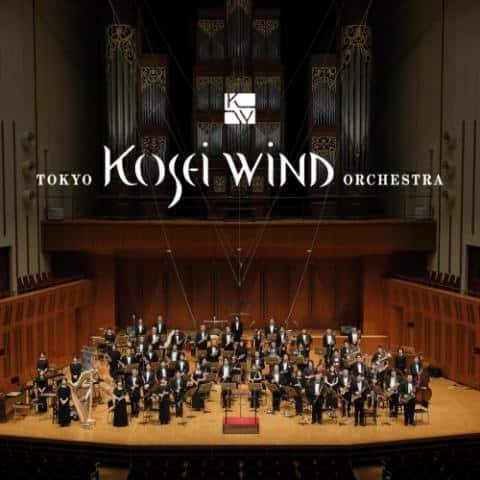
-
November 8, 2026
Event date:
-
November 8, 2026
Event end:
176th Regular Concert & Maslanka Cycle Vol. 5
The Tokyo Kosei Wind Orchestra returns for its landmark 176th Regular Concert, marking another extraordinary chapter in their celebrated subscription series. This specific installment proudly features the continuation of their highly anticipated Maslanka Cycle, exploring the profound spiritual and structural depths of the composer’s major works. As one of the world’s elite professional symphonic wind ensembles, the orchestra brings unmatched technical mastery and emotional intensity to every measure. Listeners are invited to experience an afternoon of ambitious programming that pushes the boundaries of modern wind band music.
Resident Conductor Takeshi Oi leads the ensemble with visionary insight, drawing out rich textures and breathtaking dynamic nuance from the players. His deep rapport with the musicians ensures that complex contemporary scores and massive symphonic architectures are delivered with absolute clarity and cohesion. Under his baton, the concert unfolds as a unified artistic journey, balancing moments of serene lyrical beauty with thunderous, life-affirming climaxes. The collaborative synergy between the podium and the orchestra remains a cornerstone of their ongoing success.
The integration of guest soloists into the subscription program adds an extra layer of virtuosity and color to the afternoon’s itinerary. By pairing Toshio Mashima’s lyrical expressions and Itaru Sakai’s rhythmically charged concertos with David Maslanka’s monumental symphony, the program offers immense stylistic variety. Every section of the ensemble responds with peerless dedication, showcasing the rich palette of colors native to professional wind and percussion instrumentation. It stands as a defining cultural highlight of the autumn classical music season in Tokyo.
Enjoy Your Event Stress-Free with Japan Travelo
Do you know? Planning events, festivals, concerts, and cultural experiences in Japan can be overwhelming. Japan Travelo brings everything together in one place, helping you manage your itinerary, transport, and accommodation with ease—so you can enjoy Japan without the stress of planning.
Attending a Tokyo Kosei regular concert is an immersive experience that redefines what a wind orchestra can achieve in a major acoustical hall. The meticulous care given to rehearsal precision translates into live performances that captivate critics, students, and dedicated classical music lovers alike. Patrons leave the auditorium deeply moved by the sheer scale, emotional sincerity, and technical brilliance radiating from the stage. This concert solidifies the orchestra’s enduring legacy as a global leader in symphonic wind literature.
- Marks the prestigious 176th Regular Concert installment by the world-renowned Tokyo Kosei Wind Orchestra
- Continues the acclaimed Maslanka Cycle series focusing on profound symphonic wind literature
- Guided by the visionary artistic leadership and precise baton technique of Resident Conductor Takeshi Oi
- Showcases elite guest soloist showcases featuring specialized trombone and timpani artistry
- Explores diverse stylistic expressions ranging from Japanese contemporary works to massive American symphonies
- Delivers immaculate intonation, rich harmonic blending, and breathtaking dynamic contrasts throughout the hall
- Highlights the ultimate standard of professional symphonic wind and percussion performance excellence
Event Schedule
- Event Date: November 8, 2026
- Event Duration: Approximately 2 hours including a standard intermission for regular subscription concert programs
Visiting this event? Don’t miss out on these amazing activities and local experiences while you’re here.
Toshio Mashima’s Quiet Call
The program opens with Toshio Mashima’s evocative and emotionally resonant work “Quiet Call,” setting a sophisticated tone for the afternoon. Mashima, celebrated for his exquisite melodic craftsmanship and brilliant orchestration, infuses the piece with a distinct lyrical grace. The composition serves as a gentle yet compelling introduction, highlighting the warm, golden tonal qualities of the ensemble’s brass and woodwind choirs. Listeners are immediately drawn into an atmosphere of quiet introspection and refined musical storytelling.
Featuring prominent trombone solo elements, the piece allows the featured soloist to display remarkable breath control and vocal phrasing. The interplay between the solo line and the accompanying wind textures creates a chamber-like intimacy within the grand expanse of the concert hall. Every phrase is shaped with meticulous care, demonstrating how economy of material can yield profound emotional impact. It is a masterclass in modern Japanese wind band composition that honors melodic beauty above all else.
The transition of moods within “Quiet Call” unfolds seamlessly, moving from tranquil openings to richer, more expansive harmonic plateaus. The orchestra’s ability to maintain a transparent sonic fabric ensures that inner voices remain crystal clear and expressive. This opening selection establishes the high artistic caliber of the concert, preparing the audience for the substantial masterworks to follow. It stands as a touching tribute to one of Japan’s most beloved wind band composers.
- Features Toshio Mashima’s evocative and lyrically rich composition Quiet Call
- Spotlights refined melodic craftsmanship and exquisite tonal blending characteristic of the composer
- Integrates prominent solo trombone lines that demand exceptional breath control and expressive phrasing
- Creates an intimate, chamber-like acoustic atmosphere within the grand Tokyo Metropolitan Theatre
- Establishes a sophisticated, contemplative mood that opens the concert program with elegance
- Displays the ensemble’s capacity for transparent sonic textures and delicate dynamic control
- Pays a fitting tribute to the enduring legacy of modern Japanese wind band literature
Ticket Prices
- How Tickets Are Sold: Available through official online ticket platforms, authorized playguides, and the Tokyo Metropolitan Theatre box office counter
- Admission Type: Assigned hall seating configuration with strict regulations barring preschool-aged children from entry
- Ticket Pricing: Ranging from a minimum of $35 to a maximum of $75 depending on seating tier selections and subscription options
- Special Seating Options: Accessible wheelchair viewing spaces available by contacting the Tokyo Metropolitan Theatre ticket desk in advance
- VIP Options: Prime center orchestra tier sections offering optimal sightlines and direct acoustic proximity to the conductor and guest soloists
Maslanka’s Symphony No. 8
David Maslanka’s monumental Symphony No. 8 stands as the emotional and structural core of the 176th Regular Concert program. Spanning a vast emotional landscape, the symphony reflects Maslanka’s signature style characterized by deep spiritual intensity, soaring chorales, and complex polyphony. Written with massive forces and unyielding expressive demands, the work pushes the technical and physical capabilities of the wind orchestra to their absolute peak. It represents a profound philosophical journey translated into sonic architecture.
The symphony opens with striking thematic statements that evolve through intricate variations, dramatic mood shifts, and cathartic musical breakthroughs. Maslanka frequently incorporates hymn-like melodies that emerge triumphantly from turbulent textures, offering a sense of universal human resilience and hope. The Tokyo Kosei Wind Orchestra navigates these treacherous harmonic waters with profound stylistic understanding and emotional sincerity. Every section contributes to a massive, golden wall of sound that fills the concert hall with staggering resonance.
- Features David Maslanka’s monumental and spiritually profound Symphony No. 8
- Explores a vast emotional landscape characterized by complex polyphony, soaring chorales, and intense drama
- Pushes the technical, physical, and expressive capabilities of the wind orchestra to their absolute limits
- Incorporates triumphant hymn-like melodies that emerge powerfully from turbulent symphonic textures
- Guided by Resident Conductor Takeshi Oi with masterly structural control and clarity
- Maintains absolute transparency across intricate counterpoint during massive, golden tutti climaxes
- Serves as the monumental centerpiece and ultimate interpretive highlight of the Maslanka Cycle Vol. 5
Getting to the Venue
- City and Country: Tokyo, Japan
- Venue Name: Tokyo Metropolitan Theatre Concert Hall
- Google Maps Address: Tokyo Metropolitan Theatre, 1-8-1 Nishi-Ikebukuro, Toshima City, Tokyo 171-0021, Japan
Itaru Sakai’s Timpani Concerto
Itaru Sakai’s dynamic Timpani Concerto brings an explosive surge of rhythmic energy and percussive brilliance to the central portion of the concert. Known for his engaging and technically demanding writing, Sakai exploits the full expressive and sonic potential of the timpani. The solo percussionist engages in a thrilling dialogue with the surrounding wind orchestra, transforming rhythm into melody and structural drive. It is a tour de force that tests the absolute limits of coordination, stamina, and instrumental control.
The concerto utilizes an inventive palette of percussion colors alongside the full force of the wind band to build intense architectural tension. Rapid stick work, shifting meters, and dynamic explosions keep the audience on the edge of their seats throughout the movement sequence. The orchestra acts as a powerful foil, matching the soloist’s percussive punch with razor-sharp staccato accents and massive tutti walls of sound. Every rhythmic shift locks together with absolute telepathic precision under the conductor’s guidance.
Guest soloist Yuki Sakamoto tackles the formidable solo part with breathtaking agility, theatrical poise, and absolute rhythmic authority. The performance highlights the timpani not merely as a background rhythm keeper, but as a commanding solo voice capable of deep emotional expression. Listeners witness firsthand the athletic grace required to execute complex modern percussion literature at a professional level. It is a stunning visual and auditory spectacle that captivates everyone in the hall.
The integration of the concerto into the subscription format underscores the orchestra’s commitment to diverse and challenging solo repertoire. By showcasing percussion mastery, the program breaks away from traditional melodic expectations and explores the raw kinetic power of sound. The roaring applause that follows the final strike testifies to the electrifying impact of Sakai’s masterwork on the live audience.
- Spotlights Itaru Sakai’s thrilling and technically demanding Timpani Concerto for wind band
- Features guest percussion virtuoso Yuki Sakamoto executing powerful solo passages with absolute authority
- Explores an inventive palette of percussion colors, rapid stick work, and complex shifting meters
- Transforms the timpani from a foundational rhythm instrument into a commanding, expressive solo voice
- Builds intense architectural tension through tight rhythmic interplay between soloist and full ensemble
- Displays breathtaking athletic stamina, precision coordination, and high-adrenaline stage performance
- Highlights the orchestra’s dedication to diverse, adventurous contemporary concerto programming
Takeshi Oi, Takeshi Imamura & Yuki Sakamoto
- Guided by Resident Conductor Takeshi Oi, whose visionary leadership defines the orchestra’s artistic direction
- Features acclaimed guest trombonist Takeshi Imamura delivering breathtaking solo artistry and tonal warmth
- Spotlights master percussionist Yuki Sakamoto performing demanding timpani solo literature with precision
- Demonstrates seamless collaborative synergy between the podium, guest soloists, and ensemble members
- Unites elite professional musicians dedicated to exploring complex contemporary wind and percussion repertoire
- Fosters an electrifying stage presence that bridges technical rigor with profound emotional expression
- Reflects decades of collective training, peer mentorship, and elite performance standards in Tokyo
Event Information
- Email: support@tkwo.jp
- Phone Number: +81 3-5391-2111
- Website: https://t.pia.jp/pia/event/event.do?eventCd=2624973
Location
FAQ
What major ongoing concert series does the Tokyo Kosei Wind Orchestra 176th Regular Concert feature?
The concert represents the fifth volume of the ensemble's celebrated Maslanka Cycle. It highlights major symphonic wind works composed by David Maslanka alongside complementary contemporary pieces.
Who serves as the conductor leading the orchestra for this November subscription event?
Resident Conductor Takeshi Oi leads the ensemble from the podium. His visionary direction ensures precise execution and deep emotional resonance across the challenging repertoire.
Who are the featured guest soloists performing featured concertos during the afternoon?
The concert features Takeshi Imamura on the trombone and Yuki Sakamoto on the timpani as guest soloists. They deliver virtuosic performances on works by Toshio Mashima and Itaru Sakai.
Are children under school age permitted to enter the Tokyo Metropolitan Theatre Concert Hall?
Children under school age are strictly prohibited from entering the concert hall for this subscription event. This standard venue rule ensures a focused, undisturbed listening environment for all patrons.
What major symphonic masterpiece anchors the second half of the concert program?
David Maslanka’s monumental Symphony No. 8 serves as the massive structural centerpiece of the afternoon. The work tests the absolute expressive limits of the full symphonic wind orchestra.
How can classical music enthusiasts secure their tickets for this Tokyo engagement?
Tickets can be purchased through official online ticketing platforms, authorized playguides, and venue boxes. Early booking is strongly advised due to high demand among loyal subscription followers.

Leave a Reply