
-
July 1, 2026
Event date:
-
July 31, 2026
Event end:
Overview
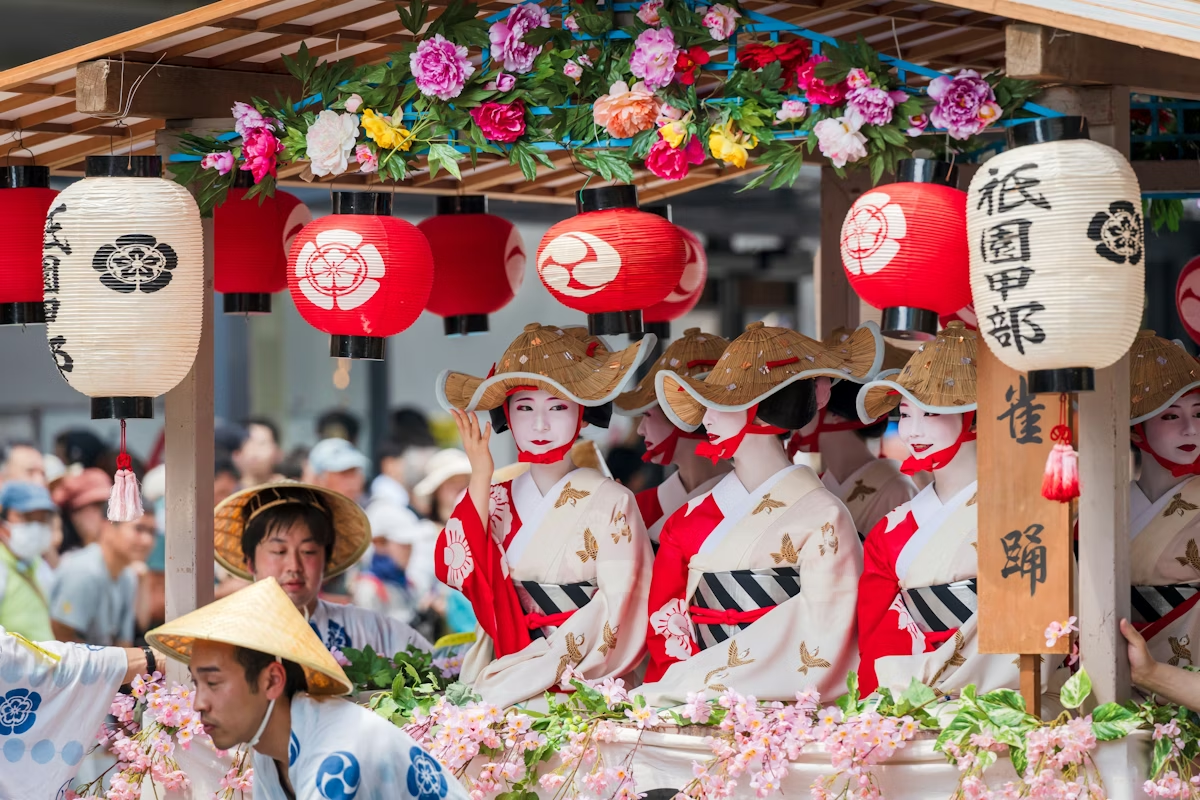
The Gion Matsuri 2026 returns to the historic streets of Kyoto, cementing its legacy as one of Japan’s three grandest and most culturally significant festivals. Spanning the entire month of July, this monumental celebration transforms the ancient capital into a vivid living canvas of centuries-old Shinto traditions, artistic heritage, and communal pride. While ritual ceremonies take place daily, the festival captures global attention during its mid-month peak, drawing hundreds of thousands of spectators into the city center to witness a breathtaking revival of classical Japanese culture.
The deep roots of the festival trace back to the year 869, when it originated as a sacred religious ritual to appease the gods during a devastating plague. Over the millennium, this act of spiritual purification blossomed into a spectacular showcase of Kyoto’s merchant-class wealth, unparalleled craftsmanship, and resilient community spirit. Beyond the main processions, the urban landscape adapts beautifully to the festival rhythm, opening up historic neighborhood storehouses to display ancestral treasures and bathing the city streets in the warm, nostalgic glow of countless hanging paper lanterns.
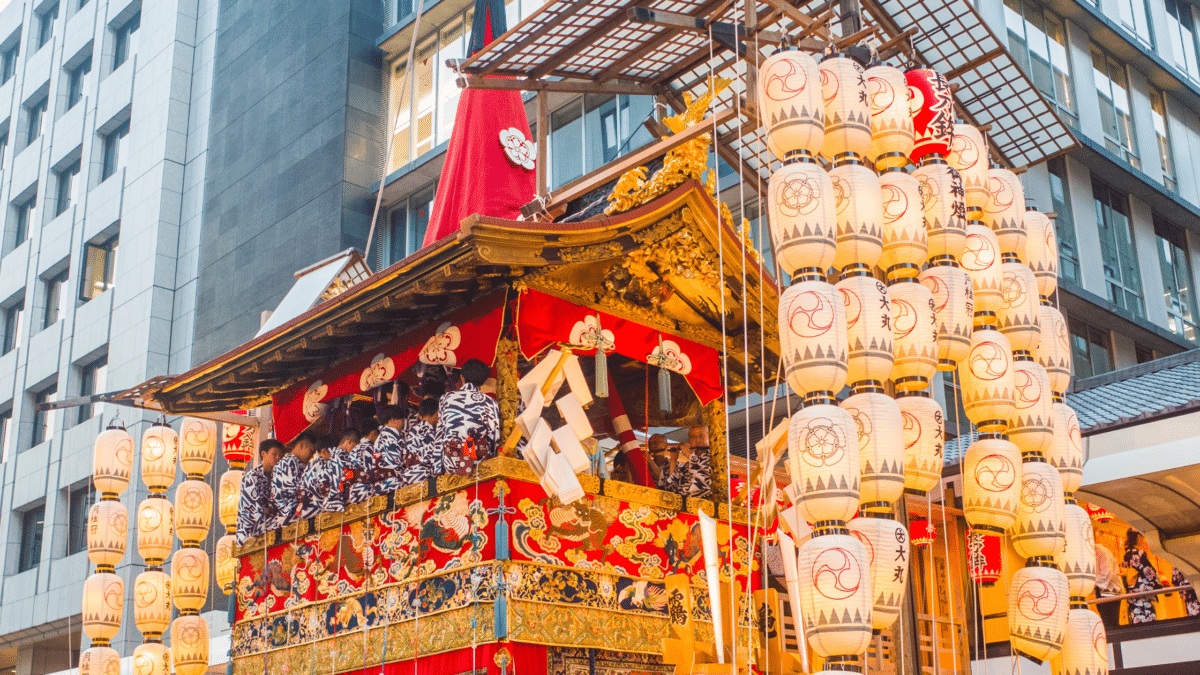
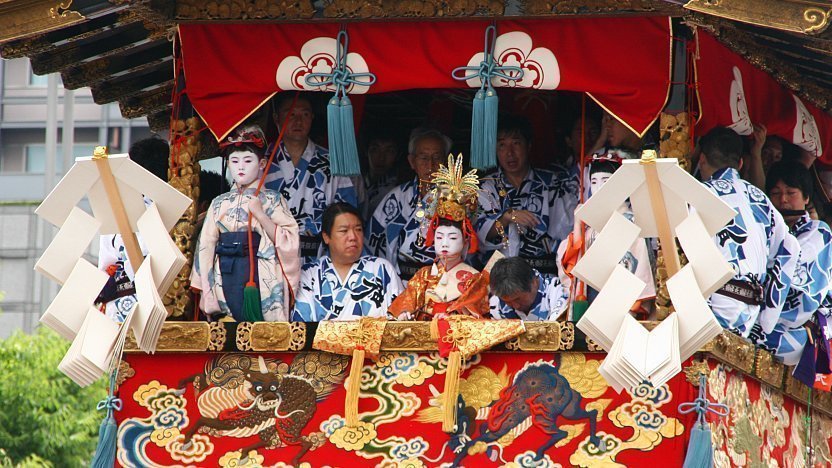
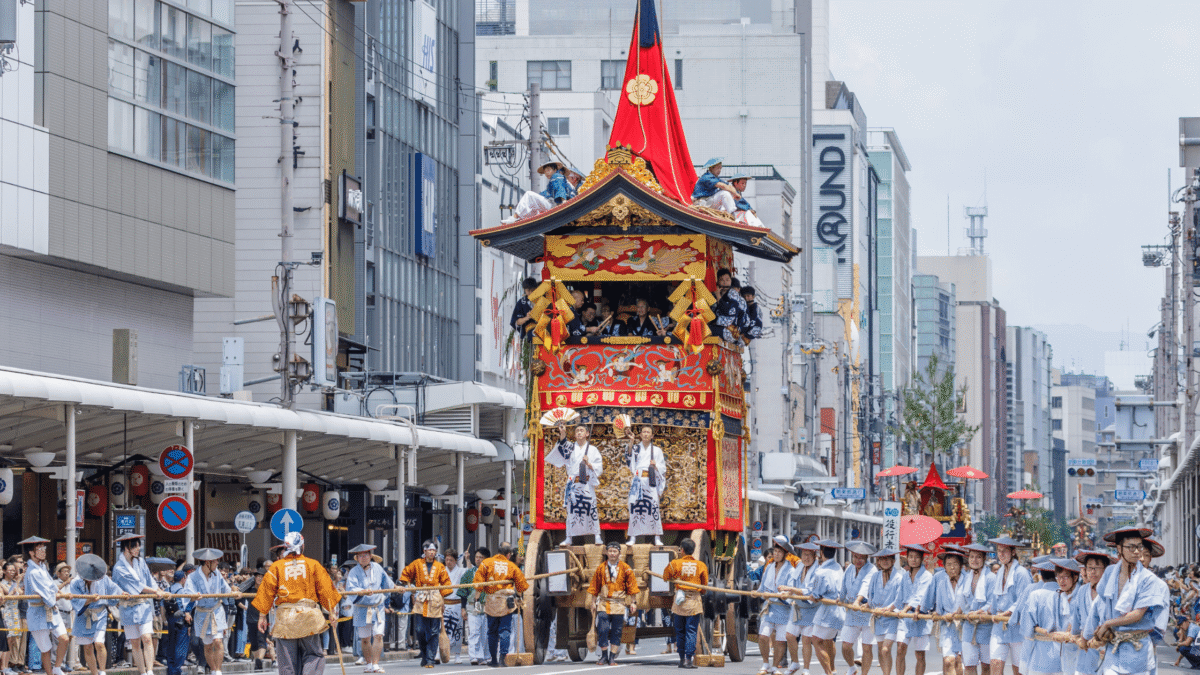
The absolute masterpieces of the festival are the yamaboko, a collection of thirty-four monumental wooden floats meticulously assembled entirely without the use of a single metal nail or screw. These towering structures function as moving museums, lavishly adorned with priceless Nishijin textiles, intricate wood carvings, and exquisite tapestries imported from all across the globe over centuries of maritime trade. Accompanied by the hypnotic, rhythmic strains of traditional flutes and gongs, these massive floats are pulled entirely by hand by teams of local residents, offering an unforgettable and deeply spiritual sensory journey through time.
Enjoy Your Event Stress-Free with Japan Travelo
Do you know? Planning events, festivals, concerts, and cultural experiences in Japan can be overwhelming. Japan Travelo brings everything together in one place, helping you manage your itinerary, transport, and accommodation with ease—so you can enjoy Japan without the stress of planning.
Event Highlights
- Yamaboko Junko Float Processions featuring massive, multi-ton wooden historical floats parading through the main urban thoroughfares of Kyoto with live traditional musicians.
- Yoiyama Street Festivals transforming the downtown core into a massive pedestrian block party filled with glowing lanterns, traditional music, and extensive street vendors.
- Byobu Matsuri Folding Screen Displays where prominent local merchant families open their private historic residences to showcase priceless heirloom artworks to the public.
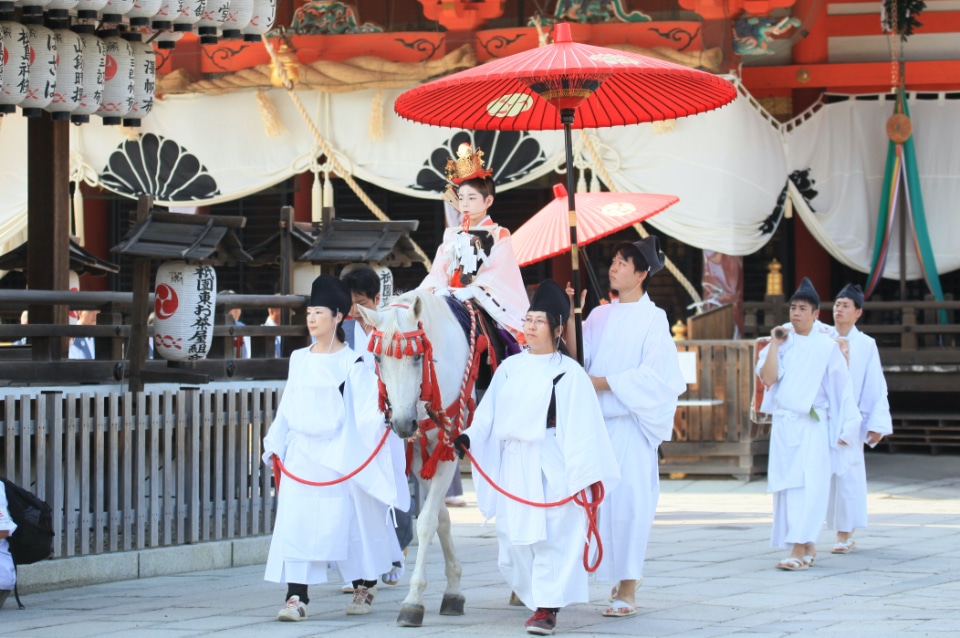
- Mikoshi Togyo Sacred Shrines where hundreds of energetic volunteers carry heavy, ornate portable Shinto shrines from Yasaka Shrine through the lantern-lit evening streets.
Why Attend
Journeying to this month-long cultural spectacle provides an unparalleled opportunity to experience the living heart of traditional Japan at its most majestic and authentic scale. It is ideal for history enthusiasts, cultural anthropologists, and international travelers eager to witness a monumental community tradition that has survived uninterrupted for over eleven centuries. The unique configuration of the events allows visitors to witness world-class artistic preservation while fully immersing themselves in a joyous, contemporary summer festival atmosphere.
The primary benefit of securing your presence during the festival peak is the rare chance to witness the legendary tsujimawashi, a breathtaking display of raw human strength where teams turn twelve-ton wooden floats at intersections using wet bamboo poles. Attendees can easily transition from watching grand daytime historical parades to wandering ancient neighborhood alleyways clad in colorful summer robes while sampling world-class regional delicacies. It delivers a deeply moving, bucket-list holiday memory that perfectly pairs profound religious devotion with an electric, city-wide public celebration.
Date & Duration
- Event Date: July 1 to July 31, 2026
- Event Duration: One full month of religious rituals with the grandest public parade highlights taking place on July 17 and July 24
Visiting this event? Don’t miss out on these amazing activities and local experiences while you’re here.
Ticket Information
- How Tickets Are Sold: Standard street-side general viewing is completely open to the public for free, while premium reserved grandstand seating tickets are sold online through the official Kyoto tourism portal.
- Admission Type: Free open-air street admission dominates the layout, while electronic or printed vouchers are mandatory to access the specialized reserved seating blocks.
- Ticket Pricing: Street viewing costs nothing under Free Admission, whereas designated reserved grandstand seating passes start around 35 USD and reach up to 90 USD for premium intersection positions.
- Special Seating Options: Temporary open-air bleachers and rows of street-level folding chairs are constructed along Oike Street to provide clear, comfortable viewing angles.
- VIP Options: Elite luxury viewing hospitality packages include premium padded seating, expert english-guided historical commentary headsets, and curated boxes of traditional Kyoto sweets.
Venue / Location
- City and Country: Kyoto, Japan
- Venue Name: Yasaka Shrine and Downtown Kyoto Streets
- Google Maps Address: 625 Gionmachi Kitagawa, Higashiyama Ward, Kyoto, 605-0073, Japan
Contact Information
- Email: contact@gionfestival.org
- Phone Number: +1-250-429-3466
- Official Website: https://www.gionfestival.org/
- Social Media Links:
- https://www.facebook.com/gionfestival.org/
- https://www.pinterest.ph/GionFestival/
- https://www.instagram.com/gionfestivalorg/
- https://www.youtube.com/channel/UCwp4zjL1K-RuzbBjubIgsWg
Getting There
- Nearest Airport: Osaka Itami Airport is located 50 kilometers away, while Kansai International Airport sits approximately 100 kilometers from central Kyoto.
- Nearest Train/Metro Station: Karasuma Station on the Hankyu Kyoto Line and Shijo Station on the Kyoto City Subway serve as the primary transit hubs.
- Bus Routes or Public Transport Options: Countless municipal city buses route through the Shijo-Karasuma and Shijo-Kawaramachi stops, though heavy festival road closures alter standard patterns.
- Parking Availability: No dedicated public parking is provided due to massive downtown street closures, making public rail transit absolutely essential for all visitors.
- Directions by Car: General drivers must utilize distant suburban park-and-ride commuter station lots along the Hankyu or Keihan rail lines outside the city center.
What is this event?
This event is Japan’s most famous and historically significant annual Shinto festival, organized by Yasaka Shrine to celebrate spiritual cleansing, heritage craftsmanship, and civic health. It serves as an expansive month-long cultural cycle that culminates in two grand processions of towering, intricately decorated historical wooden floats.
The entire city center becomes an active stage for the celebration, turning busy modern intersections into traditional ceremonial spaces filled with lanterns, drums, and flutes. It functions as a profound community gathering where ancient neighborhood guilds preserve and display centuries of artistic tapestries and religious relics.
Why is it popular?
The festival is immensely popular because it represents the absolute pinnacle of traditional Japanese festival aesthetics, offering a mesmerizing glimpse into classical Kyoto lifestyle and spiritual devotion. Its gorgeous evening street markets draw massive crowds who wear summer kimonos, socialize under lanterns, and enjoy iconic street food.
Its global reputation is cemented by the staggering scale and artistic value of the yamaboko floats, which act as rolling museums moving through a modern cityscape. The thrilling spectacle of watching massive wooden structures navigate tight street corners entirely through human coordination creates an emotional, unforgettable atmosphere.
Tips before you go
- Secure your hotel accommodations six to twelve months in advance because lodging options across the city fill up completely for the mid-July peak dates.
- Pack highly breathable, light summer clothing because July in Kyoto is famously humid, hot, and prone to sudden afternoon downpours.
- Arrive at your chosen street parade viewing spots before seven o’clock in the morning to guarantee a clear view of the floats.
- Rent a traditional lightweight yukata robe from a local shop to fully immerse yourself in the authentic festive spirit of the evening block parties.
- Keep a plentiful supply of physical cash coins in your pockets since the temporary street food stalls do not accept digital payment methods.
Attendee Experiences
- Standing beneath the towering floats at night with the flutes playing and lanterns glowing felt like stepping directly back into ancient history.
- The raw energy of the crowd when the men successfully turned that massive twelve-ton wooden float at the corner was completely electric.
- Wandering the crowded evening streets in a yukata while eating fresh takoyaki was easily the best highlights of my entire summer trip.
Video
Location
FAQ
What happens to the grand float processions if it starts raining heavily on the parade days?
The festival operates under a strict historic protocol and the processions will proceed as scheduled through standard summer rain showers. The priceless antique tapestries and textiles on the floats are quickly covered with protective transparent plastic sheeting to prevent any water damage. A parade would only be delayed or cancelled in the extreme scenario of severe weather warnings like approaching typhoons or dangerous lightning.
Can I climb inside or explore the massive wooden floats during the evening street celebrations?
Select neighborhood float associations allow the public to board their stationary structures during the Yoiyama evening street festivals for a modest donation. Visitors can purchase a lucky amulet or protective talisman from the neighborhood headquarters to grant them entry onto the connecting boarding bridges. Please note that certain traditional floats maintain historic customs that restrict access to the interior platforms based on gender or specific rules.
Are the evening street food markets accessible during the entire month of July?
The large-scale pedestrian street closures and traditional food stall markets are restricted exclusively to the peak festival nights leading up to the parades. These vibrant night markets operate from July 14 to 16 for the early festival and a smaller version runs from July 21 to 23 for the later festival. During the remaining weeks of July, the city streets function normally, though smaller indoor exhibitions and shrine rituals happen daily.
Is it easy to navigate through the festival crowds with a baby stroller or wheelchair?
Navigating the central Shijo and Karasuma corridors during the peak evening block parties is exceptionally challenging due to the immense density of the moving crowds. Wheelchairs and strollers can easily become trapped in the slow-moving sea of people, making movement difficult and potentially unsafe. It is highly recommended to visit the stationary float displays during the early morning hours when the streets are calm and accessible.
Are there public restroom facilities easily available along the main parade streets?
The festival organizers set up temporary portable restroom units around major intersections, and local department stores and train stations remain open for public use. However, due to the hundreds of thousands of attendees packing the downtown area, wait lines for any public facility can become extremely long. It is wise to utilize the restrooms inside your hotel or transit stations before entering the dense festival perimeters.

Leave a Reply