
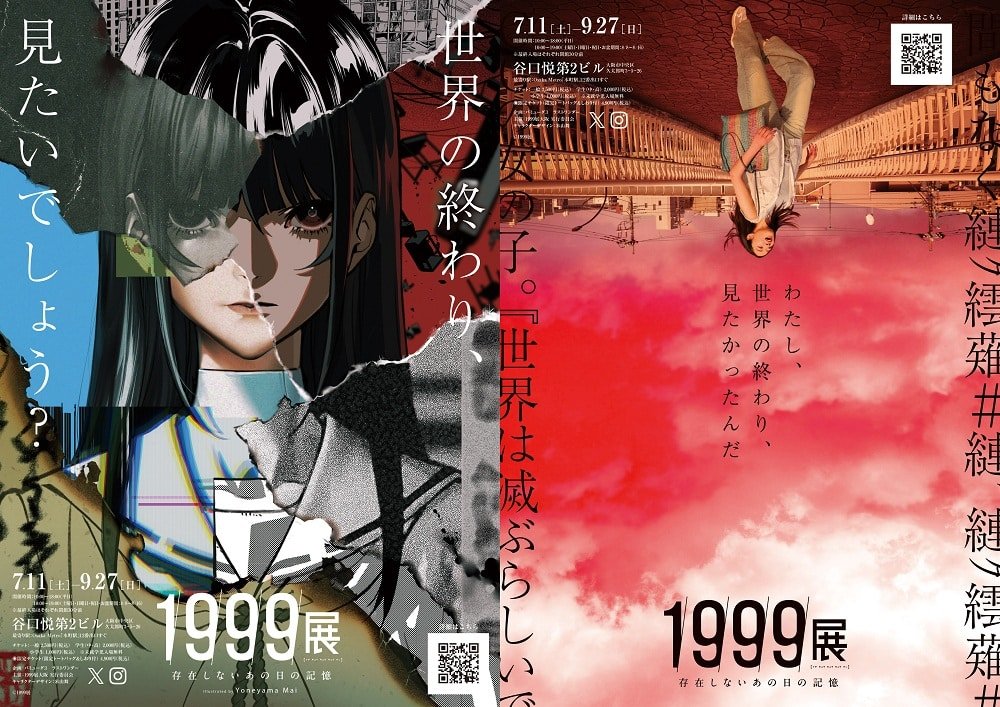
-
July 11, 2026
Event date:
-
September 27, 2026
Event end:
Overview
The 1999 Exhibition 2026 stands as a profound cultural exploration into the collective memory and social landscape of a pivotal year that continues to resonate in contemporary Japanese society. By revisiting the historical, technological, and aesthetic currents of 1999, this exhibition captures the unique intersection of transition and innovation that defined the turn of the millennium. It provides a rare opportunity for visitors to analyze the shift from analog traditions to the digital explosion that began to reshape everyday life just before the new century arrived.
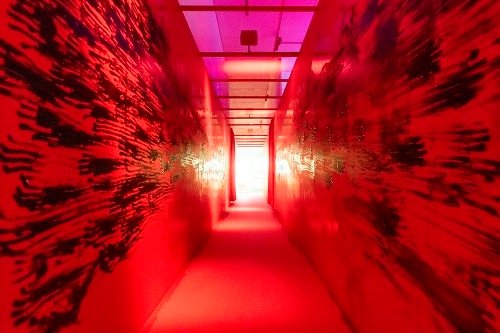
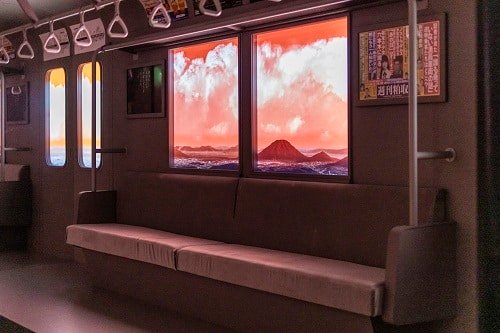
Through a meticulously curated collection of archival materials, digital media, and artifacts, the exhibition invites attendees to experience the essence of a year marked by both anticipation and anxiety. Each section of the gallery is designed to evoke the specific atmosphere of 1999, bridging the gap between historical documentation and the lived experiences of those who witnessed this monumental transition. This retrospective serves as a critical mirror, allowing modern viewers to understand how the foundational trends of the late nineties continue to influence our current technological and social paradigms.
The exhibition is highly engaging, fostering deep reflection on the rapid acceleration of information technology and the cultural shifts that followed. By integrating interactive displays with classic visual storytelling, the organizers offer an educational journey that is as nostalgic as it is analytical. It represents a vital destination for historians, researchers, and general visitors who are interested in the recent past and its ongoing impact on the evolving tapestry of modern Japanese culture.
Enjoy Your Event Stress-Free with Japan Travelo
Do you know? Planning events, festivals, concerts, and cultural experiences in Japan can be overwhelming. Japan Travelo brings everything together in one place, helping you manage your itinerary, transport, and accommodation with ease—so you can enjoy Japan without the stress of planning.
Event Highlights
- Millennium Retrospective: Explore a comprehensive collection of artifacts that define the unique social and cultural atmosphere of the year 1999.
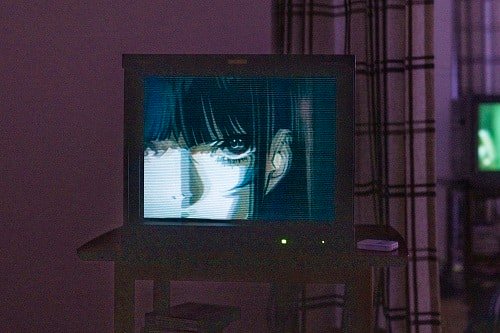
- Archival Multimedia: Engage with high-definition digital reconstructions and preserved media broadcasts that illustrate the technological climate of the late nineties.
- Societal Evolution: Discover how the transition to the digital age began to reshape communication, design, and art at the turn of the century.
- Interactive Timeline: Walk through a specially designed chronological display that maps the major events and lifestyle shifts occurring during this formative year.
Why Attend
This exhibition is ideal for anyone interested in modern history, media studies, or the cultural evolution of the nineties. It serves as a fascinating lens for those who lived through the era to reminisce, and for younger generations to gain a deeper understanding of the origins of today’s digital landscape.
The benefits of attending include a holistic view of how historical milestones influence our present-day society. It provides an educational and contemplative atmosphere that is rare in contemporary exhibitions, making it a valuable experience for students, artists, and culture enthusiasts.
Date & Duration
- Event Date: July 11, 2026 – September 27, 2026
- Event Duration: Approximately eleven weeks of public access
Visiting this event? Don’t miss out on these amazing activities and local experiences while you’re here.
Ticket Information
- How Tickets Are Sold: Tickets are available for purchase online through official ticketing platforms and at the museum reception desk.
- Admission Type: Timed-entry slots are required to manage visitor capacity and ensure a premium viewing experience.
- Ticket Pricing: General admission prices range from $10.00 to $18.00 USD.
- Special Seating Options: Dedicated quiet zones are available within the gallery space for guests to sit and reflect on the materials presented.
- VIP Options: Enhanced access packages include a commemorative digital catalog and priority entrance during weekend peak hours.
Venue / Location
- City and Country: Osaka, Japan
- Venue Name: Taniguchi Etsu 2nd Building, 1st Floor, 3-5-26 Kyutaro-cho, Chuo-ku, Osaka City, Osaka Prefecture
- Google Maps Address: Taniguchi Etsu 2nd Building, 1st Floor, 3-5-26 Kyutaro-cho, Chuo-ku, Osaka City, Osaka Prefecture. Right next to Exit 12 of Honmachi Station on the Osaka Metro
Contact Information
- Email: contact@1999-exhibition.jp
- Phone Number: +81 6 6771 4874
- Website: https://t.pia.jp/pia/events/1999-kioku/
Accommodation Options
Osaka offers a diverse range of accommodations, from high-rise luxury hotels in the Namba district to charming, traditional-style inns nestled near historical sites. Travelers can easily find lodging that suits both budget-conscious plans and those seeking premium amenities near the museum’s central location in Tennoji.
Proximity to public transport hubs remains the most efficient way to ensure a seamless visit, with many hotels offering shuttle services or direct walking access to major subway lines. Booking early for this summer and autumn event is highly advised, as central Osaka properties experience high demand during the exhibition period.
Getting There
- Nearest Airport: Kansai International Airport is approximately 45 kilometers from the city center.
- Nearest Train/Metro Station: Tennoji Station is located within a ten-minute walking distance of the museum.
- Bus Routes or Public Transport Options: Multiple city bus lines and the Osaka Metro Midosuji Line provide direct access to the venue area.
- Parking Availability: Public parking facilities are available in the surrounding Tennoji Park zone.
- Directions by Car: Access via the Hanshin Expressway Route 14 Matsubara Line following signs for the Tennoji district.
Dining Recommendations
Breakfast Recommendations:
- Traditional Japanese morning sets featuring seasonal pickles and grilled fish at cafes near Tennoji Station.
- European-style artisan bakeries offering fresh sourdough and light coffee near the museum district.
- Hotel lounge buffets featuring locally sourced fruits and fresh juices for a healthy start.
Lunch Recommendations:
- Authentic Osaka-style udon noodles served in a variety of local, historic establishments.
- High-quality bento boxes highlighting regional seafood and mountain vegetables available near the park entrance.
- Casual fusion cafes blending international flavors with classic Japanese culinary staples.
Dinner Recommendations:
- Refined kaiseki-inspired dining in the nearby Uehommachi area for a quiet evening meal.
- Vibrant izakaya experiences where guests can sample grilled skewers and local craft beverages.
- Contemporary grill houses offering premium wagyu beef dishes in a modern, elegant setting.
Local Specialties to Try:
- Famous Osaka takoyaki featuring crisp outer layers and savory, steaming octopus centers.
- Golden-fried kushikatsu skewers representing the heart of local street food culture.
- Savory okonomiyaki pancakes layered with fresh cabbage and local sauces.
What is this event?
The 1999 Exhibition 2026 is a cultural retrospective focused on the historical and social significance of the year 1999. It examines the technological transitions and societal shifts that occurred at the end of the twentieth century in Japan.
This exhibition utilizes archival materials and media to create a narrative about a world on the cusp of the digital era. It serves as a vital educational resource for understanding the roots of contemporary culture and technological advancement.
Why is it popular?
The event is popular because it evokes a strong sense of nostalgia for those who remember the turn of the millennium. It also fascinates younger audiences who are curious about the rapid cultural changes that defined the late nineties.
Its focus on a specific, transformative year makes it a unique niche experience that stands out from broader art shows. The combination of historical data and immersive media creates a compelling atmosphere that draws visitors interested in Japan’s modern evolution.
Tips before you go
- Book your timed-entry tickets online in advance to guarantee entry during your preferred time.
- Allocate at least two hours to fully explore the archival documents and multimedia displays.
- Comfortable walking shoes are recommended, as the exhibition space covers multiple gallery floors.
- Check the official website for any special talks or guest presentations occurring during your visit.
- Utilize the museum’s digital guides to gain deeper context on the artifacts on display.
Tips for First-Time Visitors
- Arrive at Tennoji Station with enough time to walk through the surrounding park areas before your scheduled entry.
- Visit the museum information desk upon arrival to pick up a map of the exhibition layout and highlight chapters you are most interested in.
- Store your larger personal belongings in the museum lockers to move freely through the exhibit areas without clutter.
- Take advantage of the quiet viewing zones if you wish to read through the historical documentation at a more leisurely pace.
- Visit the exhibition shop after your tour to find exclusive publications and merchandise related to the nineteen-nineties period.
- Engage with the interactive digital installations fully, as these often contain the most compelling historical insights of the show.
Attendee Experiences
- The atmosphere was incredibly nostalgic and perfectly captured the unique energy of the late nineties in Japan.
- Exploring the technological artifacts made me realize how fast our daily lives have changed over the last three decades.
- It was a thought-provoking journey that successfully balanced historical analysis with a highly engaging and immersive museum format.
Video
Location
FAQ
What is the primary focus of the 1999 Exhibition 2026?
The exhibition serves as a deep dive into the historical, cultural, and technological state of Japan during the year 1999, highlighting how the late nineties acted as a bridge to our modern digital existence. By presenting curated artifacts and media, the exhibition documents the rapid societal transitions that were taking place during this critical moment in contemporary history.
Is this exhibition suitable for visitors who did not live through the nineties?
Yes, the exhibition is designed to be highly informative for audiences of all ages, offering clear educational context for those unfamiliar with the era. It bridges the gap between historical fact and cultural experience, making the complex societal changes of the time accessible and engaging for everyone, regardless of their personal experience with the nineteen-nineties.
Are there interactive elements included in the gallery display?
The exhibition features several interactive digital installations and chronological timelines that allow visitors to engage actively with the information presented. These elements are specifically crafted to provide a sensory experience that complements the static historical artifacts, helping to bring the atmosphere of the late nineties to life for all attendees.
How much time should visitors plan to spend exploring the exhibition?
Most visitors find that allocating between two and three hours is sufficient to thoroughly explore all exhibition sections, review the archival materials, and engage with the digital multimedia installations. This recommended timeframe allows guests to absorb the historical narrative at a comfortable pace without feeling rushed during their visit to the museum.
Does the exhibition offer any commemorative items for purchase?
A dedicated exhibition shop is located at the exit, offering a curated selection of commemorative publications, postcards, and themed merchandise related to the nineteen-nineties. These items are designed to help visitors retain a physical connection to the history and themes explored throughout the exhibition, serving as excellent mementos of their educational experience at the museum.

Leave a Reply