
-
August 3, 2027
Event date:
-
August 6, 2027
Event end:
What to expect in 2027
Akita Kanto Festival 2027 is scheduled for August 3–6, 2027, in central Akita City, Akita Prefecture. Known in Japanese as Akita Kanto Matsuri, the festival is one of the three major summer festivals of Japan’s Tohoku region and is officially recognized as a National Important Intangible Folk Cultural Property.
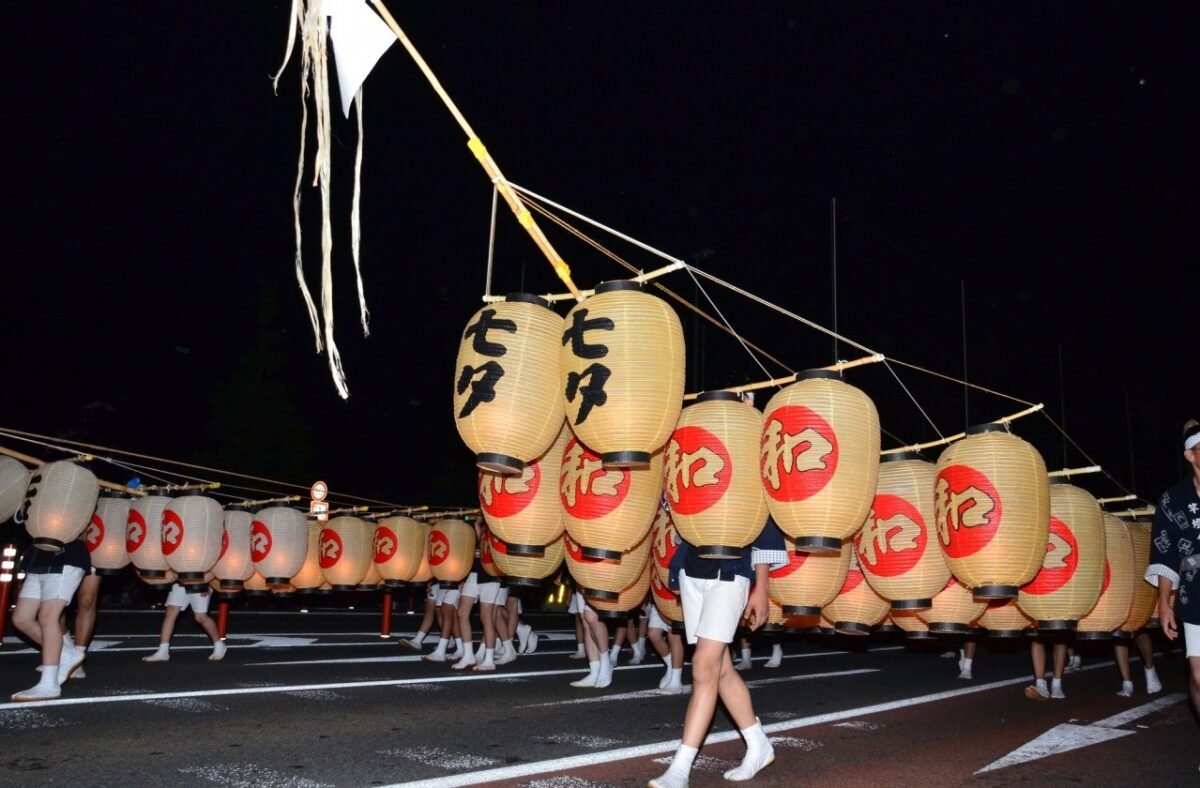
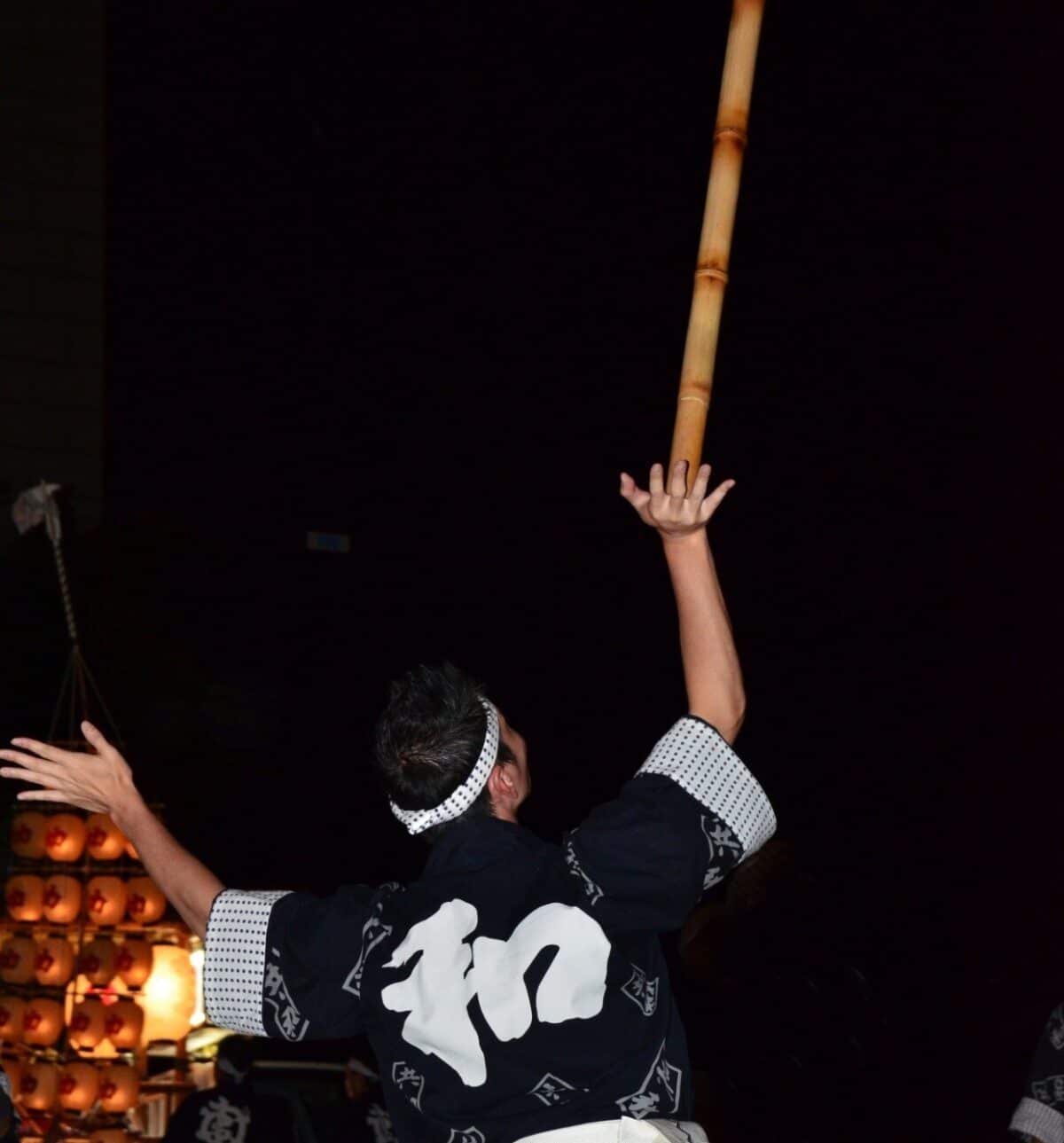
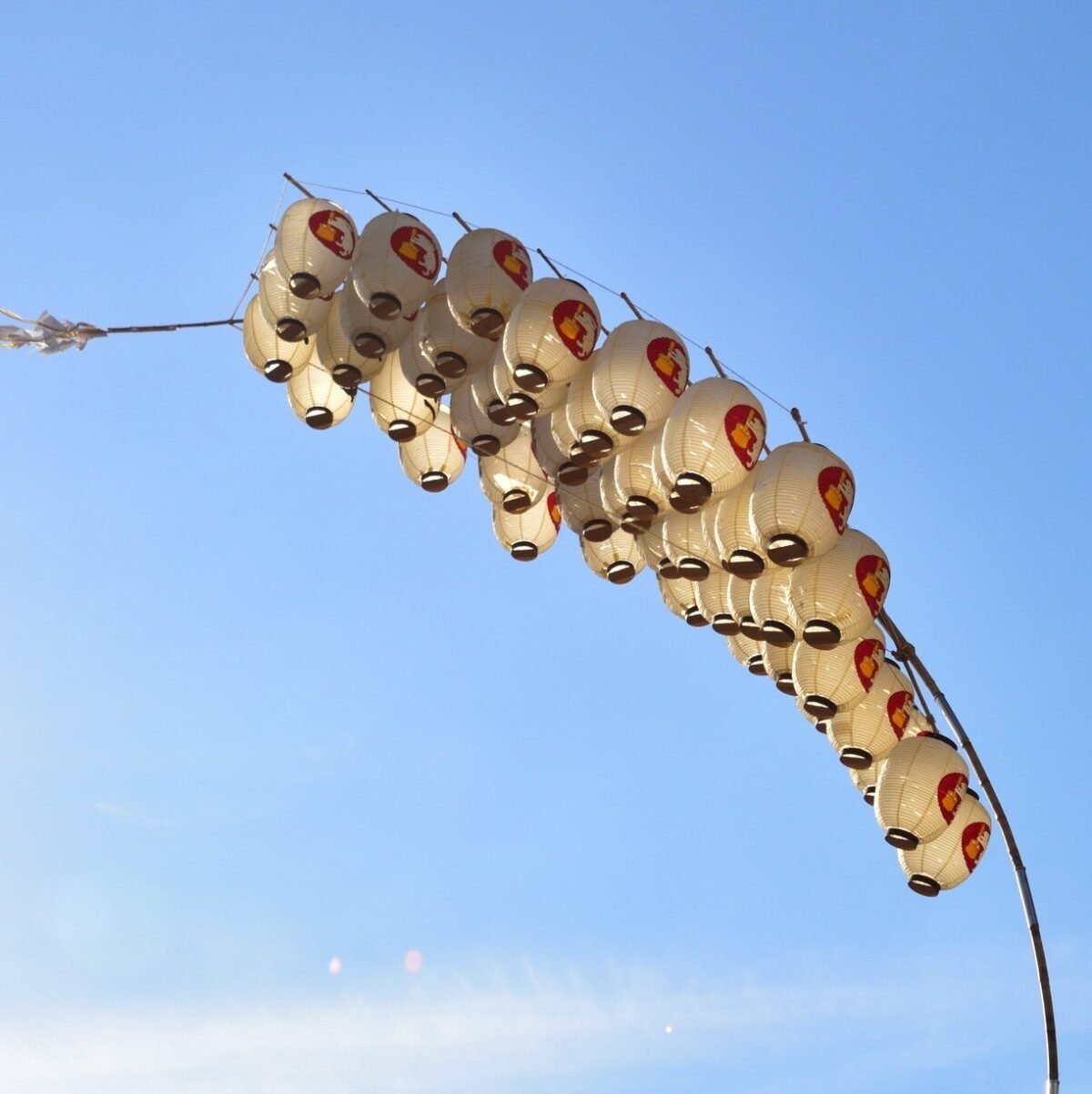
The defining sight is the Kanto, a huge bamboo pole carrying numerous illuminated paper lanterns designed to resemble ears of rice. Skilled performers called sashite balance these structures on their palms, shoulders, foreheads, hips and lower backs while walking and performing traditional techniques.
The largest Kanto, called Owaka, can reach approximately 12 meters in length and weigh around 50 kilograms, with 46 lanterns attached. Smaller versions are used for different age groups and performance categories. The official festival information identifies four principal sizes: Owaka, Chuwaka, Kowaka and Yowaka.
Enjoy Your Event Stress-Free with Japan Travelo
Do you know? Planning events, festivals, concerts, and cultural experiences in Japan can be overwhelming. Japan Travelo brings everything together in one place, helping you manage your itinerary, transport, and accommodation with ease—so you can enjoy Japan without the stress of planning.
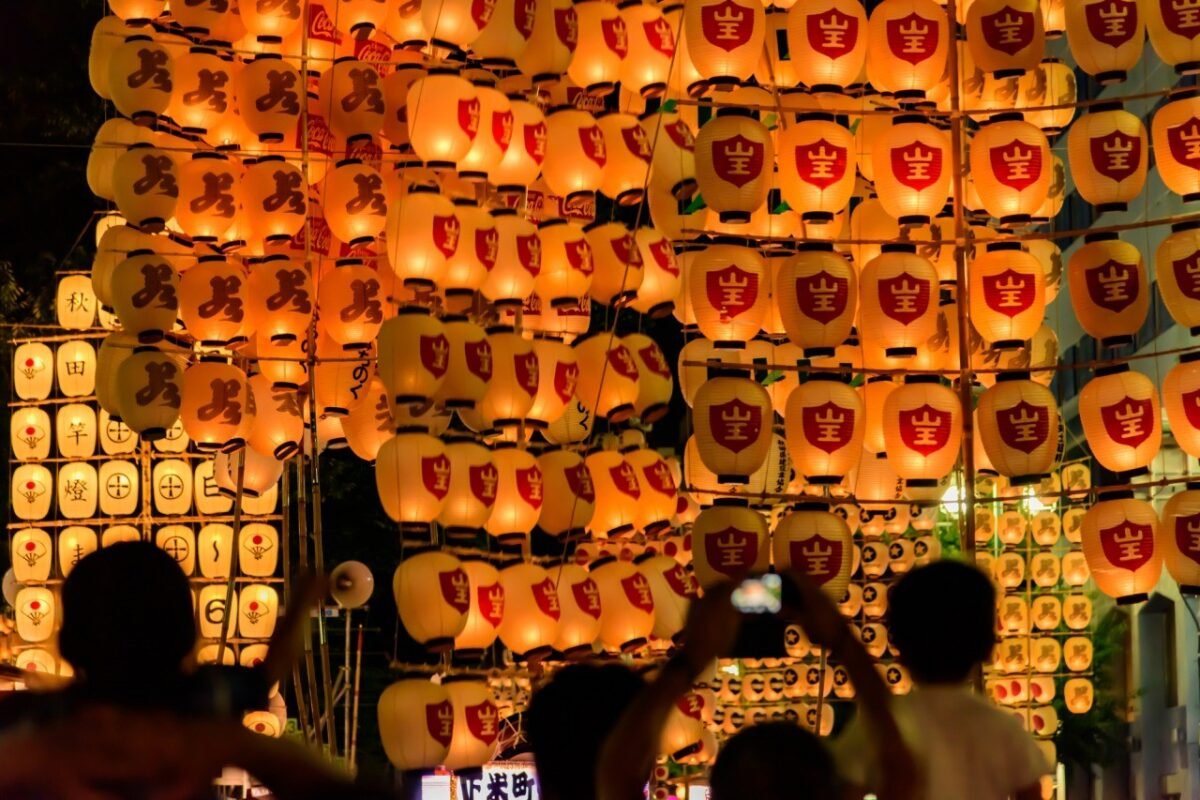
During the evening performances, hundreds of glowing lanterns move through Kanto Odori while taiko drums, flutes and traditional festival music accompany the performers. The atmosphere becomes particularly dramatic after sunset, when the lanterns create the appearance of enormous golden rice ears swaying above the street.
The festival also has a daytime programme known as Hiru Kanto, including Kanto Myogikai, a competition showcasing the balance, strength and technique of individual and group performers. Visitors can also experience food stalls, demonstrations and opportunities to try balancing a smaller Kanto.
For 2027, the established four-day festival format is expected to continue, although detailed performance times, seating arrangements and associated events should be confirmed through the official festival organizers when the 2027 programme is released.
Event dates
Festival dates: August 3–6, 2027
Main venue: Kanto Odori, central Akita City
Evening festival: August 3–6
Daytime Kanto: Traditionally held August 4–6
The Akita Kanto Festival takes place every year from August 3 to August 6. The nighttime programme is the main event, while the daytime Kanto competitions provide an additional opportunity to see the performers demonstrate their skills.
The most recent official schedule provides a useful guide for planning the 2027 visit. In 2026, the evening programme ran from approximately 6:50 pm until 8:50 pm, with the main performances beginning around 7:10–7:15 pm depending on the date. Traffic restrictions began around 6:15 pm and ended around 9:30 pm.
The established daytime schedule includes Kanto Myogikai on August 4–6, generally running from the morning into the afternoon.
Visiting this event? Don’t miss out on these amazing activities and local experiences while you’re here.
Venues & festival locations
Kanto Odori
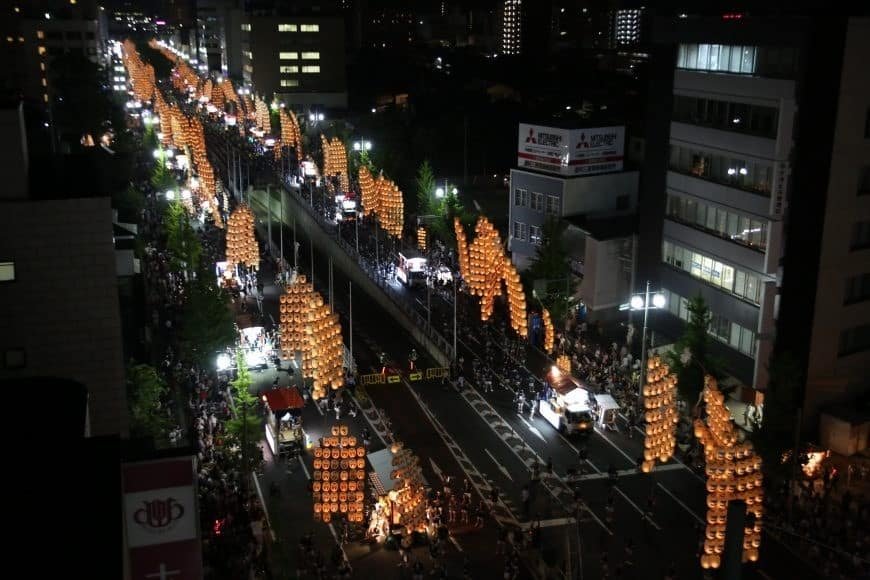
Kanto Odori is the main nighttime festival street in central Akita City. The performance area extends for nearly one kilometer between the Sanno Crossroads and Nichomebashi Bridge.
This is where visitors see the giant Kanto poles raised into the night sky. The long street allows large groups of performers to demonstrate their techniques while moving alongside the illuminated poles.
Nigiwai Hiroba, Area Nakaichi
The daytime Kanto Myogikai is held around Nigiwai Hiroba in the Nakaichi area. This venue provides a more competition-focused experience, with performers demonstrating their ability to balance and manipulate the Kanto.
Kanto Yatai Mura
Festival food stalls are traditionally established at the City Hall venue and the central venue. These areas provide opportunities to sample local dishes and festival food before the evening parade.
Neburinagashi-kan / Kanto Museum
The Kanto Museum provides information about the festival’s history and techniques. Visitors can learn about the construction and performance traditions and, under suitable conditions, try balancing a Kanto themselves.
Full cultural programme
Evening Kanto performances
The main cultural programme takes place after sunset, when performers raise their illuminated Kanto poles and demonstrate traditional balancing techniques.
Hiru Kanto
The daytime programme provides a different perspective, focusing more closely on the technical skill of the performers.
Kanto Myogikai
The daytime competition brings together individual and group performers. Categories include solo and group performances, allowing spectators to observe how different techniques are executed.
Festival music
Traditional ohayashi music accompanies the Kanto performances. Taiko drums and flutes provide the rhythmic and melodic foundation of the festival.
Fureai Kanto
Toward the end of the evening performance, spectators are traditionally given an opportunity to experience the Kanto at closer range. This allows visitors to photograph the performers and, depending on the arrangements, try holding a Kanto themselves.
Local food programme
Festival food stalls operate during the afternoon and evening, giving visitors an opportunity to combine the cultural programme with Akita’s regional cuisine.
Featured traditions & performances
Sashite balancing
The sashite are the skilled Kanto performers responsible for raising and balancing the massive poles. Their ability to control the Kanto requires considerable strength, coordination and practice. The official festival site emphasizes that performers train daily and pass the techniques between generations.
Palm balancing
A performer can place the Kanto across the palm of one hand and maintain control while the pole bends and sways above them.
Shoulder balancing
The Kanto can also be transferred to the shoulder, requiring the performer to adjust their body position as the pole moves.
Forehead balancing
One of the most striking techniques involves balancing the pole using the forehead while maintaining the structure’s vertical position.
Lower-back balancing
Advanced performers can transfer the Kanto onto the lower back, creating dramatic changes in the angle and movement of the illuminated pole.
Dokkoisho chant
The performances are accompanied by the energetic call of “Dokkoisho, Dokkoisho,” helping maintain the rhythm and atmosphere as performers manipulate the Kanto.
Historical & heritage highlights
The history of the Akita Kanto Festival reaches back approximately 270 years. The festival’s official history explains that its origins are associated with the Nemuri Nagashi or Neburi Nagashi tradition, a summer ritual intended to drive away illness, impurities and the lethargy associated with the hot season.
The earliest surviving written reference cited by the festival organization dates to 1789, when the travel account “Yuki no Michi” described a local Nemuri Nagashi custom involving long poles decorated with numerous lights and carried through the streets while drums were played.
The lanterns gradually developed into the distinctive Kanto structures seen today. Their design symbolizes rice ears and rice bales, connecting the festival to prayers for a successful harvest of the region’s important agricultural crops.
The modern festival has retained this agricultural symbolism while becoming a major cultural event in Akita. In 1980, the Akita Kanto Festival was designated a National Important Intangible Folk Cultural Property, recognizing the importance of the traditional techniques and cultural practices preserved through the festival.
Events & activities schedule
August 3 – Opening evening
The first evening begins the main Kanto performances along Kanto Odori. The latest official timetable provides an evening sequence beginning with traffic restrictions, followed by Kanto entry, performances and the close-up Fureai Kanto experience.
August 4 – Daytime competition and evening performance
The second festival day combines the daytime Kanto Myogikai with another major evening performance on Kanto Odori.
August 5 – Daytime competition and evening performance
The third day continues the competition programme during the day and the spectacular nighttime Kanto performances in the evening.
August 6 – Final daytime competition and closing evening
The final day includes the concluding daytime Kanto activities before the final nighttime presentation.
The latest published schedule places the nighttime performance around 7:10–7:15 pm, followed by a Fureai Kanto period at approximately 8:25–8:35 pm and departure of the Kanto around 8:50 pm.
Ticket types & entry options
Visitors can watch the main festival from public areas without purchasing a reserved seat. Reserved seating is available for visitors who want a designated viewing position along Kanto Odori.
General public viewing
Admission to ordinary public viewing areas is free. Visitors can stand along appropriate areas of the route and watch the Kanto performances.
Box seat
The 2026 official reserved-seat price was ¥28,000 for a box accommodating up to six people, equivalent to approximately $190 USD.
S seat
The 2026 price was ¥4,500, equivalent to approximately $30 USD per person. These seats are located in a raised viewing area and are limited in number.
A seat
The 2026 price was ¥4,000, equivalent to approximately $27 USD per person. These seats included raised seating and pipe-chair areas depending on the location.
B seat
The 2026 price was ¥3,500, equivalent to approximately $24 USD per person. B seats are generally bench-style viewing positions.
These are previous-edition prices supplied as a planning reference because final 2027 ticket prices have not yet been published.
The daytime Kanto Myogikai has traditionally been free to watch.
Guided tours & cultural experiences
The Kanto Museum is one of the most useful places to visit before attending the festival. It explains the history and techniques behind the Kanto and provides visitors with a closer understanding of how the enormous poles are handled.
Visitors may also have the opportunity to try balancing a smaller Kanto at the museum. This provides context for appreciating how difficult it is to control the much larger structures used during the festival.
During the festival period, Fureai Kanto offers another hands-on cultural experience. At the end of the evening performance, spectators can get closer to the Kanto and, subject to the day’s arrangements, try the poles themselves.
For a broader cultural itinerary, visitors can explore Akita City’s museums, traditional food establishments and other attractions before returning to Kanto Odori for the evening programme.
Special ceremonies & celebrations
The central celebration is the nightly Kanto performance, in which the illuminated poles are raised simultaneously or in groups along the street.
The symbolic purpose of the festival remains closely associated with prayers for a plentiful harvest. The Kanto’s shape represents rice ears, while the lanterns evoke rice bales.
The daytime Kanto Myogikai adds a competitive dimension to the festival. Skilled performers demonstrate individual and group techniques before judges and spectators. This makes the daytime programme particularly valuable for visitors interested in the technical heritage behind the spectacle.
The final evening serves as the closing celebration, bringing the four-day programme to an end with another major presentation of the illuminated Kanto.
Festival rules
Visitors should follow instructions from festival staff, police, performers and reserved-seat attendants throughout the event.
Safety around Kanto
Kanto are extremely large and heavy structures. Wind can cause a Kanto to fall, and the official festival information specifically warns spectators to remain attentive to safety around the poles.
Reserved seating
Visitors using reserved seats should remain within their designated areas and avoid obstructing the view of surrounding spectators.
Photography
Photography is generally possible, but visitors should avoid interfering with performers or blocking other spectators.
Crowd movement
Follow temporary pedestrian routes and barriers, particularly when the Kanto enter or leave the performance area.
Weather
The festival can be affected by weather conditions. Visitors should check official announcements before attending, especially during strong winds or heavy rain.
Wheelchair arrangements
Visitors requiring wheelchair seating should notify the organizers when booking because dedicated spaces are provided. The official reservation information asks wheelchair users to make their requirements known in advance.
How to get there
Akita City is well connected by rail, making the train one of the most convenient options for festival visitors.
From Tokyo
The Akita Shinkansen provides direct rail access from Tokyo to Akita. The main festival area can then be reached on foot from JR Akita Station.
From Akita Station
The Kanto Odori performance area is approximately a 10–15 minute walk from Akita Station, depending on the destination along the route.
By car
Akita City can be reached via the Akita Expressway. The Sanno area is approximately 10 minutes from the Akita-Chuo Interchange under normal traffic conditions.
Because the central streets are subject to festival traffic restrictions, visitors should avoid driving directly to Kanto Odori during the evening performances.
Public transport & parking
JR Akita Station is the primary transportation hub for visitors arriving by train. The festival area is within walking distance, and the city center is particularly convenient to explore on foot during the event.
Traffic restrictions begin before the evening performances. The latest official schedule shows restrictions starting at approximately 6:15 pm and ending around 9:30 pm.
Visitors arriving by car should therefore allow additional time and use designated parking areas outside the restricted festival streets where possible.
Public buses can be useful for reaching different parts of Akita City, although routes and stops may be temporarily altered during the festival. Checking the latest city transportation information before traveling is recommended.
Accommodation areas
Akita Station area
The area around JR Akita Station is one of the most practical bases for festival visitors. It provides access to the Kanto Odori route by walking and offers restaurants, shops and transportation connections.
Central Akita
Hotels around the central shopping and business districts provide convenient access to the nighttime performances and daytime festival venues.
Sanno area
Staying closer to Sanno and Kanto Odori can reduce walking time to the main evening venue, although accommodation availability can be limited during the festival.
Kawabe and surrounding areas
Travelers unable to find central accommodation can consider locations outside the immediate city center and travel into Akita by train or bus.
Because the festival takes place during a busy summer travel period, accommodation should be booked as early as possible.
Food & traditional specialties
The festival provides several opportunities to sample local food while exploring Akita’s regional cuisine.
Kanto Yatai Mura
Festival food stalls traditionally operate around the City Hall and central venues during the festival period. The latest visitor information lists food-stall hours extending through the afternoon and evening.
Kiritanpo
Kiritanpo is one of Akita Prefecture’s best-known specialties. Rice is formed around a wooden skewer, grilled and commonly served with a regional hot-pot preparation.
Inaniwa udon
Inaniwa udon is a traditional Akita noodle specialty known for its thin texture and smooth consistency.
Akita sake
The prefecture has a long sake-making tradition, and visitors can find locally produced sake at restaurants and specialist establishments.
Hatahata
Hatahata, a fish associated with Akita’s coastal food culture, appears in several regional preparations.
Local festival food
Temporary stalls provide a convenient way to sample regional dishes alongside standard Japanese festival foods while waiting for the evening performance.
Accessibility
The Akita Kanto Festival provides dedicated wheelchair viewing arrangements in its reserved seating programme. Visitors requiring wheelchair spaces should identify their needs when making a reservation.
Because Kanto Odori becomes a large pedestrian festival area, visitors with mobility limitations should expect crowds, uneven movement patterns and temporary barriers.
The daytime venues around Nakaichi are also useful alternatives because visitors can experience Kanto techniques without needing to stand along the nighttime parade route.
Visitors requiring specific accessibility assistance should contact the Akita Kanto Festival Executive Committee before traveling. The official festival contact number is 018-888-5602.
Best cultural experiences
See the nighttime Kanto
The illuminated evening performance is the defining experience of the festival. Watching the huge poles rise above Kanto Odori provides the clearest understanding of why the festival is famous throughout Japan.
Watch Kanto Myogikai
The daytime competition is ideal for visitors who want to focus on technical skill rather than only the atmosphere of the night parade.
Experience Fureai Kanto
The close-up experience at the end of the evening programme can provide a more interactive connection with the performers and the Kanto tradition.
Visit the Kanto Museum
Learning about the history and techniques before attending the main festival makes the evening performance easier to understand.
Try balancing a Kanto
Where available, hands-on experiences allow visitors to appreciate the physical skill required to control even smaller versions of the poles.
Explore Akita food culture
Combine the festival with local specialties such as kiritanpo and Inaniwa udon, and visit the temporary festival food areas.
Listen to the music
The combination of taiko, flute and traditional festival calls is an essential part of the experience and helps distinguish Kanto from other Japanese summer festivals.
Previous year’s highlights
The 2026 edition provides the most recent published reference for the format and organization of the festival. The official programme scheduled the main nighttime performances for August 3–6, with Kanto entering the performance area around 6:45–6:50 pm and the principal performances beginning around 7:10–7:15 pm.
The 2026 programme also included Fureai Kanto toward the end of the evening. Visitors were given an opportunity to get closer to the Kanto after the main performances, subject to the day’s arrangements.
The daytime Kanto Myogikai continued to showcase individual and group performers from August 4–6. The competition offered a closer look at the balance techniques that are more difficult to appreciate from a distance during the nighttime procession.
The 2026 reserved seating system offered box seats as well as S, A and B seating categories. Standard individual prices were $30 USD for S seats, $27 USD for A seats and $24 USD for B seats, based on the published 2026 prices and a rounded conversion for planning purposes.
The festival continued to emphasize its traditional identity as a harvest prayer and showcase of inherited Kanto-balancing skills. The official festival organization describes the techniques as requiring daily practice and transmission between generations.
Official tickets
The official 2027 reserved-seat sales dates and final prices have not yet been announced. The 2026 sales process began in May for individual reservations, while group reservations opened earlier in April.
For planning purposes, the latest official 2026 prices were:
- Box seat: approximately $190 USD for up to six people
- S seat: approximately $30 USD per person
- A seat: approximately $27 USD per person
- B seat: approximately $24 USD per person
These are previous-edition prices, not confirmed 2027 prices. Ordinary public viewing of the nighttime festival is free, and the daytime Kanto competitions have also traditionally been free to attend.
Official 2027 reservations should be made through the Akita Kanto Festival organizers once sales open.
Official festival website: https://www.kantou.gr.jp/english/
Official reservation information: https://www.kantou.gr.jp/english/reservation.html
Festival contact: Akita City Kanto Festival Executive Committee, 018-888-5602.
Video
Location
FAQ
When is Akita Kanto Festival held?
The festival is held annually every year from August 3rd to August 6th, running for four consecutive days during the peak of the Japanese summer holiday season.
Is the festival free to attend?
Yes, the vast majority of the festival can be enjoyed completely free of charge by watching the street performances from designated public viewing areas along Kanto Odori Street.
Where is the main performance held?
The primary events take place along Kanto Odori Street in central Akita City, located within easy walking distance of JR Akita Station.
Can tourists join the festival activities?
While the main competitive pole balancing is reserved for trained performers, visitors often have the opportunity to participate in interactive post-show workshops where they can try lifting smaller training poles.
What is the best day to visit?
Every day of the 4-day festival features the full schedule of daytime skills and evening main performances, though the opening and closing nights often feature the highest energy and largest crowds.
How long does the festival last?
The festival runs for a duration of 4 days, packed with daytime exhibitions and evening lantern-raising events.
What makes the Kanto poles unique?
They can stretch up to 12 meters in height, weigh up to 50 kilograms, and hold up to 46 lit paper lanterns balanced entirely using the performer's physical body without ropes.
Are there official resources for planning?
Yes, travelers can check the official festival portal at https://www.kantou.gr.jp/ for up-to-date schedules, ticketing details, and access guides.

Leave a Reply