

Overview
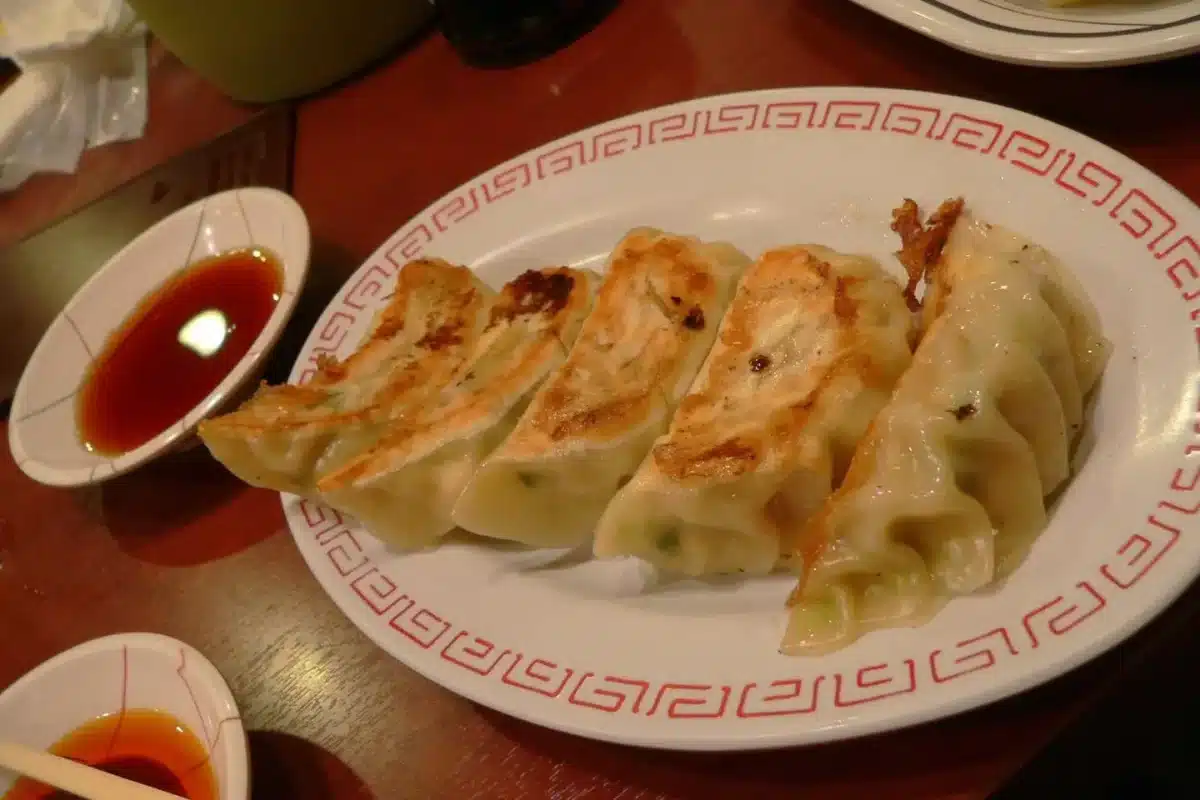
Gyoza is renowned as a staple food in Japan, and there are numerous regional variants from all corners of the country. The All Japan Gyoza Festival brings a host of these varieties together in the one spot, with gyoza from popular shops in the Tokai area, to offerings from cities famed for gyoza production such as Utsunomiya in Tochigi, and Hamamatsu in Shizuoka.
There will also be original gyoza available, which will incorporate locally-sourced ingredients from different prefectures, making it a true national showcase of Japan’s most beloved dumpling.
The All Japan Gyoza Festival takes place at Ai-chikyuhaku Kinen Koen, sometimes referred to as Moricoro Park, the site of the 2005 World Expo. This spacious park transforms into a gyoza paradise with rows of sizzling grills, the aroma of garlic chives and pork, and crowds comparing their favorite styles.
Enjoy Your Event Stress-Free with Japan Travelo
Do you know? Planning events, festivals, concerts, and cultural experiences in Japan can be overwhelming. Japan Travelo brings everything together in one place, helping you manage your itinerary, transport, and accommodation with ease—so you can enjoy Japan without the stress of planning.
Gyoza is a religion, some say an obsession, in Japan. Incredibly, the average Utsunomiya resident spent 4,359 yen worth of gyoza last year, and Hamamatsu residents have topped Japan in household gyoza spending for three consecutive years. The festival taps into this rivalry and passion, bringing the brightest and best in Japan’s gyoza world together.
What Makes This Food Event Special
What makes the All Japan Gyoza Festival special is its national scale, regional rivalry, and ability to let you taste Japan’s gyoza capitals in one afternoon.
Gyoza Capitals Collide: Japan has two famous gyoza towns: Utsunomiya in Tochigi Prefecture and Hamamatsu in Shizuoka Prefecture. Every year, the two compete for the title of Japan’s gyoza capital. Both cities chase the title with different styles. The simplest difference is visual, since Hamamatsu plates a full circle while Utsunomiya lines pieces up in rows. Flavor separates them too, because Hamamatsu leans sweet with cabbage and onion, whereas Utsunomiya leans savory with garlic chives. Finally, only Hamamatsu adds bean sprouts as a standard partner. At Moricoro Park, you can argue over which is better on the same afternoon.
Tokai Area’s Largest Gyoza Festival: The autumn edition of the All Japan Gyoza Festival runs at Moricoro Park in Nagakute and brings 28 to 30 gyoza booths together. It is the largest of the area’s three gyoza festivals and the only one that charges a small admission, which helps manage crowds and support the park.
Original Gyoza with Local Ingredients: Beyond classic styles, there will be original gyoza available which incorporate locally-sourced ingredients from different prefectures, such as miso from Nagoya, cheese fondue wrapped gyoza, Aichi pork, and seafood from coastal prefectures. These limited creations are exclusive to the festival.
Expo Park Setting: Ai-chikyuhaku Kinen Koen, also known as Moricoro Park, is a vast, green, family-friendly park with playgrounds, museums, and open lawns. Eating gyoza here feels like a picnic at a world expo site, with plenty of space to sit and share.
Proven Popularity: The spring edition drew 29,102 people across three days, so the festival has proven appeal. The sizzle of grills, the steam, and the moreish nature of gyoza make it highly social and lively.
Food, Cuisine & Specialties
The cuisine is gyoza in all its forms: pan-fried yaki gyoza, boiled sui gyoza, deep-fried age gyoza, and steamed mushi gyoza.
Utsunomiya Gyoza: Utsunomiya gyoza focuses on using fresh, locally sourced ingredients for a lighter taste. The shell is thicker and chewier, and the filling is heavy on garlic chives, cabbage, and pork with strong garlic. It is usually served in neat rows, crispy on the bottom and soft on top. Utsunomiya had finished top for 15 years in a row from 1996 in household spending surveys.
Hamamatsu Gyoza: Hamamatsu gyoza is arranged in a circular pattern and often garnished with boiled bean sprouts in the center. A lot of vegetables like cabbage, onion, and pork are wrapped with a thin shell. It leans sweet and juicy with lots of cabbage, making it lighter and more vegetable-forward. Hamamatsu first claimed the national top spot in 2011 and in 2025 rankings was first with 4,046 yen per household, marking the sixth time in ten years that Hamamatsu has claimed first place.
Tokai Area Gyoza: Local Tokai shops from Nagoya, Mie, and Gifu bring their own styles, often featuring miso-based dips, doteni stew paired gyoza, and pork-heavy fillings using local brands like Nagoya Cochin chicken and Aichi pork.
Original and Fusion Gyoza: The festival’s original gyoza includes cheese fondue wrapped gyoza, where cheese oozes from inside, spicy kimchi gyoza, shiso and plum gyoza, seafood gyoza with shrimp and scallops, and vegetarian gyoza. Some are wrapped in cheese fondue, creating a rich, gooey experience.
Dipping Sauces: Beyond standard soy sauce, vinegar, and chili oil, many stalls offer original dips like miso dip, yuzu kosho dip, and spicy mayo.
Chefs, Restaurants & Food Vendors
The vendors are the best gyoza restaurants from across Japan, many of whom are famous in their hometowns with long queues.
Utsunomiya Representatives: Popular shops from Utsunomiya such as Min Min, Masashi, and Utsunomiya Gyoza Hall affiliates travel to Nagoya for the festival. These shops are considered gyoza mecca in Tochigi, with recipes kept secret for decades.
Hamamatsu Representatives: Famous Hamamatsu shops like Ishimatsu Gyoza, Takasago, and Hamamatsu Gyoza Society members bring their circular gyoza with bean sprouts, often served by staff in happi coats.
Tokai Area Locals: Gyoza shops from Nagoya’s Sakae and Osu districts, Yokkaichi’s famous large-size gyoza shops, and Gifu’s Takayama gyoza makers participate, offering local flavors.
Miyazaki and Other Rising Regions: Miyazaki City, which ranked third in household gyoza spending with 3,418 yen, has become a new gyoza hotspot and sends representatives with chicken nanban style gyoza and local ingredients.
Festival Original Booths: The organizer, Gyoza Matsuri Executive Committee, also runs original booths that create collaboration gyoza using ingredients from different prefectures, such as Aichi Earth Expo Memorial Park original gyoza with local vegetables.
Quality Focus: These vendors are the brightest and best in Japan’s gyoza world. If you are new to the gyoza game, it is best to head for any stalls from Utsunomiya and Hamamatsu, Japan’s most famed gyoza capitals. However, pretty much anywhere you try is likely to be mouthwatering.
Food Experience
The food experience is sizzling, social, and highly comparative.
Sizzle and Aroma Walk: Walking through Moricoro Park, you hear the constant sizzle of gyoza on large iron griddles, the clatter of spatulas, and the calls of vendors announcing fresh batches. The aroma of garlic chives, pork fat, and toasting wrappers fills the air.
Ticket Exchange System: You purchase tickets or tokens before entering if you don’t have e-payment, then exchange them for plates of gyoza at each booth. A typical plate is 6 pieces, perfect for sharing and comparing. You can try Utsunomiya and Hamamatsu back-to-back and decide your favorite.
Picnic Style: Moricoro Park has large lawns, benches, and shaded areas. Most visitors buy several plates from different vendors and sit on the grass for a gyoza picnic, sharing and debating flavors.
Moreish and Addictive: As one reviewer noted, they are very moreish. The combination of crispy bottom, juicy filling, and tangy dip makes you want to try one more plate. Many visitors plan to try one booth and end up trying five.
Family-Friendly Park: The park itself is an attraction, with the Ghibli Park nearby, a large Ferris wheel, playgrounds, and the Expo memorial facilities. Children enjoy plain pork gyoza without chili, while adults enjoy garlic-heavy and spicy versions.
Drink Pairing: Beer, highballs, and soft drinks are available, with many visitors enjoying gyoza with a cold beer. If you purchase a Linimo One-day Ticket to get to the venue, you can also receive a free drink voucher in some editions.
Date & Schedule
Location: Aichi Earth Expo Memorial Park
Official Period: Mid-September 2027 (Dates TBD)
The All Japan Gyoza Festival is held multiple times a year, with spring and autumn editions. The autumn edition is held at Moricoro Park in Nagakute and is the largest edition.
Typical Schedule Based on Previous Editions:
Duration: The festival typically runs for 3 days over a weekend, such as Saturday to Monday public holiday, from 10:00 AM to 5:00 PM daily, with admission until 4:30 PM.
Daily Hours: Stalls open at 10:00 AM and serve continuously until 5:00 PM. The busiest time is 11:30 AM to 2:30 PM. Sunday mornings are the quieter slot, ideal for shorter queues. Weekend afternoons run busy.
Opening: Opening ceremony on first day around 10:00 AM with drum performance and introduction of vendors from Utsunomiya, Hamamatsu, and Tokai.
Closing: On final day, closing around 5:00 PM, with some vendors selling out earlier. Awards for most popular booth are sometimes announced.
Seasonal Note: The autumn edition in September benefits from milder weather than summer, making outdoor eating pleasant. The spring edition in February is also popular but colder.
Visiting this event? Don’t miss out on these amazing activities and local experiences while you’re here.
Location & Venue
The venue is a historic world expo park with excellent facilities.
Ai-chikyuhaku Kinen Koen – Moricoro Park: Address is 1533-1 Ibaragabasama, Nagakute, Aichi 480-1342, Japan. The park is also known as Expo 2005 Aichi Commemorative Park, built for the World Expo. It is a vast park of about 185 hectares with forests, ponds, playgrounds, and event plazas.
Event Plaza: The gyoza festival is held in the large event plaza near the park’s main gate, with tents and stalls set up on paved and grass areas. The plaza is near the Linimo station, making access easy.
Facilities: The park has clean toilets, vending machines, rest areas, a large Ferris wheel, ice skating rink in winter, and Ghibli Park adjacent. Coin lockers are available at the station.
Ghibli Park Proximity: The park is famous for hosting Ghibli Park, so many visitors combine gyoza festival with Ghibli Park visit.
Atmosphere: The atmosphere is festive and open, with families, couples, and groups of friends spreading out on lawns. The former expo site gives a spacious, international feel.
Getting to the Event
Getting to Moricoro Park is easy via public transport, which is strongly advised due to large crowds.
By Public Transport:
Linimo Line: The closest stop is Ai-Chikyuhaku Kinen Koen Station on the privately-owned Linimo Line, Japan’s first maglev linear motor train. From Fujigaoka Station, which connects to Nagoya’s Higashiyama Subway Line, take Linimo to the last stop, Ai-Chikyuhaku Kinen Koen, about 13 minutes. From central Nagoya Sakae area, total travel about 40 minutes.
Linimo One-Day Ticket: If you purchase a Linimo One-day Ticket, you can ride unlimited and sometimes receive perks like a free drink voucher at the festival.
By Private Vehicle:
Parking: If you do opt to drive to the venue, there is parking available for 1,800 cars at the park’s parking lots, at a cost of $3.30 per vehicle based on 500 yen per vehicle. Parking lots fill quickly on weekends, so arriving early morning is recommended. Public transport is advised due to large number of visitors expected.
Highway Access: From Nagoya city center, take the Tomei Expressway Nagakute Interchange, about 10 minutes to park. From Toyota and Seto, via Route 155.
Accessibility: The Linimo line and park are fully accessible with elevators, escalators, and accessible toilets. The festival plaza is flat and paved, suitable for wheelchairs and strollers.
Where to Stay Nearby
Nagakute and central Nagoya offer many options for staying near the festival.
Near Moricoro Park: Hotels such as Hotel Route Inn Nagakute, Toyoko Inn Nagakute, and The Tower Hotel Nagakute are within 5 to 10 minutes by car or Linimo from the park. Prices from $60.00 to $100.00 per night.
In Nagoya City – Sakae and Nagoya Station: For more nightlife and dining, stay in Sakae or Nagoya Station area. Hotels like Nagoya Marriott Associa, Prince Hotel Sky Tower, and Mitsui Garden Hotel Nagoya Premier range from $80.00 to $200.00 per night. These areas offer easy subway access to Fujigaoka and Linimo.
Business Hotels: Business hotels like APA Hotel Nagoya and Dormy Inn Nagoya are affordable at $50.00 to $80.00 per night.
Booking Tips: September is a popular month in Nagoya due to many festivals, so booking 2 to 4 weeks ahead is recommended. The spring edition in February also coincides with other events like Nagoya Ramen Festival, so hotels near Sakae sell out.
Alternative: Staying near Fujigaoka Station provides easy Linimo access and quieter surroundings.
Things to Do Before or After the Event
Combine gyoza festival with Nagoya’s many attractions.
Ghibli Park: Located inside Moricoro Park itself, Ghibli Park features areas based on My Neighbor Totoro, Spirited Away, and other Studio Ghibli films. Advance reservation required.
Nagoya City Attractions: Visit Nagoya Castle, Atsuta Shrine, Toyota Commemorative Museum of Industry and Technology, and Osu Kannon shopping district with its street food.
Expo 2005 Memorial Facilities: Explore the park’s expo memorials, Japanese garden, and nature trails.
Nagoya Meshi Food Tour: Nagoya is famous for its own cuisine: miso katsu pork cutlet with miso sauce, hitsumabushi eel rice, tebasaki chicken wings, and kishimen noodles. Try these after gyoza for a full Nagoya food experience.
Linimo Ride: Enjoy the maglev Linimo line itself, a unique experience as Japan’s only commercial maglev train, offering smooth, quiet ride.
Shopping at Aeon Mall Nagakute: The large Aeon Mall near the park offers shopping and additional restaurants.
Restaurants & Local Food to Try
Beyond festival gyoza, the Tokai area offers distinctive foods.
Nagoya Meshi: Try Nagoya’s signature dishes: miso katsu $10.00 to $15.00, hitsumabushi $20.00 to $35.00, tebasaki chicken wings $8.00 to $12.00, and Taiwan ramen spicy minced pork ramen $9.00 to $13.00.
Utsunomiya and Hamamatsu Gyoza Restaurants in Nagoya: Some Utsunomiya and Hamamatsu gyoza shops have branches in Nagoya, such as Hamamatsu Gyoza Ishimatsu in Sakae.
Mie and Gifu Specialties: Try Yokkaichi’s large 4x size gyoza, Takayama’s Hida beef, and Ise’s akafuku mochi.
Moricoro Park Food Stalls: The park’s permanent food stalls offer additional snacks like gohei mochi rice cakes, soft cream, and grilled meats.
Ramen Festival: If visiting in February, the Nagoya Ramen Festival is often held concurrently in Hisaya Odori Park, allowing you to enjoy both ramen and gyoza festivals.
Craft Beer and Sake: Nagoya has craft breweries like Y Market Brewing and sake from Aichi prefecture.
Dietary & Food Allergy Information
Gyoza contains common allergens, so careful checking is needed.
Allergen Information: Gyoza wrappers contain wheat and may contain egg. Fillings typically contain pork, cabbage, garlic, garlic chives, and sometimes shrimp. Soy sauce in dip contains soy and wheat. Some cheese fondue gyoza contains dairy. Seafood gyoza contains shellfish.
Gluten: Most gyoza wrappers contain wheat, so gluten-free options are rare. Some stalls may offer gluten-free wrappers or rice flour wrappers, but these are limited. Ask vendors.
Vegetarian and Vegan: Most gyoza contains pork and chicken stock, so vegetarian options are limited. Some stalls offer vegetable-only gyoza with cabbage, mushrooms, and tofu, but these may still contain animal-based seasonings. Vegan gyoza is rare but increasingly available at fusion stalls.
Halal: Halal-certified gyoza is limited. Pork is a main ingredient in most gyoza, so halal options are not standard. Some vegetable gyoza may be closer but certification is unlikely.
Language Support: Menus are primarily in Japanese with pictures and English names for major gyoza towns. Staff speak basic English. Translation apps help for allergen questions. The park’s information center can provide assistance.
Ticket Information
The All Japan Gyoza Festival uses a two-part payment system: admission plus gyoza tickets.
Admission: Entry tickets are required for the festival plaza. Based on previous editions, admission is $4.70 per person based on 700 yen, $4.00 based on 600 yen in 2023, and $3.30 based on 500 yen in 2018. The autumn edition is the largest and the only one that charges admission among Nagoya’s three gyoza festivals. Children under elementary school age are often free.
Gyoza Tickets: Gyoza is purchased via ticket exchange. You purchase tickets at ticket booths before entering if you don’t have e-payment. Tickets cost around $4.00 per plate based on 600 yen each, with each plate containing 5 to 6 pieces of gyoza. Some premium gyoza with cheese fondue or Wagyu beef may cost $5.00 to $6.00 per plate.
Parking: Parking costs $3.30 per vehicle based on 500 yen per vehicle for 1,800 cars. Linimo One-day Ticket holders may receive free drink voucher.
Payment: Tickets can be purchased with cash and e-payment like Suica and PayPay at many booths. Some stalls accept credit cards. Bring cash for smooth transactions.
Package: Total budget for a full experience with admission, parking, and 4 to 5 plates of gyoza is around $25.00 to $35.00 per person.
Official Event Information
Event Name: All Japan Gyoza Festival, also known as Zen Nihon Gyoza Matsuri and All-Japan Gyoza Festival
Location: Aichi Earth Expo Memorial Park, Ai-chikyuhaku Kinen Koen, Moricoro Park, 1533-1 Ibaragabasama, Nagakute, Aichi 480-1342, Japan
Access: Closest station Ai-Chikyuhaku Kinen Koen Station on Linimo Line. Parking for 1,800 cars at $3.30 per vehicle. Public transport advised due to large crowds.
Format: 3-day outdoor gyoza festival with 28 to 30 booths from Utsunomiya, Hamamatsu, Tokai, and original fusion gyoza
Organizer: All Japan Gyoza Festival Executive Committee, Aichi Earth Expo Memorial Park, and Tokai Television
Official Website URL as Text: en.japantravel.com/aichi/all-japan-gyoza-festival/61418 and gyozamatsuri.jp
Additional Official Information as Text: aichi-koen.com/moricoro/ for park information and japan-attractions.jp for ticket details
Contact: Moricoro Park Management and Gyoza Matsuri Executive Committee via official website
Location
FAQ
What is the All Japan Gyoza Festival and where is it held?
The All Japan Gyoza Festival is a national gyoza event that brings together regional variants from all corners of Japan, including popular shops from the Tokai area and cities famed for gyoza production such as Utsunomiya in Tochigi and Hamamatsu in Shizuoka, plus original gyoza incorporating locally-sourced ingredients. It takes place at Ai-chikyuhaku Kinen Koen, sometimes referred to as Moricoro Park, the site of the 2005 World Expo in Nagakute, Aichi Prefecture, which is Expo 2005 Aichi Commemorative Park.
How much does it cost to enter and eat gyoza?
Entry requires a small admission ticket that has ranged from $3.30 to $4.70 in previous editions, with children often free, and the autumn edition is the largest and the only one among Nagoya's three gyoza festivals that charges admission. Gyoza itself is purchased via tickets costing around $4.00 per plate of 5 to 6 pieces, with premium cheese fondue or Wagyu gyoza around $5.00 to $6.00, and parking costs $3.30 per vehicle for 1,800 spaces.
What is the difference between Utsunomiya and Hamamatsu gyoza?
The simplest difference is visual, since Hamamatsu plates a full circle with bean sprouts in the center while Utsunomiya lines pieces up in rows, and flavor separates them too, because Hamamatsu leans sweet with cabbage and onion with a thin shell, whereas Utsunomiya leans savory with garlic chives and a thicker shell. Both cities have chased the title of Japan's gyoza capital for decades, with household spending surveys showing close rivalry, and at the festival you can taste both side by side.
How do I get to Moricoro Park and should I drive?
If visiting via public transport, the closest stop is Ai-Chikyuhaku Kinen Koen Station on the privately-owned Linimo Line, Japan's maglev line, from Fujigaoka Station which connects to Nagoya's Higashiyama Subway, with total travel from central Nagoya around 40 minutes. Due to large number of visitors expected, public transport is advised, though parking for 1,800 cars is available at $3.30 per vehicle, and Linimo One-day Ticket holders sometimes receive a free drink voucher.
Is the festival family-friendly and what else can I do at Moricoro Park?
The festival is very family-friendly with a spacious park featuring lawns, benches, playgrounds, a Ferris wheel, and Ghibli Park adjacent, making it easy to picnic with gyoza plates on the grass. Beyond gyoza, you can visit Ghibli Park based on Studio Ghibli films, explore Expo 2005 memorial facilities, enjoy nature trails, and combine with Nagoya city attractions like Nagoya Castle, Osu Kannon shopping district, and Nagoya meshi foods like miso katsu and hitsumabushi.

Leave a Reply