
Overview
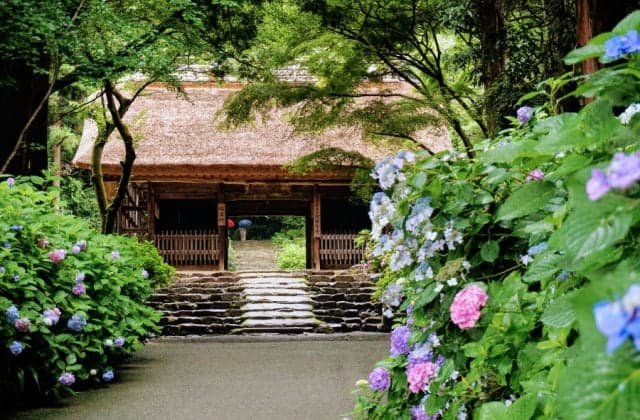
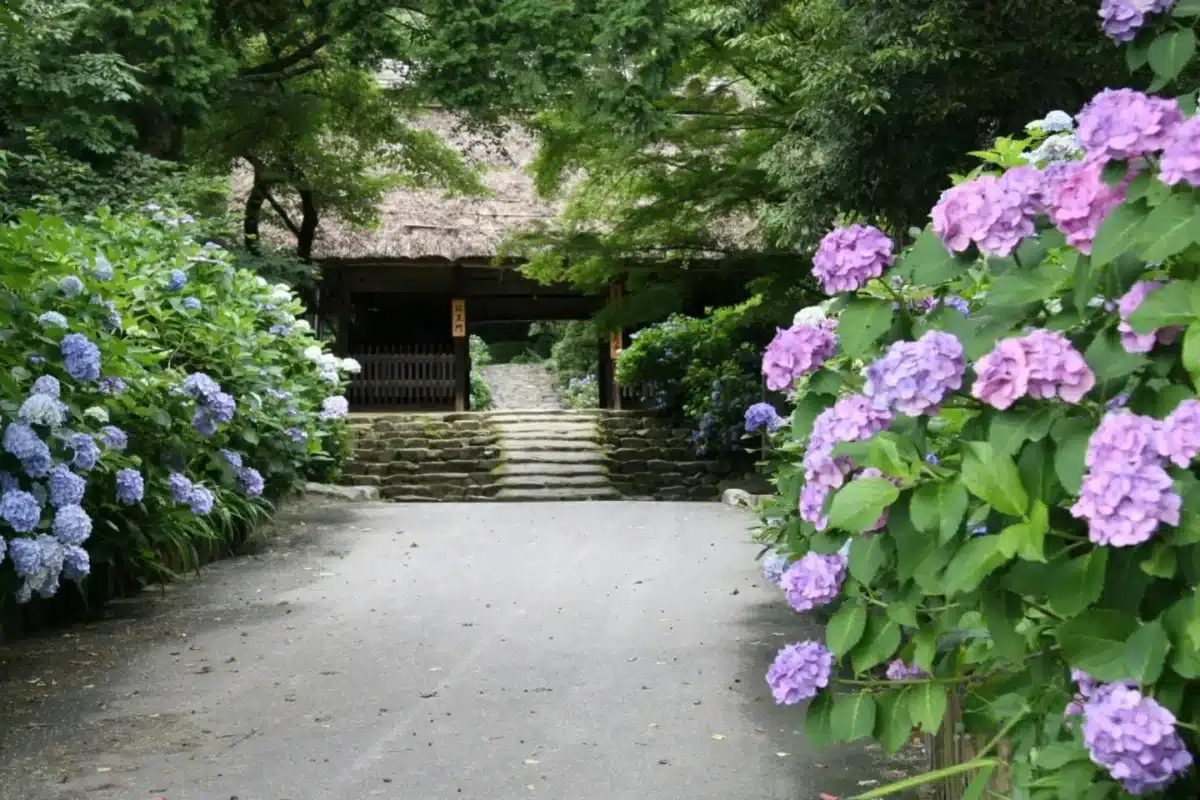
The Amidaji Temple Hydrangea Festival is an enchanting, culturally rich floral celebration hosted within the historic mountain precincts of Hofu City in Yamaguchi Prefecture. Known affectionately as the Hydrangea Temple, Amidaji boasts a deep historical connection dating back to the twelfth century as a cherished branch temple of Todaiji in Nara. During the peaceful rainy season, the serene temple grounds transform into a breathtaking living canvas featuring approximately four thousand vibrant hydrangea plants spanning eighty distinct botanical varieties.
As visitors ascend the moss-covered stone pathways winding through the temple’s mountainside gardens, they are greeted by an explosion of rich blues, purples, pinks, and pristine whites. The lush foliage frames ancient wooden temple halls, stone statues, and national treasures, creating a deeply tranquil and meditative atmosphere. Mid-festival highlights include traditional outdoor tea ceremonies and solemn flower-offering rituals held before the sacred statue of Buddha, bringing centuries-old spiritual traditions vividly to life.
Beyond the stunning visual splendor, the festival offers an immersive journey into regional heritage, quiet contemplation, and natural beauty. The harmonious blending of ancient sacred architecture with the delicate, changing hues of blooming hydrangeas provides an unforgettable seasonal experience. It stands out as a peaceful and restorative destination for nature lovers, photography enthusiasts, and cultural travelers seeking the serene soul of historic Japan.
Enjoy Your Event Stress-Free with Japan Travelo
Do you know? Planning events, festivals, concerts, and cultural experiences in Japan can be overwhelming. Japan Travelo brings everything together in one place, helping you manage your itinerary, transport, and accommodation with ease—so you can enjoy Japan without the stress of planning.
Event Highlights
- Marvel at approximately four thousand blooming hydrangea bushes representing eighty diverse species carpeting the historic mountainside temple grounds.
- Participate in traditional outdoor tea ceremonies and witness sacred floral offering rituals held near the main temple hall.
- Explore precious national cultural assets, including the oldest cast-iron treasure pagoda in Japan preserved within the sacred temple complex.
- Stroll along designated woodland walking paths surrounded by lush greenery, ancient stone lanterns, and vibrant seasonal blossoms.
Why Attend
Attending this renowned floral festival offers a rare and tranquil opportunity to experience authentic Japanese temple culture during one of the most picturesque seasons of the year. Rather than navigating crowded urban tourist destinations, visitors can wander through peaceful garden paths while soaking in the spiritual ambiance of a centuries-old sanctuary. It is an ideal cultural outing for mindful travelers, botanical enthusiasts, and anyone seeking a serene escape into rural Yamaguchi Prefecture.
Beyond the aesthetic beauty of the blossoms, the festival provides profound insight into the historical ties between western Japan and ancient religious lineages. The shared experience of quiet contemplation amidst blooming flowers fosters a deep sense of inner calm and renewal. Visitors depart with lasting memories, stunning photographs, and a profound appreciation for the timeless heritage preserved at Amidaji Temple.
Date & Duration
- Event Date: June 2027
- Event Duration: Approximately one month of continuous garden access and seasonal temple exhibitions
Visiting this event? Don’t miss out on these amazing activities and local experiences while you’re here.
Ticket Information
- How Tickets Are Sold: General garden entry tickets are purchased directly at the temple gate reception desk upon arrival without needing advance reservations.
- Admission Type: Nominal general admission fee required for temple grounds and garden access, with specialized entry fees for the treasure museum.
- Ticket Pricing: Minimum price is approximately two USD for general garden admission, while children and students enjoy discounted or free entry tiers.
- Special Seating Options: Traditional outdoor seating mats and garden bench areas are provided for participants attending the seasonal tea ceremonies.
- VIP Options: No VIP or exclusive tiered packages are offered for this deeply spiritual, community-oriented temple heritage festival.
Venue / Location
- City and Country: Hofu, Japan
- Venue Name: Todaiji Betsuin Amidaji Temple
- Google Maps Address: 上坂本-1869 Mure, Hofu, Yamaguchi 747-0004, Japan
Contact Information
- Email: info@amidaji-temple.jp
- Phone Number: +81 835-38-0839
- Website: https://en.japantravel.com/yamaguchi/amidaji-temple-hydrangea-festival/70470
Accommodation Options
Travelers planning an overnight stay near the temple festival will discover a wonderful selection of comfortable urban hotels and traditional inns located around central Hofu City. Securing lodgings close to the main railway station allows visitors to easily access local transit routes and explore neighboring historic shrines.
The surrounding Yamaguchi region also offers peaceful hot spring ryokans nestled against scenic mountain valleys, providing a deeply relaxing sanctuary after a day of garden walking. Booking accommodations well in advance is recommended due to steady seasonal interest from travelers exploring western Japan during the rainy season bloom.
Getting There
- Nearest Airport: Yamaguchi Ube Airport, situated approximately twenty-five miles away from the central Hofu urban district.
- Nearest Train/Metro Station: JR Hofu Station on the Sanyo Main Line serves as the primary regional railway hub for all arriving visitors.
- Bus Routes or Public Transport Options: Bocho local route buses departing from the north exit of JR Hofu Station take passengers directly to the Amidaji bus stop in about twenty minutes.
- Parking Availability: Designated public parking lots are situated directly adjacent to the temple grounds for visitors arriving by personal automobile.
- Directions by Car: Accessible via major regional roadways including the Sanyo Expressway connecting directly toward the Hofu East and West interchanges.
Dining Recommendations
Breakfast Recommendations:
- Savor a steaming bowl of traditional miso soup and grilled fish at a cozy local diner near JR Hofu Station.
- Enjoy freshly baked breads and hot morning coffee from a charming neighborhood bakery in downtown Hofu.
- Partake in a comforting traditional Japanese breakfast featuring locally harvested rice and seasonal side dishes at your city hotel.
Lunch Recommendations:
- Relish local Yamaguchi-style sushi and fresh seafood delicacies at a welcoming restaurant in the downtown district.
- Enjoy steaming bowls of comforting regional noodle dishes at a family-run eatery near the station plaza.
- Taste savory regional bento boxes packed with local agricultural produce sold at specialty food shops around Hofu.
Dinner Recommendations:
- Dine at an authentic local restaurant specializing in regional Chugoku cuisine, featuring seasonal fish and local mountain vegetables.
- Savor exquisite multicourse culinary meals paired with award-winning local sake at a traditional dining establishment.
- Unwind at a relaxed neighborhood izakaya offering classic grilled skewers and comforting small plates in a warm indoor setting.
Local Specialties to Try:
- Indulge in fresh Kawara soba, a unique local noodle specialty served sizzling hot on a heated roof tile with savory beef and condiments.
- Taste pristine coastal seafood harvested directly from the rich fishing grounds of the nearby Seto Inland Sea.
- Sip premium regional sake brewed meticulously using pristine mountain spring waters and prized rice harvested across Yamaguchi Prefecture.
What is this event?
The Amidaji Temple Hydrangea Festival is a peaceful month-long botanical celebration hosted at a historic mountainside temple in Hofu City, Yamaguchi Prefecture. The tranquil temple grounds become home to thousands of blooming hydrangea flowers creating vibrant displays along ancient stone paths.
Visitors gather to stroll through the serene gardens, admire national treasure artifacts, and participate in traditional outdoor tea ceremonies. The festival beautifully blends spiritual heritage with the quiet, reflective beauty of the seasonal rainy period.
Why is it popular?
This charming festival captivates travelers by offering a deeply tranquil and visually stunning retreat into historic temple gardens filled with thousands of colorful blossoms. The striking contrast of vibrant blue and purple hydrangeas against mossy stone steps creates extraordinary photography opportunities.
Visitors cherish the rare opportunity to experience authentic spiritual traditions, such as outdoor tea ceremonies, in such a peaceful and uncommercialized setting. It stands out as a deeply refreshing destination for anyone seeking quiet reflection and natural beauty.
Tips before you go
- Wear comfortable, sturdy walking shoes with good traction suitable for navigating damp stone steps and hillside garden pathways.
- Bring a reliable umbrella or lightweight raincoat since the festival takes place during the traditional Japanese rainy season.
- Carry sufficient cash in Japanese yen as temple entrance fees and local tea ceremony offerings typically do not accept digital payments.
- Check local bus timetables carefully prior to departure to ensure a smooth round-trip commute between Hofu Station and the temple.
- Bring a small bag to comfortably carry your personal items while keeping your hands free for photography along the narrow paths.
Tips for First-Time Visitors
- Familiarize yourself with the Bocho bus schedule departing from the north exit of JR Hofu Station to plan your arrival seamlessly.
- Take time to explore the temple’s indoor treasure museum to view historic Buddhist sculptures and the famous cast-iron treasure pagoda.
- Respect all temple guidelines, remaining on designated walking paths to protect the delicate hydrangea plants and moss gardens.
- Allow at least one to two hours to fully wander through the extensive mountainside garden routes at a relaxed, mindful pace.
- Combine your temple visit with an afternoon exploration of the famous Hofu Tenmangu Shrine located nearby in the city center.
- Keep your camera ready to capture the misty atmosphere and dew-kissed petals that characterize the rainy season landscape.
Attendee Experiences
- Wandering through the misty mountain paths surrounded by thousands of blooming blue hydrangeas felt like stepping into another world.
- Participating in the traditional outdoor tea ceremony beneath the ancient temple eaves was an unforgettably peaceful moment.
- The serene spiritual energy of the historic temple grounds made this floral excursion deeply restorative and memorable.
Location
FAQ
What is the primary botanical attraction featured at the Amidaji Temple festival?
The main attraction is the magnificent collection of approximately four thousand hydrangea plants spanning eighty distinct species blooming across the temple grounds. The flowers create vibrant displays of blue, purple, and white against the historic mountain backdrop.
Do visitors need to purchase admission tickets in advance of their visit?
Admission tickets for the temple grounds and gardens are purchased directly at the entrance reception gate on the day of your visit. Advance reservations are not required for general public access to the festival grounds.
How can travelers reach Amidaji Temple using public transportation from the station?
Travelers can take a Bocho local route bus from the north exit of JR Hofu Station directly to the Amidaji bus stop. The scenic bus ride takes approximately twenty minutes, followed by a short walk up to the temple gates.
Are there dining options available directly within the temple grounds?
While the temple grounds focus primarily on sacred architecture and natural gardens, numerous restaurants and cafes operate in central Hofu City. Visitors can enjoy local dining options and regional specialties within a short distance of the station.
What makes the historical heritage of Amidaji Temple particularly significant?
Amidaji Temple serves as a historic branch of Todaiji Temple in Nara and houses invaluable cultural assets, including Japan's oldest cast-iron treasure pagoda. The temple has preserved centuries of religious tradition and architectural mastery since the twelfth century.

Leave a Reply