
-
October 3, 2026
Event date:
-
December 6, 2026
Event end:
“Boundaries or Windows” & Recurring Motifs
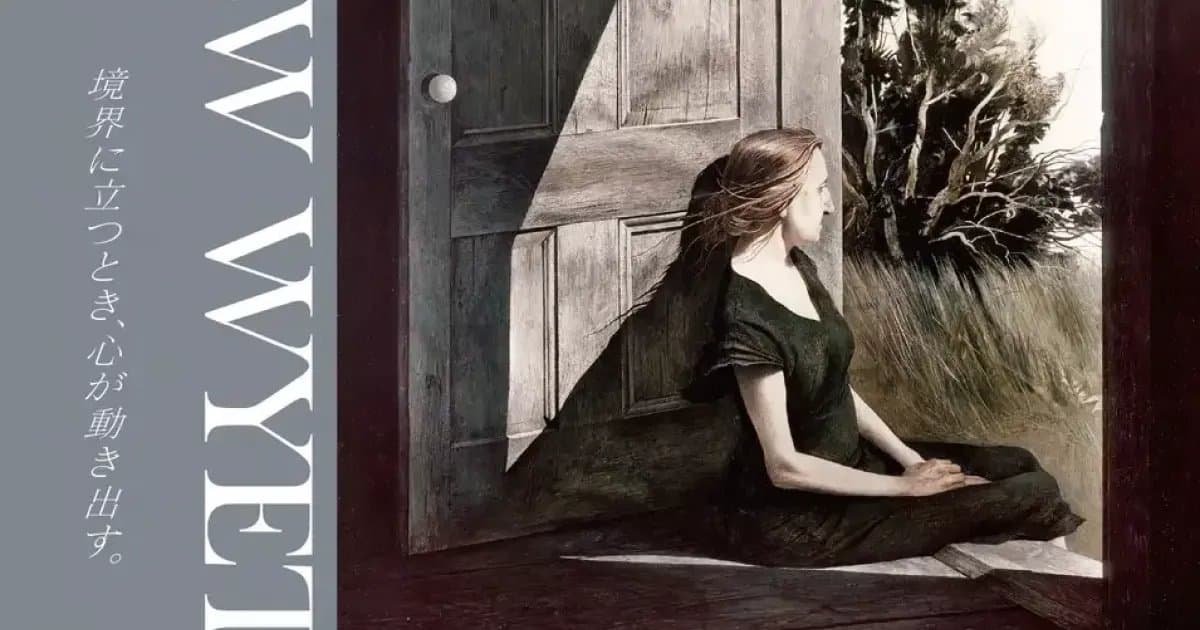
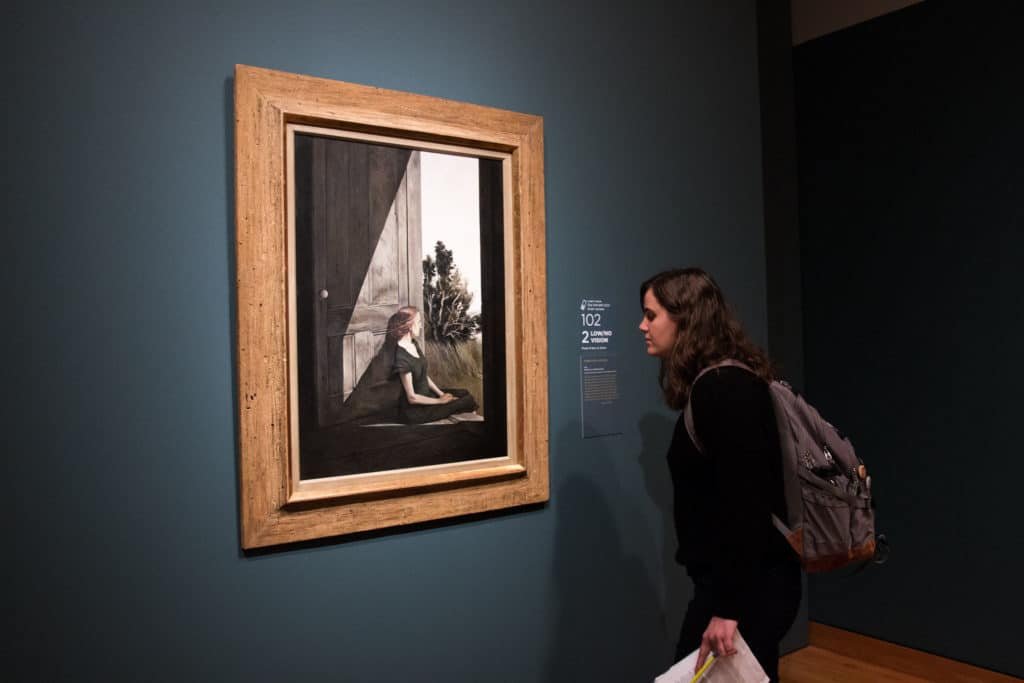
The thematic core of the retrospective explores one of Wyeth’s most persistent and fascinating compositional motifs: the boundary, physically embodied by windows, doors, and architectural thresholds. Throughout Western art history, boundaries have frequently served as markers of division or connection, but for Wyeth, they represented an intimate psychological threshold. A closed pane of glass or a half-open screen door acted simultaneously as a barrier keeping the harsh world out and a transparent lens framing his private emotional universe.
These structural boundaries allowed Wyeth to play masterfully with the dichotomy between interior sanctuary and expansive exterior nature. By placing the viewer inside a dim room looking out through a sunlit window frame—or conversely, peering inward from the cold outdoors—he established a subtle sense of longing and voyeuristic tension. The windows are rarely empty architectural features; they are laden with the ghosts of past inhabitants, fluttering lace curtains catching drafts, and changing seasonal light that mirrors human transience.
- Comprehensive thematic focus on windows, doors, and architectural thresholds as symbols of separation and connection
- Exploration of liminal spaces bridging the gap between personal interior sanctuary and the outside world
- Mastery of framing techniques that create deliberate psychological distance and contemplative tension
- Symbolic representation of memory, solitude, and the quiet passage of time through shifting seasonal light
- Use of translucent curtains, glass reflections, and screen meshes to distort and enrich visual perception
- Deep poetic investigation into the boundaries separating self from nature, and perception from imagination
- Rare international gathering of landmark works specifically tied to the iconic boundary motif
Event Schedule
- Event Date: October 3, 2026 – December 6, 2026
- Event Duration: Approximately 1 to 2 hours for the complete gallery tour
Visiting this event? Don’t miss out on these amazing activities and local experiences while you’re here.
Wyeth’s Watercolors, Tempera & Artistic Techniques
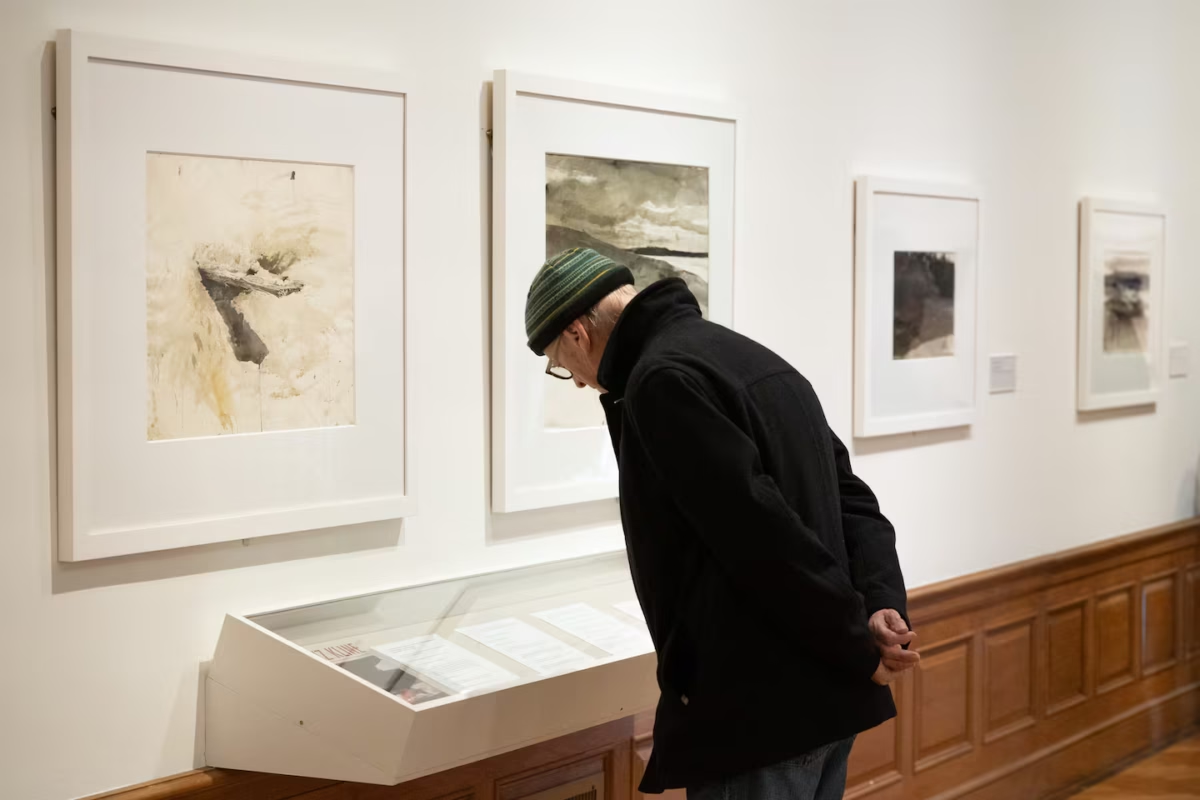
Andrew Wyeth’s technical brilliance is nowhere more evident than in his masterful handling of egg tempera and transparent watercolor, two notoriously unforgiving mediums. Tempera requires infinite patience, involving the painstaking application of tiny, precise brushstrokes using pigment mixed with egg yolk, resulting in a remarkably durable surface with a subtle, glowing matte finish. This demanding technique allowed Wyeth to render textures like rough wood, coarse wool, and human skin with astonishing, microscopic tactile fidelity.
Enjoy Your Event Stress-Free with Japan Travelo
Do you know? Planning events, festivals, concerts, and cultural experiences in Japan can be overwhelming. Japan Travelo brings everything together in one place, helping you manage your itinerary, transport, and accommodation with ease—so you can enjoy Japan without the stress of planning.
Conversely, his approach to watercolor was remarkably fluid, bold, and experimental, often executed with a vigorous energy that contrasted sharply with his meticulous tempera process. He frequently flooded the paper, scraped away pigment, or incorporated dirt and environmental elements directly into the wet wash to capture the organic grit of the landscape. This duality in his working methods enabled him to capture both the permanent, enduring structure of his subjects and the fleeting atmospheric moods of weather and light.
The physical labor behind Wyeth’s art was intense, often involving hundreds of preliminary pencil sketches and detailed studies before a single drop of paint touched the final panel or paper. This rigorous preparation ensured that every finished composition possessed an absolute structural integrity and inner necessity. Visitors to the exhibition are treated to a rare look at the sheer technical discipline that underpinned his seemingly effortless realism.
- Absolute mastery over the demanding and painstaking medium of traditional egg tempera
- Fluid, experimental approach to transparent watercolor capturing dynamic atmospheric conditions
- Microscopic rendering of complex textures including weathered timber, dry grass, and woven fabrics
- Rigorous preparatory drafting phase involving extensive pencil studies and compositional sketches
- Innovative integration of non-traditional elements like earth and debris directly into wet paint washes
- Striking technical contrast between the slow, meditative pace of tempera and the rapid execution of watercolor
- Exceptional preservation of delicate pigment layers showcasing unmatched manual dexterity
Ticket Prices
- How Tickets Are Sold: Tickets are distributed through advance online reservation platforms, official ticket agencies, and designated museum ticket windows.
- Admission Type: Timed-entry general admission tickets tied to specific dates and entry slots.
- Ticket Pricing: Prices range from a minimum of approximately $10.00 USD (JPY 1,500 for student concessions) up to a maximum of approximately $20.00 USD (JPY 3,000 for adult general admission), based on current currency conversions.
- Special Seating Options: This is a walk-through museum exhibition rather than a seated theater event, featuring accessible pathways throughout the gallery spaces.
- VIP Options: Standard timed-entry configurations apply for this exhibition without separate VIP upgrade packages or exclusive fast-track tiers.
Andrew Wyeth’s Artistic Legacy & American Realism
Andrew Wyeth stands indisputably as one of the most prominent, distinct, and enduring figures in twentieth-century American figurative painting. While mid-century modernism witnessed the explosive rise of Abstract Expressionism, Pop art, and Neo-Dada, Wyeth chose a completely different path, turning intensely inward. He dedicated his entire creative life to chronicling the familiar landscapes, neighbors, and intimate surroundings of his dual homes in Chadds Ford, Pennsylvania, and Cushing, Maine. His uncompromising commitment to realism captured the stark essence of American rural life without ever descending into simple sentimentality or mere illustration.
- Preeminent master of twentieth-century American figurative painting and rural realism
- Deliberate rejection of contemporary avant-garde trends like Abstract Expressionism in favor of representational depth
- Deeply personal focus on the geography and inhabitants of Chadds Ford, Pennsylvania, and Cushing, Maine
- Extraordinary capability to merge acute visual observation with profound psychological and poetic introspection
- Landmark international exhibitions cementing his status as a titan of modern art history
- Enduring cultural influence inspiring generations of realist painters, filmmakers, and photographers worldwide
- Massive posthumous retrospective celebrating his unique synthesis of technical precision and emotional mystery
Getting to the Venue
- City and Country: Osaka, Japan
- Venue Name: Abeno Harukas Art Museum
- Google Maps Address: Japan, 〒545-6016 Osaka, Abeno Ward, Abenosuji, 1 Chome−1−43 あべのハルカス 16階
Japanese Retrospective & Rare International Works
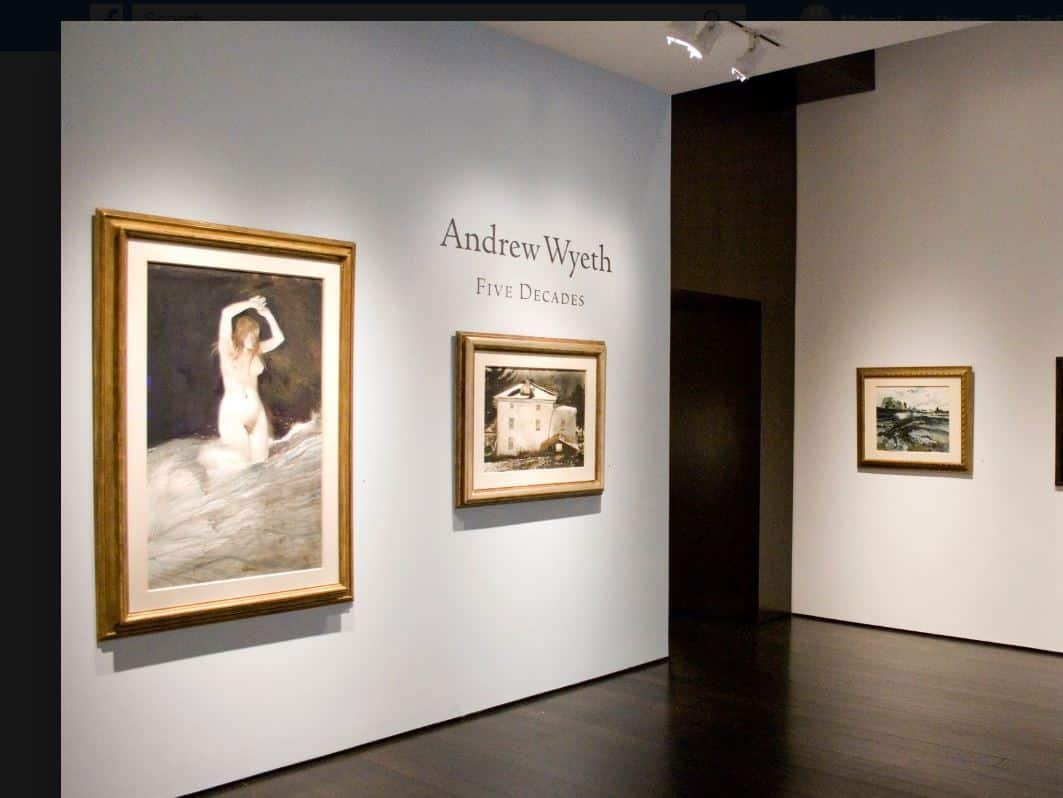
This landmark exhibition marks the first major retrospective of Andrew Wyeth’s work in Japan since the artist’s passing, offering a monumental occasion for local art enthusiasts. Bringing together an extraordinary collection of masterworks sourced from major American museums and private international collections, the showcase provides a comprehensive overview of his multi-decade career. Several key pieces have traveled to Japan for the very first time, giving local audiences unprecedented access to his finest achievements.
The relationship between Andrew Wyeth and Japanese collectors and institutions holds a unique historical significance, as many of his vital paintings were acquired during earlier decades of passionate international appreciation. This retrospective taps into that longstanding cultural bridge, uniting works housed in Japanese collections with rare overseas loans to tell a complete artistic story. It serves as a celebration of an enduring aesthetic affinity between American realist traditions and Japanese sensibilities for quiet contemplation.
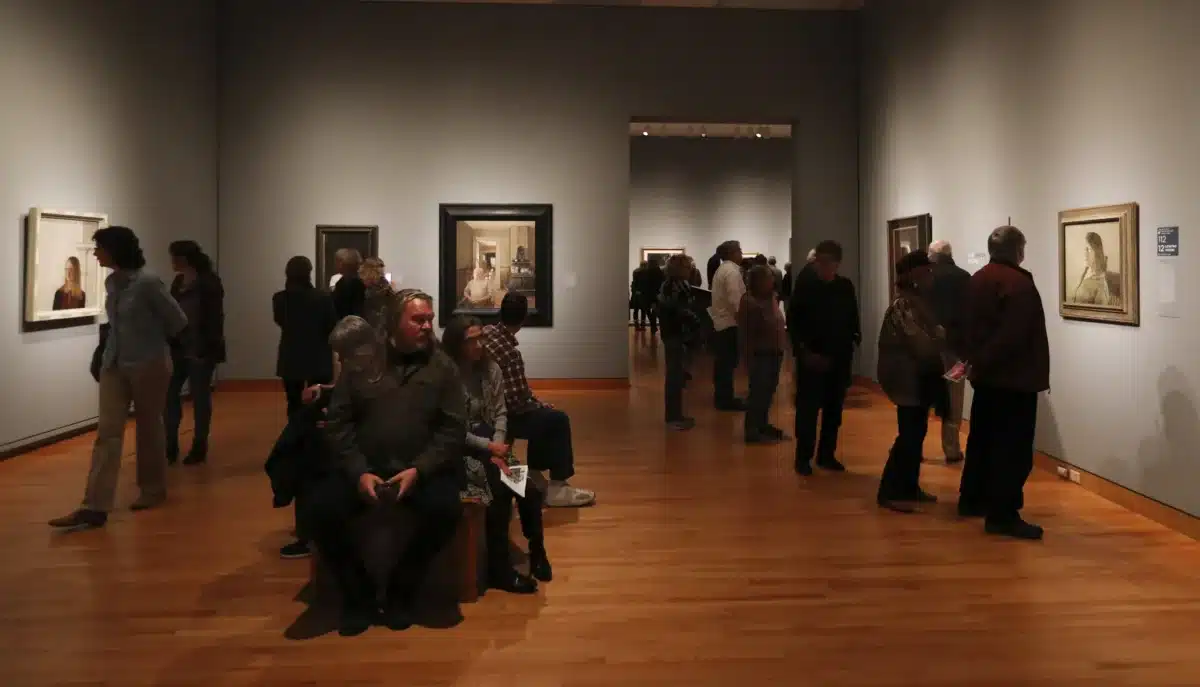
Curated with meticulous attention to narrative flow, the exhibition spaces guide visitors gracefully through the shifting phases of Wyeth’s creative evolution. From early illustrative brilliance to late-career masterpieces characterized by stark emotional economy, the collection highlights the breadth of his vision. It stands as a defining cultural event for the 2026 arts calendar in Osaka.
Event Information
- Website: https://www.aham.jp/exhibition/future/wyeth/
Landscapes, People & Everyday American Life
- Meticulous documentation of rural American existence away from bustling modern urban centers
- Deeply empathetic portraits of lifelong neighbors, friends, and local rural workers
- Unflinching depictions of weathered wooden barns, rusted machinery, and forgotten farm implements
- Seasonal transformations capturing the austere beauty of stark winter fields and autumn decay
- Celebration of quiet human dignity found within marginalized or isolated rural communities
- Rejection of industrial modernization in favor of timeless, elemental natural rhythms
- Intimate domestic interiors reflecting the quiet psychological weight of everyday solitude
- Seamless integration of human figures into vast, melancholic geographical expanses
Christina Olson & Other Iconic Works
- Groundbreaking inclusion of works celebrating his most famous muse, Christina Olson
- Profound visual explorations of resilience, physical limitation, and unyielding human spirit
- Rare international loans showcasing pivotal masterpieces from prestigious American public collections
- Detailed character studies examining the profound bonds between the artist and his local subjects
- Iconic compositions depicting the austere architecture of coastal Maine farmhouses and fields
- Emotional narratives capturing the deep psychological undercurrents of rural solitude and friendship
- Historical milestones in twentieth-century figurative art brought together for Japanese audiences
Video
Location
FAQ
What are the specific age guidelines and entry policies enforced by the museum for this special exhibition?
Children of all ages are welcome to attend, though younger visitors must be supervised by a responsible adult guardian at all times. Strollers may be subject to gallery restrictions during peak hours to ensure safe pedestrian flow.
How are timed-entry reservations managed for ticket holders visiting the Abeno Harukas Art Museum?
Visitors are required to select specific entry date and time windows when purchasing advance tickets to manage gallery density effectively. Guests arriving outside their designated window should consult on-site staff regarding available standby options.
Are photography and video recording permitted inside the exhibition galleries housing the original artworks?
Photography, video recording, and audio capturing are strictly prohibited within all special exhibition rooms to protect fragile pigments and copyright agreements. Visitors must keep mobile devices powered off or silenced throughout the gallery spaces.
Can visitors exit and re-enter the exhibition spaces once their admission ticket has been scanned?
Re-entry to the exhibition floor is strictly not permitted once a visitor has passed the gallery exit checkpoint. Guests are encouraged to complete restroom breaks and gift shop visits accordingly before entering.
What accessibility accommodations are available for visitors with mobility impairments at the venue?
The museum provides full wheelchair accessibility, elevators, and barrier-free pathways across all exhibition levels for optimal visitor comfort. Visitors requiring specialized physical assistance can coordinate directly with venue staff upon arrival.
What steps should attendees take if they misplace personal belongings during their museum visit?
Lost property items should be reported immediately to the nearest museum security officer or information desk assistant. Unclaimed items are securely logged at the main reception desk for designated retrieval processing.

Leave a Reply