

-
August 2, 2027
Event date:
-
August 7, 2027
Event end:
Festival Background
The Aomori Nebuta Festival, known locally as Nebuta Matsuri, stands proudly as the largest and most iconic summer festival in Japan’s Tohoku region. Its roots stretch back into the 18th century, evolving from ancient local rituals intended to chase away sleepiness and evil spirits during the busy farming seasons of summer. Over generations, these agrarian purification rites merged with regional Tanabata floating lantern customs, transforming a quiet local observance into one of the country’s most dazzling and celebrated cultural spectacles.
As the decades progressed, the scale of the festival expanded dramatically alongside the craftsmanship of the floats. Communities and guilds began competing to build larger, more intricate structures, turning the city streets into an outdoor art gallery of light and color. This organic evolution cemented its status as a vital pillar of northern Japanese heritage, capturing the imagination of travelers from across the globe who flock to Aomori every August.
In recognition of its deep historical value and unique artistic craftsmanship, the Aomori Nebuta Festival has been officially designated as an Important Intangible Folk Cultural Property of Japan. This prestigious title protects the specialized skills of the master float makers and preserves the traditional music, dance steps, and community-driven spirit that have kept the festival vibrant for hundreds of years.
Enjoy Your Event Stress-Free with Japan Travelo
Do you know? Planning events, festivals, concerts, and cultural experiences in Japan can be overwhelming. Japan Travelo brings everything together in one place, helping you manage your itinerary, transport, and accommodation with ease—so you can enjoy Japan without the stress of planning.
Cultural Significance
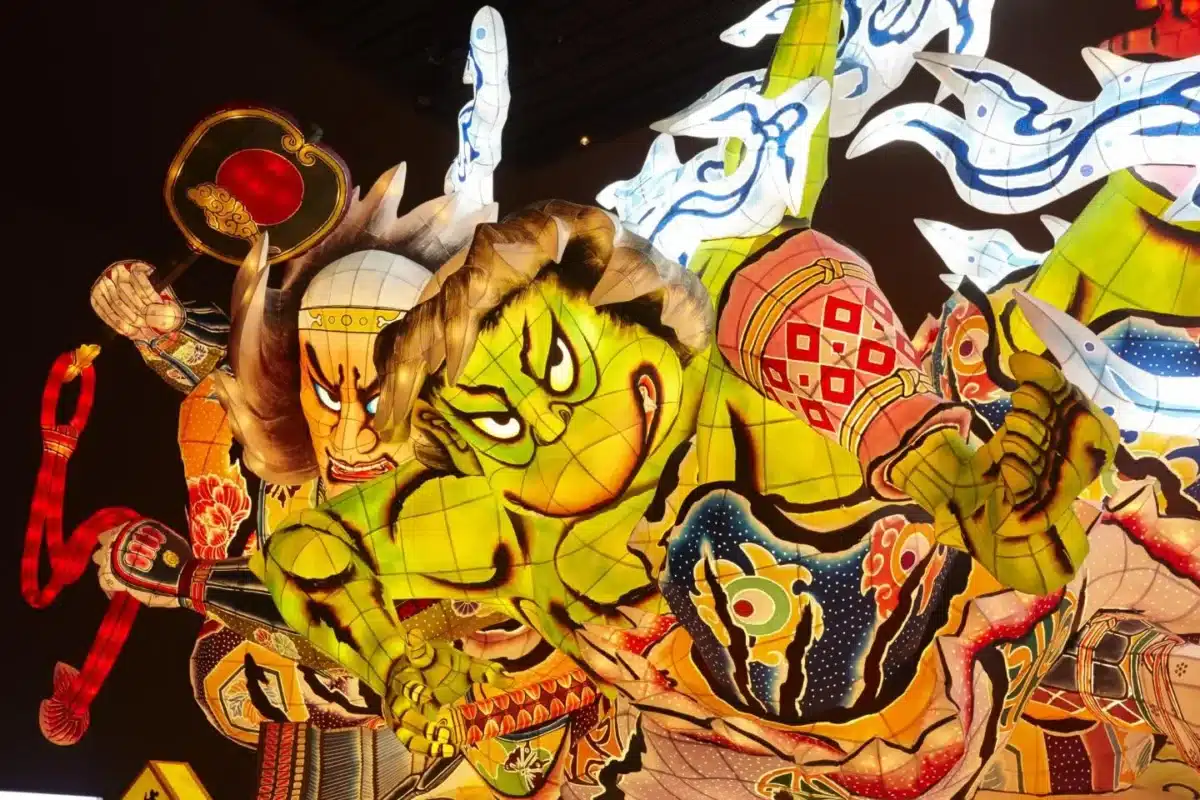
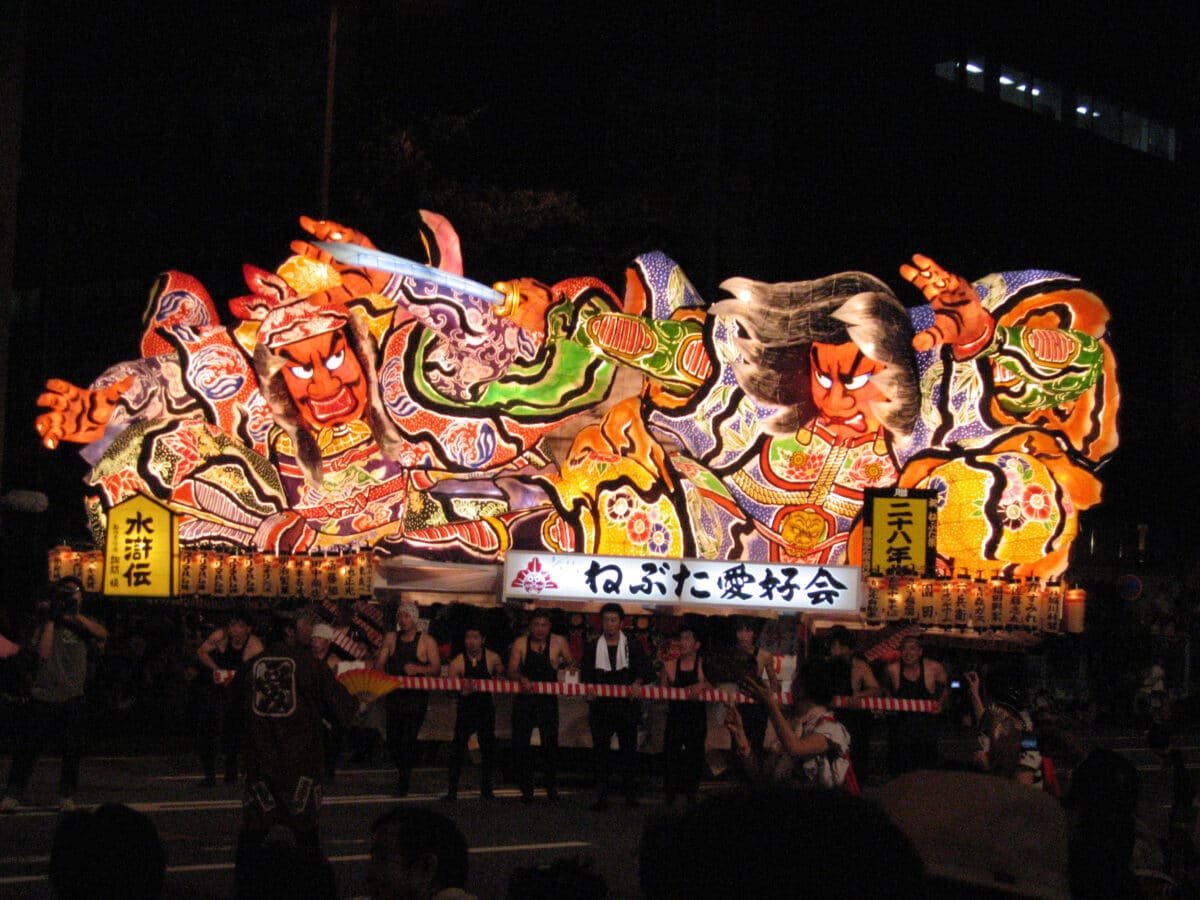
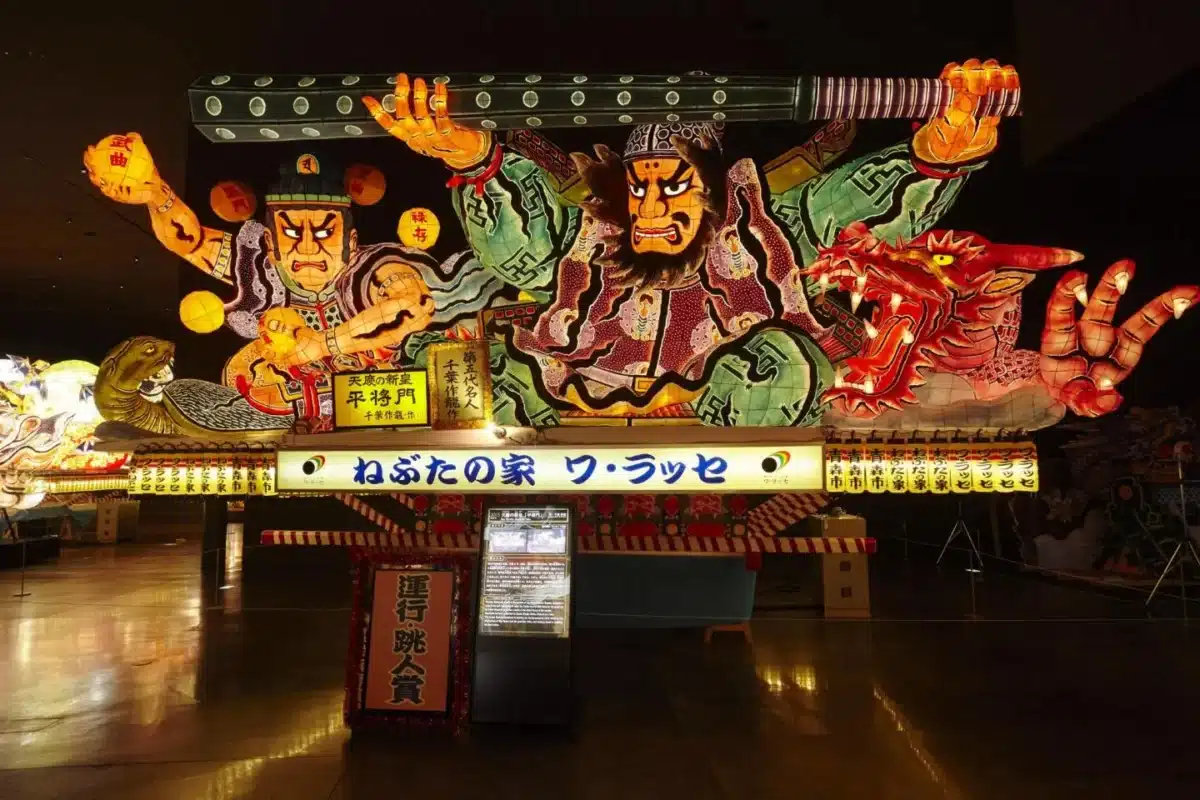
At the heart of the festival are the Nebuta lantern floats, magnificent works of art constructed from painted washi paper stretched over wireframes and illuminated brilliantly from within. These glowing giants typically depict fearsome gods, historic heroes, mythical figures from Japanese folklore, kabuki actors, and legendary warriors, serving as a powerful visual tribute to Japanese epic storytelling and heritage.
For the residents of Aomori City, the festival is much more than a seasonal event—it is the beating heart of local identity and communal pride. Months of meticulous labor go into designing and building each float, bringing together neighborhood associations, master artisans, and local youth. This collaborative effort fosters a deep sense of belonging and ensures that ancient artisanal techniques are safely passed down to the next generation.
The core values underpinning the festival are unity, resilience, and exuberant joy. By shouting the traditional “Rassera, rassera” chant and dancing through the streets, participants and spectators shed the burdens of daily life, welcoming collective energy, community harmony, and a renewed spirit for the remainder of the year.
2027 Dates & Duration
- Date: August 2–7, 2027
- Duration: 6 days
- Season: Summer
- Location: Aomori City, Aomori Prefecture
Main Location
- City: Aomori, Japan
- Main parade area: Central Aomori City (3-km parade route)
- Nearby landmark: Aomori Station area and Rassera Land
Festival Schedule
- August 2–3: Children’s Nebuta and large float parades showcasing the community’s younger participants alongside grand lantern displays.
- August 4–6: Main large Nebuta parades featuring full-scale competitive floats pushing through the city core.
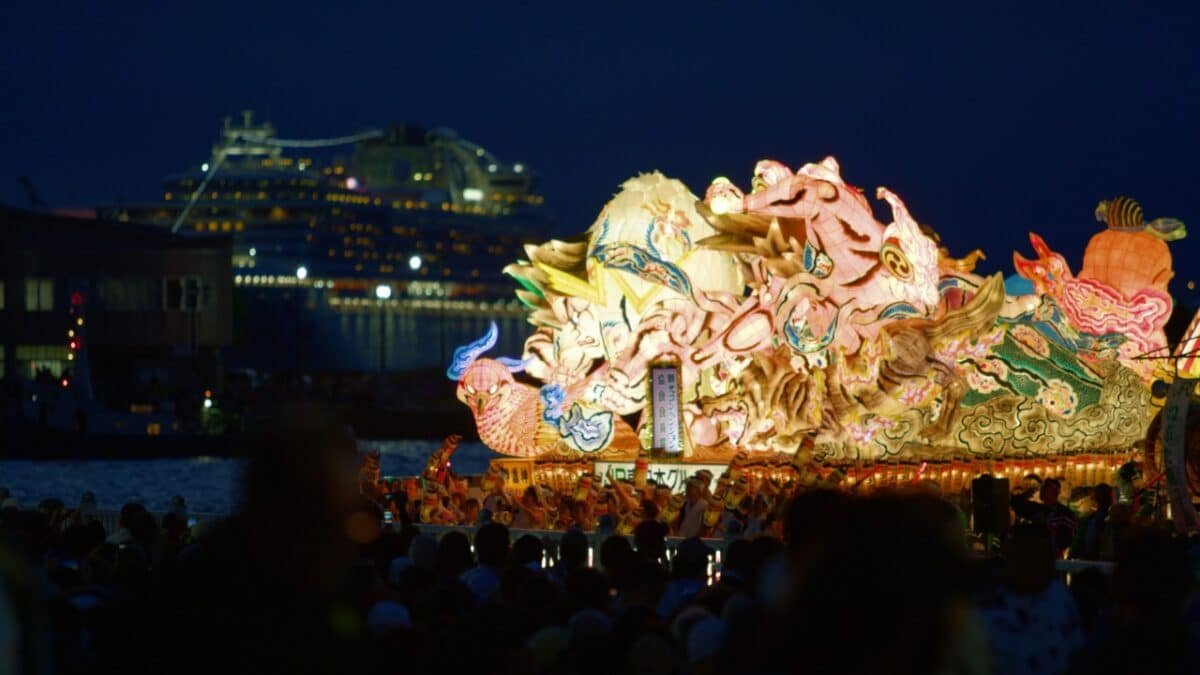
- August 7: Day parade, spectacular marine procession on the water, and a grand fireworks finale to close out the festival.
Traditional Activities
The festival comes alive through an array of dynamic sights and sounds that transform Aomori City into an open-air celebration. Teams of builders, musicians, and dancers unite to put on a show that engages every single human sense, bridging the gap between historical custom and modern festive energy. Float-making traditions are treated with utmost reverence, requiring months of detailed hand-painting and structural engineering.
Main activities:
- Viewing giant lantern floats illuminated from within
- Joining Haneto dancing along the parade route
- Watching traditional musicians and drummers perform live
- Visiting float display areas at Rassera Land during the day
Performances
The auditory landscape of the festival is defined by the Nebuta bayashi, a driving musical accompaniment featuring thunderous taiko drums, delicate flute melodies, and traditional hand cymbals. This hypnotic, fast-paced rhythm echoes down the boulevards, setting the energetic tempo for the entire procession.
Alongside the musicians, thousands of costumed Haneto dancers leap and spin through the streets shouting encouragement. Their synchronized movements, vibrant floral hats, and unbridled enthusiasm create an electrifying performance art piece that invites everyone present to become part of the show rather than mere onlookers.
Food & Markets
During festival week, Aomori City transforms into a massive culinary open-air market, filling the summer night air with the mouthwatering aromas of local Tohoku delicacies. Food stalls line the streets offering everything from quick festival snacks to hearty regional meals prepared by local vendors.
Popular foods:
- Aomori seafood dishes featuring fresh catches from Mutsu Bay
- Local snacks including apple-infused treats unique to Aomori Prefecture
- Classic festival street foods like yakisoba, grilled squid, and cotton candy
Visitor Experience & Etiquette
Attending the festival is an unforgettable experience, but keeping the event safe and harmonious requires mindfulness of local customs and safety guidelines. With millions of participants packing the narrow downtown streets, cooperation ensures everyone can enjoy the magic safely.
Visitors should:
- Respect parade areas and stay behind designated safety lines
- Follow crowd instructions and directions from event staff
- Avoid blocking performers or stepping into active dance lanes
- Keep the area clean by utilizing nearby recycling and trash stations
Ticket Requirements
- Festival viewing: Free along public ground-level areas of the 3-km route
- Reserved seats: Paid seating options available for guaranteed comfortable viewing
- Participation rules: Specific costume and registration rules apply for visitors wishing to join as official Haneto dancers
Free vs Paid Activities
Free:
- Street parade viewing along public sidewalk sections
- Immersing in the general festival atmosphere throughout the city
- Exploring Rassera Land float display areas during daytime hours
Paid:
- Reserved seating tickets for optimal front-row viewing comfort
- Special guided tours and curated experiential packages
- Purchasing local food, beverages, and festival merchandise
How to Get There
Traveling to Aomori City for the festival is straightforward via Japan’s efficient rail network, connecting major hubs directly to the doorstep of the celebration.
- Nearest city: Aomori City, Aomori Prefecture
- Nearest station: JR Aomori Station (just a short walk from the main action)
- Access from Tokyo: Take the Tohoku Shinkansen to Shin-Aomori Station, then transfer to a local train for a quick 5-minute ride to JR Aomori Station.
Public Transport
- Train routes: Tohoku Shinkansen connecting Tokyo to Shin-Aomori, with frequent local train shuttles into JR Aomori Station.
- Bus information: Special local city bus routes operate on modified schedules to navigate street closures around the parade route.
- Walking distance: The main parade loop and Rassera Land are within an easy 5 to 10-minute walk straight out of JR Aomori Station.
Photography Rules
Photography is warmly welcomed during the festival, and spectators are encouraged to capture the glowing beauty of the giant lantern floats. However, photographers must remain cautious not to step into the active parade lanes or obstruct the path of fast-moving floats and dancing groups.
When shooting close to performers, avoid using intrusive flash directly in the eyes of participants or musicians. Respecting local event rules and keeping tripods out of dense pedestrian walkthroughs ensures a smooth and pleasant environment for everyone sharing the space.
Family Suitability
The Aomori Nebuta Festival is a vibrant, high-energy event that offers a thrilling cultural adventure for all generations, making it a fantastic destination for family vacations.
Good for:
- Families looking for a dynamic, visually stunning Japanese summer tradition
- Children who will love the larger-than-life glowing warrior and animal floats
- Cultural travelers eager to experience authentic Tohoku regional heritage firsthand
Accessibility
- Accessible transport options: Available via major rail stations equipped with elevators and ramps.
- Crowd considerations: The city becomes extremely crowded during evening parade hours, requiring extra planning.
- Wheelchair planning advice: Arrive early to secure positions near wider street sections or utilize paid accessible seating zones if available.
Video
Location
FAQ
When is Aomori Nebuta Festival held?
It is held annually from August 2nd to August 7th.
Is it free to attend?
Yes, viewing the parade from public street areas is completely free.
Where does the parade happen?
It takes place along a 3-kilometer loop in central Aomori City, starting and ending near the Aomori Station area.
Can tourists join the dancing?
Yes, anyone can join the Haneto dance as long as they wear the official traditional Haneto costume and register according to festival rules.
What is the best day to visit?
August 4 through 6 feature the peak large-float competitions, while August 7 offers the stunning daytime parade and evening fireworks finale.
How long does the festival last?
The main festival runs for 6 consecutive days every August.
Are there daytime events?
Yes, visitors can view the floats up close at Rassera Land during the day and meet the designers.
What is the weather like in Aomori in August?
Summer in Aomori is generally warm and pleasant during the day, though evenings can cool down slightly.

Leave a Reply