

-
September 12, 2026
Event date:
-
September 19, 2026
Event end:
Japan vs USA & Key Semi-Final Clash
The blockbuster semi-final showdown between host nation Japan and the United States men’s national team stands as one of the most anticipated fixtures of the tournament calendar. Fans packed into the grandstands witness a tactical masterclass as Japan’s trademark high-tempo, ball-handling continuity confronts the physical power and athletic prowess of the American squad. Both teams boast rich histories against each other, turning every encounter into an unpredictable physical chess match.
Japan enters the fixture aiming to leverage home-field advantage, relying on razor-sharp discipline, rapid ruck speed, and precision tactical kicking to dismantle defensive lines. Meanwhile, the USA side utilizes their formidable size advantage in the set-pieces, looking to win the gainline battle and unleash dangerous outside backs into open space. Coaches from both camps spend weeks dissecting video footage to exploit minor defensive vulnerabilities during high-pressure phases.
The psychological weight of a semi-final appearance means that unforced errors, penalty counts, and red-zone conversion rates dictate the fine margin between victory and elimination. Captains must rally their troops through punishing defensive stands and capitalize ruthlessly whenever scoring opportunities materialize within enemy territory. The roar of the home crowd acts as an extra player for Japan, while the visiting USA side thrives on the underdog narrative.
Enjoy Your Event Stress-Free with Japan Travelo
Do you know? Planning events, festivals, concerts, and cultural experiences in Japan can be overwhelming. Japan Travelo brings everything together in one place, helping you manage your itinerary, transport, and accommodation with ease—so you can enjoy Japan without the stress of planning.
- High-stakes semi-final matchup between tournament host Japan and the physical USA squad
- Strategic contrast between Japan’s rapid-phase ball movement and American set-piece dominance
- Intense tactical battles around the breakdown and territorial kicking duels
- Crucial discipline demands where penalty concessions can instantly alter momentum
- Home-crowd advantage energizing the Japanese roster through punishing defensive sequences
- High-pressure decision-making required from captains and playmakers in the red zone
- Epic battle for survival determining who advances directly to the championship final match
Event Schedule
- Event Date: September 12, 2026 and September 19, 2026
- Event Duration: Approximately 120 minutes per standard international rugby match including halftime intervals
Visiting this event? Don’t miss out on these amazing activities and local experiences while you’re here.
Japanese Rugby Culture & Pacific Nations Rivalry
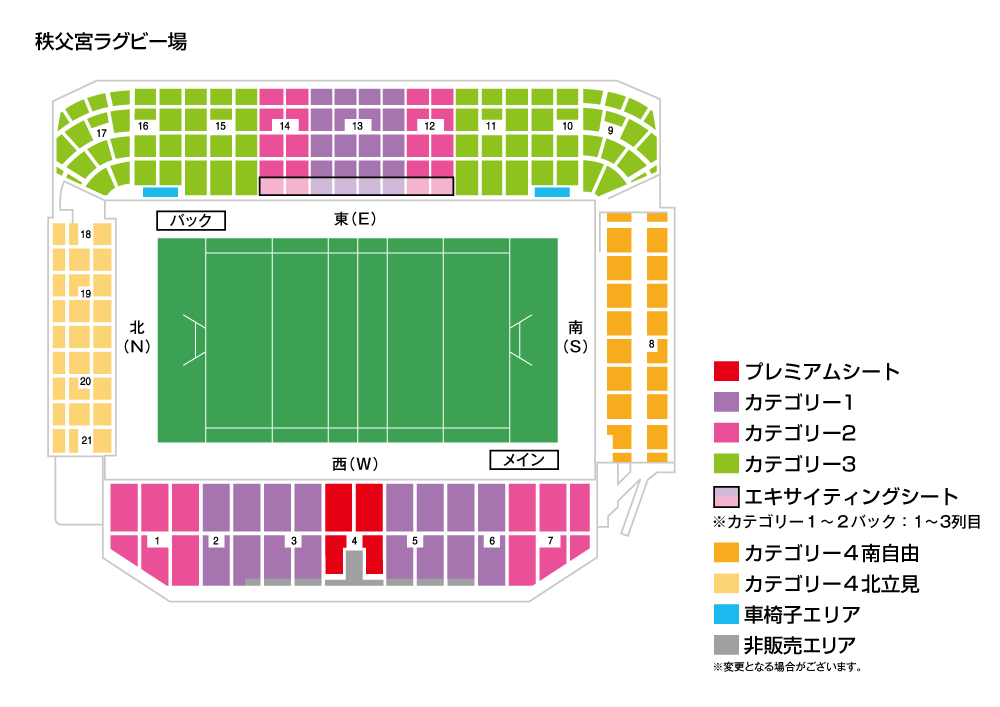
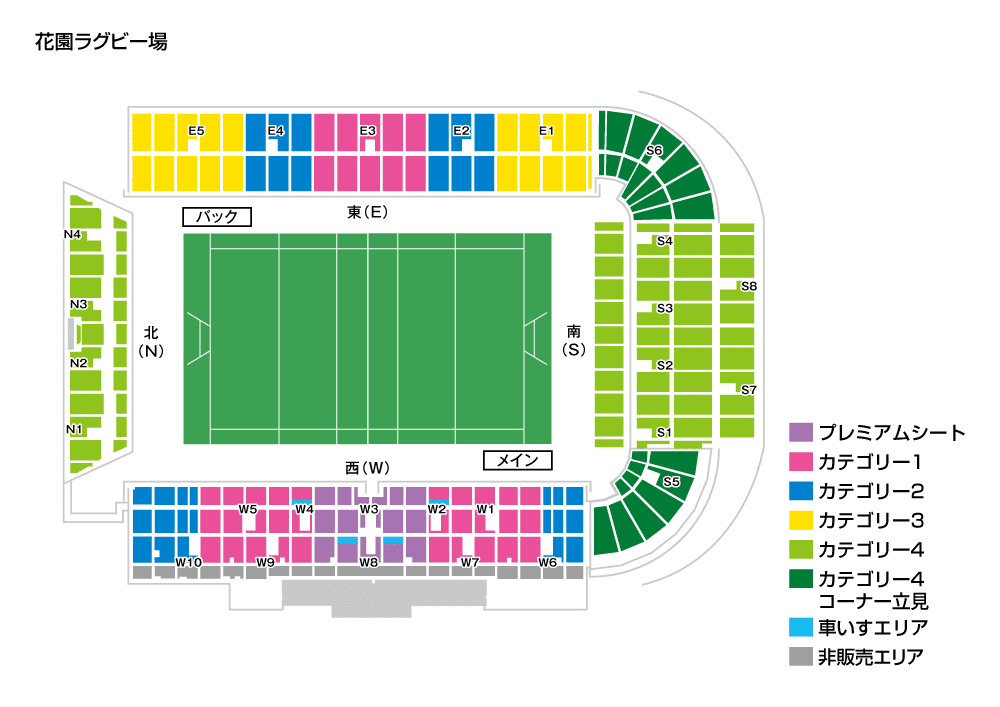
Japan’s rich rugby culture offers a uniquely hospitable, highly organized, and deeply respectful environment for international teams and traveling supporters alike. Spectators fill historic venues like Chichibunomiya and Hanazono, displaying profound appreciation for brilliant play regardless of which jersey the athlete wears. This sportsmanship-first ethos has earned Japanese host cities global acclaim as premier destinations for world rugby events.
The historical rivalries nurtured within the Pacific Nations Cup framework create a tight-knit community among participating nations, fostering mutual respect forged through shared battle. Teams return year after year, deepening cultural exchanges and building lasting friendships that transcend the 80 minutes of fierce competition on the turf. Fans share food, stories, and merchandise outside the gates, celebrating the universal language of rugby union.
Hosting crucial tournament phases in Tokyo and Osaka cements Japan’s status as a superpower of international rugby administration and event execution. The seamless blend of traditional Japanese hospitality with cutting-edge stadium logistics ensures an unforgettable experience for every attendee. It stands as a shining beacon of how sport bridges cultural divides across the Pacific.
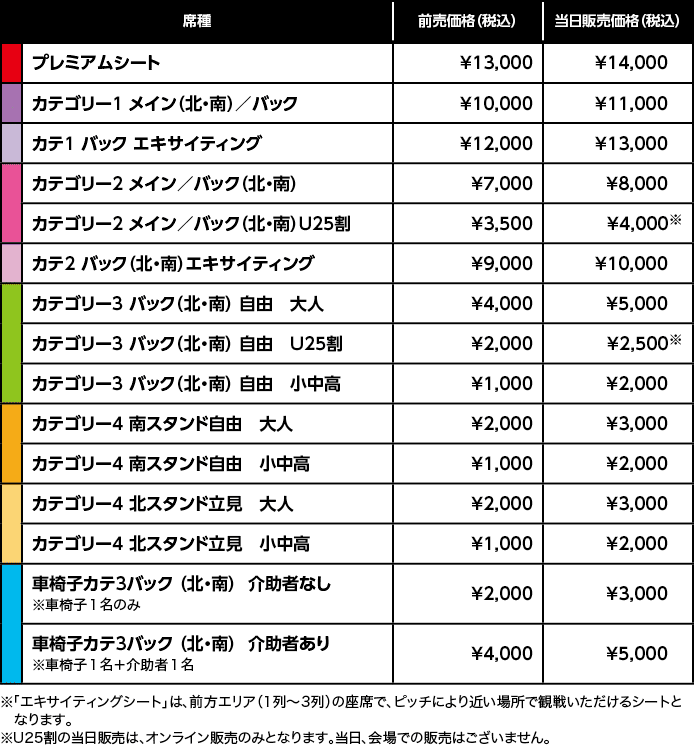
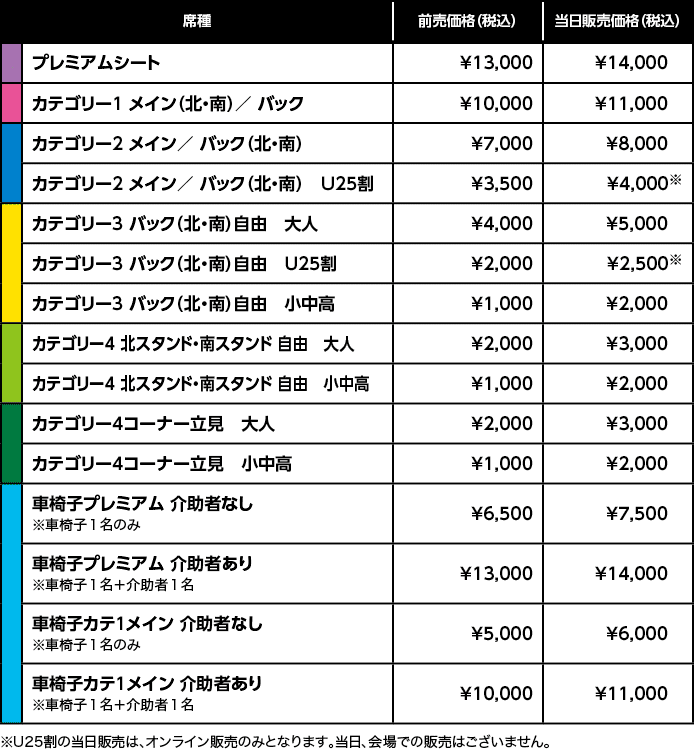
Ticket Prices
- How Tickets Are Sold: Tickets are distributed via official primary online platforms like Ticket Pia, Japan Rugby Football Union ticket portals, and authorized secondary exchanges.
- Admission Type: Reserved seating match tickets required for all spectators entering the stadium stands across all tournament phases.
- Ticket Pricing: Ticket pricing ranges from a minimum of $25.00 for general upper-tier category seating up to a maximum of $115.00 for premium sideline box seats.
- Special Seating Options: Family-friendly blocks, accessible wheelchair platforms, and companion seating areas designed to accommodate diverse spectator groups safely.
- VIP Options: Premium hospitality packages featuring central grandstand vantage points, lounge access, and exclusive commemorative tournament merchandise bundles.
Fiji vs Canada & Pacific Rugby Competition
The semi-final battle pairing Fiji against Canada highlights the fascinating stylistic diversity embedded within the Pacific Nations Cup tournament structure. Fiji enters the contest renowned for its electrifying broken-field running, offloading genius, and ferocious defensive hits that keep opponents constantly guessing. Their unpredictable flair captures the imagination of fans worldwide, turning defense into attack within the blink of an eye.
Canada approaches the fixture with a proud rugby tradition built upon resolute forward resilience, structured phase play, and tireless work ethics across the park. The Canadian squad focuses heavily on neutralizing Fijian attacking threats through disciplined defensive spacing and suffocating tackle technique at the advantage line. Controlling the tempo of the game becomes paramount for the North American side to stymie the islanders’ natural momentum.
Getting to the Venue
- City and Country: Tokyo and Higashiosaka, Japan
- Venue Name: Chichibunomiya Rugby Stadium (Tokyo) and Hanazono Rugby Stadium (Osaka)
- Google Maps Address: 2-8-1 Kitaaoyama, Minato City, Tokyo 107-0061, Japan / 1-1-1 Matsubaraminami, Higashiosaka, Osaka 578-0923, Japan
Rugby World Cup 2027 Preparation & International Significance
Participation in the Pacific Nations Cup serves as an indispensable proving ground for national teams calibrating their master plans toward the Rugby World Cup 2027. Coaches utilize these high-pressure test matches to test tactical innovations, blood debutants, and finalize squad depth against tier-one and competitive peer nations. Every minute played on the pitch contributes valuable data toward building a championship-winning roster for the global stage.
The tournament provides a vital financial and developmental heartbeat for participating unions, ensuring consistent high-level competition outside traditional windows. Governing bodies evaluate player performance under fatigue, examining how athletes handle the brutal physical demands of international travel and rapid match turnarounds. Success in Japan elevates a nation’s global standing and instills profound self-belief within the player group.
As rugby continues its expansion across international markets, events hosted in traditional strongholds like Japan inspire upcoming generations of athletes and fans. The structural rigor of the Pacific Nations Cup guarantees that teams are battle-tested and mentally conditioned for the unique hardships of global tournaments. These foundational fixtures leave an enduring legacy long after the final trophy is lifted.
Event Information
- Email: support@rugby-japan.or.jp
- Phone Number: +81 3-3401-3289
- Website: https://www.rugby-japan.or.jp/
International Teams & Pacific Rugby Rivalries
The prestigious Asahi Super Dry Pacific Nations Cup brings together four formidable national rugby unions in a high-stakes international tournament designed to crown the ultimate champion of the region. Competing nations feature distinct tactical styles, ranging from the physical powerhouse forward play of Pacific Island teams to the fast-paced, highly disciplined structures of North American and Asian squads. Every match serves as a fierce battleground where national pride, regional bragging rights, and world ranking points hang in the balance.
The expansion and restructuring of the tournament by World Rugby highlight the vital importance of Tier Two and emerging tier-one crossover fixtures in cultivating global rugby growth. Teams spend months preparing strategic game plans, analyzing opponent tendencies, and conditioning their squads to survive the grueling physical toll of consecutive international test matches. Fans eagerly anticipate the clash of differing rugby philosophies, where tactical kicking games often collide with exhilarating, unstructured counter-attacks.
As the tournament progresses from pool matches into the decisive knock-out rounds hosted in Japan, the intensity multiplies exponentially with every single minute played. Players understand that executing under extreme pressure on foreign soil tests not only their athletic capabilities but also their mental resilience as a collective unit. These cross-border rivalries forge deep mutual respect among athletes while delivering breathtaking sporting entertainment to packed stadium crowds.
The global visibility of the Pacific Nations Cup provides an essential platform for national unions to showcase next-generation talent alongside seasoned veteran leadership. Broadcasters beam the action to millions of viewers worldwide, amplifying the cultural footprint of rugby across the Pacific rim and beyond. Ultimately, these international encounters lay the groundwork for long-term competitive excellence on the world stage.
- Four elite national rugby unions competing in a fast-paced, high-stakes international championship format
- Clash of contrasting tactical styles featuring heavy forward dominance and rapid backline play
- Crucial world ranking points and regional supremacy up for grabs across every fixture
- Rigorous physical conditioning and strategic adaptations required for consecutive test match weeks
- Global broadcasting reach amplifying the cultural footprint of Pacific and Asian rugby
- Debut of next-generation international prospects alongside seasoned veteran squad leaders
- Deep-seated historical rivalries fueling intense competitive drive among participating nations
Final, Third-Place Play-Off & Tournament Stakes
- Grand final showdown at Chichibunomiya Rugby Stadium determining the undisputed 2026 champion
- High-intensity third-place play-off matching losing semi-finalists in a battle for pride
- Championship silverware and continental bragging rights awarded to the tournament winner
- Tactical evolution displayed by coaching staffs adjusting strategies from semi-final lessons
- Elite players pushing through physical exhaustion to deliver one final legendary performance
- Massive global media attention focused on the climax of the international window
- Emotional post-match ceremonies celebrating sportsmanship, resilience, and regional unity
- Critical momentum-building milestones achieved ahead of upcoming global World Cup qualifiers
Live Rugby Action, Fan Atmosphere & Match-Day Experience
- Thunderous collisions and bone-rattling tackles echoing clearly through open-air stadium bowls
- Breathtaking long-range counter-attacks and spectacular acrobatic tries scored in the corners
- Vibrant pre-match fan zones featuring live entertainment, local cuisine, and interactive games
- Sea of national jerseys, flags, and coordinated cheering from passionate supporters in the stands
- Respectful sportsmanship displayed as fans of opposing teams sit side-by-side peacefully
- Immersive stadium sound systems pumping up energy levels during critical penalty kicks
- Post-match player laps of honor thanking traveling and local supporters for their loyalty
- Seamless public transit coordination and hospitality services guiding massive crowds safely
Location
FAQ
What national teams are competing in the Asahi Super Dry Pacific Nations Cup 2026?
The tournament features four elite national rugby unions comprising Japan, the United States, Fiji, and Canada. These teams battle through semi-finals and placement matches to determine the ultimate regional champion.
Which historic stadiums in Japan are hosting the tournament matches?
The semi-finals are staged at Hanazono Rugby Stadium in Osaka Prefecture, while the finals take place at Chichibunomiya Rugby Stadium in Tokyo. Both venues boast storied traditions in Japanese rugby history.
How are the match fixtures structured across the two tournament dates?
Action kicks off with the semi-final fixtures on September 12, 2026, at Hanazono. The tournament concludes a week later on September 19, 2026, with the third-place play-off and championship final in Tokyo.
What is the primary significance of this tournament for the participating squads?
Teams use these high-intensity international test matches to sharpen their tactical approaches and build depth ahead of the Rugby World Cup 2027. Winning the title also secures immense prestige and global ranking momentum.
How can supporters purchase tickets for the upcoming fixtures in Tokyo and Osaka?
Tickets can be secured online through official primary ticketing platforms such as Ticket Pia and official rugby union web portals. Advance booking is strongly recommended due to high expected demand for international matches.
What stadium rules apply to spectators attending matches at the venues?
Attendees must pass standard security bag checks at the gates and comply with all venue codes of conduct regarding prohibited items. Respectful cheering and adherence to seating allocations are strictly enforced by event staff.

Leave a Reply