
-
August 8, 2026
Event date:
-
August 9, 2026
Event end:
Overview
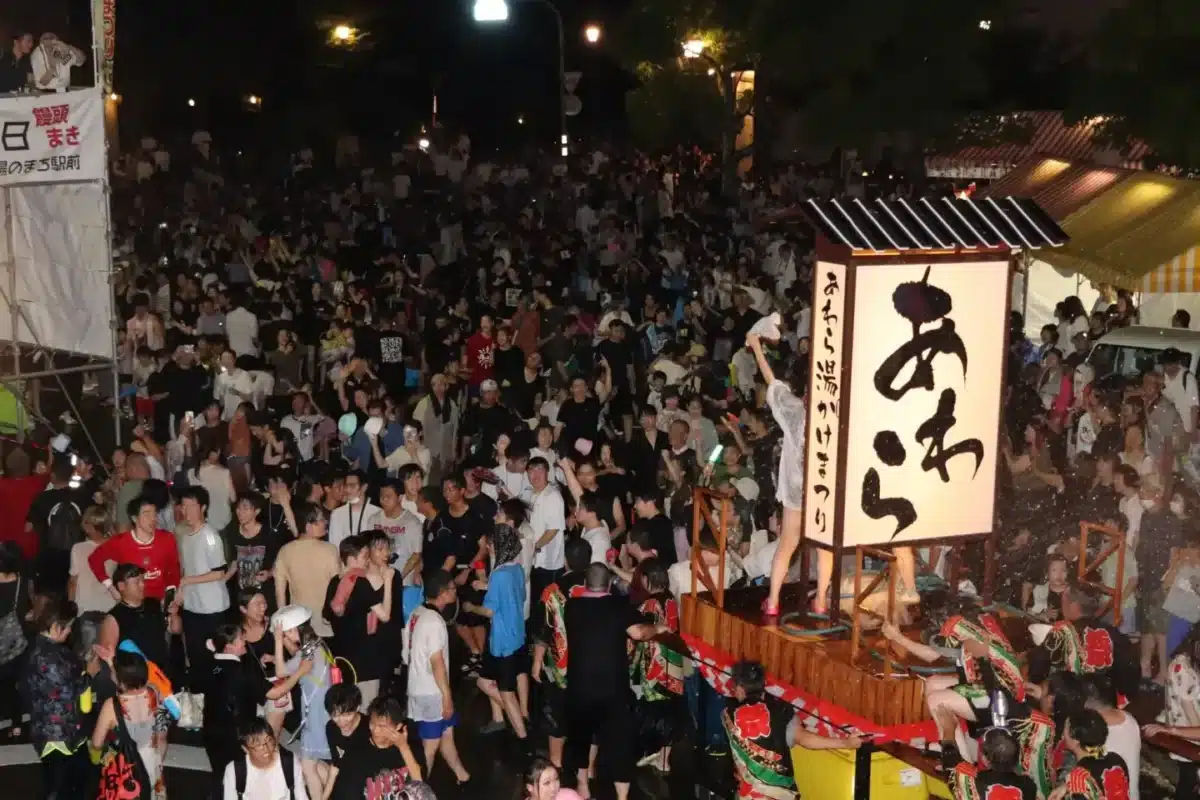
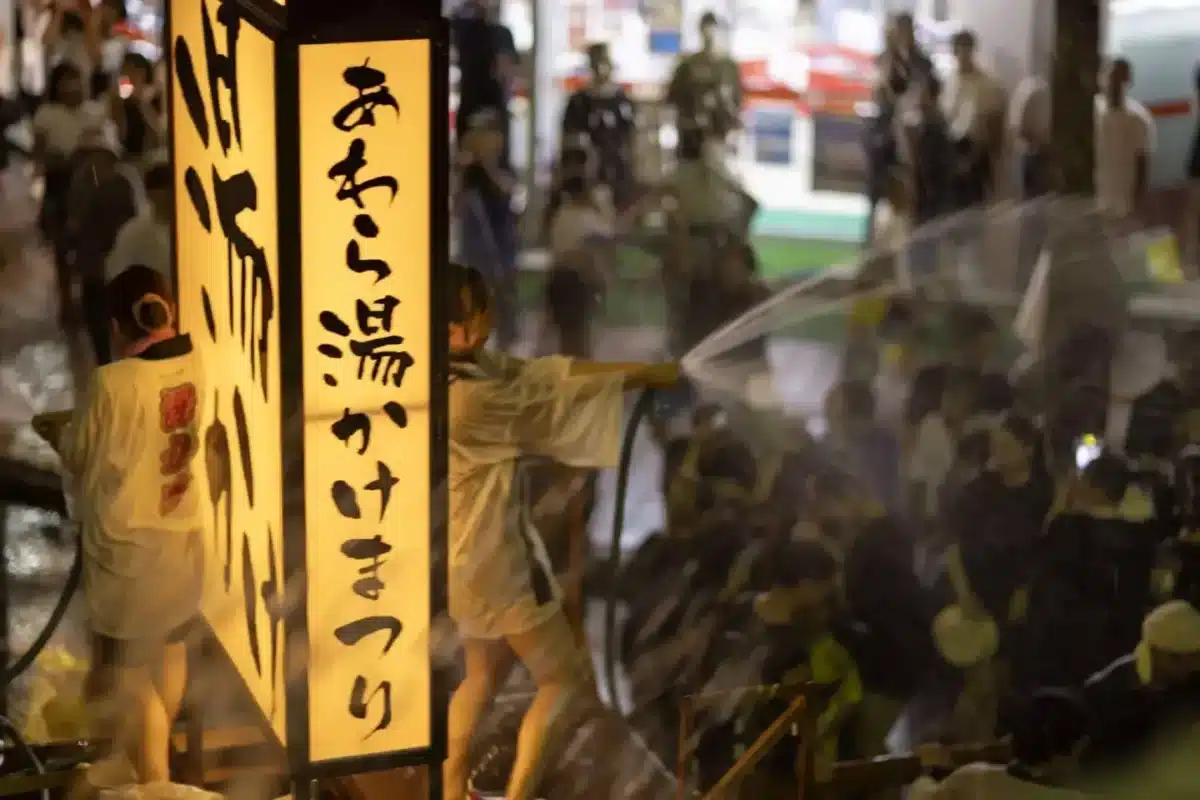
The Awara Yukake Festival emerges as an extraordinary and deeply invigorating mid-summer celebration, masterfully transforming the tranquil, historical resort town of Awara Onsen into a dynamic stage of communal joy. Celebrated with immense fervor in Fukui Prefecture, this rare interactive event centers around the symbolic act of throwing gallons of fresh, mineral-rich thermal spring water over sacred portable shrines as they progress through the streets. This exuberant display serves as a profound collective expression of gratitude for the earth’s natural thermal blessings, which have sustained the local economy, health, and hospitality for generations.
The atmosphere throughout the festival grounds is spectacularly electric, effectively collapsing the traditional barrier between spectator and participant. As the portable shrines parade through the town, local residents, enthusiastic children, and international visitors alike wield wooden buckets, water basins, and water guns to unleash cascades of warm onsen water. The air becomes heavy with rising steam, refreshing laughter, and the resonant echoes of festival chants, creating a highly immersive sensory experience that embodies the quintessential warmth and open-hearted spirit of rural Japanese hospitality.
Beyond the playful aquatic battles that define the afternoon, the festival unfolds into a multi-layered cultural showcase that extends well into the evening hours. The celebration seamlessly incorporates elegant folk dance presentations, powerful musical showcases, and time-honored neighborhood rituals that bring the entire district to life. Whether one is drawn by the thrill of the lively water fights, the deep cultural roots of the performances, or the simple pleasure of an authentic hot spring holiday, this remarkable gathering offers an unforgettable journey into the heart of Fukui’s living folklore.
Enjoy Your Event Stress-Free with Japan Travelo
Do you know? Planning events, festivals, concerts, and cultural experiences in Japan can be overwhelming. Japan Travelo brings everything together in one place, helping you manage your itinerary, transport, and accommodation with ease—so you can enjoy Japan without the stress of planning.
Event Highlights
- Participate directly in the high-energy water-pouring rituals by splashing warm, therapeutic hot spring water onto the parading portable shrines.
- Admire the grace and precision of hundreds of local dancers during the traditional folk song evening that illuminates the resort district.
- Join the enthusiastic crowds during the auspicious manju throwing ceremony to catch complimentary, freshly steamed sweet buns tossed by organizers.
- Experience the thunderous, soul-stirring rhythms of regional taiko drumming ensembles performing live in the open-air station plaza.
Why Attend
This festival represents an essential pilgrimage for cultural enthusiasts, families, and wellness travelers who seek an authentic, active encounter with Japan’s historic onsen heritage. The event stands out as a wonderfully uncommercialized celebration, offering an accessible environment where outsiders are not merely allowed to watch but are enthusiastically invited to become a core part of the ritual action.
Attending the celebration provides an unparalleled opportunity to experience the restorative lifestyle of Awara Onsen at its absolute peak of energy. It allows guests to perfectly balance the exhilarating, sun-drenched excitement of a traditional street festival with the profound relaxation of the town’s therapeutic thermal baths and the nostalgic charm of its evening culinary alleys, resulting in a holistic weekend getaway that rejuvenates both body and spirit.
Date & Duration
- Event Date: August 8th – August 9th 2026
- Event Duration: A magnificent two-day summer weekend celebration featuring the main water-pouring shrine procession on the opening day followed by dedicated folk dance showcases and traditional treat tosses on the concluding day.
Visiting this event? Don’t miss out on these amazing activities and local experiences while you’re here.
Ticket Information
- How Tickets Are Sold: General entry to the festival areas and street processions is completely unrestricted with no physical tickets or advanced reservations required.
- Admission Type: Open public access allowing all visitors to freely explore the vendor zones, watch live stages, and participate in the water throwing at their own pace.
- Ticket Pricing: Free Admission.
- Special Seating Options: No formal seating stands or reserved chairs are utilized as this is a mobile street parade and open-plaza event where spectators walk or stand along the route.
- VIP Options: No premium tiers, exclusive lounges, or paid VIP viewing zones are established, preserving the egalitarian and community-focused nature of the gathering.
Venue / Location
- City and Country: Awara, Japan
- Venue Name: Awara Onsen (Main activities are concentrated around the Awara-Yunomachi Station Plaza and adjacent hot spring resort streets)
- Google Maps Address: Onsen, Awara City, Fukui Prefecture, Japan
Contact Information
- Phone Number: 0776-77-1877
- Official Website: https://en.japantravel.com/fukui/awara-yukake-festival/71800
Accommodation Options:
For travelers intending to fully immerse themselves in the two-day festivities, securing accommodation within the immediate Awara Onsen district is highly recommended. The resort town boasts approximately twenty unique traditional ryokans and hot spring hotels, offering options that range from historic, high-end luxury estates with expansive landscape gardens to cozy, family-run budget guesthouses.
Residing directly within the thermal spring neighborhood allows you to seamlessly transition into a traditional yukata robe and step straight from your lodging into the festival action. Many of these local establishments feature exquisite, multi-course evening meals showcasing fresh seafood from the Sea of Japan and provide overnight guests with unlimited access to their private, mineral-rich therapeutic baths.
Getting There
- Nearest Airport: Komatsu Airport, situated in neighboring Ishikawa Prefecture, which offers convenient express shuttle bus and regional rail connections down to the resort district.
- Nearest Train/Metro Station: Awara-Yunomachi Station on the Echizen Railway Line, which positions passengers directly at the absolute epicenter of the festival grounds.
- Bus Routes or Public Transport Options: Regular local transit buses and dedicated festival shuttles operate frequently from JR Awaraonsen Station, which serves the high-speed Hokuriku Shinkansen line.
- Parking Availability: Generous public parking allocations are provided near the plaza area, including the substantial South Exit Parking Lot which accommodates drivers exploring the region.
- Directions by Car: Easily reachable via the Hokuriku Expressway, taking the exit at the Kanazu Interchange and following the clearly displayed regional signage toward the central Awara Onsen district.
Dining Recommendations
- Breakfast Recommendations:
- A complete, traditional Japanese morning set featuring locally harvested Fukui rice, flame-grilled fish, and steaming miso soup at a local inn.
- Freshly baked artisanal pastries paired with locally roasted coffee from independent cafes situated near the main station plaza.
- Wholesome, warming rice porridge sets served alongside an assortment of regional pickled mountain vegetables.
- Lunch Recommendations:
- Authentic Echizen Oroshi Soba, featuring chilled, handmade buckwheat noodles crowned with pungent grated daikon radish and savory dashi broth.
- Classic Fukui sauce katsudon, consisting of tender, crispy pork cutlets glazed in a sweet-savory Worcestershire-style sauce over premium steamed rice.
- Overflowing seafood bowls showcasing the freshest local catches sourced directly from the nearby cold waters of the Sea of Japan.
- Dinner Recommendations:
- An evening of casual culinary exploration at Yukemuri Yokocho, a nostalgic lantern-lit alleyway packed with intimate stalls serving charcoal-grilled chicken skewers and ramen.
- A luxurious, multi-course kaiseki dining experience highlighting tender Wakasa beef and seasonal heirloom vegetables at a traditional ryokan dining room.
- Hearty regional hot pot selections incorporating field-fresh vegetables and house-made tofu at a welcoming, family-run neighborhood izakaya.
- Local Specialties to Try:
- Echizen Oroshi Soba, the universally celebrated, exceptionally refreshing signature noodle dish of the Fukui region.
- Freshly steamed festival manju buns, especially the lucky varieties distributed directly to the crowds during the traditional throwing ceremonies.
- Premium, locally brewed Fukui sake crafted meticulously from the pure mountain spring runoff and high-grade rice crops of the prefecture.
What is this event?
The Awara Yukake Festival is a specialized summer cultural event centered around throwing mineral-rich hot spring water onto portable mikoshi shrines. It takes place within the historic resort streets of Awara Onsen to honor the natural thermal waters that sustain the community.
The festival blends sacred spiritual blessings with lighthearted, high-energy water battles that bring residents and tourists together. It transforms the urban plaza into an open-air playground where visitors can experience authentic regional traditions through direct participation.
Why is it popular?
The event is widely celebrated because it breaks the conventional rules of traditional festivals by allowing spectators to actively splash the performers and shrines. Anyone can grab a bucket or water gun, creating an inclusive atmosphere filled with shared laughter and excitement.
It is also highly regarded for its beautiful evening transitions, featuring synchronized folk dances and powerful taiko drum showcases under paper lanterns. This seamless combination of daytime playfulness, cultural depth, and hot spring relaxation makes it a definitive highlight of Fukui’s summer calendar.
Tips before you go
- Pack a complete change of dry clothing and a reliable waterproof dry bag to ensure your phone, wallet, and camera equipment remain fully protected from water.
- Wear secure, water-resistant sandals or sturdy water shoes that offer excellent traction on wet, slippery asphalt surfaces throughout the parade route.
- Plan your arrival for the early morning hours to enjoy a relaxing soak at the free Ashiyu foot bath facility located directly outside the station.
- Keep a small, quick-drying microfiber towel readily accessible in your daypack to dry off between the afternoon water battles and the evening dance events.
- Apply water-resistant sunscreen generously and wear a protective wide-brimmed hat, as the main street procession takes place entirely outdoors during peak daylight hours.
Tips for First-Time Visitors
- Do not feel intimidated or hesitate to request a wooden bucket from the local organizers, as the community is incredibly welcoming and eager to help newcomers join the splashing.
- Dedicate your evening to exploring the cozy stalls of Yukemuri Yokocho, which provides the perfect social environment to chat with resident artisans and fellow travelers over dinner.
- Secure a clear, unobstructed spot near the center of the main plaza during the second afternoon to maximize your chances of catching the treats thrown during the manju ceremony.
- Consider changing into a casual cotton yukata robe if you are staying overnight at a resort inn, as it is standard attire for watching the night-time folk dance processions.
- Maintain a respectful distance from the live taiko drum setups and the main choreographed dance troupes to keep their specialized equipment and attire safe from stray water.
- Take the opportunity to visit multiple foot baths around the district, as the town utilizes dozens of distinct source springs that offer unique mineral balances and health benefits.
Attendee Experiences
- Being invited by the locals to throw warm spring water directly onto the shrines was an absolute blast and felt completely different from any other festival.
- The sight of hundreds of dancers moving gracefully through the lantern-lit resort streets created a magical atmosphere that I will remember forever.
- Sitting down for a bowl of hot ramen after getting completely drenched in therapeutic onsen water all afternoon was the perfect end to the day.
Video
Location
FAQ
What is the source and temperature of the water used during the street procession?
The water thrown throughout the parade route is genuine thermal water sourced directly from the active volcanic springs of the Awara Onsen resort network. It is naturally rich in soothing minerals and is delivered to the streets at a comfortably warm temperature, ensuring a pleasant and therapeutic experience for everyone involved.
Are international travelers permitted to join the water-throwing activities alongside the locals?
The festival organizers pride themselves on creating a fully inclusive environment that openly encourages international tourists to grab public buckets and participate directly in the rituals. There are no barriers to entry, and the local townspeople are always delighted to guide newcomers through the proper ways to splash the passing shrines.
How does the event coordination handle potential rainy weather during the weekend?
Because the festival is fundamentally centered around splashing water, the scheduled events will proceed as normal through standard summer rain conditions without any major cancellations. In the rare event of severe typhoon warnings or dangerous lightning storms, schedule alterations or safety delays will be broadcast immediately via the station information center.
Where can day-tripping visitors safely change into dry clothes after the procession concludes?
While dedicated public changing tents are not erected along the streets, day-trippers can easily access the clean facilities inside the local public bathhouses or modern transit hubs. Visitors are highly encouraged to carry their spare dry items in a protected bag so they can comfortably freshen up before the evening dances begin.
Is prior experience required to participate in the traditional evening folk dance sessions?
The early portions of the evening folk showcase are led by highly trained regional dance groups, but the final segments frequently invite the entire gathered audience to join the outer moving circles. The basic steps are repetitive and easy to learn simply by mirroring the friendly residents guiding the formation through the plaza.

Leave a Reply