
What to expect
With barely any land to utilize, the citizens of Bunkyo Ward in Tokyo have decided to take advantage of every single blade of grass available in their neighborhood.
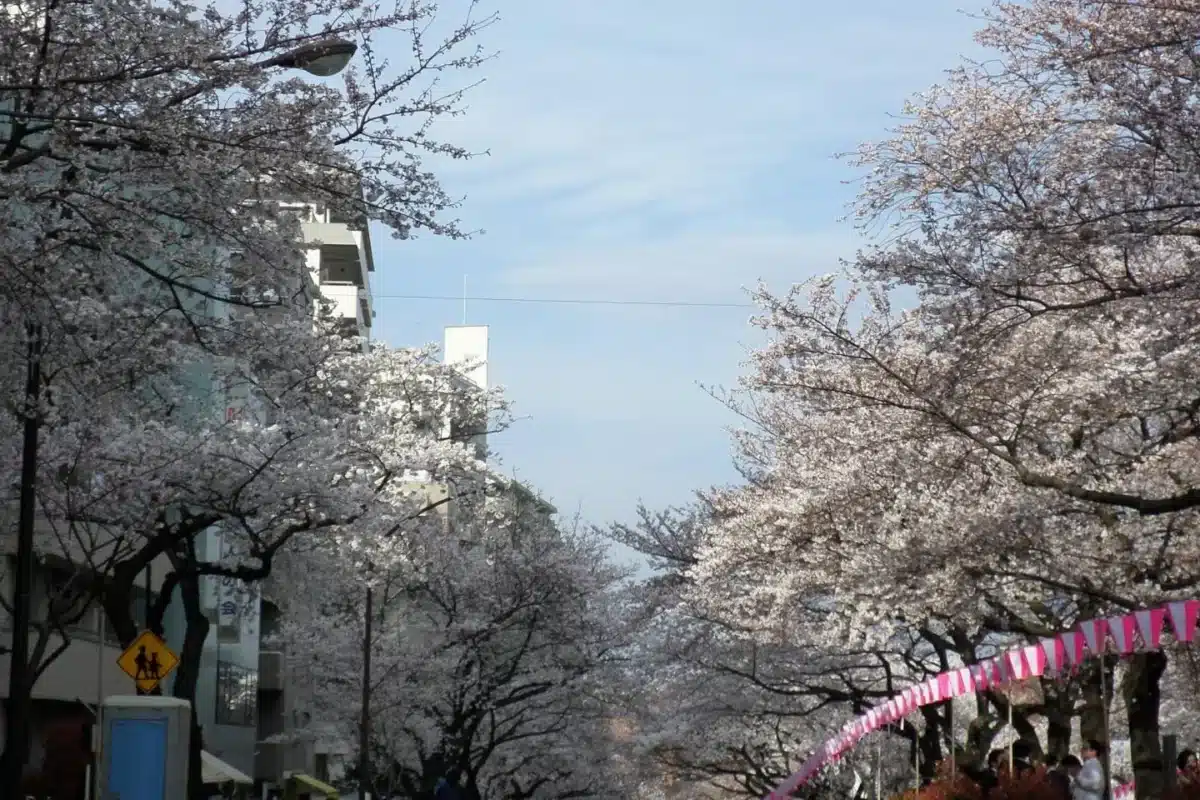
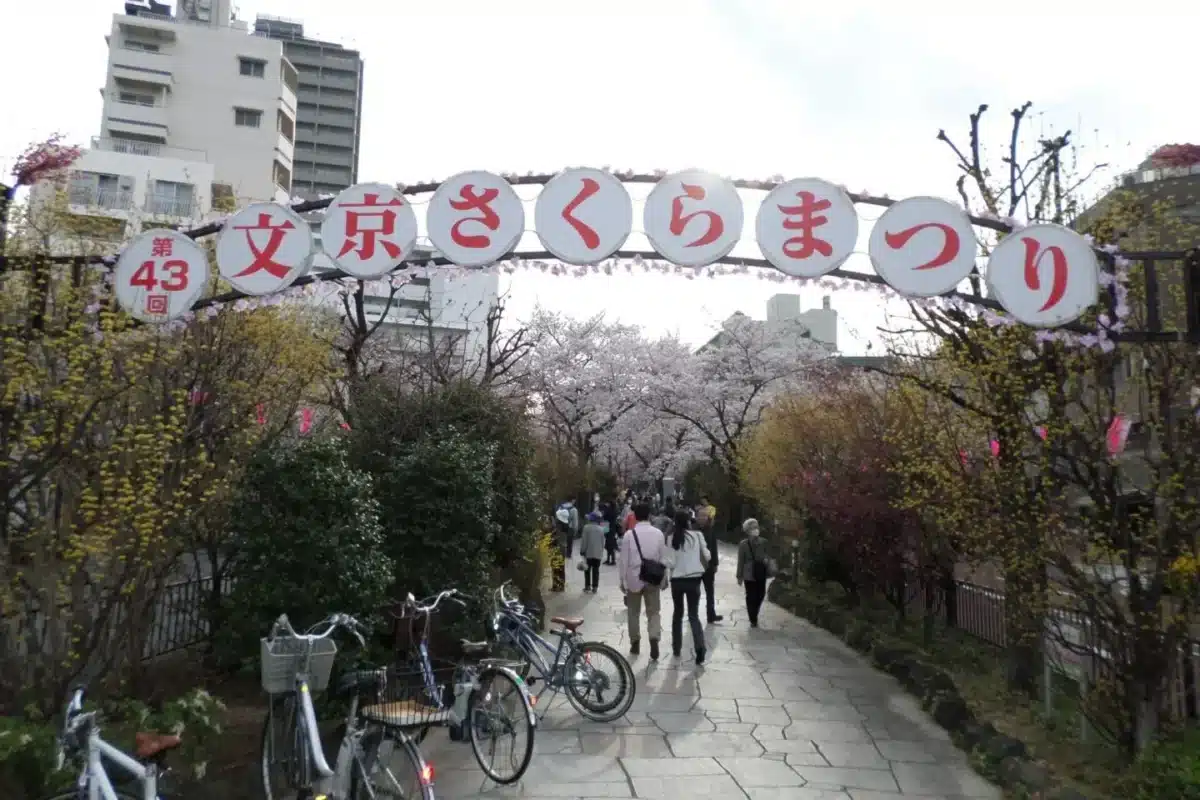
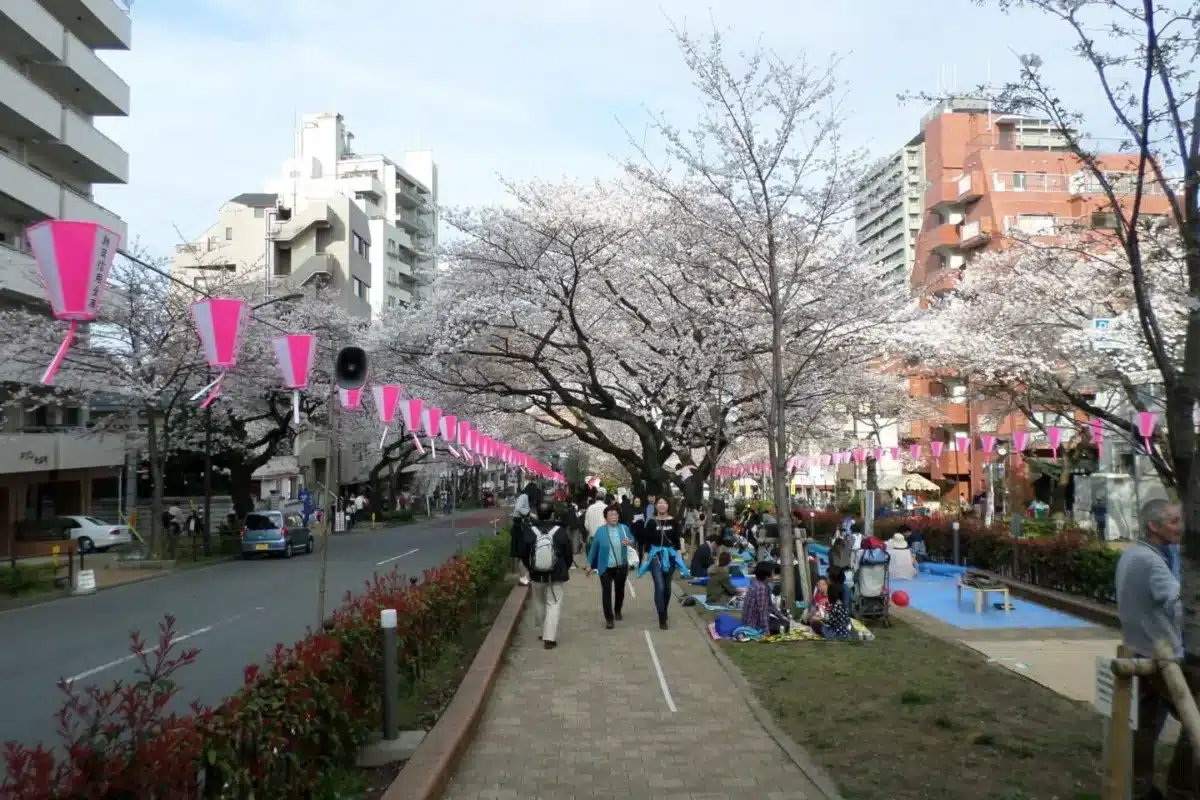
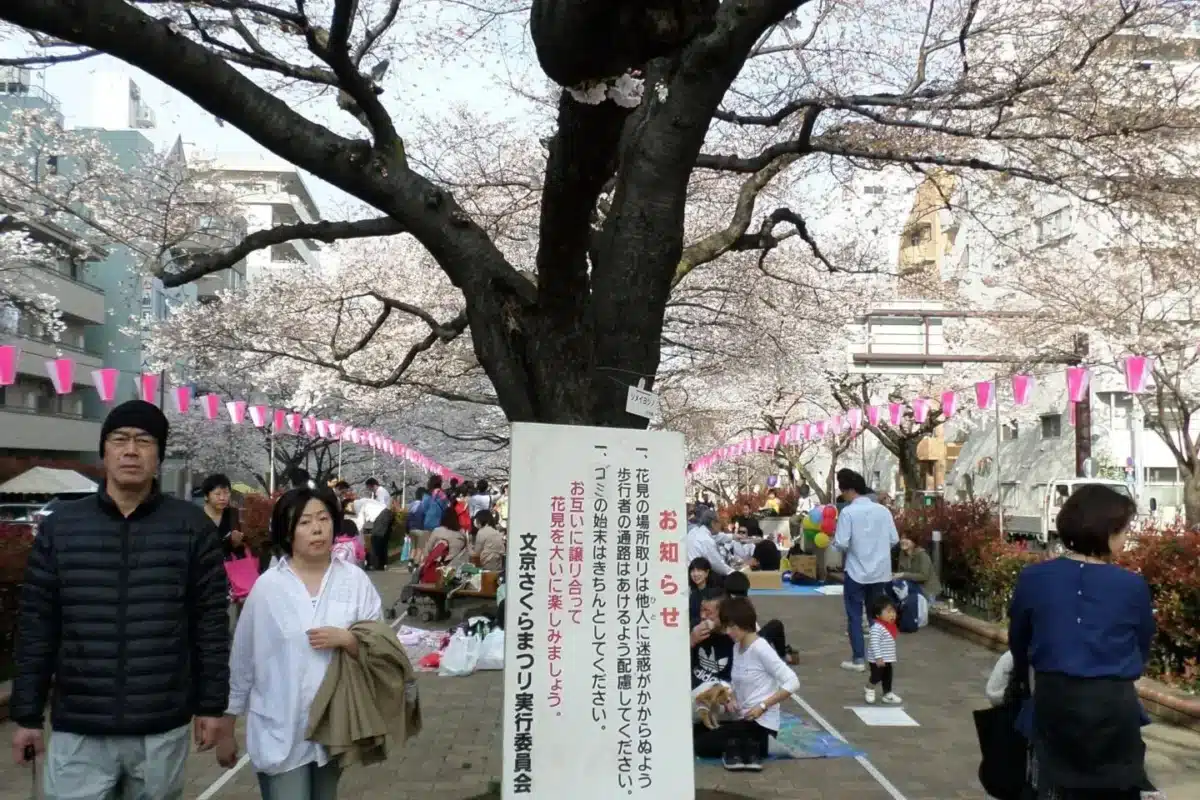
Between two of Bunkyo’s busiest roads lies Harima Slope, a famous hill lined with dozens of gorgeous cherry blossom trees. Every spring the local government shuts down the roads and lets visitors enjoy the sights. The area becomes an instant pedestrian mall with young families admiring the trees and eating snacks from food stands. It’s a bit comical watching people try to pack together under the little dabs of earth strewn throughout Harima Slope, but it definitely contains a local charm unlike any other festival I’ve been to.
While tens of thousands of tourists flock to more famous places like Ueno Park to celebrate the cherry blossoms, Bunkyo’s cherry blossom festival is a low-key party for the locals with quirks and charm that shouldn’t be missed. Skip the crowds and instead take a leisurely stroll down Harima Slope.
Enjoy Your Event Stress-Free with Japan Travelo
Do you know? Planning events, festivals, concerts, and cultural experiences in Japan can be overwhelming. Japan Travelo brings everything together in one place, helping you manage your itinerary, transport, and accommodation with ease—so you can enjoy Japan without the stress of planning.
The festival is known as one of the Five Great Flower Festivals of Bunkyo, a series of seasonal festivals that highlight the natural beauty of the Bunkyo area. Harimazaka road is lined with 120 cherry trees, making a linear tunnel of blossoms right in the middle of a residential neighborhood. While most of them are Somei-Yoshino trees, there are also double-flowered Grandiflora cherry trees and rare Ukon cherry trees with pale yellow-green double blossoms that delight visitors looking for unusual varieties.
Expect a community-focused hanami where local residents, young families, elderly couples, and school children gather on small patches of grass between roads. Food stalls, lantern decorations, and simple white illuminations that enhance natural colors create a warm, intimate atmosphere that feels completely different from the massive commercial hanami parties elsewhere in the capital.
Event dates
Event Dates: Late Mar – Early April 2027 (Dates TBD)
Venue is Harima Slope. With barely any land to utilize, the citizens of Bunkyo Ward in Tokyo have decided to take advantage of every single blade of grass available in their neighborhood.
The Bunkyo Cherry Blossom Festival is held annually to coincide with cherry blossom blooming in central Tokyo. For reference, the 53rd edition in 2025 was held from March 22 to April 6, with the anticipated blooming period beginning around March 21 and full bloom around March 28. The 2027 edition is expected to follow a similar window in late March to early April, with official dates announced by Bunkyo City in early March based on the cherry blossom forecast.
Key timing within the festival period:
- Lantern Illumination Period: Typically from start of festival to end of festival, 5:00 PM to 8:00 PM each evening, with traditional paper lanterns illuminating the Harimazaka area.
- Cherry Blossom Light-Up: Typically from start of festival to approximately March 30, 6:00 PM to 8:00 PM, with supplemental simple white lighting designed to enhance natural colors of the blossoms.
- Pedestrian-Only Weekend: The highlight weekend when Harimazaka Sakura Tree Line is designated as a pedestrian-only zone, usually Saturday and Sunday at the peak of bloom. In 2025 this was March 29 and 30. During these two days, a variety of events take place including taiko drums, brass band performances, and food stalls.
- Daily Viewing Hours: The slope itself is open 24 hours as a public road, but festival activities, stalls, and illuminations operate during daytime and early evening.
All events are subject to change depending on blooming conditions and weather.
Visiting this event? Don’t miss out on these amazing activities and local experiences while you’re here.
Venue & event locations
Main Venue: Harima Slope, also known as Harimazaka Sakura Tree Line
Address: Harimazaka, between Koishikawa 4-chome and 5-chome, Bunkyo Ward, Tokyo 112-0003 Japan
Venue Layout:
- Harimazaka Central Slope: The main promenade is a gentle hill about 500 meters long, with cherry trees planted on both sides and in the central median. The road is flanked by residential apartment buildings, schools, and small shops. During pedestrian days, the entire road surface becomes a walking area.
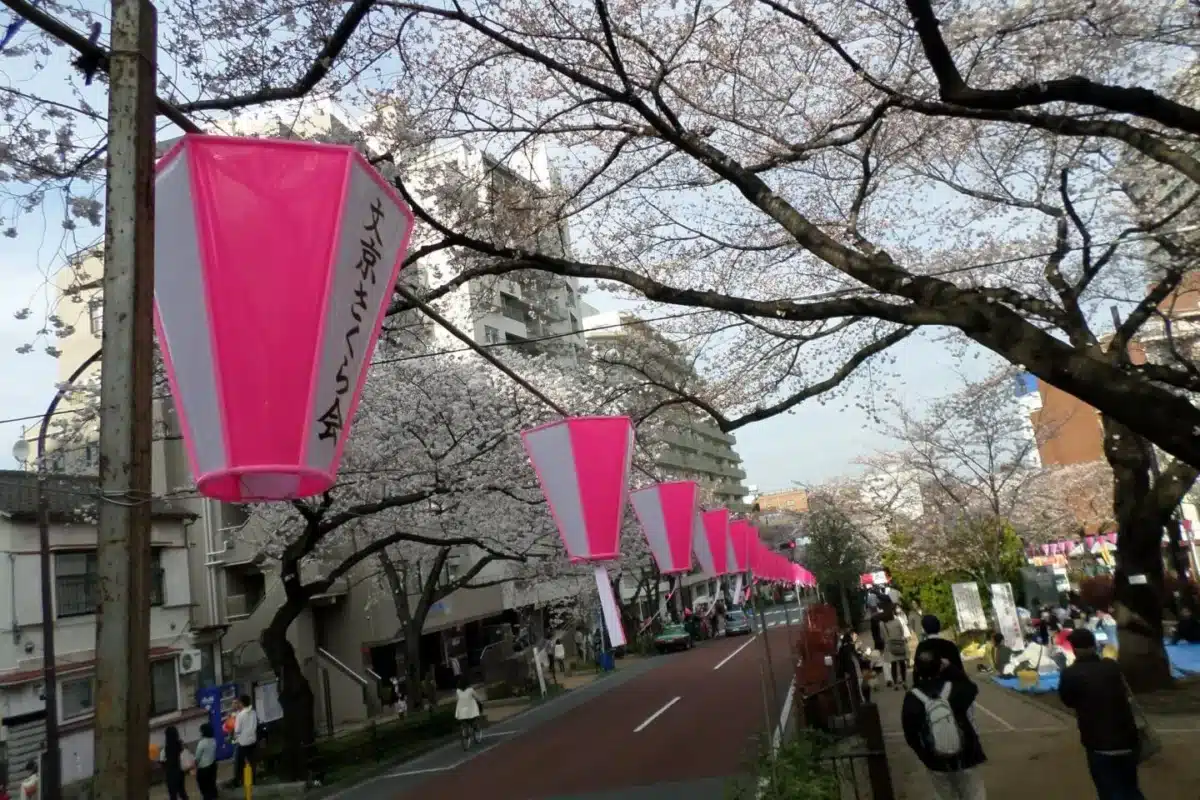
- Central Median Grass Patches: Small dabs of earth strewn throughout Harima Slope where families spread blue tarps for hanami picnics. This is where the comical packing together happens, creating the festival’s signature local charm.
- Koishikawa Entrance: Northern entrance near Koishikawa Botanical Garden, with festival information boards and maps.
- Sengoku Entrance: Southern entrance closer to Sengoku Station area, where additional food stalls concentrate.
Surrounding Area Venues: As part of the Five Great Flower Festivals of Bunkyo, related events sometimes extend to nearby parks including Koishikawa Botanical Garden, Rikugien Garden, and Koishikawa Korakuen, but the core festival is strictly on Harima Slope.
Surface and Terrain: The slope is paved asphalt with curbs. The hill has a mild incline, easy for most visitors but with some uneven sections where tree roots have lifted pavement.
Full holiday programme
The full holiday programme for Bunkyo Cherry Blossom Festival is simple, community-driven, and focused on enjoying blossoms rather than large commercial productions.
Opening Period:
- Lantern Installation: At the start of the festival period, traditional chochin lanterns with Bunkyo Sakura Matsuri lettering are hung along the slope.
- Evening Illumination Start: Simple white spotlights are installed to illuminate cherry blossoms at night, allowing night sakura viewing known as yozakura.
Peak Weekend Programme:
- Road Closure and Pedestrian Mall: The Harimazaka road is closed to vehicle traffic and becomes an instant pedestrian mall. Local police and volunteers manage access at both ends.
- Community Stage: A small temporary stage is set up at the middle of the slope featuring local school brass bands, traditional taiko drum groups, and dance performances by neighborhood associations.
- Food Stall Market: Yatai stalls operated by local shop associations, PTA groups, and Bunkyo Ward vendors sell snacks, drinks, and festival foods.
Daily Programme During Festival Period:
- Morning Calm Viewing: Early morning hours offer quiet viewing with soft light through blossoms, popular with photographers and elderly residents doing morning walks.
- Daytime Family Picnics: From late morning to afternoon, families admire trees and eat snacks from food stands on the grass patches.
- Evening Lantern Walk: As darkness falls, lanterns illuminate the area and white lights highlight blossoms until around 8:00 PM.
Closing: At the end of the festival period, lanterns are removed and road returns to normal traffic, though cherry trees remain for a few more days until petals fall.
Main attractions & highlights
120 Cherry Trees Tunnel: The main attraction is the linear arrangement of approximately 120 Somei-Yoshino cherry trees forming a pink and white tunnel over the slope. The trees are mature, with wide canopies that meet in the middle, creating a complete canopy effect at full bloom.
Rare Ukon and Grandiflora Varieties: Beyond Somei-Yoshino, the slope features less common varieties including Ukon cherry with pale yellow-green double flowers and Grandiflora with large white double flowers, offering subtle color variations for enthusiasts.
Pedestrian-Only Experience: For two days during peak bloom, the road closure creates a rare opportunity to walk in the middle of a Tokyo road completely surrounded by cherry blossoms without cars. This is the most photographed and beloved aspect for locals.
Local Charm Over Tourist Crowds: Unlike Ueno Park where tens of thousands of tourists flock, Bunkyo’s festival remains a low-key party for locals. The charm lies in watching young families, children in school uniforms, and elderly residents sharing tiny patches of grass, chatting, and sharing snacks.
Evening Yozakura Illumination: The simple white lighting designed to enhance natural colors of cherry blossoms creates a romantic, serene atmosphere after sunset. The illumination is not flashy, but subtle and elegant, making blossoms appear to glow.
Markets, decorations & themed areas
Decoration Style: Decorations are minimal, traditional, and community-made rather than commercial.
Paper Lanterns: Hundreds of white and pink chochin lanterns with black calligraphy are strung along the slope. At night they cast a warm glow on the pavement and on blossom petals. The lanterns are inscribed with Bunkyo Sakura Matsuri and names of local sponsors.
White Spot Lighting: Supplemental lighting installed to illuminate cherry blossoms themselves. The lighting is simple white, designed to enhance natural colors rather than color them artificially, creating natural night viewing.
Themed Areas:
- Central Picnic Zones: The little dabs of earth in the median are decorated with small temporary fences and signs reminding visitors to take trash home. Each patch becomes a tiny hanami park.
- Community Information Corner: Near the middle of the slope, a tent displays maps of Bunkyo’s Five Great Flower Festivals, including Bunkyo Azalea Festival, Hydrangea Festival, Chrysanthemum Festival, and Plum Festival, showing the ward’s year-round flower culture.
- Local Shop Display Area: Small tables where neighborhood florists and nurseries display potted sakura seedlings and gardening information.
No Large Commercial Market: There is no large craft market or brand market. Instead, a handful of yatai food stalls create a small market atmosphere with local foods.
Events & entertainment schedule
Entertainment is local, amateur, and heartfelt, reflecting school and neighborhood groups.
Weekend Stage Schedule During Pedestrian Days:
- Taiko Drum Performances: Traditional taiko groups from Bunkyo Ward community centers perform powerful drum routines that echo down the slope. Performances typically occur midday and early afternoon.
- Brass Band Performances: Local junior high and high school brass bands play spring-themed songs and popular tunes. These are very popular with families.
- Folk Dance and Bon Odori-style Performances: Neighborhood association members in light spring kimono perform simple dances under the blossoms.
- Children’s Performances: Kindergarten and elementary school children sing spring songs and recite poems about cherry blossoms.
Daily Ambient Entertainment:
- Street Musicians: Occasionally local acoustic musicians play quietly near entrances.
- Photo Spots: Designated spots where volunteers help take group photos with blossom backgrounds.
Evening: No stage performances in the evening. Entertainment shifts to quiet lantern viewing and night photography.
Schedule Note: All entertainment is free and operates on a loose schedule, often delayed or extended depending on crowd and weather. Announcements are made via small loudspeakers in Japanese.
Admission & ticket information
Admission: Free
The Bunkyo Cherry Blossom Festival is completely free to enter. There are no tickets required to walk on Harima Slope, view cherry blossoms, enjoy illuminations, or watch stage performances.
Costs Inside Festival:
- Food Stall Snacks: Yakisoba, yakitori, takoyaki, crepes, and sweet potatoes typically cost 3 USD to 6 USD per item.
- Drinks: Canned beer, amazake sweet sake, and soft drinks cost 2 USD to 4 USD.
- Hanami Supplies: Blue tarps, disposable picnic sets, and sakura-themed souvenirs sold by nearby convenience stores cost 5 USD to 15 USD.
Nearby Paid Attractions: If combining with nearby gardens, separate admission applies:
- Koishikawa Botanical Garden: Approximately 4 USD for adults
- Rikugien Garden: Approximately 2 USD for adults
- Koishikawa Korakuen Garden: Approximately 2 USD for adults
These gardens also have cherry blossoms and are part of Bunkyo’s broader spring offerings but are not part of the free Harima Slope festival.
No Reservation Needed: No advance booking required. Simply arrive and enjoy. The pedestrian-only days can become crowded, but entry is never restricted.
Special experiences & activities
Hanami Picnic on Tiny Grass Patches: The most unique experience is joining locals in packing together on little dabs of earth strewn throughout Harima Slope. Bring a small blue sheet and snacks and experience how urban Tokyoites create hanami space with minimal land. It is a lesson in community ingenuity.
Night Sakura Walk: Experience yozakura under simple white illumination and lantern light. The lighting enhances natural colors rather than changing them, making petals appear luminous against dark sky. This is particularly romantic and serene compared to bright LED illuminations elsewhere.
Rare Cherry Variety Hunting: Search for the Ukon cherry with yellow-green double blossoms among the sea of pale pink Somei-Yoshino. Finding it feels like a treasure hunt and is popular with photographers.
Local School Performance Interaction: After brass band performances, it is common for performers to mingle with crowd, allowing visitors to chat with students and teachers. This interaction is part of the local charm.
Bunkyo Five Great Flower Festivals Stamp Rally: Collect stamps at each of Bunkyo’s flower festivals throughout the year. Starting your stamp book at the cherry blossom festival is a special activity for repeat visitors to Tokyo.
Sketching and Photography: The slope’s linear perspective with cherry tunnel makes it excellent for perspective photography and sketching. Many local art students sit on curbs to sketch blossoms.
Family & children’s activities
Bunkyo Cherry Blossom Festival is extremely family-friendly due to its residential location and pedestrian closure.
Safe Pedestrian Zone: During pedestrian-only days, the road closure allows children to walk, run, and ride small bicycles safely in the middle of a normally busy road. Families appreciate not worrying about traffic.
Picnic Activities: Young families admiring trees and eating snacks from food stands is the core family activity. Children play on grass patches while parents enjoy blossoms. Convenience stores nearby sell child-friendly snacks.
Educational Nature Observation: The variety of cherry species offers a learning opportunity about different blossom shapes, colors, and blooming times. Local volunteers sometimes provide simple explanation boards about Somei-Yoshino vs. Ukon.
Stage Performances by Children: Seeing peers perform taiko and brass band encourages children in audience. Many families come specifically to support school performances.
Small Scale: Because it is not enormous, families with small children and strollers can navigate easily without getting lost or overwhelmed by crowds. The slope is not long, so little legs do not get too tired.
Nearby Playgrounds: Small neighborhood playgrounds adjacent to Harima Slope allow children to take breaks from blossom viewing.
Event rules
To maintain harmony in a dense residential area, visitors must follow local rules.
Trash and Cleanliness: Bunkyo Ward promotes take-your-trash-home policy. There are limited public trash bins. Visitors are expected to bring plastic bags and carry out all trash, including food wrappers and picnic sheets. Leaving trash on grass patches is strictly prohibited.
Picnic Rules: Do not spread tarps in a way that blocks pedestrian flow or residential entrances. Keep music volume low, do not use open flames or barbecues on grass patches. Alcohol is allowed in moderation but loud drinking parties are discouraged due to residential proximity.
Residential Respect: Harima Slope is flanked by private apartments and houses. Do not enter private property, peer into windows, or sit on private walls. Keep voices down in early morning and evening hours.
Road Closure Rules: During pedestrian-only days, bicycles must be walked, not ridden, in the central area. Follow instructions from volunteers and police managing barricades at both ends.
Photography Rules: Tripods that block path are prohibited during pedestrian days. Drone flying is prohibited throughout Bunkyo Ward. Commercial photography requires permission from Bunkyo City.
Pet Rules: Dogs must be leashed and owners must clean up. Pets should not be allowed to climb cherry trees or dig in grass patches.
Smoking: Smoking while walking is prohibited in Bunkyo Ward. Use designated smoking areas away from trees.
How to get there
Harima Slope is centrally located in Bunkyo Ward, easily accessible from multiple stations.
General Location: Between Koishikawa 4-chome and 5-chome, Bunkyo Ward, Tokyo. The slope connects Hakusan-dori and Sengoku areas.
From Central Tokyo: Take Tokyo Metro or Toei lines to nearby stations, then walk. The area is residential and not served by direct shuttle buses.
By Taxi: Taxi from Tokyo Station to Harima Slope costs approximately 15 USD to 20 USD and takes 20 to 30 minutes depending on traffic. Tell driver Harimazaka Sakura Namiki.
Walking from Nearby Attractions: The slope is walkable from Koishikawa Botanical Garden, about 10 minutes, and from Rikugien Garden, about 20 minutes, allowing combination visits.
No Private Car Access During Pedestrian Days: During the pedestrian-only weekend, the slope road is completely closed to vehicles including private cars. Even outside those days, parking in the area is extremely limited.
Public transport & parking
Best Access via Public Transport:
- Myogadani Station: Tokyo Metro Marunouchi Line, 8 minute walk to northern end of slope. Exit 2 is closest.
- Sengoku Station: Toei Mita Line, 8 minute walk to southern end of slope. Exit A3.
- Hakusan Station: Tokyo Metro Mita Line, 10 minute walk to middle of slope.
- Kasuga Station: Toei Mita and Oedo Lines plus Metro Marunouchi and Namboku Lines, 12 minute walk.
Bus: Toei Bus routes Bo 02 and Bo 03 stop at Koishikawa 4-chome, 2 minute walk to slope.
Parking:
- No Festival Parking: There is no dedicated festival parking lot for Bunkyo Cherry Blossom Festival.
- Nearby Coin Parking: Several small coin-operated parking lots exist around Koishikawa 4-chome and Sengoku, but they fill early on pedestrian days and cost 3 USD to 6 USD per hour. Maximum daily rates around 20 USD to 30 USD.
- Recommendation: Use public transport. Bunkyo Ward actively discourages car visits during festival due to narrow roads and residential congestion.
Bicycle: Bicycle parking is available near Myogadani and Sengoku stations. During pedestrian days, bicycles must be parked outside the closed section.
Accessibility of Transport: All nearby metro stations have elevators and escalators. The slope itself is paved but has incline.
Accommodation areas
Since Bunkyo Cherry Blossom Festival is a neighborhood daytime event rather than a multi-day resort festival, most visitors stay in central Tokyo and visit on a day trip.
Bunkyo Ward Hotels:
- Hotel Chinzanso Tokyo: Luxury hotel in nearby Sekiguchi with beautiful garden that also has cherry blossoms, rooms from 250 USD to 500 USD per night.
- Courtyard by Marriott Tokyo Station: Mid-range luxury near Tokyo Station, easy metro access to Myogadani, rooms from 180 USD to 320 USD per night.
- Richmond Hotel Tokyo Suidobashi: Business hotel close to Bunkyo, rooms from 80 USD to 150 USD per night.
Ueno and Asakusa Area: Budget and mid-range hotels with easy access via metro, rooms from 60 USD to 120 USD per night. Good for combining with other cherry blossom spots like Ueno Park.
Shinjuku and Shibuya: For nightlife after festival, rooms from 100 USD to 250 USD per night.
Booking Advice: Cherry blossom season is peak tourism season in Tokyo. Hotels in central Tokyo should be booked 4 to 6 months in advance. Prices increase by 20 to 40 percent during peak bloom weeks. Staying near a Marunouchi Line station provides direct access to Myogadani.
Food, drinks & seasonal specialties
Festival Stall Foods: During pedestrian days, yatai stalls sell classic Japanese festival foods:
- Yakisoba: Stir-fried noodles with sauce, 4 USD to 6 USD
- Yakitori: Grilled chicken skewers, 3 USD to 5 USD
- Takoyaki: Octopus balls, 4 USD to 6 USD
- Taiyaki and Imagawayaki: Sweet bean-filled cakes, 2 USD to 4 USD
- Cotton Candy and Candy Apples: 3 USD to 4 USD for children
Seasonal Sakura Specialties: Nearby shops and convenience stores sell limited spring items:
- Sakura Mochi: Pink rice cake with salted cherry leaf, 2 USD to 3 USD
- Sakura Anpan: Sweet bread with cherry blossom flavor, 2 USD
- Sakura Latte and Sakura Beer: Seasonal drinks at cafes, 4 USD to 6 USD
- Hanami Bento: Special cherry blossom viewing bento boxes from local supermarkets and department stores, 8 USD to 15 USD
Local Bunkyo Restaurants: The area around Harima Slope has small family-run restaurants:
- Soba and Udon Shops: Serving tempura soba and spring vegetable tempura, lunch from 7 USD to 12 USD
- Coffee Shops: Kissaten coffee shops offering cake sets with sakura Mont Blanc, 5 USD to 8 USD
- Izakaya: Evening izakaya near Sengoku and Hakusan stations serve seasonal bamboo shoot dishes and sake, dinner from 20 USD to 40 USD per person
Drinks: Amazake sweet fermented rice drink is popular during cherry blossom season, served hot or cold at stalls for 2 USD to 3 USD.
Accessibility
Terrain and Mobility:
- Slope Incline: Harima Slope is a gentle hill with approximately 20 meters elevation change over 500 meters. Most wheelchair users can navigate with assistance, but the incline may be tiring for manual wheelchair users.
- Surface: Paved asphalt road with some uneven sections where tree roots have lifted pavement and where grass patches meet curb. During pedestrian days, road surface is free of cars and relatively smooth.
- Crowding: During pedestrian weekend, the slope becomes crowded, making wheelchair movement slower. Early morning on weekdays offers easiest navigation.
Facilities:
- Toilets: Public toilets are available at both ends of slope and in nearby parks. Accessible toilets are located at Koishikawa Botanical Garden entrance and at Myogadani and Sengoku stations.
- Rest Areas: Benches are limited. Most visitors sit on curbs or grass patches. Bring portable chairs if needed.
- Visual and Hearing: Stage performances have loudspeakers. No sign language interpretation, but visual enjoyment of blossoms requires no assistance.
Family Accessibility: Strollers can be used during pedestrian days easily. Outside pedestrian days, strollers must use sidewalks which are narrow in places.
Elderly Visitors: Many elderly local residents visit daily. The slope has handrails in some sections near intersections. Frequent rest stops are possible on grass patches.
Best days & times to visit
Best Viewing Conditions:
- Early Morning: Shortly after sunrise offers soft light through blossoms, fewest crowds, and cool air. Ideal for photographers seeking empty slope shots.
- Midday Family Time: From late morning to early afternoon, the atmosphere is liveliest with families admiring trees and eating snacks from food stands. Best for experiencing local community feel.
- Evening Illumination: After sunset, lanterns illuminate the area and simple white lights highlight blossoms. The most romantic and serene time, with fewer children and more couples.
Crowd Avoidance:
- Weekdays are significantly less crowded than weekends. If you want to skip crowds and enjoy leisurely stroll, visit on weekday morning.
- Pedestrian Weekend is Most Crowded but Most Festive: The two days when road becomes pedestrian mall are the peak of festival energy with taiko drums, brass bands, and food stalls. Arrive before 10 AM to secure good picnic spot.
- Avoid Rainy Days: Blossoms look beautiful in light rain, but grass patches become muddy and food stalls may close.
Bloom Timing: Full bloom is the most beautiful but also most crowded. Slightly before full bloom offers more pink buds, while just after peak offers falling petals creating sakura snow effect, both beautiful and slightly less crowded.
Previous year’s highlights
2025 Edition Highlights:
- Dates: March 22 to April 6, 2025, marking the 53rd Bunkyo Cherry Blossom Festival
- Venue: Harimazaka Sakura Tree Line between Koishikawa 4-chome and 5-chome
- Attendance: Several thousand local residents over two weeks, with peak pedestrian weekend drawing several thousand in two days
- Cherry Blossom Status: Anticipated blooming began around March 21 with full bloom around March 28, offering nearly two weeks of good viewing
- Illumination Innovation: Supplemental simple white lighting installed to illuminate cherry blossoms themselves, extending viewing into night time, in addition to traditional lanterns from 5:00 PM to 8:00 PM
- Pedestrian Weekend Events: On March 29 and 30, the road was designated pedestrian-only zone with taiko drums, brass band performances, and food stalls, creating an instant pedestrian mall atmosphere
- Community Feedback: Visitors praised the low-key local charm, the ability to pack together on small grass patches, and the contrast to crowded famous spots like Ueno Park. The rare Ukon yellow-green cherry was a special attraction for repeat visitors
- Cost: Free admission, with food and drink at typical festival prices
What Returned Visitors Noticed: The simple white illumination designed to enhance natural colors was noted as an improvement over previous years, making night viewing more natural and photogenic.
Official event information
Event Name: Bunkyo Cherry Blossom Festival – Bunkyo Sakura Matsuri
Organizer: Bunkyo City, Bunkyo City Academy Promotion Department, City Exchange Section, with cooperation from Koishikawa area neighborhood associations and local shop associations
Venue: Harimazaka Sakura Tree Line, between Koishikawa 4-chome and 5-chome, Bunkyo Ward, Tokyo
Official Website URL as text: en.japantravel.com/tokyo/bunkyo-cherry-blossom-festival/12512 and www.city.bunkyo.lg.jp/bunka/kanko/event/matsuri/sakura.html
Contact: Bunkyo City Office, Bunkyo Civic Center 17F, 1-16-21 Kasuga, Bunkyo-ku, Tokyo 112-8555 Japan. Phone for inquiries generally listed on city website during festival period.
Notes: Pricing has not been announced for 2027 edition. All prices shown in USD are based on previous editions and converted at current rates. Admission is free. Event is held outdoors rain or shine, but stage events and illuminations may be canceled in severe weather. Official dates depend on cherry blossom forecast and are announced in early March on Bunkyo City official website. Check official sources for latest information.
Video
Location
FAQ
Is Bunkyo Cherry Blossom Festival free and how crowded does it get compared to Ueno Park?
The festival is completely free with no tickets needed, including pedestrian days and illuminations. It is significantly less crowded than Ueno Park where tens of thousands of tourists flock. Harima Slope offers a low-key party for locals with quirks and charm. While pedestrian weekend can be busy with local families, you can still find space on grass patches and enjoy a leisurely stroll without overwhelming crowds, making it ideal for visitors who want to skip crowds.
Can I have a hanami picnic on Harima Slope?
Yes, hanami picnics are the core activity, but space is limited. Visitors use little dabs of earth strewn throughout Harima Slope as tiny parks. Bring a small blue tarp and pack together closely, which is part of the comical local charm. You can eat snacks from food stands or bring your own bento. You must take all trash home, not block residential entrances, and avoid open flames. Early arrival on pedestrian days helps secure a grass patch.
What makes Harima Slope special for cherry blossom viewing?
With barely any land to utilize, citizens created a cherry blossom tunnel between two busy roads, turning a functional slope into a famous hanami spot. The road is lined with 120 cherry trees including Somei-Yoshino and rare Ukon yellow-green varieties, forming a canopy. When roads are shut down and it becomes a pedestrian mall, young families admiring trees and eating snacks create an intimate neighborhood atmosphere unlike any large park festival.
Is there night illumination of cherry blossoms?
Yes, throughout the festival period lanterns illuminate the Harimazaka area from 5:00 PM to 8:00 PM, and supplemental simple white lighting illuminates cherry blossoms themselves from 6:00 PM to 8:00 PM during early part of festival. The lighting is designed to enhance natural colors of blossoms rather than color them artificially, creating elegant yozakura night viewing. The illumination allows extended viewing after sunset and is free.
How do I get to Harima Slope and is there parking?
Use public transport as there is no festival parking. The closest stations are Myogadani Station on Marunouchi Line and Sengoku Station on Mita Line, both about 8 minutes walk. Hakusan and Kasuga stations are also within 10 to 12 minutes. Coin parking nearby is extremely limited and fills early, especially during pedestrian weekend. The slope is closed to vehicles during pedestrian days, so public transport is strongly recommended by Bunkyo City.

Leave a Reply