


Overview
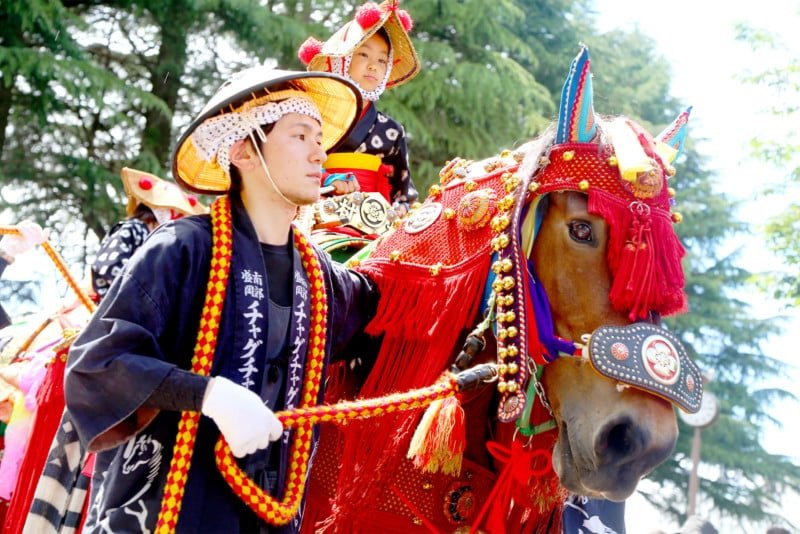
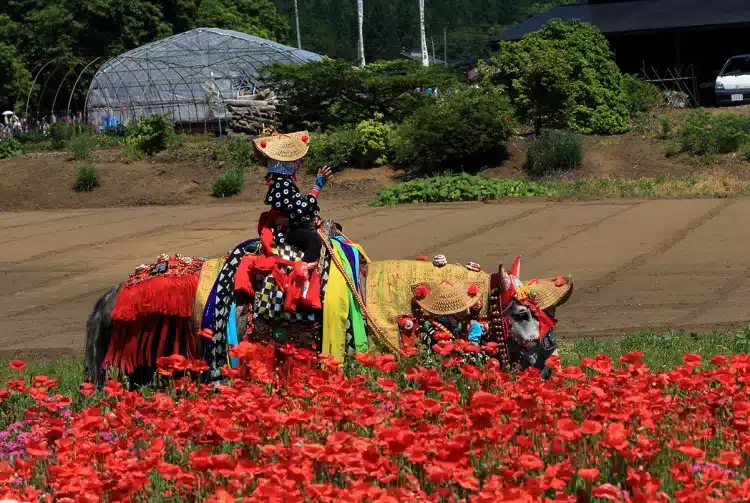
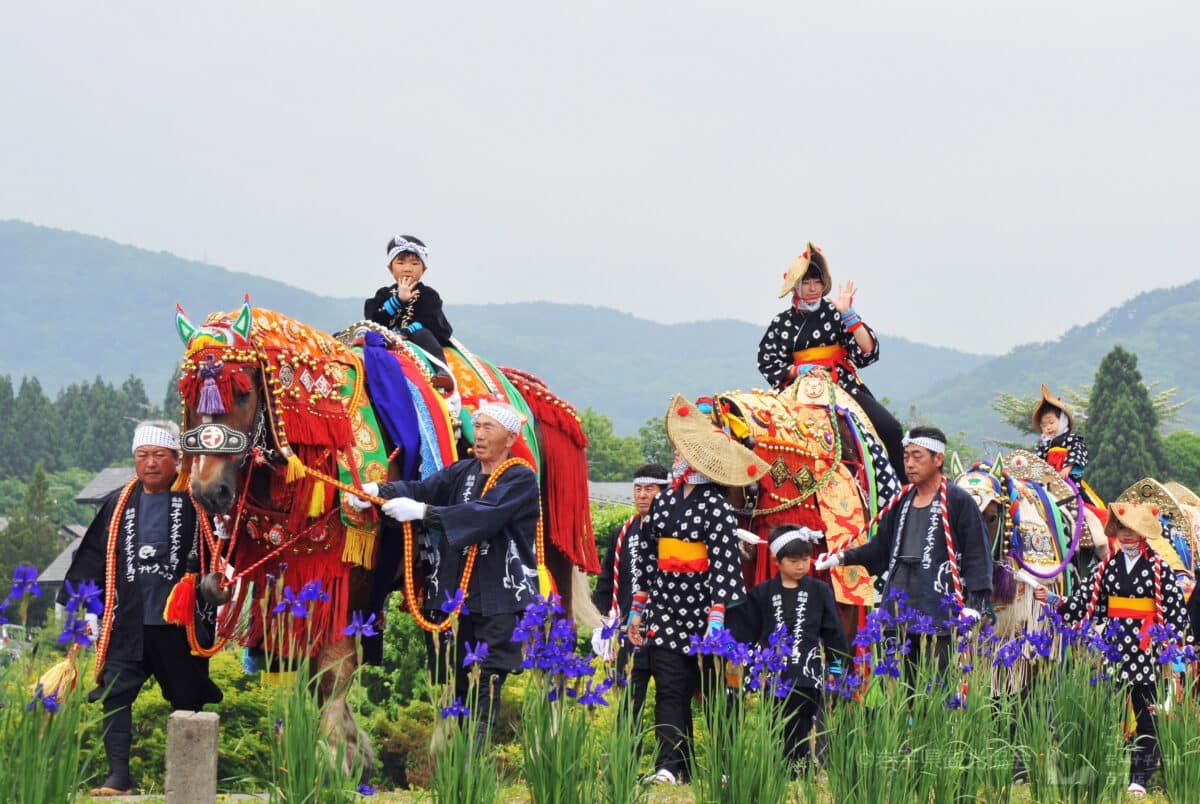
The Chagu Chagu Umakko Festival is a vibrant, deeply rooted cultural celebration held annually in the picturesque Iwate Prefecture. This unique festivity pays homage to the historic, symbiotic relationship between local farming communities and their horses, which historically served as indispensable partners in arduous agricultural labor. Designated as an important intangible folk cultural asset by the Japanese government, the festival features a magnificent procession of approximately one hundred horses adorned in elaborate, brilliantly colored traditional coats and intricately crafted jingling harnesses that create a distinct, rhythmic soundscape as they traverse the countryside.
Spectators converge from far and wide along the scenic rural route stretching between Takizawa and Morioka to witness the breathtaking procession. The horses are meticulously groomed and decorated with metal bells that produce a gentle, chiming chagu-chagu cadence, inspiring the colloquial and affectionate name of the festival itself. This time-honored tradition simultaneously functions as an expression of profound gratitude for the tireless efforts of the livestock and a fervent communal prayer for continued agrarian prosperity, bumper harvests, and optimal animal health.
Beyond the undeniable visual and auditory spectacle, the festival offers an immersive portal into the pastoral heritage of northern Japan. Participating horse owners display immense pride in preserving these ancestral practices, often dressing in traditional historical attire that transports onlookers to a bygone era. It represents a harmonious confluence of regional folklore, master craftsmanship, and shared communal joy, drawing enthusiastic cultural explorers eager to experience a living tapestry of Japanese history.
Enjoy Your Event Stress-Free with Japan Travelo
Do you know? Planning events, festivals, concerts, and cultural experiences in Japan can be overwhelming. Japan Travelo brings everything together in one place, helping you manage your itinerary, transport, and accommodation with ease—so you can enjoy Japan without the stress of planning.
Event Highlights
- The mesmerizing acoustic resonance of hundreds of polished brass bells attached to ornate horse harnesses echoing across the serene valleys.
- Visually stunning traditional attire, featuring vibrant embroidered coats and elaborate headgear worn proudly by the participating horses.
- Rare opportunities to observe the deep emotional and cultural bond shared between modern farming families and their cherished animal companions.
- An exceptionally picturesque procession route that winds gracefully past historic rural shrines, verdant fields, and traditional farmhouses.
Why Attend
This event is exceptionally well suited for cultural enthusiasts, history scholars, and global travelers who seek authentic immersion in traditional Japanese customs. Attendees gain profound insight into regional agricultural evolution and the enduring philosophical respect for animals that underpins rural Japanese society. It provides a phenomenal environment for professional photographers, landscape artists, and curious explorers looking to escape urban environments to embrace the tranquil spirit of rural life.
Participating in or attending this festival directly supports the intergenerational transmission of a centuries-old cultural practice in an increasingly modernized world. The gathering fosters a welcoming atmosphere where visitors can interact with local communities, sample regional delicacies, and celebrate heritage arts. It ultimately delivers a deeply enriching, soul-stirring experience that bridges historical appreciation with peaceful seasonal rejuvenation.
Date & Duration:
- Event Date: Mid June 2027 (Dates TBD)
- Event Duration: One full day of continuous ceremonial processions
Visiting this event? Don’t miss out on these amazing activities and local experiences while you’re here.
Ticket Information:
- How Tickets Are Sold: No tickets are required for this open-air public heritage event, allowing free access for all attendees.
- Admission Type: Unrestricted public admission along the designated outdoor viewing routes.
- Ticket Pricing: Free Admission
- Special Seating Options: No reserved seating areas or grandstands are constructed, as spectators line the public pathways.
- VIP Options: No VIP packages, exclusive hospitality lounges, or restricted access zones are offered.
Venue / Location:
- City and Country: Takizawa and Morioka, Japan
- Venue Name: Onikoshi Sozen Shrine
- Google Maps Address: 100-3 Ukaisotokubo, Takizawa, Iwate 020-0659, Japan
Contact Information:
- Website: https://en.japantravel.com/iwate/chagu-chagu-umakko-festival/69899
Accommodation Options
Accommodations surrounding the festival zone feature a diverse array of traditional Japanese ryokans and contemporary business hotels situated primarily in nearby Morioka. Booking a traditional ryokan elevates the cultural immersion of the trip, offering tatami rooms, hot spring baths, and exquisite kaiseki dining experiences that complement the pastoral theme of the festival.
For travelers prioritizing urban convenience, the hotels in central Morioka provide seamless access to efficient public transit networks for effortless morning travel to the parade paths. Because this renowned festival attracts significant seasonal tourism, securing lodging well in advance is essential to guarantee preferred accommodations and ideal proximity to the festivities.
Getting There:
- Nearest Airport: Iwate Hanamaki Airport, situated approximately 35 kilometers south of the primary festival route.
- Nearest Train/Metro Station: Morioka Station, acting as the major regional transportation hub serviced by the Tohoku Shinkansen line.
- Bus Routes or Public Transport Options: Dedicated seasonal shuttle buses and local transit lines operate frequent routes from Morioka Station directly to key viewing checkpoints.
- Parking Availability: Designated public parking zones are established near major viewing areas, though space fills rapidly during early morning hours.
- Directions by Car: Easily accessible via the Tohoku Expressway by utilizing the Morioka or Takizawa interchanges depending on your target viewing destination.
Dining Recommendations
Breakfast Recommendations:
- Artisanal bakeries throughout downtown Morioka offering freshly baked pastries, local milk, and gourmet coffee.
- Comprehensive hotel breakfast buffets featuring a harmonious blend of traditional Japanese grilled fish and Western morning selections.
- Specialty rice ball shops near Morioka Station serving comforting, freshly wrapped onigiri with diverse fillings.
Lunch Recommendations:
- Renowned wanko soba specialty houses where diners experience an interactive, fast-paced noodle-eating tradition.
- Casual countryside cafes situated along the parade route offering light sandwiches, seasonal fruit parfaits, and refreshing beverages.
- Traditional ramen and udon noodle shops in central Morioka serving piping hot, savory broth bowls.
Dinner Recommendations:
- Traditional izakayas serving charcoal-grilled skewers, local garden vegetables, and artisanal regional sake.
- Historic dining establishments specializing in Morioka reimen, a celebrated chilled noodle dish served in a rich beef broth.
- Family-run neighborhood eateries offering hearty plates of grilled local meats and seasonal mountain delicacies.
Local Specialties to Try:
- Wanko soba, an entertaining culinary tradition featuring endless small bowls of savory buckwheat noodles.
- Morioka reimen, a famous cold noodle delicacy characterized by translucent chewy noodles and crisp fruit garnishes.
- Foraged mountain sansai vegetables and organic agricultural produce harvested directly from Iwate farms.
What is this event?
The Chagu Chagu Umakko Festival is an iconic Japanese cultural tradition that celebrates the historic bond between farmers and their working horses. The centerpiece of the celebration is a vibrant parade where horses are adorned in colorful attire and jingling brass bells.
This festival serves as a historical expression of gratitude for the vital labor provided by horses throughout centuries of agricultural development. It remains a deeply revered community event that preserves ancient local folklore within Iwate Prefecture.
Why is it popular?
The festival achieves widespread renown because it offers a rare, sensory-rich display of traditional Japanese rural heritage. The striking visual contrast of decorated horses moving through scenic landscapes creates an unforgettable atmosphere for all observers.
It draws massive interest due to its authentic preservation of ancestral customs completely untouched by commercial modernization. The joyful communal spirit and peaceful countryside setting captivate international travelers and domestic cultural tourists alike.
Tips before you go
- Secure your viewing spot along the extensive parade route early in the morning to ensure an unobstructed view.
- Monitor local weather reports closely and prepare appropriate protection against intense sun exposure or unexpected rain.
- Wear sturdy, comfortable walking shoes as navigating rural terrain and standing for extended periods is required.
- Keep photography equipment charged and ready to capture the dynamic motion and brilliant colors of the horses.
- Maintain a respectful distance from the animals during the procession to ensure safety for both participants and spectators.
Tips for First-Time Visitors
- Utilize reliable public transit networks from Morioka Station rather than driving, as local parking options become severely congested.
- Study the official parade route map ahead of time to pinpoint the most picturesque vantage points for photography.
- Pack a portable water bottle and hydration supplements, as June temperatures in the region can become quite warm.
- Take time to examine the intricate craftsmanship of the horse harnesses and the historical garments worn by handlers.
- Consult local tourism staff or information booths to uncover deeper historical facts about the shrines visited during the march.
- Extend your travel itinerary in Morioka by a few days to explore nearby historical castles, craft centers, and natural hot springs.
Attendee Experiences
- Hearing the gentle melody of the brass bells echo through the valley as the beautifully dressed horses walked by was magical.
- I deeply appreciated witnessing a community that pours so much love and respect into preserving their ancestral heritage.
- It provided a wonderfully tranquil, immersive escape into authentic rural Japanese culture that felt like stepping back in time.
Video
Location
FAQ
What is the cultural significance of the chagu-chagu sound?
The distinct ringing sound produced by the metal bells symbolizes the rhythmic pulse of agricultural life and the partnership between humans and animals. Historically, it served as an auditory prayer wishing for the physical health of the horses and abundant crop yields.
Can general visitors pet or feed the horses during the event?
Visitors are strictly advised to observe the horses from a safe, respectful distance maintained by event organizers. Professional handlers constantly manage the animals throughout the procession to prevent disruptions and ensure public safety.
Does the festival proceed if inclement weather occurs?
The procession generally continues as scheduled even during light rain, as it represents a deeply ingrained seasonal tradition. Attendees are strongly encouraged to bring compact umbrellas or rain jackets to remain comfortable during wet weather conditions.
Is the festival appropriate and engaging for young children?
The event is wonderfully family-friendly and offers a fantastic educational opportunity for children to observe historic agricultural traditions firsthand. The gentle, unhurried pace of the procession makes it safe and easy for families to watch comfortably.
What is the total length of the festival parade route?
The procession covers a substantial distance, winding nearly fifteen kilometers through rural paths from Takizawa to Morioka. Most spectators choose to station themselves at specific historical shrines or scenic points rather than attempting to walk the entire route.

Leave a Reply