
What to expect in 2027
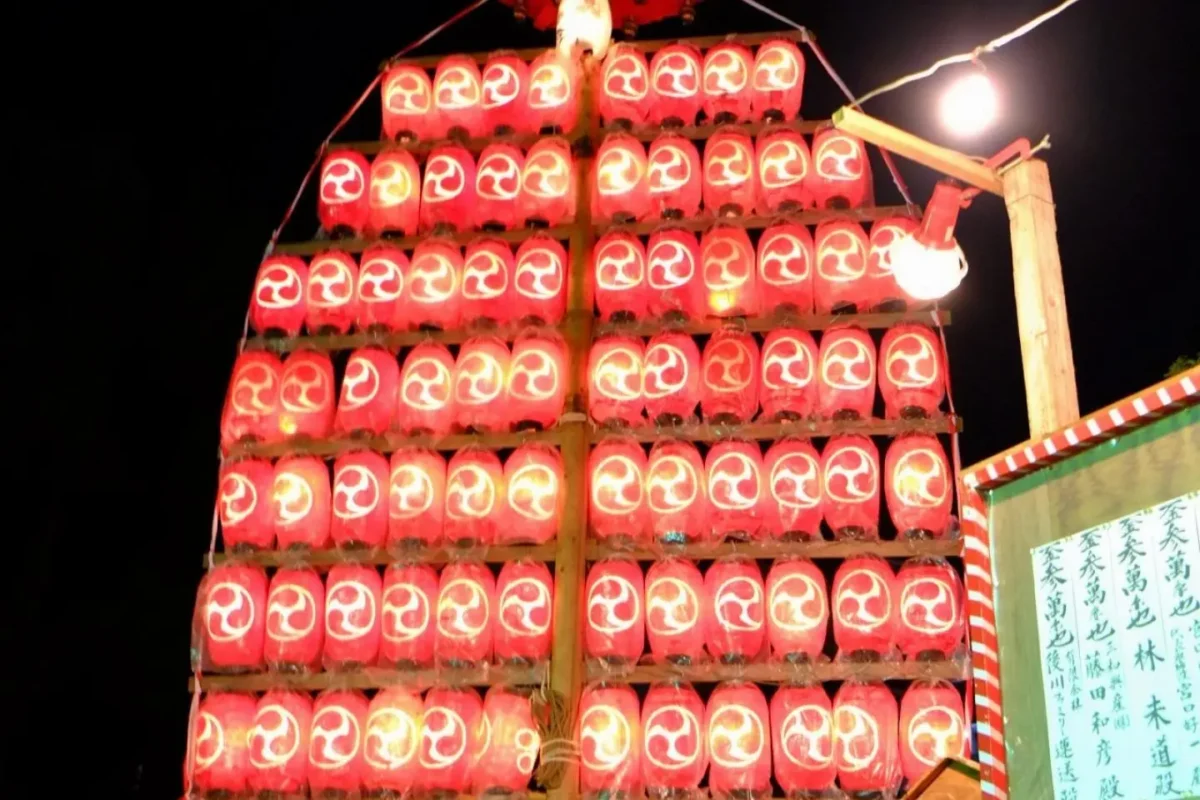
Daigaku Festival at Ikune Shrine 2027 will bring a distinctive traditional summer matsuri to Tamade in Osaka’s Nishinari Ward. The festival is centered on the remarkable Daigaku, a tall lantern-covered structure carried and displayed as part of a tradition associated with prayers for rain and gratitude for successful rainfall.
The event is held annually in late July and combines religious traditions, community participation, traditional music, dancing, powerful taiko drumming, food stalls and children’s entertainment. Japan Travel describes the festival as a lively local celebration where the historic Daigaku tradition is accompanied by street food and games, creating an atmosphere that is very different from Osaka’s larger commercial festivals.
For 2027, the event is currently listed as Late July 2027 (Dates TBD). The final 2027 programme should be confirmed by Ikune Shrine and the relevant Osaka tourism authorities before traveling.
Enjoy Your Event Stress-Free with Japan Travelo
Do you know? Planning events, festivals, concerts, and cultural experiences in Japan can be overwhelming. Japan Travelo brings everything together in one place, helping you manage your itinerary, transport, and accommodation with ease—so you can enjoy Japan without the stress of planning.
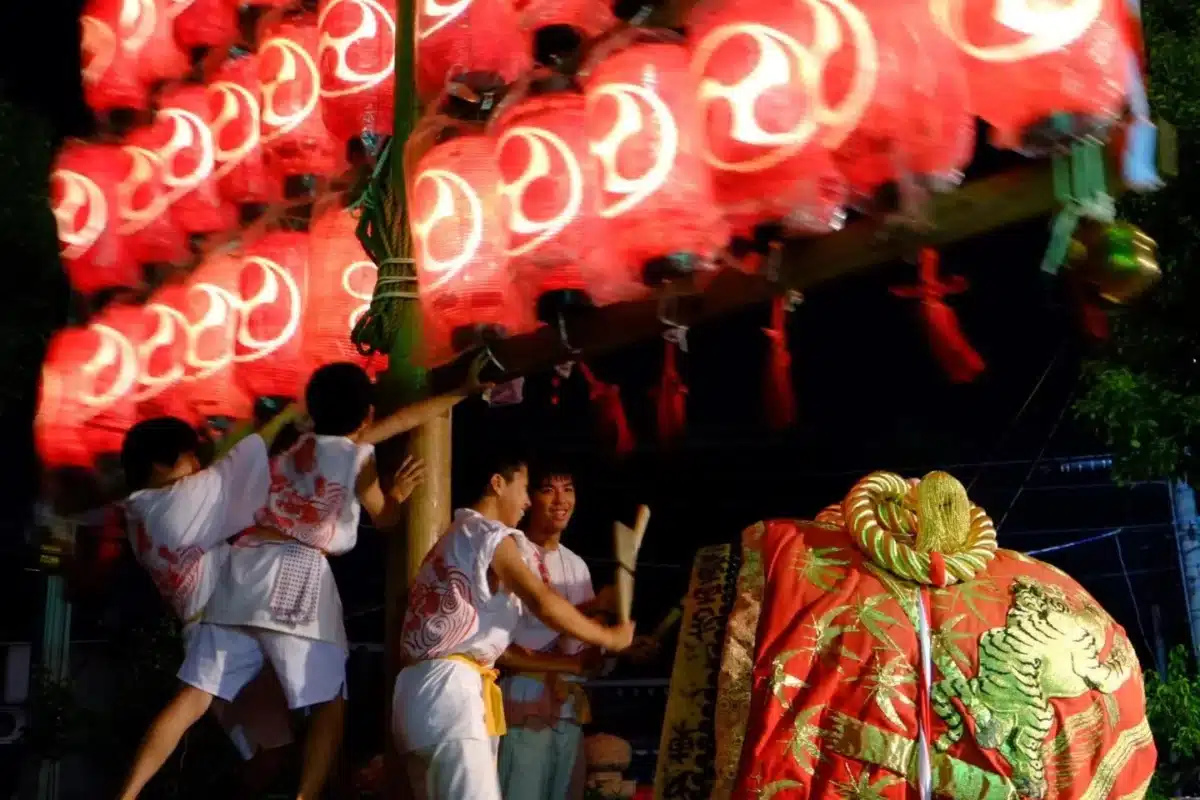
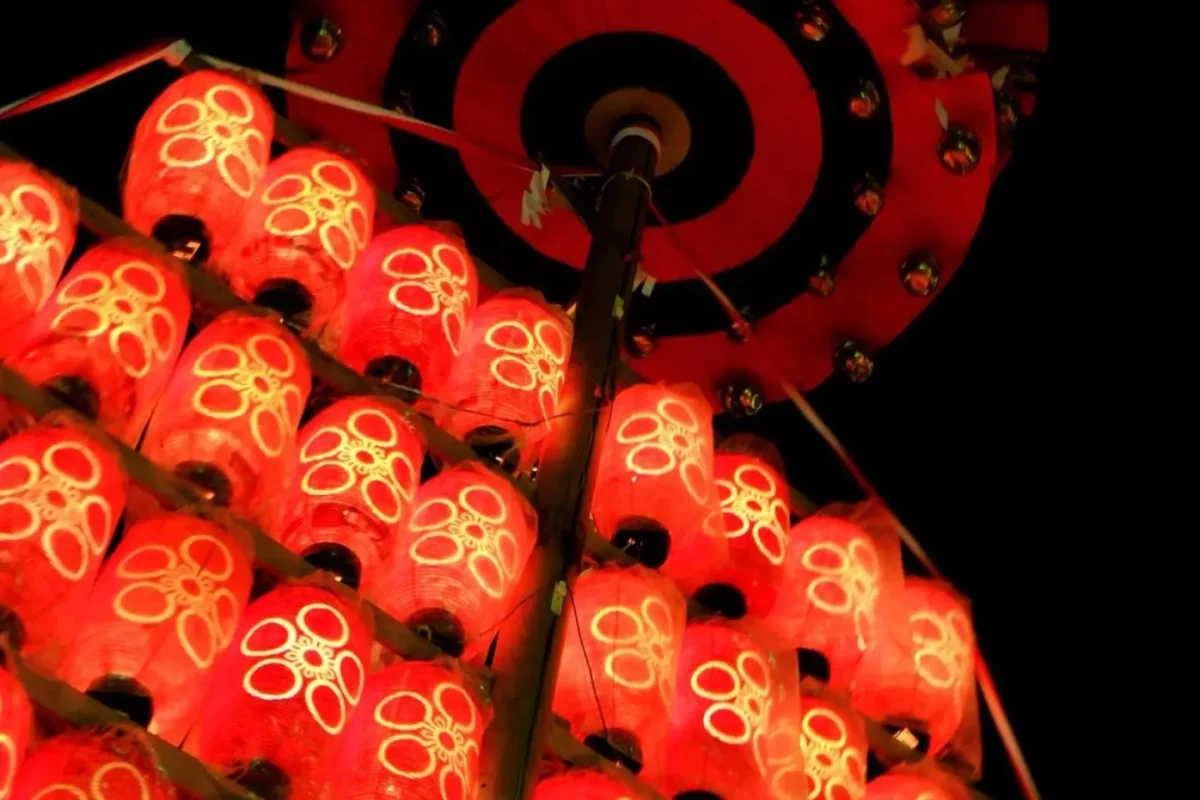
The centerpiece is the Daigaku itself. The main structure is approximately 20 meters tall and carries dozens of lanterns. Osaka’s official tourism information states that the structure is decorated with about 70 lanterns, while Japan Travel describes the traditional arrangement as 79 lanterns. The structure is displayed within the shrine grounds during the festival, making it one of the most unusual traditional festival sights in Osaka.
Visitors can expect a strongly local atmosphere rather than a large tourist-oriented event. The festival takes place around Ikune Shrine and nearby Tamade streets, allowing visitors to see residents participating in processions and traditional performances.
Key experiences include:
- Daigaku lantern structure: The towering traditional structure decorated with rows of lanterns.
- Traditional drumming: Powerful taiko performances accompany important festival activities.
- Daigaku Odori: Traditional dancing connected with the festival’s heritage.
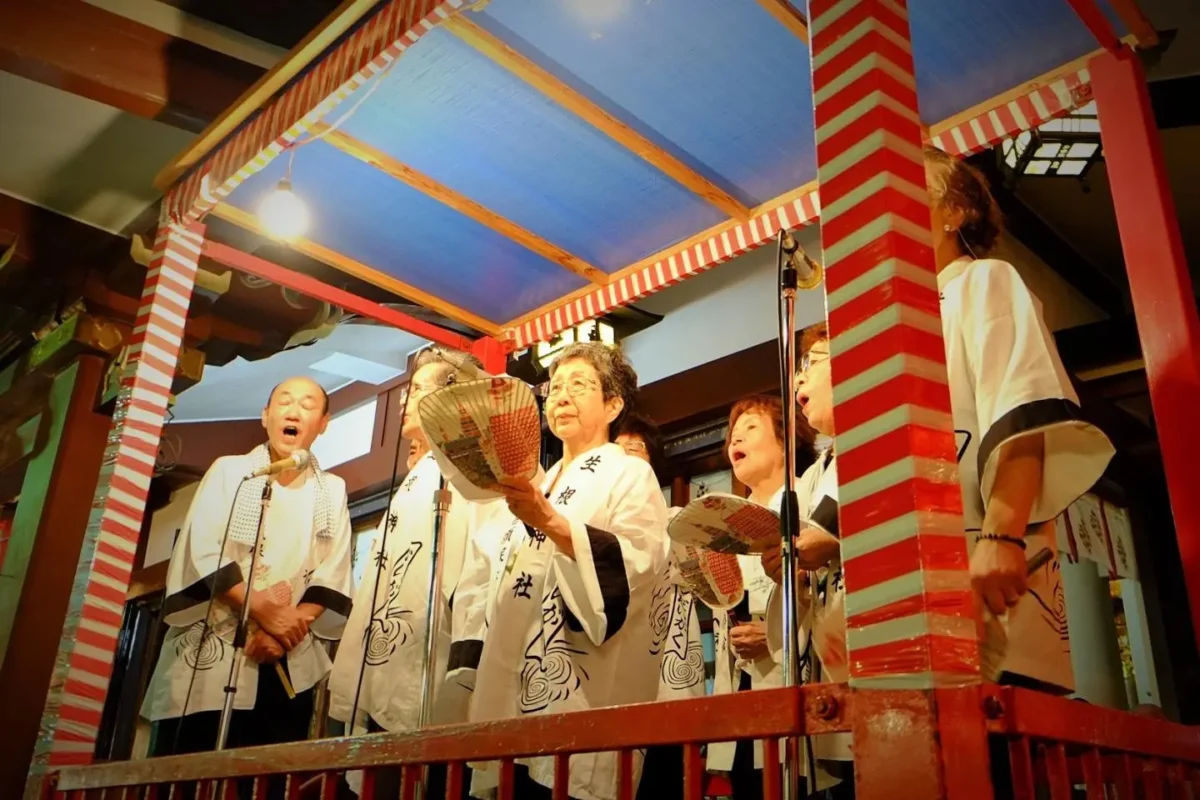
- Daigaku Ondo: Festival music and singing associated with the Daigaku tradition.
- Carried Daigaku: Smaller structures are carried through the nearby neighborhood.
- Children’s Daigaku: Local children participate in their own traditional procession.
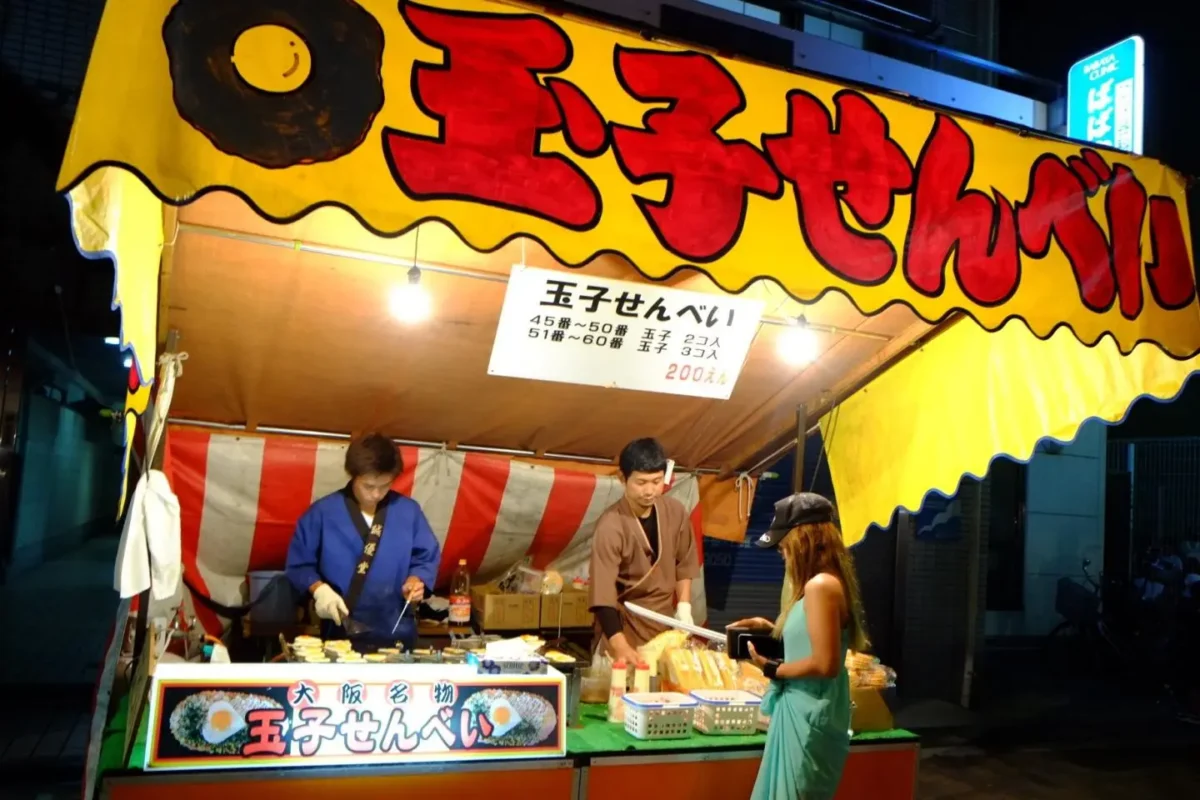
- Street food: Temporary food stalls create a classic Osaka summer-festival atmosphere.
- Local community participation: Residents and shrine supporters play an important role in keeping the festival tradition alive.
Event dates
Event period: Late July 2027 (Dates TBD)
The Japan Travel 2027 listing identifies the Daigaku Festival as an annual late-July event at Ikune Shrine. The exact 2027 calendar dates have not been confirmed in the current event listing.
The festival is traditionally associated with a two-day summer celebration. Osaka’s official tourism information confirms that the Daigaku Festival is held annually during the late-July period and that the Daigaku structure is displayed at the shrine as part of the celebrations.
The evening period is particularly important because the lanterns become much more visually impressive after dark. Recent event information places major festival activity in the evening, making a late-afternoon arrival useful for visitors who want to see both the daytime preparations and the illuminated Daigaku.
Visitors should check the official Ikune Shrine information before traveling because the precise performance times, procession routes and arrangements can change between editions.
Visiting this event? Don’t miss out on these amazing activities and local experiences while you’re here.
Venues & festival locations
Main venue: Ikune Shrine
Address: 2-1-10 Tamade-nishi, Nishinari-ku, Osaka 557-0045, Japan
Ikune Shrine is located in the Tamade neighborhood of Nishinari Ward in southern Osaka. The shrine is the central location for the Daigaku Festival, with the main Daigaku structure displayed within the shrine grounds.
The festival also extends into nearby streets and public spaces.
Important locations include:
- Ikune Shrine: Main religious and ceremonial venue.
- Shrine grounds: Main Daigaku display, performances and festival activities.
- Tamade-nishi Park: Used for the carrying of a medium-sized Daigaku and children’s activities.
- Surrounding Tamade streets: Processions, food stalls and neighborhood activity.
- Local shopping streets: Useful for exploring food and the everyday atmosphere of the district.
Osaka’s cultural information states that a medium-sized Daigaku is carried through Tamade-nishi Park by a group of young participants, while children also carry a smaller Daigaku as part of the festival.
Visitors should take care to identify the correct Ikune Shrine before traveling. Japan Travel specifically notes that there are two Ikune Shrines within walking distance of each other and that the Daigaku Festival is held at the northwestern one.
Full cultural programme
The cultural programme revolves around the Daigaku tradition and the rituals, music and community performances associated with it.
Unlike large city festivals dominated by commercial entertainment, the Daigaku Festival remains closely tied to local shrine traditions. Its programme combines religious observances with public performances and neighborhood participation.
Core cultural elements include:
- Daigaku display: The main lantern-covered structure is positioned within the shrine grounds.
- Daigaku carrying: Smaller Daigaku structures are carried by participants.
- Daigaku Odori: Traditional dance connected with the festival.
- Daigaku Ondo: Singing and rhythmic festival music.
- Taiko performances: Large traditional drums provide the festival’s powerful musical foundation.
- Children’s Daigaku: Younger members of the local community participate.
- Traditional chanting and music: Performances accompany the movement and display of the Daigaku.
- Community participation: Local residents contribute to the continuation of the festival.
Osaka Museum identifies the Daigaku Festival as a summer festival where the approximately 20-meter structure is displayed, large drums are played, and Daigaku Ondo and Daigaku Odori are performed.
Featured traditions & performances
The Daigaku itself is the defining cultural object of the festival. The name refers to the large lantern-bearing structure that is carried or displayed during the celebrations.
The structure is historically associated with rainmaking. According to the traditional account, prayers for rain were answered with heavy rainfall, and the community developed a structure decorated with lights and bells as an expression of gratitude. The festival’s modern form preserves the memory of that tradition.
The principal performances include:
- Daigaku Odori: A traditional dance performed as part of the festival’s public celebration.
- Daigaku Ondo: Rhythmic singing and music associated with the Daigaku.
- Odaiko: Large taiko drums provide a powerful soundscape around the shrine.
- Daigaku procession: Participants carry smaller structures through the neighborhood.
- Children’s procession: Local children participate with their own smaller Daigaku.
- Community performances: Residents contribute to the continuation of the festival’s performing traditions.
Recent Osaka cultural information also notes that a women-only Daigaku, popularly known as the “Gal Daigaku,” has been introduced in modern times, adding another contemporary community dimension to the traditional celebration.
Historical & heritage highlights
The history of the Daigaku Festival is connected with ancient rainmaking traditions. One traditional account places its origins during the reign of Emperor Seiwa, when prayers were made for rainfall to help communities dependent on agriculture.
The story describes farmers using poles decorated with sacred lights and bells while praying for rain. After rainfall arrived, the structure evolved into something that could be carried while drums were played. Over time, the celebration became an established local festival.
The festival became particularly prosperous during the Edo period. Today, the Daigaku tradition survives at Ikune Shrine and is recognized as an important part of Osaka’s tangible cultural heritage.
The Daigaku structure has been designated as an Osaka Prefecture tangible cultural property folk-material designation. Osaka’s official tourism information identifies it as a rare surviving example of this type of festival structure.
One of the most remarkable aspects of the festival is its survival despite major historical disruptions. Ikune Shrine itself was damaged during the Osaka air raids, with the shrine buildings burned. The sacred object had been moved elsewhere and survived, allowing the shrine tradition to continue.
Today, the Daigaku Festival provides an opportunity to experience an unusual piece of Osaka’s local religious and folk heritage.
Events & activities schedule
The detailed 2027 programme has not yet been published, but the traditional structure of the festival is well established.
During the festival period, visitors can generally expect a combination of daytime preparation and display followed by stronger evening activity.
A typical sequence includes:
- Shrine activities: Religious observances and preparations take place at Ikune Shrine.
- Daigaku display: The large lantern structure becomes the central visual feature.
- Neighborhood procession: Smaller Daigaku structures are carried around Tamade.
- Children’s participation: Young local participants take part in their own procession.
- Taiko performance: Traditional drums accompany the festival.
- Daigaku Ondo: Singing and musical traditions form part of the programme.
- Daigaku Odori: Traditional dance is presented as part of the main celebration.
- Evening illumination: Lanterns become especially striking after sunset.
- Street food: Food stalls and local vendors operate around the festival area.
The traditional dancing is particularly associated with the later part of the festival programme. Osaka Museum notes that Daigaku Odori is presented during the main festival celebration, while children also participate in the carrying activities.
Exact performance times should be confirmed with Ikune Shrine before visiting.
Ticket types & entry options
The Daigaku Festival is a traditional shrine festival held in public and shrine spaces rather than a commercial ticketed event.
General festival admission: Free
Visitors do not normally need to purchase a ticket to enter the festival area or watch the traditional performances from public viewing areas.
There may be normal charges for food, drinks or merchandise sold by independent vendors, but there is no standard festival admission fee.
Because the event takes place at an active shrine, visitors should remember that certain religious areas may be reserved for participants or shrine activities. Public viewing is generally possible, but visitors should follow instructions from shrine staff and festival organizers.
Guided tours & cultural experiences
The Daigaku Festival is primarily a local community event and does not normally operate as a large commercial guided-tour festival.
Independent visitors can nevertheless create their own cultural experience by exploring the shrine and surrounding Tamade neighborhood.
Useful experiences include:
- Daigaku observation: Study the structure and its many lanterns.
- Traditional music: Listen to the large taiko drums and festival singing.
- Dance viewing: Watch Daigaku Odori and related performances.
- Procession viewing: Follow the smaller Daigaku as it moves through the neighborhood.
- Shrine visit: Experience the atmosphere of Ikune Shrine outside the busiest performance areas.
- Local neighborhood walk: Explore Tamade’s streets and small businesses.
- Food tasting: Sample Japanese festival snacks from temporary stalls.
Visitors who want deeper historical context can combine the festival with other traditional attractions in southern Osaka, including nearby shrines and the broader cultural districts of Tennoji and Sumiyoshi.
Special ceremonies & celebrations
The Daigaku Festival is fundamentally a shrine celebration, so religious and ceremonial traditions remain central even though visitors may experience it primarily as a lively summer matsuri.
The Daigaku structure symbolizes the festival’s historical connection with rainmaking and gratitude for rainfall. The traditional performances, carrying ceremonies and shrine activities preserve this connection.
Important ceremonial elements include:
- Daigaku display: The historic structure is presented within the shrine grounds.
- Daigaku carrying: Participants carry smaller structures as part of the community celebration.
- Daigaku Odori: Traditional dance forms part of the festival observances.
- Daigaku Ondo: Festival singing accompanies the celebrations.
- Taiko: Large drums provide musical accompaniment.
- Children’s Daigaku: Local children participate in the tradition.
- Shrine worship: Visitors can observe normal shrine etiquette when approaching the worship area.
Osaka’s official tourism information explains that the festival expresses gratitude for successful rainmaking prayers and that the Daigaku tradition has continued as part of Ikune Shrine’s summer festival.
Festival rules
Visitors should treat the Daigaku Festival as a religious and community event rather than simply a street entertainment programme.
Important visitor guidelines include:
- Respect the shrine: Follow normal Shinto shrine etiquette.
- Do not touch the Daigaku: The structure is a protected cultural object and should be viewed rather than handled by visitors.
- Stay outside restricted areas: Do not enter spaces reserved for shrine staff or festival participants.
- Follow procession instructions: Keep clear of moving Daigaku structures and participants.
- Photography: Avoid obstructing performers or processions while taking photographs.
- Respect worshippers: Keep noise and movement appropriate around religious areas.
- Watch children carefully: Crowds can increase around performances and food stalls.
- Keep streets clean: Dispose of rubbish properly.
- Follow staff instructions: Temporary crowd-control arrangements may be introduced.
- Be considerate of residents: The festival takes place in an active neighborhood.
Visitors should also avoid climbing barriers, touching lanterns or standing directly in the path of a carried structure.
How to get there
Ikune Shrine is located in Tamade, Nishinari Ward, Osaka.
The easiest access is by Osaka Metro.
Osaka Metro: Take the Yotsubashi Line to Tamade Station.
Walking: Ikune Shrine is approximately a three-minute walk from Tamade Station. Osaka’s official tourism information gives this as the principal access route.
Another convenient option is:
Nankai Railway: Travel to Kishinosato-Tamade Station and continue on foot toward the shrine. Osaka Museum information places the shrine approximately 400 meters west of the station.
Visitors should make sure they are heading to the correct Ikune Shrine because another shrine with the same name exists nearby. Japan Travel specifically warns visitors about the two locations.
Public transport & parking
Public transportation is the easiest way to reach the festival.
Osaka Metro: Tamade Station on the Yotsubashi Line is approximately a three-minute walk from Ikune Shrine.
Nankai Railway: Kishinosato-Tamade Station is also within walking distance.
Walking: The compact neighborhood around the shrine makes walking practical once you arrive.
Parking: Osaka’s official tourism information indicates that parking is available at Ikune Shrine, but spaces are limited and festival traffic can make driving less convenient.
For visitors coming from central Osaka, the subway is generally the most straightforward option. Public transport also avoids the difficulty of finding a parking space close to the shrine during busy festival periods.
Accommodation areas
Because Ikune Shrine is in Osaka City, visitors have a wide choice of accommodation within convenient travel distance.
Nishinari: The closest area for visitors who want to remain near the festival and explore southern Osaka.
Tennoji: A convenient major transport and accommodation district with extensive hotel and restaurant choices.
Abeno: Located close to Tennoji and well connected to the southern Osaka rail network.
Namba: A practical choice for visitors who want to combine the festival with Osaka’s major shopping, dining and nightlife districts.
Umeda: Suitable for travelers who prefer staying in northern Osaka and traveling to Tamade by subway.
Sumiyoshi: A quieter southern Osaka option with easy access to traditional shrines and the Tamade area.
Staying around Tennoji or Namba can be especially convenient for visitors combining the Daigaku Festival with other Osaka sightseeing.
Food & traditional specialties
Street food is an important part of the festival atmosphere. Japan Travel specifically highlights the food stalls that accompany the traditional elements of the Daigaku Festival.
Visitors can expect classic Japanese matsuri foods such as:
- Takoyaki
- Yakisoba
- Okonomiyaki
- Yakitori
- Karaage
- Grilled foods
- Sweet festival snacks
- Shaved ice
- Crepes
- Soft drinks
- Traditional Japanese sweets
The surrounding Tamade neighborhood also provides opportunities to eat at local restaurants away from the busiest shrine grounds.
For a broader local food experience, visitors can explore Osaka specialties such as takoyaki and okonomiyaki while also trying regional dishes from independent restaurants around Nishinari, Abeno and Tennoji.
Accessibility
Ikune Shrine is conveniently located near public transportation, making the festival relatively easy to reach without a car.
The shrine is approximately three minutes on foot from Tamade Station, according to Osaka’s official tourism information.
Visitors with mobility requirements should consider:
- Rail access: Tamade Station provides a short walking route to the shrine.
- Crowds: Festival areas can become busy around performances and processions.
- Walking surfaces: The shrine and surrounding neighborhood may include uneven surfaces and crowded streets.
- Rest areas: Plan breaks away from the busiest procession routes.
- Heat: Late July in Osaka can be very hot and humid.
- Hydration: Carry water and take regular breaks.
- Assistance: Contact the shrine before traveling if specific accessibility arrangements are required.
Because this is a traditional shrine festival rather than a purpose-built modern venue, visitors requiring specific mobility facilities should confirm conditions in advance.
Best cultural experiences
The Daigaku Festival offers several experiences that are particularly valuable for visitors interested in Japanese folk culture.
See the Daigaku up close: The towering lantern-covered structure is the festival’s defining feature and is unlike the decorations used at most Japanese matsuri.
Watch the evening illumination: The lanterns become especially atmospheric after dark, when the structure stands out against the night sky.
Listen to the taiko: Traditional drumming is one of the most powerful parts of the festival and gives the celebration its energetic character.
Experience Daigaku Odori: The traditional dance provides insight into how local performing arts have been preserved through the festival.
Watch the neighborhood procession: Seeing a smaller Daigaku carried through Tamade demonstrates the community participation behind the tradition.
See the children’s Daigaku: Children’s participation provides an insight into how local festivals pass traditions between generations.
Explore Tamade: Walking around the surrounding streets allows visitors to experience the festival as a neighborhood celebration rather than only a shrine event.
Try festival food: Combining traditional performances with local street food provides a more complete matsuri experience.
Previous year’s highlights
Recent editions have continued to emphasize the unusual Daigaku structure and the festival’s connection with traditional rainmaking rituals.
The main Daigaku, standing approximately 20 meters tall and decorated with dozens of lanterns, remains the central visual attraction. Osaka’s official cultural sources identify the structure as an Osaka Prefecture tangible cultural property folk-material designation.
Recent highlights have included:
- The main Daigaku display: The large lantern-covered structure dominates the shrine grounds.
- Daigaku Odori: Traditional dancing forms part of the festival’s cultural programme.
- Daigaku Ondo: Singing and rhythmic festival music accompany the celebrations.
- Large taiko performances: Traditional drumming provides a powerful soundtrack.
- Medium-sized Daigaku procession: Young participants carry a smaller structure through Tamade-nishi Park.
- Children’s Daigaku: Local children participate in their own festival procession.
- Women-led Daigaku: A modern women-only version has added another dimension to the festival.
- Food stalls: Local street food contributes to the lively neighborhood atmosphere.
- Evening lanterns: The illuminated Daigaku creates the festival’s most distinctive visual scene.
The festival remains particularly notable because the Daigaku tradition survives at Ikune Shrine while similar structures at other Osaka shrines were lost. Japan Travel notes that Ikune is the only shrine in Osaka where visitors can see this surviving Daigaku tradition.
Official tickets
Daigaku Festival at Ikune Shrine is a traditional public shrine festival and does not normally require an admission ticket.
General admission: Free
There are no standard festival entrance tickets to purchase for the shrine celebration. Visitors can attend the public portions of the festival, observe the Daigaku display and watch performances without paying a general admission charge.
Food, drinks, souvenirs and any optional activities offered by individual vendors may have separate costs.
Official shrine: Ikune Shrine
Address: 2-1-10 Tamade-nishi, Nishinari-ku, Osaka 557-0045, Japan
Telephone: 06-6659-2821
Official event information: The shrine’s official website is the best source for final programme information and any changes to the festival arrangements.
Japan Travel: The current event page identifies the festival as an annual late-July event and highlights the Daigaku structure, traditional drumming, dancing, street food and children’s activities.
For 2027, visitors should confirm the final programme with Ikune Shrine before traveling, particularly if they are planning their visit around a specific performance or procession.
Video
Location
FAQ
Is the festival accessible via public transportation?
The shrine is conveniently located within a short walking distance from major local train and subway stations in the Nishinari ward of Osaka, making it simple to reach for all visitors using the city's transit network.
Can visitors participate in carrying the structures?
Direct physical participation in hoisting and navigating the primary historical daigaku tower is strictly reserved for trained local heritage preservation members and experienced community association volunteers.
Are English translations available during the event?
Formal English signage and translated program guides are limited since this is a deeply local neighborhood festival, though friendly shrine staff and bilingual volunteers are usually happy to assist international guests.
What weather conditions should attendees expect?
Late July weather in Osaka is notoriously hot, humid, and occasionally prone to sudden summer showers, making it essential for festival-goers to stay properly hydrated, wear sunscreen, and monitor local forecasts.
Are pets allowed inside the festival grounds?
Bringing pets is strongly discouraged because the tight shrine courtyards become extremely crowded, noisy with heavy drumming, and filled with hot food vendors, which can cause distress for animals.

Leave a Reply