
What to expect
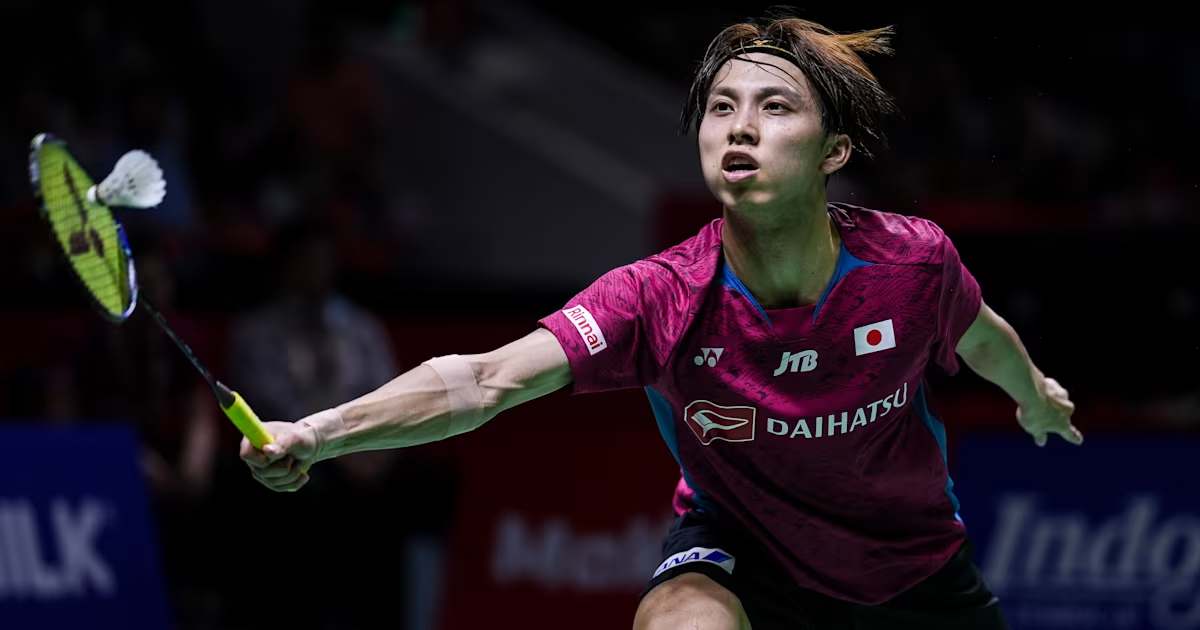
Daihatsu Japan Open is one of the most prestigious tournaments on the HSBC BWF World Tour, a Super 750 level event with total prize money of $950,000. Officially known as Daihatsu Japan Open, and historically as Daihatsu Yonex Japan Open and Yonex Cup Japan Open since its inception, the tournament is organized by Badminton Association of Japan in association with Badminton World Federation.
The tournament is a critical stop for players looking to secure vital world ranking points and qualification standing for the season-ending BWF World Tour Finals and World Championships. As a key fixture during the Asian leg of the BWF World Tour, it attracts the world’s top shuttlers across all five disciplines competing for prestigious titles.
Expect world-class badminton in an intimate, well-managed and organized venue. Tokyo Metropolitan Gymnasium is known for its fast court conditions which typically favor attacking players, creating exciting, high-pace matches. The venue offers great organization with plenty of staff available to help foreign fans, though it has lots of concrete steps inside and outside with limited escalators and lifts, so be prepared for stairs.
Enjoy Your Event Stress-Free with Japan Travelo
Do you know? Planning events, festivals, concerts, and cultural experiences in Japan can be overwhelming. Japan Travelo brings everything together in one place, helping you manage your itinerary, transport, and accommodation with ease—so you can enjoy Japan without the stress of planning.
The Japan Open used to be held in January or April, but since 2007 it has been held in summer in Tokyo, with venues mainly Tokyo Metropolitan Gymnasium and Yoyogi National Gymnasium, and from 2018 at Musashino Forest Sport Plaza in Chofu for some editions, before returning to Tokyo Metropolitan Gymnasium in recent years.
As part of the BWF World Tour Super 750 category, the event features top-ranked players including Olympic champions, World Champions, and rising stars from Japan, China, Indonesia, India, Korea, Malaysia, Denmark, and other badminton powerhouse nations.
Match/event dates
Event Dates: July 2027 (Dates TBD)
Event Name: Daihatsu Japan Open 2027
Category: HSBC BWF World Tour Super 750
Prize Money: $950,000
Organizer: Badminton Association of Japan
Venue: Tokyo Metropolitan Gymnasium, Tokyo, Japan
Official Website: https://daihatsu-japan-open.com/2026/
Location History: Tokyo, Japan – venues have included Tokyo Metropolitan Gymnasium, Yoyogi National Gymnasium, and Musashino Forest Sport Plaza
Tournament Format: Five disciplines over six days including qualifying and main draw
BWF Calendar Position: Part of Asian leg of BWF World Tour, following North American swing including US Open and Canada Open, and preceding China Open and other Super 1000 events
Ticket Availability: According to recent editions, easiest way to buy tickets is at venue, though pre-sale via official website and Japanese ticket agencies also available
Exact daily schedule with session times announced via official website closer to tournament.
Visiting this event? Don’t miss out on these amazing activities and local experiences while you’re here.
Stadium & sports venue
Venue: Tokyo Metropolitan Gymnasium, 1 Chome-17-1 Sendagaya, Shibuya City, Tokyo 151-0051, Japan. Located in Sendagaya, central Tokyo, near Shinjuku and Shibuya.
Capacity: Approximately 10,000 seats for badminton configuration, with south side and north side seating, court level and upper tier. Some seats may have obstructed views due to HSBC advertisement boards, as noted by attendees.
Courts: Multiple courts for early rounds including Court 1, Court 2, Court 3 for qualifying and Round of 32, reducing to one or two courts for quarter-finals onwards.
Surface: BWF approved badminton courts with fast conditions favoring attacking play, as noted in tournament reports.
Facilities: Tokyo Metropolitan Gymnasium offers indoor arena with concrete steps inside and outside venue, no escalators no lifts in some sections. Well managed with plenty of staff to help foreign fans. Food and merchandise areas inside.
Access: Nearest rail stations are JR Sendagaya Station on Chuo-Sobu Line and Kokuritsu-Kyogijo subway station on Toei Oedo Line, both within 5 minutes walk. Sendagaya is easily accessible from central Tokyo.
Historical Venues: Yoyogi National Stadium First Gymnasium has also been used for Japan Open, with maintenance work done by Tokyo Badminton Association and arrangements by Nippon Badminton Association. Musashino Forest Sport Plaza in Chofu used from 2018 for some editions.
Atmosphere: Intimate venue where fans are close to action, praised for well managed and organized event with helpful staff toward foreign badminton fans.
Full fixture or event schedule
Tournament Format Based on Super 750 Structure:
Day 1 – Qualifying and Round of 32: Qualifying rounds for players not directly in main draw, followed by start of main draw Round of 32 for Men’s and Women’s Singles and Doubles. Matches start mid-morning and continue into evening across multiple courts.
Day 2 – Round of 32 Continuation: Remaining Round of 32 matches across all five disciplines: Men’s Singles, Women’s Singles, Men’s Doubles, Women’s Doubles, Mixed Doubles.
Day 3 – Round of 16: Top 16 players and pairs compete for quarter-final spots, courts reduced to two or three feature courts.
Day 4 – Quarter-finals: Quarter-finals across all disciplines, typically played on two courts with feature matches on Court 1.
Day 5 – Semi-finals: Semi-finals for all five disciplines on single main court, with evening session featuring most anticipated matches.
Day 6 – Finals: Finals day with five finals crowning champions in Men’s Singles, Women’s Singles, Men’s Doubles, Women’s Doubles, Mixed Doubles, followed by trophy presentation and prize ceremony.
Session Times: Day sessions typically start around 10:00 AM to 11:00 AM, evening sessions around 5:00 PM to 6:00 PM for quarter-finals onwards.
Total Matches: Over 100 matches across six days featuring world’s top players.
Teams, athletes & participants
Player Field: Super 750 event attracts world’s top 32 players in singles and top 32 pairs in doubles based on BWF World Rankings, plus qualifiers. As HSBC BWF World Tour Super 750 event, it features total prize pool of $950,000 across singles and doubles categories.
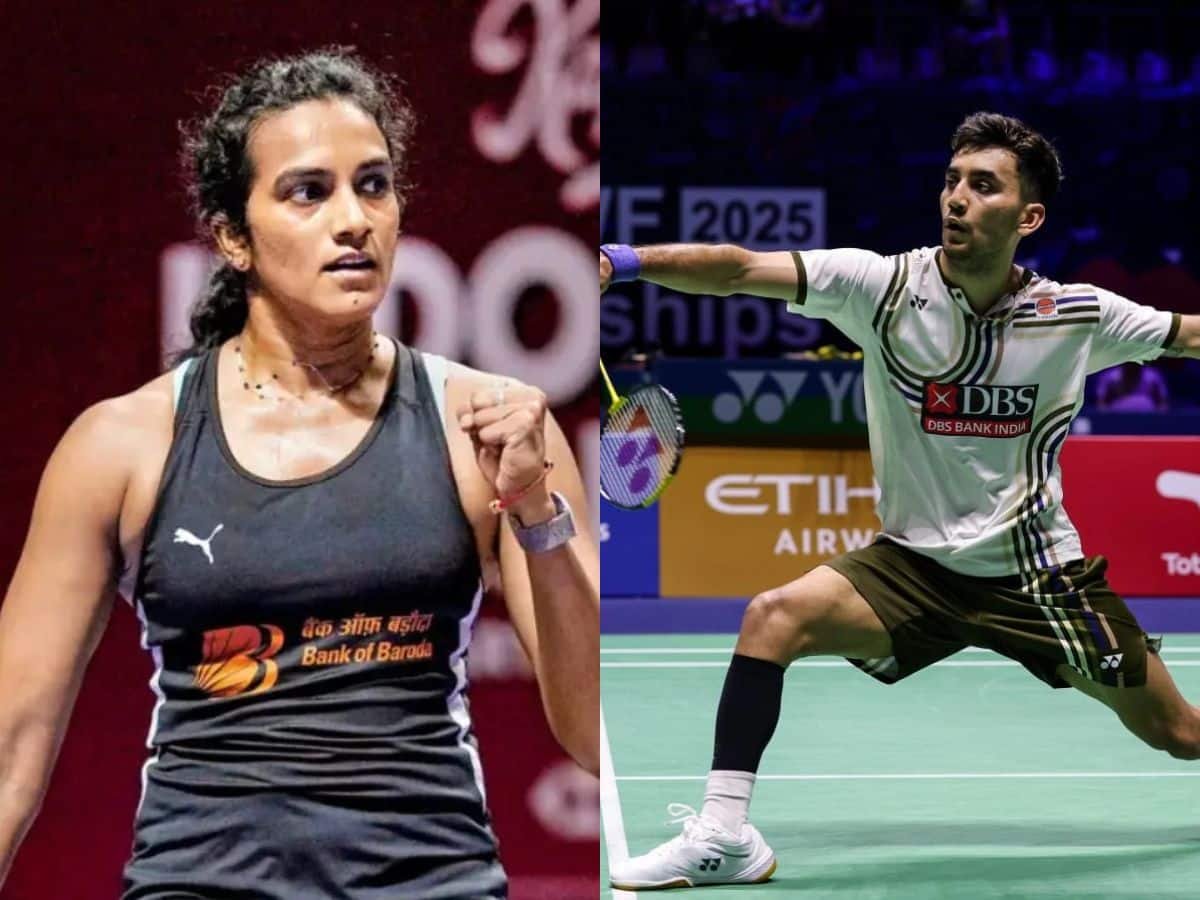
Men’s Singles: Expected participants include top-ranked players such as Shi Yuqi of China, Kodai Naraoka of Japan, Alex Lanier of France, Jonatan Christie of Indonesia, Lakshya Sen of India, Anthony Sinisuka Ginting of Indonesia, and other top 20 players. French players like Toma Junior Popov and Alex Lanier have featured in recent finals.
Women’s Singles: Expected participants include Akane Yamaguchi of Japan, PV Sindhu of India who created history becoming first Indian to win Japan Open title in recent edition, Kim Ga-eun of Korea, Kaoru Sugiyama of Japan, Polina Buhrova of Ukraine, and other top women’s singles stars.
Men’s Doubles: Top pairs including Satwiksairaj Rankireddy and Chirag Shetty of India who headline campaign as Indians chase momentum ahead of World Championships, Wang Chang and Liang Wei Keng of China, and other top-ranked pairs.
Women’s Doubles and Mixed Doubles: Top pairs including Thai pairs, Korean pairs, Chinese pairs, and Japanese home favorites.
Qualifiers: Additional players from qualifying rounds, typically 8 qualifiers per singles discipline and 8 qualifiers per doubles discipline.
National Representation: Players from Japan, China, Indonesia, India, Korea, Malaysia, Denmark, France, Thailand, Taiwan, and other BWF member nations.
Tournament format & competition structure
Category: BWF World Tour Super 750, second highest tier after Super 1000, offering significant ranking points and prize money.
Disciplines: Five disciplines – Men’s Singles, Women’s Singles, Men’s Doubles, Women’s Doubles, Mixed Doubles.
Draw Size: 32 players/pairs in main draw per discipline, plus 8 qualifiers from qualifying rounds.
Format: Single elimination knockout format, best of three games to 21 points, with deuce requiring two-point advantage up to 30 points.
Ranking Points: Super 750 ranking points awarded: Winner 11,000 points, Runner-up 9,350 points, Semi-finalist 7,700 points, Quarter-finalist 6,050 points, Round of 16 4,320 points, Round of 32 2,660 points, contributing to BWF World Tour Finals qualification.
Prize Money Distribution: Total $950,000 distributed across disciplines. Singles winners win cash prize of $66,500 and runners-up $32,300. Doubles winners receive $70,300 per pair and runners-up $33,250 per pair. Semi-finalists and quarter-finalists also receive prize money.
Seeding: Top 8 players/pairs seeded based on BWF World Rankings at time of draw.
Umpiring: BWF certified umpires and service judges, with Hawkeye instant review system for line calls on main courts.
Match/event times
Typical Daily Schedule:
Morning Session: Qualifying matches start around 10:00 AM to 11:00 AM on opening days, with Round of 32 matches starting mid-morning.
Afternoon Session: Continuous matches across multiple courts through afternoon, with feature matches on Court 1.
Evening Session: For quarter-finals onwards, evening session starts around 5:00 PM to 6:00 PM with top matches under lights.
Finals Day: Finals typically start around 12:00 PM to 1:00 PM with five finals played sequentially, concluding with Men’s Singles final as marquee match.
Match Duration: Singles matches average 45 to 75 minutes, doubles matches 45 to 90 minutes, with potential for longer matches in later rounds.
Doors Open: Venue doors open approximately one hour before first match, with ticket checks and security screening.
Ticket types
Ticket Types Based on Previous Editions:
General Admission Daily Tickets: Single day tickets for all courts, allowing access to all matches on that day across all courts.
Premium Reserved Seats: Reserved seating on south side and north side with better sightlines, close to Court 1, with cushioned seats.
Courtside Seats: Limited courtside seats near Court 1 for close-up action, highest price tier.
Weekly Pass: Full tournament pass for all six days, offering significant savings compared to daily tickets.
Child Tickets: Child tickets available at reduced price for children under certain age, typically half price of adult tickets.
Pricing Converted to USD Based on Previous Editions:
Daily Tickets: Early rounds $25 to $45, quarter-finals $40 to $70, semi-finals $60 to $100, finals $80 to $150 depending on seat category.
Weekly Pass: $200 to $350 for all days general admission, $400 to $600 for premium reserved.
Premium and Courtside: Courtside seats $150 to $250 per day for finals, $80 to $120 for early rounds.
Child Tickets: Approximately $15 to $30 per day depending on round.
Ticket Purchase: Easiest way to buy tickets is at venue, though extremely difficult to buy tickets outside Japan via online platforms. Japanese ticket agencies like Ticket Pia and Lawson Ticket offer online sales, but require Japanese address and payment method. Foreign fans often buy at venue on day of event as it typically does not sell out for early rounds.
Official Sales: Via official website daihatsu-japan-open.com and Koobit and other international ticket platforms for overseas fans.
Ticket release phases
Phase 1 – Early Bird Pre-sale: Early bird pre-sale for Badminton Association of Japan members and sponsors, typically announced two to three months before tournament.
Phase 2 – General Pre-sale: General pre-sale via Ticket Pia, Lawson Ticket, and official website, approximately one to two months before tournament.
Phase 3 – General Sale at Venue: General sale at venue box office on each day of tournament, with tickets available for that day and upcoming days, subject to availability.
International Sales: International sales via Koobit and other platforms offering Japan Open Badminton tickets for overseas fans, with e-tickets and collection at venue.
Day of Event Sales: Day of event sales at Tokyo Metropolitan Gymnasium box office, opening one hour before first match.
Sold Out Rounds: Finals and semi-finals may sell out in premium categories, early purchase recommended for best seats.
VIP & hospitality options
VIP Seats: VIP seating with hospitality lounge access, complimentary drinks and snacks, and exclusive entrance.
Sponsor Hospitality: Daihatsu and Yonex as main sponsors offer hospitality areas for corporate guests with catering and meet and greet opportunities with players where available.
Player Lounge: Private lounge for players and coaches with physio services.
Media Hospitality: Press center with workspaces, results service, and interview rooms for accredited media.
Premium Experience: Some packages include backstage tour, player autograph sessions, and photo opportunities with trophies.
Hospitality Packages: Corporate hospitality packages including premium seats, food and drink vouchers, and official merchandise.
Accessibility Hospitality: Accessible seating with companion seats and hospitality support for fans with mobility needs, though venue has lots of concrete steps inside and outside with no escalators no lifts in some areas.
Stadium & event rules
BWF Rules: Tournament conducted in accordance with Badminton World Federation Laws of Badminton, World Tour Regulations, and advertising regulations.
Code of Conduct: Players must follow BWF Players Code of Conduct, with penalties for misconduct, racquet abuse, and audible obscenity.
Spectator Rules: No flash photography during play, no video recording of matches without permission, no large banners blocking views, no outside food and drink in arena, no smoking inside venue.
Bag Policy: Bags subject to security search, large bags may need to be stored in cloakroom.
Entry and Exit: Spectators may enter and exit between games, not during rallies, following usher instructions.
Cheering: Cheering allowed but must not disturb players during service and rally, quiet during service.
Merchandise: Official Yonex and Daihatsu merchandise available inside venue, with tournament t-shirts, shuttlecocks, and player apparel.
Autographs: Autograph sessions may be organized outside venue after matches, but approaching players during tournament may be restricted.
How to get there
Address: Tokyo Metropolitan Gymnasium, 1 Chome-17-1 Sendagaya, Shibuya City, Tokyo 151-0051, Japan.
Nearest Stations: JR Sendagaya Station on Chuo-Sobu Line, 3 minutes walk to venue east entrance. Kokuritsu-Kyogijo Station on Toei Oedo Line, 1 minute walk to venue. Both stations within central Tokyo network.
From Shinjuku: From Shinjuku Station, take JR Chuo-Sobu Line direct to Sendagaya, one stop, about 5 minutes.
From Shibuya: From Shibuya Station, take JR Yamanote Line to Harajuku then walk or transfer to Chuo-Sobu Line, total about 15 minutes, or take Tokyo Metro Fukutoshin Line to Kita-sando then walk.
From Tokyo Station: Take JR Chuo Line to Sendagaya via Shinjuku, about 20 to 25 minutes, or JR Yamanote Line to Harajuku then Chuo-Sobu Line.
From Airport: From Haneda Airport, take Tokyo Monorail to Hamamatsucho then JR Yamanote Line to Sendagaya via Shinjuku area, total about 60 minutes. From Narita Airport, take Narita Express to Shinjuku then Chuo-Sobu Line to Sendagaya, total about 90 minutes.
Walking: Venue is walkable from Harajuku, Yoyogi Park, and Shinjuku Gyoen areas.
Venue and Access Help: Venue is Tokyo Metropolitan Gymnasium in Sendagaya, nearest rail stations are JR Sendagaya and Kokuritsu-Kyogijo subway station.
Public transport & parking
Public Transport Strongly Recommended: Tokyo Metropolitan Gymnasium has no public parking for spectators, and parking in Sendagaya area is extremely limited and expensive. Public transport via JR and Toei Oedo Line is most reliable.
Train Frequency: JR Chuo-Sobu Line and Toei Oedo Line run frequently with extra services during large events.
Bus: Tokyo Metropolitan Bus and Shibuya City Bus serve Sendagaya area, with stops near gymnasium.
Parking: No official event parking, nearby coin parking lots charge $15 to $30 per day and fill quickly. Avoid driving.
Taxi: Taxis from Shibuya or Shinjuku cost approximately $10 to $20, but expect heavy traffic around venue during finals.
Accessibility Transport: JR Sendagaya Station has elevators, Kokuritsu-Kyogijo Station has elevators and escalators, but venue itself has lots of concrete steps inside and outside with no escalators no lifts in some sections, so accessibility may be limited in certain seating areas.
Bicycle: Bicycle parking available near gymnasium but limited, and no bicycles allowed inside venue.
Accommodation areas
Best Areas to Stay:
Shinjuku: Closest major hub with many hotels such as Shinjuku Washington Hotel, JR Tower Hotel Nikko, and APA Hotel Shinjuku ranging $80 to $200 per night. One stop to Sendagaya via Chuo-Sobu Line, ideal for early matches.
Shibuya and Harajuku: Trendy areas with boutique hotels and business hotels like Shibuya Excel Hotel Tokyu, Harajuku Washington Hotel ranging $90 to $180 per night, 10 minutes train to Sendagaya.
Sendagaya and Yoyogi: Small business hotels and guesthouses near venue such as National Stadium area hotels ranging $70 to $150 per night, walking distance to venue.
Budget Options: Toyoko Inn, Super Hotel, and APA Hotel chains near Shinjuku and Shibuya offer $50 to $90 per night.
Luxury Options: Park Hyatt Tokyo, Shibuya Excel, and Cerulean Tower Tokyu Hotel ranging $200 to $400 per night for premium experience.
Book at least one month in advance as July is high tourism season in Tokyo and tournament coincides with summer holidays.
Food & drink at the venue
Inside Tokyo Metropolitan Gymnasium: Stadium concourse offers bento boxes, hot drinks, snacks, and vending machines, with indoor seating areas.
Sendagaya Area: Sendagaya Station area offers convenience stores, cafes, ramen shops, and local restaurants serving Japanese and international cuisine for spectators between sessions.
Shinjuku and Shibuya: World-class dining options within 10 minutes train, including famous Shinjuku yakitori alleys, Shibuya ramen, and Harajuku crepes.
Player Catering: Player lounge offers catering for athletes, not accessible to public.
Outside Food: Outside food and drink may be restricted inside arena, but can be consumed in concourse areas.
Merchandise Food: Official tournament may have sponsor food stalls from Daihatsu and Yonex offering promotional snacks.
Accessibility
Venue Accessibility: Tokyo Metropolitan Gymnasium has some accessibility limitations with lots of concrete steps inside and outside venue, no escalators no lifts in some sections, as noted by attendees. However, accessible seating with companion seats available via advance application.
Wheelchair Access: Wheelchair spaces available in lower tier with step-free access via specific entrances, but upper tier may be inaccessible for wheelchair users.
Hearing and Visual Assistance: Large screens inside arena provide close-up views of matches with scoring and instant review replays.
Language Support: English signage limited, but staff available to help foreign fans as noted by attendees. Official website offers English information.
Contact for Accessibility: Contact Badminton Association of Japan via official website inquiry form for specific accessibility needs and accessible seating booking.
Child Friendly: Child tickets available, but venue may be challenging for strollers due to stairs, recommend baby carriers.
Best matches/events to attend
Men’s Singles Final: Most prestigious final featuring top-ranked players like Shi Yuqi, Kodai Naraoka, Alex Lanier, with fast attacking badminton on fast court conditions.
Women’s Singles Final: Showcases top women’s players like Akane Yamaguchi, PV Sindhu, Kim Ga-eun, with tactical and powerful badminton.
Men’s Doubles Final: High-energy doubles with pairs like Satwiksairaj Rankireddy and Chirag Shetty, Wang Chang and Liang Wei Keng, offering fast-paced smashing and net play.
Semi-finals Day: Best value day with four semi-finals across two sessions, featuring top 4 players/pairs in each discipline, intense competition for finals spots.
Quarter-finals: Day with eight quarter-finals across two courts, offering most matches with top players and chance to see multiple disciplines in one day.
Previous year’s highlights
2026 Edition Highlights: Daihatsu Japan Open 2026 took place at Tokyo Metropolitan Gymnasium with total prize pool $950,000, classified as World Tour Super 750 tournament. First round matches included clashes between Thai pairs and other top pairs, with players advancing to second round after defeating opponents 2-0.
2025 Edition Highlights: Daihatsu Japan Open 2025 took place at Tokyo Metropolitan Gymnasium with same prize money $950,000, serving as key stop on BWF World Tour as players chase crucial ranking points ahead of World Championships in New Delhi and Asian Games later that year.
Venue History: Japan Open used to be held in January or April but since 2007 held in September and later July in Tokyo, with venues mainly Tokyo Metropolitan Gymnasium and Yoyogi National Gymnasium, and from 2018 at Musashino Forest Sport Plaza in Chofu, before returning to Tokyo Metropolitan Gymnasium.
Fast Court Conditions: Venue known for fast court conditions which typically favor attacking players like Jonatan Christie, though recent editions have seen high-profile shifts in draw reflecting increased parity across men’s singles field.
Player Achievements: PV Sindhu created history becoming first Indian to win Japan Open title, simple overview of final featuring opponent Akane Yamaguchi, venue Tokyo Metropolitan Gymnasium Shibuya-ku Tokyo, highlighting tournament’s global significance.
Tournament Legacy: First tournament held as Yonex Cup Japan Open, in 1998 name changed to Yonex Japan Open, currently Yonex still one of main sponsors along with Daihatsu, maintaining long sponsorship tradition.
Official tickets
Official Website: https://daihatsu-japan-open.com/2026/
Ticket Platforms: Koobit, Ticket Pia, Lawson Ticket, and official website for Japan Open Badminton Tickets
Venue Box Office: Tokyo Metropolitan Gymnasium box office on each tournament day, easiest way to buy tickets at venue as it typically does not sell out for early rounds
International Purchase: Extremely difficult to buy tickets outside Japan via Japanese agencies, international fans recommended to use Koobit for Japan Open Badminton Tickets with e-tickets and collection at venue
Contact: Badminton Association of Japan via official website inquiry form, and tournament organizer via daihatsu-japan-open.com
Pricing: Daily tickets $25 to $150 depending on round and seat category, weekly pass $200 to $600, child tickets $15 to $30, courtside seats $80 to $250
Reviews: Fans note high quality of badminton, plenty of staff available to help, well managed and organized event with helpful and friendly staff toward foreign badminton fans
Video
Location
FAQ
What is Daihatsu Japan Open and what category is it?
Daihatsu Japan Open is a badminton tournament which takes place at Tokyo Metropolitan Gymnasium in Tokyo, Japan, officially known as Daihatsu Japan Open and part of HSBC BWF World Tour Super 750 category with total prize money $950,000. It features five disciplines including Men's Singles, Women's Singles, Men's Doubles, Women's Doubles, Mixed Doubles, with 32 players/pairs in main draw plus qualifiers, and offers 11,000 ranking points for winners contributing to World Tour Finals qualification.
Where is Daihatsu Japan Open held and how do I get there?
Venue is Tokyo Metropolitan Gymnasium at 1 Chome-17-1 Sendagaya, Shibuya City, Tokyo, near JR Sendagaya Station on Chuo-Sobu Line and Kokuritsu-Kyogijo subway station on Toei Oedo Line, both within few minutes walk. From Shinjuku, take JR Chuo-Sobu Line direct to Sendagaya one stop, from Shibuya take JR Yamanote Line to Harajuku then transfer, from Tokyo Station take JR Chuo Line via Shinjuku, with no parking at venue so public transport strongly recommended.
How can I buy tickets for Daihatsu Japan Open as foreign fan?
Easiest way to buy tickets is at venue box office on day of event as it typically does not sell out for early rounds, though finals may sell out premium categories. Japanese ticket agencies like Ticket Pia and Lawson Ticket offer online sales but require Japanese address and payment method, making it extremely difficult to buy tickets outside Japan, so international fans should use international platforms like Koobit for Japan Open Badminton Tickets with e-tickets and collection at venue or buy at venue.
What are the best matches to attend at Daihatsu Japan Open?
Best matches to attend are finals day featuring five finals across all disciplines with top-ranked players, semi-finals day offering best value with four semi-finals across two sessions, and quarter-finals day with eight quarter-finals across two courts showing most top players. Men's Singles final is most prestigious with fast attacking badminton on fast court conditions favoring players like Jonatan Christie and Shi Yuqi, while Men's Doubles final offers high-energy smashing and net play with top pairs.
What should I expect at Tokyo Metropolitan Gymnasium venue?
Expect well managed and organized event with high quality badminton, plenty of staff available to help foreign fans, intimate venue where fans close to action, but also lots of concrete steps inside and outside venue with no escalators no lifts in some sections, so be prepared for stairs and limited accessibility in upper tiers. Food and merchandise areas inside concourse, with original bath towel, number card clips, and sponsor products as participant prizes for players, and official Yonex and Daihatsu merchandise for spectators.

Leave a Reply