
-
February 11, 2027
Event date:
-
February 11, 2027
Event end:
Overview
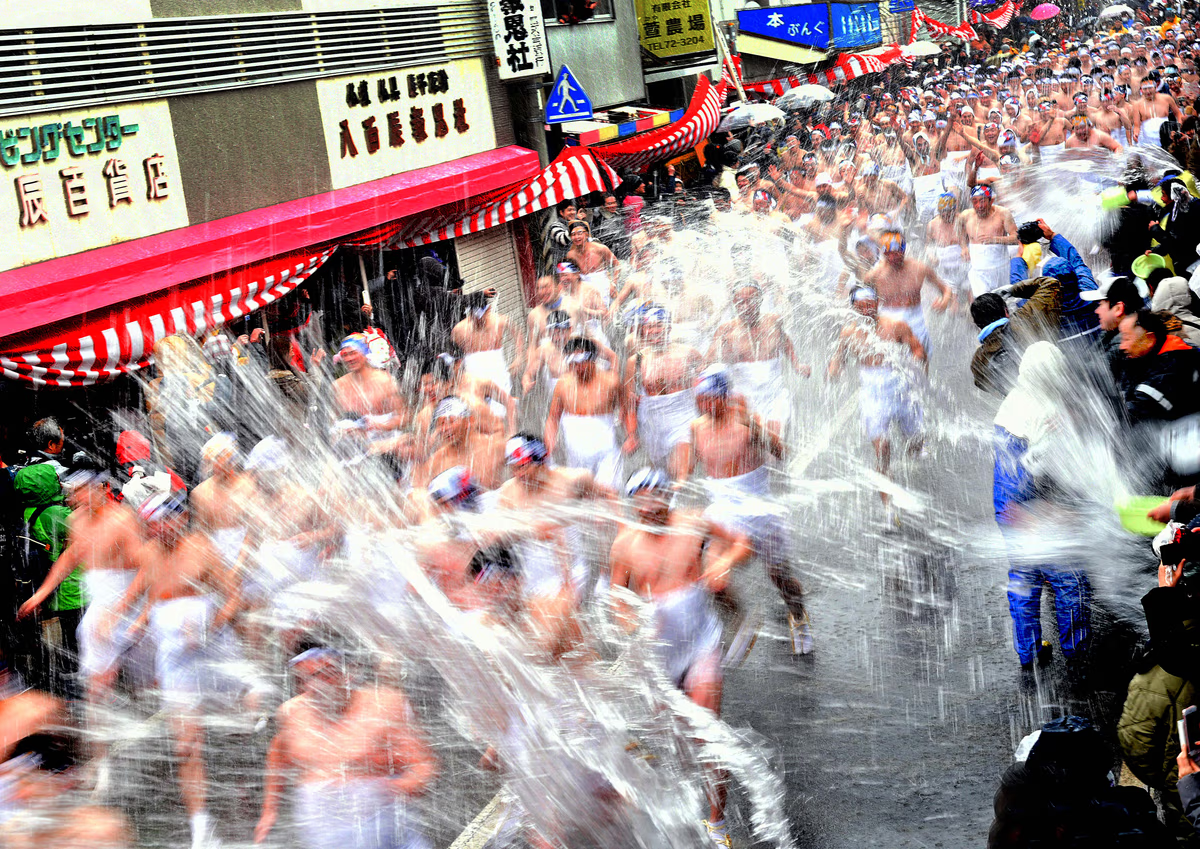
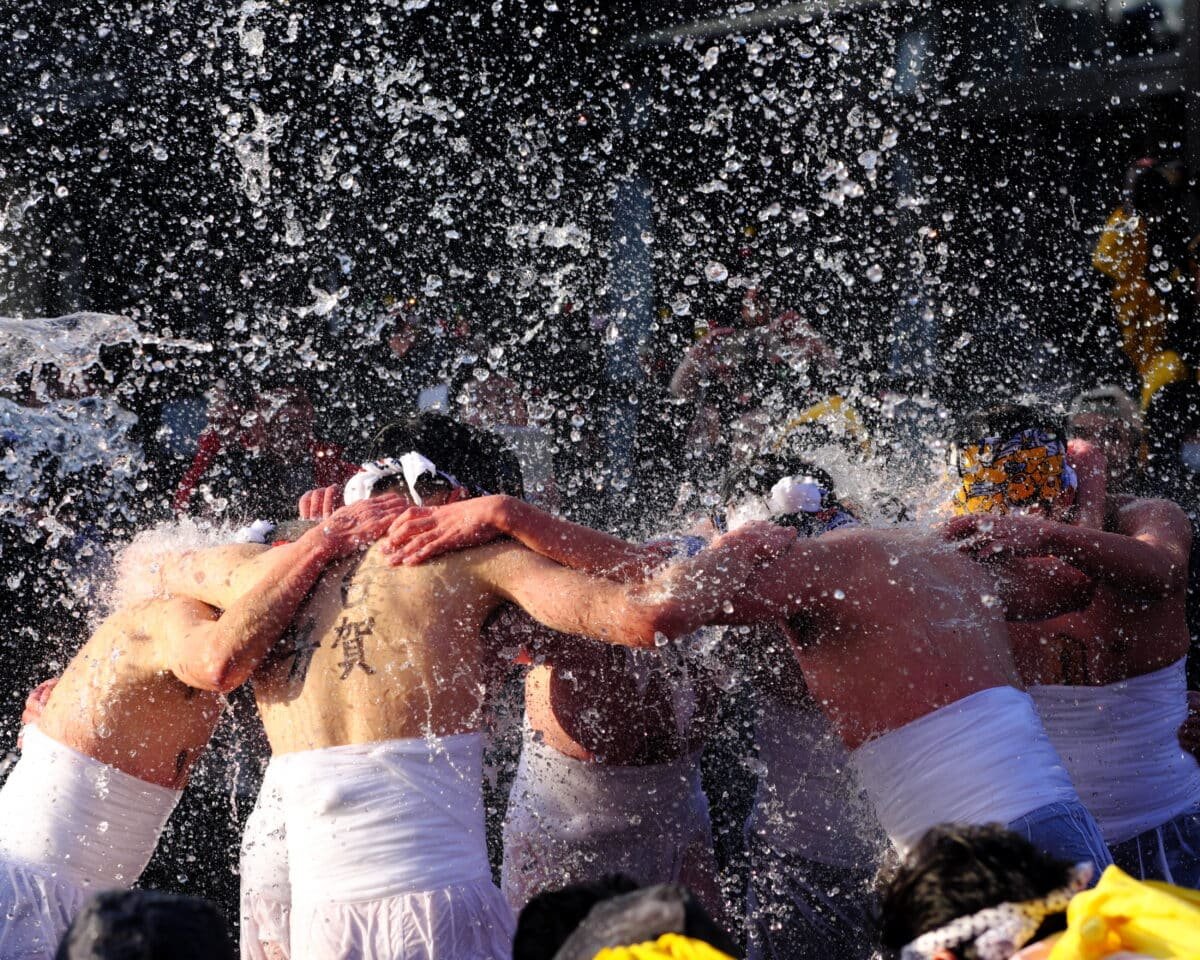
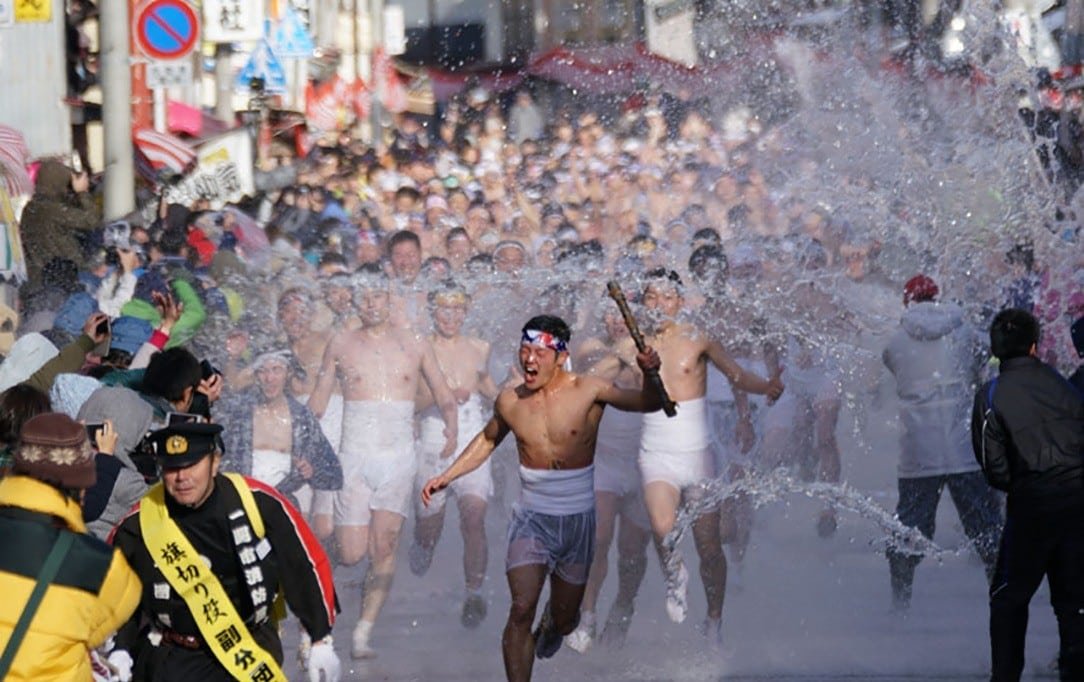
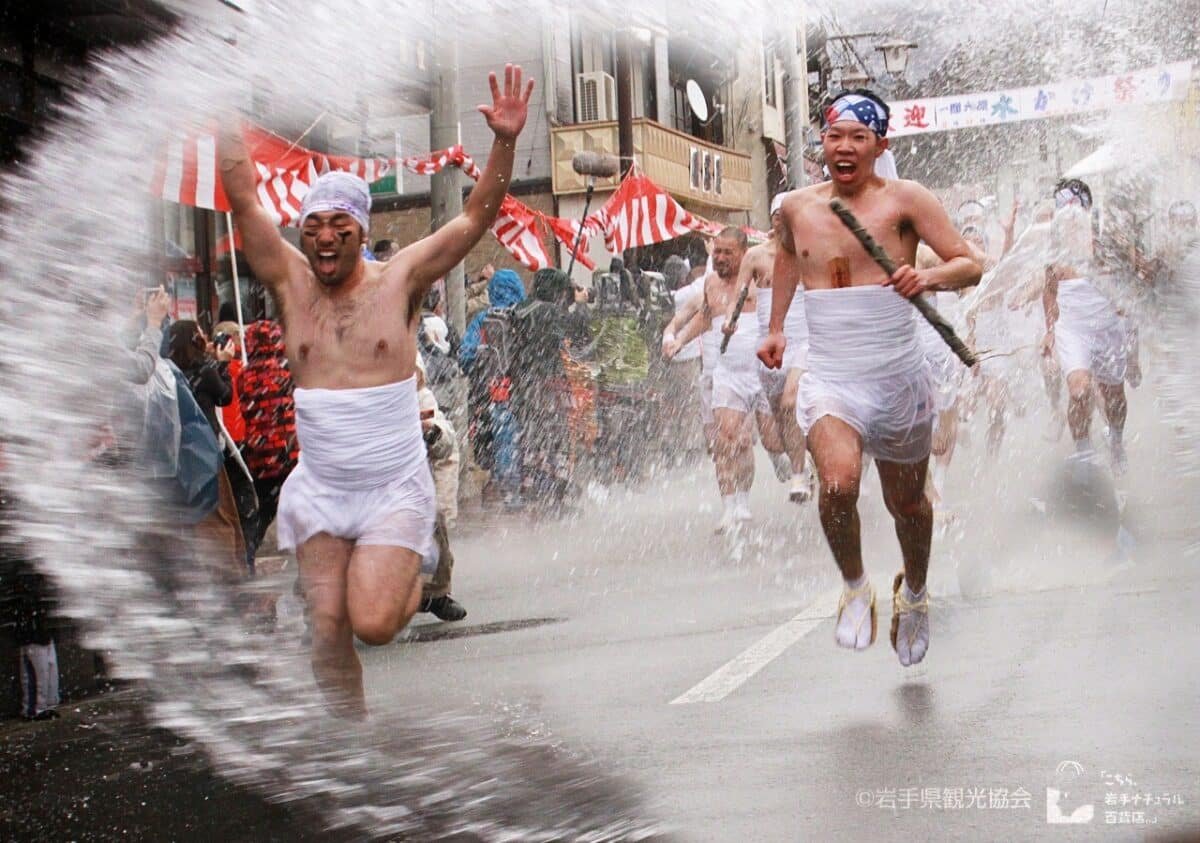
The Daito-Ohara Water Throwing Festival, locally known as Mizukake Matsuri, stands as one of the most uniquely exhilarating and culturally profound winter traditions in Japan. Held annually in the heart of winter, this vibrant event centers on courageous men who are at a traditionally unlucky age—known as yakudoshi—dashing through the snowy streets of Daito. Clad in little more than traditional white loincloths and tightly wrapped sashes, these participants brave the freezing temperatures as they run to symbolically purge themselves of misfortune and pray for the prosperity and safety of their community.
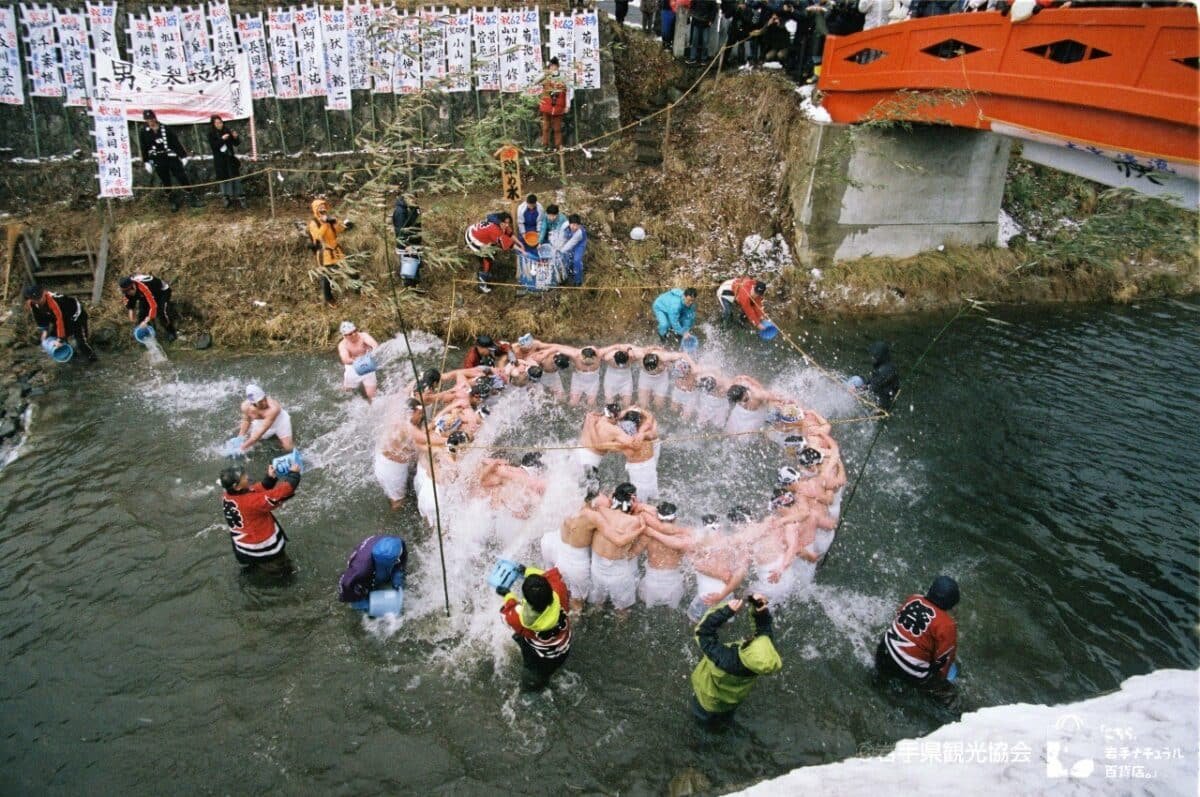
The festival carries a deep historical resonance, dating back to 1657 following a devastating fire in Edo. It was established as a powerful ritual for fire prevention and a means to cleanse the town of negative energy. As the runners sprint through the Ohara Shopping Street, they are met by enthusiastic spectators who douse them with buckets of ice-cold water. This splashing is not merely for show; it is an interactive act of purification, with every drop representing a wish for health, longevity, and collective protection against the calamity of fire.
Witnessing this festival is an immersive dive into the resilient spirit of rural Iwate. The atmosphere is a striking contrast of intense, bone-chilling physical endurance and the warmth of communal solidarity. Visitors are invited to share in the energy of the event, observing as the runners navigate the icy path while the streets erupt with the sound of splashing water and shared prayers. It remains a rare and unforgettable spectacle that honors centuries of tradition while fostering a deep sense of connection among everyone present.
Enjoy Your Event Stress-Free with Japan Travelo
Do you know? Planning events, festivals, concerts, and cultural experiences in Japan can be overwhelming. Japan Travelo brings everything together in one place, helping you manage your itinerary, transport, and accommodation with ease—so you can enjoy Japan without the stress of planning.
Event Highlights
- Experience the visceral energy of local men braving sub-zero temperatures to participate in a centuries-old purification ritual.
- Witness the powerful symbolic act of dousing participants with water, representing prayers for fire prevention and the washing away of past misfortunes.
- Participate in the communal spirit of the festival as locals and visitors alike gather along the Ohara Shopping Street to cheer on the runners.
- Learn about the fascinating cultural significance of yakudoshi and the historical context of the event, which honors community safety and resilience.
Why Attend
This festival is an essential destination for cultural enthusiasts, intrepid travelers, and photographers who are eager to witness a truly authentic and raw side of Japanese heritage. It is ideal for those who appreciate events that celebrate the intersection of human endurance, historical legacy, and the lively, participatory nature of community-driven traditions.
The primary benefit of attending is the opportunity to be part of a meaningful, immersive experience that transcends the typical spectator-performer barrier. Beyond the visual intensity of the run, you gain a deep appreciation for the customs of the Iwate Prefecture and the powerful way local communities come together to uphold their history. It provides a unique perspective on how ancient traditions continue to provide a sense of purpose and collective identity in the modern world.
Date & Duration:
- Event Date: Thursday, February 11th, 2027.
- Event Duration: Full-day event with the main water-throwing procession occurring in the afternoon.
Visiting this event? Don’t miss out on these amazing activities and local experiences while you’re here.
Ticket Information:
- How Tickets Are Sold: Admission is open to the public; no tickets or pre-registrations are required.
- Admission Type: General public access to the street-side viewing areas.
- Ticket Pricing: Free Admission.
- Special Seating Options: No reserved seating is available, as the event takes place in the open streets.
- VIP Options: No VIP packages or exclusive tiers are offered for this community ritual.
Venue / Location:
- City and Country: Ichinoseki, Japan.
- Venue Name: Ohara Shopping Street and surrounding areas in Ohara, Daito-cho.
- Google Maps Address: Ohara, Daito-cho, Ichinoseki City, Iwate Prefecture, Japan.
Contact Information:
- Phone Number: 0191-72-2282 (Daito-Ohara Water Throwing Festival Preservation Society).
- Website: https://en.japantravel.com/iwate/daito-ohara-water-throwing-festival/71958.
Accommodation Options:
The Ichinoseki area provides a variety of lodging options ranging from comfortable business hotels to traditional ryokans that offer a more intimate look at local life. Staying closer to the Ichinoseki Station area is highly recommended, as it serves as the primary transport gateway for reaching the Daito region.
Given that the festival attracts numerous visitors despite the cold weather, it is prudent to secure your accommodation well in advance. Choosing a hotel in the city center ensures you are well-positioned for both the festival festivities and the convenient train connections that link you back to the major transportation hubs of the Tohoku region.
Getting There:
- Nearest Airport: Iwate Hanamaki Airport, which is the most convenient regional gateway.
- Nearest Train/Metro Station: Ichinoseki Station, served by the JR Tohoku Shinkansen line.
- Bus Routes or Public Transport Options: Local buses and taxi services operate from Ichinoseki Station to the Ohara region.
- Parking Availability: Limited parking is available in and around the Ohara shopping area for those driving private vehicles.
- Directions by Car: Access the area via the Tohoku Expressway, taking the Ichinoseki Interchange and following signage for Daito-cho.
Dining Recommendations:
Breakfast Recommendations:
- Enjoy a warm, hearty breakfast at a local hotel before departing for the chilly festival grounds.
- Visit a convenience store near the station for hot coffee and rice balls, which are perfect for a quick, mobile morning meal.
- Sample local seasonal fruits or baked goods from a bakery in Ichinoseki to fuel up for the cold afternoon ahead.
Lunch Recommendations:
- Try a bowl of hot, comforting ramen at one of the local shops in Ohara to warm yourself up before the main event.
- Sample the local Iwate specialty, wanko soba, which is served in small, numerous bowls to keep you energized.
- Enjoy a traditional Japanese set meal at a local eatery, featuring locally sourced vegetables and mountain delicacies.
Dinner Recommendations:
- Treat yourself to a succulent grilled meat dish featuring regional beef, perfect for replenishing your body after spending time in the cold.
- Visit a local izakaya to share small plates and warm sake while reflecting on the day’s unique cultural experiences.
- Find a traditional restaurant offering nabe, or hot pot, which is the quintessential dinner choice for a freezing winter day.
Local Specialties to Try:
- Maesawa Beef, which is widely considered one of the finest Wagyu brands in Japan due to its incredible flavor profile.
- Wanko Soba, the famous Iwate noodle dish that offers a unique and interactive dining experience.
- Locally brewed sake, which is crafted using the clean, cold water and high-quality rice characteristic of the Iwate Prefecture.
What is this event?
The Daito-Ohara Water Throwing Festival is an ancient purification ritual where men in their unlucky years run through the streets while being doused with freezing water. It serves as a symbolic act to pray for fire prevention and personal protection.
This festival is deeply rooted in local history, functioning as both a solemn religious prayer and a spirited community event. Residents and visitors come together to wash away misfortune and ensure the safety of the town throughout the coming year.
Why is it popular?
The event is popular because it is an incredibly unique and intense display of traditional Japanese culture that defies the harshness of winter. The juxtaposition of the extreme physical cold and the warmth of the community’s shared prayers makes it a compelling sight.
It offers a rare opportunity for outsiders to witness a raw, centuries-old tradition that remains authentic and untouched by commercialization. The interactive nature of the water throwing, where even spectators can participate in the ritual, leaves a lasting impression on all who attend.
Tips before you go
- Wear heavy-duty, waterproof clothing, as you are almost guaranteed to be splashed with water while watching the procession.
- Bring a protective cover for your camera and smartphone to keep them dry during the intense water-throwing sessions.
- Prepare a full change of dry clothes and a towel to leave in your car or locker so you can warm up immediately after the festival.
- Plan your transportation in advance, as local bus services may be crowded and road conditions can be affected by winter weather.
- Stay hydrated and fueled with warm beverages throughout the day to help your body regulate its temperature in the freezing air.
Tips for First-Time Visitors
- Arrive at the festival area early to scout for the best viewing spots along the Ohara Shopping Street before the main procession commences.
- Respect the boundaries set by the organizers; keep in mind that this is a sacred ritual for the participants, so please maintain a polite distance.
- If you are planning to take photos, prioritize your equipment’s protection first, as the water can be thrown from unpredictable angles by the enthusiastic crowd.
- Don’t hesitate to engage with the friendly locals, who are often happy to explain the history of the yakudoshi participants and the significance of the event.
- Keep your movements steady and be mindful of icy road conditions, as the combination of winter temperatures and water can create very slippery surfaces.
- Take the opportunity to explore the surrounding Ichinoseki region after the festival, as it offers numerous hot springs that are perfect for thawing out.
Attendee Experiences
- Standing on the street watching the men dash through the cold was an intense and deeply moving experience I will never forget.
- The energy of the crowd as they throw water to wash away bad luck is infectious and quite unlike anything else in Japan.
- It is a truly bizarre and wonderful tradition that perfectly captures the resilient and kind-hearted nature of the people in Iwate.
Video
Location
FAQ
What is the significance of the unlucky years mentioned?
The festival centers on participants in their yakudoshi, which are considered particularly vulnerable years in Japanese tradition. By running through the streets and enduring the cold, these men symbolically cleanse themselves and their community of misfortune.
Can women participate in the water throwing?
The historical traditions of this specific festival are strictly restricted to male participants regarding the running and the active splashing of the runners. Women are encouraged to attend as spectators to support the community and share in the prayers for safety.
How cold does it get during the festival?
February in Iwate is the heart of winter, with temperatures frequently dropping well below freezing. The environment is extremely cold, which makes the sight of the lightly clad runners even more impressive and adds to the raw intensity of the experience.
Why is the water thrown at the runners?
The water serves as a purifier, intended to cleanse the runners and the town from potential bad luck and fire hazards. It is a symbolic gesture of community support, where every splash acts as a prayer for the health and prosperity of those involved.
Where should I stay for the best experience?
The most convenient option is to stay in Ichinoseki City near the main train station. This provides easy access to public transport, ensuring you can reach the festival site in Daito-cho efficiently while still having access to modern comforts and dining.

Leave a Reply