
What to expect in 2027
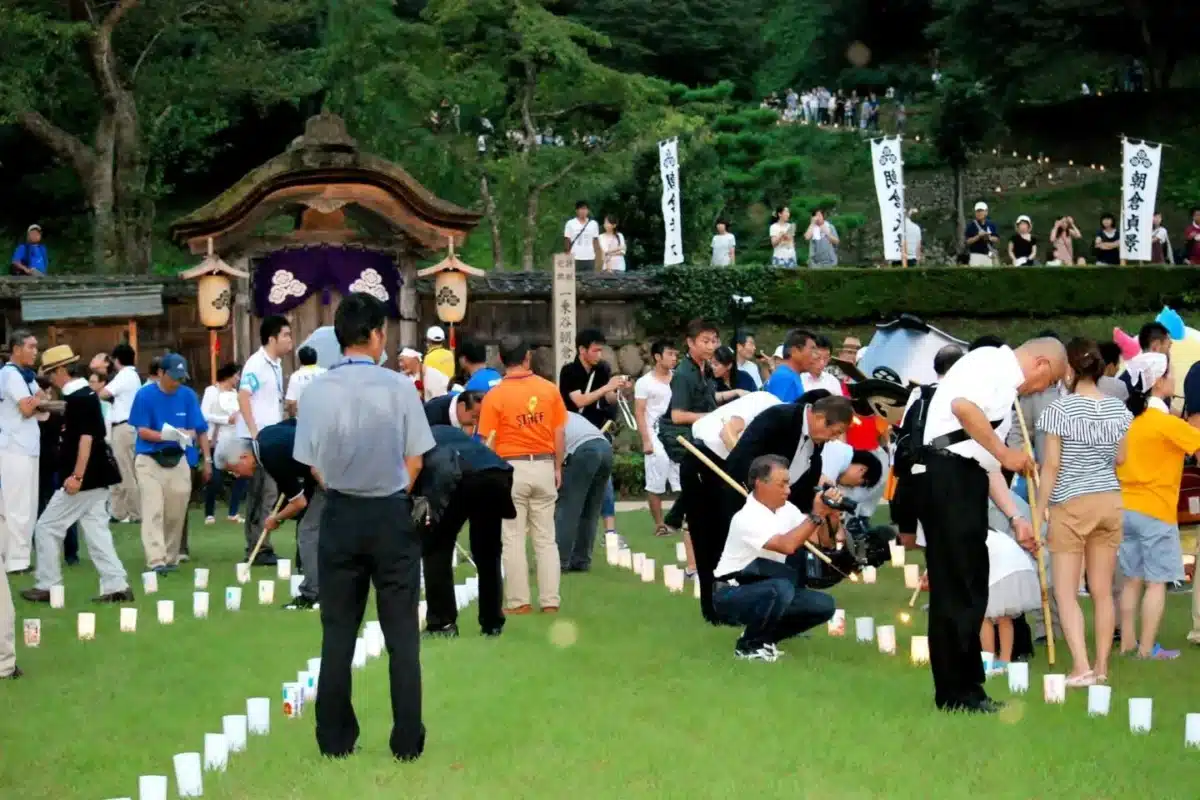
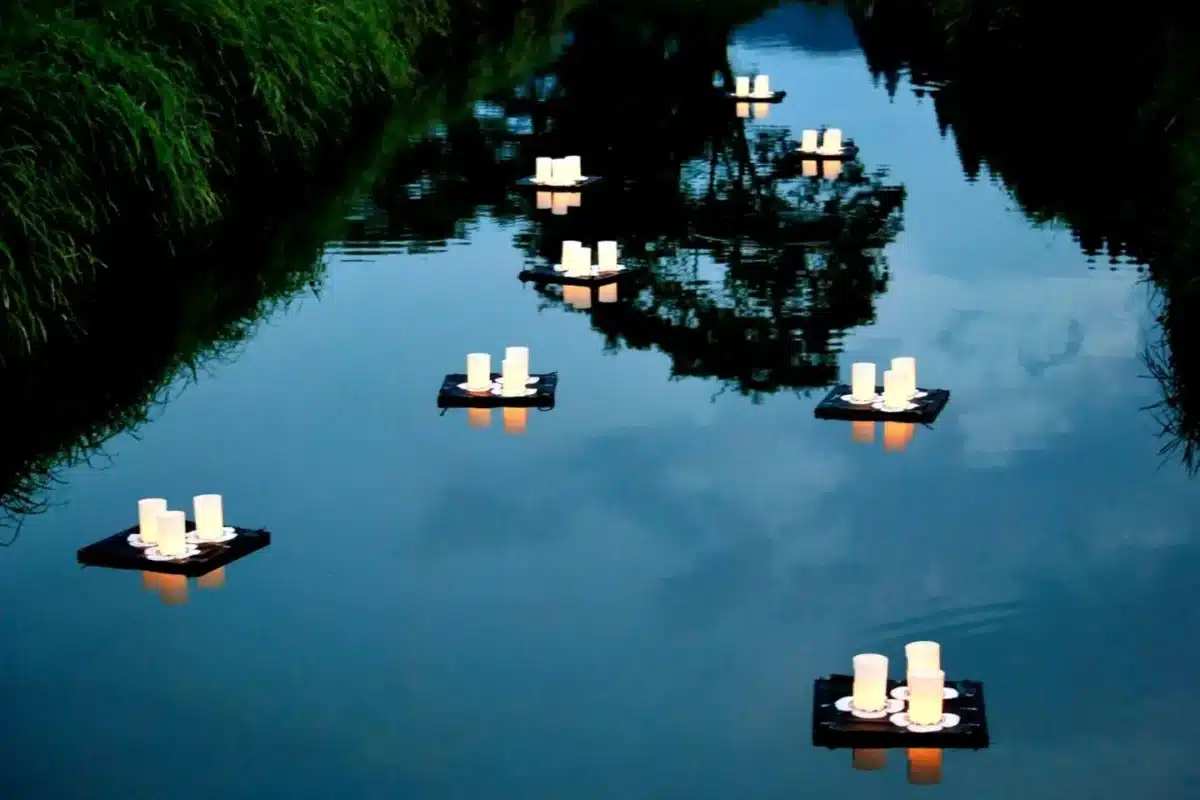
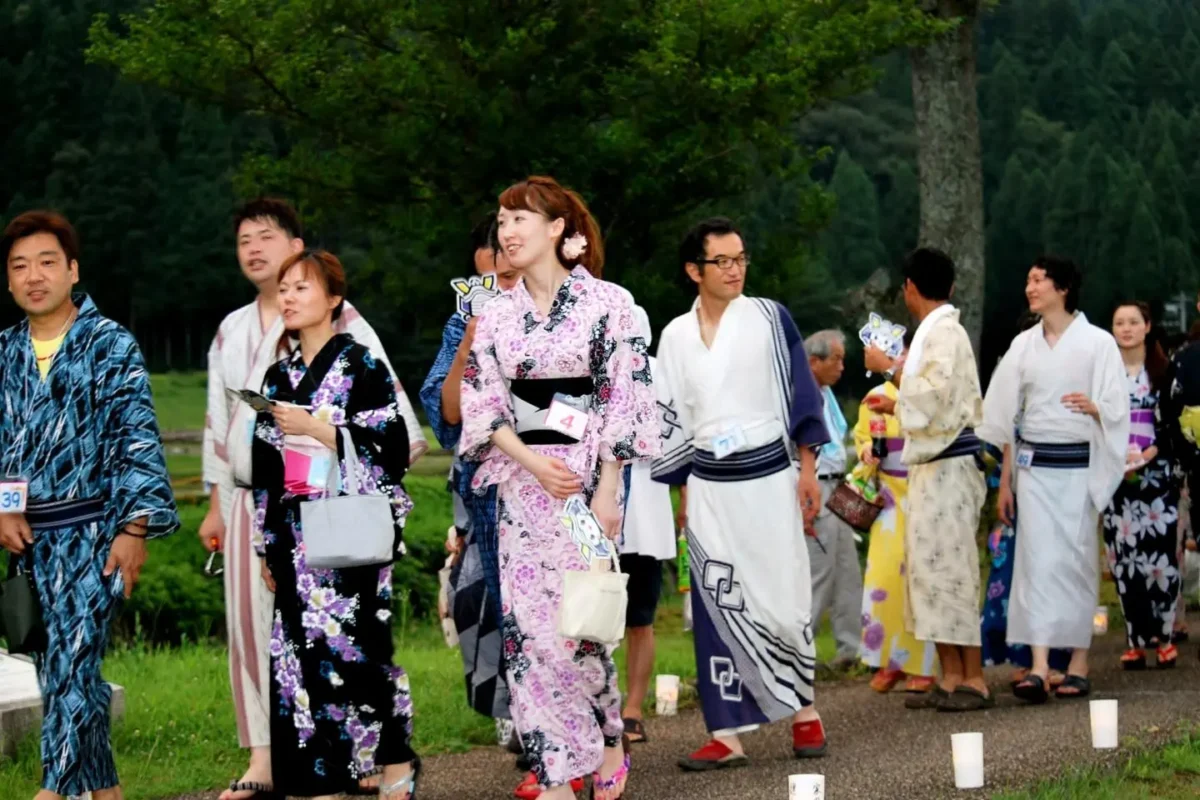
Echizen Asakura Mantoya Lightup 2027 is expected to transform the historic Ichijodani Asakura Clan Ruins in Fukui into a vast landscape of candlelight, traditional performances and cultural activities. The event is centred on thousands of individual candle cups arranged across the archaeological remains of the former Asakura castle town, creating illuminated outlines of streets, residences, gardens and historic spaces.
The festival combines a spectacular evening light-up with the history and traditions of the Echizen Asakura clan. Rather than simply placing decorative lights around the ruins, local residents and volunteers carefully position and light individual candles by hand. The result is an atmospheric view of the historic valley that connects the archaeological landscape with the cultural memory of medieval Echizen.
The 2027 programme has not yet been fully released. Based on the previous edition, visitors can expect a mixture of candle lighting, traditional Japanese music, dance, cultural performances, historical activities and special events associated with the Echizen Asakura Sengoku Festival.
Enjoy Your Event Stress-Free with Japan Travelo
Do you know? Planning events, festivals, concerts, and cultural experiences in Japan can be overwhelming. Japan Travelo brings everything together in one place, helping you manage your itinerary, transport, and accommodation with ease—so you can enjoy Japan without the stress of planning.
One of the most distinctive features is the way the candles follow the actual layout of the former castle town. From elevated viewpoints, the illuminated paths can reveal the scale and structure of Ichijodani, while visitors walking through the site experience the lights at ground level.
The event is also strongly connected with local community participation. Residents from seven former Asuwa districts help prepare the site, with volunteers contributing to the placement and lighting of the candles. This gives Mantoya a community festival character as well as making it an important cultural event for Fukui.
Event dates
Echizen Asakura Mantoya Lightup 2027 is planned for Late August 2027 (Dates TBD) at the Ichijodani Asakura Clan Ruins in Fukui, Japan.
The official organiser has confirmed that the 2027 edition is planned, but the detailed programme, operating information and additional visitor arrangements will be announced as preparations progress.
Visitors planning a trip should check the official Mantoya website before travelling because lighting times, shuttle-bus arrangements, parking information, performance schedules and other practical details can change from one edition to another.
Visiting this event? Don’t miss out on these amazing activities and local experiences while you’re here.
Venues & festival locations
The main venue is the Ichijodani Asakura Clan Ruins, located in Kidonouchi-cho, Fukui City. The ruins form one of Japan’s most important surviving archaeological landscapes associated with the Sengoku period.
The festival spreads through several historically significant areas of the site, rather than being restricted to one conventional stage. Candle arrangements can appear around reconstructed streets, gardens, former residences and archaeological remains.
Important areas include:
- Karamon Gate
- Asakura Residence site
- Suwakata Garden and surrounding ruins
- Restored Townscape area
- Historic paths through the valley
- Performance areas established within the archaeological site
The Karamon Gate is particularly atmospheric after dark, with illuminated decorations and candlelight creating a strong visual connection between the historic entrance and the surrounding ruins.
The Asakura Residence area is another important viewing location. Candlelight around the garden and archaeological features provides a different atmosphere from the open areas of the former town.
The surrounding valley is also part of the experience. The candles are arranged along paths and historic town outlines, meaning visitors can experience the event while walking through the landscape rather than watching everything from a single location.
Full cultural programme
The complete 2027 programme has not yet been announced. The previous edition provides a useful indication of the type of cultural programming that may return.
The programme has traditionally combined daytime historical activities with evening illumination and entertainment. Visitors can expect the festival to move gradually from historical and cultural activities into the main candle-lighting atmosphere.
Possible programme elements include:
- Candle-lighting ceremony
- Traditional Japanese music
- Gagaku court music
- Ocarina performances
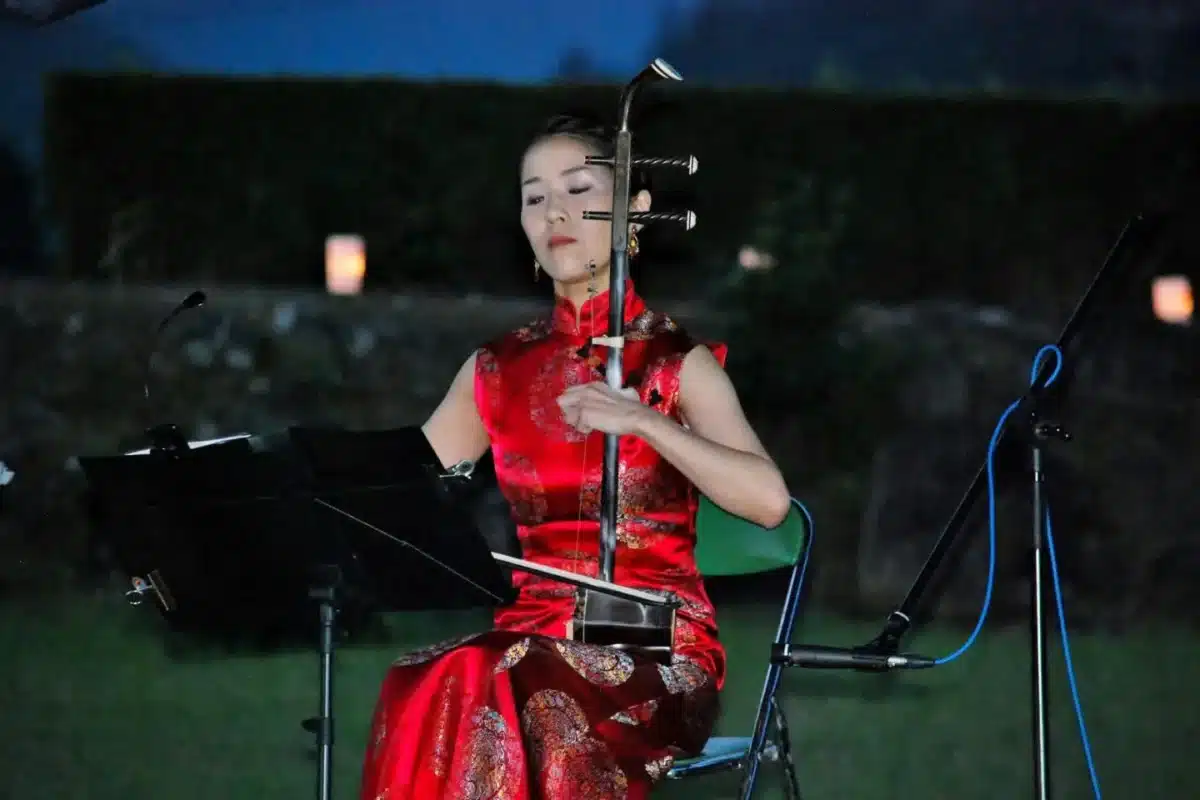
- Erhu performances
- Japanese dance
- Yosakoi-style dance
- Sword dance
- Local music performances
- Fireworks
- Sengoku-period cultural demonstrations
- Historical procession
- Memorial ceremonies
The previous programme included performances by the Fukui City Fire Brigade Band, Asakura Kyogaku, erhu performers, an ocarina ensemble, children’s dance groups, Yosakoi dancers and a Gagaku court music group.
Because the 2027 programme is still being prepared, individual performers and performance times should be treated as subject to confirmation.
Featured traditions & performances
The strongest tradition at Mantoya is the hand-lighting of thousands of candles throughout the ruins. Local residents and volunteers prepare the candle cups before lighting begins, creating a huge illuminated design across the valley.
The candle arrangements are particularly significant because they follow the archaeological layout of Ichijodani. Streets and former residential areas become visible through lines of small flames, allowing visitors to appreciate the scale of the former castle town in a completely different way.
Traditional Japanese music is another major part of the atmosphere. Previous programmes have featured Gagaku court music, ocarina, erhu, Japanese sword dance and other cultural performances.
The combination of historical ruins, traditional music and candlelight creates a quieter cultural atmosphere than a conventional modern festival.
The Sengoku-period theme is also reflected in historical performances and demonstrations associated with the wider Echizen Asakura Sengoku Festival. These activities help visitors understand the military and cultural world surrounding the Asakura family.
Historical & heritage highlights
Ichijodani was the home of the Asakura clan, which ruled Echizen from its castle town for more than a century. The site developed into a major political and cultural centre during the Sengoku period and attracted nobles, monks and cultural figures from Kyoto and Nara.
The castle town was eventually destroyed and buried, leaving a remarkably well-preserved archaeological landscape. Modern excavations have revealed streets, residences, gardens, religious buildings and other evidence of life in the former settlement.
The Ichijodani Asakura Family Site is nationally recognised for its historical and archaeological importance. The associated museum presents excavated materials and reconstructed elements that help explain how the castle town functioned.
Mantoya adds another layer to this heritage experience. When thousands of candles are placed according to the excavated street plan, the archaeological landscape becomes visually understandable even after sunset.
The festival therefore functions as both an illumination event and a cultural interpretation of Ichijodani’s history.
Events & activities schedule
The detailed 2027 schedule is still to be announced, but the previous edition followed a pattern that visitors can use when planning their experience.
Afternoon cultural programme
Historical and cultural activities traditionally begin before the main evening illumination. These can include music, demonstrations, cultural performances and activities connected with the Sengoku Festival.
Historical ceremonies
The wider programme can include ceremonies associated with the Asakura family and the historical site, including memorial activities connected with the former Asakura lords.
Traditional performances
Music and dance performances are presented at different locations around the ruins. Previous programming included Gagaku, ocarina, erhu, sword dance, Yosakoi and other performances.
Candle-lighting ceremony
The main Mantoya lighting ceremony is the central event. Volunteers and residents light the prepared candles throughout the archaeological site, gradually transforming the valley as daylight disappears.
Evening illumination
After the candles are lit, visitors can walk through the illuminated areas and view the ruins, gardens, gates and historic town layout under candlelight.
Fireworks and evening entertainment
The previous edition also included fireworks as part of the evening programme. Whether the same feature will return in 2027 should be confirmed through the official programme.
Ticket types & entry options
Mantoya is primarily experienced as a public cultural and illumination event rather than a conventional ticketed concert or theme-park attraction. Visitors should check the official 2027 visitor information for any changes to entry arrangements.
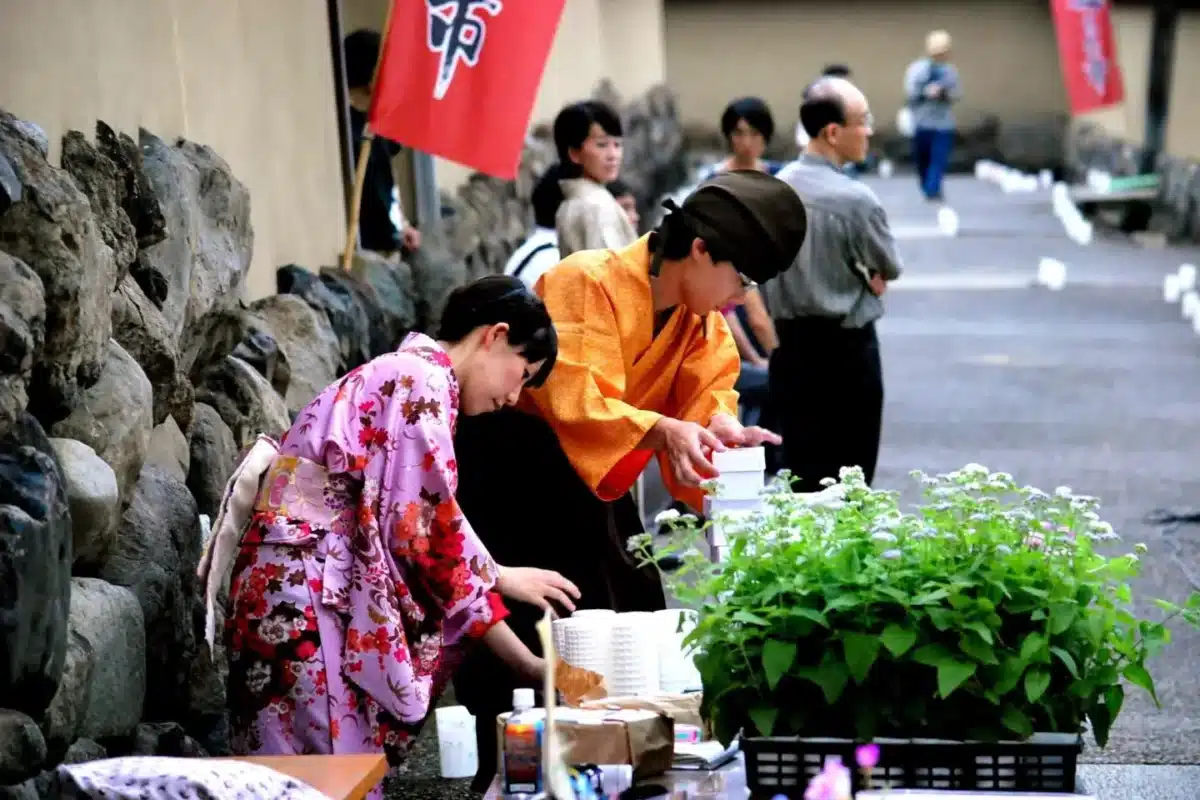
The event has also offered optional candle-supporter items that allow visitors to participate directly in the lighting experience.
Based on the previous edition, the options included:
- Candle and cup: approximately $5 USD
- Candle, cup and Echizen Oroshi Soba: approximately $8 USD
These amounts are converted from the previous edition’s published Japanese prices and should be treated as reference pricing until 2027 arrangements are announced.
The candle-and-cup experience is particularly suitable for families and visitors who want to contribute a personal message or drawing to the illuminated display.
Guided tours & cultural experiences
Mantoya is not simply a walk-through light display. Visitors can combine the evening experience with exploration of the Ichijodani Asakura Family Site.
A useful approach is to visit the archaeological site and museum during daylight before returning for the evening illumination. The museum provides context about the Asakura family, the former castle town and the archaeological discoveries made at Ichijodani.
Visitors can also look for:
- Reconstructed historical buildings
- The Asakura Residence
- Karamon Gate
- Japanese gardens
- Excavated streets
- Historic foundations
- Archaeological displays
- Traditional performances
- Candle-making or supporter activities
The most rewarding cultural experience is to understand the archaeological layout before seeing it illuminated. Once the candles are lit, the same streets and residential spaces take on a completely different appearance.
Special ceremonies & celebrations
The festival’s central ceremony is the lighting of the candles across Ichijodani.
The event has a strong connection with remembrance and gratitude. Mantoya originated as a community response following severe flooding in the Fukui area. Volunteers from across Japan helped with recovery, and the first candle-lighting was created as a prayer for recovery and a way of expressing gratitude to those volunteers.
This origin continues to influence the atmosphere of the festival. The lights are not merely decorative; they represent remembrance, hope, community participation and the preservation of local heritage.
The wider Echizen Asakura Sengoku Festival can also add memorial and historical ceremonies to the programme, including activities connected with the Asakura lords and the Sengoku-period history of the valley.
Festival rules
Visitors should follow the instructions provided by organisers, volunteers and venue staff throughout the event.
Important visitor considerations include:
- Stay on designated visitor paths.
- Do not touch or move candle arrangements unless participating under organiser supervision.
- Follow crowd-control instructions around narrow paths and historic areas.
- Do not enter restricted archaeological areas.
- Keep children supervised around candles and uneven ground.
- Follow photography instructions where staff request clear passage.
- Dispose of rubbish in designated areas.
- Respect the historic site and surrounding residential communities.
- Follow temporary traffic and parking restrictions.
- Use official shuttle services where possible during busy periods.
The site is an important archaeological heritage area, so visitors should treat stonework, gardens, reconstructed buildings and archaeological remains carefully.
How to get there
The Ichijodani Asakura Clan Ruins are located in Kidonouchi-cho, Fukui City.
From JR Fukui Station, visitors can take the JR Etsumi-Hoku Line toward Ichijodani. The journey requires a walk from Ichijodani Station to the ruins, and the railway service is relatively infrequent, so checking the timetable before travelling is important.
Bus services are another option. Local services connect Fukui Station with the Ichijodani area, including routes serving the Asakura ruins and museum.
For festival visitors, the shuttle bus is particularly useful. The official event access information lists stops including Fukui Station East Exit, Fukui City Art Museum, Asakura Mizu-no-Eki, Asakura Ruins Museum and the festival venue.
If driving, the venue is close to the Fukui Interchange via the Hokuriku Expressway and National Route 158.
Public transport & parking
Public transportation is recommended because the area around the ruins becomes extremely busy during Mantoya.
The official organiser advises visitors to consider the shuttle bus or train because parking capacity is limited and congestion can develop around the valley.
Available transport options include:
- Festival shuttle bus
- JR Etsumi-Hoku Line
- Local Keifuku buses
- Asakura-Eiheiji Direct Bus
- Private car
Parking is available around the Ichijodani area, including facilities near the Asakura ruins museum, but spaces can fill quickly.
Drivers should also pay close attention to temporary traffic instructions. The organiser specifically warns against using the narrow Fukui Prefectural Route 238 when approaching from the Sabae direction and recommends approaching through National Route 8 and National Route 158 instead.
Accommodation areas
Fukui City is the most convenient base for visitors travelling specifically for Echizen Asakura Mantoya.
Staying around Fukui Station provides access to:
- JR railway services
- Local buses
- Festival shuttle services
- Restaurants and shops
- Hotels in central Fukui
- Easy onward travel around Fukui Prefecture
Visitors who want a quieter countryside experience can also investigate accommodation in the wider Fukui and Ichijodani area.
For a longer cultural trip, Fukui can be combined with visits to the Ichijodani Asakura Family Site Museum, Eiheiji Temple, Fukui Castle ruins and other attractions around the prefecture.
Because the festival attracts substantial visitor numbers, booking accommodation early is advisable once the 2027 programme and travel arrangements are confirmed.
Food & traditional specialties
Food is an important part of the Mantoya experience, particularly because Echizen has several well-known regional specialties.
One of the most closely associated foods with the festival is Echizen Oroshi Soba, a regional buckwheat noodle dish traditionally served with grated daikon. The festival has previously offered a supporter option combining a candle cup with Echizen Oroshi Soba.
Visitors can also look for Fukui specialties such as:
- Echizen Oroshi Soba
- Echizen crab
- Sauce katsudon
- Local rice dishes
- Japanese sweets
- Regional tea and refreshments
- Festival snacks
Food availability can vary depending on the final 2027 vendor programme, so visitors should check the official event information closer to the festival.
For the best cultural experience, consider trying local Fukui cuisine before or after visiting the illuminated ruins rather than relying entirely on festival food stalls.
Accessibility
Ichijodani is a large archaeological landscape rather than a purpose-built modern event venue. Some paths are uneven, narrow or surrounded by historic terrain, so accessibility can vary between areas.
Visitors with mobility requirements should check the latest official access information before travelling and contact the organisers if specific assistance is required.
The main considerations include:
- Uneven historic surfaces
- Gravel and outdoor paths
- Crowded pedestrian areas
- Low-light conditions
- Narrow sections of the archaeological site
- Candle arrangements close to walking routes
- Potential congestion around shuttle stops
Visitors using wheelchairs, walking aids or travelling with young children may wish to arrive early and identify the most suitable accessible routes before the main evening crowds develop.
The official access information should be checked again before the 2027 event because temporary routes and transport arrangements may change.
Best cultural experiences
Walk the candlelit archaeological streets
The most memorable experience is walking through the candlelit remains of the former castle town. The lights make the excavated streets and residential areas easier to visualise while creating an atmosphere that changes continuously as you move through the valley.
See the Karamon Gate
The Karamon Gate is one of the most recognisable locations at Ichijodani. Seeing it surrounded by candlelight provides an especially atmospheric introduction to the festival.
Explore the Asakura Residence area
The former residence and garden area offers a more intimate view of the illumination, with candlelight reflecting around historic landscape features.
Watch traditional performances
Plan time for Japanese music, dance and cultural performances. Previous programmes have included Gagaku, erhu, ocarina, sword dance and local dance performances.
Combine Mantoya with the Sengoku Festival
The wider Echizen Asakura Sengoku Festival adds historical demonstrations, ceremonies and performances connected with the Warring States period. This provides additional context for the ruins and the Asakura family.
Create your own candle
Where the supporter programme is offered, decorating a candle cup allows visitors to participate personally in the illumination rather than simply observing it.
Visit the museum
The Ichijodani Asakura Family Site Museum is an excellent companion attraction. Its exhibits explain the castle town and archaeological discoveries, making the evening illumination easier to understand.
Previous year’s highlights
The previous edition featured an extensive programme combining the illumination with historical and cultural performances.
Around 15,000 candles were placed throughout the valley, following the outlines of streets, residences and other archaeological features. Approximately 30,000 visitors attended across the two festival evenings, demonstrating the event’s growing importance as a major cultural attraction in Fukui.
The candle arrangements included large illuminated designs and messages, with some cups carrying wishes written by local schoolchildren. Volunteers from the seven former Asuwa districts and students helped prepare and light the candles by hand.
The cultural programme included a memorial service associated with the Asakura lords, a Sengoku warrior procession, matchlock-gun demonstration, song festival, sword dance, Gagaku court music, erhu, ocarina, children’s dance and Yosakoi performances.
Fireworks were also included in the evening programme, adding a dramatic finale to the candlelit historical setting.
The previous edition also demonstrated the strong community role of Mantoya. Volunteers helped with preparation, lighting, visitor support and clean-up, continuing the festival’s tradition of community cooperation.
Official tickets
Echizen Asakura Mantoya is organised by the Yume Sozo Asuwa-kai and the Echizen Asakura Mantoya Executive Committee, with support from Fukui Prefecture, Fukui City and local heritage and tourism organisations.
The official event website is the best place to check the final 2027 programme, access arrangements, shuttle information, visitor guidance and any ticket or supporter options once they are announced.
https://en.japantravel.com/fukui/echizen-asakura-mantoya-lightup/15183
Video
Location
FAQ
What is the main highlight of the Echizen Asakura Mantoya event?
Thousands of flickering candles illuminate the ancient castle town ruins of the Asakura clan. This creates a mystical, dreamlike atmosphere across the historic valley after sunset.
How did the Mantouya illumination festival originally start?
It began as a community resilience project following severe flood damage in Fukui City. Volunteers used candles to light up the recovering ruins to express hope and gratitude.
What other activities accompany the nighttime candle display?
The event runs alongside the Sengoku Festival featuring armored samurai processions. Visitors can also enjoy matchlock gun demonstrations, live music concerts, and fireworks.
How can visitors travel to the historic ruins venue easily?
Organizers recommend utilizing designated event shuttle buses or regional train connections. Local parking spaces near the ruins are severely limited during the festival weekend.
Is there any admission fee required to enter the festival grounds?
General entry to the outdoor illumination area and festival grounds is completely free. Visitors can walk through the candle-lit paths and enjoy the public performances without charge.

Leave a Reply