
What to expect
Evo Japan is the Japanese edition of the Evolution Championship Series, the largest and most prestigious fighting game tournament in the world. While the main Evo event takes place annually in Las Vegas, Evo Japan brings that same electrifying energy and competitive spirit to Tokyo, serving as the major highlight for the Asian fighting game community.
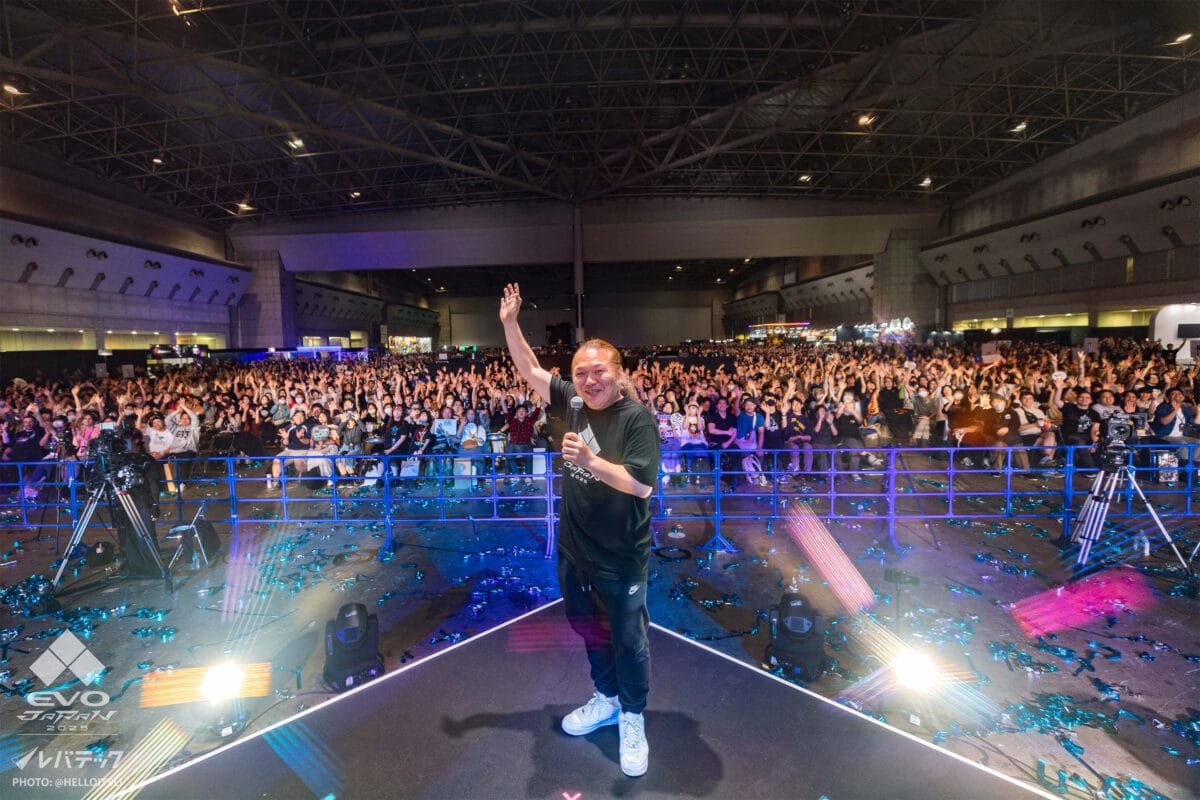
Expect a massive celebration of fighting games where thousands of players and tens of thousands of fans gather under one roof. The event features main tournament titles, community side tournaments, developer exhibitions, cosplay contests, and a vibrant arcade culture showcase. The most recent edition achieved a Guinness World Record for the largest tournament for a single fighting video game, with 7,168 Street Fighter 6 competitors, and overall entries reaching 9,875 participants.
The atmosphere is unique — part serious esports competition with prize pools totaling 30,000,000 yen, part festival with casual setups, merchandise sales, and meet-and-greets with top players like Arslan Ash. Whether you are a competitor aiming for Capcom Cup qualification or a fan wanting to experience fighting game culture firsthand, Evo Japan offers an unforgettable weekend at Tokyo Big Sight.
Enjoy Your Event Stress-Free with Japan Travelo
Do you know? Planning events, festivals, concerts, and cultural experiences in Japan can be overwhelming. Japan Travelo brings everything together in one place, helping you manage your itinerary, transport, and accommodation with ease—so you can enjoy Japan without the stress of planning.
The event is presented by partners such as Levtech and others, and is organized by the Evo Japan Executive Committee. It continues to grow each year, expanding from Ariake Gym-Ex to full East Halls of Tokyo Big Sight to accommodate demand.
Event dates
Event Dates: May 2027 (Dates TBD)
Venue: Tokyo Big Sight, Tokyo, Japan
Official Website: https://www.evojapan.gg/
Edition: Evo Japan 2027, following Evo Japan 2026 which featured a record-high 12 titles
Schedule Structure Based on Previous Editions:
Day 1 typically features doors opening around 8:30 AM with start around 9:30 AM for pool play across all main titles
Day 2 continues pool play and moves into semi-finals with same early opening hours
Day 3 features doors opening around 9:30 AM with start around 10:30 AM for Top 8 finals on main stages
Exact schedule with door and start times for each day is announced via official website and Ticket Pia closer to event. All times are JST.
Visiting this event? Don’t miss out on these amazing activities and local experiences while you’re here.
Venue & event site
Main Venue: Tokyo Big Sight, Tokyo International Exhibition Center, 3 Chome-11-1 Ariake, Koto City, Tokyo, 135-0063, Japan. Recent editions have used East Exhibition Halls 2 and 3, and expanded to East Halls 1 to 3 to accommodate record entries.
Historical Venue: Evo Japan 2024 took place at Ariake Gym-Ex in the Tokyo Big Sight convention space area. Ariake Gym-Ex was originally built for the Tokyo 2020 Olympic and Paralympic Games gymnastic events and is located within walking distance of Tokyo Big Sight.
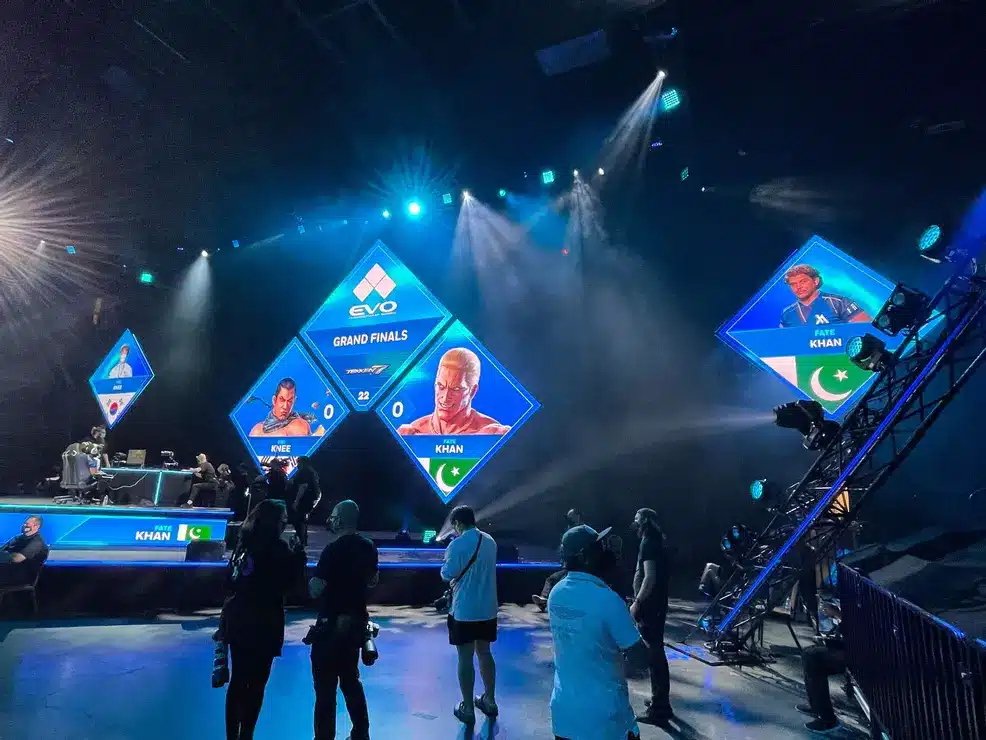
Event Site Layout: Tokyo Big Sight East Halls are transformed into a fighting game arena with hundreds of tournament stations, main stages with large LED screens for finals, community free-play areas, exhibitor booths from publishers like Capcom, Bandai Namco, Arc System Works, and Cygames, merchandise sales areas, and cosplay gathering zones.
Facilities: Tokyo Big Sight offers full convention facilities including food courts, convenience stores, rest areas, and accessibility support. The venue is directly connected to public transport and offers views of Tokyo Bay.
Full technology programme
Evo Japan’s technology programme centers on competitive gaming technology and community engagement rather than traditional tech conference tracks.
Main Tournament Programme: Features 7 to 12 main titles selected each year from the most popular fighting games. Recent titles have included Street Fighter 6, Tekken 8, Guilty Gear Strive, Fatal Fury City of the Wolves, Virtua Fighter 5 R.E.V.O. World Stage, Granblue Fantasy Versus Rising, Under Night In-Birth II Sys Celes, and others. Each title has its own tournament bracket, prize pool, and qualification implications for Capcom Pro Tour, Tekken World Tour Finals, and Esports World Cup.
Community Side Tournaments: BYOC, Bring Your Own Console, areas where community organizers run tournaments for classic and niche fighting games, providing platform for grassroots scenes.
Developer Exhibitions: Publishers showcase upcoming fighting games, DLC characters, and new stages. For example, Tekken 8 additional character Miary Zo and new stage BAOBAB HORIZON have been featured, plus hands-on demos for unreleased titles.
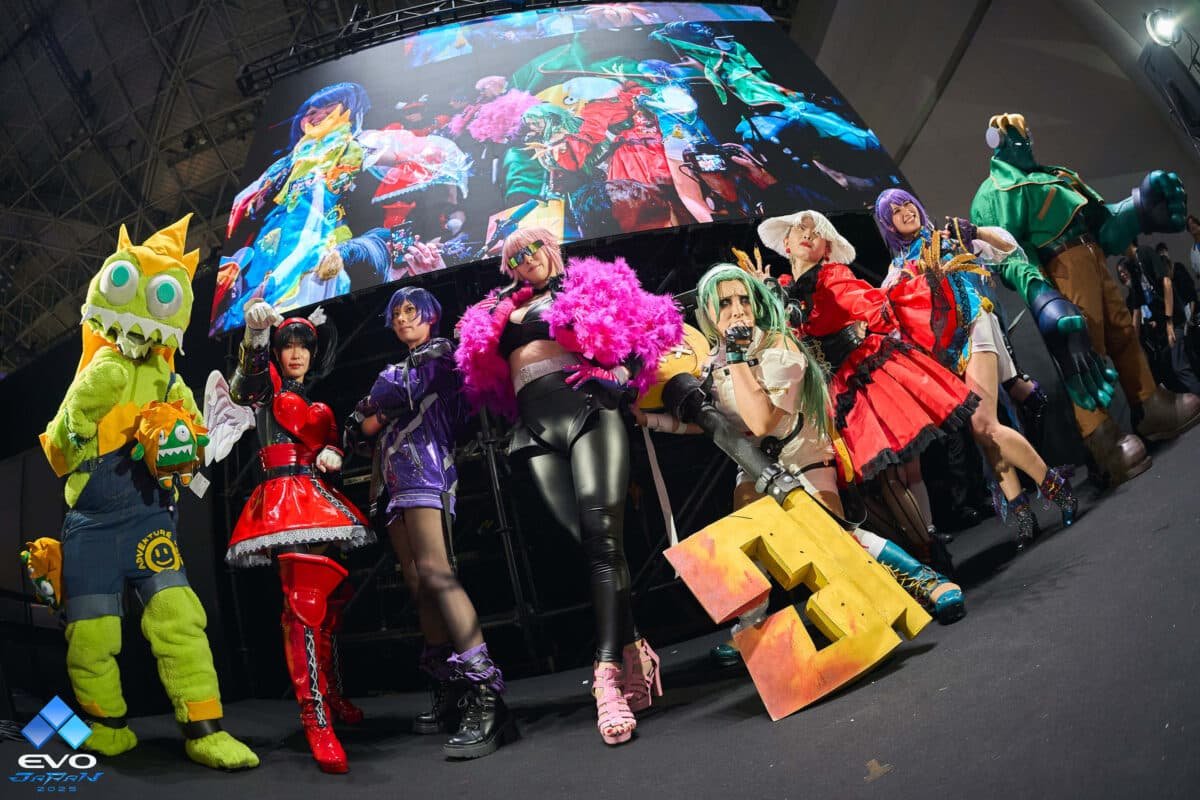
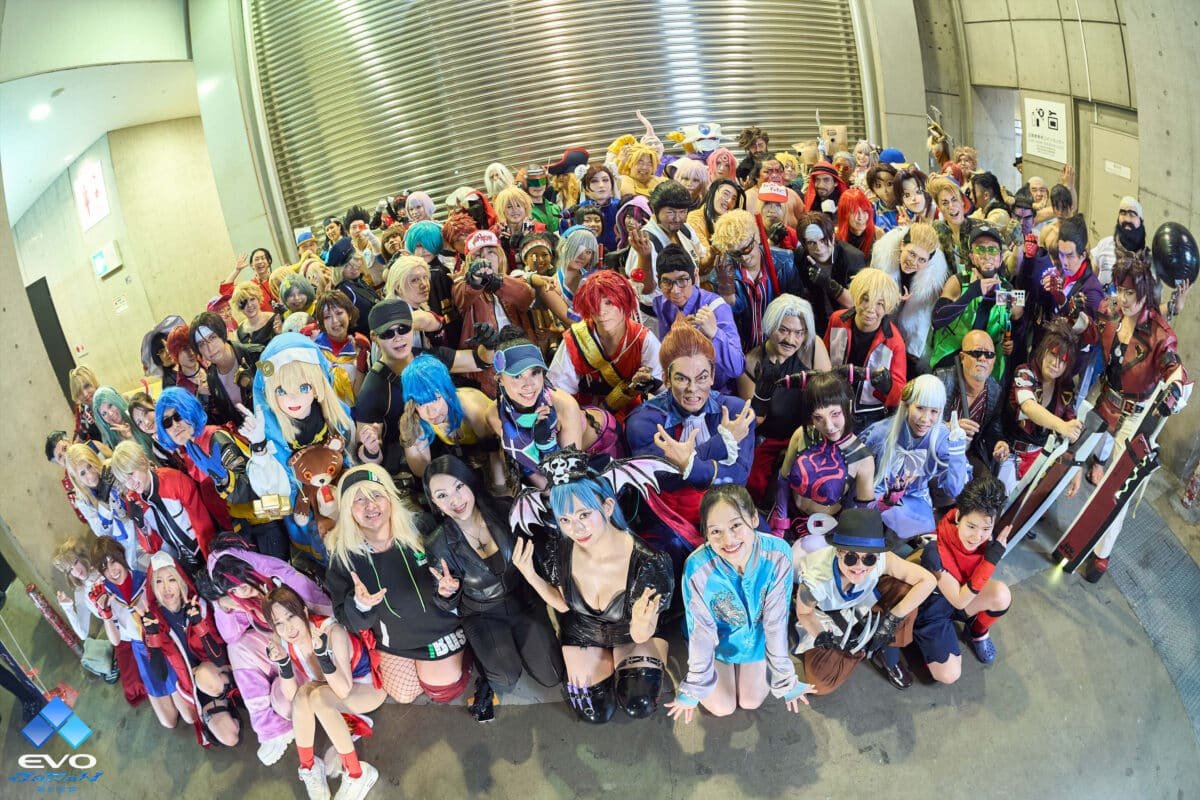
Cosplay Programme: Dedicated cosplay area and cosplay contest where participants dress as fighting game characters. Cosplay tickets are available as separate ticket type.
Streaming Technology: Multi-channel streaming setup with professional commentary in Japanese and English, featuring high-production broadcast technology for global audience.
Key speakers & industry leaders
While Evo Japan is not a traditional speaking conference, its key figures are legendary players, creators, and industry leaders.
Top Players: Champions such as Arslan Ash, who has won multiple Evo titles, and other top competitors from Japan, Korea, Pakistan, USA, and Europe attend and often participate in talk sessions and panels.
Game Creators: Developers from Capcom, Bandai Namco, Arc System Works, and other publishers appear for announcements. For example, Tekken series creator Katsuhiro Harada has historically made appearances before retirement announcements.
Tournament Organizers: Evo global leadership and Evo Japan organizers provide opening remarks and tournament updates.
Commentators and Influencers: Well-known fighting game community commentators and streamers provide live commentary and host side-stage talk shows.
Special Guests: Voice actors, musicians, and character designers from featured games often make guest appearances on main stage.
Technology sectors & themes
Fighting Game Esports: Core sector with focus on competitive balance, tournament formats, and global qualification circuits.
Game Development Technology: Showcase of latest fighting game engines, rollback netcode technology, and cross-platform play advancements.
Streaming and Broadcast Technology: Advanced tournament streaming with multi-camera setups, instant replay, and real-time bracket integration.
Community Technology: Platforms such as start.gg for registration and bracket management, MOALA Ticket electronic ticketing technology for entry.
Hardware and Peripherals: Exhibition of arcade sticks, controllers, and gaming peripherals from leading manufacturers.
Cosplay and Creative Arts: Costume creation technology and craftsmanship showcased through cosplay programme.
Sessions, talks & presentations
Main Stage Finals Presentations: Top 8 finals for each main title are presented on main stages with professional commentary, player introductions, and trophy ceremonies.
Developer Panels: Publishers host panels announcing new characters, balance updates, and future roadmap for games like Street Fighter 6 and Tekken 8.
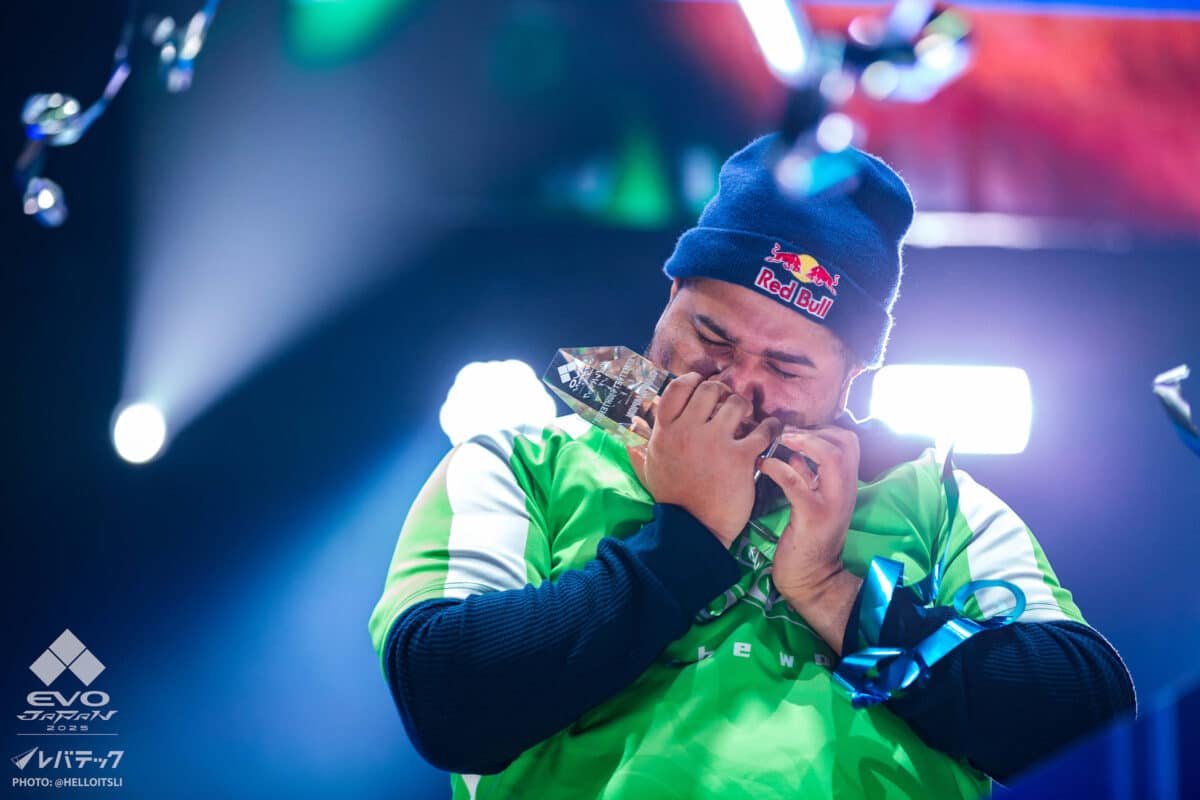
Player Interviews: Top players are interviewed on stage after major wins, sharing strategies and experiences.
Community Talks: Side stages feature community-led talks on improving at fighting games, mental preparation for tournaments, and history of fighting game community.
Cosplay Showcase Presentations: Cosplay participants present their costumes on stage with judging and awards.
Award Ceremonies: Prize pool distribution based on number of registered players for each game, with payouts to Top 8 performers. For example, recent prize pools have included $44,000 for Street Fighter 6 and over $30,000 for Tekken 8, with qualification spots for Esports World Cup and Capcom Cup.
Workshops & demonstrations
Gameplay Workshops: Top players and coaches host workshops on fundamentals, advanced techniques, and matchup knowledge for popular titles.
Controller Workshops: Peripheral manufacturers demonstrate proper arcade stick maintenance, button customization, and controller optimization.
Beginner Demonstrations: Entry-level sessions for newcomers to learn basics of fighting games in welcoming environment.
Cosplay Workshops: Workshops on costume creation, makeup, and posing for fighting game characters.
Developer Demonstrations: Hands-on demos of upcoming games and DLC, allowing players to try new characters before official release.
Streaming Setup Demos: Demonstrations of how to set up personal streaming for fighting games, including capture card and commentary setup.
Ticket types & registration
Official ticketing is handled via Ticket Pia with electronic ticketing via MOALA Ticket. All tickets are electronic.
Based on official ticket information from 2025 and 2026 editions, pricing converted to USD is as follows.
Admission Ticket Types:
Admission Ticket 3-Day Bundle Early Bird: Approximately $54. Covers all three days of general admission. Early bird price available until late January. Standard price after early bird approximately $67.
Admission Ticket 3-Day Bundle Standard: Approximately $67. General admission for all three days at standard price. Price listed as 10,000 yen in 2025 edition.
Admission Ticket 1-Day Pass: Approximately $27. Covers single day general admission. Price listed as 3,500 to 4,000 yen per day depending on edition. Early bird version may be lower.
Premium Area Pass: Approximately $13 to $17 for 2-day or 1-day designated area. Price listed as 2,000 to 2,500 yen. This is an add-on pass and requires separate admission ticket to gain entry into venue. Provides designated seating area with better view of main stages.
Platinum Area Pass: Approximately $120. Three-day bundle for premium designated area with best views. Price listed as 18,000 yen in 2026 edition. Also requires admission ticket.
Cosplay Ticket: Approximately $10 for 1-day cosplay participation. Price listed as 1,500 yen. Allows entry in cosplay costume with access to cosplay changing rooms and photo areas. Also available as 3-day bundle.
Personalized Badge: Approximately $10. EVO Japan Original personalized badge with player name printed, price listed as 1,500 yen. Optional add-on for competitors.
Player Entry: Separate entry fee and registration via start.gg for tournament participation, plus laminated pass with player name. Entry fee varies by number of titles entered.
Sales Schedule: Ticket sales typically begin in early December with early bird period until late January, then standard sales until day before event. Cosplay tickets go on sale in early April.
Delivery method is electronic ticketing via MOALA Ticket. Please read official notice before purchase.
Startup & investor opportunities
While Evo Japan is primarily a competitive gaming festival, it offers significant business opportunities.
Publisher and Developer Networking: Fighting game publishers, peripheral manufacturers, and esports organizations exhibit and network. Small studios can showcase indie fighting games in community area.
Sponsorship Opportunities: Brands can sponsor main stages, prize pools, and broadcast segments. Recent sponsors have included Levtech and other technology and gaming brands.
Talent Scouting: Esports teams scout new talent from tournament results. Top performers in main titles often receive team offers.
Content Creator Opportunities: Streamers and YouTubers gain exposure through covering event, with dedicated creator zones.
Merchandise and Retail: Opportunity for gaming merchandise startups to sell products in exhibitor area.
Investment in Fighting Game Community: With prize pools totaling around $200,000 and growing entries, investors interested in esports can explore team ownership and event sponsorship.
Exhibitors & technology companies
Game Publishers: Capcom, Bandai Namco Entertainment, Arc System Works, Cygames, SNK, and others exhibit latest fighting games and provide hands-on demos.
Hardware Companies: Arcade stick manufacturers such as Hori, Qanba, and Victrix showcase latest controllers and peripherals.
Esports Organizations: Teams such as those featuring Arslan Ash and other top players have booths for fan meet-and-greets.
Merchandise Vendors: Official Evo Japan merchandise, game character goods, and apparel vendors.
Technology Partners: Streaming technology providers, ticket platform Ticket Pia and MOALA Ticket, and broadcast equipment companies.
Community Exhibitors: Local arcade communities, retro game preservation groups, and fighting game history exhibitions.
Networking & business meetings
Player Networking: Designated free-play areas and BYOC zones allow players to network, practice, and form teams.
Industry Networking: Publisher meeting rooms and business lounge areas for industry professionals to hold meetings.
Community Gatherings: After-hours gatherings in nearby Ariake and Odaiba area restaurants and arcades where community members socialize.
Cosplay Networking: Cosplay gathering zones provide networking for cosplayers and photographers.
Online Networking: Official Evo Japan Discord and social media channels facilitate pre-event networking and team formation.
Event rules & visitor information
Ticket Requirement: All attendees must have valid electronic ticket via MOALA Ticket. Premium area passes are add-ons and require separate admission ticket.
Entry Procedure: Electronic ticket must be displayed on smartphone at entrance. Please be careful not to lose or forget your ticket as reissue may not be possible.
Cosplay Rules: Cosplay participants must purchase cosplay ticket and follow cosplay rules including designated changing rooms, no excessive exposure, and weapon props must be non-metallic and safe.
Behavior: No harassment, no outside food and drink in tournament areas, follow staff instructions for crowd flow, no smoking except designated areas.
Photography: Photography allowed in general areas but flash photography may be restricted during main stage finals. Follow signage.
Age Restrictions: All ages welcome, but children under certain age must be accompanied by guardian. Some areas may have age restrictions for mature-rated games.
Prize Pool Distribution: Prize pools based on number of registered players for each game, with payouts to Top 8 performers as shared by organizers.
How to get there
Address: Tokyo Big Sight, Tokyo International Exhibition Center, 3 Chome-11-1 Ariake, Koto City, Tokyo, 135-0063, Japan.
Nearest Stations: Kokusai-tenjijo Station on Rinkai Line, 7 minutes walk to East Halls. Ariake Station on Yurikamome Line, 3 minutes walk. Tokyo Big Sight Station on Yurikamome Line, 3 minutes walk.
From Major Hubs: From Tokyo Station, take Yamanote Line to Shimbashi then Yurikamome Line to Tokyo Big Sight Station, total about 30 minutes. From Shinjuku, take Yamanote Line to Shimbashi then Yurikamome, about 40 minutes.
From Airport: From Haneda Airport, take Tokyo Monorail to Tennozu Isle then transfer to Rinkai Line to Kokusai-tenjijo, or take Keikyu Line to Shimbashi then Yurikamome, total about 45 to 60 minutes. From Narita Airport, take Narita Express to Tokyo Station then transfer as above, total about 90 minutes.
Public transport & parking
Public Transport Strongly Recommended: Tokyo Big Sight has limited parking and roads around Ariake are heavily congested during major events. Public transport via Yurikamome and Rinkai Line is most reliable.
Train Frequency: Yurikamome and Rinkai Line run frequently with extra services during large events.
Bus: Toei Bus and other city buses stop at Tokyo Big Sight.
Parking: Tokyo Big Sight has parking lots but they fill quickly and charge premium rates on event days, typically $15 to $25 per day. Pre-booking may be required. Avoid driving if possible.
Taxi: Taxis from central Tokyo cost approximately $40 to $60. Expect heavy traffic after finals end.
Accessibility Transport: All nearest stations have elevators. Tokyo Big Sight is barrier-free with wheelchair access to all East Halls.
Accommodation areas
Best Areas to Stay:
Ariake and Odaiba: Closest area with hotels like Tokyo Bay Ariake Washington Hotel, Hotel Trusty Tokyo Bayside, and Tokyo Bay Shiomi Prince Hotel ranging $100 to $200 per night. Walking distance to venue.
Shimbashi and Shiodome: Business hub with easy Yurikamome access. Hotels like Park Hotel Tokyo and Royal Park Hotel Shiodome range $120 to $300 per night.
Tokyo Station and Ginza: Central location with many options. Hotels like Hotel Metropolitan Marunouchi and Ginza area hotels range $100 to $250 per night.
Budget Options: Capsule hotels and business hotels near Shimbashi and Toyosu offer $40 to $80 per night.
Book at least two to three months in advance as Evo Japan attracts nearly 10,000 participants plus spectators and nearby hotels sell out quickly.
Accessibility
Venue Accessibility: Tokyo Big Sight is fully barrier-free with elevators to all floors, accessible restrooms on every level, and wheelchair spaces in main halls.
Wheelchair Tickets: Wheelchair spaces available via advance application through official inquiry form.
Hearing and Visual Assistance: Main stage finals have large screens providing close-up views of gameplay. Commentary available via venue speakers and streaming.
Assistance: Staff assistance available for guidance and entry.
Contact for Accessibility: Contact Evo Japan organizers via official website inquiry form for specific accessibility needs.
Previous year’s highlights
Evo Japan 2026: Featured record-high 12 titles with total prize pool around $200,000 and 30,000,000 yen prize pool. Main titles included Street Fighter 6, Tekken 8, Guilty Gear Strive, Fatal Fury City of the Wolves, Virtua Fighter 5 R.E.V.O. World Stage, and others. Street Fighter 6 claimed top spot with 7,168 entrants, achieving Guinness World Record for largest tournament for single fighting video game. Tekken 8 had 1,354 entrants, Guilty Gear Strive close behind. Venue was Tokyo Big Sight East Halls 1 to 3. Total entries across all games reached 8,926 combined tournament entries accounting for players who entered multiple games, with 5,774 unique competitors. Prize pools ranged from $135,000 for 2XKO at Evo Las Vegas comparison to $100,000 for Street Fighter 6 and $70,000 for Tekken 8 in related events.
Evo Japan 2025: Achieved record-breaking number of entries with 9,875 participants, highest ever at that time. Held at Tokyo Big Sight East Halls 2 and 3. Main titles included Street Fighter 6, Tekken 8, and others with total prize pool of 15,000,000 yen. Featured premium area pass and cosplay tickets.
Evo Japan 2024: Held at Ariake Gym-Ex, originally built for Tokyo 2020 Olympics. Ticket types included Premium designated area 9,000 yen, Regular 4,500 yen, Standard 2,500 yen. Continued tradition as major highlight for Asian fighting game community.
Official registration & tickets
Official Website: https://www.evojapan.gg/
Ticket Platform: Ticket Pia via https://ticket.pia.jp/ and official links
Registration for Players: Via start.gg for tournament entry, plus admission ticket required
Social Media: Official X @evojapan_info for announcements, entry information, and ticket sales schedule
Contact: Via official website inquiry form
Delivery Method: Electronic ticketing via MOALA Ticket
Sales Schedule: Early bird sales typically start early December, standard sales until May, cosplay tickets from early April. Check official site for exact dates.
Video
Location
FAQ
Do I need to be a professional player to attend Evo Japan?
No, Evo Japan is open to everyone from casual fans to professional competitors. General admission tickets allow you to watch all main stage finals, explore exhibitor booths, enjoy free-play areas, and participate in community side tournaments. If you want to compete in main titles, you need to register separately via start.gg and pay entry fee in addition to admission ticket, but many attendees come purely as spectators to experience atmosphere.
What is the difference between admission ticket and premium area pass?
Admission ticket is required to enter Tokyo Big Sight East Halls and grants access to general viewing areas, community zones, and exhibitor floors. Premium area pass is an add-on that provides designated seating with better view of main stages, but it does not grant entry by itself — you still need admission ticket. Platinum area pass is higher tier premium with best views for all three days.
Can I cosplay at Evo Japan and what ticket do I need?
Yes, cosplay is encouraged and there is dedicated cosplay programme with gathering areas and contests. To cosplay, you need to purchase a cosplay ticket, either 1-day or 3-day bundle, in addition to following cosplay rules such as using designated changing rooms and ensuring props are safe. Cosplay tickets go on sale in early April and include access to cosplay changing rooms and photo areas.
How do prize pools work at Evo Japan?
Prize pools for all games at Evo Japan are based on number of registered players for each game, with payouts going to Top 8 performers in every game. Total prize pool has reached 30,000,000 yen with around $200,000 overall. Larger entry numbers increase prize pool for that title, and winners also earn qualification spots for major global events like Esports World Cup and Capcom Cup.
What should I bring and how early should I arrive?
Bring your smartphone with MOALA Ticket electronic ticket installed, comfortable shoes for standing and walking across large exhibition halls, and your own controller or arcade stick if competing. Arrive at least 60 to 90 minutes before doors open, as entry queues are long, especially on finals day. Doors typically open around 8:30 AM with start around 9:30 AM, but many attendees line up earlier for good general viewing spots.

Leave a Reply