
Overview
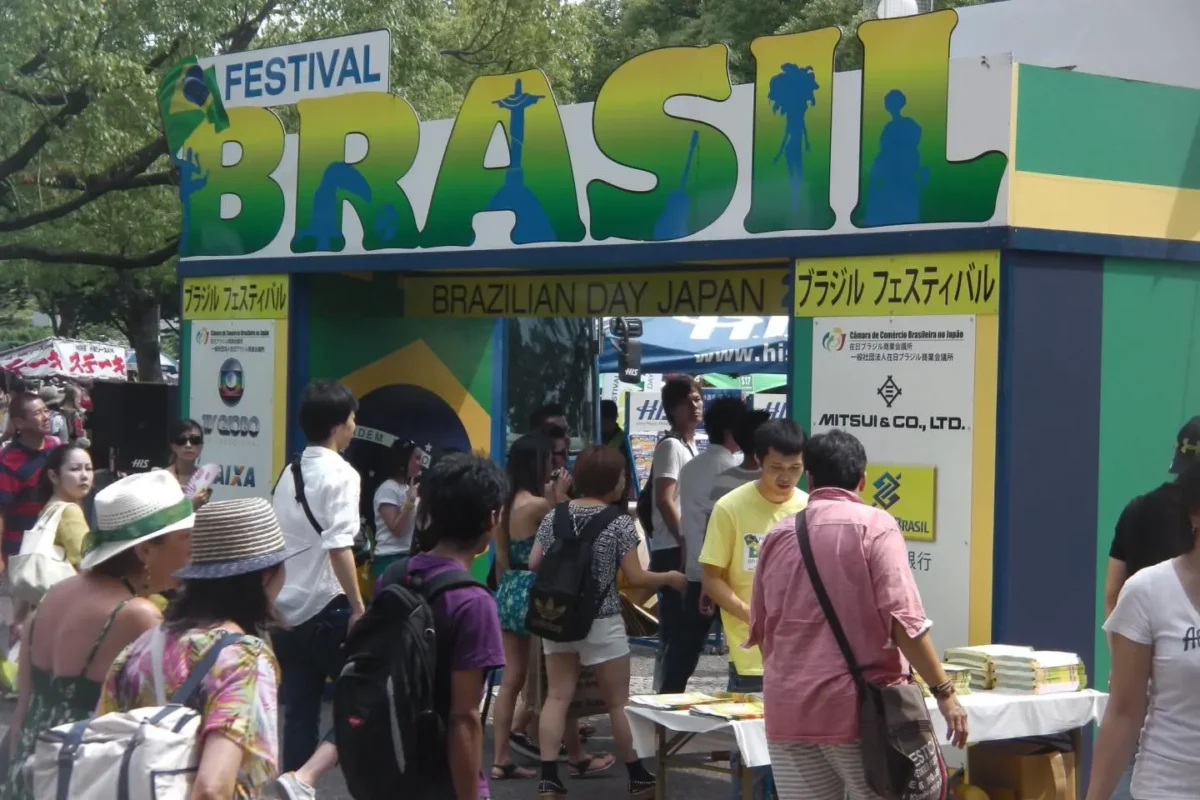
What it is: Put on your yellow clothes, dust off your Portuguese phrase book and head to Tokyo’s Yoyogi Park: it’s time for the Brazil Festival. Festival Brasil, also known as Brazilian Day Tokyo and Festival Brasil & Latino, is the largest Brazilian cultural festival in Japan.
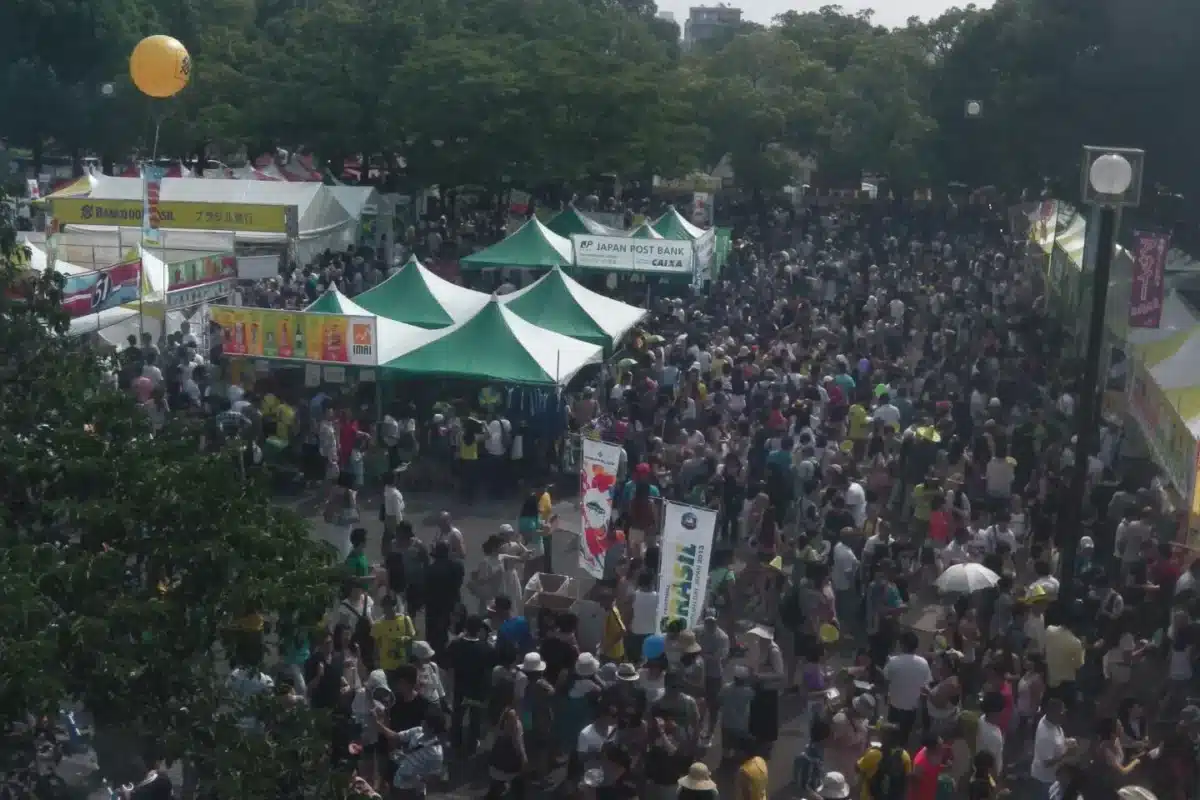
Scale and reputation: This annual event is a huge happening, and is perhaps the most exciting event on the long list of international festivals held at Yoyogi Park. While some festivals are little more than lines of food and craft vendors, the Brazil Festival is always jumping with the festive spirit that country is so well-known for.
Spirit: Drum and music groups perform around the festival grounds, with crowds really getting into it. The music performers on stage rock out with an energy that gets the crowd dancing and hip shaking. And those who follow Brazilian pop culture closely will enjoy performances by some very big names they manage to bring in.
Enjoy Your Event Stress-Free with Japan Travelo
Do you know? Planning events, festivals, concerts, and cultural experiences in Japan can be overwhelming. Japan Travelo brings everything together in one place, helping you manage your itinerary, transport, and accommodation with ease—so you can enjoy Japan without the stress of planning.
Cultural bridge: With over 300,000 Brazilians living in Japan, Brazilians make up a big percentage of the foreign community here. The opposite is also true: Brazil is home to the biggest population of Japanese people outside of Japan. These migration patterns have created a healthy friendship and liking between the two countries, which is evident by the party atmosphere of this festival.
Free and open: Entrance is free. It is held in the event square near the permanent stage in Tokyo’s Yoyogi Park, near the NHK building.
Cultural Significance & Origins
Japan-Brazil connection: The festival commemorates the deep migration history between Japan and Brazil. Japanese immigration to Brazil began in 1908, and today Brazil hosts approximately 2 million people of Japanese descent, the largest Japanese diaspora in the world. Conversely, Japan hosts over 300,000 Brazilian residents, many in Aichi, Shizuoka, and Gunma prefectures working in manufacturing, forming the third largest foreign community in Japan.
Diplomatic anniversary: The 2025 edition commemorated the 130th anniversary of diplomatic relations between Japan and Brazil. The festival is supported by the Ministry of Foreign Affairs of Japan, Tokyo Metropolitan Government, and the Embassy of Brazil, highlighting its official importance.
Organizer: Organized by the Brazilian Chamber of Commerce in Japan, CCBJ, the festival marks its 19th edition in 2026 and continues as a platform for business, tourism, and cultural exchange. It began as a small community gathering in Yoyogi Park and grew into a two-day mega event.
Cultural preservation: For Brazilian families in Japan, the festival is a chance to celebrate language, samba, capoeira, and food away from home. For Japanese visitors, it is an accessible immersion into Brazilian carnival culture without traveling abroad.
Traditions, Rituals & Customs
Samba and carnival spirit: The heart of Festival Brasil is samba. Samba schools based in Tokyo and Yokohama, many with Brazilian and Japanese members, parade in feathered costumes, performing batucada drum rhythms that invite crowd dancing. The tradition of wearing yellow and green, the colors of Brazil’s flag, is strong, and organizers note if you’re not wearing yellow, you’ll stick out.
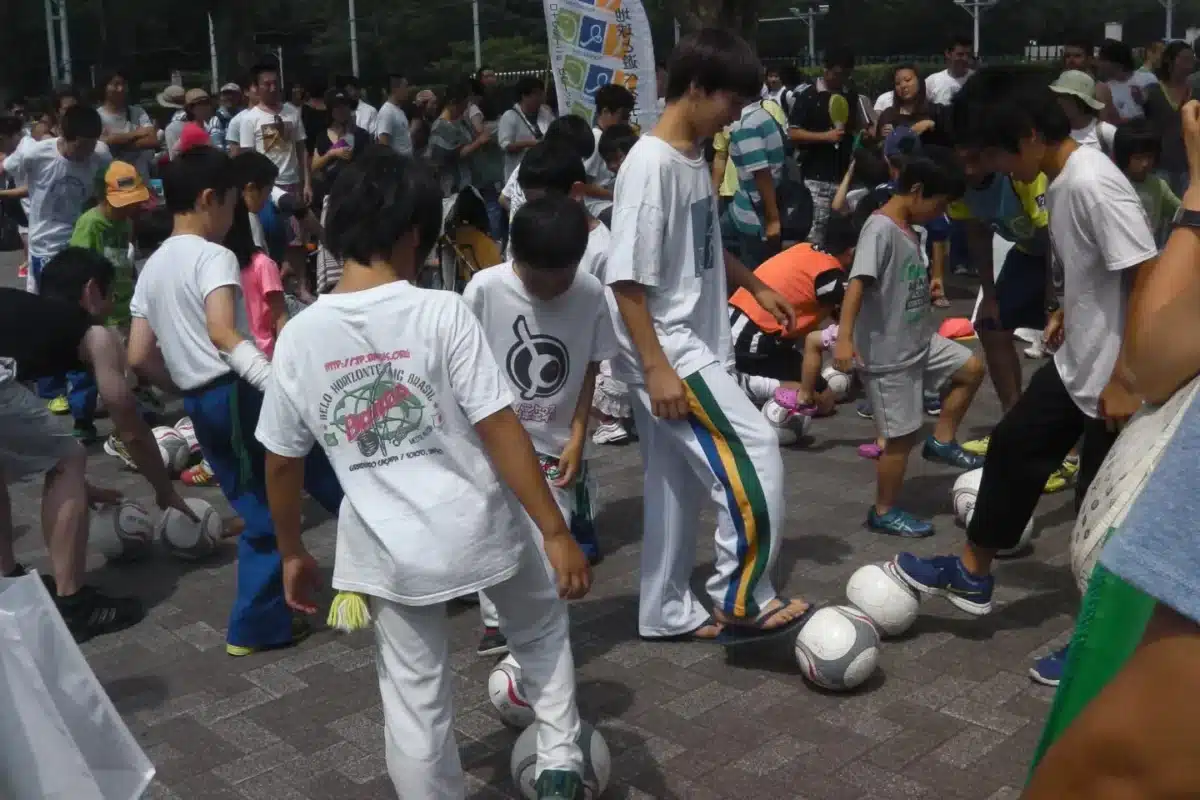
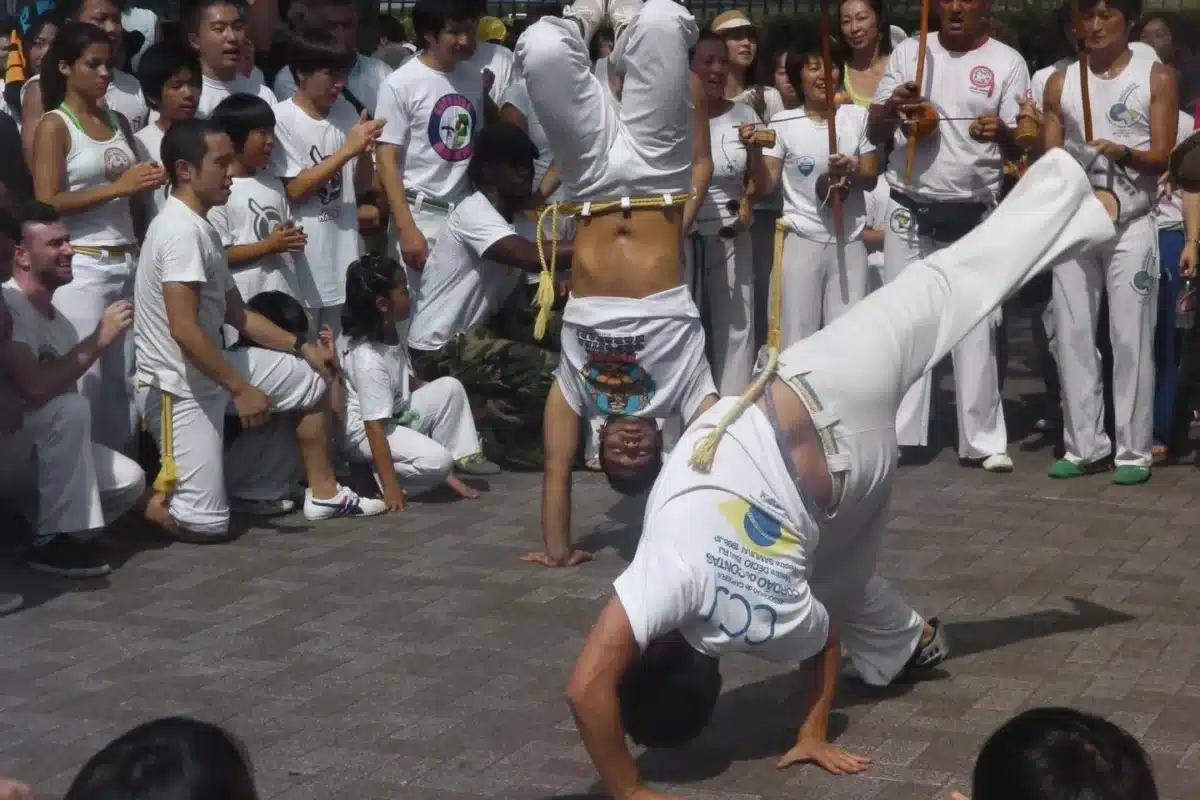
Capoeira circle: Capoeira performances are a big attraction. This Brazilian martial art is a combination of dance, music, and acrobatics, and crowds who gather round to watch some very impressive performances get caught up in the music and singing that goes along with it. Capoeira mainly focuses on non-contact martial arts, with performers slowing down their maneuvers to demonstrate their skill. A two-day long capoeira workshop is often held all weekend with both instructional periods and impressive displays from experts.
Music rituals: Drum and music groups perform around the festival grounds, not only on main stage but also as roaming blocos. Traditional instruments like berimbau, pandeiro, and surdo are central. Crowds form rodas, circles, around performers, clapping and singing.
Food customs: Eating churrasco with farofa, drinking caipirinha made with cachaça, and sharing Guaraná Antarctica soda are festival rituals. Vendors shout in Portuguese and Japanese, creating a bilingual market atmosphere.
What to Expect at the Festival
High energy stage: Expect non-stop live music from 11:00 AM to 8:00 PM. The main stage features samba bands, axé, forró, pagode, Brazilian pop artists flown from Brazil, and Japanese-Brazilian fusion groups. Performers rock out with an energy that gets the crowd dancing and hip shaking.
Crowd participation: This is not a passive viewing festival. Crowds really get into it, dancing in front of stage, forming samba lines, and joining capoeira circles. The event square becomes a dance floor.
International market: Beyond food, stalls sell Brazilian bikinis, Havaianas, football jerseys, carnival costumes, handicrafts from Bahia, and Japanese-Brazilian fusion products.
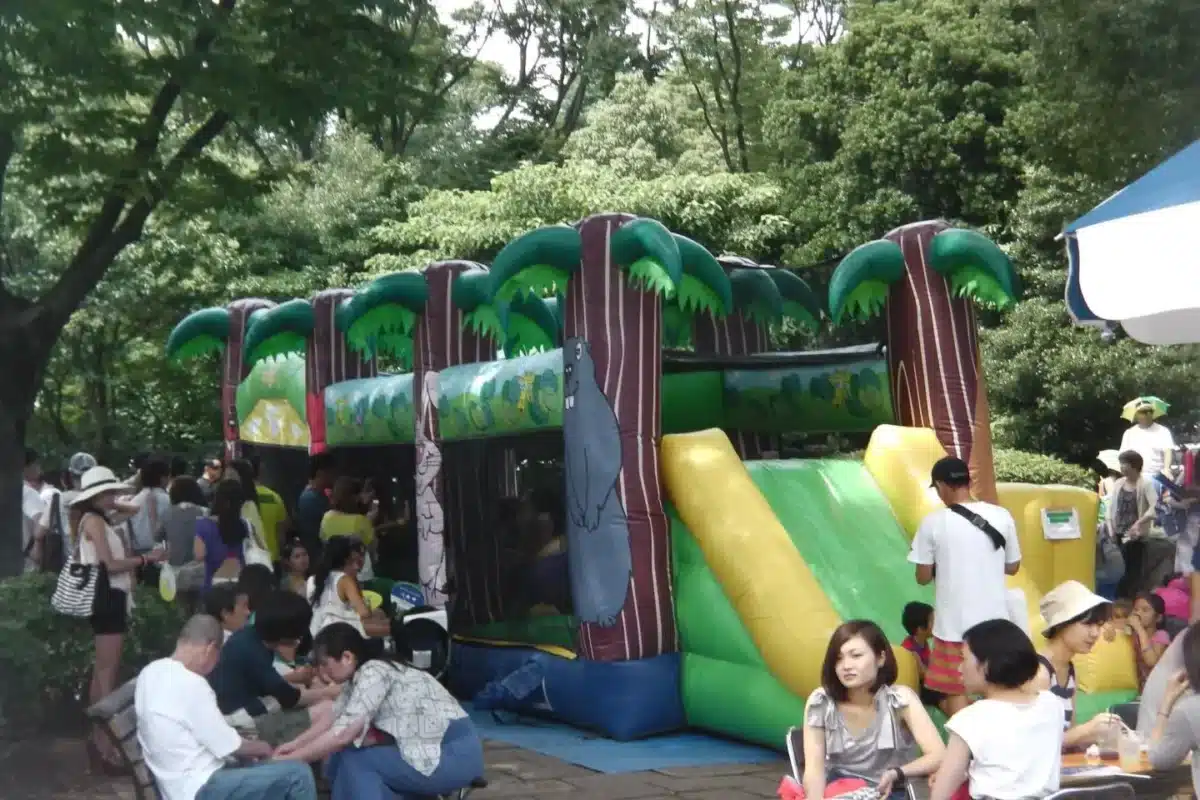
Family friendly: Despite alcoholic drinks, the daytime atmosphere is family friendly with children dancing, face painting, and capoeira for kids workshops.
Date & Schedule
Event timing: Mid July 2027 (Dates TBD)
Typical schedule based on previous editions: Festival Brasil & Latino 2025 was held Saturday, July 19 to Sunday, July 20, 11:00 AM to 8:00 PM. Festival Brasil 2023 was held July 15 to 16, 2023. Festival Brasil 2019 was also a two-day weekend event. The 2027 edition is expected to follow the same pattern of a two-day weekend event in mid-July.
Daily flow:
11:00 AM: Venue opens, food stalls start, background DJ and samba school warm-up.
12:00 PM to 3:00 PM: Capoeira demonstrations and workshops, samba dance lessons, family performances.
3:00 PM to 6:00 PM: Main stage with big name Brazilian artists, samba school parades around event square.
6:00 PM to 8:00 PM: Peak party time, sunset samba, crowd dancing, finale with all performers.
Admission: Free admission both days.
Visiting this event? Don’t miss out on these amazing activities and local experiences while you’re here.
Main Events & Programme
Main stage live music: Continuous program of Brazilian music including samba, pagode, forró, sertanejo, and Brazilian funk. Organizers bring very big names from Brazilian pop culture, including artists known in Japan and Brazil.
Samba school parade: Multiple samba schools from Tokyo, Saitama, and Gunma parade through Yoyogi Park Event Plaza with drums, dancers in carnival costumes, and flag bearers.
Capoeira performances and workshops: Perhaps most unique is the two-day long capoeira workshop going on all weekend with both instructional periods and plenty of impressive displays from experts. Groups like Cordão de Ouro and local Tokyo capoeira academies perform.
Dance workshops: Free samba and forró dance lessons for beginners led by professional dancers, encouraging crowd to learn basic steps.
Cultural talks: In some editions, talks about 130 years of Japan-Brazil relations, tourism to Brazil, and Portuguese language mini lessons are held in side tents.
Traditional Dress, Arts & Crafts
Costume culture: Traditional dress is carnival style. Dancers wear elaborate feathered headdresses, sequined bikinis and costumes in yellow, green, and blue, representing Brazilian carnival. Spectators are encouraged to put on yellow clothes to match the Brazil theme.
Capoeira uniform: Capoeiristas wear white abada pants with cord colors indicating rank, and play berimbau musical bow, creating visual and musical art.
Craft market: Stalls sell handmade crafts from Brazil including lace from Northeast, wooden carvings, beaded jewelry, and Brazilian gemstones. Also Japanese-Brazilian fusion crafts like kimono fabric made into carnival accessories.
Art installations: Large Brazilian flags, banners of Rio Carnival, and photo spots with Christ the Redeemer replicas and football themes decorate the plaza.
Havaianas and fashion: Brazilian beach fashion including Havaianas flip flops, colorful swimwear, and football jerseys of Brazilian national team are popular purchases.
Traditional Food & Local Specialties
Churrasco and meats: People lined up for churrasco grilled meat cooked on large skewers over charcoal, served with farofa toasted manioc flour and vinaigrette. Linguiça garlicky smoked pork sausage grilled and served in bread is a top seller. Pastel fried pastry filled with meat or cheese and Coxinha chicken croquettes are also available.
Stews and pastries: Moqueca seafood stew from Bahia with coconut milk and dendê oil, Feijoada black bean stew with pork, and Pão de queijo cheese bread are offered in some stalls.
Drinks: A variety of mostly alcoholic drinks made with pineapple, coconut, açaí, and other fruits. Bottles of cachaça Brazilian liquor made from fermented sugarcane juice are on hand to make you a caipirinha, the national cocktail of this South American nation. Caipirinha with lime, sugar, and cachaça is the signature drink.
Soft drinks: Plenty of cans of Guaraná Antarctica, a popular guaraná-flavored soft drink in Brazil, and other guaraná sodas, plus açaí bowls and coconut water.
Pricing from previous editions: Churrasco plate 8 USD to 12 USD, linguiça sandwich 6 USD to 9 USD, pastel 3 USD to 5 USD, coxinha 3 USD to 5 USD, caipirinha 6 USD to 8 USD, Guaraná Antarctica 2 USD to 3 USD, açaí bowl 6 USD to 9 USD.
Location & Festival Areas
Park context: Yoyogi Park is one of Tokyo’s largest parks, located in Shibuya-ku, near Harajuku and Shibuya. The park hosts international festivals almost every weekend from spring to autumn.
Exact location: Yoyogi Park Event Plaza, Event Square near permanent stage near NHK building, address 2-3 Jinnan, Shibuya-ku, Tokyo, or 2-1 Yoyogi-Kamizono-cho. The event square is an open paved area with stage, surrounded by tree shade.
Zones:
Main stage zone: Central stage with sound system, crowd dancing area in front.
Food village: Rows of food trucks and tents on both sides of plaza, with smoke from churrasco grills.
Capoeira circle area: Open space near stage edge where capoeira rodas form, with mats for acrobatics.
Market and workshop tents: Side area with crafts, tourism info, and workshop space.
Access points: Entrance from Harajuku gate and Yoyogi Park gate, both lead to event plaza within 5 minute walk.
Getting to the Festival
By train: The most convenient. About 5 minute walk from JR Harajuku Station on Yamanote Line, 3 minute walk from Tokyo Metro Chiyoda Line Yoyogi-Koen Station, 5 minute walk from Tokyo Metro Fukutoshin Line Meiji-Jingumae Station, 10 minute walk from Odakyu Line Yoyogi-Hachiman Station.
From central Tokyo: From Shinjuku, take Yamanote Line to Harajuku, 5 minutes. From Shibuya, take Yamanote Line to Harajuku or walk 15 minutes through park. From Tokyo Station, take Yamanote Line to Harajuku, about 25 minutes.
On foot: From Harajuku Takeshita Street, walk through Yoyogi Park south entrance, follow music and crowd to event square.
Accessibility of park: Paths are paved and flat, accessible for wheelchairs and strollers.
Where to Stay Nearby
Shibuya and Harajuku: Hotels in Shibuya, Harajuku, and Omotesando range from 80 USD to 200 USD per night based on previous pricing. Business hotels like Shibuya Excel Hotel Tokyu and capsule hotels offer lower rates from 60 USD to 90 USD.
Shinjuku: Large hotel cluster 10 minutes by train, with rates from 70 USD to 150 USD per night, good for combining with other Tokyo sightseeing.
Yoyogi and Sendagaya: Small boutique hotels and guesthouses near Yoyogi Station, rates from 65 USD to 120 USD per night, walking distance to park.
Budget options: Hostels in Shibuya and Shinjuku offer dorm beds from 25 USD to 45 USD per night.
Booking tip: Mid-July is peak summer festival season in Tokyo with many Yoyogi Park events each weekend. Book at least one month in advance, especially for Shibuya area.
What Visitors Can Participate In
Dance in samba parade: Join the crowd dancing in front of main stage or in samba lines that form around plaza. No experience needed, just follow rhythm.
Capoeira workshop: Participate in free capoeira workshops held all weekend, with instructional periods for beginners and kids. Learn basic ginga step and music.
Wear yellow and join: Put on yellow clothes as suggested by organizers to blend with Brazil theme and show support. Many visitors wear Brazil football jerseys.
Food tasting challenge: Try to taste all major Brazilian foods from churrasco to coxinha to açaí, and learn to order in Portuguese with help of bilingual vendors.
Photo with performers: Take photos with samba dancers in carnival costumes and capoeira performers after shows, with permission.
Things to Do Before or After the Festival
Meiji Shrine: Located adjacent to Yoyogi Park, Meiji Jingu Shrine is Tokyo’s most famous Shinto shrine, with forested paths and iris garden, 5 minute walk from festival plaza.
Harajuku and Takeshita Street: Fashion shopping street famous for youth culture, crepes, and vintage shops, directly near Harajuku Station.
Shibuya Crossing: World’s busiest crossing and Hachiko statue, 15 minute walk from park.
Yoyogi Park itself: Enjoy park’s other areas including central pond, jogging paths, and street performers who gather on weekends.
Brazilian supermarkets: Visit Brazilian supermarkets in Shin-Okubo or Gunma area for more Brazilian products after festival.
Local Food & Restaurants
Inside festival: The festival itself is the best place for Brazilian food in Tokyo that weekend, with authentic churrasco, feijoada, and caipirinha.
Around Harajuku: After festival, Harajuku offers many international restaurants, including Brazilian restaurants like Churrascaria and smaller bars serving caipirinha.
Shibuya Brazilian community: Shibuya and Shinjuku have Brazilian bars and restaurants open year round serving pão de queijo and coxinha, with prices similar to festival.
Japanese food nearby: For contrast, try Harajuku gyoza, Shibuya ramen, and Omotesando cafes within walking distance.
Ticket Information & Access
Admission: Free admission, 0 JPY, approximately 0 USD. No ticket required for any area including main stage and capoeira circles.
Paid items: Only food, drinks, and crafts cost money. No paid seating, as entire event square is free standing and dancing area.
Capacity: Event attracts large crowd, estimated 80,000 to 100,000 visitors over two days in previous editions. Arrive early for front stage spots, especially for big name Brazilian artists in afternoon.
Hours: Based on previous editions, 11:00 AM to 8:00 PM each day, with food stalls opening slightly earlier and closing with stage.
Contact: Organizer Brazil Chamber of Commerce in Japan CCBJ, supported by Ministry of Foreign Affairs and Tokyo Metropolitan Government.
Official Event Information
Event name: Festival Brasil 2027 – Tokyo, Japan, also called Festival Brasil & Latino, Brazilian Day Tokyo
Venue: Yoyogi Park Event Plaza, Event Square near permanent stage near NHK building, 2-3 Jinnan, Shibuya-ku, Tokyo
Organizer: Brazilian Chamber of Commerce in Japan CCBJ, supported by Ministry of Foreign Affairs, Tokyo Metropolitan Government, Embassy of Brazil
Access: 5-minute walk from JR Harajuku Station, 3-minute walk from Tokyo Metro Chiyoda Line Yoyogi-Koen Station, 10-minute walk from Yoyogi-Hachiman Station
Official website text: festivalbrasil.jp and yoyogipark.info event pages
Admission: Free
Additional note: Perhaps the most exciting event on long list of international festivals held at Yoyogi Park, known for festive spirit, drum groups, capoeira, samba, and authentic Brazilian food including churrasco, linguiça, and caipirinha made with cachaça.
Video
Location
FAQ
Is Festival Brasil free and what are the opening hours?
Yes, Festival Brasil is completely free with no ticket required for entry to Yoyogi Park Event Plaza, including main stage performances and capoeira workshops. Based on previous editions, opening hours are from 11:00 AM to 8:00 PM each day over a two-day weekend. Food, drinks, and crafts are paid separately, but all entertainment and cultural experiences are free.
What food and drinks should I try at Festival Brasil?
You should try churrasco grilled meat on skewers, linguiça garlicky smoked pork sausage, pastel fried pastries, and coxinha chicken croquettes for savory options. For drinks, try caipirinha made with cachaça, Brazilian liquor from sugarcane, and Guaraná Antarctica soda. Açaí bowls and coconut water are popular non-alcoholic choices that reflect Brazilian tropical flavors.
What is capoeira and can I join the workshops?
Capoeira is a Brazilian martial art that combines dance, music, and acrobatics, performed in a circle called roda with berimbau music and singing. At Festival Brasil, capoeira performances are a big attraction with impressive non-contact maneuvers slowed to demonstrate skill. Free workshops are held all weekend for all ages, including beginners and children, where you can learn basic steps and rhythms.
Why is Yoyogi Park home to so many international festivals like Brazil Festival?
Yoyogi Park Event Plaza is Tokyo's primary outdoor venue for international cultural exchange festivals, hosting a different country theme almost every weekend. Its central location near Harajuku and Shibuya, large open plaza with stage, and free admission policy make it ideal for cultural festivals. Festival Brasil stands out as perhaps the most exciting due to its high energy samba, drum groups, and strong Brazilian community participation.
What should I wear to Festival Brasil?
Organizers encourage visitors to put on yellow clothes, as yellow and green are Brazil's national colors, and note if you're not wearing yellow you'll stick out. Many attendees wear Brazil football jerseys, carnival accessories, or light summer clothes suitable for dancing. Comfortable shoes are recommended as you will be standing and dancing on paved plaza, and bringing a hat and water is advisable for sunny weather.

Leave a Reply