


-
October 2, 2026
Event date:
-
October 4, 2026
Event end:
Brazilian Choro Music & Festival Performances
Choro, affectionately known as chorinho, stands as one of the most vibrant, technically demanding, and soul-stirring instrumental genres born from the cultural heartland of Brazil. Characterized by its infectious syncopated rhythms, virtuosic counterpoint, and melancholic yet joyful melodies, choro bridges European classical precision with rich Afro-Brazilian soul. This landmark festival brings the authentic warmth and brilliance of Brazilian street instrumental music directly to Japanese stages, creating an immersive cross-cultural auditory experience.
Throughout the multi-day event, audiences are treated to masterfully executed performances that capture the spontaneous, conversational spirit of traditional roda de choro gatherings. Musicians weave complex polyphonic layers together where flutes, cavaquinhos, and guitars converse seamlessly, trading lead melodies and driving harmonic accompaniments on the fly. Every concert block is designed to highlight the profound emotional depth and staggering technical agility required to bring this historic musical tradition to life.
The festival atmosphere transforms ordinary concert halls into bustling corners of Rio de Janeiro, where rhythm reigns supreme and listeners are swept away by cascades of rapid notes and buoyant syncopation. Soloists stretch boundaries with improvisational flights of fancy while maintaining the strict rhythmic discipline essential to the genre’s structural integrity. It is an extraordinary celebration of acoustic brilliance that demonstrates why choro continues to captivate passionate music lovers across the globe.
Enjoy Your Event Stress-Free with Japan Travelo
Do you know? Planning events, festivals, concerts, and cultural experiences in Japan can be overwhelming. Japan Travelo brings everything together in one place, helping you manage your itinerary, transport, and accommodation with ease—so you can enjoy Japan without the stress of planning.
Concertgoers experience firsthand how this century-old urban art form maintains its modern relevance through fresh interpretations and passionate international practitioners. The performances serve as an educational and emotional journey, introducing many attendees to the intricate beauty of choro compositions for the very first time. By uniting master instrumentalists from diverse backgrounds, the event honors the rich heritage of Brazilian music while forging new pathways for cross-continental artistic collaboration.
When to Attend
- Event Date: October 2–4, 2026
- Event Duration: Multi-day specialized music festival featuring daily concert blocks and workshops running from morning through evening
Visiting this event? Don’t miss out on these amazing activities and local experiences while you’re here.
Admission Details
- How Tickets Are Sold: Tickets are available online via the official festival reservation website and participating authorized ticket agencies.
- Admission Type: General festival entry passes with options for single-day tickets or comprehensive multi-day access bundles.
- Ticket Pricing: Ranging from approximately $30.00 to $90.00 USD depending on whether selecting single-concert access or full-festival passes.
- Special Seating Options: Unreserved seating arrangements within the main performance halls, allowing attendees close proximity to the acoustic stages.
- VIP Options: Premium supporter packages including preferred seating sections, exclusive artist meet-and-greet sessions, and commemorative festival goods.
Guitar, Seven-String Guitar & Traditional Choro Instruments
The sonic foundation of choro relies heavily on a specialized ensemble of plucked, bowed, and wind instruments, with the seven-string guitar acting as its beating heart. The low C string extension on the violão de sete cordas allows players to weave sophisticated counter-melodies underneath the harmonic progression, creating a self-sufficient accompaniment canvas. Alongside the guitar, the cavaquinho provides crisp, high-pitched rhythmic chopping that propels the ensemble forward with unstoppable momentum.
Melodic duties are traditionally shared between the nimble fingerwork of the mandolin or bandolim and the soaring, breathy phrasing of the transverse flute or clarinet. These lead instruments engage in rapid-fire dialogue, passing motifs back and forth with astonishing speed and expressive nuance while maintaining crystalline intonation. Underpinning the entire acoustic texture is the pandeiro, whose player executes complex rhythmic patterns and thumb rolls to simulate a full drum kit.
The absence of heavy amplification in traditional choro settings highlights the raw acoustic purity and natural resonance of these handcrafted wooden instruments. Listeners can appreciate the woody warmth of nylon strings, the bright chime of steel-strung mandolins, and the organic airiness of wind registers up close. This acoustic intimacy creates an exceptionally warm, inviting listening environment where every nuance of player touch and instrument response is vividly exposed.
Where to Go
- City and Country: Kobe and regional venues, Japan
- Venue Name: Choro em Kobe Concert Halls
- Google Maps Address: Hyogo Prefecture, Kobe, Japan
Brazil–Japan Musical Collaboration & Cultural Exchange
The festival acts as a profound bridge of cultural understanding, uniting Brazilian masters and dedicated Japanese instrumentalists in a shared celebration of acoustic artistry. Over decades, choro has cultivated a surprisingly deep and passionate following in Japan, driven by musicians who have dedicated their lives to mastering its intricate idioms. This event provides a premier platform for these two distinct musical communities to merge their creative energies, resulting in breathtaking cross-cultural performances.
Through joint rehearsal sessions, collaborative stage lineups, and informal jam circles, artists break down geographic and linguistic barriers using the universal language of rhythm and harmony. Japanese musicians bring a meticulous technical precision and deep reverence for the genre’s history, perfectly complementing the spontaneous swing and expressive soul of their Brazilian counterparts. This artistic dialogue enriches both sides, offering fresh perspectives on traditional repertoire and inspiring new regional compositions.
The exchange extends far beyond the notes played on stage, fostering lasting friendships and institutional partnerships between cultural organizations in Brazil and Japan. Workshops and community outreach programs ensure that the knowledge shared during the festival trickles down to younger generations of aspiring instrumentalists. Ultimately, this vibrant collaboration proves that cultural borders dissolve effortlessly when people gather together to share a profound love for exceptional music.
Contact & Information
- Email: contact@choro-em-kobe.jp
- Website: https://choro-em-kobe.jp/concert/
Iuri Bittar & Featured Choro Musicians
- Showcasing acclaimed Brazilian choro specialist and master multi-instrumentalist Iuri Bittar
- Featuring guest performances by top-tier Japanese and international choro virtuosos
- Highlight collaborative ensemble sets blending traditional arrangements with fresh improvisations
- Intimate masterclasses and instrumental workshops hosted by visiting Brazilian artists
- Special acoustic chamber showcases emphasizing the conversational dynamics of choro
- Dedicated percussion and rhythm clinics exploring the subtleties of pandeiro and tambourine
- Panel discussions detailing the historical evolution and global spread of Brazilian instrumental music
Choro Repertoire, Brazilian Composers & Musical Highlights
- Deep-dive explorations into timeless compositions by legendary masters like Pixinguinha and Ernesto Nazareth
- High-speed virtuosic renditions of classic choro standards featuring intricate counterpoint melodies
- Contemporary choro pieces written by modern Brazilian and Japanese composers expanding the genre
- Lyrical maxixe and polca rhythms highlighting the European dance influences woven into early choro
- Soulful samba-choro crossovers combining melancholic harmonies with danceable percussion grooves
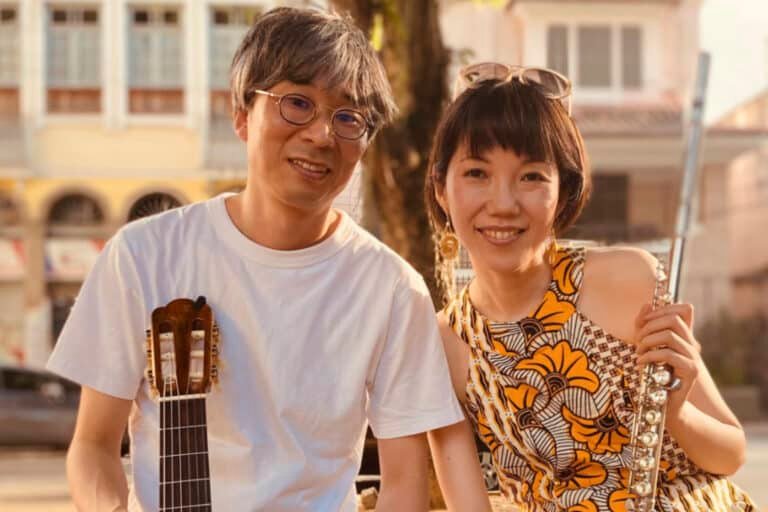
- Dynamic flute and cavaquillo duets showcasing lightning-fast scalar runs and harmonic interplay
- Ensemble finales uniting all festival performers on stage for a massive traditional roda de choro
Location
FAQ
What is choro music and what makes its style unique for first-time listeners?
Choro is a lively Brazilian instrumental genre originating in Rio de Janeiro that combines complex European harmonies with syncopated rhythms. Listeners are often captivated by its rapid tempos, emotional melodies, and the improvisational interplay among acoustic instruments.
Are children allowed to attend the festival concerts and workshops?
The event welcomes music enthusiasts of all age groups to experience the rich heritage of Brazilian acoustic traditions together. Families are encouraged to check specific venue guidelines regarding minor access to evening concert halls.
Do attendees need prior knowledge of Brazilian music to enjoy the festival?
No previous musical background or familiarity with the genre is required to fully appreciate the dynamic performances and vibrant atmosphere. The infectious energy of the rhythm and the visual mastery of the musicians naturally engage every member of the audience.
Will there be opportunities to interact with the visiting musicians during the event?
Several scheduled workshops, open jam sessions, and post-concert Q and A panels provide direct avenues for fans to converse with artists. These interactive settings allow participants to ask questions about instrumental techniques and cultural history.
Is photography allowed during the live musical performances?
Casual non-flash photography from audience seats is generally permitted for personal keepsake purposes between scheduled numbers. Professional recording equipment and intrusive flash photography are strictly prohibited to preserve the performers' concentration.
How should attendees prepare for the multi-day festival schedule?
Guests are advised to review the daily timeline of concerts and masterclasses in advance to map out their preferred sessions. Wearing comfortable attire and arriving early ensures smooth entry and optimal seating placement across all venues.
Can visitors purchase physical music or merchandise at the festival grounds?
Dedicated merchant areas feature imported Brazilian albums, sheet music books, and commemorative festival memorabilia provided by artists. Bringing physical currency is recommended as some independent artist stalls operate cash-only sales tables.

Leave a Reply