

Ashida River Location & Riverside Viewing Experience
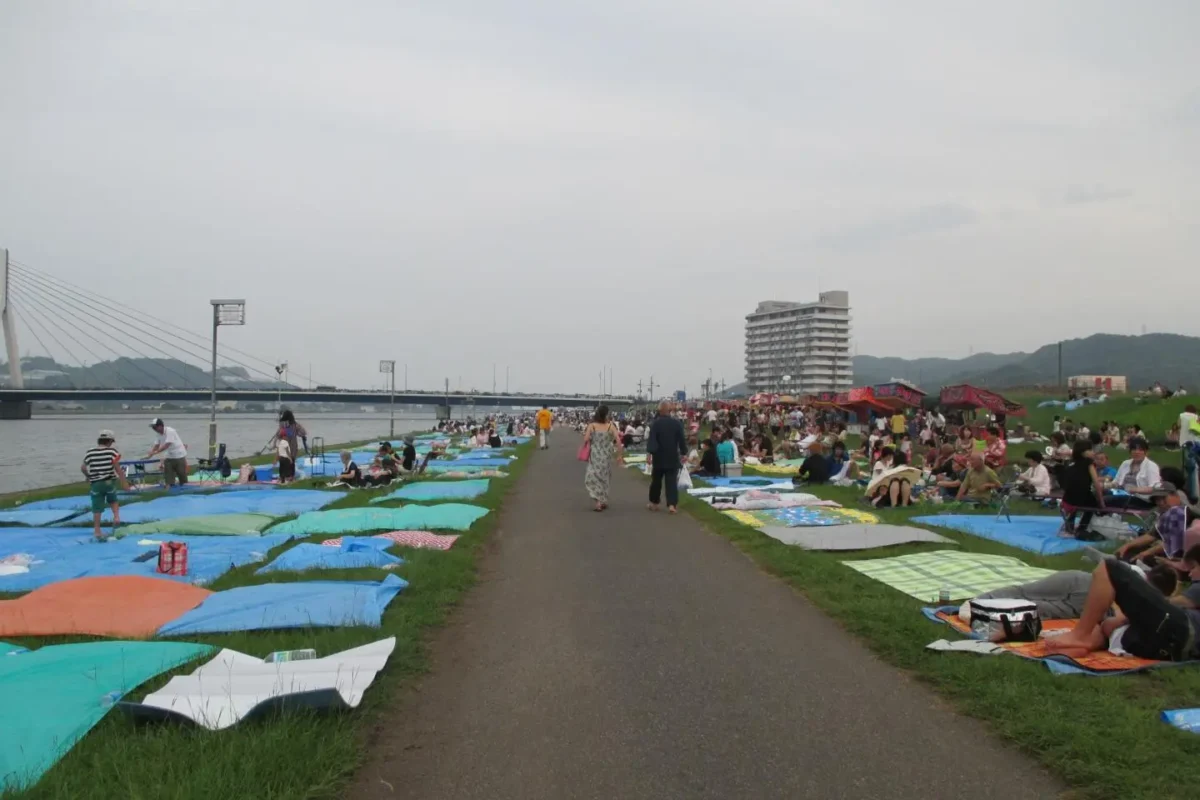
The natural geography of the Ashida River provides an exceptional amphitheater-like setting for a major summer fireworks production. Broad, open riverbanks on both the eastern and western sides offer miles of expansive viewing capacity, allowing large throngs of spectators to spread out comfortably. Because the surrounding terrain is relatively flat and unobstructed by high-rise urban structures near the immediate water channel, unobstructed sightlines are preserved across wide viewing angles.
The river setting enhances the overall aesthetic experience by introducing dynamic elements of wind, open air, and water reflections that indoor or urban street venues cannot replicate. Spectators positioned along both banks can feel the gentle evening breeze coming off the water as the sky above lights up in rolling waves of color. The expansive physical layout ensures that even from a moderate distance down the bank, viewers retain a phenomenal view of the high-altitude aerial shells bursting overhead.
Finding the optimal vantage point depends on individual preferences for proximity versus panoramic breadth. While areas immediately adjacent to the Ashida River Ohashi Bridge offer intense, close-up views of the lower water starmine effects, sections further upstream or downstream provide a calmer environment with broader perspectives of the entire valley skyline. Navigating these spaces requires mindfulness of local safety boundaries and designated walkways set up by event organizers.
Enjoy Your Event Stress-Free with Japan Travelo
Do you know? Planning events, festivals, concerts, and cultural experiences in Japan can be overwhelming. Japan Travelo brings everything together in one place, helping you manage your itinerary, transport, and accommodation with ease—so you can enjoy Japan without the stress of planning.
- Dual Bank Viewing: Spectators can choose between spacious viewing areas on either the eastern or western banks of the river.
- Unobstructed Horizons: Open water and low riverbanks ensure clear, wide-angle visibility of high aerial shells.
- Water Surface Proximity: Low-lying vantage points place viewers close to the incredible horizontal water starmine spreads.
- Natural Ambiance: Cooling evening river breezes temper the warm summer night climate for outdoor attendees.
- Panoramic Scope: Expansive basin layout allows simultaneous viewing of multiple launching zones across the waterway.
- Accessible Zones: Specially designated viewing areas like the Rose Mind Area accommodate visitors with mobility requirements.
When & How Long
- Event Date: August 2027 (Dates TBD)
- Event Duration: Approximately 75 minutes of continuous evening fireworks display.
Visiting this event? Don’t miss out on these amazing activities and local experiences while you’re here.
Entry & Tickets
- How Tickets Are Sold: General public viewing along open riverbanks requires no purchase, while optional paid seating areas and individual sponsor packages can be reserved online via the official festival platform or local municipal channels.
- Admission Type: Free Admission for standard open riverbank areas and public walkways.
- Ticket Pricing: Free Admission for general public access areas, with optional reserved seating packages ranging from $20.00 to $100.00 USD equivalent depending on location and tier.
- Special Seating Options: Open public riverside viewing spots along both banks as well as pre-registered accessible zones like the Rose Mind Area near the Water Sports Center.
- VIP Options: Special sponsor seating sections and premium hospitality viewing packages offering prime sightlines of the water starmine.
Food Stalls, Summer Night Atmosphere & Local Experience
No traditional Japanese summer festival experience is complete without exploring the vibrant array of street food stalls, known locally as yatai, that line the pathways leading to the riverbanks. Vendors offer a mouthwatering selection of classic festival treats, including savory yakisoba noodles, crispy takoyaki, grilled skewered meats, shaved ice, and refreshing cold drinks. The tantalizing aromas and glowing lanterns create a sensory-rich environment that engages visitors of all ages before the main pyrotechnic show begins.
The visual atmosphere along the streets and river approaches is wonderfully colorful, largely driven by attendees—ranging from young children to adults—cladding themselves in traditional yukata summer kimonos. This fashionable tradition adds an elegant, timeless aesthetic to the evening, turning simple strolls toward the river into a picturesque cultural excursion. Families and groups of friends gather on leisure sheets to share meals, chat leisurely, and soak in the lively anticipation of the night.
- Traditional Yatai Stalls: Dozens of street vendors serving classic festival foods, snacks, and chilled beverages.
- Yukata Fashion: Attendees wearing vibrant, traditional summer kimonos adding authentic visual charm.
- Family-Friendly Spaces: Relaxed areas where families gather on leisure sheets to enjoy picnics before the show.
- Lantern Lighting: Warm decorative lighting illuminating pathways and food vendor booths as dusk settles.
- Social Hubs: Lively gathering spots buzzing with conversation, laughter, and community excitement.
- Post-Show Strolls: Leisurely evening walks past active food stands during the gradual crowd dispersal.
Where It Takes Place
- City and Country: Hiroshima, Japan
- Venue Name: Ashida River Ohashi Bridge (Upstream Area)
- Google Maps Address: Fukuyama, Hiroshima 720-0832, Japan
Fukuyama Summer Festival Connection
The Ashida River Fireworks display serves as the magnificent grand finale of the broader three-day Fukuyama Summer Festival, which energizes the city with cultural vitality every August. Throughout the preceding days, the urban center hosts various traditional community celebrations, interactive events, and civic ceremonies that build anticipation for the final night. This multi-day structure transforms the entire municipality into a vibrant hub of summer festivity and local heritage.
The connection between the festival’s historical roots and modern entertainment is palpable during the weekend celebrations. Parades, musical performances, and regional dance routines take place across downtown streets before crowds transition toward the riverbanks on the final evening. This seamless transition ties together community identity, historical gratitude during the Obon season, and contemporary celebratory joy in one unified weekend experience.
Participating in the final night of the summer festival offers travelers an authentic window into regional Japanese culture. The collaborative spirit of local merchants, municipal planners, and volunteer groups ensures that the event runs smoothly while honoring local traditions. By anchoring the festival’s conclusion to an awe-inspiring pyrotechnic showcase, Fukuyama creates an enduring memory that draws visitors back year after year.
Event Contact Details
- Phone Number: +81 84-928-8570 (Fukuyama Festival Committee)
- Website: https://en.japantravel.com/hiroshima/fukuyama-ashida-river-fireworks/14571
Fireworks Display & Main Highlights
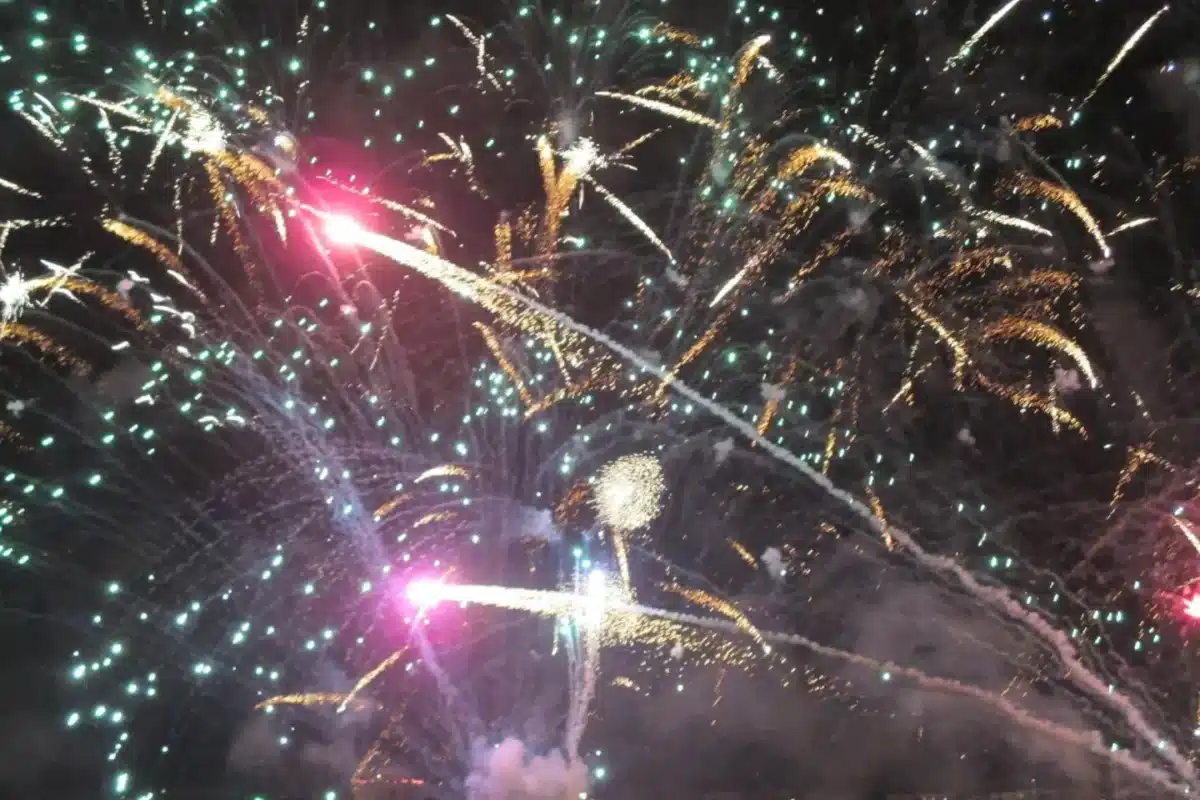
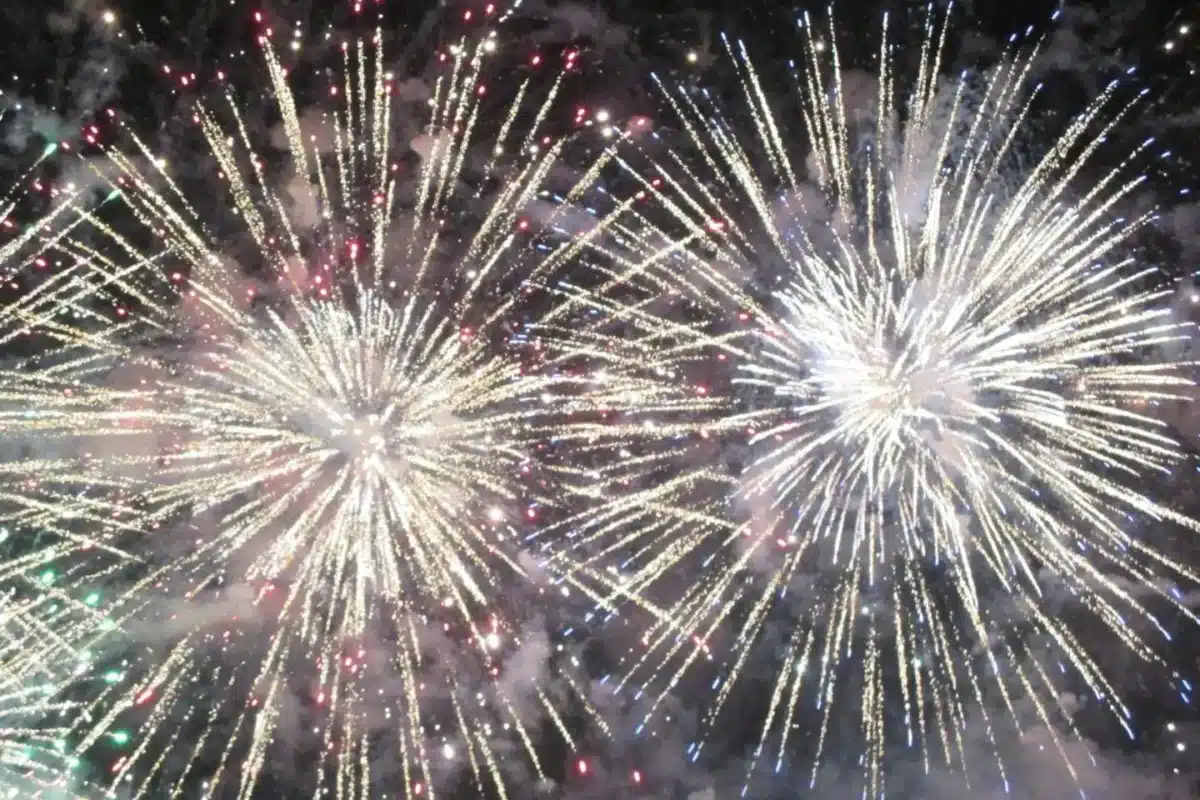
Every year the city of Fukuyama finishes off its three-day summer festival with a massive 75-minute fireworks display over the Ashida River, showcasing over 13,000 to 16,000 brilliant shells. The scale of the production makes it one of the premier summer spectacles in the entire Hiroshima Prefecture, drawing thousands of enthusiastic spectators to the open river basin. The show is meticulously orchestrated with synchronized musical launches, vibrant multi-colored aerial patterns, and thunderous sound effects that echo dramatically across the water.
A defining centerpiece of the evening is the signature water-surface starmine, widely recognized as one of the longest and most dynamic waterborne fireworks performances in western Japan. Pyrotechnic devices are launched directly over and across the broad river channel, creating sweeping sheets of cascading light that fan out horizontally just above the water. This watery canvas produces near-perfect mirror reflections, doubling the visual impact as brilliant colors ripple across the surface of the Ashida River.
The atmosphere created when these thousands of fireworks illuminate the night sky is nothing short of magical, casting a warm, flickering glow over the surrounding hills and massive crowds. The intense concussive booms and sparkling trails envelop the entire valley, creating an immersive sensory experience that captivates first-time visitors and veteran festival-goers alike. As the grand finale erupts in a torrential cascade of light, the entire riverbanks light up in collective awe.
- Massive Scale: Over 13,000 to 16,000 individual fireworks launched during a high-energy 75-minute program.
- Water Starmine: Signature horizontal water-surface fireworks stretching across a wide span of the river.
- Synchronized Launches: Precision timing matching dramatic musical scores and audio arrangements.
- Vibrant Color Palettes: Multi-hued chrysanthemums, peonies, and cascading willow patterns filling the upper atmosphere.
- Acoustic Resonance: Deep, rolling sound effects amplified naturally by the open river basin geography.
- Mirror Reflections: Brilliant light play shimmering across the wide, slow-moving waters of the Ashida River.
- Grand Finale Sequence: A high-intensity crescendo of simultaneous bursts concluding the festival with maximum impact.
Best Viewing Spots, Photography & Visitor Tips
Securing the best possible experience at the Fukuyama Ashida River Fireworks requires strategic planning regarding arrival times, equipment preparation, and transit logistics. Because the festival attracts hundreds of thousands of spectators from across the region, arriving well before sunset is crucial for finding comfortable viewing space along the open riverbanks. Photographers should pack sturdy tripods, wide-angle or telephoto lenses, and remote shutters to capture crisp, long-exposure shots of the aerial bursts and water starmine reflections without camera shake.
- Tripod Setup: Essential gear for stabilizing long-exposure photography of night fireworks and river reflections.
- Early Arrival: Reaching the riverbanks hours before the 7:30 PM start time secures optimal viewing positions.
- Public Transit Priority: Utilizing train lines and official shuttle buses to bypass major vehicular traffic jams.
- Designated Walkways: Adhering strictly to marked spectator paths and avoiding prohibited slopes or restricted zones.
- Weather Preparedness: Bringing portable fans, hydration, and insect repellent to combat warm, humid summer conditions.
- Litter Management: Packing out all personal trash to keep the natural riverbank pristine and clean.
- Post-Show Patience: Waiting a short while after the finale to let peak crowd rushes clear before heading toward transport nodes.
- Designated Rest Areas: Utilizing official accessibility options like the Rose Mind Area if requiring specialized assistance.
Video
Location
FAQ
What is the primary duration and scale of the Fukuyama Ashida River Fireworks display?
The grand summer event features an intensive 75-minute pyrotechnic show launching over 13,000 to 16,000 brilliant fireworks shells, creating a spectacular display that lights up the night sky in a synchronized presentation over the wide river basin.
Where is the main venue located for watching the annual fireworks festival?
The festival takes place directly along the open riverbanks situated upstream of the Ashida River Ohashi Bridge in Fukuyama City, where spectators can comfortably find viewing spaces along both the eastern and western banks facing the water channel.
Are general public viewing areas completely free to access for visitors?
Yes, standard open riverbank viewing spaces and public walking paths do not require any ticket purchase for entry, though optional paid reserved seating and sponsor packages are available for those seeking guaranteed prime viewing spots.
What is the signature visual highlight of the entire pyrotechnic program?
The defining centerpiece is the famous water-surface starmine, representing western Japan's longest horizontal waterborne fireworks display, which creates sweeping sheets of fire that mirror brilliantly off the slow-moving river surface below.
What is the best way to travel to the venue while avoiding heavy traffic congestion?
Visitors are strongly advised to take the Shinkansen train to JR Fukuyama Station and board official shuttle buses heading toward the site, as relying on public transit helps attendees safely bypass severe vehicular traffic jams expected around the riverbanks.
How does this fireworks event connect with the broader Fukuyama Summer Festival?
The fireworks serve as the magnificent three-day grand finale following a weekend of traditional community dances and city performances, successfully combining historical Obon customs with vibrant modern celebration to close out seasonal festivities.
What essential tips should first-time spectators keep in mind for a comfortable evening?
Attendees should arrive well before sunset to secure good spaces, bring portable hydration, and prepare for large crowds, noting that packing out personal trash and exercising patience during post-show transit dispersal will ensure a pleasant experience.

Leave a Reply