
Overview
The Gekkeikan Sake Brewery Festival is an extraordinary, long-running spring celebration deeply nested within the historic Fushimi district of Kyoto. Originating as a traditional seasonal gathering, this ethereal spectacle transforms the newly remodeled Gekkeikan Okura Sake Museum into an artistic showcase of regional brewing craftsmanship. Dedicated artisans and master brewers painstakingly coordinate the presentation, allowing the crisp mid-spring air to fill with the sweet, intoxicating scent of fermenting main mash and freshly pressed rice wine that has defined this neighborhood since 1637.
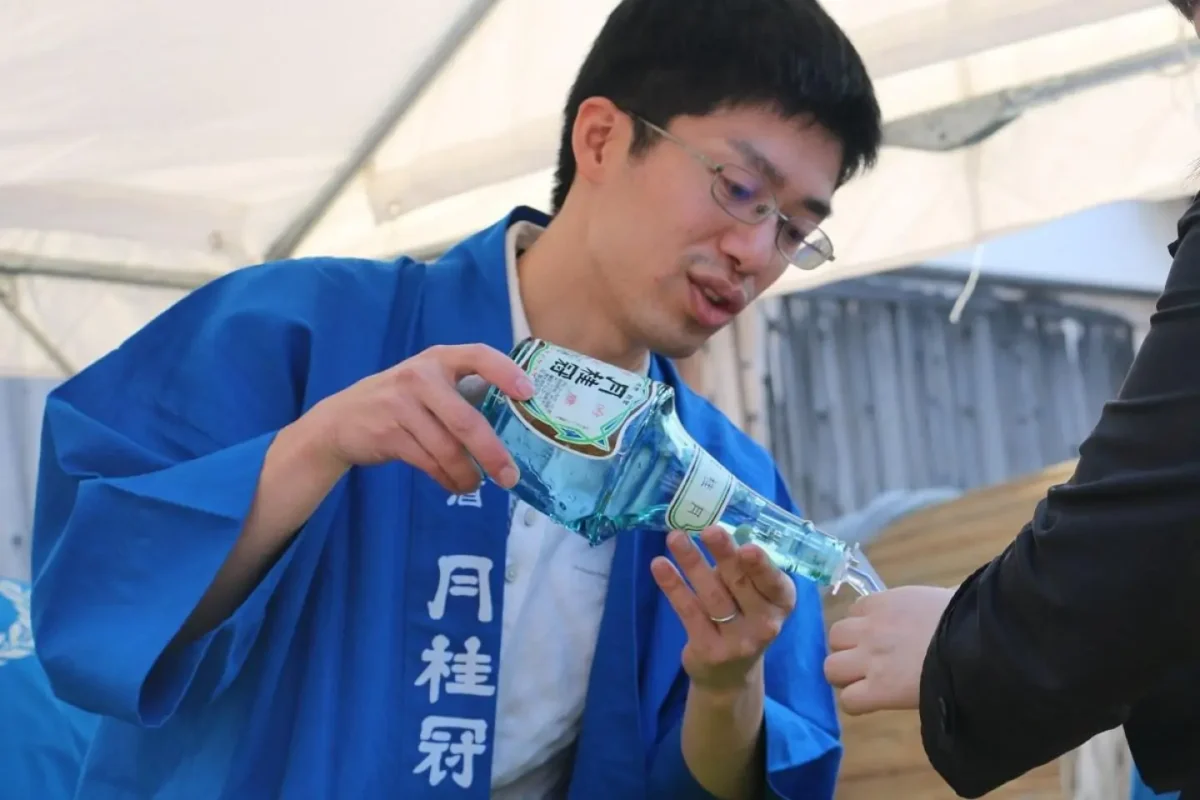
During the daytime, the sprawling white-walled storehouses and traditional wooden structures naturally contrast with vibrant festival setups and bustling crowds. The beautifully preserved inner courtyard features specialized tasting stalls where rare, limited-edition sakes and freshly squeezed seasonal brews are unsealed for enthusiasts. This brilliant gastronomic showcase shifts the historic, manicured complex into a lively winter-to-spring wonderland, capturing the very first whispers of the changing Kyoto cultural calendar.
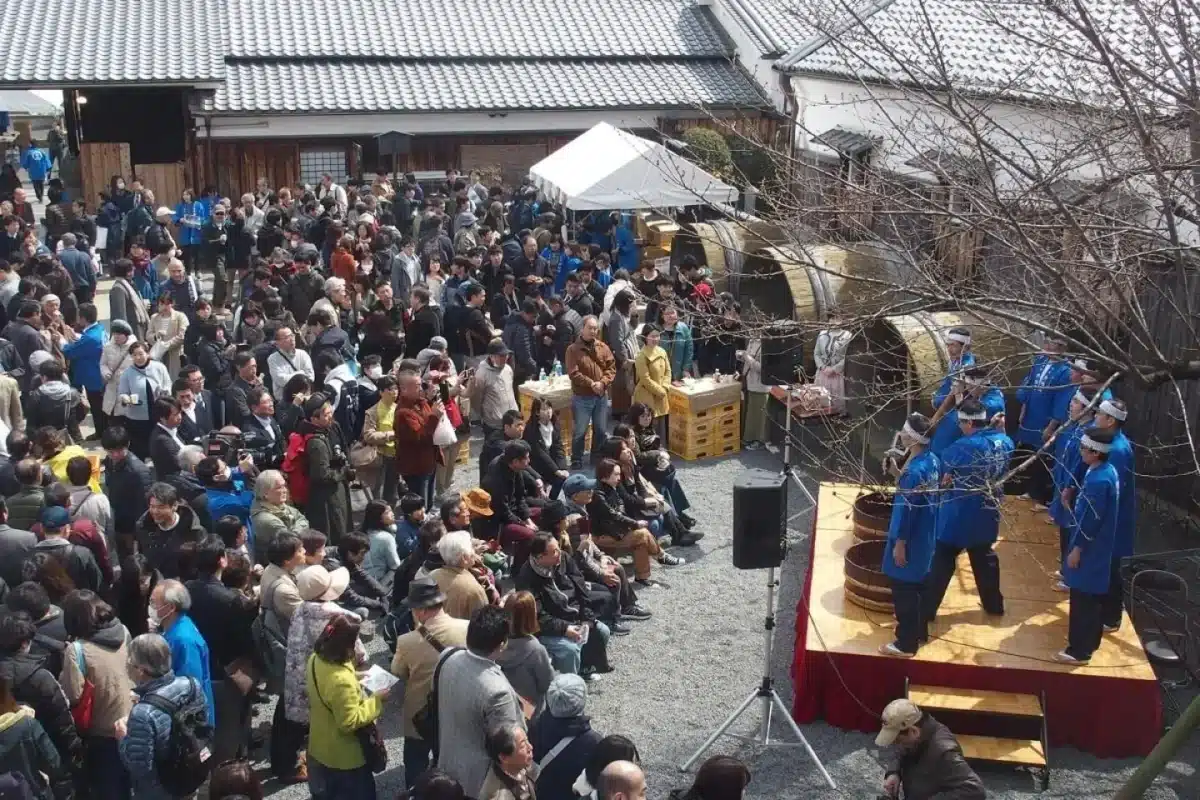
The festival blends this sublime liquid art with rich regional heritage to cultivate warmth and camaraderie among visitors coming out of the cold months. Guests gather across the ancient stone-paved premises to witness authentic sake barrel wrapping demonstrations, listen to traditional brewing folk songs performed live, and sample exquisite culinary pairings prepared by prominent local restaurants. The entire experience serves as a beautiful cultural bridge, offering travelers a rare look at classic Edo-period industrial methods preserved directly within a dynamic, festive atmosphere.
Enjoy Your Event Stress-Free with Japan Travelo
Do you know? Planning events, festivals, concerts, and cultural experiences in Japan can be overwhelming. Japan Travelo brings everything together in one place, helping you manage your itinerary, transport, and accommodation with ease—so you can enjoy Japan without the stress of planning.
Event Highlights
- Premium Paid Tastings: Specialized access to over ten distinct styles of Gekkeikan sake including rare, unpasteurized varieties and exclusive festival-only releases.
- Sake Brewing Songs: Live musical performances of historic working songs traditionally sung by laborers during the intense rice-mashing process.
- Barrel Wrapping Demonstrations: Fascinating live showcases of master craftsmen expertly binding and wrapping traditional cedar wood sake barrels with straw mats.
- Collaborative Food Stalls: A curated collection of five regional dining stalls presenting signature dishes perfectly engineered to complement different sake flavor profiles.
Why Attend
This magnificent gathering offers an uncommon opportunity to witness an intricate fusion of classical Japanese fermentation sciences and lively public festivities, producing an immersive educational exhibition that cannot be replicated in everyday bars. It provides an intimate, deeply reflective journey into the historic water-rich heritage of old Fushimi, presenting a soulful alternative to the standard sightseeing temples found elsewhere in the city.
The event serves as an ideal destination for culinary travelers, history buffs, and dedicated sake aficionados looking to capture striking flavor profiles and rare seasonal bottlings. Attendees benefit from entering a completely insulated historic ecosystem while enjoying immediate access to certified experts and sommeliers, providing a perfectly balanced day of historical exploration and sensory indulgence.
Date & Duration
- Event Date: Mid-March 2027
- Event Duration: Approximately 7 hours
Visiting this event? Don’t miss out on these amazing activities and local experiences while you’re here.
Ticket Information
- How Tickets Are Sold: General museum entry vouchers and physical food/drink tokens are purchased exclusively on-site at the main courtyard gate.
- Admission Type: Paid entry tokens are required for adults wishing to participate in the tastings, while non-drinking minors can enter the grounds freely.
- Ticket Pricing: Standard tasting starter packs cost approximately 7 dollars and include ten individual vouchers plus a souvenir ceramic cup, with extra voucher sheets sold for 4 dollars.
- Special Seating Options: There are no formal grandstands or reserved seats, as the layout features standing tables and casual open-air courtyard benches.
- VIP Options: Premium advanced ticket upgrades are offered on a limited basis, granting holders priority access to rare reserve bottles and expedited tasting lines.
Venue / Location
- City and Country: Kyoto, Japan
- Venue Name: Gekkeikan Okura Sake Museum
- Google Maps Address: 247 Minamihamacho, Fushimi Ward, Kyoto, 612-8660, Japan
Contact Information
- Email: customer@gekkeikan.co.jp
- Phone Number: +81 75-623-2056
- Official Website: https://en.japantravel.com/kyoto/gekkeikan-sake-brewery-festival/70542
Accommodation Options:
The neighborhood immediately surrounding the brewery features a high concentration of charming residential guesthouses, boutique ryokan, and historic vacation rentals situated along the scenic Fushimi canal network. Lodging locally within this historic brewery district grants travelers instant access to weeping willow-lined waterways, traditional wooden merchant streets, and atmospheric evening izakayas. These properties are highly sought after by culinary tourists who wish to fully immerse themselves in the quiet, old-world lifestyle of southern Kyoto.
Alternatively, central Kyoto hubs like the Kyoto Station area or the vibrant Shijo-Karasuma district host an expansive assortment of global luxury hotel brands and modern business hotels. Choosing a base near these major transit nexuses permits travelers to navigate the city seamlessly via overlapping subway and commuter rail lines. Excellent municipal thoroughfares and well-placed train links make traveling from these central urban neighborhoods down to the quiet Fushimi gates exceptionally quick and hassle-free.
Getting There
- Nearest Airport: Osaka Itami Airport is located roughly 40 kilometers away, while Kansai International Airport sits approximately 90 kilometers from the destination.
- Nearest Train/Metro Station: Chushojima Station on the Keihan Main Line serves as the closest major transit link.
- Bus Routes or Public Transport Options: The Kyoto City Bus network operates multiple regional routes stopping near the Fushimi-Momoyama transit corridors.
- Parking Availability: There is no dedicated guest vehicle parking directly on the festival grounds, so visitors must utilize small paid city garages nearby.
- Directions by Car: Drivers must follow the Hanshin Expressway Route 8 Kyoto Line and take the Fushimi exit before routing onto local avenues toward the historic riverfront district.
Dining Recommendations
Breakfast Recommendations:
- Fushimi Canal Café: Offers flaky matcha pastries paired with hot pour-over coffee tailored for early morning walkers.
- Momoyama Diner: Features savory breakfast sets showcasing steamed white rice, grilled salmon, and warm miso soup.
- Shopping Arcade Tea Room: Serves traditional sweet bean cakes alongside bowls of steaming hot local green tea.
Lunch Recommendations:
- Fushimi Sakagura Koji: Specializes in multi-brewery tasting platters accompanied by fresh seasonal hot pot sets.
- Torisei Fushimi: Famous for juicy charcoal-grilled chicken skewers served inside a grand, converted historic sake storehouse.
- Kizakura Kappa Country: Renowned for rich, savory sake-kasu ramen bowls topped with tender sliced pork and local scallions.
Dinner Recommendations:
- Minamihama Kaiseki: A historic establishment serving exquisite, multi-course seasonal dinners near the riverbank area.
- Chushojima Izakaya: Features deep-fried seasonal tempura paired with premium locally brewed junmai daiginjo sake variants.
- Fushimi Waterfront Bistro: Offers modern fusion dining options featuring premium domestic beef cuts and roasted seasonal roots.
Local Specialties to Try:
- Sake Manju: Soft, sweet steamed buns infused with aromatic sake lees and filled with smooth red bean paste.
- Fushimi Tsukemono: Crisp, locally grown vegetables pickled using unique fermentation styles derived from the region’s pure spring water.
- Sake-Kasu Soup: A rich, warming winter broth made from nutritious sake pressed cakes, local root vegetables, and pork belly.
What is this event?
The Gekkeikan Sake Brewery Festival is an annual spring cultural celebration that highlights the rich legacy and ongoing production of premium Japanese rice wine within a historic landmark facility. The exhibition functions as a seasonal showcase where ancestral architecture and modern tasting events merge to educate the public on fermentation traditions.
The gathering serves as an educational and social display where time-honored craftsman rituals and local culinary arts can be experienced simultaneously. It operates as a vibrant community event that marks the traditional conclusion of the intense winter brewing season.
Why is it popular?
The event is popular because it delivers a dramatic sensory experience, allowing attendees to sample exclusive, unreleased sake batches directly at the source of production. It offers an authentic, lively atmosphere that makes visitors feel like active participants in a historical guild celebration.
Its exceptional location within a meticulously modernized 100-year-old brewery complex makes it an easy, accessible stop for both local connoisseurs and international tourists. The cultural allure of matching rare regional food recipes with premium sake blends keeps crowds returning year after year.
Tips before you go
- Carry ample physical yen currency because the festival ticket booths operate on a cash-only system for food and drink coupons.
- Plan your arrival for the late morning hours to secure limited-edition bottle purchases before the mid-afternoon rush thins out stock.
- Verify the scheduled performance times via online announcements so you do not miss the barrel-wrapping or singing shows.
- Wear highly comfortable walking shoes because the historic museum layout features weathered cobblestones and uneven timber floors.
- Bring a reusable bag if you intend to buy souvenir bottles, as premium glass bottles can become cumbersome to carry across town.
Tips for First-Time Visitors
- Pace Your Tastings Carefully: Take advantage of the pristine municipal spring water wells available in the courtyard to stay hydrated between high-alcohol sake samples.
- Arrive Via Public Trains: Depend entirely on the efficient regional rail lines rather than driving, as operating a vehicle under the influence of alcohol is strictly illegal.
- Explore the Historical Exhibits First: Browse through the indoor museum galleries to learn about the ancient tools before moving out to the tasting zones.
- Arrive Early for Food Stalls: Purchase your favorite local snacks during the early hours, as popular dining selections frequently sell out before the final hours.
- Interact with the Master Brewers: Utilize the bilingual explanation panels and chat with the on-site brewery staff to learn the stories behind each label.
- Respect the Designated Standing Zones: Keep the central courtyard thoroughfares completely clear of obstructions so guests can safely carry their tasting trays.
Attendee Experiences
- Sipping ultra-fresh sake right inside the historic wooden courtyard felt like traveling back into the Edo period.
- The live brewing songs were mesmerizing and gave me a deep respect for the hard work behind every bottle.
- The food pairings from local chefs were incredible and completely changed how I match sake with different flavors.
Location
FAQ
What should I do if I am traveling with individuals who do not drink alcohol?
Non-drinking guests, designated drivers, and minors can easily enjoy the festival by focusing on the fascinating museum exhibits and live musical shows. The local food stalls also offer a wide selection of non-alcoholic regional beverages, traditional teas, and savory dishes that do not contain alcohol. Additionally, the stunning architectural courtyard provides excellent sightseeing and photography opportunities for everyone in your travel group.
Are there public restrooms available on the brewery grounds?
Yes, modern, fully accessible restroom facilities are maintained for public use directly inside the main exhibition hall and near the courtyard areas. Because this is a high-traffic historic facility experiencing large festival crowds, visitors are encouraged to use the facilities early to avoid long lines during peak performance times. The paths leading to the restrooms are kept well-lit and are clearly marked with multilingual directional signage for international travelers.
Can I take photos and use a tripod inside the museum spaces?
Handheld photography is enthusiastically welcomed across the exterior courtyard and the primary historical exhibition rooms, but the utilization of tripods or monopods is strictly prohibited. The interior pathways are narrow and packed with valuable folk cultural properties, meaning large equipment presents a significant safety hazard to other strolling guests. Visitors must also refrain from using high-powered flash photography near the ancient documents and delicate historical screen art.
Is the festival layout fully accessible for strollers or wheelchairs?
The courtyard areas and the newly remodeled ground-floor museum rooms are designed with flat surfaces that can accommodate strollers and wheelchairs relatively well. However, certain historical corners of the 100-year-old wooden storehouses feature raised door sills and narrow timber corridors that might require extra care or assistance. Families with infants are generally advised to use front-facing baby carriers to navigate the densely packed festival crowds

Leave a Reply