
Overview
Aomori prefecture may be best known for being Japan’s largest apple producer, but once a year, the streets come alive in the Nebuta Festival in Aomori City. Lesser known, but perhaps more impressive and memorable is the Tachineputa Festival in nearby Goshogawara. From a tourist’s perspective, this festival is great because it is less crowded and just as exciting. Since Goshogawara is just an hour’s drive away, it is easy to plan a trip to see both of these versions of Nebuta since the festivals occur during the same week.
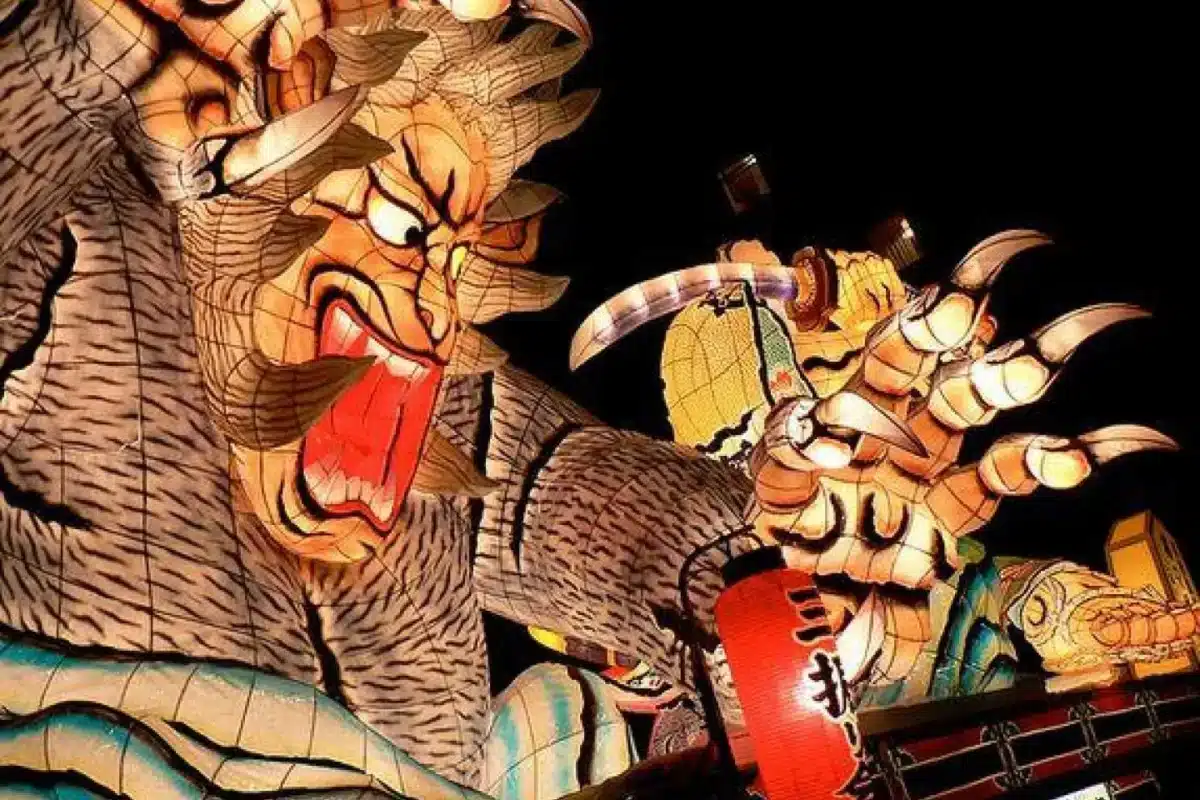
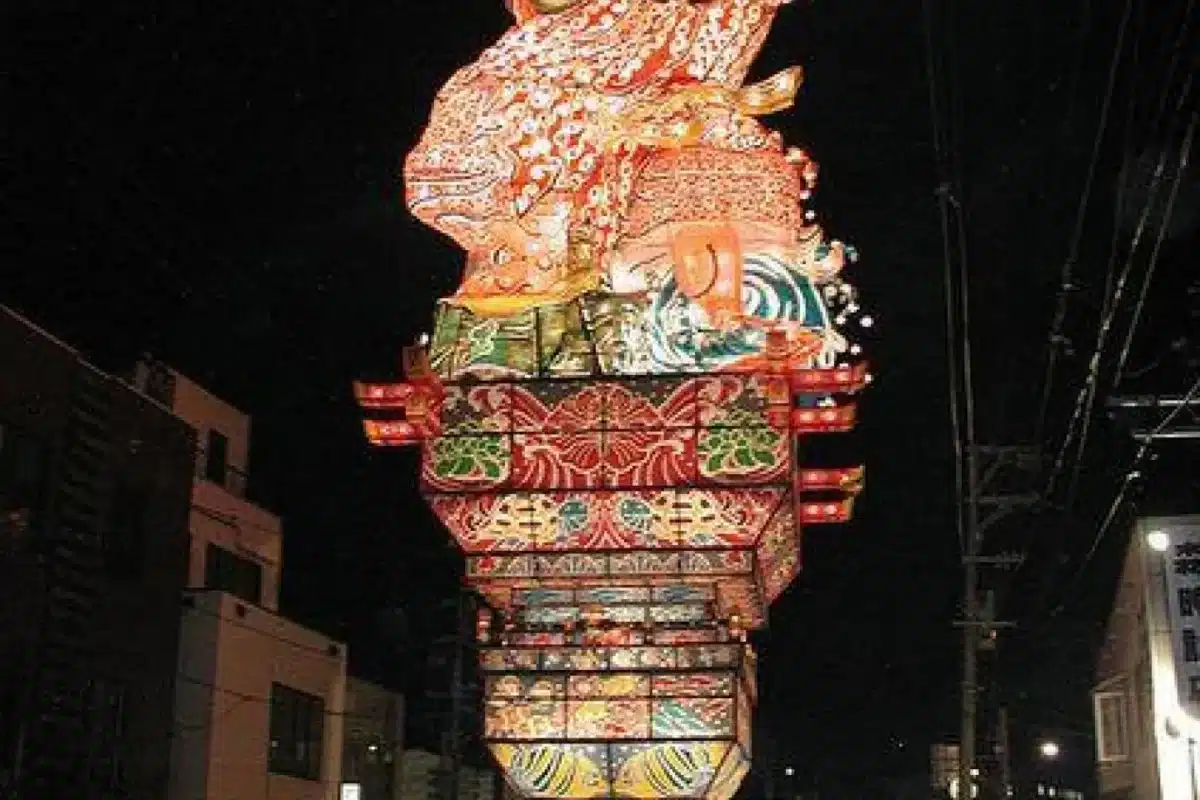
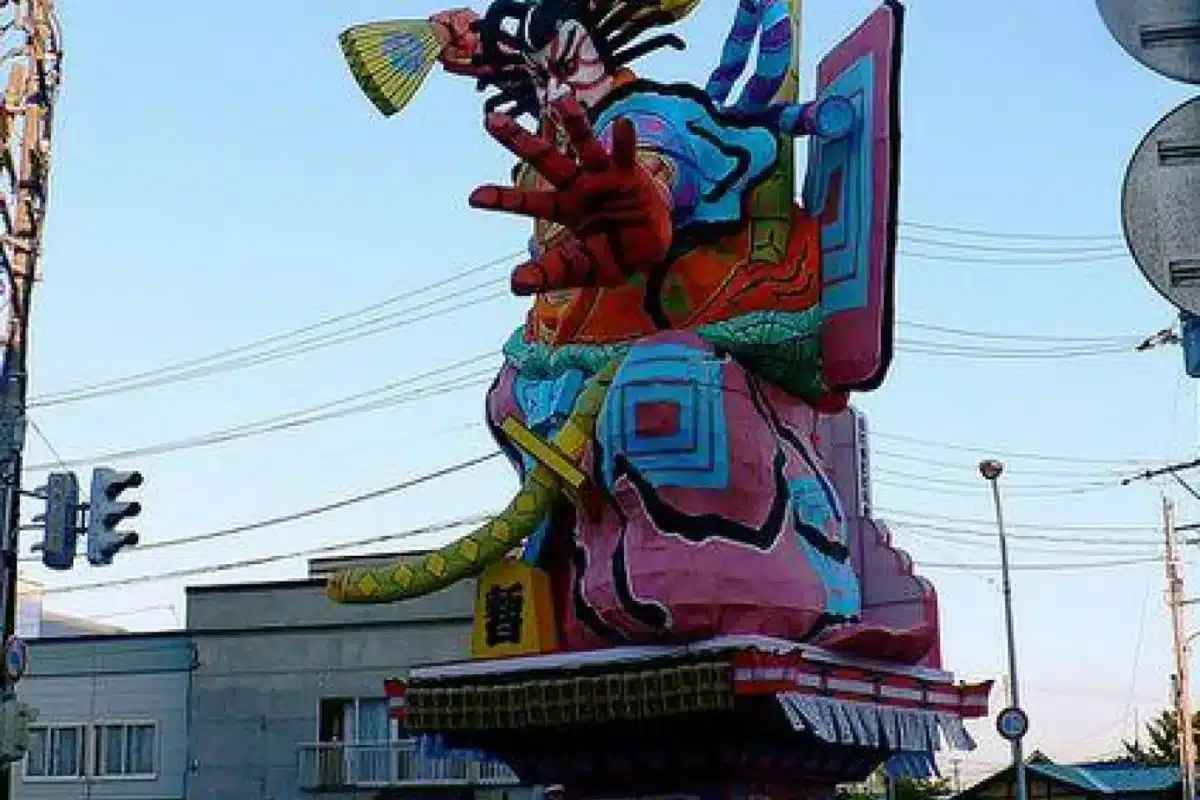
Size really does matter in Tachineputa. The word tachi means standing in Japanese, but these floats don’t just stand, they tower above crowds and move. Standing an average of 20 meters into the air, yes 20 meters, you can often see the tops of the floats peaking above low lying buildings before they turn a corner in the parade route. Designs tend to focus on deities, demons, and Japanese folklore. Although you can come early in the afternoon to get a glimpse of the floats, the parade itself is at night. This means all the floats are glowing from the inside, bringing a festive mood wherever they wander. Since the floats are so tall and the parade route is long, you are guaranteed to get a great view almost anywhere along the street. But you will have to look down, not up, to see how these beasts on wheels actually move.
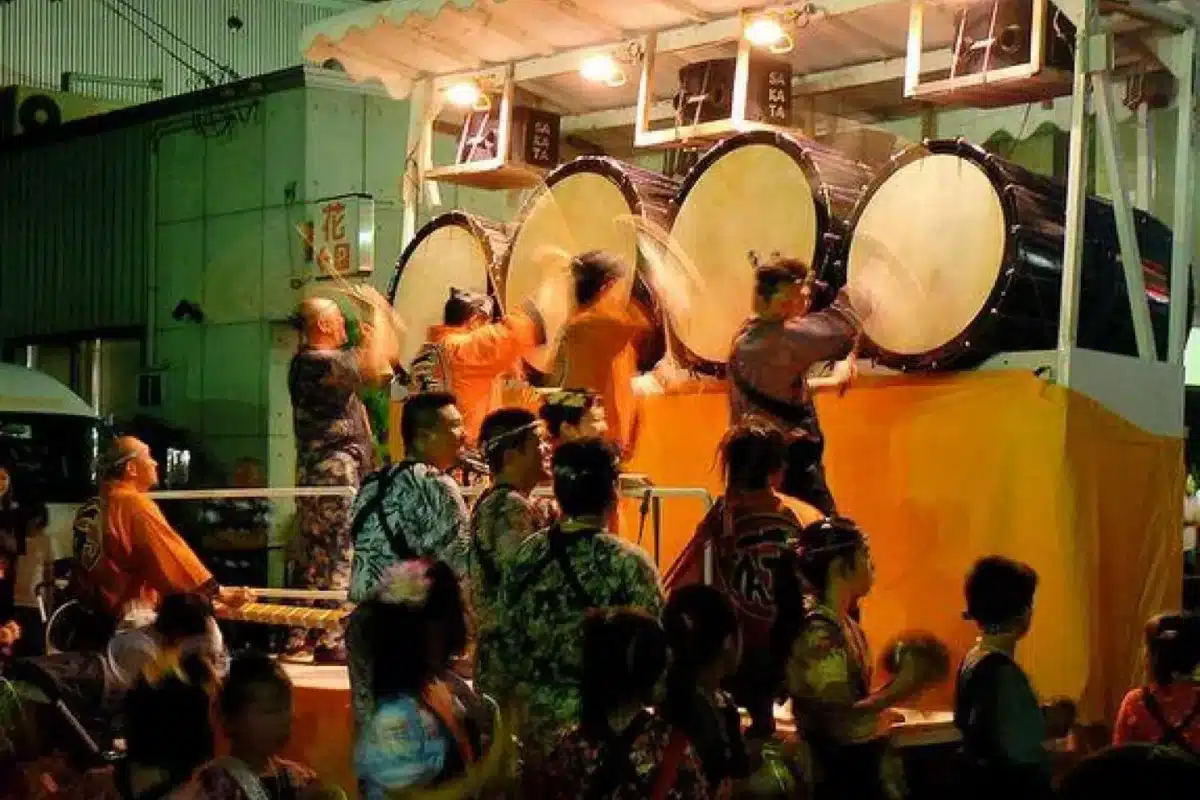
Sticking with tradition, floats are pulled and pushed throughout the weeklong festival. Dozens of human handlers pull ropes attached to the front end of the float, while the strongest members of each float are often stuck pushing and steering the floats from behind. This is no easy task. The floats weigh several tons or more. Oh, and did I mention the streets are incredibly narrow and lined with power lines? I recommend trying to find a corner along the parade route. From there you can see the precarious push, pull, and pivot motions teams need to perform in order to turn the floats. It gives you more time to take pictures and really see the fine detail and hard work that goes into each float. To keep floats in rhythm and to add to the festive nature, massive carts of drummers and dancers fill the gaps between the tachineputa.
Enjoy Your Event Stress-Free with Japan Travelo
Do you know? Planning events, festivals, concerts, and cultural experiences in Japan can be overwhelming. Japan Travelo brings everything together in one place, helping you manage your itinerary, transport, and accommodation with ease—so you can enjoy Japan without the stress of planning.
Reaching Goshogawara to see the Tachineputa Festival is easy. It is an hour’s drive from Aomori, and the event is just a five minute walk from Goshogawara station. From Tokyo, the travel time between bullet train and local train can take up to five hours, but it is definitely a must see if you are in Japan during August. Local hotels are undoubtedly filled weeks or months prior to the event, but hotels just twenty to thirty minutes away can still have vacancy, so keep a look out.
Cultural Significance & Origins
Tachineputa is one of three major Nebuta festivals in Aomori and most dramatic in scale.
What Kind of Festival: The Nebuta fire festival has been passed down for over 400 years, mainly in Tsugaru region. It is purification ritual to drive away sleepiness and evil, Tanabata related, with paper lantern floats depicting legendary figures illuminated to pray for health and good harvest.
Origin in Wealth Competition: The Goshogawara Tachineputa Festival allegedly has its origins in beginning of twentieth century, when powerful local landowners competed with each other to build tallest floats as symbols of their status and wealth. The giant floats they commissioned are even said to have been visible from neighboring towns. Around 1907, floats as tall as about 27 meters were reportedly made.
Loss and Rediscovery: Unfortunately, designs for these floats and Goshogawara Tachineputa tradition itself were lost after series of fires devastated town. All blueprints and photographs were lost in fire after war, and festival is no longer held. However, in 1993, blueprints and photographs were discovered, and calls for revival grew, leading to its revival in 1998 for first time in 80 years. This led to revival through efforts of local community, which even involved burying overhead electrical wires along parade routes so they would not interfere with height of floats.
Standing Form: The first thing that stands out about these floats is their incredible height. Largest ones are whopping 23 meters tall, height of seven-story building. Official call of float carriers and dancers is Yattemare, Yattemare. Tachineputa floats are much taller than counterparts in Aomori and Hirosaki, reaching heights up to 23 meters. They represent unique late Meiji period neputa style.
Three Major Festivals: Three major Nebuta festivals in Aomori are Aomori Nebuta, Hirosaki Neputa, and Goshogawara Tachineputa. Hirosaki is original, made by ordinary citizens with fan-like shape and fearsome warriors front and beautiful ladies back, cry Yah Yado. Aomori Nebuta is largest, with complex three-dimensional sculptures of kabuki, mythology, cry Rassera Rassera, where anyone can join as haneto dancer. Goshogawara stands for height.
Traditions, Rituals & Customs
The festival preserves intense physical tradition of pulling towering lanterns.
Yattemare Chant: The shouts of Yattemare, Yattemare and accompanying music liven up festival. It is said Yattemare chant comes from Yattemare meaning Let’s do it or Go get em. Dancers known as haneto chant Yattemare as they follow floats, wearing yukata light cotton summer kimono.
Pull and Push System: Sticking with tradition, floats are pulled and pushed throughout weeklong festival. Dozens of human handlers pull ropes attached to front end of float, while strongest members of each float are often stuck pushing and steering floats from behind. Floats weigh several tons or more. Floats weigh 16 to 19 tons, massive structures over 20 meters tall and weighing 16 tons represent unique late Meiji style.
Narrow Streets and Power Lines: Streets are incredibly narrow and lined with power lines historically. Recommendation to find corner along parade route to see precarious push, pull, and pivot motions teams need to perform in order to turn floats. In modern revival, power lines along parade route were moved underground to allow height.
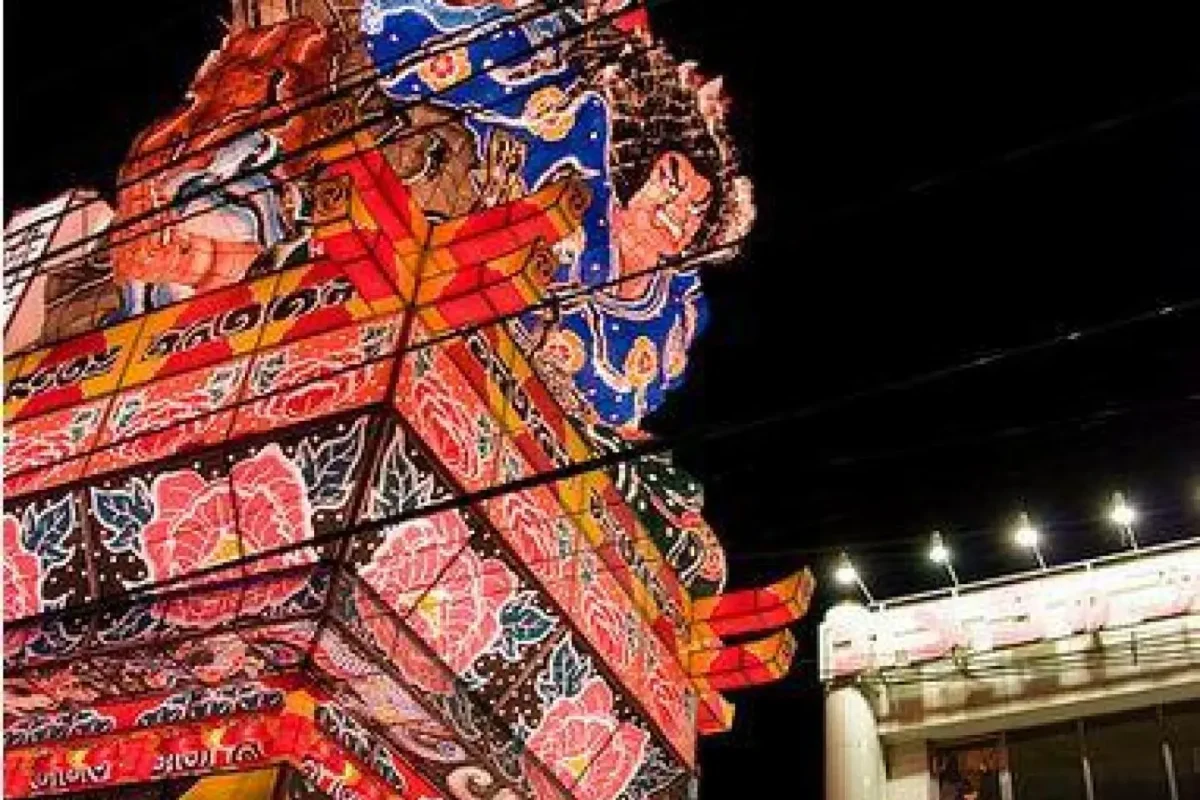
Night Illumination: Although you can come early in afternoon to get glimpse of floats, parade itself is at night. This means all floats are glowing from inside, bringing festive mood wherever they wander. Floats are illuminated paper lanterns depicting kabuki, history, mythology, deities, demons, and Japanese folklore, expressing range of emotions from bold and magnificent to somber and elegant.
Drummers and Dancers: To keep floats in rhythm and add to festive nature, massive carts of drummers and dancers fill gaps between tachineputa. Large taiko drum leads parade, behind them dancers known as haneto follow.
Community Building: Floats are built over months by local teams, each float representing neighborhood or company. Revival involved entire town burying electrical wires.
What to Expect at the Festival
Expect awe as seven-story tall glowing giants turn corners over your head.
You can often see tops of floats peaking above low lying buildings before they turn corner in parade route. Standing average 20 meters into air, you can see them from blocks away. Since floats are so tall and parade route is long, you are guaranteed great view almost anywhere along street. But you will have to look down, not up, to see how these beasts on wheels actually move.
At night, all floats are glowing from inside, bringing festive mood wherever they wander. Designs tend to focus on deities, demons, and Japanese folklore, with bright colors and fierce expressions, such as towering illuminated float depicting famed 16th century dancer and actress Izumo no Okuni posed before parasol measuring 12 meters diameter.
Teams of dozens pull ropes at front, strongest push and steer from behind, performing precarious pivot motions at corners lined with power lines, giving you more time to take pictures and really see fine detail and hard work that goes into each float. Massive carts of drummers and dancers fill gaps, with haneto dancers in yukata chanting Yattemare.
Less crowded than Aomori Nebuta which draws millions, Goshogawara offers more relaxed viewing, but still energetic. Just five minute walk from Goshogawara station, easy to reach. During festival, traffic restrictions are in place in front of JR Goshogawara Station, so best to avoid driving and use train instead.
You will definitely be awed by super-tall floats that seem to reach night sky. Nebuta floats, once created as symbols of power of wealthy merchants and landowners, are so hot that they can withstand summer heat.
Date & Schedule
Event Dates: Early August 2027 (Dates TBD)
Official Timing Information: Goshogawara is famous for its Tachineputa Festival, held annually from August 4 to August 8. The biggest attraction is gigantic Tachineputa, 20 meters tall and weighs 19 tons. Three giant Tachineputa and about 15 medium-sized and small Nebuta floats parade through streets.
The festival showcases illuminated floats depicting kabuki, history, and mythology. The parade, led by large taiko drum, showcases Tachineputa floats mounted on carts. Behind them, dancers known as haneto chant Yattemare as they follow floats. Massive structures over 20 meters tall and weighing 16 tons represent unique late Meiji period neputa style.
Previous edition pattern: Festival held every year for five days from August 4th to 8th. Today it is held every year for five days. On August 4, 2014, one of 16 lanterns with effigies of samurai warriors on floats, biggest over 20 meters high, was paraded. On August 4, 2016, towering float depicting famed dancer Izumo no Okuni was one of largest of 17 neputa floats, with three floats weighing as much as 19 tons and rising up to 23 meters.
Typical Daily Schedule Based on Previous Editions:
- Afternoon: Early glimpse of floats parked near Tachineputa Museum, visitors can see intricate construction from same height as Tachineputa
- Evening: Parade starts out at Tachineputa Museum, follows roads around JR Goshogawara Station, parade route changes every year but usually around station
- Night: Illuminated parade with three giant Tachineputa and about 15 medium-sized floats, with taiko drummers and haneto dancers chanting Yattemare
- All five days: Traffic restrictions in front of JR Goshogawara Station, paid seating set up every year
Notice: Dates for 2027 not yet confirmed. Page will be updated once official dates announced. Check official event site for latest info.
Venue: Central Goshogawara-shi, Aomori Prefecture, starting at Tachineputa Museum, 506-10 Omachi, Goshogawara City. Five minute walk from Goshogawara Station.
Visiting this event? Don’t miss out on these amazing activities and local experiences while you’re here.
Main Events & Programme
The five-day programme features giant floats and medium floats alternating.
Giant Tachineputa Parade: Biggest attraction is gigantic Tachineputa, 20 meters tall and weighs 19 tons, largest ones whopping 23 meters tall, height of seven-story building. Three giant Tachineputa parade through streets. Designs include deities, demons, folklore, kabuki characters, samurai warriors like Tokugawa Ieyasu, and famed figures like Izumo no Okuni with 12 meter diameter parasol. One of largest of 17 neputa floats at event.
Medium and Small Neputa: About 15 medium-sized and small Nebuta floats parade as well, with 16 lanterns with effigies of samurai warriors in some years. Medium-sized Neputa like Tokugawa Ieyasu offer closer view of craftsmanship.
Taiko Drum Lead: Parade led by large taiko drum cart, keeping rhythm for pullers and pushers, with massive carts of drummers filling gaps between tachineputa.
Haneto Dancers: Dancers known as haneto chant Yattemare, Yattemare as they follow floats, wearing yukata light cotton summer kimono, jumping and dancing to add festive nature.
Museum Departure: They always start out at Tachineputa Museum, so nice to wait there for Nebuta to appear. Large Tachineputa coming out of museum is dramatic moment, you can look out from same height as Tachineputa and see intricate construction which cannot be seen from below.
Paid Seating: Paid seating is set up every year, so if you want to enjoy view at leisure, make reservation in advance. Tickets sell out quickly every year, recommend making reservation early.
Daytime Viewing: Before festival begins, head to Tachineputa Museum where Nebuta floats are launched. Large floats stored and exhibited, you can learn history.
Traditional Dress, Arts & Crafts
Artistry combines paper lantern craft with towering engineering.
Float Construction: Floats are lantern-like decorated floats, complex wire and paper sculptures over wooden frames, illuminated from inside. Built over months by local teams, depicting kabuki, history, mythology, expressing range of emotions from bold and magnificent to somber and elegant. Biggest floats weigh 19 tons, require strength of dozens of people to move. Around 1907, floats as tall as 27 meters reportedly made.
Haneto Costume: Dancers wear yukata light cotton summer kimono, colorful, with flower hats hana-kasa and sashes, chanting Yattemare. Costume can be rented for tourists in Aomori, similar style adopted in Goshogawara.
Taiko Drum: Massive taiko drums on carts, decorated with festival crest.
Craft Workshops: You can enjoy making own Tachineputa lantern or goldfish nebuta at Tachineputa Factory for 7 USD to 11 USD, based on 1000 to 1500 yen, and Tachineputa fan for 4 USD, based on 500 yen, recommended for casual try. Restaurant in observation lounge offers panoramic view of Tsugaru Plain, Hakkoda mountain range, and Mt. Iwaki.
Nebuta Painting: Art of painting washi paper with sumi ink and vivid colors, depicting fierce warriors and beautiful women, refined style different from Aomori’s bold style.
Tachineputa Museum: Facility stores and exhibits large floats, with observation decks at same height as floats. Museum was closed for large-scale renovation since April 2025 and scheduled to reopen in or after July 2026.
Traditional Food & Local Specialties
Aomori prefecture may be best known for being Japan’s largest apple producer, but festival foods are hearty northern specialties.
Festival Street Foods:
- Yakitori and Grilled Meats: Stalls grilling meats for 4 USD to 7 USD
- Takoyaki and Okonomiyaki: 4 USD to 7 USD per serving
- Apple Products: As largest apple producer, Aomori offers apple juice for 3 USD to 5 USD, apple pies for 4 USD to 7 USD, caramel apples for 3 USD to 5 USD
- Beer and Sake: Draught beer for 4 USD to 7 USD, local sake for 5 USD to 9 USD
Tsugaru Local Cuisine:
- Tsugaru Soba: Buckwheat noodles for 7 USD to 11 USD
- Jappa Jiru: Fisherman’s miso soup with fish scraps for 6 USD to 9 USD
- Kenoshiru: Root vegetable miso soup for 5 USD to 8 USD
- Ika Menchi: Squid minced cutlet for 4 USD to 7 USD
- Oysters and Scallops: Mutsu Bay scallops grilled for 8 USD to 14 USD
Goshogawara Restaurants: Small izakaya near station serve local cuisine for 15 USD to 30 USD per person, with sashimi and sake.
Convenience: During festival, traffic restrictions in front of station, but convenience stores and supermarkets remain open.
Location & Festival Areas
Central Location: Central Goshogawara-shi, Aomori Prefecture, Tohoku region, northern Honshu
Parade Route: Nebuta parade route changes every year, but they usually follow roads around JR Goshogawara Station. They always start out at Tachineputa Museum, so nice to wait there for Nebuta to appear. Route includes narrow streets lined with buildings, corners where push, pull, pivot motions visible.
Key Areas:
- Tachineputa Museum: 506-10 Omachi, Goshogawara City, Aomori Prefecture, phone 0173-38-3232, official URL tachineputa.jp, starting point, storage and exhibition of floats, observation lounge with panoramic view of Tsugaru Plain, Hakkoda mountain range, Mt. Iwaki, restaurant, factory for lantern making
- JR Goshogawara Station Area: Five minute walk from museum, center of traffic restrictions, paid seating set up
- Omachi and Central Streets: Main parade streets with narrow lanes, best for corner viewing to see precarious turns
Geography: Goshogawara is hour’s drive from Aomori City, located in Tsugaru Plain, surrounded by apple orchards, with view of Mt. Iwaki. Part of Ashino Chishogun Prefectural Natural Park area.
Museum Closure Note: Tachineputa Museum has been closed for large-scale renovation work since April 2025 and scheduled to reopen in or after July 2026, please check website for updates before 2027 festival.
Getting to the Festival
Reaching Goshogawara is straightforward from Aomori and Tokyo.
From Aomori City: Hour’s drive from Aomori, about 40 km, by car via Route 101 or expressway. By train, take JR Gono Line or Ou Main Line to Goshogawara Station, about 90 minutes, fare about 8 USD to 12 USD. Event is just five minute walk from Goshogawara Station.
From Tokyo: Travel time between bullet train and local train can take up to five hours, but definitely must see. Take Tohoku Shinkansen from Tokyo to Shin-Aomori, about 3 hours, fare about 120 USD to 160 USD, then transfer to local train to Goshogawara, about 90 minutes. Total 5 hours.
By Bus: Highway buses from Aomori to Goshogawara, about 1 hour 15 minutes, fare about 10 USD to 15 USD.
Local Transport During Festival: During festival, traffic restrictions are in place in front of JR Goshogawara Station, so best to avoid driving and use train instead. Paid parking lots near station become unavailable.
By Car: If driving, park outside city center and walk. Local hotels filled weeks or months prior, but hotels twenty to thirty minutes away can still have vacancy.
Air: Aomori Airport 40 minutes from Aomori City by bus, fare about 6 USD to 9 USD, then train to Goshogawara.
Where to Stay Nearby
Local hotels fill quickly, but alternatives available within short drive.
In Goshogawara City:
- Business Hotels: Route Inn Goshogawara, Hotel Sunroute Goshogawara from 70 USD to 120 USD per night, usually fully booked months before festival, book 3 to 6 months ahead
- Ryokan: Small ryokan in city from 80 USD to 150 USD
20 to 30 Minutes Away – With Vacancy:
- Tsugaru City and Hirosaki Area: Hotels just twenty to thirty minutes away can still have vacancy, so keep look out. Hirosaki hotels from 70 USD to 130 USD, such as Hirosaki Park Hotel, Art Hotel Hirosaki City
- Aomori City: Hour away, many options from 70 USD to 180 USD, such as APA Hotel Aomori, JR Inn Aomori, and Aomori Grand Hotel
- Ajigasawa and Fukaura: Coastal towns 30 minutes west, with onsen hotels from 90 USD to 180 USD
Camping and Budget: Michi no Eki roadside stations allow car camping, hostels in Aomori City from 30 USD to 50 USD dorm.
Tachineputa Museum Area: Some minshuku near museum offer simple rooms from 50 USD to 80 USD.
Booking Advice: Local hotels undoubtedly filled weeks or months prior to event, but hotels just twenty to thirty minutes away can still have vacancy. For 2027, after museum renovation reopening scheduled July 2026, interest may be higher, book early.
What Visitors Can Participate In
More participatory than Aomori Nebuta where anyone can join as haneto with costume rental, but still inclusive.
Watch from Anywhere: Since floats are so tall and parade route is long, you are guaranteed great view almost anywhere along street. Best is corner along parade route to see precarious push, pull, and pivot motions, giving more time to take pictures and really see fine detail.
Haneto Dancers: While Aomori Nebuta allows anyone to join as haneto as long as dressed in proper costume rented or purchased, Goshogawara’s haneto is more local, but tourists can inquire through tourist association to join as haneto chanting Yattemare in yukata. Some groups accept visitors with prior registration.
Paid Seating Reservation: Paid seating is set up every year, if you want to enjoy view at leisure, make reservation in advance. Tickets sell out quickly every year, recommend early reservation via Goshogawara tourist association.
Museum Workshops: Before festival, enjoy making own Tachineputa lantern or goldfish nebuta at Tachineputa Factory for 7 USD to 11 USD, and Tachineputa fan for 4 USD, recommended for casual try. Great for families.
Photography: Festival is great for photography because less crowded and just as exciting as Aomori Nebuta. Take pictures of push teams steering floats from behind, showing strength.
Drum and Taiko: Some years, visitors can try small taiko drums between floats.
Things to Do Before or After the Festival
Aomori Prefecture offers summer festivals and nature.
See Both Nebuta Festivals: Since Goshogawara is just hour’s drive away from Aomori City, easy to plan trip to see both versions of Nebuta since festivals occur during same week. Aomori Nebuta Festival held early August in Aomori City with millions visitors, Hirosaki Neputa late July to early August. Catch all three.
Tachineputa Museum: Before festival begins, head to Tachineputa Museum where Nebuta floats are launched. Large Tachineputa floats stored and exhibited, you can learn history, look out from same height as Tachineputa and see intricate construction which cannot be seen from below. Restaurant offers panoramic view of Tsugaru Plain, Hakkoda, Mt. Iwaki. Check reopening after renovation closed since April 2025 scheduled reopen July 2026.
Other Museums: Visit Tsugaru Clan Neputa Village in Hirosaki City, Nebuta Museum Wa Rasse in Aomori City to experience festival atmosphere all year round.
Aomori Sightseeing:
- Hirosaki Castle: Beautiful castle with cherry blossoms, 30 minutes from Goshogawara
- Sannai-Maruyama Site: Jomon period archaeological site near Aomori City
- Lake Towada and Oirase Gorge: Famous scenic gorge 90 minutes away
- Apple Orchards: Aomori may be best known for being Japan’s largest apple producer, visit orchards for apple picking
Hot Springs: Ajigasawa and Fukaura onsen towns 30 minutes away, with seaside hot springs.
Food Tour: Try Tsugaru local foods, apple products, scallops from Mutsu Bay.
Local Food & Restaurants
Aomori’s food is hearty northern Japanese.
Festival Stalls: During festival, stalls around station sell yakitori, yakisoba, takoyaki for 4 USD to 8 USD, beer for 4 USD to 7 USD, apple juice for 3 USD to 5 USD.
Restaurants Near Station:
- Izakaya: Near JR Goshogawara Station, izakaya serving jappa jiru fish soup, ika menchi squid cutlet, sashimi, for 15 USD to 28 USD per person
- Ramen Shops: Tsugaru ramen with niboshi sardine broth for 7 USD to 10 USD
- Soba Shops: Tsugaru soba for 7 USD to 11 USD
Aomori City Restaurants: For wider choice, Aomori City 1 hour away offers many seafood restaurants with scallops, tuna, and apple desserts.
Museum Restaurant: Restaurant in observation lounge of Tachineputa Museum offers panoramic view of Tsugaru Plain, Hakkoda mountain range, Mt. Iwaki, serving local cuisine like Tsugaru curry and apple dishes for 10 USD to 18 USD.
Souvenirs: Apple pies, apple jam, Nebuta goldfish crafts.
Ticket Information & Access
Price of Admission: FREE for street viewing
Tickets are listed as 0 JPY for general viewing. Goshogawara Tachineputa Festival is free to watch along streets, as floats parade through public roads.
Paid Seating: Paid seating is set up every year, so if you want to enjoy view at leisure, make reservation in advance. Tickets sell out quickly every year. Based on previous editions:
- Paid Reserved Seats: 20 USD to 35 USD per person per night for prime viewing near station, including cushion and program
- Museum Entry: Tachineputa Museum entry about 6 USD for adults, 4 USD for children, based on previous 600 yen and 400 yen, allows viewing floats up close and observation deck
- Workshop Fees: Tachineputa lantern or goldfish nebuta making 7 USD to 11 USD, Tachineputa fan making 4 USD
Free Access: Street viewing is free, guaranteed great view almost anywhere along street because floats are so tall. Traffic restrictions in front of station ensure pedestrian safety.
Access: Event is just five minute walk from Goshogawara Station, easy access by train to avoid driving. From Tokyo, 5 hours via Shinkansen and local train.
Booking: Reserve paid seating early via Goshogawara City Tourist Association website, and book hotels months ahead as local hotels filled weeks or months prior.
Official Event Information
Event Name: Goshogawara Tachineputa Festival 2027 – Japan, also called Goshogawara Tachineputa Matsuri, Tachi-Neputa Festival
Venue: Central Goshogawara-shi, Aomori Prefecture, starting at Tachineputa Museum, 506-10 Omachi, Goshogawara City, parade route around JR Goshogawara Station
Organizer: Goshogawara City, Goshogawara Tachineputa Festival Committee, and Tachineputa Museum
Official Website: https://en.japantravel.com/aomori/goshogowara-s-tachineputa-matsuri/3815
Additional Official Sites: https://aomori-tourism.com/en/feature/detail_261.html and https://tachineputa.jp official URL of Tachineputa Museum and https://jp.neft.asia/en/archives/2746 guide
Description: Aomori prefecture may be best known for being Japan’s largest apple producer, but once a year streets come alive in Nebuta Festival in Aomori City. Lesser known but perhaps more impressive and memorable is Tachineputa Festival in nearby Goshogawara. From tourist’s perspective, great because less crowded and just as exciting. Size really does matter in Tachineputa, word tachi means standing, but floats tower above crowds and move, standing average 20 meters into air, you can often see tops peaking above low buildings before they turn corner. Designs focus on deities, demons, Japanese folklore. Parade itself is at night, floats glowing from inside, bringing festive mood wherever they wander. Floats are pulled and pushed throughout weeklong festival, dozens of handlers pull ropes, strongest push and steer from behind, floats weigh several tons, streets incredibly narrow and lined with power lines.
Contact: Tachineputa Museum, 506-10 Omachi, Goshogawara City, Phone 0173-38-3232
Video
Location
FAQ
How tall and heavy are the Tachineputa floats really?
The biggest attraction is gigantic Tachineputa which is 20 meters tall and weighs 19 tons, with largest ones whopping 23 meters tall, height of seven-story building, and weighing 16 to 19 tons. Around 1907 floats as tall as about 27 meters were reportedly made, but as overhead power lines spread, scale became smaller until revival from late 1990s involved moving power lines underground. Three giant Tachineputa and about 15 medium and small Nebuta floats parade each night, such as 16 lanterns with samurai warriors in 2014 and 17 floats including Izumo no Okuni with 12 meter parasol in 2016.
How do the floats move through narrow streets?
Sticking with tradition, floats are pulled and pushed throughout weeklong festival, with dozens of human handlers pulling ropes attached to front end while strongest members push and steer from behind, requiring great strength as floats weigh several tons. Streets are incredibly narrow and lined with power lines historically, so teams must perform precarious push, pull, and pivot motions to turn corners, which is why finding corner along parade route gives more time to take pictures and see fine detail and hard work. Since revival in 1998, power lines along parade route were moved underground to allow height, but steering still requires skill.
What is the difference between Aomori Nebuta, Hirosaki Neputa, and Goshogawara Tachineputa?
Three major Nebuta festivals in Aomori are Aomori Nebuta largest in scale drawing millions, with complex three-dimensional sculptures of kabuki and mythology and cry Rassera Rassera where anyone can join as haneto, Hirosaki Neputa original predating others made by ordinary citizens with fan-like shape and contrasting images warriors front beautiful ladies back and cry Yah Yado, and Goshogawara Tachineputa most dramatic for height with floats whopping 23 meters tall and cry Yattemare Yattemare. Hirosaki emphasizes citizen-made refined style, Aomori emphasizes professional artisan three-dimensional sculptures, Goshogawara emphasizes standing height and community revival after 80 year gap.
Is the festival crowded and do I need paid seating?
From tourist perspective, Goshogawara is great because it is less crowded and just as exciting as Aomori Nebuta Festival in Aomori City, which draws millions. Since floats are so tall and parade route is long, you are guaranteed great view almost anywhere along street, but paid seating is set up every year if you want to enjoy view at leisure. Tickets sell out quickly every year, so reservation in advance recommended, costing about 20 USD to 35 USD per person, though free street viewing is excellent especially at corners where you can see push pull pivot motions.
Can I see Tachineputa outside festival dates?
Yes, each city has facility where festival floats are on permanent display for tourists year round, including Tsugaru Clan Neputa Village in Hirosaki City, Nebuta Museum Wa Rasse in Aomori City, and Tachineputa Museum in Goshogawara City. Before festival begins, head to Tachineputa Museum where Nebuta floats are launched, large floats stored and exhibited, you can learn history and look out from same height as Tachineputa to see intricate construction not visible from below. Museum has been closed for large-scale renovation since April 2025 and scheduled to reopen in or after July 2026, so check website tachineputa.jp for 2027 status, and you can also enjoy making own lantern or goldfish nebuta at factory.

Leave a Reply