
-
May 3, 2027
Event date:
-
May 4, 2027
Event end:
Overview
Hakata Dontaku Port Festival, known in Japanese as Hakata Dontaku Minato Matsuri, is one of Fukuoka’s largest annual celebrations and one of Japan’s best-known citizen festivals. Held every year around 3 and 4 May, the festival transforms central Fukuoka into a city-wide celebration of parades, traditional performances, music, dancing, decorated vehicles and community entertainment.
The festival combines centuries-old traditions with a distinctly modern atmosphere. Local neighbourhoods, companies, schools, cultural groups and community organisations form Dontaku teams, known as Dontaku-tai, which perform throughout the city. The result is not a single event at one venue but a huge collection of performances and activities spread across Fukuoka.
The 2027 edition will be the festival’s 66th official edition, following the 65th festival held in 2026. The official organisers have not yet published the complete 2027 programme, but the festival’s traditional dates are expected to be 3 and 4 May 2027.
Enjoy Your Event Stress-Free with Japan Travelo
Do you know? Planning events, festivals, concerts, and cultural experiences in Japan can be overwhelming. Japan Travelo brings everything together in one place, helping you manage your itinerary, transport, and accommodation with ease—so you can enjoy Japan without the stress of planning.
Cultural Significance & Origins
The origins of Hakata Dontaku are closely connected with Hakata Matsubayashi, a traditional New Year-style celebratory procession involving three deities representing Fukujin, Ebisu and Daikoku, accompanied by children and ceremonial umbrellas.
According to the festival’s official organisation, Hakata Matsubayashi has been passed down for more than 800 years. Its origins are traditionally associated with celebrations held in gratitude for the legacy of Taira no Shigemori, who died in 1179. The Matsubayashi remains an important traditional component of the modern Dontaku festival.
Over time, the celebration developed into the much larger city festival known today. The modern Dontaku combines traditional ceremonial elements with performances by schools, businesses, musical groups, dance teams and other organisations, making it a particularly good example of how an old Japanese tradition has evolved into a contemporary community celebration.
Traditions, Rituals & Customs
One of the most distinctive traditions is Hakata Matsubayashi, in which the three lucky deities make ceremonial visits while riding horses and visiting neighbourhoods and homes. The procession is led by traditional kasa-hoko ceremonial umbrellas and includes children performing dances.
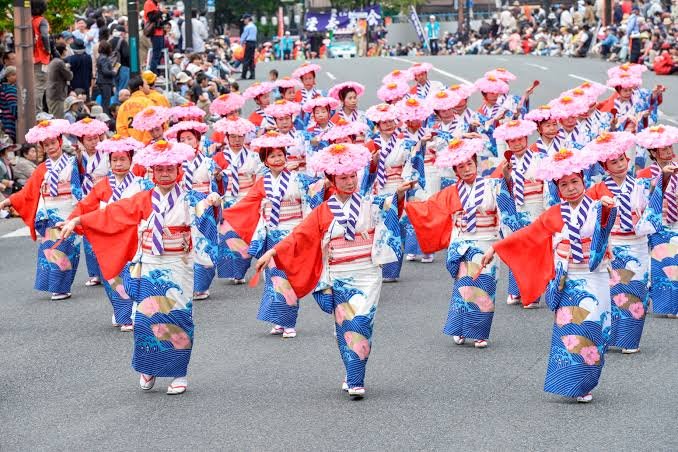
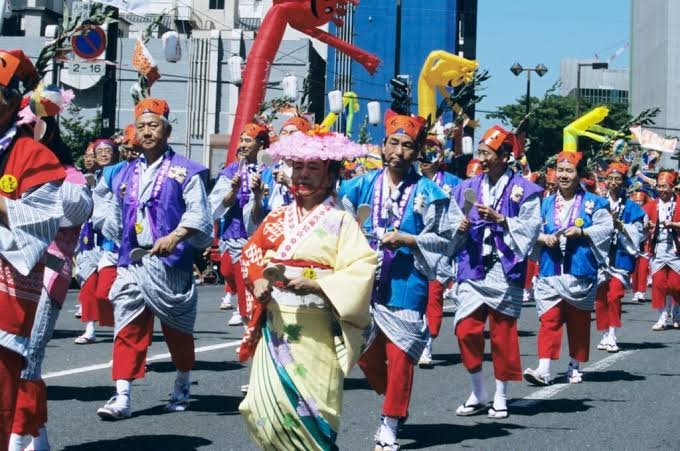
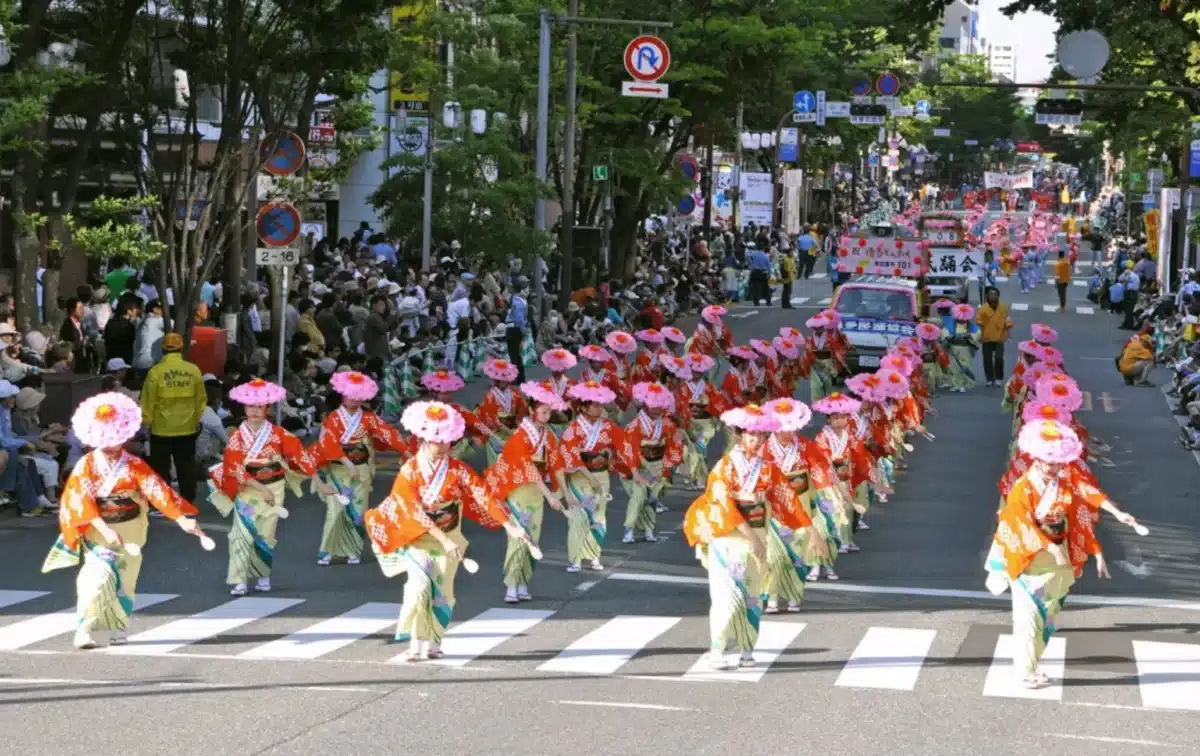
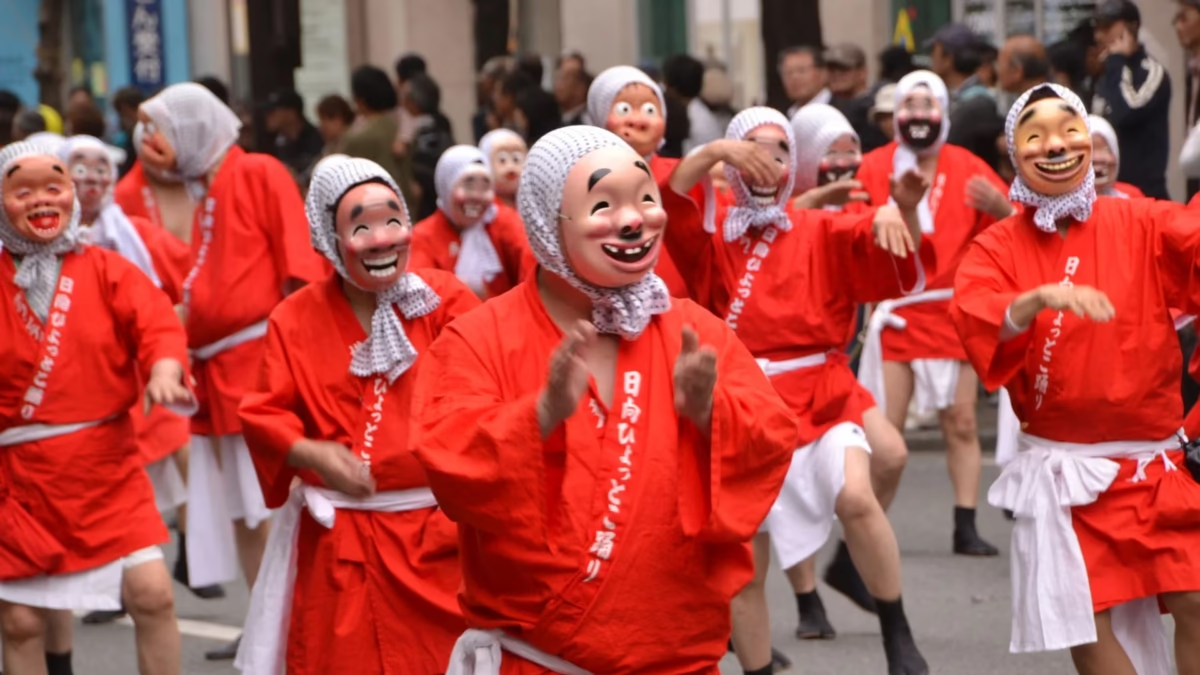
Another major tradition is the large Dontaku parade. Participants dress in colourful costumes, carry banners and perform choreographed dances while moving through central Fukuoka. The atmosphere is deliberately participatory, and many groups perform in a lively style rather than following the formal structure of a purely religious procession.
Visitors will also notice the importance of shamisen, drums, marching bands, dancing and local performance traditions. These are combined with contemporary music, international influences and creative costumes, reflecting the festival’s role as a celebration for the entire city.
What to Expect at the Festival
Dontaku is much larger and more dispersed than a conventional Japanese matsuri. Instead of spending the entire day around one shrine, visitors can move between parade routes and numerous enshu stage performance areas around Fukuoka.
The main celebrations include large-scale parades, traditional performances, marching bands, dance groups, music performances and appearances by community organisations. In 2026, the official programme included numerous stages across areas such as Tenjin, Hakata, Nakasu, Hakata Station and the waterfront.
This city-wide format means that visitors can experience very different sides of the festival during the same day. One performance may feature a traditional cultural group, while another nearby stage could have a school ensemble, dance team or contemporary performance.
Date & Schedule
Hakata Dontaku traditionally takes place on 3 and 4 May, during Japan’s Golden Week holiday period. For 2027, these dates fall on Monday 3 May and Tuesday 4 May.
The official 2027 programme has not yet been released, so exact parade times, stage schedules and individual participating groups should be confirmed closer to the festival.
The established format includes activities on both days. The official festival website currently presents separate programmes for May 3 and May 4, including the main parade, performances and numerous stage events.
Visiting this event? Don’t miss out on these amazing activities and local experiences while you’re here.
Main Events & Programme
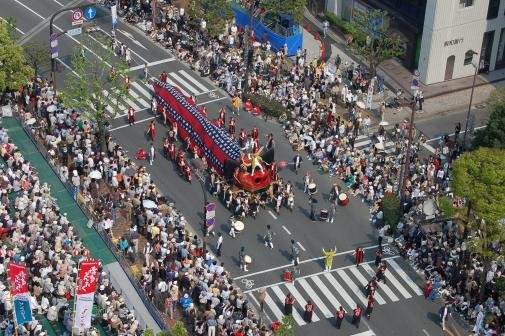
The Dontaku Parade is the festival’s most recognisable attraction. Large groups travel through central Fukuoka performing music and dances while spectators gather along the route.
The second major component is the extensive network of performance stages. In 2026, official venues included the main festival stage in front of Fukuoka City Hall, Hakata Station, Bayside Place Hakata, the Hakata River waterfront, Canal City Hakata, Tenjin and many other locations throughout the city.
Hakata Station is particularly convenient for visitors arriving by train. Its Hakata-guchi station square hosts a dedicated Dontaku stage, while the Hakata River stage provides a different atmosphere with performances taking place on a floating stage.
Flower Cars are another distinctive feature. These brightly decorated vehicles travel through Fukuoka as part of the festival celebrations. In recent editions they have incorporated elaborate LED decorations and themes connected with local attractions, sports teams and popular culture.
Traditional Dress, Arts & Performances
Traditional clothing is an important visual element of Dontaku, particularly among groups performing traditional dances and participating in Hakata Matsubayashi. Visitors may see colourful kimono-style costumes, ceremonial clothing, festival outfits and coordinated costumes created specifically for individual Dontaku teams.
The festival also provides an opportunity to see traditional Japanese performing arts alongside modern entertainment. Music groups, marching bands, dance schools, local cultural organisations and community teams all contribute to the programme.
Hakata Matsubayashi is especially significant because it retains a ceremonial character that contrasts with the highly energetic atmosphere of the modern parade. This combination of formal tradition and contemporary city celebration is one of the defining characteristics of Hakata Dontaku.
Traditional Food & Local Specialties
Hakata Dontaku is a city-wide festival rather than a single food festival, so visitors will find food options throughout central Fukuoka rather than at one dedicated festival market.
The city is famous for Hakata ramen, particularly its rich tonkotsu pork-bone broth, and this is one of the easiest local specialties to try during a festival visit. Other regional foods worth seeking out include motsunabe, mizutaki, grilled seafood and a wide range of Fukuoka-style izakaya dishes.
Festival areas also commonly provide temporary food and drink opportunities, but visitors who want to experience Fukuoka’s local cuisine should consider visiting restaurants in Hakata, Tenjin or Nakasu between festival activities.
Location & Festival Areas
Hakata Dontaku does not have a single permanent festival venue. Its activities spread across central Fukuoka, with major areas including Tenjin, Hakata, Nakasu, Hakata Station and the waterfront.
The main festival stage has traditionally been located near Fukuoka City Hall, while Hakata Station provides another important stage and meeting point. Other performance areas are distributed throughout the city, allowing the festival to become part of everyday Fukuoka rather than being confined to an enclosed event site.
The exact 2027 venue list should be checked once the official organisers publish the new event map. Visitors should also expect temporary road closures and changes to pedestrian and vehicle access during the major parades.
Getting to the Festival
Fukuoka is one of the easiest Japanese cities to explore without a car, and public transportation is the most practical way to reach Hakata Dontaku.
Hakata Station is particularly useful for visitors arriving by Shinkansen or from Fukuoka Airport. The station itself becomes one of the festival performance locations, meaning visitors can begin experiencing Dontaku almost immediately after arriving in the city.
For Tenjin and central festival areas, the Fukuoka City Subway is convenient, while Nishitetsu trains and buses provide additional connections. During the main parade, some roads are closed and buses may be diverted, so visitors should allow extra walking time.
If travelling from Fukuoka Airport, the subway provides a direct connection to central Fukuoka and is generally much more convenient than taking a taxi during the busiest festival periods.
Where to Stay Nearby
The most convenient areas for festival visitors are Hakata, Tenjin and Nakasu. Staying in one of these districts allows you to reach several major performance areas on foot or by a short public transport journey.
Hakata is particularly convenient for visitors arriving by Shinkansen because the railway station, subway station, shopping areas and one of the major Dontaku stages are concentrated in the same area.
Tenjin is another excellent option for visitors who want easy access to the main parade areas, shopping, restaurants and nightlife. Nakasu sits between Hakata and Tenjin and offers another central base, particularly for visitors interested in Fukuoka’s evening dining scene.
Golden Week is one of Japan’s busiest travel periods, so accommodation can become expensive or difficult to find. Booking well in advance is strongly recommended for a May festival visit.
What Visitors Can Participate In
Dontaku is unusually accessible for visitors because so much of the festival takes place in public streets and open performance areas.
Spectators can watch the main parades from the roadside, move between different stages and explore performances in several parts of the city. Some performances are designed specifically as community showcases, making the experience feel more like joining a city celebration than attending a conventional ticketed event.
Visitors should remember that the parade routes can become extremely crowded. Choosing a viewing position early is worthwhile if you want to see a particular section of the parade, especially around the most popular central areas.
Things to Do Before or After the Festival
Fukuoka is large enough to support several days of sightseeing around Dontaku. Before or after the festival, visitors can explore Kushida Shrine, one of Hakata’s most important shrines and an important place for understanding the city’s traditional culture.
The Hakata Machiya Furusatokan provides another opportunity to learn about traditional Hakata life, crafts and culture. Visitors can also explore Canal City Hakata, the waterfront at Bayside Place and the shopping and entertainment districts around Tenjin.
For a quieter experience, Ohori Park and the surrounding Fukuoka Castle area provide green space away from the busiest festival streets.
Visitors staying longer can also use Fukuoka as a base for exploring nearby destinations in Kyushu, including Dazaifu and its famous shrine, although Golden Week travel can be considerably busier than usual.
Ticket Information & Access
Hakata Dontaku is primarily a free public festival. Visitors do not normally need a general admission ticket to watch the outdoor parades or visit the city’s public performance areas.
Some individual performances or associated events may have their own arrangements, but the main festival atmosphere can be experienced without purchasing a festival pass.
The most important access consideration is therefore crowd management rather than ticket entry. Major parade areas can become extremely busy, and temporary road closures affect traffic during the event. The official programme and traffic information should be checked before visiting.
Official Event Information
Event: Hakata Dontaku Port Festival
Japanese: 博多どんたく港まつり
2027 Dates: 3–4 May 2027, following the festival’s traditional annual schedule
Location: Fukuoka City, Fukuoka Prefecture, Japan
Main Areas: Tenjin, Hakata, Nakasu, Hakata Station and surrounding central districts
Festival Type: Traditional cultural festival, parade and city celebration
Admission: Main public festival activities are generally free
Organiser: Fukuoka Citizens’ Festival Promotion Association
The official festival organisation publishes the latest programmes, participating groups, stage information, parade arrangements, traffic restrictions and event updates. Official Hakata Dontaku Port Festival website: https://www.dontaku.fukunet.or.jp/.
Video
Location
FAQ
When is Hakata Dontaku Port Festival 2027?
Hakata Dontaku traditionally takes place every year on 3 and 4 May, and the 2027 festival is expected to follow this schedule. The dates fall during Japan's Golden Week period, making Fukuoka particularly lively but also significantly busier than normal.
The detailed 2027 programme has not yet been released, so visitors should check the official festival website for confirmed parade times and stage schedules when they become available.
What is Hakata Dontaku?
Hakata Dontaku is one of Fukuoka's largest annual festivals, combining traditional Hakata culture with parades, music, dancing and community performances. Its roots are connected to Hakata Matsubayashi, a centuries-old traditional celebration involving three lucky deities and ceremonial processions.
Is Hakata Dontaku a traditional Japanese festival?
Yes, although the modern event is much broader than a traditional shrine festival. Its historic roots are preserved through Hakata Matsubayashi, while the modern Dontaku programme incorporates companies, schools, cultural organisations, marching bands, dance groups and community teams.
Is Hakata Dontaku free to attend?
The main outdoor festival activities, including the public parade and many stage performances, are generally free to watch.
Where is the main Hakata Dontaku parade held?
The parade takes place through central Fukuoka, with major activity around the Tenjin area and other central streets. The exact route and road-closure arrangements can change, so visitors should check the official 2027 parade programme rather than relying on a previous year's route.
What is Hakata Matsubayashi?
Hakata Matsubayashi is the traditional cultural procession regarded as the origin or root of Dontaku. It features Fukujin, Ebisu and Daikoku, ceremonial umbrellas, horses and children's performances, and has been preserved for more than 800 years.

Leave a Reply