
-
September 11, 2026
Event date:
-
September 12, 2026
Event end:
Overview
The Hanamaki Festival stands as one of the most culturally rich and historically profound autumn traditions in Iwate Prefecture, boasting a proud heritage that spans over four centuries. Held annually in the historic city of Hanamaki, this vibrant three-day celebration commemorates regional origins and honors ancestral legacies dating back to the era of regional lord Kita Shosai. The city streets transform into a dazzling corridor of traditional pageantry, welcoming visitors from all across Japan and around the world.
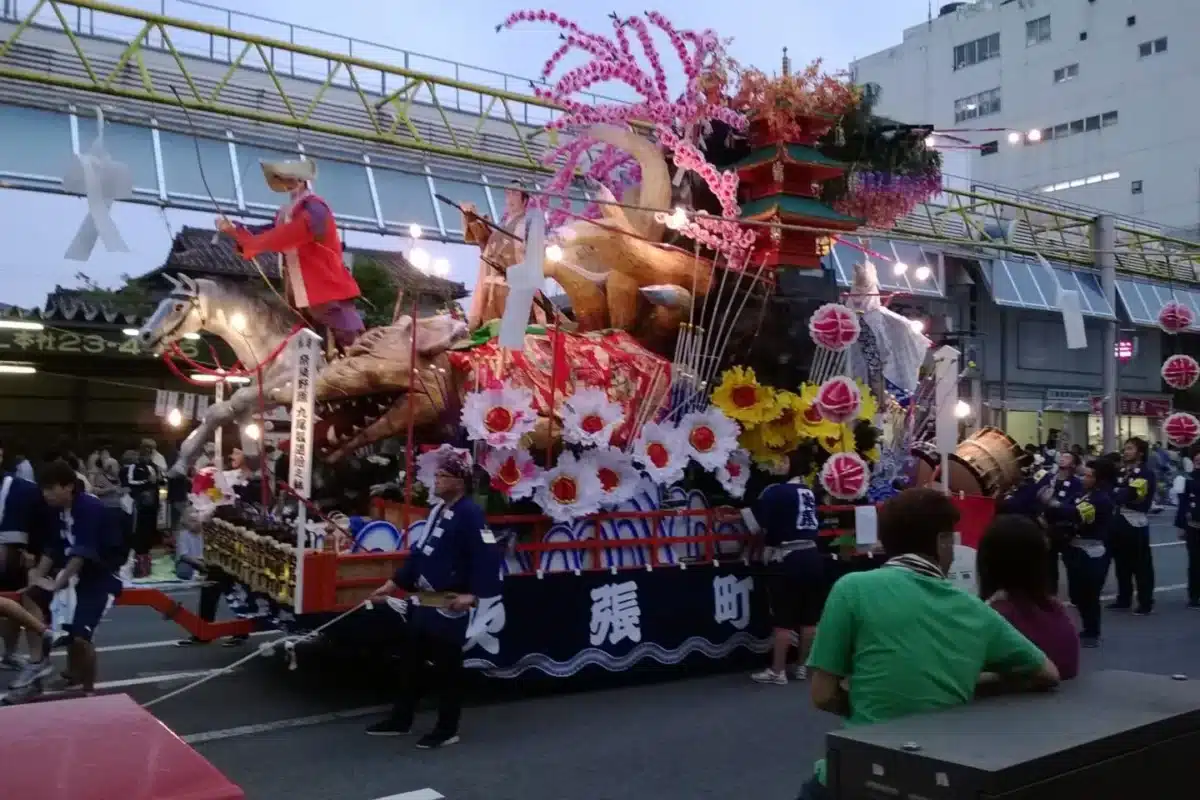
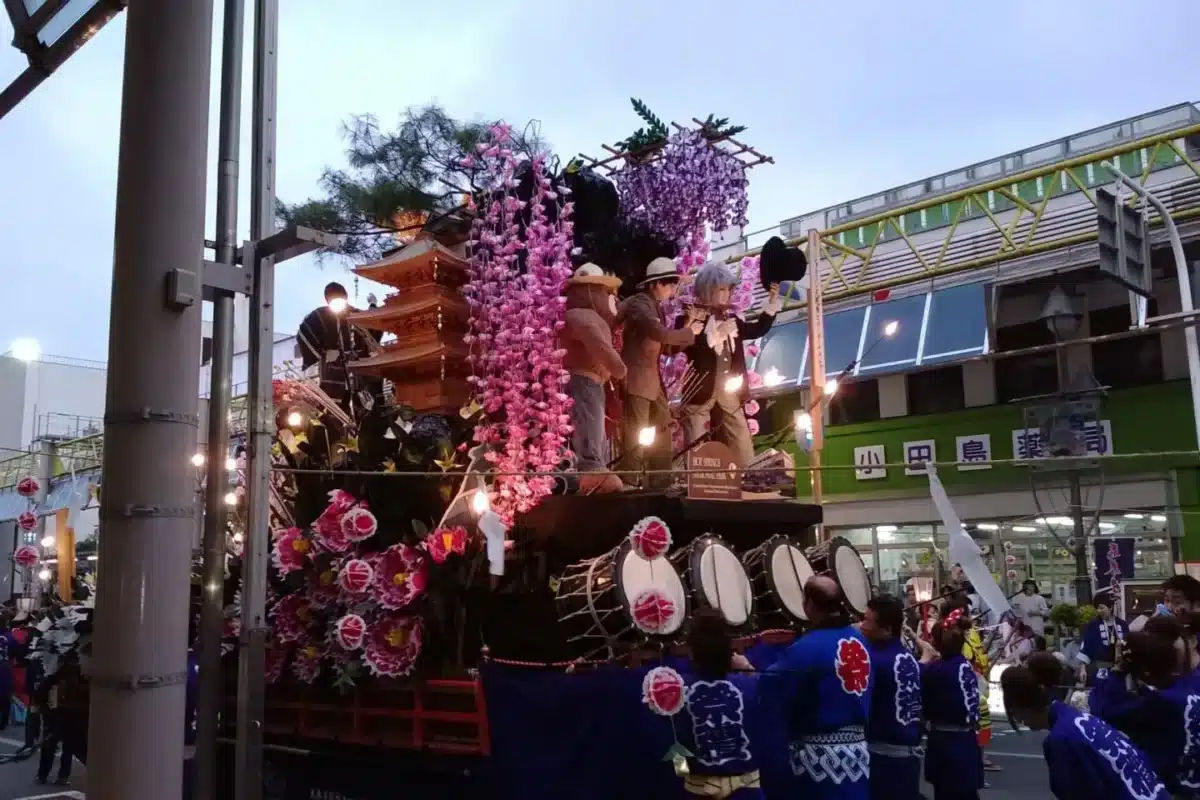
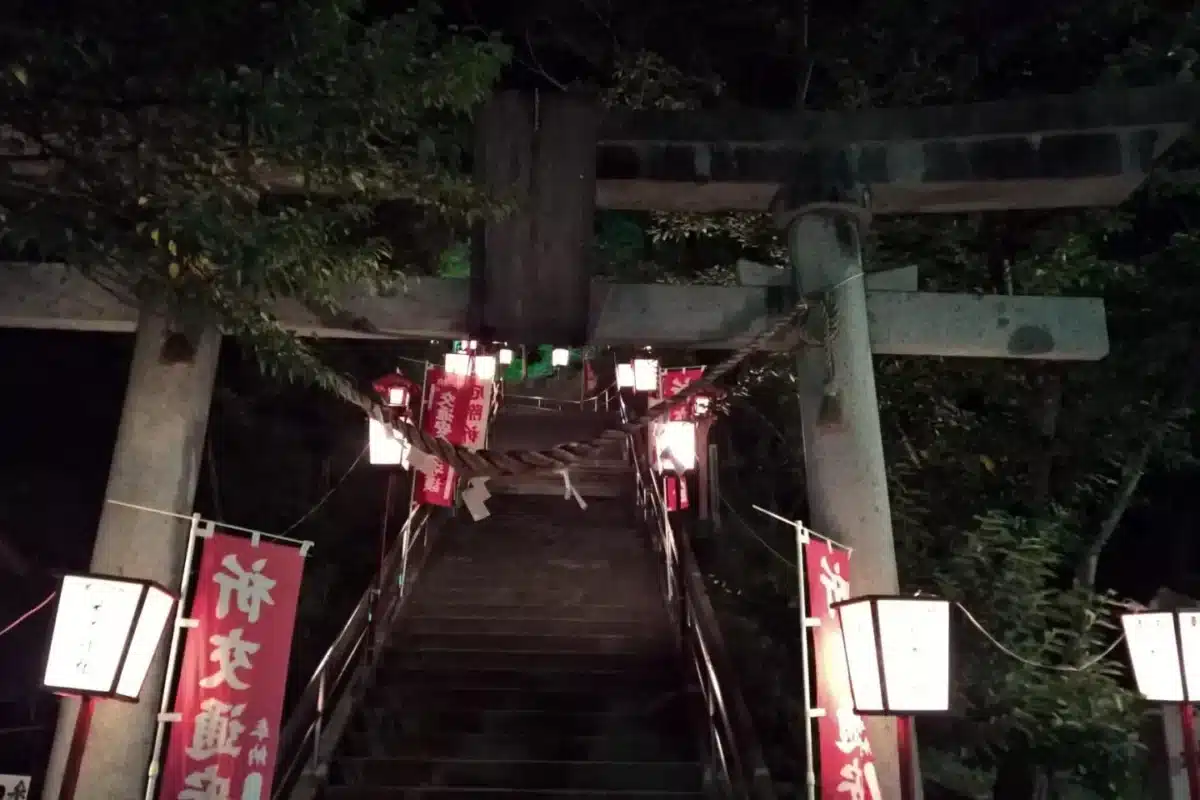
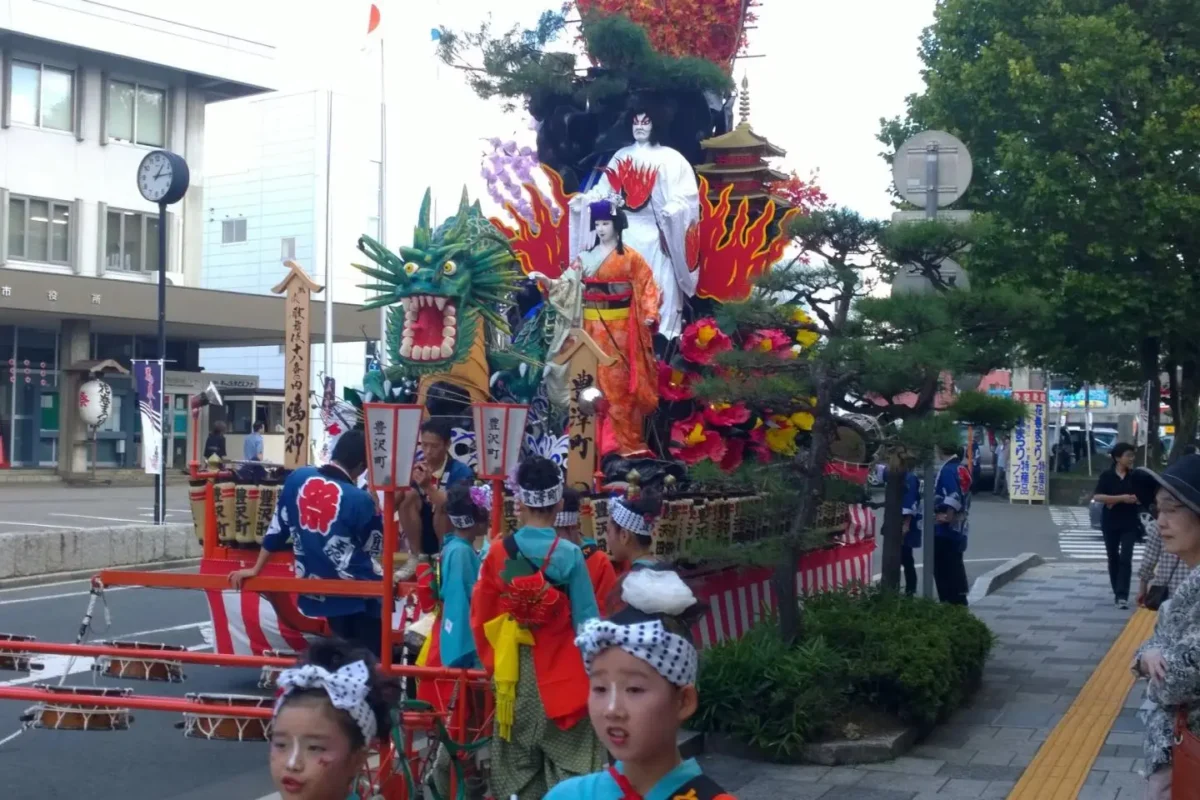
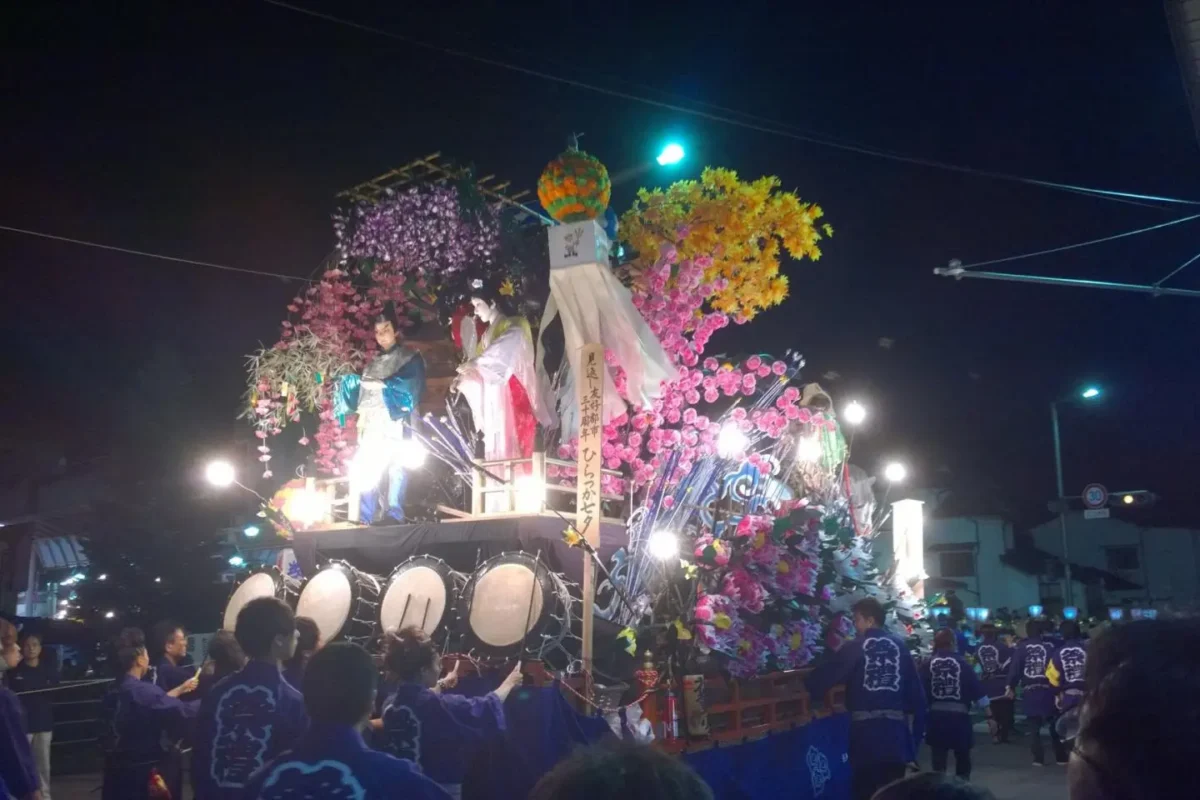
The atmosphere throughout the festival grounds is charged with captivating energy, traditional melodies, and the rhythmic beat of festival drums. Exquisitely decorated floats adorned with glowing lanterns parade alongside a massive assembly of portable shrines, creating a mesmerizing visual spectacle against the autumn evening. Spectators are immersed in an authentic celebration of community spirit, folklore, and centuries-old performance arts that have been meticulously preserved across generations.
As day turns to evening, the festive mood intensifies with dynamic folk dances and sacred ritual performances that echo through the central avenues. Families, cultural enthusiasts, and travelers gather shoulder to shoulder to witness these rare living treasures of Japanese heritage. It remains an essential cultural pilgrimage that captures the enduring heart and artistic soul of the Tohoku region.
Enjoy Your Event Stress-Free with Japan Travelo
Do you know? Planning events, festivals, concerts, and cultural experiences in Japan can be overwhelming. Japan Travelo brings everything together in one place, helping you manage your itinerary, transport, and accommodation with ease—so you can enjoy Japan without the stress of planning.
Event Highlights
- Witness the breathtaking procession of over one hundred ornate portable shrines and magnificently decorated festival floats winding through the streets.
- Experience the dramatic Shishi-Odori traditional deer dance performed by artists wearing authentic antlers to ward off evil spirits.
- Marvel at the sacred Kagura-Gongenmai dance presented as an ancient ritual to pray for bountiful harvests and regional well-being.
- Enjoy the elegant Hanamaki Bayashi Odori group dance featuring graceful movements accompanied by flutes, drums, and shamisen.
Why Attend
This event is ideal for cultural explorers, photography enthusiasts, and anyone seeking an authentic, deep dive into traditional Japanese festival arts. Attending provides a rare opportunity to witness award-winning heritage performances and massive shrine processions that rarely appear outside of regional historical celebrations. It offers an inspiring and unforgettable immersion into local folklore that leaves every visitor with a profound appreciation for Japanese history.
Furthermore, the welcoming community atmosphere allows travelers to connect directly with the warm hospitality of Hanamaki residents. Whether you are eager to capture striking cultural photography or simply want to experience the vibrant rhythm of a historic Tohoku festival, this event delivers an extraordinary journey.
Date & Duration
- Event Date: September 11th – September 13th, 2026
- Event Duration: A three-day weekend festival featuring afternoon and evening parades and stage performances.
Visiting this event? Don’t miss out on these amazing activities and local experiences while you’re here.
Ticket Information
- How Tickets Are Sold: No tickets are required as the festival takes place across open public streets and public plazas.
- Admission Type: Free Admission granting unrestricted public access to all parade routes and viewing areas.
- Ticket Pricing: Free Admission for all attendees with no fees needed to watch the shrines, floats, and folk dances.
- Special Seating Options: No reserved seating is available, so spectators view the street processions from designated curbside standing zones.
- VIP Options: No official VIP or premium access packages are offered for this traditional community-focused celebration.
Venue / Location
- City and Country: Hanamaki, Japan
- Venue Name: Festival Square (Around Kamicho and central Hanamaki)
- Google Maps Address: 4-16 Kamicho, Hanamaki, Iwate 025-0087, Japan
Contact Information
- Phone Number: 0198-41-3542
- Official Website: kanko-hanamaki.ne.jp
Accommodation Options:
Staying in central Hanamaki or near the Hanamaki Onsen hot spring district provides exceptional convenience for festival visitors. These areas offer a wonderful selection of traditional Japanese ryokans and modern hotels equipped with soothing hot spring baths to relax in after a day at the festival.
Booking your accommodation well in advance is highly essential because the autumn festival draws numerous travelers to the region. Selecting a hotel near Hanamaki Station ensures seamless train connectivity and easy transit access to the central festival avenues.
Getting There:
- Nearest Airport: Hanamaki Airport is approximately fifteen kilometers from the city center.
- Nearest Train Station: Hanamaki Station on the Tohoku Main Line and Kamaishi Line is the primary transit hub.
- Public Transport Options: A convenient fifteen-minute walk from Hanamaki Station leads directly to the main festival square and parade routes.
- Parking Availability: Limited temporary event parking is available, so utilizing the frequent local train services is strongly recommended.
- Directions by Car: Accessible via the Tohoku Expressway, exiting at the Hanamaki Interchange and following local signs toward the city center.
Dining Recommendations
Breakfast Recommendations:
- Traditional coffee houses near Hanamaki Station serving warm morning beverages and freshly baked pastries.
- Hotel breakfast spreads featuring nutritious local Iwate produce and comforting Japanese rice sets.
- Convenience stores near the station for quick snacks before heading out to the morning festivities.
Lunch Recommendations:
- Local eateries in central Hanamaki serving steaming bowls of famous regional soba and noodle dishes.
- Casual dining spots offering delicious set lunches prepared with fresh seasonal mountain ingredients.
- Festival food stalls operating near the square providing savory street food favorites and regional treats.
Dinner Recommendations:
- Traditional izakaya taverns in downtown Hanamaki featuring grilled skewers and local culinary specialties.
- Hot spring resort dining rooms offering multi-course seasonal meals paired with local sake.
- Cozy neighborhood restaurants providing comforting evening dishes in a welcoming local atmosphere.
Local Specialties to Try:
- Wanko soba, the famous regional challenge where servers continuously replenish small bowls of delicious buckwheat noodles.
- Hanamaki-style regional delicacies crafted from fresh agricultural harvests and pristine mountain spring water.
- Locally brewed Iwate sake known for its exceptional purity and refined regional flavor profile.
What is this event?
The Hanamaki Festival is a historic four-century-old autumn celebration in Iwate featuring magnificent decorated floats and massive portable shrine processions. It showcases traditional regional performing arts, including ancient deer dances and sacred ritual music passed down through generations.
Thousands of participants and spectators gather in the central streets to celebrate the rich cultural heritage of the city. The event serves as a vibrant living museum of traditional Japanese folklore, community devotion, and artistic expression.
Why is it popular?
The festival gains immense popularity because it showcases an astonishing number of portable shrines and legendary folk dances in a single location. Visitors are continually awed by the sheer scale of the processions and the fierce dedication of the local performers.
People are drawn to the infectious energy, rhythmic taiko drums, and the rare opportunity to witness authentic ancient rituals firsthand. The combination of historical grandeur and warm local hospitality makes it a standout celebration in the Tohoku region.
Tips before you go
- Arrive early in the afternoon to secure a comfortable curbside viewing spot along the main parade streets.
- Wear comfortable walking shoes as navigating the crowded downtown festival avenues requires significant walking on foot.
- Carry cash in Japanese yen because many street food vendors and craft stalls do not accept card payments.
- Bring layers of clothing, as evening temperatures in Iwate during September can turn crisp and cool.
- Check the daily performance schedule upon arrival so you do not miss the specific timings for the deer dance presentations.
Tips for First-Time Visitors
- Respect all parade boundaries and follow instructions given by festival organizers and safety staff during processions.
- Keep your camera ready while maintaining a polite distance to allow performers and shrine bearers unhindered movement.
- Take time to explore the side streets surrounding the central square to discover smaller craft displays and food stalls.
- Familiarize yourself with the walking route back to Hanamaki Station to ensure a smooth departure after nightfall.
- Stay hydrated and take occasional breaks in resting zones, especially during the peak afternoon hours of the weekend.
- Embrace the festive atmosphere by engaging respectfully with local participants and fellow attendees celebrating the traditions.
Attendee Experiences
- Watching the powerful rhythms of the traditional deer dance up close was an absolute spiritual and visual thrill.
- The sheer number of illuminated floats and shrines moving through the crowded streets created an unforgettable evening magic.
- The local residents were exceptionally welcoming, making us feel like part of the community throughout the entire celebration.
Video
Location
FAQ
What is the historical origin of the Hanamaki Festival?
The festival traces its roots back over four hundred years to the era of regional lord Kita Shosai, who established the foundational traditions of the settlement. Over the centuries, local communities integrated various sacred rituals, folk dances, and float processions to honor their ancestral legacy. Today, these historical elements combine to form one of the most prominent cultural showcases in Iwate Prefecture.
What makes the Shishi-Odori deer dance a unique cultural performance?
The Shishi-Odori is a signature folk art of Iwate where performers wear elaborate wooden frames adorned with real deer antlers while executing dynamic leaps and turns. Accompanied by rhythmic drumbeats and chanting, the dance serves as a sacred ritual to appease mountain deities and ward off misfortune. Witnessing this powerful performance provides a direct connection to ancient rural traditions.
Are there English-language information guides available for international visitors?
Information booths set up around the central festival square frequently provide basic English schedules and maps for international guests. Friendly local volunteers are also stationed at key points to offer directions and assist visitors with navigating the venue. Reviewing the official tourism website beforehand can help you plan your itinerary effectively.
What happens if light rain occurs during the outdoor festival schedule?
Parades and performances generally proceed through light rain, as participants are well-prepared to carry out traditional schedules. However, severe weather conditions such as heavy typhoons may prompt temporary adjustments by the executive committee. Checking local weather updates and official announcements ensures you remain informed of any itinerary shifts.
What is the most convenient way to travel from Tokyo to Hanamaki for the weekend?
Taking the Tohoku Shinkansen bullet train from Tokyo Station to Shin-Hanamaki Station is the fastest and most efficient travel method. From Shin-Hanamaki Station, local rail connections or taxi services provide quick transit directly into the heart of the city. Planning your bullet train reservations early is highly recommended for weekend travel.

Leave a Reply