
Overview
The Hashigo Nori stands as one of the most thrilling, acrobatic, and culturally significant winter traditions in the Tokyo Metropolis of Japan. Hosted annually within the sacred and historic grounds of the Ikegami Honmonji Temple in Ota Ward, this extraordinary festival showcases the breathtaking aerial artistry of traditional Japanese firefighters. As the crisp January air settles over the capital, spectators gather to witness a mesmerizing display of balance, bravery, and historic Edo-period firefighting pageantry that has been meticulously preserved for centuries.
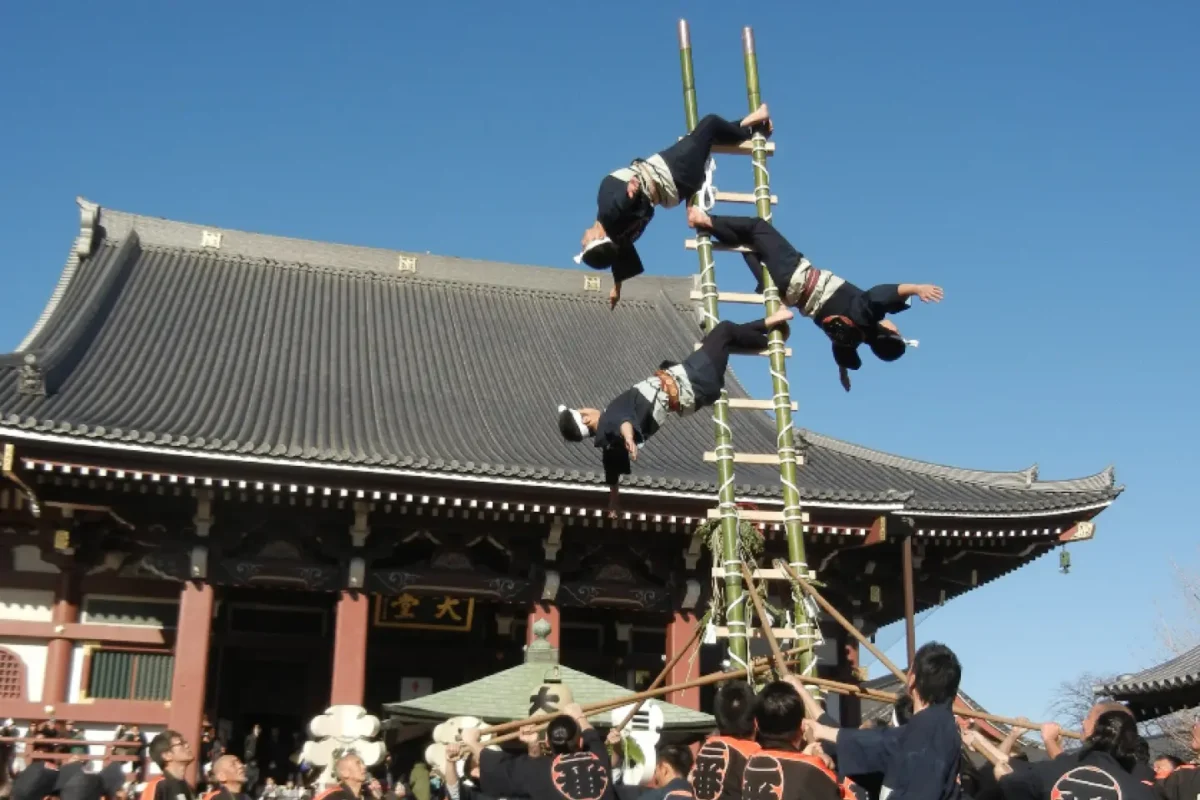
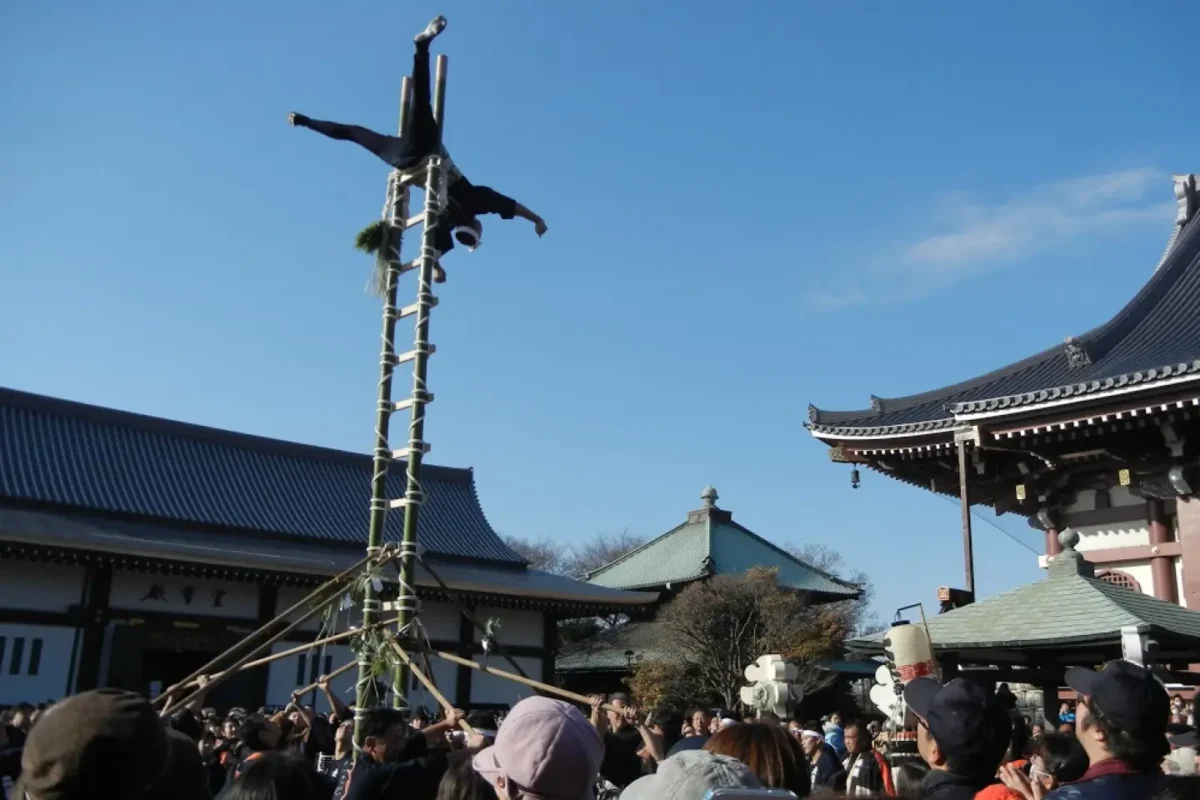
The main spectacle of the celebration revolves around daring acrobatic feats performed atop swaying bamboo ladders standing nearly six meters high. Without the use of safety harnesses, elite members of local fireman groups climb these towering structures to execute gravity-defying poses, handstands, and synchronized formations against the temple sky. Accompanied by the resonant blasts of traditional wooden clappers and rhythmic shouting, the performance honors the legendary courage and protective spirit of the Edo-period tobinori brigades who guarded the wooden neighborhoods of ancient Tokyo.
The festival’s origins trace back to the Meireki Fire of 1657 and the subsequent organization of urban firefighting units, where signal ladder climbing was developed as a vital method for spotting blazes and communicating across dense rooftops. Over generations, what began as practical emergency training evolved into a revered ceremonial art form and New Year ritual. Visitors are treated to an exceptionally welcoming and authentic atmosphere where ancient heritage is celebrated with immense pride, marking a vibrant highlight of the winter season in Tokyo.
Enjoy Your Event Stress-Free with Japan Travelo
Do you know? Planning events, festivals, concerts, and cultural experiences in Japan can be overwhelming. Japan Travelo brings everything together in one place, helping you manage your itinerary, transport, and accommodation with ease—so you can enjoy Japan without the stress of planning.
Event Highlights
- The breathtaking ladder-climbing performances featuring elite firefighters executing daring aerial acrobatics atop six-meter bamboo poles.
- Traditional Edo-period firefighting equipment displays, including historic banners, hooked poles, and ceremonial water pumps.
- Resonant musical accompaniment featuring traditional flutes, drums, and rhythmic chanting by historic brigade members.
- Solemn New Year blessing ceremonies held within the majestic multi-tiered pagoda and historic halls of Ikegami Honmonji Temple.
Why Attend
This exceptional event is ideally suited for culturally curious travelers, photography enthusiasts, and international visitors eager to witness a rare living tradition that cannot be seen anywhere else in the modern world. It provides an unmatched opportunity to marvel at the physical mastery and historic artistry of traditional Japanese firefighters in an authentic temple setting. Attending allows guests to step into a vibrant community celebration that highlights the enduring spirit and heritage of old Tokyo.
Beyond the thrilling aerial displays, the festival offers the enriching benefit of gaining a deep appreciation for Japan’s historic firefighting lineage and community resilience. The combination of monumental temple architecture, dramatic acrobatics, and warm local hospitality creates an unforgettable cultural journey. Visitors depart with a lasting appreciation for the meticulous dedication and heritage embedded in every traditional New Year performance.
Date & Duration
- Event Date: Mid January 2027 (Dates TBD)
- Event Duration: A single-day spectacular New Year ceremonial event
Visiting this event? Don’t miss out on these amazing activities and local experiences while you’re here.
Ticket Information
- How Tickets Are Sold: Public viewing of the outdoor temple courtyard performances and ladder acrobatics is entirely free and accessible to all visitors.
- Admission Type: General admission applies universally to all open public viewing areas across the temple grounds.
- Ticket Pricing: Free Admission.
- Special Seating Options: No formal reserved seating is required, as the festival is structured as an open-air public viewing event around the temple plaza.
- VIP Options: None available, as the event is a community-driven cultural celebration welcoming all visitors equally.
Venue / Location
- City and Country: Tokyo, Japan
- Venue Name: Ikegami Honmonji Temple
- Google Maps Address: 1 Chome-1-1 Ikegami, Ota City, Tokyo 146-8576, Japan
Contact Information
- Website: https://en.japantravel.com/tokyo/hashigo-nori/53303
Accommodation Options:
Accommodation across Tokyo and the surrounding Ota Ward area ranges from comfortable business hotels situated near major transit lines to traditional inns offering warm local hospitality. Securing reservations well in advance is highly recommended because rooms throughout the capital fill up rapidly during the peak winter New Year festival season.
Staying closer to the central railway hubs allows travelers to enjoy seamless rail connections and convenient transit access directly to the temple grounds. These welcoming lodgings provide a comfortable sanctuary for visitors looking to explore both the festival performances and nearby culinary spots.
Getting There:
- Nearest Airport: Haneda Airport, located approximately twenty minutes away via direct monorail and regional train connections.
- Nearest Train/Metro Station: Ikegami Station on the Tokyu Ikegami Line, or Nishi-Magome Station on the Toei Asakusa Line, both serving as convenient pedestrian access points.
- Bus Routes or Public Transport Options: Local community bus services and well-marked walking routes connect the nearby stations directly to the historic temple approach.
- Parking Availability: Designated parking spaces at the temple are extremely limited during major festival days, making public rail transit the most reliable option.
- Directions by Car: Accessible via major regional roadways and highway links leading directly toward the Ota Ward district in southern Tokyo.
Dining Recommendations
Breakfast Recommendations:
- Charming local cafes situated near Ikegami Station offering comforting Japanese breakfast sets and freshly brewed artisanal coffee.
- Traditional neighborhood bakeries providing freshly baked pastries and light morning snacks before heading up to the temple.
- Established urban hotels featuring extensive breakfast buffets incorporating both hearty Western favorites and regional delicacies.
Lunch Recommendations:
- Local eateries renowned for serving steaming bowls of Tokyo-style shoyu ramen with rich savory broths and handmade noodles.
- Cozy neighborhood restaurants offering seasonal tempura, fresh rice bowls, and comforting local set meals.
- Traditional dining spots near the temple approach featuring locally sourced ingredients and comforting comfort foods.
Dinner Recommendations:
- Authentic local izakayas located throughout the Ota Ward district delivering a welcoming evening atmosphere with small plates and regional beverages.
- Specialized dining establishments focusing on grilled delicacies, seasonal hot dishes, and local culinary favorites.
- Family-friendly restaurants offering satisfying comfort foods and relaxed dining environments.
Local Specialties to Try:
- Tokyo-style shoyu ramen, celebrated for its clear chicken-and-fish broth, tender chashu pork, and springy noodles.
- Traditional Kuzumochi, a famous fermented wheat-starch sweet confection deeply associated with the historic Ikegami Honmonji Temple area.
- Seasonal winter oden, a comforting hot pot dish featuring various fishcakes, daikon radish, and eggs simmered in a savory dashi broth.
What is this event?
The Hashigo Nori stands as a magnificent traditional New Year celebration held annually in Tokyo, Japan, uniquely centered around acrobatic ladder performances by historic firefighter brigades. It brilliantly combines Edo-period heritage, physical daring, and vibrant community spirit to honor the bravery of urban protectors.
This annual cultural gathering serves as an essential regional tradition wherein skilled performers scale towering bamboo ladders to execute breathtaking stunts. The exhibition features traditional music, historic equipment displays, and peaceful temple ceremonies showcasing rich local heritage.
Why is it popular?
The festival is universally beloved for its death-defying aerial acrobatics performed high atop swaying bamboo poles that effortlessly captivates art lovers and cultural explorers from around the world. It fosters a remarkably joyful appreciation of traditional craftsmanship and seasonal grace rarely found in standard exhibitions.
Visitors journey from far and wide to admire the monumental stunt performances and experience the historic charm of the Ikegami Honmonji Temple grounds. It represents a truly rare and cherished opportunity to experience authentic folk traditions within a welcoming, dynamic environment.
Tips before you go
- Dress in comfortable layers, as standing outdoors in temple courtyards during the crisp January winter can become quite chilly.
- Wear shoes that are easy to walk in, as exploring the expansive temple grounds and stone staircases requires pleasant walking.
- Bring a camera or smartphone with good zoom capabilities to capture the high-altitude acrobatics atop the bamboo ladders.
- Arrive during morning hours to secure an optimal viewing spot in the main temple courtyard before peak crowds gather.
- Respect exhibition guidelines at all times and follow the helpful instructions provided by temple staff managing the viewing areas.
Tips for First-Time Visitors
- Take your time exploring the historic buildings and multi-tiered pagoda of Ikegami Honmonji Temple while attending the festival.
- Research local transit routes in advance, as taking the train to Ikegami Station followed by a short walk is the most convenient approach.
- Sample traditional Kuzumochi sweets at shops along the temple approach to fully appreciate the local culinary customs.
- Prepare yourself for an inspiring visual experience that highlights the pinnacle of traditional Japanese firefighting heritage.
- Modest cash preparation is recommended, as small local craft vendors or pop-up market stalls may not accept electronic card payments.
- Dedicate extra time to chat with local residents and festival volunteers who are eager to share the history of the firefighting brigades.
Attendee Experiences
- Watching firefighters balance effortlessly on swaying bamboo ladders high in the air was an utterly breathtaking and unforgettable sight.
- The joyful, celebratory atmosphere throughout the historic temple grounds made the entire winter festival feel deeply welcoming and alive.
- Seeing how an ancient urban tradition is preserved with such immense skill and pride was the absolute highlight of my trip to Tokyo.
Location
FAQ
What is the historical origin and significance of the Hashigo Nori ladder performance?
The tradition originated during the Edo period when fire brigades used tall bamboo ladders as lookout points to spot fires across crowded wooden cities and communicate signals. Over time, the required balance and bravery evolved into an esteemed New Year performance symbolizing safety, courage, and community protection.
Do visitors need to purchase tickets to view the ladder acrobatics at the temple?
Viewing the ladder performances and attending the New Year ceremonies across the Ikegami Honmonji Temple grounds is entirely free of charge for all visitors. This open access allows families and travelers to enjoy the cultural celebration freely without booking reservations.
How can visitors easily travel to the Ikegami Honmonji Temple venue from central Tokyo?
The temple is conveniently accessible from central Tokyo via the Tokyu Ikegami Line to Ikegami Station, followed by a pleasant ten-minute walk through the local neighborhood. Clear directional signage helps guide travelers smoothly from the transport hubs to the temple gates.
What makes the Ikegami Honmonji Temple setting particularly special for this event?
Ikegami Honmonji is one of the most historically significant Nichiren Buddhist temples in Tokyo, featuring majestic wooden architecture and a historic five-story pagoda that survived World War II. This genuine architectural backdrop enhances the cultural authenticity of the New Year firefighting performance.
Are there any specific behavioral traditions or etiquette rules that visitors should carefully observe?
It remains vital to observe the performance boundaries respectfully, keep walkways clear for fellow visitors, and maintain quiet reverence around sacred temple halls. Approaching the heritage exhibition with care ensures that everyone enjoys a safe and harmonious experience.

Leave a Reply