

-
January 1, 2027 at 7:14 pm
Event date:
-
January 3, 2027 at 7:14 pm
Event end:
Overview
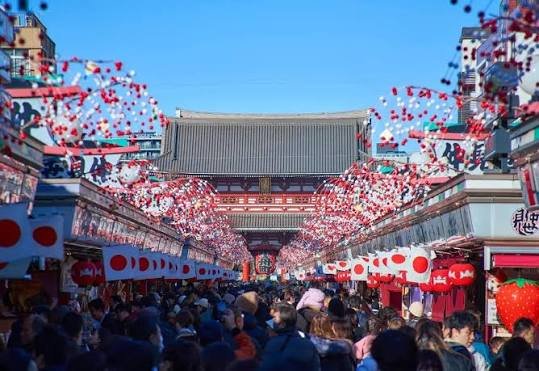
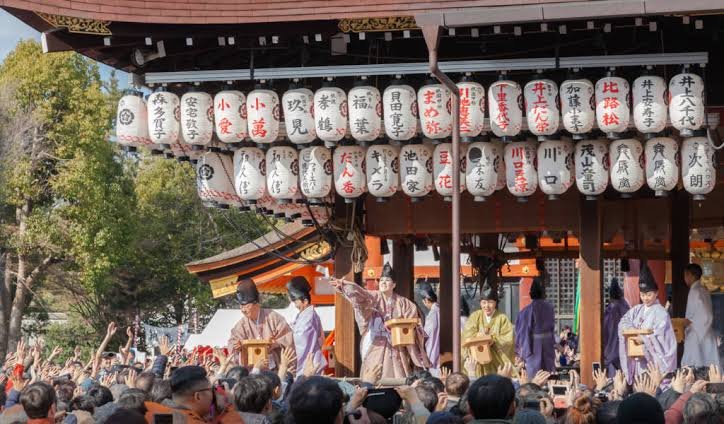
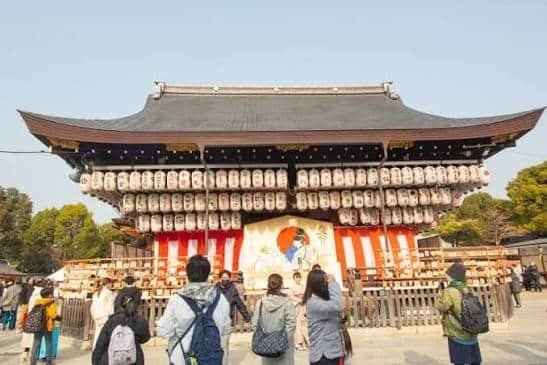
Hatsumode is the traditional Japanese custom of making the first shrine or temple visit of the New Year, and Meiji Jingu in Tokyo is one of the country’s most famous places to experience it. At the beginning of 2027, thousands of visitors are expected to enter the forested shrine grounds to pray for health, happiness and good fortune in the year ahead.
Meiji Jingu is dedicated to Emperor Meiji and Empress Shoken and is surrounded by a large, carefully maintained forest in central Tokyo. The shrine describes Hatsumode as a time to express gratitude for the previous year and make fresh wishes and commitments for the new one.
Hatsumode is not a ticketed festival. Visitors can enter Meiji Jingu and participate in the New Year visit free of charge, although optional activities such as prayers, amulets and other offerings have their own costs.
Enjoy Your Event Stress-Free with Japan Travelo
Do you know? Planning events, festivals, concerts, and cultural experiences in Japan can be overwhelming. Japan Travelo brings everything together in one place, helping you manage your itinerary, transport, and accommodation with ease—so you can enjoy Japan without the stress of planning.
What Makes Hatsumode at Meiji Jingu Special
Meiji Jingu is particularly famous for its enormous New Year crowds. The combination of its importance as a major Shinto shrine, its location beside Harajuku and its beautiful forest setting makes the experience very different from visiting a shrine on an ordinary day.
The atmosphere changes dramatically around midnight on New Year’s Eve. Visitors gather to welcome the New Year and make their first prayers, while others choose to visit during the first few days of January when the crowds are still large but easier to manage.
For travellers, the experience also provides an opportunity to observe several aspects of Japanese New Year culture in one place, including shrine etiquette, prayers, omikuji fortunes, protective amulets and traditional New Year decorations.
Hatsumode Traditions & Activities
The central purpose of Hatsumode is to visit a shrine or temple at the beginning of the year, offer a prayer and express hopes for the year ahead. At Meiji Jingu, visitors can approach the main shrine buildings and participate in the traditional worship process.
Visitors can also obtain omamori protective charms, ema prayer plaques and omikuji. Meiji Jingu has its own distinctive Omigokoro fortune tradition, which is different from ordinary fortune slips that simply classify results as good or bad. The shrine’s version uses poems by Emperor Meiji and Empress Shoken together with explanations.
Old protective items can also be returned through designated facilities for appropriate disposal. Meiji Jingu provides specific locations for old ofuda, omamori, protective arrows and ema, while items such as ordinary decorations and dolls are handled differently.
Date & Schedule
Hatsumode 2027 takes place around the New Year period, beginning on 31 December 2026 and continuing into January 2027. The busiest and most symbolic period is the transition from New Year’s Eve into 1 January 2027, followed by the traditional first three days of January.
Meiji Jingu’s currently published New Year guidance provides a useful indication of the shrine’s extended opening arrangements. On New Year’s Eve, the shrine remains open through midnight; on New Year’s Day, the grounds are scheduled to remain open until the evening, followed by extended hours on 2 and 3 January. The exact 2027 timetable should be checked with Meiji Jingu closer to the New Year because opening arrangements can be adjusted according to conditions.
The shrine specifically notes that 22:00 on New Year’s Eve through approximately 03:00 on New Year’s Day, as well as periods after 10:00 during the first three days, are particularly crowded. Visitors are encouraged to consider a more distributed visiting time.
Visiting this event? Don’t miss out on these amazing activities and local experiences while you’re here.
Location & Shrine Grounds
Meiji Jingu is located in Yoyogi-Kamizonocho, Shibuya, Tokyo, within a large forested area between Harajuku, Yoyogi and Shinjuku.
There are three principal entrances: the Harajuku Gate, Yoyogi Gate and Sangubashi Gate. The Harajuku entrance is especially convenient for visitors arriving from JR Harajuku Station or Meiji-jingumae Station.
The shrine buildings are not immediately beside the railway stations. Meiji Jingu notes that visitors should allow additional walking time after reaching the entrance, with the main shrine buildings roughly another 10 minutes on foot from the entrances.
How to Get to Meiji Jingu
The easiest approach for most international visitors is by train or subway.
The Harajuku Gate is approximately a one-minute walk from JR Harajuku Station and Meiji-jingumae <Harajuku> Station. The Yoyogi Gate can be reached from JR Yoyogi Station and nearby subway services, while the Sangubashi Gate is approximately five minutes from Sangubashi Station on the Odakyu Line.
Public transportation is strongly recommended during Hatsumode. The shrine states that vehicle access is restricted during the first three days of January, and traffic controls may also affect roads around Meiji Jingu during the New Year period.
Because the shrine grounds are extensive, comfortable walking shoes are advisable. Visitors using wheelchairs can also find wheelchairs available at the entrances to the shrine grounds.
Where to Stay Nearby
Staying around Shibuya, Harajuku, Shinjuku or Yoyogi makes Meiji Jingu relatively easy to reach during the New Year period. These districts provide a wide range of hotels, from international properties to smaller accommodation options.
Harajuku is particularly convenient for visitors who want to combine Hatsumode with shopping and sightseeing, while Shibuya provides extensive transport connections and a large selection of restaurants and hotels.
Shinjuku is another practical base for international travellers because of its extensive railway network. From there, visitors can reach the shrine area quickly by train before continuing to other parts of Tokyo.
What to Expect During Hatsumode
The most important thing to understand is that Hatsumode at Meiji Jingu can be extremely crowded. The shrine is one of the most popular New Year destinations in Japan, and the experience around midnight can involve large numbers of people moving slowly toward the main shrine area.
Visitors should expect queues and follow the instructions of shrine staff and security personnel. During especially busy periods, access routes may be controlled to keep pedestrian movement safe.
For a quieter experience, visiting later in the New Year period or choosing an off-peak time can be more comfortable. Meiji Jingu itself encourages visitors to spread out their visits rather than concentrating everyone in the busiest hours.
Things to Do Before or After Hatsumode
One of the advantages of visiting Meiji Jingu is its proximity to several of Tokyo’s best-known neighbourhoods.
After leaving the shrine, visitors can walk toward Harajuku and Takeshita Street, explore the boutiques around Omotesando or continue toward Shibuya. Yoyogi Park is also immediately adjacent to the shrine’s wider area and provides a contrast to the busy urban surroundings.
Visitors interested in Japanese culture can also spend additional time exploring Meiji Jingu itself beyond the main New Year prayer. Depending on the date, the Meiji Jingu Museum and the shrine’s Inner Garden may also be available, although their opening hours differ from the main shrine and may change during the New Year period.
Restaurants & Dining Nearby
The Harajuku, Omotesando and Shibuya areas provide a large choice of restaurants, cafés and Japanese food establishments. Visitors can easily combine an early meal with their shrine visit.
During the New Year period, some businesses may operate on reduced or holiday schedules, so it is worth checking individual opening hours before travelling. Within the Meiji Jingu area, temporary food stalls and light refreshments are also part of the New Year environment; the shrine’s current Hatsumode information mentions the Fureai Hiroba area with food stalls.
Visitors should not assume that every restaurant around Harajuku or Shibuya will maintain its normal schedule on 1 January, as New Year holidays are an important part of the Japanese calendar.
Ticket Information & Access
Admission to Meiji Jingu is free. There is no general entrance ticket required to participate in Hatsumode or visit the shrine grounds.
Visitors may choose to purchase omamori, ema, omikuji and other traditional items, while those wishing to receive a formal New Year prayer ceremony can make the appropriate application and offering.
Meiji Jingu’s current New Year guidance lists individual prayer offerings from ¥10,000 on January 1–3 and from ¥5,000 from January 4 onward. These are for formal prayer ceremonies and are separate from ordinary free shrine visitation. The exact 2027 arrangements should be confirmed with the shrine when the next New Year information is published.
Visitor Tips
Arriving early or choosing a less crowded period is one of the best ways to make the visit more comfortable. If experiencing the midnight New Year atmosphere is your priority, be prepared for very large crowds and potentially slow movement.
Dress warmly. Tokyo can be cold around New Year, and Hatsumode involves spending considerable time outdoors and walking through the shrine grounds.
Remember that Meiji Jingu is an active Shinto shrine rather than simply a tourist attraction. Visitors should behave respectfully, follow instructions, avoid obstructing worship areas and observe the appropriate shrine etiquette.
Photography may be possible in many outdoor areas, but visitors should pay attention to signs and restrictions around worship and ceremonial spaces.
Official Event Information
Event: Hatsumode 2027
Location: Meiji Jingu, Tokyo, Japan
Main New Year period: 31 December 2026 – early January 2027
Admission: Free
Address: 1-1 Yoyogi-Kamizonocho, Shibuya-ku, Tokyo 151-8557, Japan
Official website: https://www.meijijingu.or.jp/en/
Official Hatsumode information: https://www.meijijingu.or.jp/hatsumoude/
The detailed 2027 New Year timetable and any temporary arrangements should be checked on the official Meiji Jingu website before travelling.
Video
Location
FAQ
What is Hatsumode?
Hatsumode is the Japanese tradition of making the first shrine or temple visit of the New Year. People visit to express gratitude for the previous year and pray for health, happiness, safety and other hopes for the year ahead.
When should I visit Meiji Jingu for Hatsumode 2027?
The New Year period begins around New Year's Eve and continues through the first days of January. The transition from 31 December 2026 to 1 January 2027 is the most iconic time to experience Hatsumode, but it is also among the busiest. Visitors who prefer a less crowded experience should consider visiting outside the peak midnight and daytime periods during the first three days.
Is Meiji Jingu Hatsumode free?
Yes. There is no admission charge for entering Meiji Jingu and participating in ordinary Hatsumode worship. Optional items such as omikuji, omamori and ema, as well as formal prayer ceremonies, have separate costs.
How crowded is Meiji Jingu during Hatsumode?
It can be exceptionally crowded, particularly around midnight on New Year's Eve and during the daytime on January 1–3. Meiji Jingu specifically identifies approximately 22:00–03:00 around New Year's and periods after 10:00 during the first three days as busy times and asks visitors to spread out their visits where possible.
What should I wear for Hatsumode?
Warm, comfortable clothing and shoes are recommended because visitors may spend considerable time outdoors and walking through the extensive shrine grounds. Around midnight and in the early morning, temperatures can feel particularly cold, so layers and appropriate winter footwear are useful.

Leave a Reply