
Overview
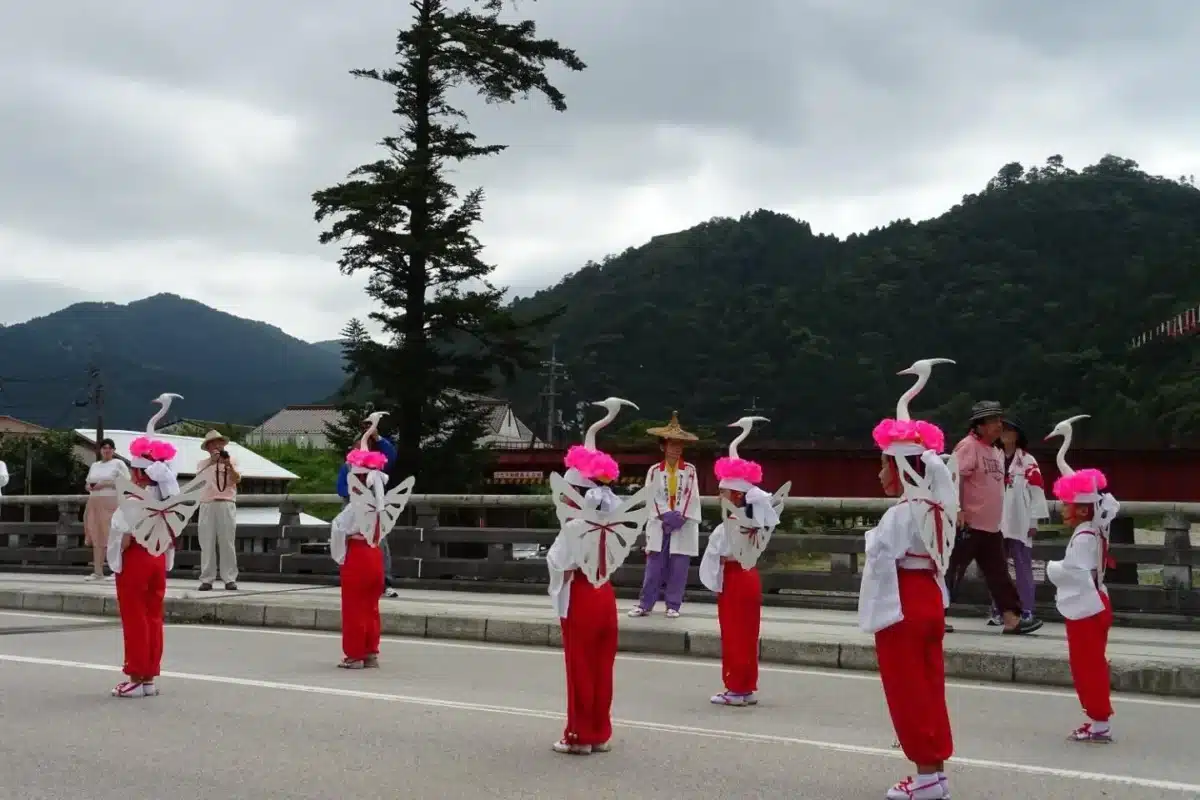
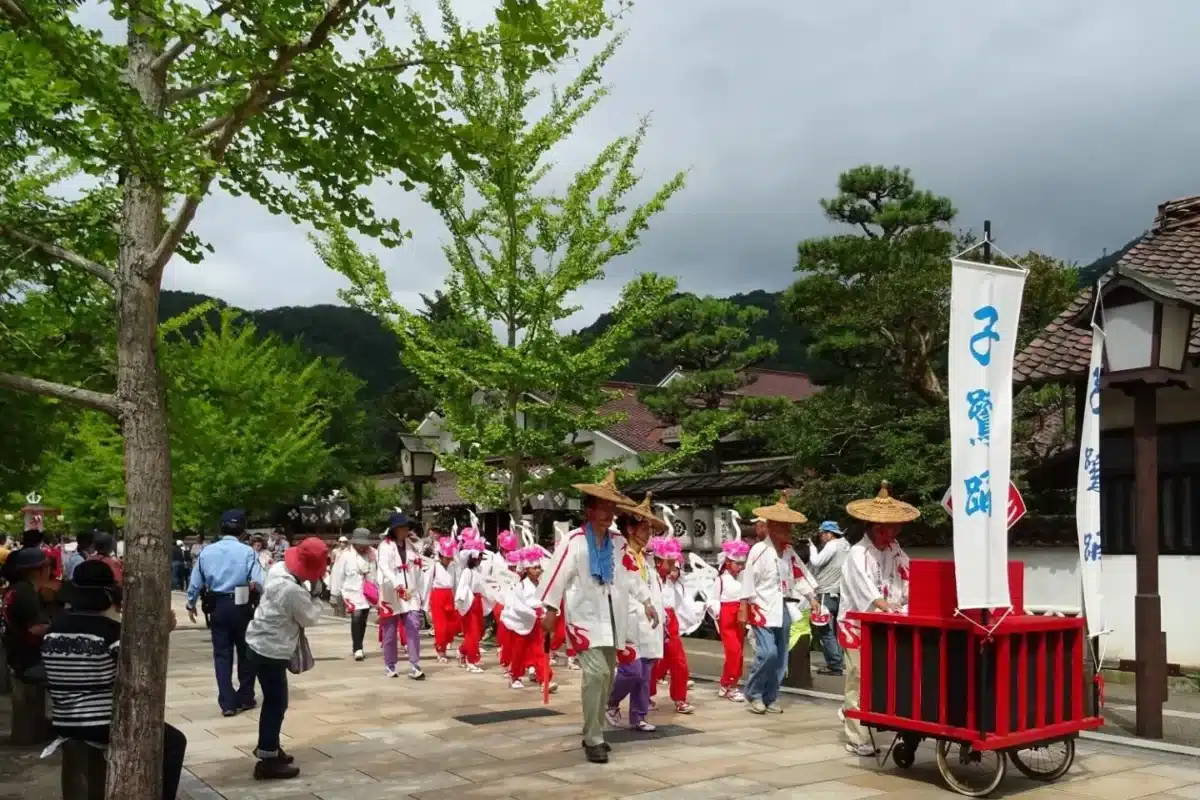
The Heron Dance, known locally as Sagimai, is a magnificent and culturally priceless sacred ritual held annually during the Grand Festival of the historic Yasaka Shrine in Tsuwano, Shimane Prefecture. Widely celebrated as one of Japan’s most unique classical performing arts, this mesmerizing ceremony preserves the ancient traditions of the Kyoto Gion Festival that have vanished from their original home. Set against the charming backdrop of Tsuwano, often affectionately called the Little Kyoto of the Sanin region, the festival fills the historic castle town with solemn chants, flute melodies, and sacred pageantry.
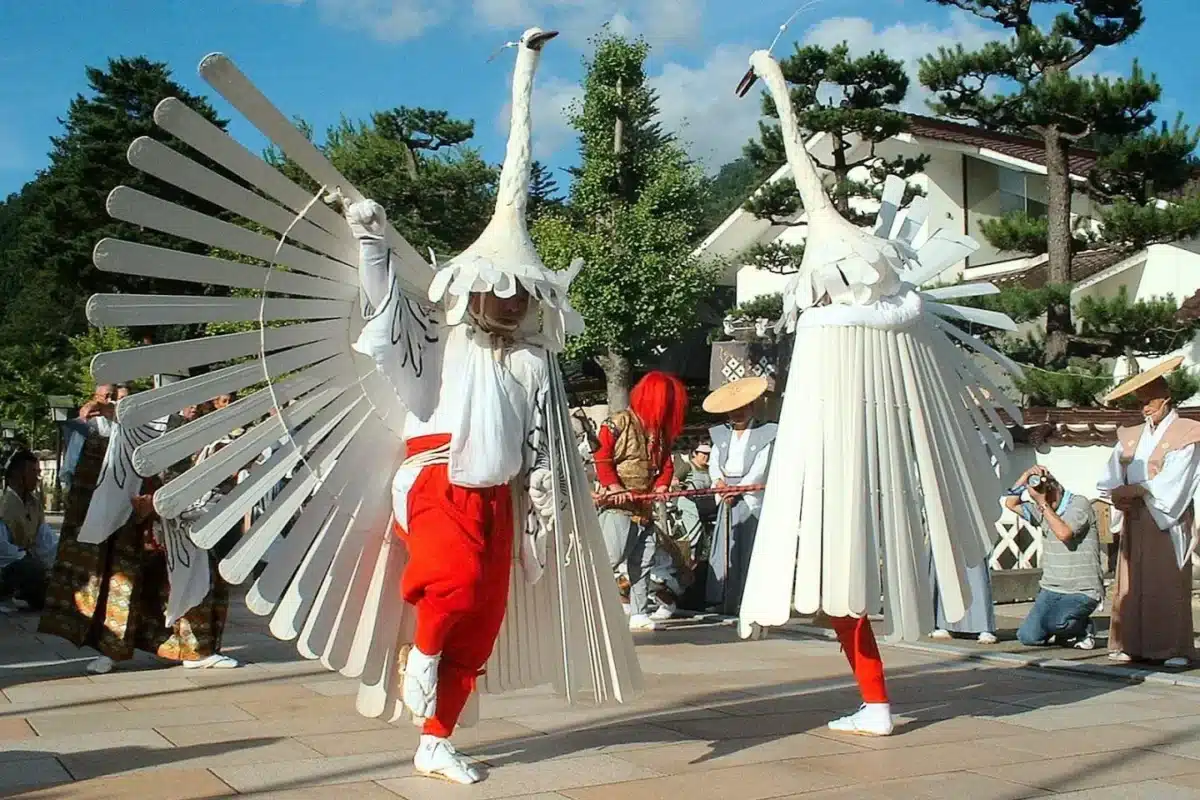
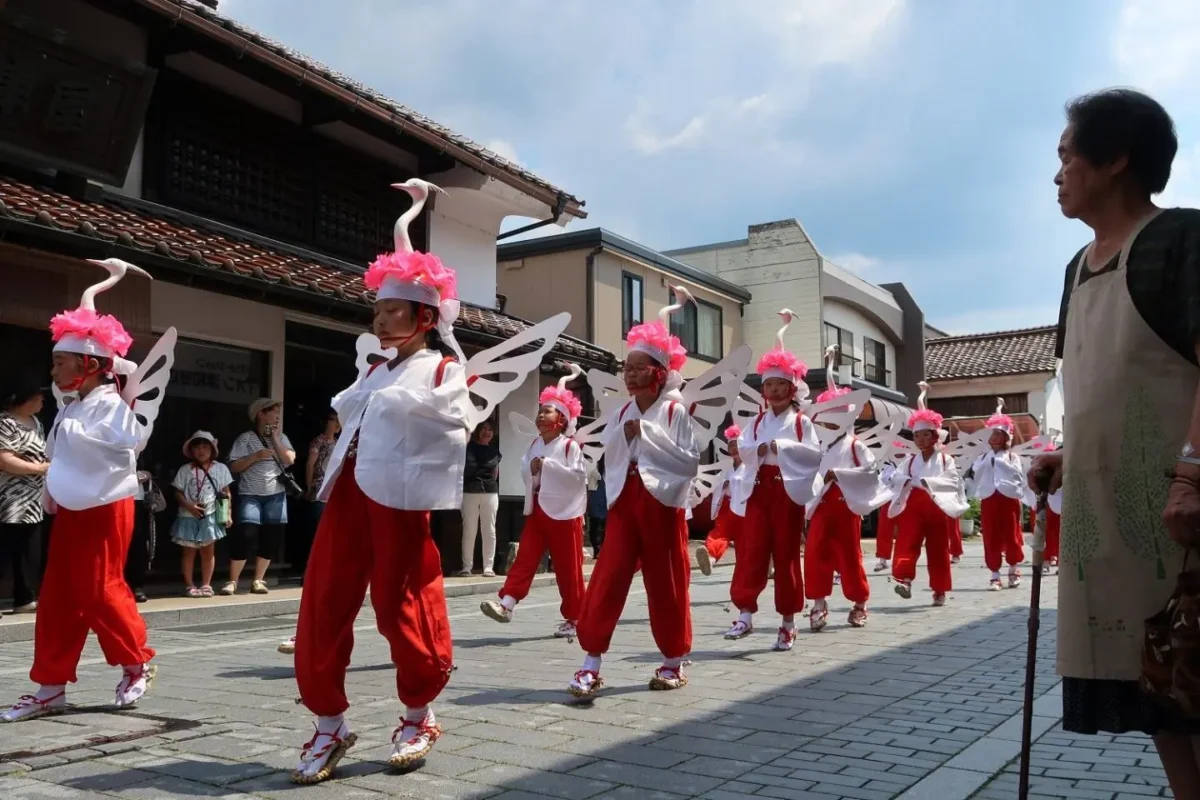
The centerpiece of the celebration features two dancers clad in intricate, handcrafted wooden costumes representing a male and female heron. Accompanied by musicians playing drums and bells alongside traditional singers, the graceful herons perform an elegant mating dance designed to ward off disease and evil spirits while praying for community protection and prosperity. The procession travels through the picturesque streets of Tsuwano, stopping at traditionally appointed locations to perform the sacred rite for residents and travelers alike.
Beyond the captivating heron performances, the festival offers an extraordinary window into centuries-old Shinto heritage and traditional Japanese aesthetics. Visitors can stroll along historic samurai residence streets lined with water canals filled with colorful carp, explore ancient shrines, and experience the warm hospitality of a peaceful mountain town steeped in deep cultural legacy.
Enjoy Your Event Stress-Free with Japan Travelo
Do you know? Planning events, festivals, concerts, and cultural experiences in Japan can be overwhelming. Japan Travelo brings everything together in one place, helping you manage your itinerary, transport, and accommodation with ease—so you can enjoy Japan without the stress of planning.
Event Highlights
- Witness the breathtaking Sagimai Heron Dance performed by dancers wearing authentic, handcrafted wooden heron costumes weighing fifteen kilograms.
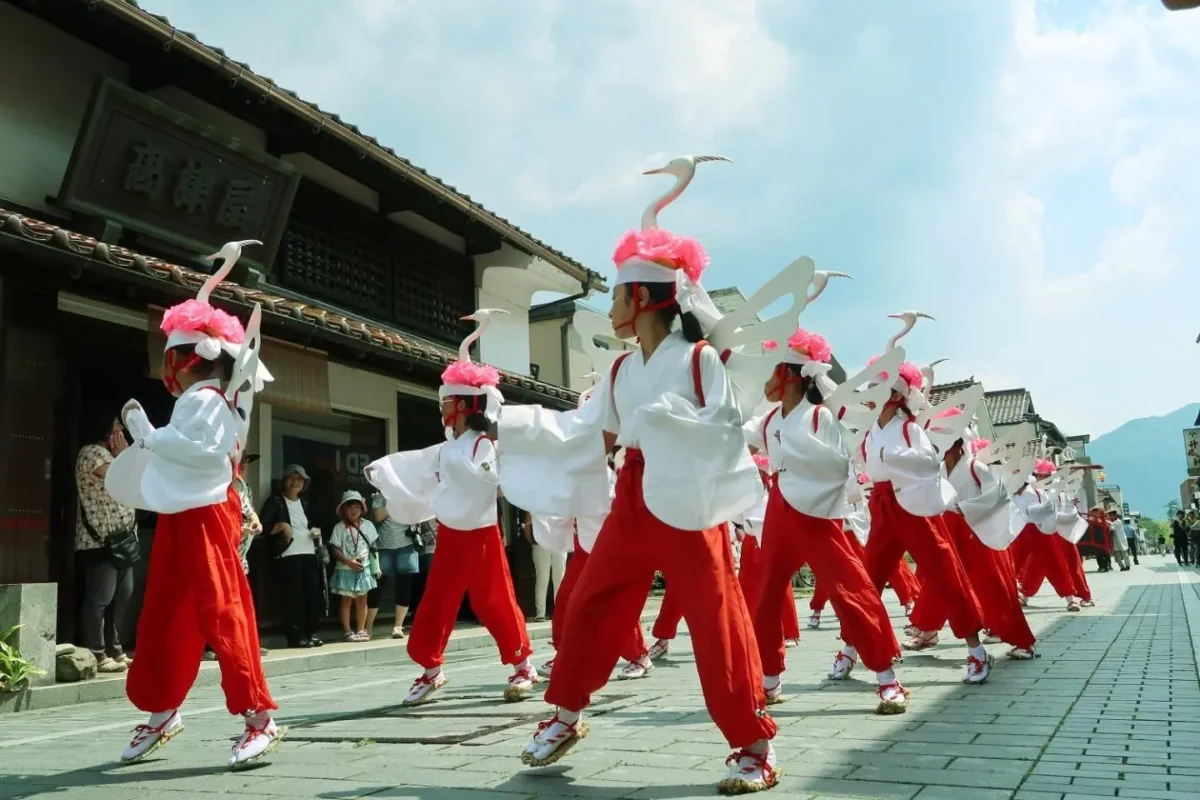
- Experience the sacred Shinto procession as it winds through the historic castle town streets of Tsuwano, stopping at traditional performance stations.
- Listen to ancient musical accompaniment featuring solemn chants, traditional flutes, bells, and drums.
- Explore the scenic surroundings of Yasaka Shrine and Tsuwano’s famous historic district lined with traditional white-plaster walls and flowing canals.
Why Attend
This event is ideal for international cultural travelers, classical art enthusiasts, and visitors seeking an authentic immersion into rare Japanese traditions preserved exactly as they were hundreds of years ago. Attending offers the exclusive opportunity to witness the only continuous performance of the original Kyoto Gion Festival heron dance remaining in all of Japan. The striking visual artistry and profound spiritual atmosphere create an unforgettable cultural journey.
Furthermore, attending the festival allows travelers to discover the tranquil beauty of Tsuwano without the overwhelming crowds found at larger metropolitan festivals. Whether you want to admire master craftsmanship in traditional garments or enjoy the serene ambiance of a historic castle town, the Heron Dance delivers a deeply rewarding experience.
Date & Duration:
- Event Date: Mid – Late July 2027 (Dates TBD)
- Event Duration: The sacred festival performances take place across designated grand festival dates during the month of July.
Visiting this event? Don’t miss out on these amazing activities and local experiences while you’re here.
Ticket Information:
- How Tickets Are Sold: This is a sacred open-air Shinto ritual and town procession conducted freely along public streets and shrine grounds, requiring no advance ticket purchases.
- Admission Type: Free Admission.
- Ticket Pricing: Free Admission.
- Special Seating Options: There are no reserved seating arrangements as spectators gather along the traditional procession route to watch the performances.
- VIP Options: There are no VIP ticketing tiers or exclusive viewing packages available for this traditional community shrine ritual.
Venue / Location:
- City and Country: Tsuwano, Shimane, Japan
- Venue Name: Yasaka Jinja Shrine / Tsuwano Town Center
- Google Marks Address: Japan, 〒699-5605 Shimane, Kanoashi District, Tsuwano, Ushiroda, 67−59-1
Contact Information:
- Email: info@tsuwano-kankou.net
- Phone Number: +81 856-72-1771
- Official Website: www.tsuwano-kankou.net
Accommodation Options
Tsuwano offers a delightful selection of traditional ryokan inns, minshuku guesthouses, and comfortable local hotels located within easy walking distance of the historic town center and Yasaka Shrine. Staying overnight allows you to experience the peaceful evening ambiance of the castle town after daytime visitors have departed.
Because summer festival dates attract cultural travelers from across Japan, booking your preferred accommodation well in advance is highly recommended. Choosing a traditional inn in this picturesque district provides an ideal base for exploring both the shrine rituals and local culinary treasures.
Getting There
- Nearest Airport: Iwami Airport, situated approximately forty miles away from the Tsuwano region with convenient connections to major hubs.
- Nearest Train/Metro Station: Tsuwano Station on the JR Yamaguchi Line, offering direct rail connections to regional transit networks.
- Bus Routes or Public Transport Options: Local bus services connect neighboring towns and transit stations directly to the Tsuwano municipal center.
- Parking Availability: Public parking spaces are available near the town center, though utilizing regional rail services is recommended during festival periods.
- Directions by Car: Accessible via National Route 9 and scenic regional roadways leading directly through the picturesque Shimane mountain district.
Dining Recommendations
- Breakfast Recommendations:
- Traditional multi-course Japanese breakfasts served at your historic ryokan inn.
- Cozy local cafes near Tsuwano Station offering comforting morning coffee and fresh pastries.
- Traditional tea houses providing morning green tea and light seasonal sweets.
- Lunch Recommendations:
- Local restaurants serving Umeizushi, a delightful regional sushi specialty wrapped in aromatic leaves.
- Traditional soba noodle shops in the old town offering handmade buckwheat noodles in steaming broth.
- Cozy neighborhood eateries featuring savory local set meals and regional delicacies.
- Dinner Recommendations:
- Exquisite Kaiseki dinners at local ryokans showcasing seasonal mountain vegetables and freshwater fish.
- Traditional dining establishments offering local beef dishes and comforting regional recipes.
- Charming local eateries serving sweet confections like Genji-maki rolled pastries.
- Local Specialties to Try:
- Genji-maki, a famous local sweet pastry consisting of a thin sponge cake rolled around smooth adzuki bean paste.
- Regional river fish dishes prepared with delicate local seasonings and traditional methods.
- Fresh mountain vegetable preparations served during seasonal summer festivals.
What is this event?
The Heron Dance is a treasured annual Shinto ritual held at the historic Yasaka Shrine in Tsuwano Town, Shimane Prefecture. It features elaborately costumed performers portraying white herons in an elegant sacred dance.
This ancient ceremony preserves the traditional performance arts originally brought from Kyoto’s famous Gion Festival centuries ago. It serves to invoke divine protection, promote community health, and celebrate cultural heritage.
Why is it popular?
The festival achieves widespread renown because Tsuwano is the only location in all of Japan where this specific historical heron dance has been continuously practiced for over four centuries. Its designation as a UNESCO Intangible Cultural Heritage asset highlights its immense global importance.
It is also celebrated for its stunning visual artistry, intricate wooden costumes, and the nostalgic charm of the surrounding castle town. This rare combination of living history and cultural grace captivates every visitor.
Tips before you go
- Arrive early in the day to secure a comfortable viewing spot along the traditional procession route in the historic town center.
- Wear comfortable walking shoes and light summer clothing, as July temperatures in the mountain basin can be warm and humid.
- Carry a portable sun umbrella, hand fan, and hydration items to stay comfortable while watching outdoor street performances.
- Respect all shrine grounds, participants, and sacred performance boundaries while observing the ancient rituals.
- Bring a camera or smartphone with sufficient battery to capture the colorful costumes and traditional street procession.
Tips for First-Time Visitors
- Plan your railway journey in advance using the JR Yamaguchi Line to arrive smoothly at Tsuwano Station.
- Familiarize yourself with the scheduled performance stops so you can follow the procession as it moves through the historic district.
- Take time to explore the scenic Tonomachi street lined with traditional white walls and swimming carp channels.
- Combine your festival visit with a trip up to Taikodani Inari Shrine for panoramic views of the entire castle town.
- Keep small cash handy for purchasing local souvenirs, regional sweets, and refreshments from neighborhood shops.
- Enjoy the welcoming guidance of local tourism staff and volunteers who take great pride in sharing their heritage.
Attendee Experiences
- Watching the magnificent heron dancers glide through the historic streets accompanied by traditional flutes was an awe-inspiring experience.
- The authentic atmosphere of the old castle town made attending the ancient shrine ritual feel like traveling back in time.
- Sampling local sweets and exploring the scenic water canals added a wonderful relaxing dimension to our festival journey.
Video
Location
FAQ
What is the historical origin of the Heron Dance in Tsuwano?
The dance was originally part of the famous Gion Festival traditions in Kyoto and was introduced to Tsuwano in 1542. While the practice faded in many other regions, Tsuwano successfully preserved and maintained the authentic choreography and music continuously for over four centuries.
Is admission required to watch the Heron Dance procession?
Viewing the street procession and public performances of the Sagimai ritual is entirely free for everyone. Spectators can freely gather along the designated route in the town center to enjoy the sacred dance.
What do the heron costumes represent during the ritual?
The two main dancers represent a male and female heron performing a graceful mating dance to invoke divine protection against illness and evil spirits. The intricate costumes feature handcrafted wooden feathers and paulownia wood headpieces weighing approximately fifteen kilograms.
Are there other traditional performances associated with the festival?
In addition to the central heron dance, the festival often features traditional musical accompaniment, chorus singing, and festive community gatherings. Visitors can also explore local crafts and historical exhibits hosted throughout the town.
How can visitors easily reach Tsuwano for the festival?
Tsuwano is accessible via the JR Yamaguchi Line, connecting travelers from regional transport hubs like Shin-Yamaguchi and Masuda stations. Scenic regional train services provide a direct and pleasant route into the heart of the town.

Leave a Reply