
What to expect
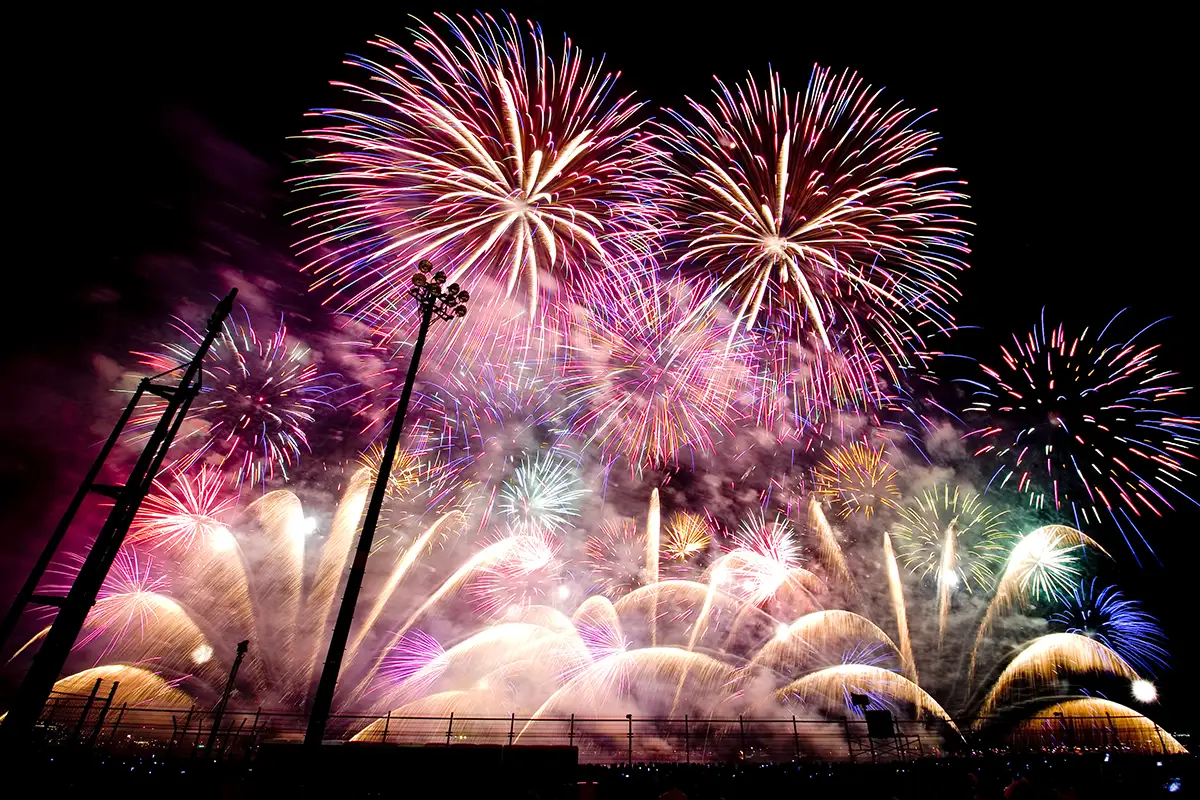
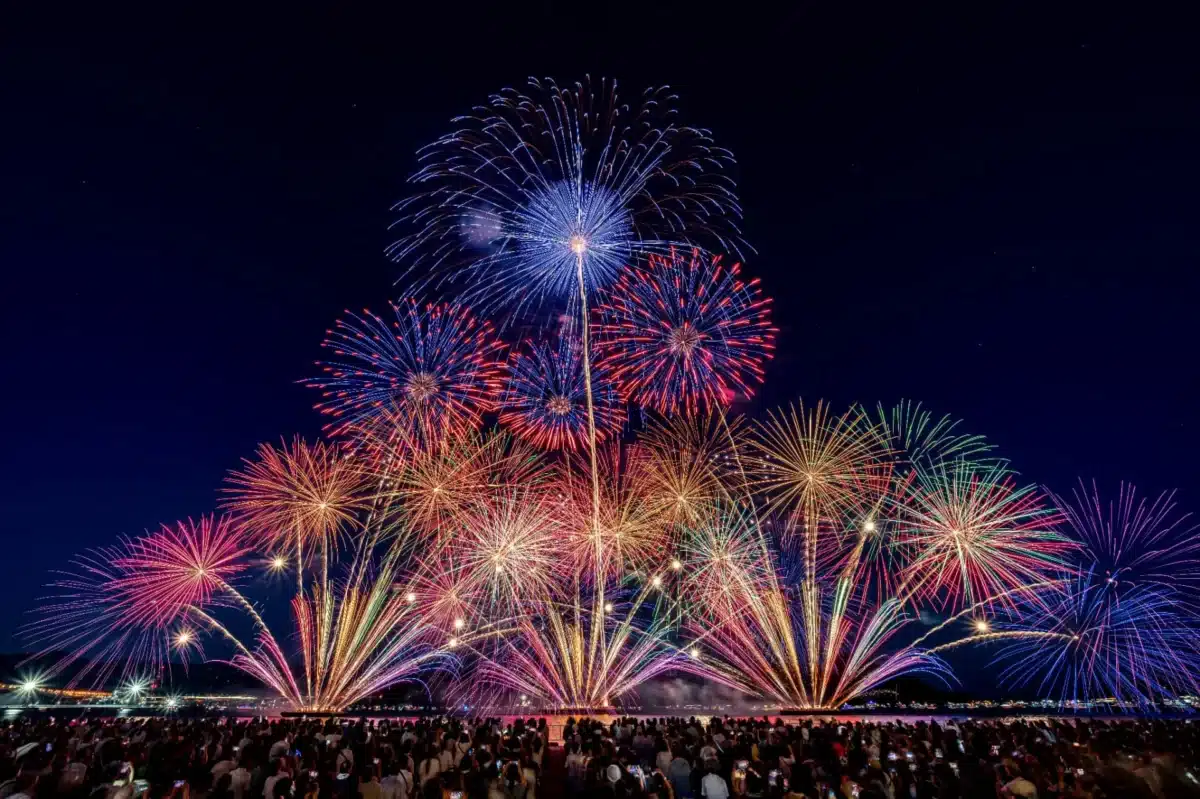
A dream themed harbour spectacle: The Hiroshima Minato Yume Fireworks Festival is the largest fireworks event in Hiroshima City, built around the theme of Yume which means dreams. Approximately 10,000 fireworks color the night sky over the Seto Inland Sea, launched from the Hiroshima Port 10,000-Ton Pier and from barges on the water.
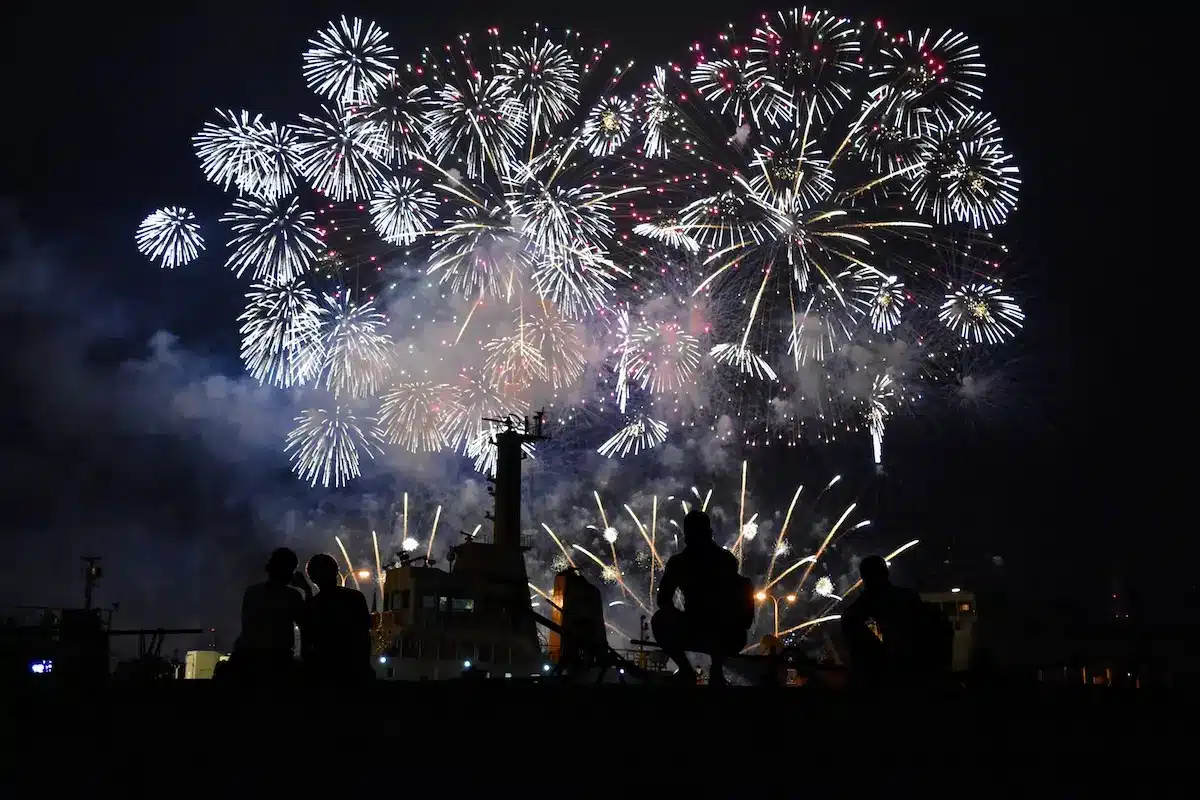
Scale and atmosphere: The festival attracts around 400,000 to 450,000 visitors each year, creating a vast, shared viewing experience along the waterfront. The appeal lies in the use of expansive space over the water, allowing you to enjoy fireworks on a scale that feels like watching a movie, with reflections doubling the effect on the sea surface.
Music synchronized show: Fireworks are launched in continuous sequences choreographed to music, including luxurious 10-go shells which are 5.5 inches in diameter, marine fireworks launched at sea level, chrysanthemum bursts, and special ceramic fireworks. The program is presented as a Fireworks Museum with ten themed chapters and a memorial display.
Enjoy Your Event Stress-Free with Japan Travelo
Do you know? Planning events, festivals, concerts, and cultural experiences in Japan can be overwhelming. Japan Travelo brings everything together in one place, helping you manage your itinerary, transport, and accommodation with ease—so you can enjoy Japan without the stress of planning.
Citywide buzz: Food stalls, yukata clad visitors, and festival markets line the port area. The entire Ujina waterfront becomes a pedestrian festival zone with street food, drinks, and community booths.
Event dates
Official date: September 25, 2027
Schedule for 2027 edition: This will be the first edition held in autumn. According to the City of Hiroshima announcement on July 22, the festival has lit up the fourth Saturday of July every year since 2003, but citing the growing risk of heatstroke among crowds, it is moving to the fourth Saturday of September starting in 2027. Since the sun sets earlier in autumn, the show will also start an hour earlier at 7:00 PM.
2027 timing: Venue opens from late afternoon, with food markets and shuttle buses operating from around 5:00 PM. Fireworks display from 7:00 PM to 8:00 PM approximately. After the event, trams and bus stops become extremely crowded and may require extended waiting time.
Past reference: 2025 edition was held on July 26, 2025 with 10,000 fireworks. 2026 edition was held on July 25, 2026 from 8:00 PM to 9:00 PM.
Visiting this event? Don’t miss out on these amazing activities and local experiences while you’re here.
Venue & event locations
Main launch site: Hiroshima Port 10,000-Ton Pier in Ujina, Minami Ward, Hiroshima City. Address area is Ujina Kaigan, Minami-ku. Fireworks are launched from the pier and from offshore barges for sea-level effects.
Viewing areas:
Free viewing zone: The long quay and surrounding Ujina Hatoba Park become the main free viewing area, stretching along the waterfront with unobstructed views of the launch barges.
Paid seating area: A designated paid reserved seating zone directly in front of the launch site offers guaranteed front-row views, chairs, and tarp areas. Sponsors receive special viewing space on first come first served basis in previous years.
Secondary viewpoints: Ujina Hatoba Park itself, Motoujina Park on the hill, and parts of the Hiroshima Port Park provide elevated or slightly distant but less crowded views.
Full holiday programme
Afternoon opening: The port area opens to pedestrians in the afternoon. Vendors set up markets, and volunteer staff guide visitors to viewing zones. The Hiroshima Port Dream Market and local community booths begin operation.
Pre-show entertainment: Local taiko groups, university music clubs, and dance teams sometimes perform on small stages near the port entrance while visitors gather. The festival theme of dreams is introduced via announcements and video screens.
Fireworks museum programme: The 60-minute main show is divided into ten themed chapters. Each chapter presents a different fireworks style, including color changing chrysanthemums, heart and star shaped shells, marine fan fireworks that skim the water, and large 10-go shells that fill the entire sky.
Finale: The finale features a continuous barrage of synchronized fireworks with music, including a memorial display dedicated to peace and hopes for the future, reflecting Hiroshima’s identity as a Peace Memorial City.
Main attractions & highlights
10,000 fireworks: One of the largest displays in the Chugoku region, with 10,000 shells in recent editions. Last year the festival returned after a five-year hiatus with approximately 6,500 fireworks, increasing to 10,000 in 2025 and expected to maintain that scale.
10-go shells and marine fireworks: The highlight includes large-bore 10-go fireworks which create huge spherical bursts over 300 meters wide, and marine fireworks that launch from sea level and create half-circle reflections on the water.
Music synchronization: The entire show is choreographed to a soundtrack ranging from classical to J-pop, with fireworks timed to beats and crescendos for a cinematic effect.
Seto Inland Sea backdrop: The use of open water allows for wide fan-shaped launches that are not possible in city center river festivals, making the sky feel enormous.
Markets, decorations & themed areas
Minato Yume market village: Around the port entrance, approximately 50 to 80 yatai food stalls and kitchen trucks line the promenade, offering local Hiroshima specialties, yakisoba, karaage, and international festival foods.
Hiroshima Port Dream Marche: A curated market featuring local agricultural products, Saitama? No, Hiroshima lemons, oysters, and craft goods from Setouchi area. Decorated with lanterns and dream-themed banners.
Illumination and decorations: The port terminal and Ujina Hatoba Park are decorated with string lights, paper lanterns, and blue LED installations reflecting the sea and dream theme. Some areas feature photo spots with large illuminated Yume letters.
Sponsor displays: Corporate sponsors and local NPOs set up small exhibition tents with information about marine conservation and peace activities, tied to the festival’s message of hope for the future.
Events & entertainment schedule
Afternoon to evening flow:
5:00 PM onwards: Shuttle buses from Hiroshima Station and special tram services from Kamiyacho-nishi Station begin. Food markets fully open.
5:30 PM to 6:45 PM: Background music, announcements, safety guidance, and occasional local stage performances.
7:00 PM to 8:00 PM: Main fireworks display, divided into ten chapters with short narration between chapters explaining the theme of each fireworks artisan’s work.
Post-show: Gradual exit with music and lighting guiding crowds to shuttle bus stops and tram stations. No parking available around launch site.
Admission & ticket information
General admission: Free to watch from the main free viewing zone along the quay and Ujina Hatoba Park. No ticket required for standing and general tarp areas. Approximately 400,000 people use free areas each year.
Paid reserved seating: Paid seating is available and highly recommended for guaranteed views. Based on previous editions:
Paid chair seats: Approximately 15 USD to 25 USD per person depending on location, including front row chairs and raised bleachers.
Tarp sheet areas: Approximately 20 USD to 35 USD for a sheet accommodating up to 4 people, allowing you to sit on ground with space.
Sponsor viewing: Those who give financial support to the festival are provided with a special viewing space on first come first served basis. Sponsorship contributions from previous years started around 50 USD for individuals and 100 USD for groups, including reserved space and commemorative goods.
Where to buy: Paid tickets sold via official website www.minato-yumehanabi.com and convenience store ticketing systems like Lawson Ticket and Seven Ticket in Japan. Advance purchase required, as same day sales are limited.
Special experiences & activities
Marine fireworks photography: The sea-level fireworks create unique half-circle reflections perfect for photography. Dedicated photography zones near the water offer tripod-friendly spots for enthusiasts.
Yukata experience: Many visitors wear light cotton yukata. Rental shops in central Hiroshima near Hondori offer yukata rental for around 25 USD to 40 USD for the evening, including dressing and hair set.
Peace reflection: As Hiroshima is a Peace Memorial City, many visitors combine the fireworks with a daytime visit to Peace Memorial Park and Atomic Bomb Dome to reflect on the theme of dreams and hope for the future.
Cruise viewing: Some local operators offer small boat viewing from the Seto Inland Sea side, allowing you to watch fireworks from the water. Prices from previous years around 40 USD to 80 USD per person, limited seats.
Family & children’s activities
Safe viewing zones: Family areas are located slightly back from the loudest launch site, with less crowding and easier access to toilets and food stalls. The sound of 10-go shells is very loud for small children, so ear protection is recommended.
Children’s food and games: Markets offer typical festival games like yo-yo fishing, super ball scooping, and cotton candy, priced around 2 USD to 5 USD per game.
Educational displays: The fireworks artisan introduction boards explain how different fireworks are made, including ceramic fireworks that create unique shapes, engaging for school age children.
Stroller policy: Strollers are allowed in free areas but not recommended in the densest front zones due to crowd movement after the show. Baby care spaces with nursing areas are set up near the port terminal building.
Event rules
No parking: No parking is available around the fireworks launch site on festival day. Road closures and traffic control are implemented from afternoon. Visitors must use public transportation.
Prohibited items: Large tarps beyond designated sheet areas, drones, fireworks or firecrackers, glass bottles, and large coolers are prohibited in paid seating zones. Smoking is prohibited in viewing areas.
Space saving: Placing sheets or tarps to reserve space in free areas before official opening time is prohibited. Staff will remove unattended items.
Safety: Follow staff instructions during launch, especially regarding wind direction and falling debris from shells. In case of strong winds or heavy rain, the event may be delayed or canceled for safety.
Clean up: Visitors are asked to take trash home or use designated bins. Volunteers distribute trash bags in paid areas.
How to get there
Location context: Hiroshima Port is located in Ujina, Minami Ward, about 7 kilometers south of Hiroshima Station, on the Seto Inland Sea coast.
Overall access: The venue is accessible by streetcar and shuttle bus. No direct car access to the launch site.
From city center: Take streetcar line 1 or 5 from Hiroshima Station or Kamiyacho to Hiroshima Port, then walk 10 to 15 minutes to the 10,000-ton pier. Special tram services operate from Kamiyacho-nishi Station starting at 5:00 PM on festival day.
Public transport & parking
Streetcar: Hiroshima Electric Railway Hiroden operates special services on festival day. From Kamiyacho-nishi to Hiroshima Port, increased frequency from 5:00 PM. Last trams after event are extremely crowded, expect 60 to 90 minutes waiting time.
Shuttle buses: Paid shuttle bus service from JR Hiroshima Station to fireworks festival venue entrance is planned based on previous years. Also shuttle buses from Yano, Kumano, and Yakeyama areas. Round trip fare previously around 5 USD to 8 USD.
JR and bus: JR trains to Hiroshima Station, then transfer to streetcar or shuttle. Highway buses from nearby cities arrive at Hiroshima Bus Center, then streetcar connection.
Parking: No parking around venue. Use Park and Ride at shopping malls in Minami Ward or use public transportation from central Hiroshima. Coin parking near Kaigandori Streetcar Stop fills early.
Bicycle: Bicycle parking is prohibited near venue on festival day due to crowd safety. Use designated temporary bicycle parking near Ujina Hatoba Park if announced.
Accommodation areas
Ujina and Minami Ward: Small business hotels near Hiroshima Port, such as hotels along Ujina Kaigan, offer rates from 50 USD to 90 USD per night based on previous seasons. Walking distance to venue but sell out quickly.
Hiroshima Station area: Largest hotel cluster, with business hotels from 60 USD to 120 USD per night, easy access to shuttle buses and streetcars.
Kamiyacho and Hondori downtown: Central Hiroshima hotels and boutique hotels range from 70 USD to 150 USD per night, good for combining with Peace Memorial Park and nightlife.
Miyajima: For resort style, stay on Miyajima Island, about 45 minutes by train and ferry, with ryokan rates from 100 USD to 250 USD per night. Good for extending trip.
Booking tip: Hotels in Hiroshima city fill up for fireworks night. Book at least two to three months in advance, especially for station area.
Food, drinks & seasonal specialties
Festival yatai: The port market offers classic matsuri foods: yakisoba 4 USD to 6 USD, okonomiyaki Hiroshima style 6 USD to 10 USD, karaage 4 USD to 7 USD, takoyaki 4 USD to 6 USD, kakigori shaved ice 3 USD to 5 USD.
Hiroshima specialties:
Hiroshima style okonomiyaki: Layered savory pancake with noodles, cabbage, and seafood, a must try.
Oysters: Hiroshima is famous for oysters. Grilled oysters and oyster fry available from market stalls, around 6 USD to 12 USD.
Lemon products: Hiroshima lemons from Setouchi, served as lemon soda, lemon kakigori, and lemon cakes, 3 USD to 6 USD.
Anago eel and momiji manju: Local souvenirs sold at stalls.
Drinks: Draft beer 5 USD to 7 USD, lemon sour 5 USD, Ramune soda 2 USD to 3 USD, soft drinks 2 USD.
Accessibility
Venue terrain: The main viewing area is flat quay and paved park, accessible for wheelchairs and strollers. Paid chair seats include accessible spaces with companion seating.
Accessible toilets: Temporary accessible toilets are installed near paid seating and port terminal building. Permanent accessible toilets in Ujina Hatoba Park and Hiroshima Port Terminal.
Transport accessibility: Hiroden low-floor streetcars operate on Line 1 and 5, accessible for wheelchairs. Shuttle buses from Hiroshima Station include accessible vehicles, but advance reservation recommended.
Assistance: Volunteer staff provide guidance for accessible routes. Service animals allowed in free areas, but loud firework noise may be stressful, so ear protection for animals is advised.
Best days & times to visit
Single day event: The festival is held on one evening only, so that evening is the only chance to see the main show.
Best arrival time: Arrive in early evening to secure free viewing spot and enjoy market foods before crowds peak. Paid seating holders can arrive slightly later due to reserved space.
Best viewing time: The first 15 minutes and the finale are most spectacular. Marine fireworks in middle chapters are best photographed when wind is low.
Weather consideration: Early autumn evenings are cooler than midsummer, with less risk of heatstroke, which was the reason for moving the festival from the hot season. Bring a light jacket as sea breeze can be cool after sunset.
Previous year’s highlights
2025 edition: Held with 10,000 fireworks, one of the largest in Hiroshima, after returning in 2024 with 6,500 fireworks following a five-year hiatus. Theme was Fireworks Museum with ten themed series and special memorial display. Approximately 450,000 visitors attended despite hot weather, with reports of heatstroke cases that prompted the move to autumn.
Special features in 2025: Luxurious 10-inch shells and marine fireworks launched from sea, water-level fan fireworks creating reflections, and special ceramics fireworks crafted by award-winning artisans from across Japan. Music synchronized continuous fireworks were praised for cinematic scale.
Community response: The city announced moving the festival to autumn starting 2027 to reduce heatstroke risk and allow earlier start time, improving safety and comfort for families and elderly visitors.
Official event information
Event name: Hiroshima Minato Yume Fireworks Festival 2027 – Japan
Venue: Hiroshima Port 10,000-Ton Pier, Ujina Kaigan, Minami-ku, Hiroshima City, Hiroshima Prefecture
Organizer: Hiroshima Matsuri Executive Committee, Hiroshima City
Contact: Hiroshima Matsuri Executive Committee Office at Rest House in Peace Memorial Park
Official website text: www.minato-yumehanabi.com/index.php and summary page www.minato-yumehanabi.com/summary/index.html
Access: 15-minute walk from Kaigandori Streetcar Stop, special tram from Kamiyacho-nishi from 5:00 PM, paid shuttle bus from JR Hiroshima Station planned
Note: No parking around launch site, use public transportation. Paid seating available via official site. Event may be canceled in case of severe weather.
Video
Location
FAQ
Is the Hiroshima Minato Yume Fireworks Festival free to attend?
Yes, the main viewing areas along the Hiroshima Port quay and Ujina Hatoba Park are completely free and open to all without tickets, accommodating hundreds of thousands of visitors. Paid reserved seating with chairs and tarp areas is also available for those who want guaranteed front-row views and more comfort. Free areas operate on first come first served basis, so arriving early is recommended to secure a good spot.
What makes this fireworks festival different from other Japanese hanabi?
This festival is distinguished by its use of the expansive Seto Inland Sea as a launch platform, allowing for marine fireworks that skim the water and create reflections, and large 10-go shells that need wide safety zones. The show is presented as a Fireworks Museum with ten themed chapters choreographed to music, featuring award-winning artisans from across Japan. Its dream theme ties to Hiroshima's message of hope and peace.
Can I bring food and chairs to the venue?
Small folding chairs and small tarps are allowed in free areas, but large sheets to reserve extensive space before official opening are prohibited and will be removed by staff. Food and drinks from outside are allowed in free areas, though many visitors enjoy the festival markets offering Hiroshima specialties. In paid seating zones, chairs are provided and outside large coolers and glass bottles are prohibited for safety.
How crowded does it get and how do I leave after the show?
The festival is extremely crowded, with around 400,000 to 450,000 visitors in recent years, and the area around tram stops and shuttle bus stops becomes extremely crowded after the finale. It may take a long time to return to central Hiroshima, with waiting times of 60 to 90 minutes reported. It is recommended to arrive early, stay a bit after the crowd thins, and have patience, or book accommodation near the port to avoid immediate travel.
Why did the festival move from summer to autumn?
The festival was held on the fourth Saturday of July every year since 2003, but the City of Hiroshima announced that due to rising summer temperatures and increasing heatstroke risk among crowds, it would move to the fourth Saturday of September starting in 2027. The earlier sunset in autumn also allows the show to start an hour earlier at 7:00 PM, making it more comfortable for families, elderly visitors, and children while preserving the spectacular night display.

Leave a Reply