
Overview
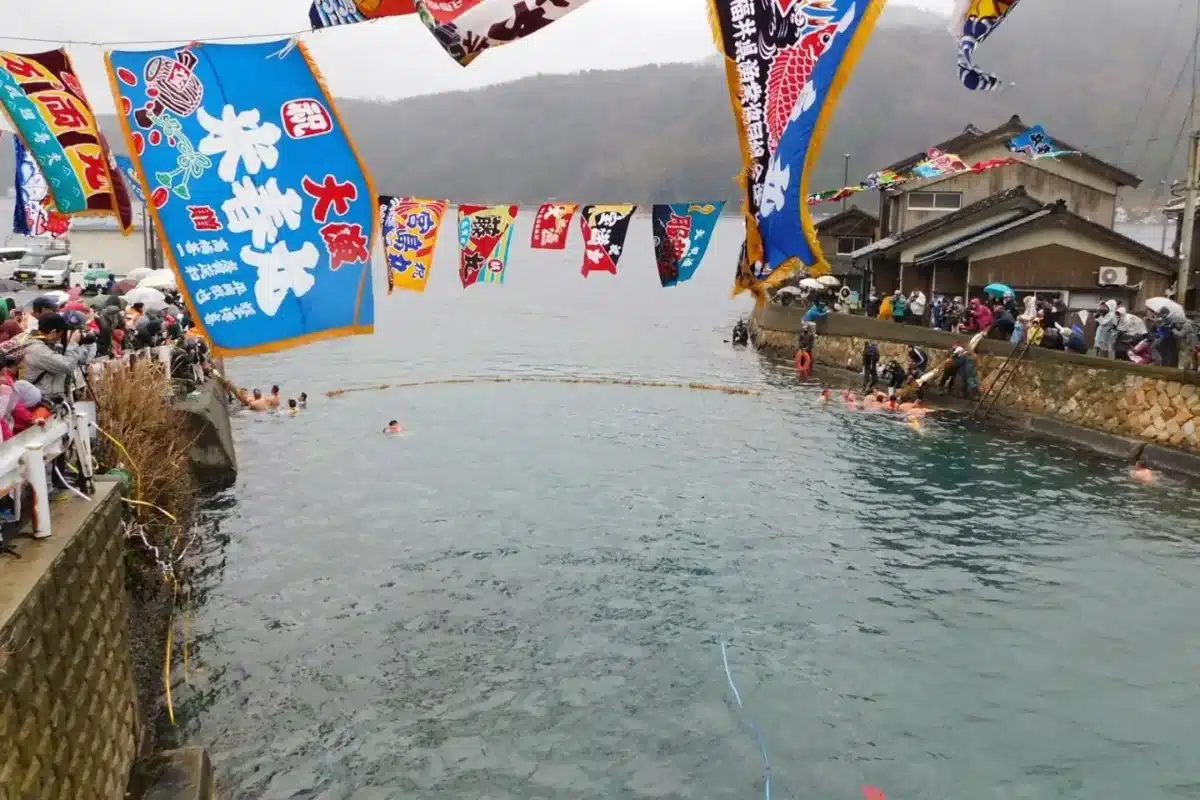
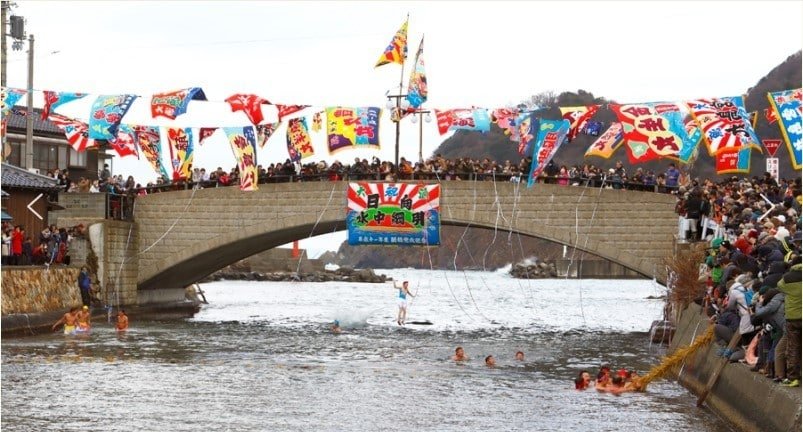
The Hiruga Underwater Tug of War is a profound and adrenaline-filled traditional ritual that stands as a cornerstone of the maritime heritage in Mihama Town. Held annually in the heart of winter, this centuries-old festival serves as a spiritual petition to the sea deities, seeking their benevolence in ensuring bountiful fish hauls and community prosperity for the coming year. Centered around the historic Hiruga Canal, which connects the serene Lake Hiruga to the vast Sea of Japan, the event encapsulates a unique blend of local folklore, physical endurance, and deep-rooted communal identity.
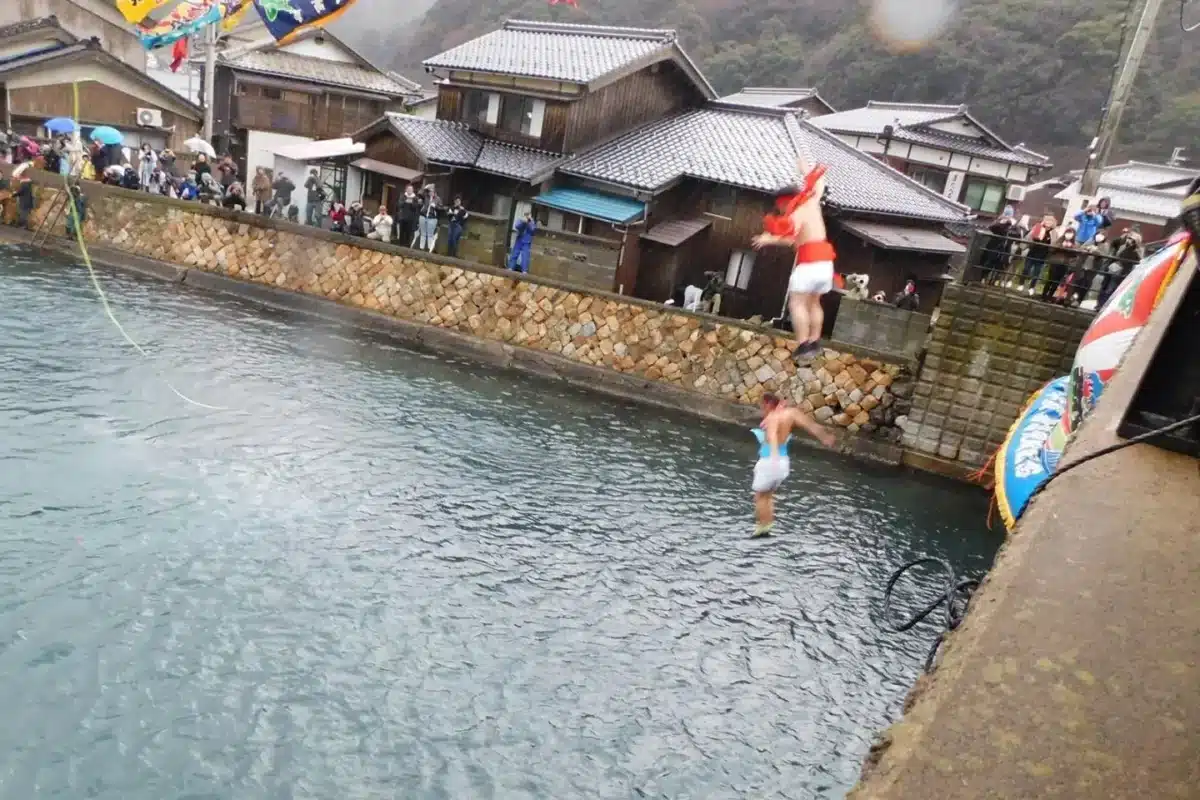
The centerpiece of the festival is a massive straw rope, measuring thirty centimeters in thickness and forty meters in length. According to local legend, this rope symbolizes a mythological sea serpent that once obstructed the canal; villagers demonstrate their collective strength and resolve by diving into the freezing waters to pull the rope apart. This dramatic contest is more than a mere display of athleticism—it is a sacred act of purification and prayer, where the act of severing the rope is believed to ward off misfortune and invite good luck for the local fishing industry.
The festival’s enduring popularity stems from its raw, authentic nature, as it remains largely unchanged by the passage of time. From the early morning hours spent meticulously crafting the giant rope at the Inari Daijin Shrine to the climactic moment when participants plunge into the icy canal, every stage of the event is infused with historical significance. It offers a rare window into the resilience and unity of a coastal Japanese community, inviting onlookers to witness a living tradition that bridges the gap between the ancient past and the modern present.
Enjoy Your Event Stress-Free with Japan Travelo
Do you know? Planning events, festivals, concerts, and cultural experiences in Japan can be overwhelming. Japan Travelo brings everything together in one place, helping you manage your itinerary, transport, and accommodation with ease—so you can enjoy Japan without the stress of planning.
Event Highlights
- Witness the dramatic and physically demanding spectacle of the underwater tug of war, where participants dive into the freezing canal waters to tear apart a massive straw rope.
- Experience the early morning tradition of rope-making at the Inari Daijin Shrine, a meticulous process that preserves centuries-old craftsmanship.
- Observe a unique cultural ritual that blends Shinto spiritual practices with local maritime folklore and the hope for a bountiful fishing season.
- Capture stunning photography of the vibrant community atmosphere, set against the backdrop of the traditional Japanese landscape along the Hiruga Canal.
Why Attend
This festival is ideal for cultural explorers, photography enthusiasts, and travelers who are eager to experience the authentic, offbeat side of Japan’s winter traditions. It is perfectly suited for those who appreciate history and community-led rituals, offering an opportunity to connect with a genuine local event that remains deeply connected to the rhythm of the sea and the history of the Wakasa region.
Attending this event provides a rare insight into the spiritual and physical dedication of the local fishing community. Guests benefit from witnessing a high-energy ritual that is both visually captivating and historically significant. It is a rewarding experience for anyone seeking to step away from mainstream tourist circuits and immerse themselves in the rich, traditional atmosphere of Fukui Prefecture.
Date & Duration
- Event Date: Mid January 2027
- Event Duration: Morning to afternoon
Visiting this event? Don’t miss out on these amazing activities and local experiences while you’re here.
Ticket Information
- How Tickets Are Sold: This is a public community ritual; no tickets are required for entry or participation as a spectator.
- Admission Type: Open to the public with free access to all viewing areas.
- Ticket Pricing: Free Admission.
- Special Seating Options: There is no special or reserved seating, as spectators observe from the canal’s edge.
- VIP Options: No VIP tiers or premium packages are available for this traditional community festival.
Venue / Location
- City and Country: Wakasa, Japan
- Venue Name: Hiruga Bridge, Hiruga Canal
- Google Maps Address: Hiruga, Mihama, Mikata District, Fukui 919-1126, Japan
Contact Information
- Email: kanko@town.fukui-mihama.lg.jp
- Phone Number: +81-770-32-6705
- Official Website: www.town.fukui-mihama.lg.jp
Accommodation Options:
The Mihama area offers a collection of traditional ryokans and cozy guesthouses that provide a warm, authentic retreat after a cold winter day. Staying in these local accommodations allows visitors to experience Japanese hospitality firsthand, often featuring locally sourced meals and peaceful environments that reflect the quiet beauty of the Fukui coast.
For travelers who prefer a wider range of facilities, the nearby town of Tsuruga provides more extensive hotel options, including modern business hotels and full-service lodgings. The area is well-connected by local transport, ensuring that you can easily reach the festival site in the morning while enjoying the comfort of a more developed urban area in the evening.
Getting There
- Nearest Airport: Komatsu Airport (KMQ) is the closest major regional airport to the Fukui coastal area.
- Nearest Train/Metro Station: JR Mihama Station is the primary rail gateway for the region.
- Bus Routes or Public Transport Options: Local community buses and taxi services operate from Mihama Station to reach the Hiruga area.
- Parking Availability: Local parking is available near the canal and bridge area, though it is limited and fills quickly.
- Directions by Car: Accessible via the Maizuru-Wakasa Expressway; take the Wakasa-Mihama exit and follow signs toward the Hiruga canal district.
Dining Recommendations
Breakfast Recommendations:
- Local seaside cafes in Mihama offering warm morning sets with freshly prepared rice and seasonal miso soup.
- Traditional breakfast options at local inns that highlight fresh, regional ingredients and locally caught fish.
- Convenience stores near Mihama Station for a quick, reliable start before heading to the early morning rituals.
Lunch Recommendations:
- Small family-run eateries in Mihama serving hearty bowls of locally caught seafood, ideal for warming up.
- Traditional soba noodle shops that utilize high-quality water from the Fukui mountains to create authentic, rustic flavors.
- Coastal lunch spots that specialize in seasonal sashimi and grilled fish caught in the nearby Sea of Japan.
Dinner Recommendations:
- Local izakayas near the canal district offering a variety of regional sake and comforting winter hot pot dishes.
- Established seafood restaurants featuring the renowned Wakasa-fugu (pufferfish) during the winter season for a truly unique dining experience.
- Traditional ryokan dining where guests can enjoy a multi-course kaiseki meal centered around the seasonal bounty of the Fukui coast.
Local Specialties to Try:
- Wakasa-fugu, a highly regarded pufferfish delicacy that is particularly delicious during the winter months.
- Freshly caught crab from the Sea of Japan, served steamed or in traditional hot pot dishes.
- Regional sake varieties brewed in Fukui’s historic distilleries, known for their crisp, refreshing profiles.
What is this event?
The Hiruga Underwater Tug of War is a centuries-old Japanese winter festival where participants dive into a freezing canal to pull apart a giant straw rope. It serves as a spiritual prayer for bountiful fish catches and good luck for the local community.
The ritual is deeply rooted in local folklore, representing the strength of the village against a mythical sea serpent. By tearing the rope, the villagers ensure prosperity and ward off misfortune, creating a powerful demonstration of tradition and community resilience.
Why is it popular?
The event is popular because it offers a rare, high-energy experience that remains completely authentic to its historical origins. Spectators are drawn to the dramatic spectacle of the tug-of-war and the sheer dedication of the local participants during the harsh winter conditions.
It provides a unique look at the cultural soul of rural Japan, making it a highly valued event for those seeking off-the-beaten-path experiences. The combination of its striking visual nature and deep connection to maritime history ensures it remains a highlight for visitors and locals alike.
Tips before you go
- Dress in heavy, insulated winter clothing, as the event takes place in the open air during the coldest time of the year in Fukui.
- Arrive early in the morning to observe the rope-making ritual, which is a rare opportunity to see traditional craft in action.
- Carry a portable thermos with a warm beverage, as standing by the canal during the winter can be quite chilly for spectators.
- Maintain a respectful distance from the participants during the tug-of-war to ensure they have the space needed for the ritual.
- Check local weather reports on the day before, as winter storms can occasionally impact outdoor festival schedules in the coastal region.
Tips for First-Time Visitors
- Navigating the rural areas of Fukui can be simplified by using local taxi services if you are not comfortable driving in winter road conditions.
- Take the time to visit the nearby Unanishi Shrine, which plays an important role in the festival’s spiritual history and offers a peaceful place for contemplation.
- Although most of the festival happens in public areas, always be mindful of local crowds and follow the guidance of festival staff stationed along the Hiruga Bridge.
- Consider staying at a ryokan with an onsen (hot spring) to recover and warm up after spending the day outdoors at the canal.
- Engage with local residents if you have questions, as the community is often proud of their unique heritage and happy to share stories with interested visitors.
- Be prepared for minimal English signage in the smaller village areas; having a basic translation app or a printed map of the region can be extremely helpful.
Attendee Experiences
- Seeing the community come together to brave the icy waters in the name of tradition was a profoundly moving and unforgettable sight.
- The intensity of the tug-of-war, combined with the quiet beauty of the snowy winter landscape, made this one of the most unique festivals I have ever seen.
- It felt incredibly special to witness a ritual that has been practiced for over four hundred years exactly as it was meant to be experienced.
Video
Location
FAQ
What is the significance of the rope being torn in two during the festival?
The rope represents a mythical sea serpent that once hindered the canal. By working together to rip the rope apart, the participants are symbolically scaring away the creature and warding off misfortune, ensuring that the canal remains open and the sea remains bountiful.
Can spectators join in the tug-of-war if they are visiting from out of town?
The tug-of-war is a traditional ritual performed by designated community members to maintain the sanctity and history of the practice. Spectators are not invited to participate in the water, but they are highly encouraged to watch and support the tradition from the bridge and canal banks.
Is the water temperature truly as freezing as the reports suggest?
Yes, the festival takes place in mid-winter, when the water temperature in the canal is at its coldest. The participants' ability to dive into the water is a testament to their physical endurance and their commitment to the ritual's traditional requirements.
What happens to the remnants of the rope after the tug-of-war is finished?
Once the massive straw rope has been successfully torn in two, the remnants are cast into the sea as an offering to the deities of the Sea of Japan. This final step is considered essential to complete the prayer for good luck and prosperity for the coming year.
Are there any specific cultural etiquette rules I should follow while watching?
As this is a sacred and traditional event for the local community, it is important to remain observant and respectful. Avoid blocking the view of others, do not interfere with the participants' activities, and ensure that you keep the environment clean by disposing of any trash properly.

Leave a Reply