

Yagura, Taiko & Live Performances
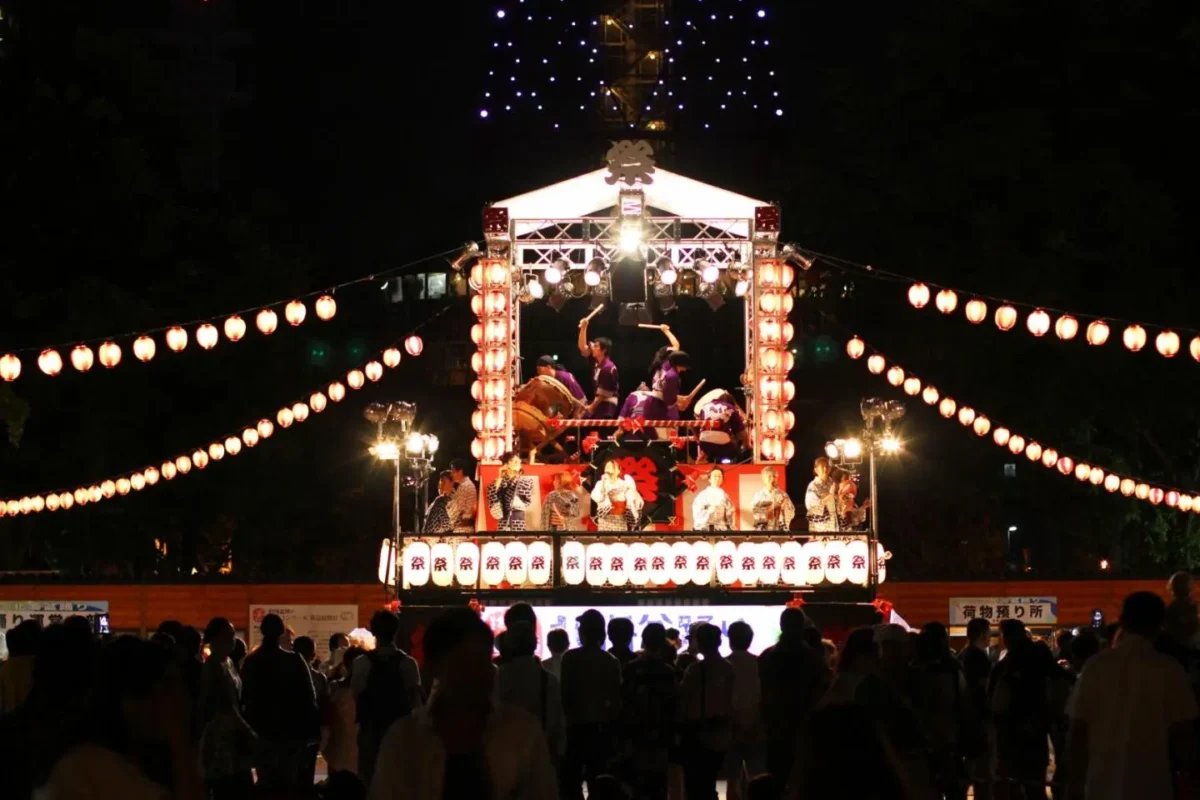
The visual and structural focal point of the festival is the yagura, a high wooden scaffold erected squarely in the center of the dance area. This elevated platform serves as the stage for live musicians, vocalists, and master taiko drummers who dictate the energy of the evening. The towering wooden structure is traditionally decorated with colorful lanterns and banners that glow warmly as night falls.
Powerful taiko drumming echoes across Odori Park, providing a visceral heartbeat that drives the dancers forward. The combination of live singing, traditional instruments, and rhythmic percussion creates an electrifying sensory environment. Spectators standing outside the dance circle often gather closely around the base of the yagura to watch the master musicians perform at close range.
- Central Tower: A high wooden scaffold built in the middle of the park to house performers.
- Taiko Drumming: Heavy, rhythmic percussion performances set the driving tempo for the entire dance circle.
- Elevated Stage: Musicians and singers perform safely above the crowd for optimal acoustics and visibility.
- Lantern Decoration: Adorned with glowing paper lanterns and festive banners that brighten the night.
- Visual Anchor: Draws the eye naturally, serving as the navigational point for the surrounding dance loops.
When
- Event Date: Mid August 2027 (Dates TBD)
- Event Duration: Multi-day evening event running annually over consecutive days in mid-August
Visiting this event? Don’t miss out on these amazing activities and local experiences while you’re here.
Adult Bon Odori & Open Dance Circle
Following the children’s session, the adult Bon Odori takes over the park from 19:00 until 21:00, transforming the plaza into a massive moving circle. Participants line up in a continuous loop revolving around the central yagura tower, moving in synchronized, rhythmic harmony. The movements are intentionally slow, graceful, and easy to pick up simply by watching the person immediately ahead in line.
Enjoy Your Event Stress-Free with Japan Travelo
Do you know? Planning events, festivals, concerts, and cultural experiences in Japan can be overwhelming. Japan Travelo brings everything together in one place, helping you manage your itinerary, transport, and accommodation with ease—so you can enjoy Japan without the stress of planning.
Newcomers and international visitors are explicitly welcomed to step into the circle at any point without prior experience. There are no auditions or registration requirements; anyone can join the flowing human chain by mimicking the straightforward arm and foot motions. This open structure democratizes the festival, turning strangers into collaborative participants under the evening sky.
The circular formation creates a powerful sense of equality and community connection as dancers face the same direction and move as one body. The continuous rotation symbolizes the welcoming and sending off of ancestral spirits during the Obon season. It offers an intensely immersive cultural experience that engages both body and mind.
- Open-Access Circle: Anyone from the public can freely join the moving human chain without prior preparation.
- Simple Choreography: Slow, repetitive movements make it effortless for absolute beginners to learn on the spot.
- Imitation Learning: New dancers simply follow the rhythm and motions of the person directly in front of them.
- Extended Hours: Operates nightly from 19:00 to 21:00 for older children, teens, and adults.
- Communal Harmony: The circular flow fosters profound unity and equality among diverse participants.
- Spiritual Symbolism: Recreates traditional Obon movements welcoming ancestral spirits back home.
Entry & Tickets
- How Tickets Are Sold: General public access to Odori Park and the open dance circles is completely open on-site with no advance ticketing required.
- Admission Type: Free Admission for all spectators and participants joining the park grounds and dancing in the public circles.
- Ticket Pricing: Free Admission
- Special Seating Options: Open standing spaces and public park lawns surrounding the central tower and food vendor zones.
- VIP Options: No specialized VIP packages or reserved seating tiers are offered, as the event is a public community celebration.
Costume Contest & Special Entertainment
Special entertainment programs and organized costume-related activities occasionally supplement the main dancing schedule during the Sapporo Summer Festival run. When officially confirmed for the 2027 programme, these highlights add an extra layer of competitive fun and visual spectacle for attendees. Organizers sometimes feature themed nights or special recognition segments for outstanding traditional dress.
These supplementary events provide variety for visitors spending multiple evenings at Odori Park. Ensuring that only verified activities appear in the final itinerary maintains accuracy for travelers planning their schedules. The primary focus, however, remains firmly fixed on community participation and the classic Bon Odori circle.
- Program Alignment: Special entertainment details reflect strictly confirmed 2027 festival schedules.
- Themed Highlights: Occasional special events add unique entertainment variations to the nightly routine.
- Dignitary Presence: Regional cultural figures and local officials sometimes take part in opening ceremonies.
- Visual Variety: Complements the standard dancing circles with engaging secondary attractions.
Where It Takes Place
- City and Country: Sapporo, Hokkaido, Japan
- Venue Name: Sapporo Odori Park (Odori Nishi Chome)
- Google Maps Address: Japan, 〒060-0042 Hokkaido, Sapporo, Chuo Ward, Odorinishi, 1〜12丁目
Festival Food & Summer Evening Atmosphere
The surrounding grounds of Odori Park host an array of vibrant food stalls and pop-up dining areas during the festival period. The warm summer air fills with the savory aromas of grilled meats, traditional street snacks, and refreshing regional beverages. Visitors can sample classic Japanese festival foods while taking a break from the active dance circles.
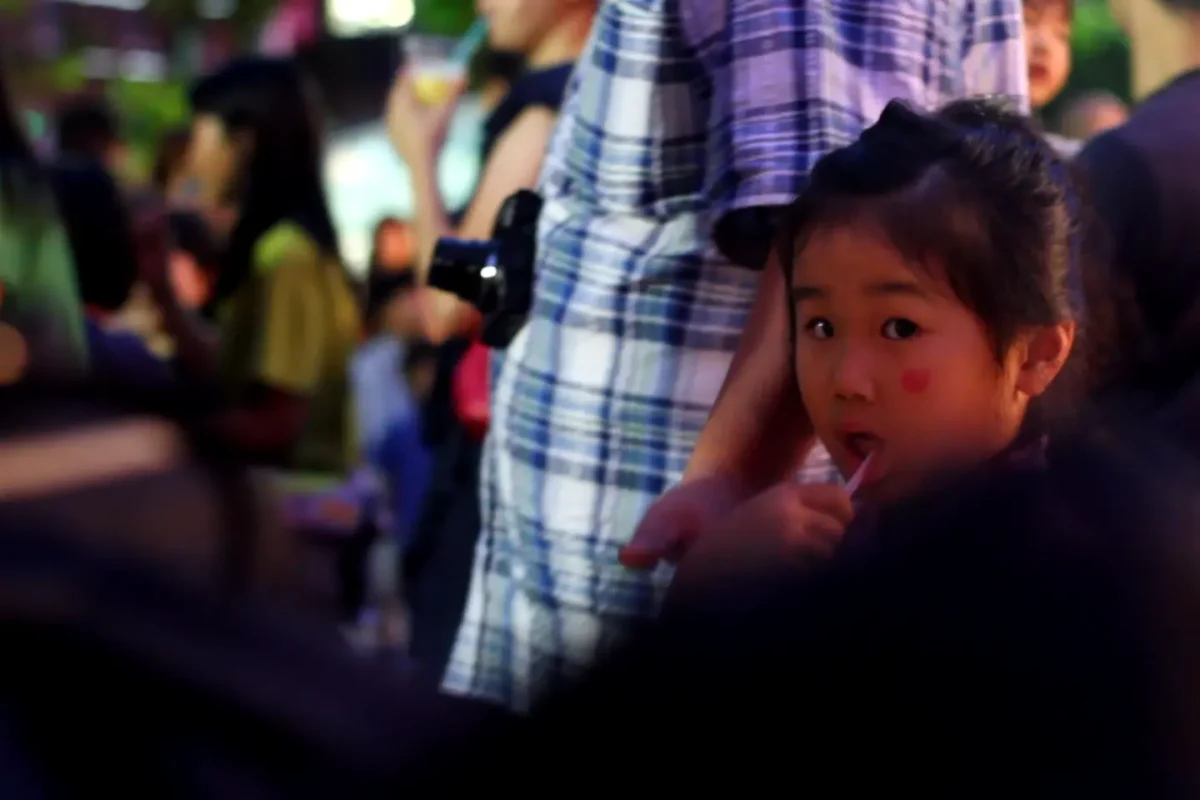
The evening atmosphere in Odori Park is lively, breezy, and thoroughly joyful. Families, groups of friends, and travelers mingle under the glow of park lights and festival lanterns against the backdrop of Sapporo’s cityscape. This energetic urban-park setting combines relaxed summer recreation with deep cultural tradition.
- Food Stalls: Temporary vendor booths offer a wide variety of delicious Japanese street food classics.
- Savory Delights: Options range from grilled skewered meats to sweet treats and local snacks.
- Refreshing Drinks: Cold beverages help keep attendees hydrated during warm summer dance sessions.
- Park Ambiance: The expansive green spaces of Odori Park provide a comfortable, open-air environment.
- Urban Integration: Set against the scenic skyline of central Sapporo, blending nature and city life.
- Social Hub: Serves as a popular gathering space for socializing before and after dancing.
Event Contact Details
- Email: info@sapporo.travel
- Phone Number: 011-281-6400
- Website: sapporo.travel
Hokkai Bon Uta & Traditional Music
The cultural soul of the festival is anchored by the Hokkai Bon Uta, a distinct regional folk song native to Hokkaido. Its traditional music features echoing vocal styling, rhythmic percussion, and melodic instrumental layers that carry across the open spaces of Odori Park. The repeated musical phrasing establishes an inviting tempo that compels both experienced dancers and curious onlookers to sync their footsteps.
A lead singer and caller positioned atop the central tower direct the musical flow, delivering traditional calls and interacting with the crowd. Musicians play supporting traditional instruments that drive the steady, hypnotic beat underlying the entire evening. This auditory backdrop connects modern participants directly to historic Hokkaido folklore and generational artistic traditions.
As the music loops, the collective voice of hundreds of dancers humming and singing along merges with the professional performance. This shared acoustic environment erases the boundary between performer and spectator, creating a unified community chorus. It stands as a powerful demonstration of how traditional soundscapes survive and thrive in a bustling modern metropolis.
- Regional Origins: Rooted deeply in the traditional folk music history and cultural heritage of Hokkaido.
- Call-and-Response: Features a lead caller on the tower who guides the rhythmic phrasing of the song.
- Hypnotic Tempo: Built around steady, repetitive musical rhythms designed for continuous circular dancing.
- Acoustic Unity: Combines live professional singers with the voices of hundreds of participating dancers.
- Instrumental Layers: Utilizes traditional drums and musical accompaniments to maintain the energetic evening pace.
Children’s Bon Odori
The evening proceedings kick off with the dedicated Children’s Bon Odori session, running from 18:00 to 19:00. This early timeframe accommodates families, allowing younger children to participate safely while guided closely by their parents and guardians. Hokkaido Bon Odori traditions specifically structure separate time blocks to ensure children enjoy an accessible environment before the adult sessions begin.
The choreography during this early hour is kept simpler and slower, making it easy for toddlers and young kids to grasp the fundamental movements. Parents dance hand-in-hand or side-by-side with their children within the circle, fostering a warm, family-oriented atmosphere. Special playful elements and prizes are sometimes integrated to keep younger participants engaged and excited.
- Dedicated Schedule: Runs every evening from 18:00 to 19:00 specifically for younger children and families.
- Parental Guidance: Parents dance directly alongside their kids to help them master the steps safely.
- Simplified Steps: Features modified, easy-to-learn choreography tailored for smaller participants.
- Family-Friendly Vibe: Establishes a warm, welcoming environment suited for toddlers and school-age children.
- Generational Tradition: Passes cultural Bon Odori knowledge down to the youngest members of the community.
Yukata, Traditional Dress & Costume Experience
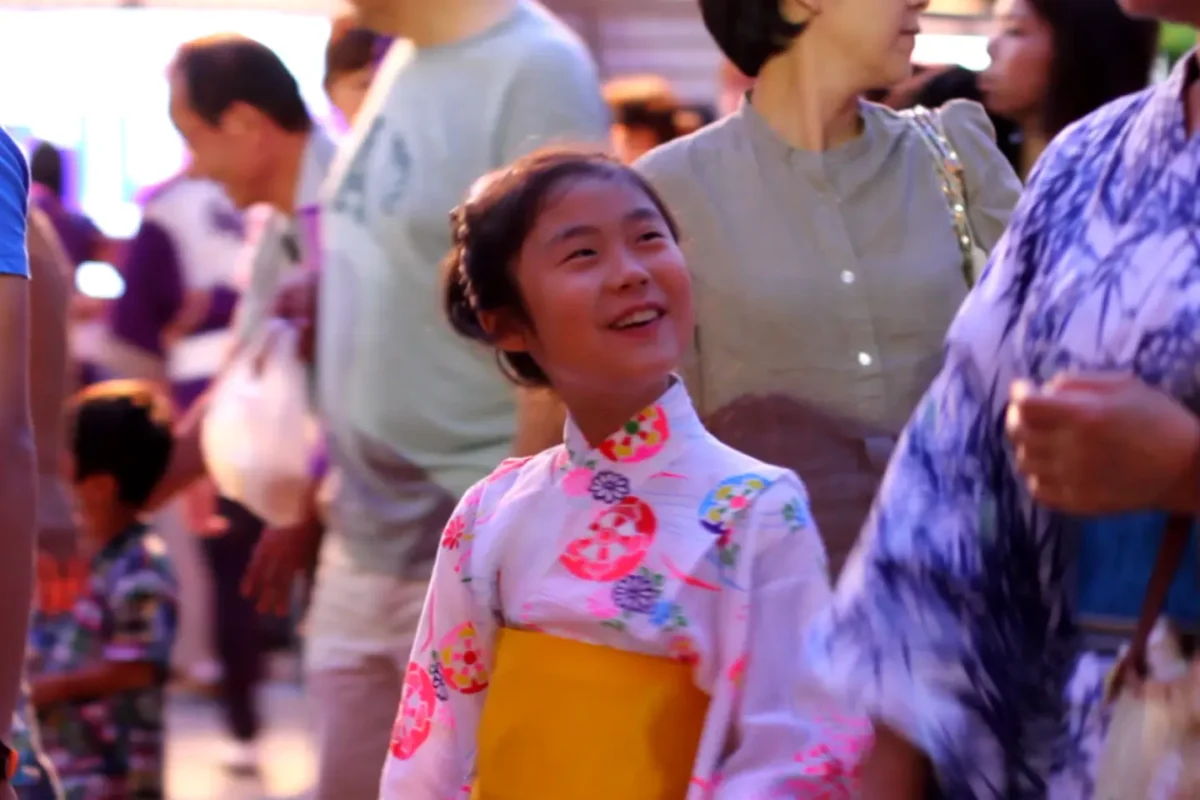
A defining visual characteristic of the Hokkai Bon Odori is the prevalence of people wearing traditional Japanese summer garments known as yukata. These lightweight cotton kimonos feature vibrant seasonal patterns, bright colors, and flowing sleeves that flutter gracefully during the dancing. Despite having multiple layers and traditional sashes, the airy fabric is surprisingly well-suited for active summer movement.
While dressing in a yukata enhances the authentic festival atmosphere, visitors are entirely welcome to participate in ordinary modern casual clothing as well. There is no strict dress code enforced for joining the dance circle, ensuring complete accessibility for travelers. Those who choose to wear traditional attire often enjoy stopping at local rental or dressing shops prior to arriving at Odori Park.
- Summer Kimonos: Participants don lightweight cotton yukata featuring colorful seasonal motifs.
- Comfortable Movement: Flowing sleeves and breathable fabric allow for easy, unhindered dancing motions.
- Casual Alternative: Modern clothing is fully accepted, making participation stress-free for international visitors.
- Visual Elegance: The sea of traditional garments adds stunning aesthetic color to the evening park setting.
- Accessory Customs: Often paired with traditional wooden geta sandals or comfortable festival footwear.
How to Join, Best Time to Dance & Visitor Tips
Stepping into the Hokkai Bon Odori is remarkably straightforward, requiring visitors only to locate an opening in the moving human line and merge into the flow. The atmosphere reaches its absolute liveliest peak between 19:30 and 20:30, when the adult circle is fully formed and energetic. Beginners should not worry about making mistakes; simply watching the waist-height motions of the person ahead makes learning effortless.
Photography is welcomed, but participants should maintain polite etiquette by avoiding flash blinding or blocking the continuous movement of dancers. Bringing comfortable shoes is strongly advised since standing and walking on park gravel can tire feet quickly. Layering light clothing helps manage evening temperature drops common in Hokkaido summer nights.
- Joining the Circle: Slip easily into any natural gap within the moving human chain without formal sign-up.
- Peak Hours: Experience the highest energy and largest crowds between 19:30 and 20:30.
- Beginner Confidence: Master the steps quickly by mimicking the simple arm and leg movements of nearby dancers.
- Photography Etiquette: Shoot discreetly without interrupting the flow or using blinding flashes close to performers.
- Comfortable Footwear: Wear supportive walking shoes if avoiding traditional wooden sandals.
- Weather Layers: Pack a light jacket or sweater to stay warm during breezy late-evening park hours.
- Respectful Attitude: Approach the cultural celebration with an open, polite, and community-minded spirit.
Video
Location
FAQ
What is the primary cultural purpose of the Hokkai Bon Odori?
The festival serves as a traditional Japanese Buddhist observance dedicated to welcoming and honoring the homecoming spirits of ancestors. Communities gather to celebrate this spiritual connection through synchronized public dancing, live drumming, and festive music.
Do visitors need prior experience to join the public dance circle?
Anyone from the general public can step into the flowing ring of dancers without needing any prior dance training. The choreography is slow and repetitive, allowing absolute beginners to learn the motions by following others.
Are participants required to wear traditional yukata clothing?
Wearing a traditional Japanese yukata is a popular and atmospheric choice, but it is entirely optional for festival attendees. Visitors are fully welcome to join the dance circles wearing ordinary modern casual clothes.
What is the difference between the early evening and late evening sessions?
The early session from 18:00 to 19:00 is specially designated for children and families with simpler dance steps. Following that, the adult session runs from 19:00 to 21:00 with larger crowds and a more energetic atmosphere.
How can travelers easily reach the festival venue in Sapporo?
The event takes place centrally at Sapporo Odori Park, which is directly accessible via the municipal subway system. Travelers can exit straight into the park grounds from Odori Station for immediate access to the festivities.

Leave a Reply