

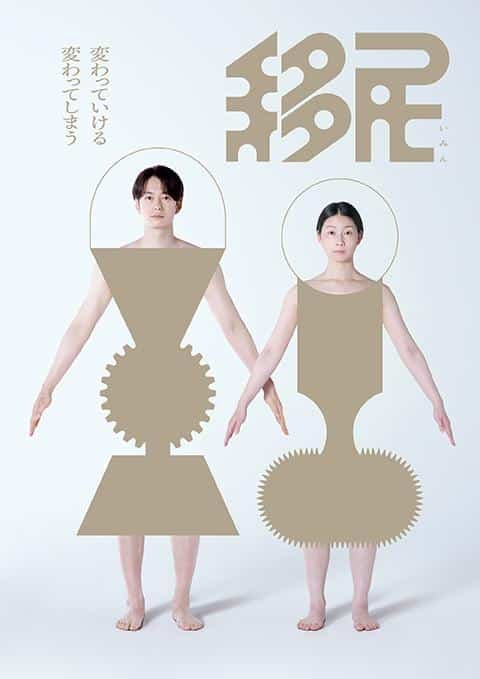
-
January 11, 2027
Event date:
-
January 31, 2027
Event end:
Story & Adaptation of One Small Step
The theatrical narrative is built upon a compelling reinterpretation of the acclaimed British production One Small Step, skillfully reborn for Japanese audiences under the title Immigrant. At its narrative core, the play explores the fragile journey of individuals navigating foreign bureaucratic systems, searching for stability far away from their homelands. The plot traces the painstaking steps required to build a life anew, highlighting the quiet resilience and hidden humiliations experienced by cross-border travelers. Through tightly wound dialogue and stark emotional revelations, the script exposes the immense psychological toll of displacement and cultural adjustment.
Adapting a foreign work for a Japanese stage requires a delicate balance of preserving universal truths while localizing the contextual pressures to match modern societal realities. The creative team successfully transitions the core themes of the original British script into an environment that speaks directly to contemporary Asian perspectives on migration. Every scene is meticulously constructed to reflect the friction between individual aspirations and rigid institutional frameworks that govern modern movement. This thoughtful translation process ensures that the emotional stakes remain razor-sharp, resonating deeply with viewers familiar with urban isolation.
The trajectory of the story moves deliberately from initial hope and cautious optimism toward complex moral dilemmas that test the characters’ core values and mutual trust. As bureaucratic hurdles mount, the psychological pressure fractures interpersonal relationships, revealing how external systemic strains erode internal human warmth. The plot avoids simplistic heroes or villains, instead portraying complex individuals caught in forces much larger than themselves. This narrative nuance transforms a political topic into a profoundly intimate human drama about dignity, survival, and belonging.
Enjoy Your Event Stress-Free with Japan Travelo
Do you know? Planning events, festivals, concerts, and cultural experiences in Japan can be overwhelming. Japan Travelo brings everything together in one place, helping you manage your itinerary, transport, and accommodation with ease—so you can enjoy Japan without the stress of planning.
- Faithful yet innovative theatrical adaptation of the celebrated British hit play One Small Step
- Exploration of bureaucratic hurdles and emotional resilience faced by cross-border migrants
- Delicate localization balancing universal migrant struggles with contemporary Japanese perspectives
- Nuanced narrative progression moving from hopeful aspirations to intense psychological pressure
- Rejection of simplistic character tropes in favor of morally complex, deeply flawed individuals
- Examination of how systemic institutional constraints gradually erode personal relationships
- Intimate focus on human dignity, vulnerability, and the universal search for belonging
- Seamless bridge connecting international theatrical excellence with modern Tokyo stage sensibilities
Event Schedule
- Event Date: January 11, 2027 (Monday/Holiday) – January 31, 2027 (Sunday)
- Event Duration: Approximately 2 hours including scene transitions and standard interval breaks
Visiting this event? Don’t miss out on these amazing activities and local experiences while you’re here.
Immigration, Identity & Human Connection
The overarching thematic pillars of immigration and identity cut to the bone of contemporary global discourse, examining what happens when a person’s homeland is left behind. Moving across international borders involves more than just a physical relocation; it requires a painful renegotiation of selfhood, language, and cultural belonging. The play interrogates how legal classifications and administrative definitions attempt to reduce rich human lives into flat paperwork and numbers. Characters must constantly prove their worth and legitimacy to indifferent systems that view them as transient variables rather than human beings.
Identity under these conditions becomes a fragile construct, constantly challenged by the expectations of the host society and the fading memories of one’s origin. The narrative explores the deep psychological fracture experienced by individuals caught between two worlds, fully accepted by neither yet tied to both. This rootlessness breeds a unique brand of urban loneliness, where basic human connections are strained by the constant exhaustion of survival. The production does not shy away from showing how cultural alienation can warp trust and breed suspicion even among close companions.
- Sociological examination of cross-border migration, legal precarity, and institutional indifference
- Exploration of the psychological fracture caused by losing cultural touchstones and familiar frameworks
- Critique of administrative systems that reduce complex human lives to flat bureaucratic paperwork
- Nuanced depiction of rootlessness and urban loneliness born from perpetual cultural displacement
- Human connection and empathy serving as vital lifelines against systemic coldness and hostility
- Interrogation of privilege, citizenship assumptions, and the hidden labor of global movement
- Universal relevance addressing the core anxieties of living in an increasingly border-conscious world
- Celebration of resilient interpersonal bonds formed across vast cultural and linguistic divides
Ticket Prices
- How Tickets Are Sold: Available via authorized Japanese ticket agencies, official online reservation platforms, and designated box office channels
- Admission Type: Reserved seating entry requiring a legally compliant digital pass or physical ticket for admission
- Ticket Pricing: Ranges from a minimum of $55.00 to a maximum of $98.00 depending on seat selection and specific tier availability
- Special Seating Options: Designated main floor and tiered gallery reserved seating sections providing focused views toward the stage
- VIP Options: Premium admission bundles featuring exclusive theatrical program pamphlets and priority venue entry privileges
UK Original Production & Japanese Reinterpretation
The journey of this project from its British origins to the Tokyo stage represents an inspiring cross-cultural artistic exchange of contemporary dramatic literature. The UK original, praised for its sharp social commentary and economical storytelling, provided a sturdy foundation rich with universal thematic potential. Japanese playwright and director Takuya Kato took this British blueprint and filtered it through a distinct domestic cultural lens, reimagining its nuances. This transcultural dialogue highlights how localized storytelling can address global issues with renewed clarity and regional resonance.
Reinterpreting a foreign script involves more than simple translation; it demands an acute understanding of how cultural subtext shifts across different societies. While immigration issues in the UK carry specific historical and post-colonial contexts, Japan faces its own unique demographic transitions and labor importation realities. Kato successfully bridges these disparate worlds, adapting the dramatic conflicts so they strike an immediate, authentic chord with Japanese theatergoers. This thoughtful restructuring ensures the core message of the original work is amplified rather than diluted by the cultural transition.
The visual and spatial aesthetics of the Tokyo production also reflect a careful reinterpretation tailored to the intimate architecture of Theatre East. Set design, lighting cues, and acoustic layering work in tandem to evoke the claustrophobia of modern institutional spaces in an urban Japanese setting. This attention to environmental detail grounds the universal themes of displacement within a recognizable Tokyo reality, enhancing the audience’s immersion. It is a masterclass in how international theatrical properties can be localized without losing their intrinsic artistic integrity.
- International artistic exchange bridging British contemporary drama with Japanese stagecraft
- Thoughtful adaptation of foreign source material to reflect domestic Japanese labor and migration realities
- Transcultural dialogue highlighting universal social issues through a localized cultural lens
- Meticulous restructuring of narrative subtext to ensure immediate authenticity for Tokyo audiences
- Custom environmental and spatial design tailored to the intimate acoustics of Theatre East
- Proof of concept for successful global theatrical collaborations within modern performing arts
- Preservation of original thematic integrity paired with innovative local directorial choices
Getting to the Venue
- City and Country: Tokyo, Japan
- Venue Name: Tokyo Metropolitan Theatre, Theatre East
- Google Maps Address: 1 Chome-8-1 Nishiikebukuro, Toshima City, Tokyo 171-0021, Japan
Masaki Okada & Shiori Doi
The stellar on-stage partnership between celebrated actors Masaki Okada and Shiori Doi forms the beating emotional heart of this powerful dramatic production. Masaki Okada brings an intense, magnetic presence to the stage, utilizing subtle physical restraint and precise vocal delivery to convey profound internal conflict. His ability to project quiet desperation and intellectual resilience makes his character’s arduous journey utterly convincing and emotionally gripping. Opposite him, Shiori Doi offers remarkable versatility and razor-sharp emotional intelligence, injecting her roles with fierce vulnerability and acute psychological depth.
The interplay between Okada and Doi generates a constant current of dramatic tension that animates every conversation and silent standoff within the narrative. Their contrasting yet complementary performance styles allow the complex power dynamics of the script to unfold with breathtaking naturalism. Through years of accomplished stage and screen experience, both actors master the delicate art of listening, making their exchanges feel entirely spontaneous and urgent. They navigate the shifting emotional landscape of the play with a level of maturity that elevates the production into an unforgettable masterclass in modern acting.
The physical choreography of their performances is equally striking, utilizing minimal stage movement to communicate vast distances of emotional and cultural alienation. Small gestures—a hesitant glance, a stiffened posture, an averted gaze—carry immense narrative weight under their seasoned guidance. This economy of expression allows audiences to tune into the unspoken fears and hidden longings of characters who cannot afford to speak freely. The palpable chemistry between Okada and Doi ensures that viewers remain deeply invested in the personal outcome of their struggles.
Witnessing two of Japan’s most formidable contemporary performers share the stage creates a landmark moment in the current theatrical calendar. Their commitment to exploring uncomfortable, politically charged material with absolute empathy highlights their dedication to socially relevant storytelling. Fans of both actors will find their respective talents utilized to the absolute maximum dramatic potential, resulting in performances that linger long after the lights fade. It is an artistic summit that showcases the pinnacle of modern Japanese dramatic arts.
- Landmark co-starring collaboration between acclaimed actors Masaki Okada and Shiori Doi
- Masaki Okada’s intense psychological realism and powerful physical stage economy
- Shiori Doi’s intellectual versatility, emotional vulnerability, and razor-sharp dramatic timing
- Dynamic contrasting performance styles that generate continuous, crackling theatrical tension
- Masterful command of subtle micro-expressions and unspoken communication during intense scenes
- Intuitive ensemble chemistry that brings complex interpersonal relationships to vivid life
- Absolute dedication to portraying socially relevant, emotionally demanding narrative material
- Exceptional critical acclaim cementing the duo’s status as titans of contemporary Japanese theater
Takuya Kato’s Direction & Dramatic Style
- Uncompromising theatrical vision focusing on the uncomfortable realities of modern human bureaucracy and isolation
- Meticulously crafted naturalistic dialogue that mirrors the rhythms, hesitations, and awkwardness of real speech
- Rejection of theatrical artifice in favor of raw, unvarnished emotional confrontations and psychological realism
- Precise spatial blocking that underscores the institutional power imbalances and emotional distance between characters
- Directional emphasis on silence and pauses as powerful narrative tools alongside spokenistic dialogue
- Demanding rehearsal approach encouraging actors to strip away protective social facades and emotional armor
- Creation of austere, hyper-realistic environments that trap characters in claustrophobic social stalemates
- Masterful pacing that gradually builds atmospheric tension without relying on melodramatic plot gimmicks
Contemporary Society, Cultural Differences & Audience Reflection
- Direct engagement with modern societal anxieties surrounding globalization, labor, and demographic change
- Examination of subtle cultural friction and unconscious biases operating within everyday urban encounters
- Encouragement of deep audience self-reflection regarding personal privilege and social responsibility
- Highlighting the invisible structural barriers that segregate communities within modern metropolises
- Critique of media narratives that dehumanize migrants by reducing them to faceless statistics
- Creation of a shared emotional space for collective contemplation on the ethics of hospitality
- Awakening of civic empathy through powerful, unadorned theatrical storytelling
- Permanent addition to the cultural discourse on how Tokyo navigates an increasingly multicultural future
Event Information
- Email: support@japanconcerttickets.com
- Phone Number: +81 3-5391-2111
- Website: https://t.pia.jp/pia/event/event.do?eventBundleCd=b2670033
Location
FAQ
What is the primary narrative focus of the production?
The play explores the complex psychological and bureaucratic struggles of individuals migrating across international borders. It examines themes of identity, rootlessness, and the fragile nature of belonging in an unfamiliar society. Through intimate character interactions, it highlights the human cost of administrative indifference and global displacement.
How does this version differ from the British original?
While retaining the core universal themes of the acclaimed UK production, this staging is deeply localized by Takuya Kato. The adaptation recontextualizes the narrative conflicts to resonate directly with contemporary Japanese societal realities and urban perspectives. This thoughtful translation ensures the emotional stakes feel immediate and authentic to local audiences.
Who are the leading creative forces behind the project?
The production is written and directed by acclaimed playwright Takuya Kato, known for his piercing psychological dramas. It stars prominent actors Masaki Okada and Shiori Doi, supported by voice acting contributions from Ryutaro Akimoto. Together, these artists bring exceptional technical mastery and profound emotional depth to the Tokyo stage.
What is the significance of staging the show at Theatre East?
Theatre East provides an intimate, adaptable black-box environment that enhances the claustrophobic and intense tone of the drama. Its layout allows audiences to sit in close physical proximity to the performers, maximizing emotional impact. This venue choice supports the director's minimalist aesthetic and focus on raw, unvarnished human interaction.
What precautions apply to ticket purchases for this run?
Tickets are legally classified as specified entertainment admission tickets subject to strict anti-resale legislation. Unauthorized commercial resale or transferring tickets for a profit without organizer consent is strictly prohibited by law. Additionally, children under school age are not permitted inside the auditorium to maintain viewing focus.
How does the production encourage audience reflection?
By stripping away melodramatic artifice, the play confronts viewers with uncomfortable truths about modern societal privilege and exclusion. It challenges attendees to examine their own unconscious biases toward outsiders navigating foreign administrative systems. Ultimately, it fosters civic empathy by humanizing the daily trials of global migration.

Leave a Reply