
-
October 8, 2026
Event date:
-
October 27, 2026
Event end:
Story, Themes & Contemporary Relationships
The theatrical narrative of this production delves unflinchingly into the intricate psychological landscape of modern adults navigating the complexities of contemporary life. Instead of offering easy nostalgia or comforting platures about bygone eras, the play confronts the awkward, often uncomfortable truths of human existence today. Characters grapple with professional stagnation, romantic disillusionment, and the quiet desperation that settles in when youthful ideals collide with harsh societal realities. The writing avoids black-and-white moralizing, presenting flawed individuals whose choices reflect the messy compromises required to survive in an unpredictable world.
Central to the thematic framework is an exploration of how modern communication technologies and shifting social values alter the nature of personal intimacy. Relationships are tested not by grand dramatic betrayals, but by the accumulation of unspoken resentments, minor misunderstandings, and emotional fatigue. The dialogue strips away social facades, exposing the hidden vulnerabilities and protective mechanisms that people use to shield themselves from rejection. Through these layered interactions, the play paints a vivid portrait of urban isolation and the deep-seated human hunger for authentic connection.
The structural pacing allows these heavy psychological themes to unfold naturally through unhurried conversations and tense behavioral showdowns among the ensemble cast. Every scene serves to peel back another layer of social pretense, revealing the raw emotional undercurrents that dictate how people treat one another. Audiences find themselves drawn into an intimate voyeuristic experience, observing domestic and social dynamics that feel uncomfortably close to their own lived realities. This unflinching realism ensures that the story resonates long after the final curtain falls, prompting deep introspection about personal choices.
Enjoy Your Event Stress-Free with Japan Travelo
Do you know? Planning events, festivals, concerts, and cultural experiences in Japan can be overwhelming. Japan Travelo brings everything together in one place, helping you manage your itinerary, transport, and accommodation with ease—so you can enjoy Japan without the stress of planning.
The overarching resonance of the narrative lies in its refusal to offer neat resolutions, mirroring the ambiguous nature of modern life itself. By shining a harsh yet compassionate light on the compromises ordinary people make, the production validates the quiet struggles of everyday adulthood. It is a work that challenges viewers to examine their own relationships, societal expectations, and the truths they hide from themselves. As the characters stumble toward imperfect understandings, the play delivers a profound meditation on resilience, empathy, and the ongoing quest for personal meaning.
- Unflinching exploration of modern adult psychological distress and urban isolation
- Deconstruction of contemporary relationship dynamics strained by social expectations and fatigue
- Rejection of nostalgic tropes in favor of raw, contemporary behavioral realism
- Nuanced portrayal of flawed individuals making compromises to navigate everyday life
- Examination of how unspoken resentments and emotional exhaustion erode personal intimacy
- Pacing that prioritizes unhurried, dialogue-driven psychological tension over rapid plot mechanics
- Avoidance of tidy narrative resolutions, mirroring the genuine ambiguities of modern existence
- Focus on the deep human need for authentic connection amidst widespread societal alienation
Event Schedule
- Event Date: October 8, 2026 (Thu) – October 27, 2026 (Tue)
- Event Duration: Approximately 2 hours and 15 minutes including intermission sets and scene changes
Visiting this event? Don’t miss out on these amazing activities and local experiences while you’re here.
Go Morita, Anne Suzuki & Kazunobu Mineta
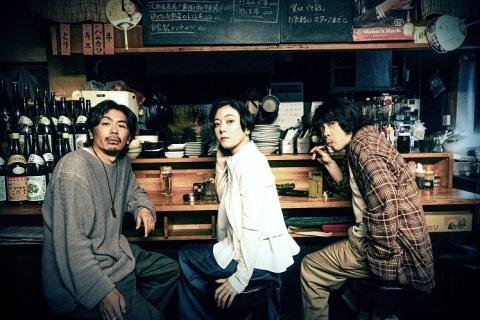
The unprecedented co-starring lineup of Go Morita, Anne Suzuki, and Kazunobu Mineta brings together three distinct artistic forces from the worlds of acting and music. Go Morita commands the stage with a magnetic, intense presence, utilizing sharp physical economy and profound emotional depth to anchor his complex characters. His ability to convey internal turmoil through subtle micro-expressions and restrained posture gives his performances an arresting psychological realism. Alongside him, Anne Suzuki brings remarkable versatility and intellectual rigor, injecting her roles with fierce intelligence, vulnerability, and razor-sharp timing.
Kazunobu Mineta, celebrated widely as the frontman of Going Steady and Ging Nang Boyz, adds a raw, kinetic energy and unpolished authenticity to the ensemble. His transition into dramatic acting is marked by an innate emotional accessibility and a willingness to embrace awkward, raw human impulses on stage. The contrasting performance styles of these three artists create a volatile yet harmonious dynamic that keeps the dramatic tension crackling throughout the performance. Each actor brings a distinct texture to the stage, representing different facets of modern Japanese cultural identity and artistic expression.
- Historic first-time theatrical co-starring collaboration among Go Morita, Anne Suzuki, and Kazunobu Mineta
- Go Morita’s intense psychological realism and powerful physical stage economy
- Anne Suzuki’s intellectual versatility, emotional vulnerability, and razor-sharp timing
- Kazunobu Mineta’s raw, unpolished energy and innate emotional accessibility as a performer
- Dynamic contrasting performance styles that generate continuous, crackling dramatic tension
- Intuitive ensemble chemistry developed through rigorous collaborative rehearsal processes
- Equalized stage distribution preventing any single actor from overshadowing the narrative
- Cultural bridge uniting contemporary theater enthusiasts and alternative music fans
Ticket Prices
- How Tickets Are Sold: Available through authorized Japanese ticket agencies, online lottery systems, and official promoter box offices
- Admission Type: Reserved seating entry requiring a valid physical or digital ticket for admission to the hall
- Ticket Pricing: Ranges from a minimum of $62.00 to a maximum of $105.00 depending on seat tier selection within the theater
- Special Seating Options: Designated main floor and tiered balcony reserved seating zones providing optimal sightlines across the stage
- VIP Options: Standard reserved ticket packages paired with exclusive commemorative tour program books and priority entry lanes
Izakaya Setting, Human Emotions & Audience Experience
The primary atmospheric anchor of the production is the iconic izakaya setting, a ubiquitous Japanese social hub that traditionally fosters relaxation and open conversation. Within this familiar environment of clinking glasses and ambient tavern noise, characters shed their daytime professionalism and reveal their rawest vulnerabilities. The casual architecture of the drinking establishment acts as a pressure cooker, where alcohol lowers inhibitions and long-simmering grievances finally boil over into confrontation. It is a brilliant spatial choice that grounds high-concept psychological drama in an everyday, recognizable cultural ritual.
The emotional trajectory experienced by the audience mirrors the shifting dynamics of a long evening spent drinking and talking among flawed acquaintances. The play moves fluidly from breezy, mundane banter about trivial matters into heavy, soul-baring confessions that catch both characters and viewers off guard. This gradual accumulation of emotional weight creates an immersive theatrical environment where spectators feel less like passive observers and more like uncomfortable witnesses. The boundary between the fictional tavern and the physical auditorium dissolves, pulling everyone present into the inescapable gravity of human need and failure.
The sensory details woven into the direction—ranging from the cadence of slurred speech to the restless shifting of bodies in cramped booths—enhance the hyper-realistic tone. Spectators absorb the psychological exhaustion and desperate humor of the characters, creating a deeply empathetic and occasionally distressing viewing experience. There is a cathartic power in watching people publicly unravel and reconstruct their emotional boundaries within the safe confines of a theater. Attendees exit the hall not with easy answers, but with a heightened awareness of the messy, beautiful complexity of human interaction.
Getting to the Venue
- City and Country: Tokyo, Japan
- Venue Name: Kinokuniya Hall
- Google Maps Address: Japan, 〒160-0022 Tokyo, Shinjuku City, Shinjuku, 3 Chome−17−7 紀伊國屋書店新宿本店 4F
Daisuke Miura’s Direction & Dialogue-Driven Drama
- Uncompromising theatrical vision focusing on the uncomfortable realities of modern human behavior
- Meticulously crafted naturalistic dialogue that mirrors the rhythms and awkwardness of real speech
- Rejection of theatrical artifice in favor of raw, unvarnished emotional confrontations
- Precise spatial blocking that underscores the psychological distance and power struggles between characters
- Directional emphasis on silence and pauses as powerful narrative tools alongside spoken words
- Demanding rehearsal approach encouraging actors to strip away protective social facades
- Creation of claustrophobic, hyper-realistic environments that trap characters in emotional stalemates
- Masterful pacing that gradually builds atmospheric tension without relying on melodramatic plot twists
Reiwa-Era Adults, Social Values & Generational Conflict
The cultural backdrop of the Reiwa era provides a poignant framing device for the play, capturing a society grappling with rapid technological changes and economic uncertainty. Adults coming of age in this contemporary climate face pressures distinct from previous generations, caught between traditional expectations and fluid modern realities. The narrative examines how shifting social values regarding career, family, and personal identity manifest in daily domestic and professional interactions. Characters navigate a world where traditional milestones no longer guarantee stability, leading to widespread existential drift and quiet disillusionment.
Generational friction pulses beneath the surface of the dialogue, highlighting the widening communication gap between older societal norms and younger pragmatic adaptations. Older characters struggle to maintain authority in a landscape where traditional markers of success have lost their cultural currency and meaning. Younger perspectives challenge rigid hierarchies, introducing fluid definitions of community, labor, and personal fulfillment that confound traditionalists. The play does not pick sides in this generational divide, choosing instead to expose the blind spots and vulnerabilities inherent in all human perspectives.
- Sociological examination of Reiwa-era adult life amidst economic uncertainty and technological change
- Exploration of existential drift resulting from the obsolescence of traditional life milestones
- Nuanced depiction of generational friction between rigid historical norms and fluid modern adaptations
- Analysis of how hyper-connectivity paradoxically breeds profound personal isolation and urban loneliness
- Critique of economic precarity and its corrosive impact on romance, friendship, and trust
- Domestic and social spaces serving as temporary sanctuaries from professional performance pressure
- Acute observation of macro-level societal shifts reflecting on individual mental health and identity
- Universal relevance addressing the anxieties of navigating modern existence across global cultures
Event Information
- Email: support@japanconcerttickets.com
- Phone Number: +81 3-3354-0141
- Website: https://t.pia.jp/pia/event/event.do?eventBundleCd=b2670567
Location
FAQ
Are cameras and recording equipment allowed inside the hall?
Professional photography equipment, video recording devices, and external audio recording gear are strictly prohibited throughout the auditorium. Casual photography using smartphones is forbidden to protect copyright laws and prevent distractions during the dramatic performances. Venue ushers strictly enforce media policies, and violators may be asked to delete files or leave the premises immediately.
What are the specific bag size regulations for entry?
Large suitcases, oversized backpacks, and bulky travel containers are not permitted inside the theater seating areas due to safety regulations. Compact handbags, small purses, and minimalist personal items that fit comfortably under your seat are allowed after security screening. Attendees traveling with heavy luggage should utilize nearby station coin lockers prior to arriving at the venue gates.
Is re-entry permitted once a ticket has been scanned?
Once your ticket has been successfully validated and scanned at the entrance gates, exiting and subsequently re-entering the building is strictly forbidden. Please ensure you have all necessary personal items, medications, and purchased merchandise secured before passing final security. Emergency medical exceptions are handled individually on a case-by-case basis by on-site venue management staff.
Are food and beverages available for purchase inside the venue?
A selection of light snacks and beverages is available at designated lobby concession counters before the show and during intermission breaks. Consuming outside food or beverages brought from external establishments is strictly prohibited within the main auditorium seating zones. All refreshments must be consumed or disposed of before re-entering the performance hall after intermission.
What merchandise items will be stocked at the tour booths?
Official tour commemorative programs, exclusive theatrical scripts, and branded memorabilia will be stocked at venue merchandise tables. Both cash and major electronic payment methods are accepted at the sales counters for audience convenience and speed. Popular items tend to sell out quickly during opening weeks, so arriving early prior to doors opening is recommended.
What public transportation options service Kinokuniya Hall?
Kinokuniya Hall is centrally located within the Shinjuku district, offering direct access via Shinjuku Station and JR railway networks. Multiple subway lines and regional bus terminals service the surrounding area, making post-concert transit straightforward for attendees. Planning your return route ahead of time is recommended to manage heavy evening commuter traffic around Shinjuku.

Leave a Reply