
-
January 10, 2027
Event date:
-
January 24, 2027
Event end:
Overview
The January Grand Sumo Tournament, known as the Hatsu Basho, represents the exhilarating commencement of the professional sumo calendar. As the first of six annual grand tournaments, this event in Tokyo sets the competitive trajectory for the entire year, drawing the most accomplished rikishi to the prestigious Ryogoku Kokugikan. The atmosphere is charged with anticipation, as wrestlers aim to prove their prowess early in the season, making every match a crucial battle for rank and reputation within the rigid professional hierarchy.
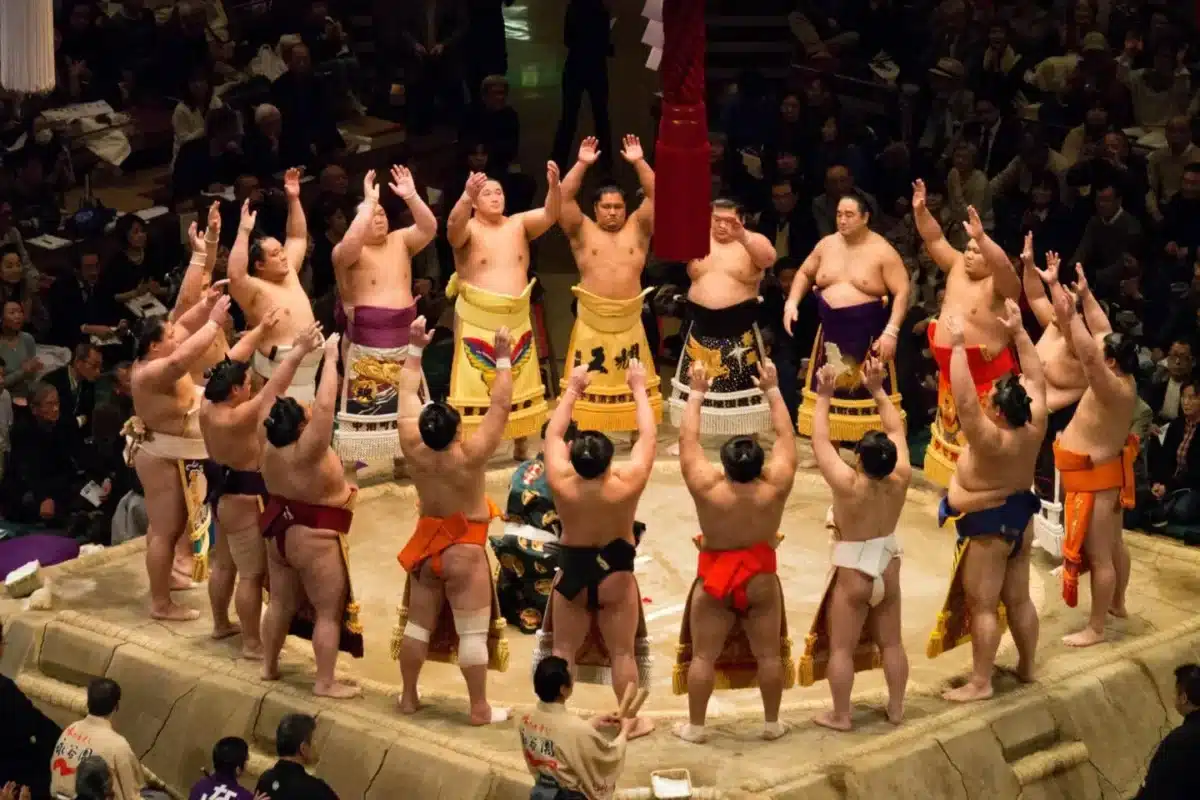
Stepping into the Ryogoku Kokugikan during the Hatsu Basho is an immersion into a world where ancient ritual and intense physical prowess converge seamlessly. The arena resonates with the rhythmic, thunderous impact of wrestlers charging from the starting lines, a testament to the immense power required in the sport. From the ceremonial ring-entering displays that showcase the grandeur of the top-division wrestlers to the solemn, purifying acts of salt-throwing, the tournament offers a visceral connection to centuries of Japanese heritage.
Beyond the competitive fervor, the tournament serves as a cultural beacon that unites spectators under a shared appreciation for discipline, respect, and tradition. Whether you are observing the intricate technique of a well-executed throw or the quiet intensity of the pre-bout focus, the experience is deeply moving. For both domestic enthusiasts and international visitors, the January tournament is not merely a sporting competition, but a living, breathing celebration of Japan’s most iconic national treasure.
Enjoy Your Event Stress-Free with Japan Travelo
Do you know? Planning events, festivals, concerts, and cultural experiences in Japan can be overwhelming. Japan Travelo brings everything together in one place, helping you manage your itinerary, transport, and accommodation with ease—so you can enjoy Japan without the stress of planning.
Event Highlights
- Witness the elite makuuchi division wrestlers engage in high-stakes bouts at the historic Ryogoku Kokugikan arena.
- Experience the profound cultural depth of traditional Shinto-influenced rituals, including the ceremonial ring-clearing displays and sacred salt-throwing.
- Observe the grand entrance of the top-ranked rikishi, adorned in their colorful and intricate silk keshō-mawashi aprons.
- Feel the palpable energy of a knowledgeable and passionate crowd in the heart of Tokyo, the epicenter of professional sumo.
Why Attend
This tournament is an essential experience for those seeking to understand the soul of Japanese martial traditions. It is perfectly suited for cultural explorers and sports enthusiasts who appreciate the intersection of extreme athletic discipline and refined, centuries-old performance. Attending provides the unique benefit of witnessing the season opener, where the stakes are elevated and every wrestler competes with renewed determination to secure their standing.
The tournament also offers an incomparable social atmosphere. Being part of the audience at the Ryogoku Kokugikan allows visitors to participate in a shared reverence for the sport, observing the nuanced etiquette that governs the interaction between the wrestlers and the audience. It is a rare chance to engage with a spectacle that feels timeless, providing a profound sense of perspective that lingers long after the final match of the day.
Date & Duration
- Event Date: January 10, 2027 – January 24, 2027
- Event Duration: 15 consecutive days of intense competition
Visiting this event? Don’t miss out on these amazing activities and local experiences while you’re here.
Ticket Information
- How Tickets Are Sold: Tickets are released through authorized online platforms and designated convenience store kiosks across Japan.
- Admission Type: Spectators can choose between elevated arena seats, providing a full view of the venue, or traditional floor-level box seating for a more intimate perspective.
- Ticket Pricing: Costs vary based on the seat category and proximity to the ring, generally spanning from 25 USD for entry-level seats to over 300 USD for premier ringside locations.
- Special Seating Options: Traditional masu-seki box seats offer a cultural experience, allowing small groups to sit on floor cushions within a wooden partition.
- VIP Options: Enhanced VIP packages frequently include access to restricted viewing areas, commemorative merchandise, and prime sightlines near the dohyo.
Venue / Location
- City and Country: Tokyo, Japan
- Venue Name: Ryogoku Kokugikan
- Google Maps Address: 1 Chome-3-28 Yokoami, Sumida City, Tokyo 130-0015, Japan
Contact Information
- Official Website: https://www.sumo.or.j
Accommodation Options:
The Ryogoku district is rich with lodging options that range from historic ryokan inns to contemporary high-rise hotels. Staying in this neighborhood offers the distinct advantage of being within a short, scenic walk to the arena, allowing for a relaxed pace throughout the tournament.
Choosing a hotel near the Sumida River or the nearby transit hubs provides travelers with an excellent base to explore Tokyo’s multifaceted charms. The convenience of staying in this area ensures that attendees can seamlessly transition from the excitement of the matches to the quiet comfort of their accommodation.
Getting There
- Nearest Airport: Narita International Airport and Haneda International Airport provide major entry points, with Haneda being the closer of the two.
- Nearest Train/Metro Station: Ryogoku Station is the primary transit point, served by the JR Sobu Line and the Toei Oedo Line.
- Bus Routes or Public Transport Options: Tokyo’s extensive city bus network and subway systems offer frequent, reliable connections to the Ryogoku area.
- Parking Availability: While limited public parking may be found in the district, the use of Tokyo’s world-class public transport network is highly advised.
- Directions by Car: Navigate using major urban expressways toward the Sumida district, following signs for the Ryogoku/Kokugikan area.
Dining Recommendations
Breakfast Recommendations:
- Hearty Japanese set breakfasts served in local Ryogoku cafes, featuring grilled salmon, miso soup, and perfectly steamed rice.
- Modern patisseries and bakeries near the station offering high-quality coffee and freshly baked pastries to start your morning.
- Traditional hotel buffet spreads that blend seasonal local ingredients with international staples for a comprehensive start to your day.
Lunch Recommendations:
- Chanko-nabe, the legendary protein-rich hot pot stew synonymous with the sumo lifestyle, served in local restaurants near the arena.
- Savory katsu-don, a comforting bowl of breaded pork cutlet served over rice, available at numerous traditional dining spots.
- Elegant bento boxes from local markets that provide a convenient and authentic meal experience to enjoy on the go.
Dinner Recommendations:
- Exquisite tempura and sushi restaurants in the surrounding neighborhoods that showcase the finest seasonal seafood.
- Contemporary izakaya pubs that serve a wide array of grilled meats and small plates, perfect for reflecting on the day’s matches.
- Ramen shops specializing in rich, flavorful broths that provide a satisfying conclusion to your evening in Tokyo.
Local Specialties to Try:
- Chanko-nabe, the authentic, nutrient-dense hot pot dish essential to the daily diet of every professional sumo wrestler.
- Edomae-style sushi, which pays homage to Tokyo’s historical roots with fresh, expertly prepared ingredients.
- Traditional wagashi sweets that balance delicate flavors with beautiful, seasonal artistry, perfect as a post-tournament snack.
What is this event?
The January Grand Sumo Tournament is the premier event of the year, signaling the start of the professional competitive season. Over fifteen days, top-ranked rikishi display their strength and technique in a series of highly disciplined matches.
It serves as an essential venue for wrestlers to demonstrate their progress and compete for higher rankings. The event is a deep reflection of Japan’s national spirit, combining intense physical sport with revered historical customs.
Why is it popular?
The tournament is widely popular for its unique ability to bring ancient cultural traditions into a modern sporting context. Fans from around the globe are captivated by the raw athleticism and the dramatic, ritualized presentation of every match.
It offers an immersive, atmospheric experience that is unlike any other event in the sporting world. The deep respect for history combined with the unpredictable outcome of each bout keeps spectators engaged from the first day to the final ceremony.
Tips before you go
- Purchase tickets well in advance through authorized vendors to ensure your spot, as sessions can sell out quickly.
- Plan to arrive at least one or two hours before the top-division matches to enjoy the earlier bouts and the vibrant arena energy.
- Familiarize yourself with the basic rules of sumo, such as the various winning techniques, to deepen your appreciation of the action.
- Opt for comfortable clothing and footwear, as sitting in traditional box seats can be a different experience from typical stadium seating.
- Check the official tournament website for daily updates and any potential changes to the match schedule.
Tips for First-Time Visitors
- Approach the matches with a respectful attitude, as the ring and the wrestlers are held in high regard throughout the ceremony.
- Take time to walk around the Ryogoku district before or after the tournament to visit museums and historical sites related to the sport.
- If seated in the traditional boxes, be prepared to sit on floor cushions and keep your personal belongings organized to respect the space of others.
- Utilize the available English-language information pamphlets or audio guides if provided, as they offer excellent context for the rituals being performed.
- Be mindful of photography rules; always ensure that your camera usage does not disrupt the concentration of the wrestlers or the view of those seated around you.
- Engage with the local atmosphere by trying the famous Chanko-nabe, which offers a direct culinary connection to the life of a professional sumo wrestler.
Attendee Experiences
- The experience of hearing the wrestlers’ feet hit the clay and feeling the energy in the arena is absolutely unmatched.
- I was blown away by the mix of ancient tradition and pure strength; it felt like stepping into a different era of Japan.
- A fantastic day out in Tokyo that perfectly highlights the dedication and discipline behind this beautiful national sport.
Video
Location
FAQ
What determines the winner of a sumo match?
A wrestler is declared the winner if they force their opponent to step outside the straw boundary of the ring or if any part of the opponent's body touches the ground inside the ring. This simple yet demanding rule leads to explosive and quick-paced encounters.
Is it difficult to follow the rules of the tournament?
The core rules are straightforward to grasp, making it accessible for any newcomer to enjoy the spectacle and the tension of the matches. Most spectators quickly learn to identify the key techniques, and the excitement of the crowd helps guide the emotional flow of the tournament.
What is the significance of the salt-throwing ritual?
The salt-throwing ritual is a purification ceremony performed by wrestlers before each bout to bless the ring and protect against injuries. It is a deeply symbolic act that underscores the spiritual and traditional importance of the dohyo in the sport of sumo.
Are there different divisions in the sumo tournament?
Yes, the tournament features multiple divisions, with makuuchi being the highest and most famous tier that includes all the top-ranked wrestlers. Watching the progression from lower divisions to the top tier provides a full appreciation of the athletes' journey and development.
Can I leave and re-enter the arena during the day?
General admission and ticket policies typically allow for movement within the arena, but it is important to confirm re-entry rules at the information desk upon your arrival. The arena features various facilities, including food stalls and souvenir shops, to keep you comfortable throughout the day's events.

Leave a Reply