


-
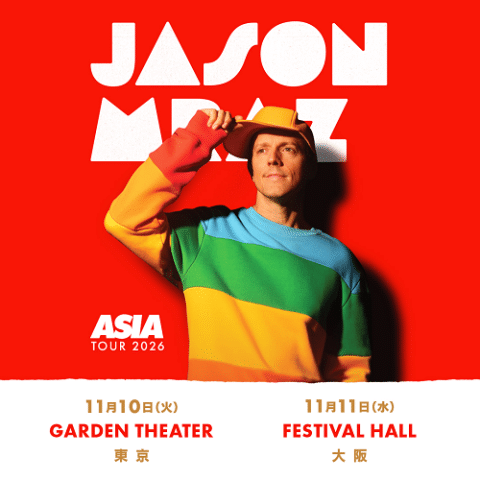
November 10, 2026
Event date:
-
November 11, 2026
Event end:
Jason Mraz Live Performance & Musical Highlights
Jason Mraz takes to the stage with an unmatched level of organic charm, captivating audiences through his virtuosic guitar playing and soaring, soulful vocal delivery. Every performance is crafted as a dynamic journey through his extensive catalog, seamlessly blending introspective ballads with high-energy rhythm tracks that compel entire crowds to dance. His stage presence radiates pure warmth and sincerity, allowing him to connect intimately with fans even within large-scale arena environments. Backed by world-class instrumentalists, his live arrangements breathe vibrant new life into studio recordings, incorporating extended improvisations and gorgeous vocal harmonies that showcase supreme musicianship.
The concert atmosphere balances moments of quiet, breathtaking intimacy with massive, communal celebrations of life and love. Mraz effortlessly transitions between playing acoustic guitar anthems solo under a spotlight and leading a full band through intricate funk and reggae grooves. The setlist is meticulously paced to build emotional momentum, taking concertgoers on a ride from contemplative reflection to unbridled euphoria by the final encore. Visual production elements complement the auditory experience tastefully, utilizing warm lighting designs and minimalist stage aesthetics that keep the focus squarely on the musical performance.
- Exceptional acoustic guitar arrangements featuring intricate fingerpicking styles
- Soulful vocal improvisations that elevate familiar studio melodies
- Dynamic transitions between full-band grooves and stripped-down solo moments
- Extended instrumental solos showcasing world-class touring musicians
- Warm, organic stage lighting designed to foster intimate emotional connections
- Engaging storytelling segments that provide context for beloved compositions
- Impeccable sound engineering delivering crystal-clear audio balance throughout the hall
- Harmonious backing vocals that enrich the overall texture of live performances
- Upbeat rhythmic pacing designed to keep audiences energized and moving
Event Schedule
- Event Date: November 10, 2026 (Tue) – November 11, 2026 (Wed)
- Event Duration: Approximately 2.5 hours per performance including intermission and encore sets
Visiting this event? Don’t miss out on these amazing activities and local experiences while you’re here.
Iconic Songs & Fan Favorites
The setlist for the Japan tour promises a magnificent journey through the defining anthems of Jason Mraz’s career, satisfying longtime devotees and newer listeners alike. Tracks that dominated global airwaves and defined generations of pop music receive loving, revitalized live treatments that highlight their enduring songwriting strength. From whimsical, fast-paced wordplay numbers to sweeping, emotionally resonant love songs, every selection carries profound weight for the gathered audience. The communal reaction to the opening notes of these legendary tracks creates an electric atmosphere of shared nostalgia and collective joy inside the theater.
Enjoy Your Event Stress-Free with Japan Travelo
Do you know? Planning events, festivals, concerts, and cultural experiences in Japan can be overwhelming. Japan Travelo brings everything together in one place, helping you manage your itinerary, transport, and accommodation with ease—so you can enjoy Japan without the stress of planning.
Songs like I’m Yours and Lucky hold a sacred place in the hearts of fans, often transforming entire concert halls into massive, multi-thousand-person choir stalls. Mraz embraces these defining hits with grace and enthusiasm, frequently inviting the crowd to take over the vocal duties on iconic chorus lines. Beyond the massive radio smashes, deep cuts and beloved fan favorites from across his diverse album releases are dusted off and performed with meticulous care. This balanced approach ensures that the concert serves as both a celebratory victory lap of his biggest hits and a deep dive into his artistic evolution.
The live arrangements of these classic songs often feature subtle lyrical updates, instrumental variations, or tempo shifts that keep them feeling vital rather than rehearsed. Fans can anticipate hearing how songs written decades ago have matured alongside the artist, taking on new emotional shades through the lens of mid-life experience. The juxtaposition of lighthearted, buoyant tunes with deeply poignant ballads creates an emotional arc that keeps listeners riveted from start to finish. It is a masterclass in how an artist can honor their past commercial peaks while continuing to push forward creatively.
Ticket Prices
- How Tickets Are Sold: Available through authorized Japanese ticket agencies, lottery rounds, and official secondary resale platforms
- Admission Type: Standard reserved seating requiring a valid physical or digital ticket for entry
- Ticket Pricing: Ranges from approximately $78.00 to $124.00 depending on seat tier and venue location
- Special Seating Options: Designated tier areas providing optimal acoustic and visual angles within the arena structures
- VIP Options: Premium packages featuring exclusive merchandise items, commemorative laminates, and priority venue entry lanes
Acoustic Pop, Folk, Reggae & Soul Influences
The musical DNA of Jason Mraz is built upon a rich tapestry of stylistic touchstones that span acoustic pop, traditional folk, roots reggae, and classic soul music. These diverse influences are not merely visited as passing fancies, but are deeply integrated into a singular, cohesive sonic identity that defines his entire catalog. By marrying the structural catchiness of pop songwriting with the earthy honesty of folk music, he creates tracks that feel both instantly familiar and remarkably fresh. His rhythmic sensibilities frequently borrow from the syncopated, laid-back grooves of Jamaican reggae and ska, giving his music an innate bounce that invites physical movement.
Soul music traditions heavily inform his vocal delivery, marked by emotional urgency, melodic runs, and a deep-seated appreciation for groove-based arrangements. This synthesis allows him to pivot effortlessly from a delicate, acoustic-driven coffeehouse ballad to an exuberant, horn-accented soul workout without losing his artistic footing. Lyrical themes of peace, community, and personal transformation find a natural home within these genres, which have historically served as vehicles for storytelling and human connection. His ability to honor these historic musical lineages while stamping them with his own unmistakable personality is a testament to his wide-ranging musical curiosity.
- Seamless blending of acoustic pop structures with organic folk instrumentation
- Incorporation of syncopated reggae rhythms that drive upbeat, danceable tracks
- Deeply emotive vocal phrasing inspired by classic rhythm and blues traditions
- Tasteful use of groove-oriented basslines and offbeat guitar phrasing
- Fusion of storytelling-heavy folk lyricism with infectious pop hooks
- Dynamic arrangements that honor historical roots while sounding thoroughly modern
- Collaborative musical chemistry that bridges disparate genres effortlessly
- Utilization of soulful backing harmonies to enrich acoustic numbers
- Celebration of musical diversity as a core pillar of artistic expression
Jason Mraz’s Songwriting & Musical Career
Jason Mraz’s trajectory from a coffeehouse busker in San Diego to a multi-Grammy Award-winning global superstar is a testament to persistent artistic evolution and raw songwriting talent. Emerging in the early 2000s with a distinct style defined by rapid-fire lyrical delivery, acoustic dexterity, and jazz-inflected pop structures, he quickly carved out a unique space in the music industry. His debut studio album established a blueprint of witty, wordplay-heavy compositions that captivated critics and music lovers alike. Over the subsequent decades, he consistently refused to stay boxed into a single genre, expanding his sound to encompass folk, rock, reggae, and full-scale orchestral pop.
His career milestone arrived with the massive commercial success of his third studio album, which shattered charts worldwide and cemented his status as a master of uplifting acoustic pop. Throughout his journey, Mraz has maintained a reputation as an artist’s artist—someone deeply respected by peers for his intricate guitar work, sophisticated chord progressions, and poetic lyricism. Beyond his commercial achievements, his commitment to environmental activism, organic farming, and philanthropic causes has heavily influenced his worldview and creative output. This holistic approach to life infuses his studio albums and live performances with an authentic sense of purpose and grounded wisdom.
Getting to the Venue
- City and Country: Tokyo and Osaka, Japan
- Venue Name: Tokyo Garden Theater (Tokyo) and Festival Hall (Osaka)
- Google Maps Address: 2 Chome-1-6 Ariake, Koto City, Tokyo 135-0063, Japan and 2 Chome-3-18 Nakanoshima, Kita Ward, Osaka, 530-0005, Japan
Tokyo & Osaka Concert Experiences
Performing in Japan holds a special significance within the global touring circuit, renowned for its uniquely respectful, attentive, and deeply appreciative audiences. The architectural splendor of venues like the Tokyo Garden Theater and Festival Hall in Osaka provides an acoustically pristine environment for Jason Mraz’s intricate music. Japanese concertgoers are famous for their rapt attention during quiet musical passages and their enthusiastic, perfectly timed participation during upbeat numbers. This creates a rare dynamic where the boundary between performer and listener dissolves into a shared atmosphere of mutual respect and artistic appreciation.
- Pristine acoustic resonance within world-class Japanese performance venues
- Deeply attentive audience behavior that enhances the impact of quiet acoustic ballads
- Synchronized, enthusiastic crowd participation during high-energy rhythm sections
- Impeccable event organization ensuring seamless entry and venue navigation
- Special moments of cultural connection and gratitude expressed directly from the stage
- Harmonious blending of international fans and local music enthusiasts
- State-of-the-art lighting and sound reinforcement tailored to each specific hall
- Unforgettable shared energy bridging the distinct urban cultures of Tokyo and Osaka
- Smooth logistical transitions between Tokyo Garden Theater and Festival Hall Osaka
Audience Interaction, Sing-Alongs & Live Energy
- Spontaneous call-and-response vocal jams led dynamically from the center stage
- Massive stadium-wide sing-alongs on career-defining chorus hooks
- Lighthearted banter and witty storytelling connecting songs to real-life experiences
- Direct eye contact and smiling engagement with front-row and balcony patrons alike
- Collaborative rhythm-making where the audience acts as a percussion section
- Uplifting communal moments that transform strangers into a unified choir
- Infectious physical energy that encourages dancing and swaying in the aisles
- Unscripted musical teases and genre-jumping snippets during instrumental breaks
- Emotional peaks where the boundary between artist and audience completely vanishes
Seven-Year Japan Return & Asia Tour Journey
Marking a triumphant return to Japan after a seven-year absence, this leg of the Asia tour carries profound emotional weight for both the artist and his dedicated followers. Extended time away from international touring has given Mraz a renewed sense of wanderlust and gratitude, which pours out in every note played on stage. The Asia tour functions as a grand reunion, reconnecting distant communities of fans who have eagerly awaited his return to eastern hemispheres. Navigating this vast geographical itinerary highlights the borderless appeal of his message of love, peace, and musical exploration.
- Highly anticipated emotional return to Japanese stages after a seven-year absence
- Comprehensive multi-city routing connecting major cultural hubs across Asia
- Celebration of artistic growth and resilience accumulated over decades of touring
- Renewed international camaraderie uniting diverse global fan communities
- Special commemorative setlist curation reflecting the significance of the return
- Reflection on global travels and how cross-cultural experiences shape new songwriting
- High-demand ticket sales reflecting enduring international popularity and loyalty
- Symbolic bridging of time and distance through the universal language of live music
- Unbridled celebratory energy marking a milestone moment in the artist’s career path
Event Information
- Email: support@japanconcerttickets.com
- Phone Number: +81 3-5555-0143
- Website: https://t.pia.jp/pia/event/event.do?eventBundleCd=b2667665
Location
FAQ
Are cameras permitted inside the concert venues?
Professional photography equipment, video recording devices, and audio recording gear are strictly prohibited inside the seating bowl during the performances. Casual snapshot taking with smartphones may be permitted during specific designated moments, though flash photography is banned entirely to prevent artist distraction. Patrons found violating media policies may be asked by venue security to delete files or leave the premises without a refund.
What are the primary bag size restrictions for entry?
Large suitcases, oversized backpacks, and bulky luggage are not allowed inside the seating areas due to safety and spatial constraints. Small purses, standard handbags, and compact personal bags that fit comfortably under your seat are permitted following security inspection. Attendees traveling from afar should utilize nearby train station coin lockers or hotel storage before arriving at the venue gates.
Is re-entry allowed once a ticket has been scanned?
Once your ticket has been validated and scanned at the primary entrance checkpoints, exiting and re-entering the venue is strictly forbidden. Please ensure you have all necessary personal items, medications, and merchandise purchases secured before passing through the final admission gates. Emergency medical exceptions are handled on a case-by-case basis by venue security staff and onsite medical professionals.
Are food and beverages available for purchase inside?
A wide variety of alcoholic and non-alcoholic beverages alongside light snacks are available at designated concession stands within the concourse. Consuming outside food and beverages brought from external locations is strictly prohibited within the main seating and performance halls. Patrons must finish all refreshments in the lobby areas before entering the inner auditorium seating blocks.
What merchandise items will be available at the merch booths?
Official tour t-shirts, hoodies, tour poster prints, and exclusive commemorative items will be stocked at designated merchandise booths. Both cash and major credit card payment methods are generally accepted at the merchandise counters for attendee convenience. Popular sizes and limited-edition items tend to sell out quickly, so arriving early before doors open is strongly recommended.
What public transportation options service the venues?
Tokyo Garden Theater is easily accessible via the Rinkai Line or Yurikamome transit lines connecting directly through the Ariake district. Festival Hall in Osaka is located directly above Nakanoshima Station on the Keihan Nakanoshima Line and near subway interchanges. Planning your return transit route in advance is advised, as local train stations experience heavy passenger congestion immediately following the show.

Leave a Reply