

-1200x800.jpg)

-
October 22, 2026
Event date:
-
October 22, 2026
Event end:
Overview
The timeless elegance of Kyoto takes center stage every autumn during one of the most visually stunning cultural pageants in Japan. This grand celebration, whose name translates to the Festival of the Ages, serves as a vivid living encyclopedia of the former capital long and illustrious history. Established to commemorate the founding of the city and honor its enduring cultural legacy, the event transforms the historic streets into a massive open-air theater that captures the imagination of thousands of spectators.
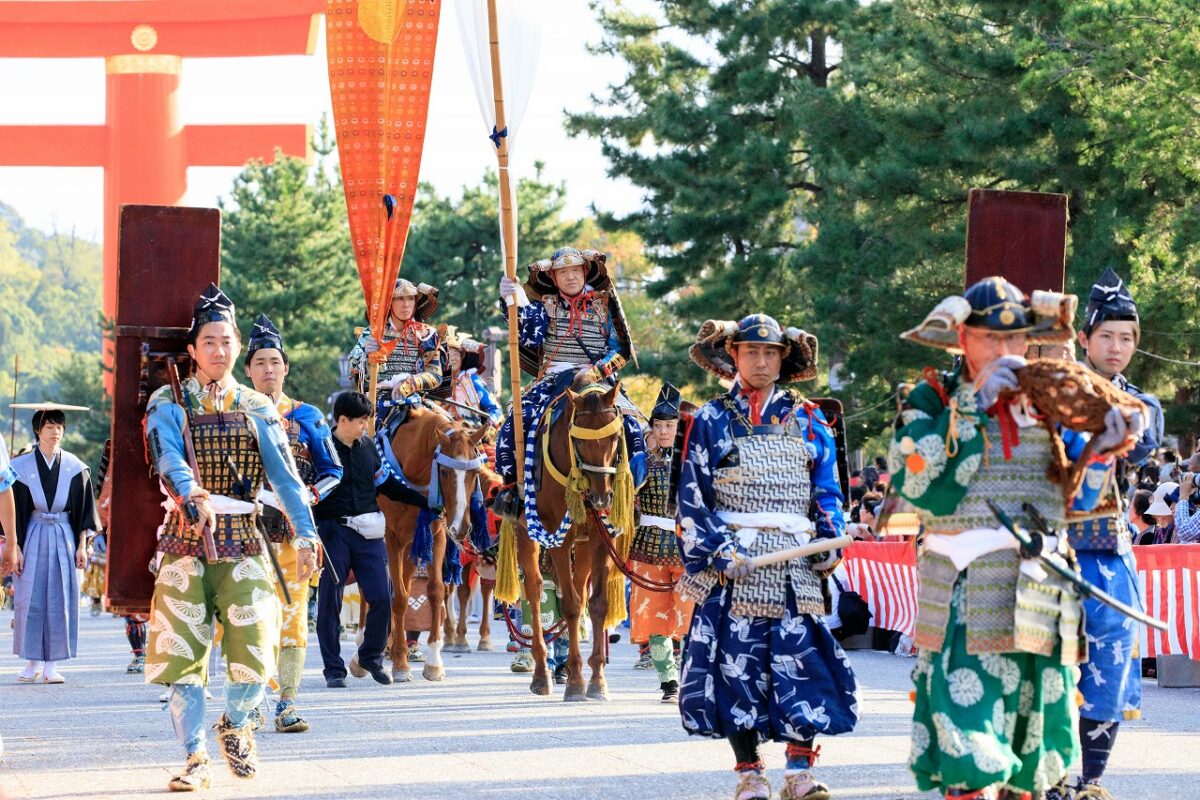
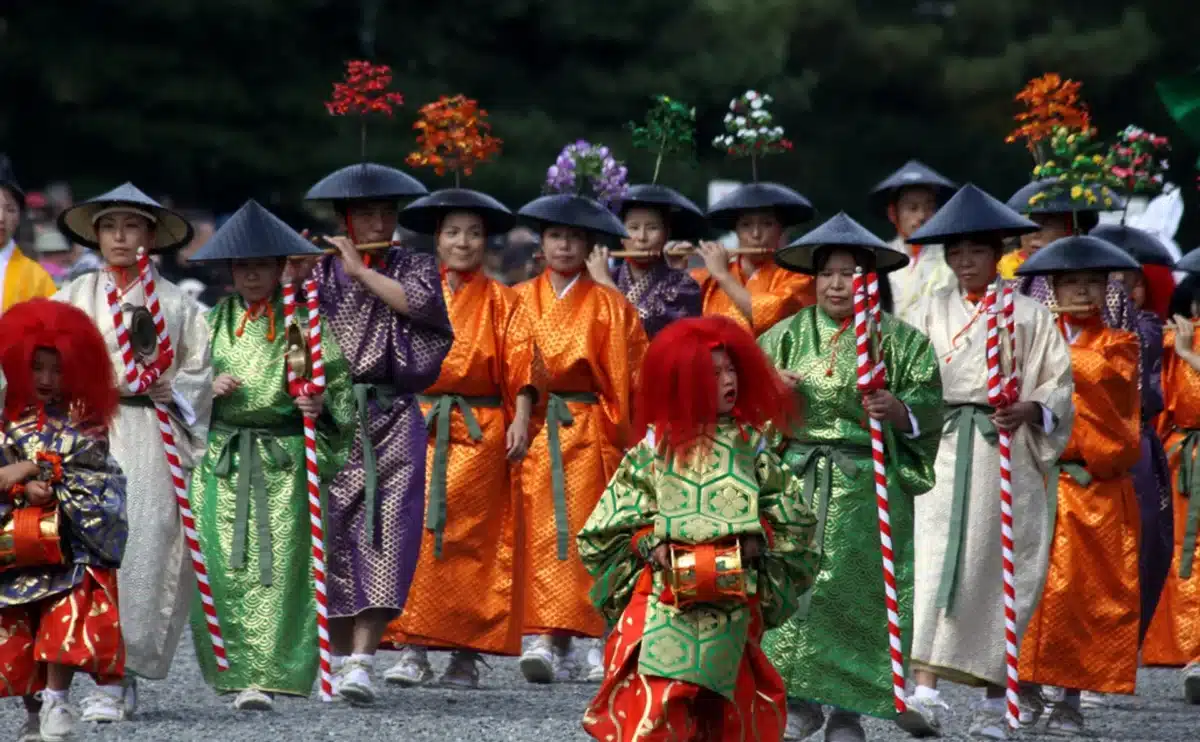
The centerpiece of the day is a magnificent public procession that retraces the steps of history in reverse chronological order, starting with the modern era and winding back to the very dawn of the city. More than two thousand participants march in a highly synchronized parade, representing the politicians, samurais, courtiers, and legendary historical figures who shaped the nation. The meticulous attention to detail is staggering, as every garment, weapon, and accessory is an exact replica crafted using authentic historical techniques.
The parade traces a highly symbolic path through the city, starting from the ancient seat of imperial power and concluding at a magnificent shrine built to honor the spirits of past emperors. The rhythmic clip of horse hooves, the solemn sounds of traditional flutes, and the rustle of priceless silk garments fill the air as the procession moves gracefully along the main avenues. It is a profound demonstration of community pride and a masterclass in cultural preservation that allows the past to breathe again.
Enjoy Your Event Stress-Free with Japan Travelo
Do you know? Planning events, festivals, concerts, and cultural experiences in Japan can be overwhelming. Japan Travelo brings everything together in one place, helping you manage your itinerary, transport, and accommodation with ease—so you can enjoy Japan without the stress of planning.
Event Highlights
- The Historical Costume Parade: Over two thousand volunteers march through the city center dressed in meticulously researched clothing that spans twelve distinct eras of Japanese history.
- The Famous Figures Pageant: Actors take on the personas of legendary figures from the past, including pioneering women, famous samurai warriors, and prominent imperial rulers.
- The Sacred Portable Shrines: Two elaborate structures carrying the spirits of past emperors serve as the spiritual heart of the procession, bringing blessings to the modern city.
- The Authentic Artistry Display: Every piece of armor, textile, and weapon utilized in the parade is created using ancient materials and traditional Kyoto craftsmanship.
Why Attend
This gathering provides an unmatched visual introduction to the complex history of Japan within the span of a single afternoon. Visitors can watch centuries of changing fashion, military technology, and social structures unfold right before their eyes in chronological sequence. It offers a rare opportunity to appreciate the immense depth of local craftsmanship, making it an essential experience for history buffs, textile enthusiasts, and casual travelers alike.
The festival is ideal for families, photographers, students of history, and anyone looking to experience the refined elegance of Kyoto traditional culture. Attendees will benefit from seeing museum-quality artifacts put into dynamic motion, capturing incredible photographs of authentic period clothing, and experiencing a major cultural milestone. It is a peaceful yet deeply moving spectacle that contrasts beautifully with the higher-energy summer festivals.
Date & Duration
- Event Date: October 22 2026
- Event Duration: One single day of grand historic processions and sacred ceremonies
Visiting this event? Don’t miss out on these amazing activities and local experiences while you’re here.
Ticket Information
- How Tickets Are Sold: Standard street viewing along the extensive parade route requires no advanced booking, while premium reserved grandstand seats can be purchased through official travel bureaus and online ticketing services.
- Admission Type: Free public admission for all general standing areas along the city streets, with paid tickets required only for the dedicated reserved seating sections.
- Ticket Pricing: Access ranges from 0 USD for standard sidewalk viewing to 35 USD for premium reserved grandstand seats located at the palace and shrine grounds.
- Special Seating Options: Reserved benches with excellent sightlines are constructed inside the spacious public parks at the starting and closing points of the route.
- VIP Options: Premium packages offer prime front-row seating options, commemorative festival brochures, English language audio guides, and dedicated hospitality assistance.
Venue / Location
- City and Country: Kyoto, Japan
- Venue Name: Kyoto Imperial Palace to Heian Shrine
- Google Maps Address: 内 Kyotogyoen, Kamigyo Ward, Kyoto, 602-0811, Japan
Contact Information
- Email: kyoto@kyokanko.or.jp
- Phone Number: +81-75-752-0227
- Official Website: kyokanko.or.jp
Getting There
- Nearest Airport: Osaka Itami Airport is located approximately 31 miles from the starting venue, while Kansai International Airport is around 62 miles away.
- Nearest Train/Metro Station: Marutamachi Station or Imadegawa Station on the Karasuma Subway Line for the start, and Higashiyama Station on the Tozai Subway Line for the finish.
- Bus Routes or Public Transport Options: Numerous Kyoto City bus routes travel toward the palace and shrine, though utilizing the subway network is highly recommended to avoid extensive surface street traffic.
- Parking Availability: No designated public parking areas are provided for festival visitors at either venue, and standard street parking is non-existent due to major safety boundaries.
- Directions by Car: Drivers can approach the central district via the Meishin Expressway, exiting at the Kyoto Higashi interchange and heading west toward the city center.
What is this event?
This celebration is one of the three renowned flagship festivals of Kyoto, held annually to mark the rich cultural history of the city. It features a massive historical costume parade that acts as a moving timeline of the former imperial capital.
The procession spans two miles and showcases the changing styles of armor, clothing, and customs over a thousand-year period. It serves as an important bridge connecting modern citizens to their ancestral roots.
Why is it popular?
The parade is immensely popular because of its incredible visual accuracy and the sheer scale of the historic costuming on display. It draws global spectators who want to see authentic samurai armor and exquisite imperial court silks up close.
It also offers a serene, dignified atmosphere that highlights the classic elegance and refined artistic traditions of Kyoto. The sight of thousands of participants walking through autumnal landscapes makes it highly photogenic.
Tips before you go
- Arrive at your chosen viewing spot along the street route at least an hour before the parade is scheduled to pass to secure a front-row standing position.
- Bring a portable seat cushion or a lightweight plastic mat to sit on if you plan on waiting along the stone paths of the palace grounds.
- Check the local weather forecast in advance and bring a light jacket or sweater, as late October afternoons in the city can turn quite chilly.
- Pick up an official English parade program booklet at local tourist information centers to easily identify the different historical eras as they pass by.
- Plan your lunch ahead of time by packing a bento box, as nearby restaurants and convenience stores experience extremely long lines during the mid-day break.
Attendee Experiences
- Watching a thousand years of history walk right past me in perfect silence was a deeply moving experience.
- The historical costumes looked like they belonged in a museum and the attention to detail on the armor was incredible.
- Buying a reserved seat at the imperial palace gave us a comfortable spot and a completely unobstructed view of the entire parade.
Video
Location
FAQ
What happens to the procession if it rains on the day of the festival?
If heavy rain or stormy conditions are forecast on the scheduled date, the entire costume parade is postponed to the following day. A final announcement regarding weather delays is made early in the morning through official tourism websites and local news outlets to inform spectators.
Are there specific rules regarding taking photos of the parade participants?
Photography is warmly welcomed from all public viewing areas as long as you do not step onto the designated parade path or block others. Flash photography and the use of large tripods are highly discouraged in crowded sections to ensure the safety of the horses and performers.
How long does it take for the entire procession to pass by a single point?
The historical parade is exceptionally long and takes roughly two hours to completely pass any single viewing location from start to finish. Spectators should plan their day accordingly and choose a spot that offers easy access to restrooms and refreshments during the event.
Is the parade route accessible for visitors using wheelchairs?
The wide paved streets along the central city route offer decent accessibility, but the gravel paths inside the imperial palace grounds can be quite challenging to navigate. Arriving early to secure a spot near the paved street curb provides the smoothest experience for wheelchair users.
Can I leave and re-enter the paid grandstand seating areas during the day?
Ticket holders are permitted to leave and return to their assigned grandstand sections by presenting their valid physical or digital ticket stub to the staff. It is important to keep your ticket secure at all times, as re-entry will be denied without proof of purchase.

Leave a Reply