
Overview
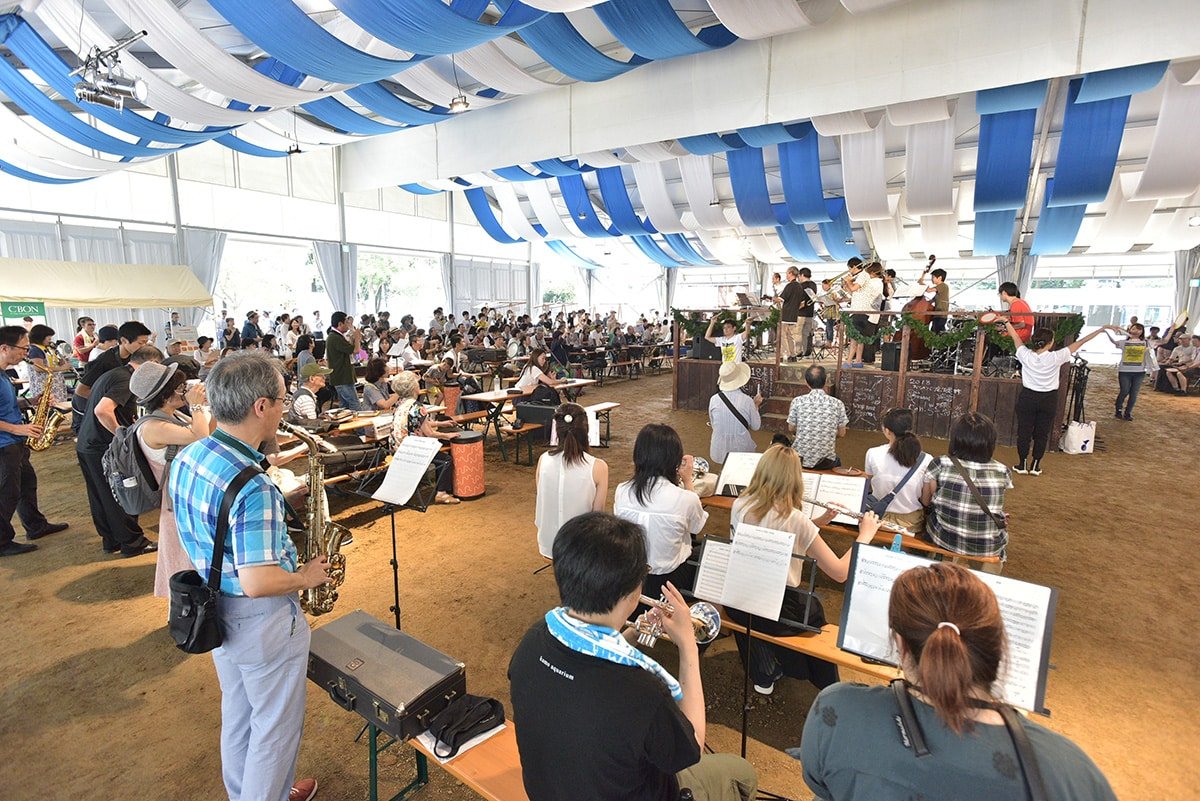
Jozenji Streetjazz Festival is one of Japan’s largest and most beloved free music festivals, transforming the entire downtown of Sendai, the City of Trees, into an open-air concert hall. What began as a modest gathering of jazz enthusiasts has grown into a massive city-wide celebration featuring around 750 bands and artists performing on nearly 90 stages scattered throughout central Sendai.
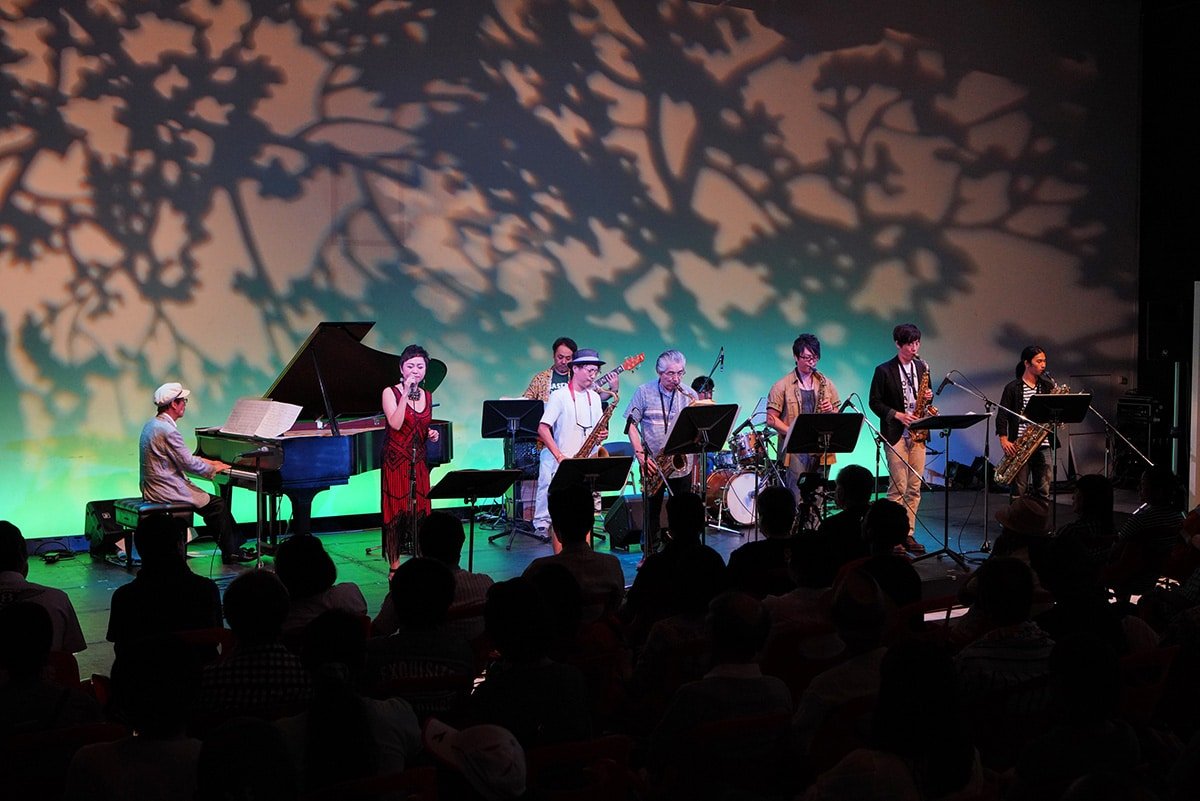
The festival is held along the beautiful zelkova tree-lined Jozenji-dori avenue, which serves as the symbolic heart of the event, as well as in shopping arcades, parks, public squares, and pedestrian malls stretching from Sendai City Hall to Tsutsujigaoka Park. Despite its name, Jozenji Streetjazz is not limited to jazz. While jazz remains its soul, the lineup spans rock, blues, gospel, funk, soul, Latin, ska, pop, folk, R&B, and world music, making it a true festival of all genres.
Organized by a dedicated executive committee supported by around 200 volunteers each year, many of whom are students and residents from Tohoku University and the local community, the festival is entirely free to attend. There are no tickets, no fences, and no main stage barrier — you simply walk the city and discover music. It is widely regarded as one of the most unique street jazz festivals in the world and expresses freedom, liberality, and the spirit of local music lovers.
Enjoy Your Event Stress-Free with Japan Travelo
Do you know? Planning events, festivals, concerts, and cultural experiences in Japan can be overwhelming. Japan Travelo brings everything together in one place, helping you manage your itinerary, transport, and accommodation with ease—so you can enjoy Japan without the stress of planning.
What Makes This Event Special
Completely Free and Open: The entire festival is free. All performances across all stages cost nothing. This commitment to free access has been central since its founding and allows families, students, tourists, and casual passersby to enjoy world-class live music without financial barriers. It is one of the few festivals of this scale in Japan with zero admission fee.
City as a Venue: Instead of being confined to a park or stadium, the festival turns Sendai itself into the stage. Performances take place in Kotodai Park, Nishikicho Park, Tsutsujigaoka Park, Ichibancho Arcade, Kokubuncho, Honcho, Chuo, Omachi, and along Jozenji-dori. Walking from stage to stage becomes a cultural tour of Sendai.
750 Bands on 90 Stages: The sheer scale is staggering for a volunteer-run festival. Around 750 groups and thousands of musicians are selected through a screening process each year. You can hear a traditional Dixieland band, a high school big band, a gospel choir, and an avant-garde fusion group all within a ten-minute walk.
Community-Driven Spirit: The festival relies heavily on community participation. About 200 volunteers handle stage management, guidance, and cleanup. Many executive committee members are Tohoku University alumni and local musicians. This creates a warm, welcoming atmosphere that feels like a city celebration rather than a commercial event.
Beyond Jazz: Although it started as a jazz festival, it now welcomes all genres. This openness reflects Sendai’s identity as a music city where jazz, rock, and folk coexist. Visitors often discover their favorite new band in an unexpected genre.
Lineup / Featured Artists
The lineup for Jozenji Streetjazz Festival is not headliner-driven in the commercial sense. Instead, it is built from open applications from across Japan and overseas, reviewed by the executive committee. The result is an incredibly diverse roster.
For the upcoming edition, the lineup will be announced via the official website j-streetjazz.com and official social channels once the screening process concludes. Past editions have included:
Jazz Core: Traditional New Orleans jazz bands, swing bands, bebop quartets, modern jazz ensembles, and big bands featuring both veteran players and university jazz clubs. Sendai is home to many acclaimed jazz musicians who return each year.
Blues, Soul, and Gospel: Powerful gospel choirs that fill the parks, soul vocalists, blues guitarists, and R&B units that bring energy to the arcade stages.
Rock, Pop, and Fusion: Indie rock bands, funk units, Latin ensembles, ska bands, and acoustic folk duos. The festival’s open genre policy means you will encounter everything from Boogie Woogie and Rock’n’Roll to contemporary J-pop arrangements.
Special International Guests: While primarily Japanese amateur and semi-professional groups, the festival occasionally hosts international acts and alumni who have gone on to professional careers. The inclusion of overseas bands adds to its reputation as a global street jazz meeting point.
All artists perform free of charge for the love of music, and setlists are typically 40 to 60 minutes, allowing audiences to sample many acts.
Event Experience
Experiencing Jozenji Streetjazz Festival is like wandering through a living jukebox.
You start at the main headquarters area in Kotodai Park, where you can pick up the official map and timetable. Looking at the map can be overwhelming at first — nearly 90 stages are marked with color-coded genres. The best strategy is to choose a few must-see acts and then allow yourself to drift.
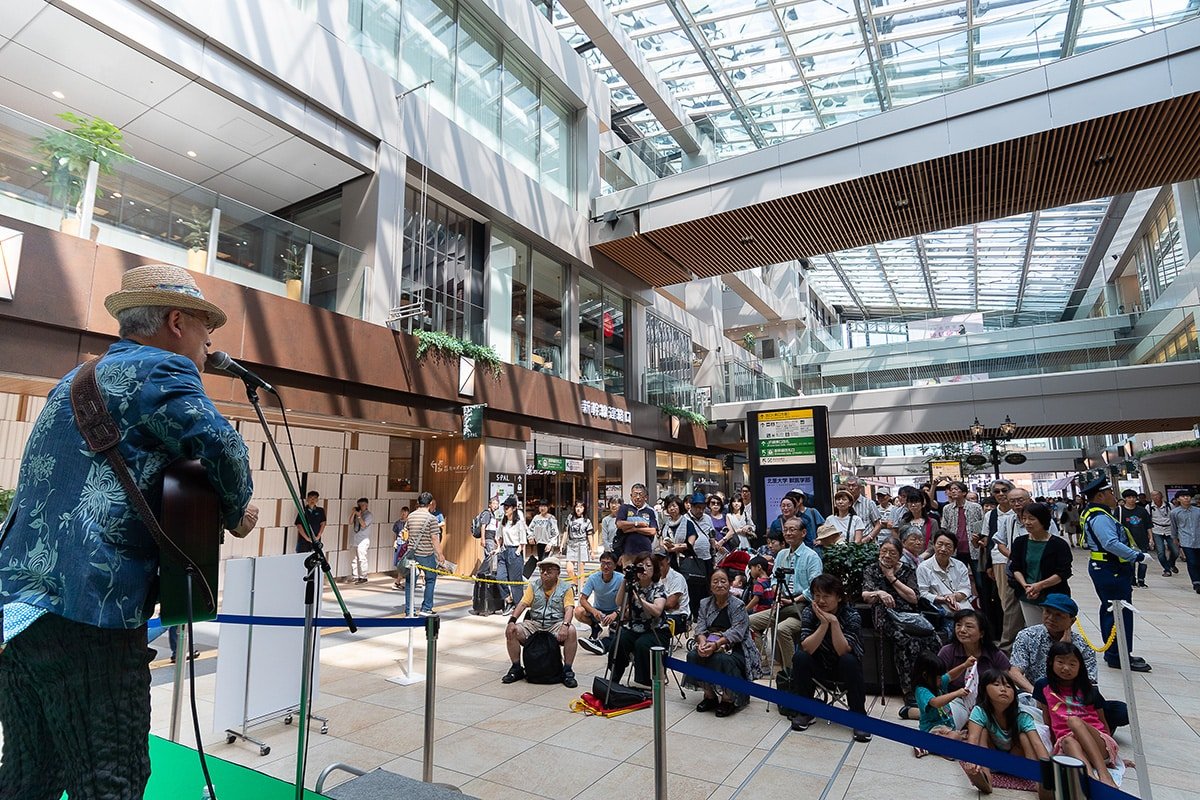
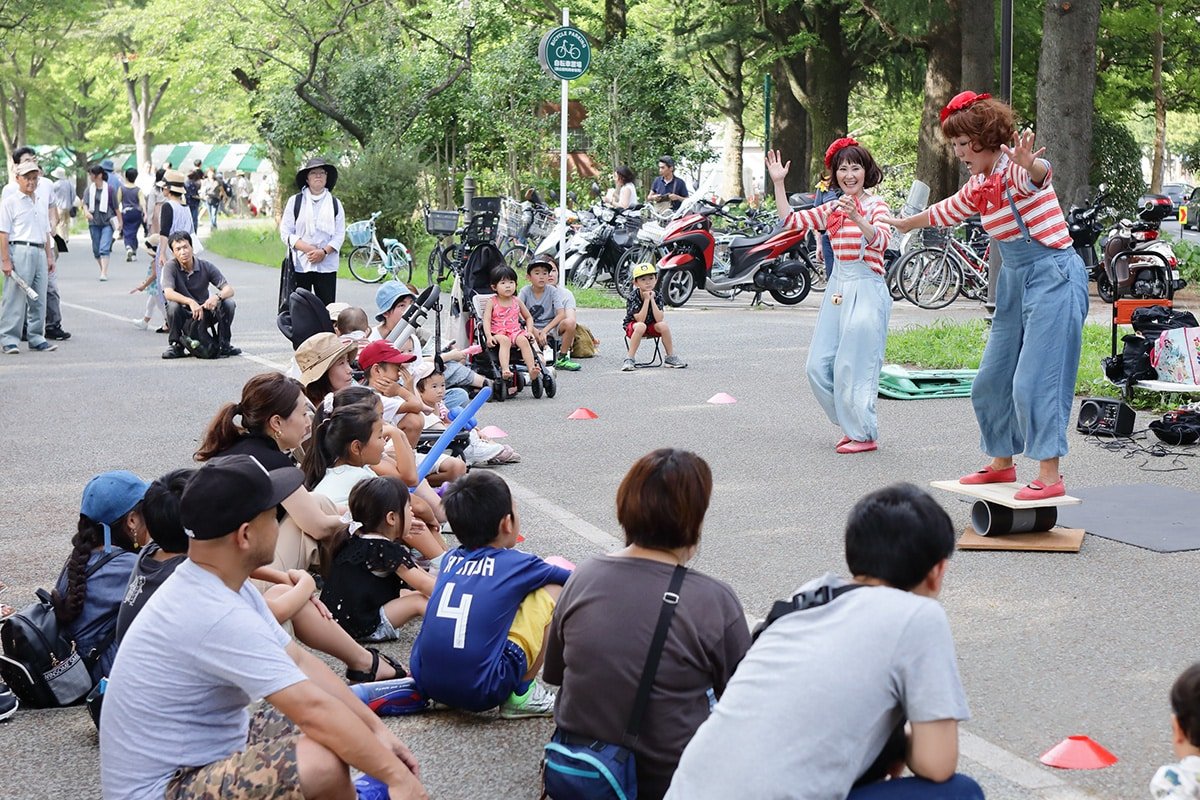
Along Jozenji-dori, under the canopy of zelkova trees, multiple stages are set up along the pedestrian walkway. The sound of a saxophone solo blends with the rustle of leaves. Families sit on benches with coffee, children dance, and office workers on their break stop to listen. In Ichibancho, the covered shopping arcade becomes an echo chamber for brass and drums, drawing crowds of shoppers.
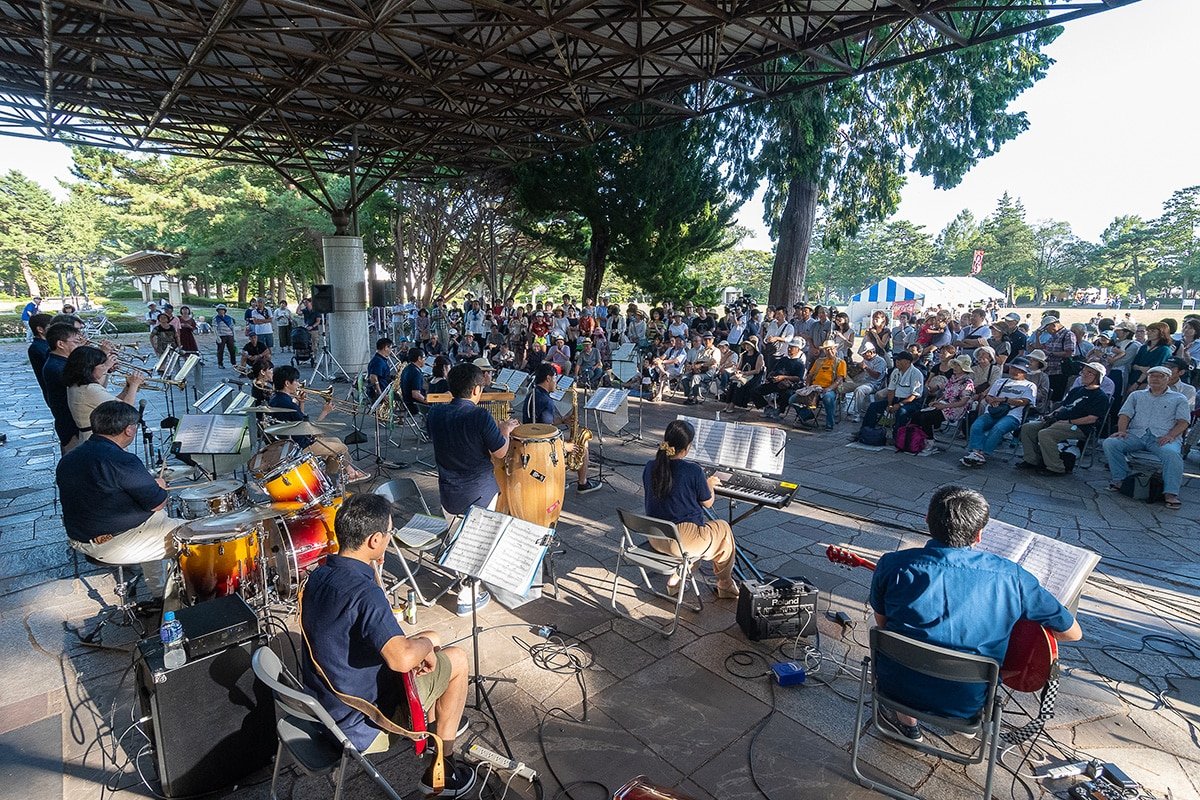
Each stage has its own character. Some are small street corners where a trio performs inches from the audience. Others are larger park stages with proper sound systems and seating. The atmosphere is relaxed, with no pushing or strict crowd control. People bring picnic sheets, sit on the grass in Nishikicho Park, and enjoy the music as part of a leisurely day.
Between stages, Sendai’s cafes and restaurants participate in the festive mood, offering special menus. Street vendors are limited to keep the focus on music, preserving the city’s calm charm.
The festival runs from late morning until early evening each day, with most stages operating between 11:00 AM and 6:00 PM, allowing visitors to enjoy the city at night as well.
Date & Schedule
Event Dates: September 2027 (Dates TBD)
Venue: Sendai City Center including Jozenji-dori, Kotodai Park, Nishikicho Park, Tsutsujigaoka Park, Ichibancho Arcade, Kokubuncho, Honcho, Chuo and Omachi neighborhoods
Official Website: https://www.j-streetjazz.com/
Contact: info@j-streetjazz.com / 022-722-8461
Daily Schedule Structure Based on Previous Editions:
Day 1: Stages open across the city from late morning. Performances begin around 11:00 AM and continue until around 6:00 PM to 8:00 PM depending on venue. Central information booth in Kotodai Park opens early for map distribution. Evening jam sessions may occur in nearby live houses unofficially.
Day 2: Same structure as Day 1, with different bands performing. Final performances in Kotodai Park often feature a closing ceremony and all-star jam. All schedules are subject to change and weather conditions.
Exact stage timetables with band names and genres are released approximately two to three weeks before the festival on the official website. All performances are free.
Visiting this event? Don’t miss out on these amazing activities and local experiences while you’re here.
Location & Venue
Jozenji Streetjazz Festival takes place across central Sendai, Miyagi Prefecture, Tohoku region, Japan.
Main Area: Jozenji-dori Avenue, a wide, tree-lined boulevard often called the symbol of Sendai. Lined with zelkova trees and sculptures, it hosts several of the most popular stages. The avenue runs from Kotodai Park toward Nishi Park.
Headquarters: Kotodai Park, located near Sendai City Hall, serves as the festival headquarters, information center, and main stage area. This is where you can get maps, ask questions, and find volunteer staff.
Other Key Venues: Nishikicho Park, Tsutsujigaoka Park (one station from Sendai Station), Ichibancho Arcade (Sendai’s main shopping street), Chuo Park, and various community squares in Kokubuncho and Honcho.
The festival area covers roughly 2 kilometers from north to south, making it walkable but expansive enough to require comfortable shoes. All venues are outdoors except for some arcade stages that are covered.
Sendai is known as the City of Trees due to its abundant zelkova and greenery, and the festival was conceived with the idea that music should be played outdoors under these trees.
Event History
The Jozenji Streetjazz Festival began in 1991 with a modest roster of about 25 bands and 150 musicians. It was the brainchild of Mitsuhiro Sakakibara, a Sendai-based musician and Tohoku University alumnus. The original idea was simple and poetic — it would be fun to listen to live music under the zelkova trees along Jozenji-dori.
Earlier roots trace to 1987 when a live jazz concert was held at L-Park Sendai, commonly known as 141, which opened on Jozenji-dori in Kotodai Park. That small department store stage performance sparked the vision for a street festival.
From those humble beginnings, the festival grew steadily. By the mid-1990s it had expanded to dozens of stages across downtown. In 2015 it celebrated its 25th edition, by which time it was attracting thousands of musicians from all over Japan and even overseas.
The festival celebrated its 33rd anniversary in 2024, cementing its status as an autumn tradition in Sendai. It is now recognized as one of the largest amateur music festivals in Japan and is listed as one of Sendai’s major contemporary festivals alongside the Michinoku Yosakoi Festival and the Sendai Pageant of Starlight.
Throughout its history, it has remained true to its founding principles — free, open to all genres after starting as pure jazz, volunteer-supported, and focused on community. Many current and former Tohoku University members are prominently involved in the executive committee, ensuring academic and local community ties remain strong.
Getting to the Event
By Train: Sendai is a major Tohoku Shinkansen hub. From Tokyo, take the Tohoku Shinkansen Hayabusa or Hayate from Tokyo Station to Sendai Station, about 90 to 110 minutes. From Sendai Station, walk west for about 15 to 20 minutes to reach Ichibancho and Jozenji-dori area, or take the subway.
By Subway: Sendai Subway Namboku Line — get off at Kotodai-Koen Station for Kotodai Park headquarters and Jozenji-dori main stages, or Hirose-dori Station for Ichibancho area. Tsutsujigaoka Park stages are near Tsutsujigaoka Station on JR Senseki Line, one station from Sendai Station.
By Air: Fly into Sendai Airport (SDJ). Take Sendai Airport Access Line to Sendai Station in about 25 minutes, then walk or subway to festival area. Direct flights from major Japanese cities and some international routes via Tokyo.
By Bus: Highway buses from Tokyo, Niigata, and other Tohoku cities arrive at Sendai Station Bus Terminal.
Local Movement: During festival, central streets may have pedestrian restrictions and increased foot traffic. The entire festival area is walkable. No shuttle is needed. Maps indicate walking times between stage clusters are 5 to 15 minutes.
Accessibility: Most stages are at ground level in parks and streets with barrier-free access. Some arcade stages may be crowded. Volunteer staff can assist with directions.
Where to Stay Nearby
Sendai is Tohoku’s largest city with abundant accommodation.
Near Jozenji-dori and Kotodai Park: Hotels like Hotel Metropolitan Sendai, The Westin Sendai, and Hotel Monterey Sendai are within 5 to 10 minutes walk to main stages. Rates range $80 to $180 per night depending on season and demand.
Near Sendai Station: APA Hotel Sendai Ekimae, Hotel Gracery Sendai, and JR East Hotel Mets Sendai offer convenience for train access, ranging $60 to $120 per night.
Budget Options: Toyoko Inn, Dormy Inn, and Super Hotel chains near Sendai Station and Hirose-dori offer rooms from $45 to $75 per night. Capsule hotels and hostels in Kokubuncho area provide options from $25 to $40.
Ryokan Experience: Some traditional inns in nearby Akiu Onsen area offer hot spring stays about 30 minutes by bus from downtown, ranging $100 to $200 per night including dinner.
Book early, as this is one of Sendai’s biggest annual weekends and hotels fill up quickly, especially those within walking distance to Jozenji-dori.
Things to Do Before or After the Event
Sendai City Exploration: Visit Sendai Castle Ruins (Aoba Castle) for panoramic views of the city, Zuihoden Mausoleum of Date Masamune, and Osaki Hachimangu Shrine, a National Treasure.
Jozenji-dori Itself: Even without festival, Jozenji-dori is beautiful with its zelkova canopy, public art sculptures, and cafes. The street hosts regular markets and is stunning in autumn foliage.
Ichibancho Arcade: Enjoy shopping in Sendai’s main covered arcade, sampling gyutan beef tongue, Sendai’s famous specialty, and zunda mochi sweets.
Matsushima Bay: One of Japan’s Three Scenic Views, just 30 minutes by train from Sendai on JR Senseki Line. Take a bay cruise and visit Zuiganji Temple.
Akiu Onsen and Sakunami: Hot spring areas near Sendai perfect for relaxing after walking all day at the festival.
Tohoku University Campus: Walk through the historic Katahira campus, closely tied to the festival’s history and volunteer base.
Restaurants & Dining Nearby
Festival Area Dining: During festival, there are limited official food stalls to keep focus on music, but surrounding area has excellent options.
Gyutan (Beef Tongue): Sendai’s signature dish. Try Rikyu, Kisuke, or Tanya Zenjiro near Sendai Station and Kokubuncho, average $12 to $20 for set meal.
Zunda and Sweets: Zunda Saryo in Sendai Station offers zunda mochi and shakes, $4 to $7.
Izakaya in Kokubuncho: Sendai’s entertainment district Kokubuncho, near many stages, is packed with izakaya serving local sake, seafood, and Tohoku specialties, $10 to $25 per person.
Cafes along Jozenji-dori: Coffee shops like Cafe Mozart and various French-style cafes line Jozenji-dori, ideal for taking a break between sets, $5 to $10.
Convenience Stores: Lawson, FamilyMart, and 7-Eleven are abundant throughout Ichibancho and around parks for water and light snacks, $2 to $5.
Sendai Station Area: S-PAL department store basement food floor offers bento and souvenirs.
Ticket Information
Jozenji Streetjazz Festival is entirely free.
Standard Admission: $0 for all stages, all days. No tickets are required. You can walk up to any stage and enjoy performances.
Why Free: The festival is funded by sponsorships from local businesses, donations, and support from Sendai City and Miyagi Prefecture. Its mission is to make music accessible to everyone and to revitalize downtown Sendai.
Optional Support: Official festival goods such as T-shirts, badges, and programs are sold at Kotodai Park headquarters. Purchasing these for approximately $10 to $25 helps support the festival’s operating costs. Donation boxes are also placed at information booths.
No VIP or Reserved Seating: There are no paid premium areas. All stages are first-come, first-served standing or bench seating. For popular stages, arrive early.
Related Live House Shows: Some participating musicians may hold ticketed after-parties or live house shows in the evening after the street festival ends. Those are separate events with typical live house charges of $15 to $30, but the main street festival remains free.
Tips Before You Go
Get the Official Map Early: The official map and timetable are essential due to the large number of stages. Download from j-streetjazz.com before arrival or pick up early at Kotodai Park headquarters. Circle your must-see acts and plan a walking route to minimize backtracking.
Wear Comfortable Walking Shoes: You will walk several kilometers across concrete, park grass, and arcade floors. Sendai’s downtown is flat but expansive. Bring comfortable shoes and consider a small backpack for water and program.
Arrive Early for Popular Stages: Although free, popular stages especially in Jozenji-dori and Kotodai Park fill up quickly. If you want front-row seats for a known band, arrive 15 to 20 minutes before their set. Otherwise, you can still hear from nearby.
Weather Preparation: The festival is outdoors. September in Sendai can be warm with occasional rain. Bring a light raincoat rather than umbrella to avoid blocking views, plus sunscreen and hat. Evenings can be cooler under zelkova trees.
Support with Merchandise: Since the festival is free, consider supporting by buying official merchandise or donating at info booths. This helps sustain the volunteer-run organization for future editions.
Official Event Information
Official Website: https://www.j-streetjazz.com/
Email: info@j-streetjazz.com
Phone: 022-722-8461
Organizer: Jozenji Streetjazz Festival Executive Committee
Headquarters Location: Kotodai Park, Aoba-ku, Sendai, Miyagi Prefecture, Japan
Social Media: Facebook page Jozenji Streetjazz Festival for updates
Language Support: Official website offers English information at /language/english.html. Volunteer staff at headquarters can provide basic English assistance.
Rules: No smoking on festival grounds except designated areas, no littering, respect residential areas near parks, do not block shop entrances in arcades, follow volunteer staff instructions for crowd flow.
Attendee Experiences
Attendees consistently describe Jozenji Streetjazz Festival as one of the most charming and authentic music experiences in Japan.
Long-time visitors highlight the joy of discovering unknown bands. Many share stories of stumbling upon a high school big band that blew them away, or a gospel choir that made the entire park sing along. The lack of commercial barriers creates a pure music discovery environment.
International tourists mention surprise at the quality and diversity. Despite being amateur and semi-professional, many bands perform at professional level. The setting under Sendai’s zelkova trees in early autumn, with leaves just beginning to turn, adds a magical backdrop that photos cannot capture.
Local Sendai residents view the festival as a proud civic tradition. Families bring picnic mats to Nishikicho Park, elderly couples sit on benches along Jozenji-dori listening to jazz standards they grew up with, and students from Tohoku University volunteer enthusiastically, creating intergenerational connection.
The free nature is repeatedly praised. Attendees note that because there is no ticket pressure, they feel relaxed to explore, leave a stage if not their taste, and return later. It feels like a city-wide open house for music lovers.
Video
Location
FAQ
Is Jozenji Streetjazz Festival really free and do I need to book anything?
Yes, the entire festival is completely free with no tickets or reservations required for any of the outdoor stages. You can simply show up in central Sendai and walk between stages at your own pace. The only things you might want to book in advance are your hotel and your Shinkansen tickets, as Sendai gets very busy during the festival weekend. Official merchandise and food from nearby restaurants are the only costs you will incur.
What kind of music will I hear besides jazz?
While jazz is the heart of the festival, the lineup has been open to all genres since the early years. You will hear rock, blues, gospel, funk, soul, Latin, ska, pop, folk, and even traditional Japanese fusion. Many bands blend genres, such as jazz-rock or blues-pop. The official timetable categorizes stages by genre to help you find your taste, but part of the fun is wandering and encountering unexpected sounds.
How do I navigate 90 stages across the city?
The executive committee provides a detailed official map showing all stage locations, from Kotodai Park headquarters to Tsutsujigaoka Park near Sendai Station. Stages are clustered in walkable zones, and walking times between clusters are 5 to 15 minutes. Volunteer staff in matching shirts are stationed at key intersections to provide directions. Most visitors pick 2 to 3 zones per day rather than trying to see everything.
Can I perform at Jozenji Streetjazz Festival as a musician?
Yes, the festival accepts applications from bands and solo artists each year through its official website. Applications are reviewed by the executive committee, and selected acts are invited to perform. Both amateur and professional musicians are welcome, and all genres are considered. The application period typically opens several months before the festival, with details posted on j-streetjazz.com. There is no performance fee for artists, as it is a community-driven event.
Is the festival suitable for families and children?
Absolutely, the festival is very family-friendly and welcoming to all ages. Parks like Kotodai and Nishikicho have open grassy areas where children can sit and listen safely. Many stages feature student big bands and family-friendly gospel choirs that children enjoy. Since it is outdoors and free, you can leave and re-enter easily if children need a break. Bring a picnic sheet, snacks, and ear protection for very young children near louder rock stages.

Leave a Reply