
-
July 11, 2027
Event date:
-
July 25, 2027
Event end:
Overview
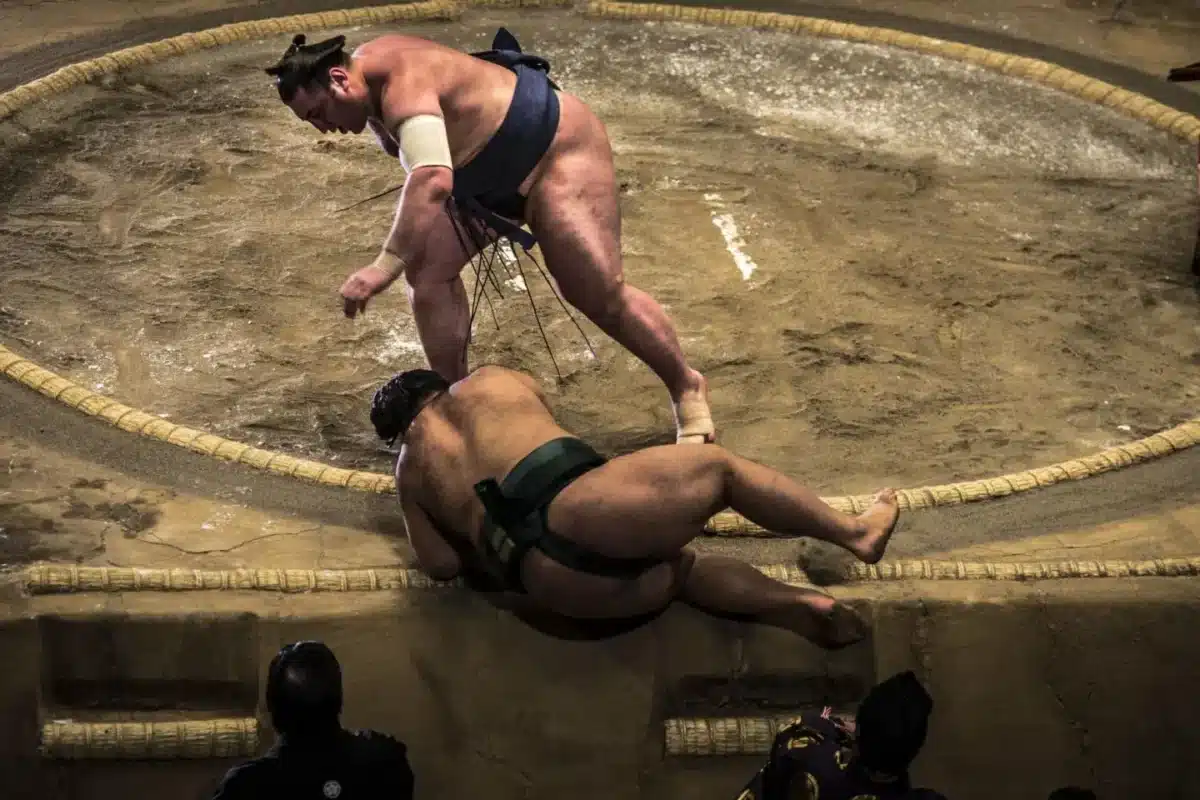
The July Grand Sumo Tournament, widely celebrated as the Nagoya Basho, stands as a premier athletic and cultural cornerstone among the six grand professional sumo tournaments held annually across Japan. This vibrant fifteen-day summer spectacle converts Nagoya into the ultimate epicenter of the ancient sport, welcoming elite wrestlers, known as rikishi, from all corners of the globe to engage in fierce competition within the sacred clay ring. Spectators are immersed in a breathtaking display of raw physical power, meticulous tradition, and enduring cultural heritage that has preserved the dignity of Japan’s national pastime for over fifteen centuries.
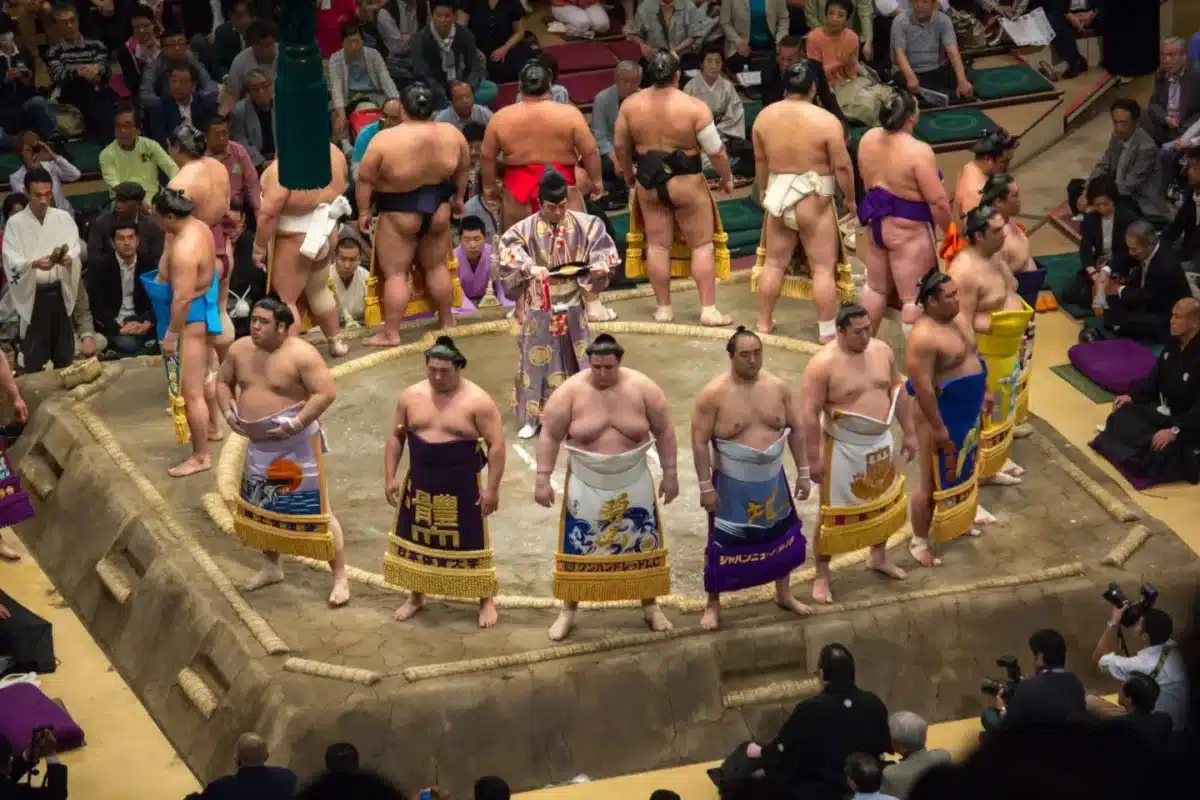
The electric ambiance within the arena resonates with the rhythmic clapping of devoted fans, traditional musical chants, and the thunderous impact of heavy collisions between elite competitors. Beyond the intense athletic bouts, the tournament delivers an exclusive opportunity to witness sacred Shinto rituals up close, highlighted by the majestic ring-entering ceremonies where grand champions showcase ornate, hand-embroidered silk aprons. Every single element, from the salt-purified boundaries of the dohyo to the precise gestures of the officiating gyoji referees, communicates a rich historical narrative, offering an unforgettable cultural dive into Japanese heritage.
As daily competition advances toward the thrilling high-ranking Maku-uchi division matches, the competitive tension builds to an extraordinary crescendo. This prestigious tournament transcends a standard sporting competition, operating as a grand celebration of heritage that captivates both dedicated purists and curious international travelers. Whether you are observing your very first basho or returning to appreciate the nuanced techniques of legendary wrestlers, the Nagoya Basho guarantees an unparalleled journey into a world where contemporary athletic excellence seamlessly honors ancient Japanese traditions.
Enjoy Your Event Stress-Free with Japan Travelo
Do you know? Planning events, festivals, concerts, and cultural experiences in Japan can be overwhelming. Japan Travelo brings everything together in one place, helping you manage your itinerary, transport, and accommodation with ease—so you can enjoy Japan without the stress of planning.
Event Highlights
- Witness the pinnacle of professional wrestling as elite Maku-uchi division competitors battle in high-stakes matches inside the modern IG Arena.
- Experience the profound visual pageantry of traditional ring-entering ceremonies featuring grand champions adorned in exquisite silk ceremonial aprons.
- Observe deeply revered rituals, including the ritualistic purification of the ring with salt and the ceremonial bow dance performed at the conclusion of each tournament day.
- Enjoy the rare privilege of observing the promising rising stars of the lower divisions alongside legendary sporting icons all within a single action-packed day.
Why Attend
This prestigious tournament is exceptionally suited for global travelers, cultural explorers, and sports aficionados eager to forge a genuine connection with authentic Japanese traditions. Attending live allows you to absorb the palpable energy and emotional resonance of the arena, creating memories that digital broadcasts simply cannot replicate while deepening your appreciation for the immense discipline required by the athletes.
Visitors gain profound insights into the historical evolution of sumo, as every facet of the exhibition tells a compelling story of cultural preservation and dedication. It represents an essential destination for anyone wishing to experience the vibrant heartbeat of traditional Japan within an exhilarating, communal sporting atmosphere.
Date & Duration:
- Event Date: July 11th – July 25th 2027
- Event Duration: 15 days
Visiting this event? Don’t miss out on these amazing activities and local experiences while you’re here.
Ticket Information:
- How Tickets Are Sold: Tickets are generally secured through official sumo association distribution platforms and authorized international resellers, requiring early reservation due to exceptionally high global demand.
- Admission Type: General entry options provide access to the broader arena facilities, featuring dedicated seating tiers partitioned into floor-level box configurations and elevated balcony sections.
- Ticket Pricing: Total financial investment typically ranges from approximately thirty-five dollars to one hundred forty-five dollars depending on the chosen seating category and physical proximity to the competition ring.
- Special Seating Options: Traditional four-person box seating arrangements are situated on the lower level, delivering an immersive group-oriented viewing perspective closer to the sporting action.
- VIP Options: Premium seating zones positioned in optimal lower arena tiers guarantee unobstructed sightlines of the dohyo and remain highly coveted by frequent tournament attendees.
Venue / Location:
- City and Country: Nagoya, Japan
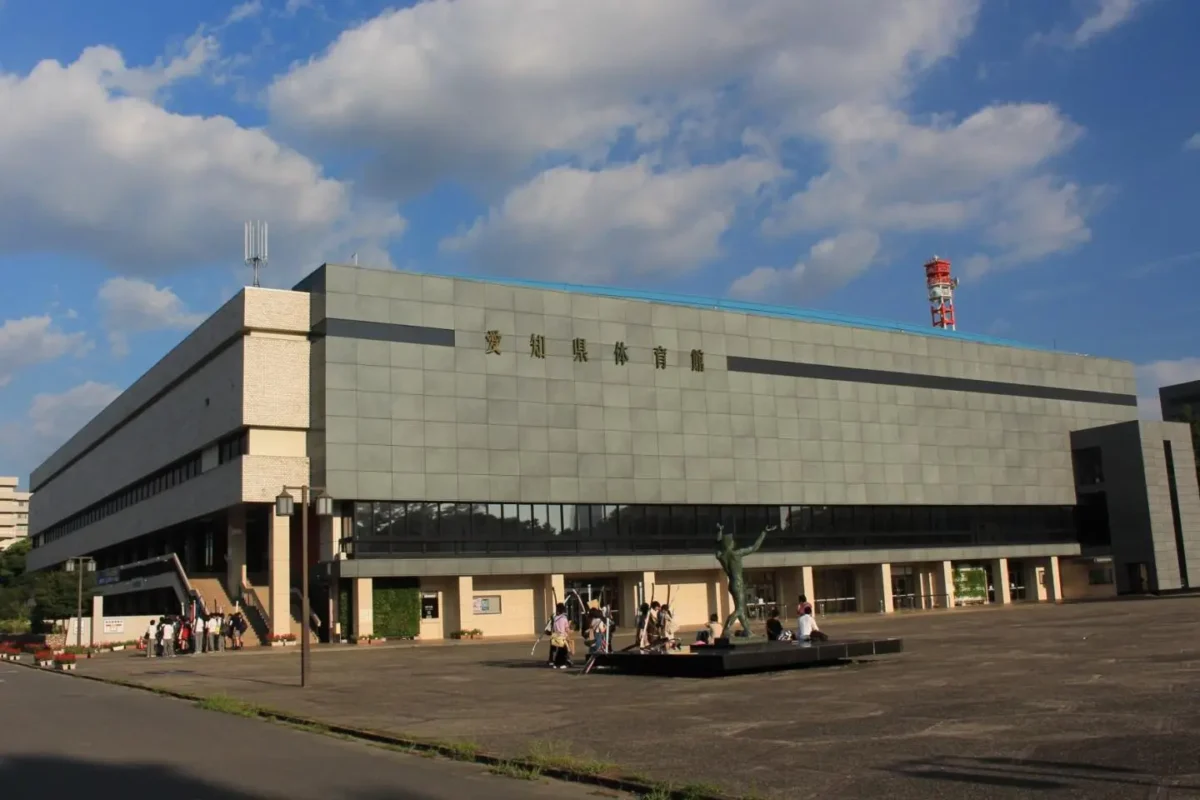
- Venue Name: IG Arena (Aichi Prefectural Gymnasium)
- Google Maps Address: 1 Chome-2-2 Meijo, Kita Ward, Nagoya, Aichi 462-0846, Japan
Contact Information:
- Official Website: sumo.or.jp
Accommodation Options
Nagoya provides an extensive selection of high-quality lodging choices, ranging from luxurious urban hotels situated in the vibrant Sakae commercial district to convenient business accommodations positioned adjacent to Nagoya Station. Securing lodgings within the metropolitan center guarantees seamless transit connectivity to the tournament venue via the municipal subway network, while numerous properties offer exceptional contemporary amenities to ensure a restful stay amidst the warm summer climate.
For visitors seeking a deeply immersive cultural itinerary, boutique properties located near the historic grounds of Nagoya Castle offer both charming aesthetics and close geographic proximity to the arena. Making reservations well in advance remains highly recommended, as the tournament consistently attracts thousands of domestic and international visitors, frequently resulting in limited room availability across prime central locations.
Getting There:
- Nearest Airport: Chubu Centrair International Airport, positioned approximately forty-five kilometers away from the tournament venue.
- Nearest Train/Metro Station: Shiyakusho Subway Station serves as the closest transit hub, situated just a short walking distance from the main entrance of the arena.
- Bus Routes or Public Transport Options: The municipal Meijo subway line offers direct, highly frequent transit services connecting travelers straight to the Shiyakusho station.
- Parking Availability: Public vehicle parking capacity near the gymnasium complex remains extremely limited, prompting local transit authorities to strongly advise utilizing the comprehensive city subway infrastructure.
- Directions by Car: The venue is easily reachable via the Nagoya Expressway network, with motorists advised to utilize the Marunouchi Interchange for the most direct access.
Dining Recommendations
Breakfast Recommendations:
- Traditional morning coffee houses located throughout Sakae serving classic Japanese breakfast sets featuring grilled fish and steamed rice.
- Comprehensive hotel buffet spreads offering a diverse selection of nourishing continental and authentic local culinary choices.
- Established artisan bakery outlets positioned near Nagoya Station providing convenient pastries and hot beverages for an efficient morning departure.
Lunch Recommendations:
- Renowned unagi eel specialty establishments celebrated for preparing the regional delicacy known as Hitsumabushi.
- Inviting neighborhood udon and kishimen noodle houses situated within comfortable walking distance of the arena complex.
- Bustling downtown izakaya restaurants offering varied midday lunch sets featuring wholesome, flavor-packed seasonal dishes.
Dinner Recommendations:
- Celebrated local eateries specializing in crispy tebasaki chicken wings, a signature culinary specialty of the Nagoya region.
- Sophisticated dining venues located within the lively Nishiki entertainment district offering refined modern gastronomy.
- Traditional teppanyaki grill houses expertly preparing premium cuts of locally sourced succulent Hida beef.
Local Specialties to Try:
- Hitsumabushi, an iconic grilled eel delicacy served over fluffy seasoned rice with multiple flavorful presentation styles.
- Kishimen, uniquely flat and broad udon noodles that represent a cherished culinary tradition exclusive to Nagoya.
- Miso katsu, perfectly breaded pork cutlets drenched in a rich, savory, fermented soybean-based sauce.
What is this event?
The Nagoya Grand Sumo Tournament is an official professional sumo competition that spans fifteen consecutive days of high-level athletic engagement. It serves as a vital official basho where professional rikishi battle to secure favorable ranking advancements within the strict hierarchy of the sport.
This historic event functions as an extraordinary platform for elite athletes to demonstrate their supreme strength, tactical discipline, and psychological endurance inside the ring. Deeply anchored in ancient Japanese customs, the tournament strictly preserves time-honored rituals practiced across centuries by professional sumo wrestlers.
Why is it popular?
The tournament enjoys immense international renown because it vividly brings the ritualistic elegance and fierce competition of sumo to life within an electrifying live venue. Fans travel from all corners of the planet to witness Japan’s revered national sport performed at its absolute peak echelon.
Its widespread appeal is further sustained by the captivating cultural mystique surrounding the institution, including vibrant ceremonial garments and opportunities to engage directly with living history. The unmatched atmospheric energy generated inside the packed stadium during climactic championship bouts establishes the event as a premier global tourist attraction.
Tips before you go
- Reserve your official admission tickets well ahead of schedule, as weekend dates and final-day championship matches sell out rapidly.
- Select breathable, lightweight clothing, as the arena atmosphere can become quite warm during the peak summer climate of July.
- Plan an early morning arrival to observe initial lower-division matches and witness wrestlers making their grand entries into the stadium.
- Familiarize yourself beforehand with basic spectator etiquette, such as remaining seated during active bouts to ensure unimpeded sightlines for fellow guests.
- Carry portable cooling accessories and hydration items to maintain personal comfort while navigating outdoor urban sightseeing during the warm summer season.
Tips for First-Time Visitors
- Allocate ample time to stroll leisurely around the vibrant exterior grounds of the IG Arena before matches commence to absorb the lively festival energy and vendor displays.
- Observe the intricate morning rituals with careful attention, as these early hours offer the finest opportunity to view wrestlers up close before afternoon crowds peak.
- Invest time in understanding fundamental sumo rules, such as ring-out boundaries and winning techniques, to fully appreciate the tactical brilliance of top-division bouts.
- Maintain deep respect for the sacred sanctity of the dohyo by refraining from approaching or stepping toward the ring once daily matches have concluded.
- Explore the historical grounds of adjacent Nagoya Castle to enrich your itinerary and maximize your cultural exploration of the city.
- Utilize the available English-language informational guides and digital pamphlets distributed at the venue to deepen your knowledge of individual wrestlers and current rankings.
Attendee Experiences
- The acoustic and emotional energy resonating inside the packed arena is genuinely breathtaking and entirely unlike television broadcasts.
- Witnessing such an ancient, dignified cultural tradition unfold live proved to be the ultimate highlight of my entire Japanese itinerary.
- You can tangibly feel the profound historical weight and heart-pounding tension of every single match from the moment competitors lock eyes.
Video
Location
FAQ
What is the cultural significance of the salt thrown into the ring before each match?
The ceremonial scattering of salt performed by competing wrestlers serves to purify the sacred clay dohyo in accordance with ancient Shinto traditions. This ritual cleanses the competitive space of negative energy while symbolizing a prayer for athlete safety and fair play during their intense physical encounters.
Are spectators permitted to capture photographs of the wrestlers inside the venue?
Personal photography is generally permitted from your designated seat provided you disable electronic flash functions and avoid obstructing the viewing experience of surrounding guests. Visitors must always remain mindful of the intense psychological focus required by the athletes and refrain from moving through aisles while a match is underway.
Is there a formal dress code enforced for attendees visiting the tournament?
There is no rigid or mandatory dress code enforced for spectators, though light, breathable, and comfortable attire is strongly recommended to accommodate the warm summer weather conditions. Many cultural enthusiasts choose to wear traditional summer garments such as cotton yukata to actively contribute to the celebratory atmosphere of the venue.
What is the typical daily schedule and duration of a tournament day?
Tournament proceedings commence early in the morning with opening lower-division matches and progress continuously through the afternoon until concluding around 6 o'clock in the evening. The most prestigious championship bouts featuring top-tier sekitori wrestlers consistently take place during the final 2 hours of the daily program.
Are English-language support resources available for international visitors at the venue?
The venue provides comprehensive English directional signage throughout public areas alongside informative English language guidebooks designed to explain tournament schedules and rituals. Although official live announcements are delivered primarily in Japanese, the highly visual nature of the sport ensures international visitors can effortlessly follow the competitive action.

Leave a Reply