
Overview
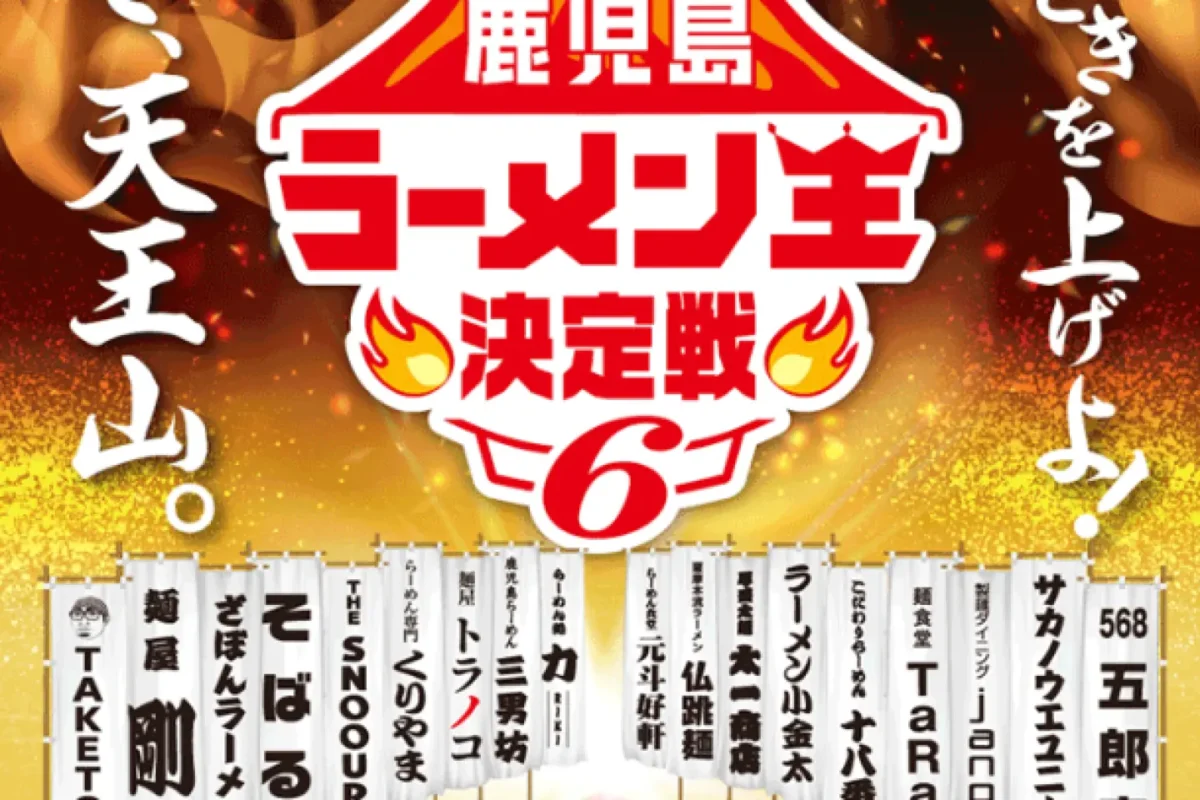
Ramen is a much-loved food across Japan, and there are plenty of different types to enjoy – different broths, different noodle textures, and different toppings all play a part in the taste of the dish. If you’ve ever wanted to rack and stack your favorite ramen, the Kagoshima Ramen Championship is the spot to do it.
The event hosts different ramen chefs serving up their specialties, and it’s up to you as the consumer to cast your vote about which variety you like best. Each bowl of ramen at the event will set you back 1,000 yen or 900 yen if buying advance ramen tickets, making it an affordable way to taste many bowls and decide the prefecture’s champion.
Battling it out to be named the prefecture’s best ramen, the championship brings together Kagoshima’s top ramen shops, many of which are local institutions that have been perfecting their bowls for decades, alongside challengers from across Kyushu who bring their own interpretations.
Enjoy Your Event Stress-Free with Japan Travelo
Do you know? Planning events, festivals, concerts, and cultural experiences in Japan can be overwhelming. Japan Travelo brings everything together in one place, helping you manage your itinerary, transport, and accommodation with ease—so you can enjoy Japan without the stress of planning.
Kagoshima Waterfront Park, also known as Dolphin Port, provides a stunning backdrop with its open lawns, views of Sakurajima volcano, and proximity to the cruise ship terminal. The combination of steaming ramen bowls, sea breeze, and the sight of Japan’s most active volcano creates an unforgettable food festival experience.
What Makes This Food Event Special
What makes the Kagoshima Ramen Championship special is its competitive format, focus on Kagoshima’s unique ramen style, and spectacular waterfront setting.
Consumer Vote Championship: Unlike a typical food market, this is a true battle. Once visitors have picked their favorite ramen, they are able to vote for their top choice to determine an eventual ramen championship winner. The winner is decided partly by customers, as it is in Japan’s traditional ramen competitions. Your vote matters and directly crowns the champion.
Kagoshima’s Independent Ramen History: It is said that on Kyushu Island, only Kagoshima Ramen does not have its roots in Kurume Tonkotsu Ramen. While other Kyushu regions embrace heavy, creamy tonkotsu broths, you will find Kagoshima’s version features a clearer, less greasy soup that combines pork and chicken bones with vegetables. This distinctive origin explains why Kagoshima ramen developed independently and has a more delicate yet deeply flavorful expression.
Waterfront Park with Sakurajima View: The championships are held at Kagoshima Waterfront Park, also known as Dolphin Port. This is still highly recommended for your first views of Sakurajima upon arriving in Kagoshima. The waterfront park next to the cruise ship terminal offers scenic views of Sakurajima, recreational areas, and cultural gardens, making it a tranquil spot that becomes lively during the festival.
Affordable Ramen Battle: With each bowl at a set price and advance tickets offering a discount, you can afford to try multiple shops in one visit and compare. Advance tickets cover multiple ramen servings and are a popular way to save money while supporting the event.
Local Pride and Innovation: The festival showcases both traditional shops and innovators who incorporate locally-sourced ingredients from different prefectures, creating original gyoza-like fusion in ramen form. You can taste classic Kagoshima ramen and experimental bowls with local Berkshire black pork.
Food, Cuisine & Specialties
The cuisine is ramen, with Kagoshima’s style at the center but with many variations.
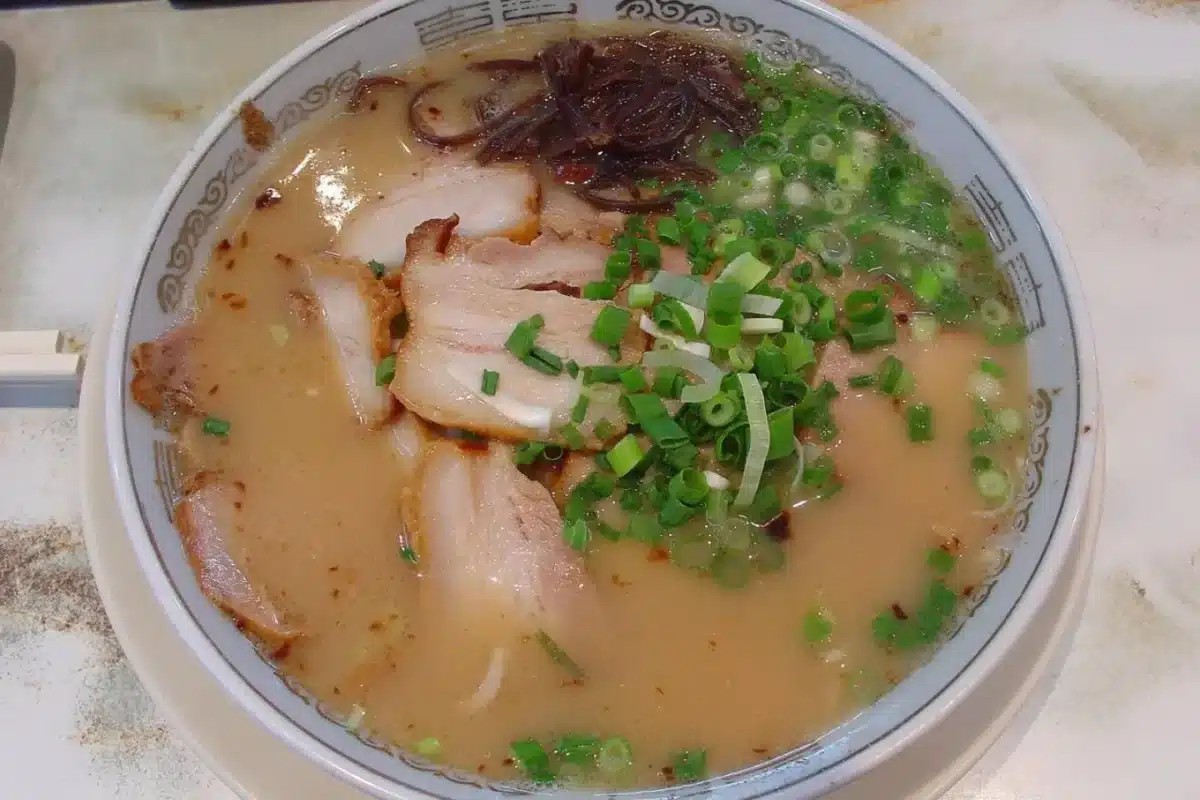
Kagoshima Ramen Characteristics: According to the official website of Shin Yokohama Ramen Museum, the main features of present-day Kagoshima ramen are as follows. The noodles for Kagoshima Ramen are made without using kansui alkaline saltwater, though ramen noodles usually contain it, setting them apart from typical ramen. The soup is translucent and not greasy compared to other Kyushu Tonkotsu ramen. The base is a cloudy tonkotsu broth made with pork bones, enriched with chicken bones, vegetables, anchovies, kelp, and dried mushrooms to make a mixed broth.
Black Pork Tonkotsu: Many bowls feature Kagoshima Berkshire Black Pork, known as Kurobuta. The tonkotsu broth contains broth made from Black Pigs from Kagoshima and has a distinct vegetable taste which is slightly sweet. There is also a distinct burnt onion taste unique to Kagoshima ramen. The garnish includes charred green onions, which is one of the characteristics of Kagoshima ramen. Premium tonkotsu broth crafted from Kagoshima Berkshire black pork bones for exceptionally rich flavor is common.
Toppings: Distinctive Kagoshima style features unique toppings like charred green onions, adding authentic touch. Other toppings include cabbage, which is often included, fried golden brown garlic bits for an extra layer of flavor, bean sprouts, green onions, chashu pork made from black pork, and soft-boiled eggs. Some shops add Satsuma-age fried fish cake, a Kagoshima specialty.
Different Broths: While tonkotsu is base, many shops offer variations: clear shoyu, miso enriched with Kagoshima miso, spicy tonkotsu with chili, and vegetable-based tonkotsu-style without animal-derived ingredients using garlic, black pepper, and vegetable umami.
Regional Challengers: Visiting shops from Fukuoka, Kumamoto, and Miyazaki bring Hakata-style heavy tonkotsu, Kumamoto black garlic oil ramen, and Miyazaki spicy ramen, allowing direct comparison with Kagoshima style.
Noodle Textures: Noodles range from straight and slightly thicker picking up more broth to thin and curly, all crafted without traditional kansui, giving them a softer, more rustic texture.
Chefs, Restaurants & Food Vendors
The vendors are ramen chefs and shops from Kagoshima prefecture and across Kyushu.
Kagoshima Ramen Institutions: Top shops from Kagoshima City participate, including shops often listed in Best Kagoshima Ramen Restaurants lists: Kagoshima Ramen TonToro, Ramen Koginta, Kuroiwa, Taishoken, and other local favorites that have been battling for local supremacy. These shops have loyal followings and queues daily.
Berkshire Black Pork Specialists: Shops specializing in Marutai Kagoshima Berkshire Black Pork Tonkotsu Ramen bring non-fried and non-steamed noodles to maintain original flavor and texture. These shops emphasize premium broth from black pigs.
Kyushu Challengers: Shops from Kitakyushu, Fukuoka, and Kumamoto are invited as challengers, similar to Kitakyushu Ramen Championships where various broths and ingredients are used. These challengers bring their own fanbases and create inter-prefecture rivalry.
Original Creation Booths: Some booths create original gyoza-like fusion ramen incorporating locally-sourced ingredients from different prefectures, such as Satsuma chicken, Sakurajima radish, Kibinago silver fish, and Satsuma-age.
Chef Profiles: Chefs are often second or third generation ramen makers who have inherited recipes but also experiment. They cook in large steam-filled tents with gas burners, boiling noodles to order and ladling broth from massive stockpots simmering all day.
Food Experience
The food experience is competitive, steaming, and highly social.
Rack and Stack Tasting: If you have ever wanted to rack and stack your favorite ramen, this is the spot. You buy ramen tickets, queue at different stalls, receive small but full bowls, and compare broths, noodle textures, and toppings side by side. Many visitors create personal ranking sheets.
Voting System: After eating, you cast your vote for top choice at voting booths. Votes are counted throughout event, and winner is announced at end. The customer vote system makes you feel like part of championship.
Volcano View Dining: Eating ramen with Sakurajima volcano steaming in background is uniquely Kagoshima. The waterfront park has open lawns, benches, and covered areas where you can sit, slurp, and watch ferries and cruise ships.
Aroma and Steam: The park fills with aroma of pork bones, charred green onions, fried garlic, and soy sauce. Steam rises from dozens of stalls, creating atmospheric clouds on cool days.
Family Friendly: The park is spacious with playgrounds, green spaces, and historical monuments. Families can share bowls, as portions are standard ramen size but manageable for tasting multiple.
Sake and Side Pairings: Many stalls offer side dishes like gyoza, fried rice, and local shochu, Kagoshima’s famous distilled spirit made from sweet potato, which pairs well with tonkotsu ramen.
Date & Schedule
Location: Kagoshima Waterfront Park
Official Period: Late February 2027 (Dates TBD)
The Kagoshima Ramen Championship is traditionally held in late February, during the cooler months when hot ramen is most comforting.
Typical Schedule Based on Previous Editions:
Duration: The event typically runs for 2 to 3 days over a weekend, often Saturday and Sunday, with some editions extending to 3 days including a public holiday.
Daily Hours: Stalls generally open at 10:00 AM to 11:00 AM and serve until 5:00 PM to 8:00 PM. Last orders are typically 30 minutes before closing. Evenings are popular with locals after work.
Voting Hours: Voting booths are open throughout event hours, with final votes counted on last day afternoon. Winner announcement is usually on final day late afternoon with ceremony.
Peak Times: Noon to 2:00 PM and 5:00 PM to 7:00 PM are busiest. Mornings are quieter for shorter queues.
Weather Note: Late February in Kagoshima is mild compared to northern Japan, with average highs around 15 to 17 degrees, making outdoor ramen enjoyable.
Visiting this event? Don’t miss out on these amazing activities and local experiences while you’re here.
Location & Venue
The venue is a scenic waterfront park that is a landmark in Kagoshima.
Kagoshima Waterfront Park – Dolphin Port: Also known as Dolphin Port, the park is located at the waterfront in Kagoshima City with address near 2-1 Honkoshinmachi, Kagoshima-shi, Kagoshima. It is next to the cruise ship terminal and offers scenic views of Sakurajima, recreational areas, and cultural gardens.
Facilities: Waterfront Park offers vast green spaces, unique flora, historical monuments, restrooms, vending machines, and covered rest areas. During festival, additional tents, tables, chairs, and washing stations are set up.
Sakurajima View: The park is still highly recommended for your first views of Sakurajima upon arriving in Kagoshima. The volcano is visible across Kinko Bay and often has a plume of ash, creating dramatic backdrop for photos.
Accessibility: The park is flat, paved, and fully accessible for wheelchairs and strollers. It has accessible toilets and ramps.
Proximity to City Center: The park is close to Tenmonkan, Kagoshima’s main shopping district, and is walkable from central hotels.
Getting to the Event
Getting to Kagoshima Waterfront Park is straightforward via tram and bus.
By Public Transport:
Kagoshima City Tram Route: The closest stop is Asahidori Station on the Kagoshima City Tram Route. The venue is six minutes on foot from the tram stop. The tram is a charming streetcar that runs through central Kagoshima from Kagoshima Chuo Station.
From Kagoshima Chuo Station: Take the City Tram Line 1 toward Kagoshima Ekimae, get off at Asahidori, about 15 minutes. From Kagoshima Station, take tram or bus.
Bus: City buses from Kagoshima Chuo Station and Tenmonkan stop near Waterfront Park.
By Private Vehicle:
Parking: Paid parking is available at Dolphin Port parking lot and nearby lots. Spaces are limited during festival, so public transport is advised. Parking costs around $3.00 to $5.00 per hour.
Highway Access: From Kyushu Expressway, take Kagoshima Kita Interchange and follow Route 10 to waterfront, about 20 minutes.
By Foot: From Tenmonkan shopping district, waterfront park is about 15 to 20 minutes walk south toward the sea.
From Airport: Kagoshima Airport is about 40 minutes by limousine bus to Kagoshima Chuo Station, then tram to Asahidori.
Where to Stay Nearby
Kagoshima City offers many hotels near waterfront and city center.
Near Waterfront Park: Hotels such as Hotel Mystays Kagoshima, Daiwa Roynet Hotel Kagoshima Tenmonkan, and Sun Royal Hotel Kagoshima are within 5 to 15 minutes walk of park. Prices from $55.00 to $100.00 per night.
Near Kagoshima Chuo Station: For Shinkansen access, hotels like JR Kyushu Hotel Kagoshima, Hotel Nikko Kagoshima, and APA Hotel Kagoshima Chuo are convenient. Prices $60.00 to $120.00 per night.
Onsen Ryokan: Ibusuki Onsen, famous for sand baths, is about 1 hour by train south, with ryokan from $100.00 to $250.00 per person including dinner.
Booking Tips: Late February is not peak tourist season, but ramen championship draws local crowds. Booking 1 to 2 weeks ahead is usually sufficient. Many hotels offer ramen maps.
Things to Do Before or After the Event
Kagoshima offers rich history, volcano, and food beyond ramen.
Sakurajima Volcano: Take the Sakurajima ferry from near Waterfront Park, 15 minutes to Sakurajima. Visit observatories, footbaths with volcano views, and try Sakurajima radish, world’s largest radish.
Sengan-en Garden: A UNESCO World Heritage Japanese garden with views of Sakurajima, former residence of Shimazu clan, with beautiful villa and tea house.
Tenmonkan Shopping District: Kagoshima’s main downtown with shops, cafes, and restaurants serving shirokuma shaved ice, satsuma-age, and shochu bars.
Chiran Samurai District and Peace Museum: About 1 hour south, Chiran has preserved samurai houses and a kamikaze peace museum.
Ibusuki Sand Baths: Unique natural sand baths where you are buried in warm sand heated by geothermal steam.
Kagoshima Aquarium – Io World: Near Waterfront Park, the aquarium showcases Kinko Bay marine life and dolphin shows.
Restaurants & Local Food to Try
Beyond championship ramen, Kagoshima has distinctive cuisine.
Kagoshima Ramen Shops Year-Round: Try top shops outside festival: Tontoro Ramen, famous for fried golden brown garlic bits, Kuroiwa, one of oldest Kagoshima ramen shops since 1969, and small shops in Tenmonkan.
Kurobuta Black Pork: Kagoshima Berkshire black pork is premium. Try it as tonkatsu pork cutlet, shabu-shabu, and steak. Meals $12.00 to $25.00.
Satsuma-age and Kibinago: Satsuma-age is fried fish cake, a Kagoshima specialty, and kibinago is silver-stripe herring served as sashimi with vinegar miso.
Shirokuma: Kagoshima’s famous shaved ice dessert topped with condensed milk, fruits, and beans, originating from Tenmonkan’s Mujyaki cafe, $5.00 to $8.00.
Shochu: Kagoshima is Japan’s top shochu producer, especially imo shochu sweet potato shochu. Visit shochu bars in Tenmonkan for tastings, $4.00 to $8.00 per glass.
Keihan and Chicken Dishes: Keihan is chicken rice soup with chicken, egg, and rice, and Satsuma chicken dishes like torisashi chicken sashimi are local specialties.
Dietary & Food Allergy Information
Ramen contains common allergens.
Allergen Information: Ramen broth typically contains pork, chicken, fish including anchovies, kelp, and mushrooms. Toppings include pork chashu, eggs, and sometimes shellfish. Soy sauce contains soy and wheat. Sesame and garlic are common. Fried garlic bits contain oil.
Gluten: Ramen noodles contain wheat flour, even though made without kansui alkaline saltwater, they still contain gluten. Gluten-free ramen is not standard at this festival.
Vegetarian and Vegan: Most broths are pork and chicken based, so vegetarian options are limited. Some stalls may offer vegetable-based tonkotsu-style ramen without animal-derived ingredients using garlic, black pepper, powdered soy sauce, and vegetable umami, but these are rare. Ask vendors.
Halal: Halal-certified ramen is not typically available as most broths contain pork and sake. Some vegetable ramen may be closer but certification unlikely.
Language Support: Menus are primarily in Japanese with pictures. Some English information available at tourist information. Staff speak basic English. Translation apps help for allergen questions.
Ticket Information
The Kagoshima Ramen Championship uses a ticket system for ramen.
Admission: Entry to Kagoshima Waterfront Park itself is free. The park is public. You only pay for ramen tickets and any side dishes. No entrance fee for festival grounds.
Ramen Pricing Based on Previous Editions: Each bowl of ramen at the event will set you back $6.70 based on 1,000 yen, or $6.00 if buying advance ramen tickets based on 900 yen.
Advance Tickets: Advance ramen tickets are sold at convenience stores, local shops, and online before event, offering discount of about $0.70 per bowl. Advance tickets often come as sets of 2 to 3 bowls.
On Day Tickets: Tickets purchased on day at venue ticket booths cost $6.70 per bowl. Tickets are exchanged at each ramen stall for a bowl.
Set Options: Some editions offer set of 3 bowls for $18.00 advance, similar to Kitakyushu Ramen Championships where advance tickets priced at 1,300 yen cover three servings. Day tickets slightly more expensive at 500 yen per serving in that comparison.
Payment: Ramen tickets purchased with cash at booths. Some stalls may accept electronic payment like PayPay. Bring cash in yen.
No Reservation Needed: No reservation needed for park entry. Simply arrive, buy tickets, and queue at stalls.
Official Event Information
Event Name: Kagoshima Ramen Championship, also known as Kagoshima Ramen King Championship
Location: Kagoshima Waterfront Park, also known as Dolphin Port, Honkoshinmachi, Kagoshima City, Kagoshima Prefecture, Japan
Access: Closest stop Asahidori Station on Kagoshima City Tram Route, six minutes on foot from tram stop
Format: Competitive ramen battle with consumer voting to crown prefecture’s best ramen, different ramen chefs serving specialties
Organizer: Kagoshima City, Kagoshima Ramen Championship Executive Committee, and local tourism association
Official Website URL as Text: en.japantravel.com/kagoshima/kagoshima-ramen-championship/61331
Additional Official Information as Text: Kagoshima City official tourism site kagosima-kankou.com for event updates
Contact: Kagoshima Waterfront Park Management and Kagoshima City Tourism Division
Location
FAQ
What is the Kagoshima Ramen Championship?
The Kagoshima Ramen Championship is a competitive food event held at Kagoshima Waterfront Park, also known as Dolphin Port, where different ramen chefs serve up their specialties and consumers cast votes for their favorite. It is described as battling it out to be named the prefecture's best ramen, with each bowl priced affordably and advance tickets offering a discount, allowing visitors to rack and stack their favorite ramen.
How does the voting and championship work?
The event hosts different ramen chefs serving up their specialties, and it is up to you as the consumer to cast your vote about which variety you like best, similar to traditional Japanese ramen competitions where customers decide winner. After eating, you vote at voting booths, and votes are counted throughout the event with winner announced on final day, making the championship interactive and community-driven.
What makes Kagoshima ramen different from other Kyushu ramen?
Kagoshima ramen is a variety of tonkotsu ramen prepared in southern Japan's Kagoshima prefecture with a base of cloudy tonkotsu broth made with pork bones enriched with chicken bones, vegetables, anchovies, kelp, and dried mushrooms, but it is distinct because it doesn't have roots in Kurume tonkotsu and its soup is translucent and not greasy compared to other Kyushu styles. Noodles are made without kansui alkaline saltwater, toppings include charred green onions and fried golden brown garlic bits, and Berkshire black pork is often used.
Where is Kagoshima Waterfront Park and how do I get there?
The Kagoshima Ramen Championships will be held at Kagoshima Waterfront Park, also known as Dolphin Port, next to the cruise ship terminal with scenic views of Sakurajima volcano. If visiting via public transport, the closest stop is Asahidori Station on the Kagoshima City Tram Route, and the venue is six minutes on foot from the tram stop, with trams connecting from Kagoshima Chuo Station and Tenmonkan shopping district.
Is there an entry fee and how much is ramen?
Entry to Kagoshima Waterfront Park itself is free as it is a public park, you only pay for ramen tickets and side dishes, with no entrance fee for festival grounds. Each bowl costs $6.70 on the day or $6.00 with advance ramen tickets, and advance sets often cover multiple bowls at a discount, so budgeting $20.00 to $30.00 allows you to try three to four different ramen shops and vote for your favorite.

Leave a Reply