
Overview
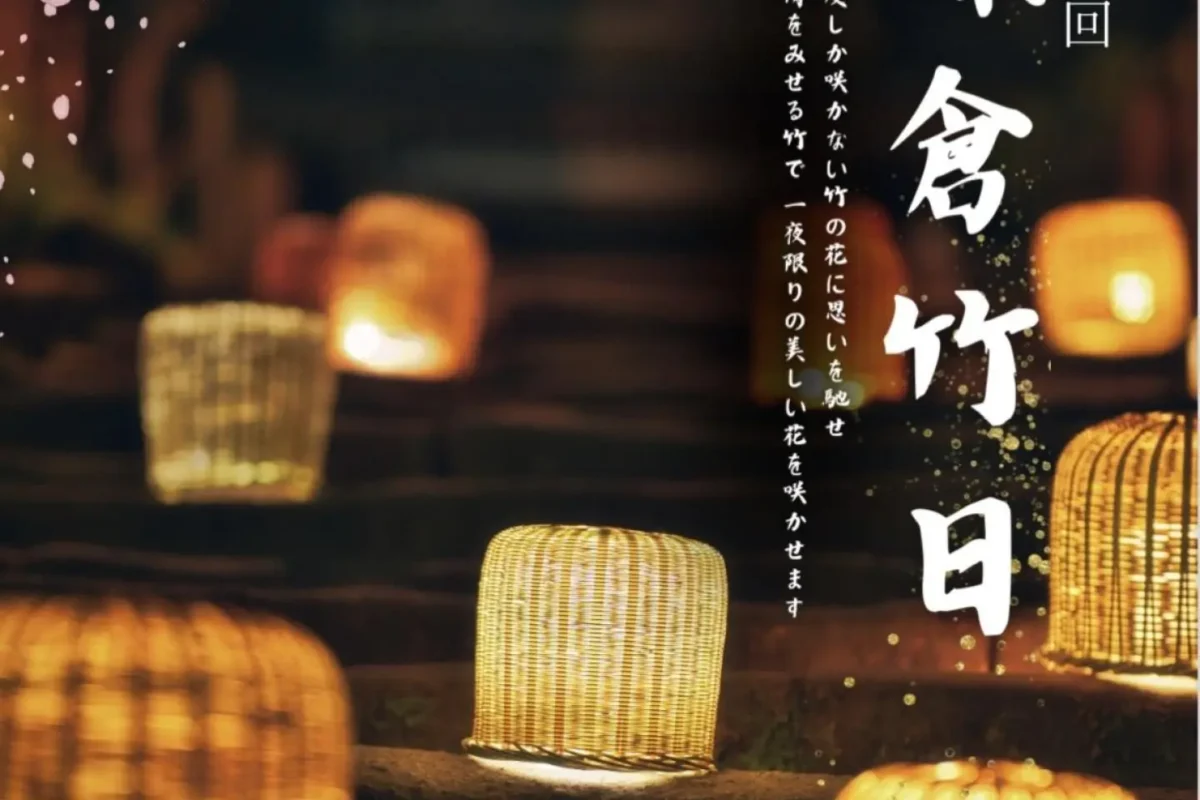
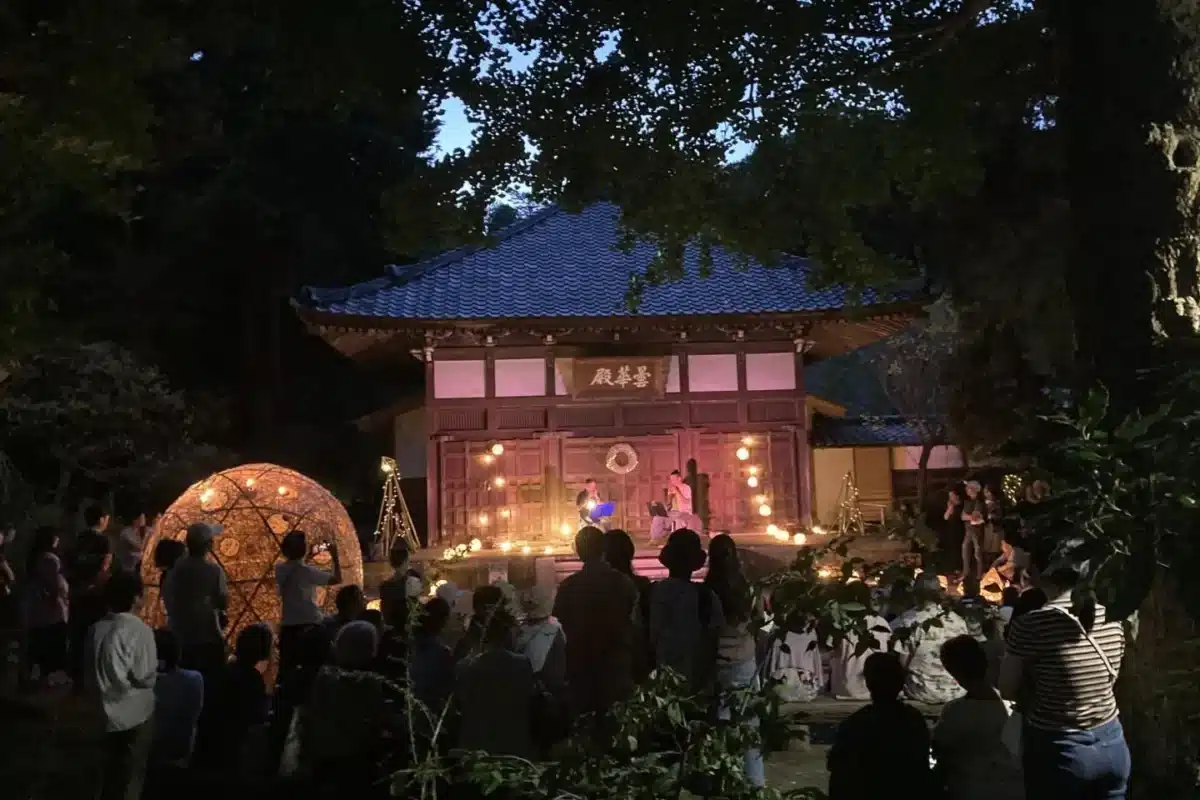
Kamakura Bamboo Day is a tranquil and deeply atmospheric celebration held within the serene confines of Jochiji Temple in the historic Kita-Kamakura district. This event honors the profound cultural and aesthetic significance of bamboo in Japanese history, highlighting its role as a symbol of strength, flexibility, and refined beauty. Nestled in a valley surrounded by lush, verdant hills, the temple serves as the perfect sanctuary for this quiet festival, which encourages visitors to reconnect with the natural world through meditative appreciation.
The festival grounds are transformed into a living exhibition where the towering stalks of green bamboo create a soothing, rhythmic landscape. Guests are invited to wander through the temple’s rustic pathways, where the gentle rustling of bamboo leaves provides a melodic soundtrack to the day. This event offers a rare glimpse into the monastic lifestyle that has thrived in Kamakura for centuries, as the temple’s architecture blends seamlessly with the natural growth of the forest, fostering an environment of absolute peace and intellectual clarity.
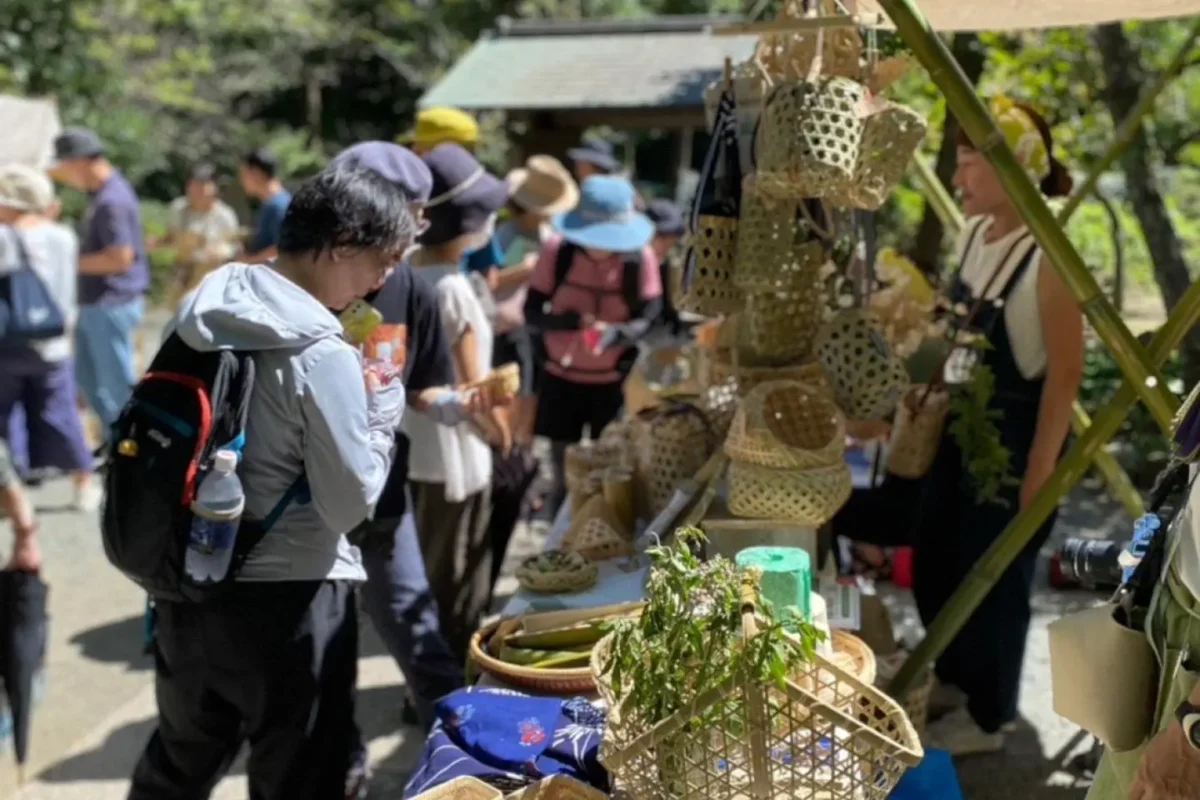
Throughout the day, visitors can engage in various traditional activities that celebrate the utility and artistry of bamboo. From displays of intricate bamboo crafts to quiet tea sessions held under the forest canopy, the event invites participants to slow down and reflect on the seasonal shifts of the spring. It is a time for the community to come together in appreciation of the simple, elegant aesthetic that defines the heart of Zen culture in Kanagawa, making it an essential experience for those seeking a respite from the bustle of modern life.
Enjoy Your Event Stress-Free with Japan Travelo
Do you know? Planning events, festivals, concerts, and cultural experiences in Japan can be overwhelming. Japan Travelo brings everything together in one place, helping you manage your itinerary, transport, and accommodation with ease—so you can enjoy Japan without the stress of planning.
Event Highlights
- The mesmerizing and lush bamboo groves of Jochiji Temple, offering a pristine setting for meditation and photography.
- Traditional bamboo craft demonstrations showcasing the skill required to transform raw stalks into functional and decorative art.
- Authentic tea ceremonies held within the temple grounds, allowing guests to enjoy matcha amidst the quiet forest scenery.
- The rare opportunity to explore the lesser-known, historic corners of Kita-Kamakura’s most contemplative temple complex.
Why Attend
Attending Kamakura Bamboo Day is a rewarding experience for anyone interested in Japanese aesthetic principles, landscape design, or Zen history. It is ideal for visitors who prefer a quiet, contemplative outing rather than a crowded festival environment. The event provides a unique chance to explore the hidden valleys of Kita-Kamakura, which remain some of the most preserved and evocative landscapes in the prefecture.
The benefits of attending include the opportunity to experience a profound sense of stillness that is increasingly rare in popular tourist destinations. Whether you are looking to deepen your understanding of bamboo culture, capture the play of light and shadow within the grove, or simply find a peaceful place to reflect, this festival offers a sanctuary of calm. It is a perfect way to celebrate the arrival of spring by immersing yourself in one of Japan’s most iconic natural elements.
Date & Duration
- Event Date: Late March 2027 (Exact Dates TBD)
- Event Duration: The festival is a single-day event, typically held during daylight hours to maximize the natural beauty of the bamboo forest.
Visiting this event? Don’t miss out on these amazing activities and local experiences while you’re here.
Ticket Information
- How Tickets Are Sold: This event is open to the public without a formal ticketing or reservation system.
- Admission Type: General admission is open to all visitors at no charge.
- Ticket Pricing: Free Admission.
- Special Seating Options: No formal, reserved seating is provided; visitors are encouraged to enjoy the temple benches and garden spots.
- VIP Options: There are no VIP or restricted access sections, ensuring a shared and accessible experience for all attendees.
Venue / Location
- City and Country: Kamakura, Japan
- Venue Name: Jochiji Temple, Kita-Kamakura
- Google Maps Address: 1402 Yamanouchi, Kamakura, Kanagawa 247-0062, Japan.
Contact Information
- Official Website: https://en.japantravel.com/kanagawa/kamakura-bamboo-day/71375
Accommodation Options:
Accommodations in the Kita-Kamakura and Kamakura area provide an intimate stay, ranging from boutique guesthouses to traditional Japanese inns. Staying in this area allows you to be surrounded by nature and history, providing easy access to the temple trails that wind through the hills of Kamakura.
Because the festival takes place during a beautiful time of year, it is recommended to secure your accommodation well in advance. Opting for a stay within walking distance of the Kita-Kamakura station will give you the most flexibility, allowing you to explore the temples at a relaxed pace during your visit.
Getting There
- Nearest Airport: Haneda Airport, which provides convenient rail connections to the Kamakura region.
- Nearest Train/Metro Station: Kita-Kamakura Station, located on the JR Yokosuka Line.
- Bus Routes or Public Transport Options: The temple is a short, pleasant walk from the Kita-Kamakura train station, making public transport the most efficient way to arrive.
- Parking Availability: Limited public parking is available in the vicinity; visitors are strongly encouraged to utilize the train network.
- Directions by Car: Accessible via local arterial roads; however, due to the narrow streets of Kamakura, driving is not recommended for visitors.
Dining Recommendations
Breakfast Recommendations:
- Local cafes near Kita-Kamakura Station offering fresh bread and morning coffee.
- Traditional Japanese breakfast sets featuring local ingredients at nearby eateries.
- Convenience stores which stock a variety of quick, high-quality Japanese breakfast snacks.
Lunch Recommendations:
- Casual restaurants near the temple serving wholesome, seasonal vegetable dishes.
- Small shops offering traditional noodles, such as soba or udon, in quiet settings.
- Light, healthy bento boxes that can be enjoyed in the peaceful temple garden.
Dinner Recommendations:
- Refined dining establishments in central Kamakura featuring locally sourced seasonal cuisine.
- Cozy restaurants offering a mix of modern and traditional Japanese dishes in a relaxed atmosphere.
- Sushi and seafood spots that showcase the fresh daily catch from the nearby Sagami Bay.
Local Specialties to Try:
- Seasonal mountain vegetables, often served in tempura or simmered dishes.
- Traditional Kamakura sweets, which are often themed around seasonal ingredients.
- Regional tea varieties that pair perfectly with the tranquil setting of the temple garden.
What is this event?
Kamakura Bamboo Day is a meditative event held at Jochiji Temple, dedicated to honoring the cultural and natural significance of bamboo in Japan. It celebrates the simplicity and grace of this iconic plant.
Visitors gather to walk through the peaceful bamboo groves and observe the temple’s serene gardens. It is a quiet, reflective event that emphasizes harmony and the appreciation of nature’s subtle beauty.
Why is it popular?
The event is popular because it offers a rare opportunity to visit a historic temple in a calm, non-crowded atmosphere. It appeals to those looking for a quiet retreat from the busy city.
Additionally, the natural beauty of the bamboo forest provides a unique visual experience. It is a favorite among those who appreciate Japanese Zen culture and the calming effects of nature.
Tips before you go
- Wear comfortable, sensible shoes, as the paths within the temple and forest can be slightly uneven.
- Bring a light jacket, as the valley temperatures can be cooler than in the surrounding city area.
- Respect the quiet nature of the temple grounds by keeping noise levels low throughout your visit.
- Check the weather forecast, as the bamboo forest is most beautiful during clear or softly overcast days.
- Bring a reusable water bottle, as it is important to stay hydrated while exploring the temple hills.
Tips for First-Time Visitors
- Always respect the forest by staying on the marked trails, as the roots of the bamboo and other temple flora are delicate.
- Take the time to listen to the sounds of the forest, as the rustling of bamboo is a key part of the experience.
- Check the train schedule for Kita-Kamakura Station in advance to ensure a smooth arrival and departure.
- Be prepared to walk, as exploring the full temple complex involves small inclines and stairs leading up to various shrines.
- Look for small, hidden statues and garden features that are tucked away along the forest trails.
- Feel free to bring a sketchbook or camera, as the interplay of light and bamboo stalks is perfect for artistic inspiration.
Attendee Experiences
- Walking through the bamboo grove at Jochiji was the most relaxing part of my entire trip to Japan.
- It felt like I stepped into a different century; the temple is so quiet and beautifully maintained.
- I loved how simple and peaceful the whole event was; it was exactly the break I needed.
Location
FAQ
What is the significance of bamboo in Japanese temples?
Bamboo is a symbol of resilience, flexibility, and longevity in Zen culture. Its ability to bend without breaking is often seen as a reflection of the strength found in humility and perseverance.
Are there guided tours available during the festival?
The festival typically encourages independent exploration, allowing visitors to walk at their own pace. Informational pamphlets are often available to provide context about the temple's history and its bamboo grove.
Can I participate in a tea ceremony during the event?
Yes, tea ceremonies are a highlight of the day. They are held in designated garden areas, offering a chance to enjoy authentic matcha while overlooking the bamboo stalks.
How much time should I spend at the festival?
Most visitors spend a few hours exploring the temple complex and forest trails. It is a place best enjoyed slowly, without a strict schedule, to fully appreciate the quiet atmosphere.
Is the temple accessible for those with mobility issues?
Parts of the temple involve stairs and uneven trails characteristic of hillside shrines. It is recommended to check specific areas of the grounds to ensure they align with your mobility needs.

Leave a Reply