
Overview
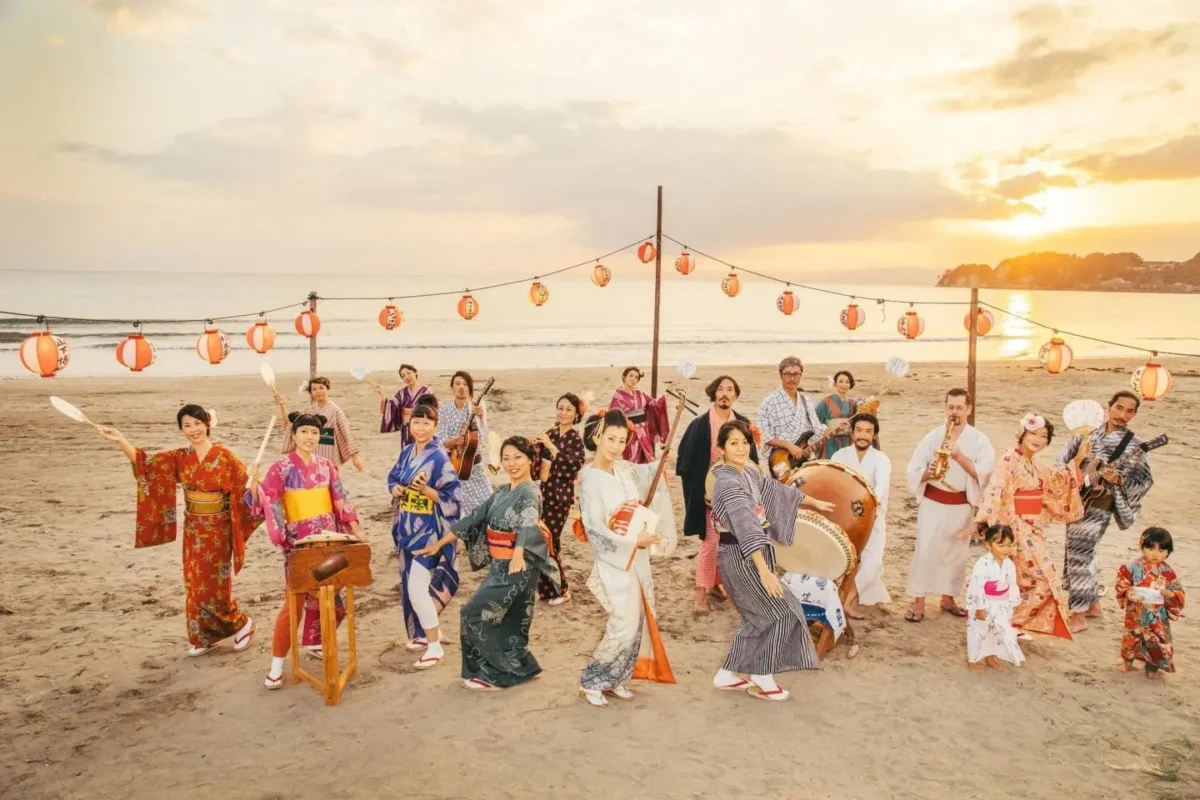
The Kamakura Beach Bon Odori Festival is a breathtaking and uniquely scenic summer celebration held annually along the golden sandy shores of Kamakura, Kanagawa Prefecture. Set against the majestic coastal backdrop of the Pacific Ocean and cool sea breezes, this much-anticipated seaside matsuri brings together local residents, families, and beachgoers for an unforgettable weekend of community dancing and coastal festivity. As one of the most picturesque regional events in the prefecture, it successfully blends traditional Obon heritage with the relaxed, sun-kissed atmosphere of a historic seaside city.
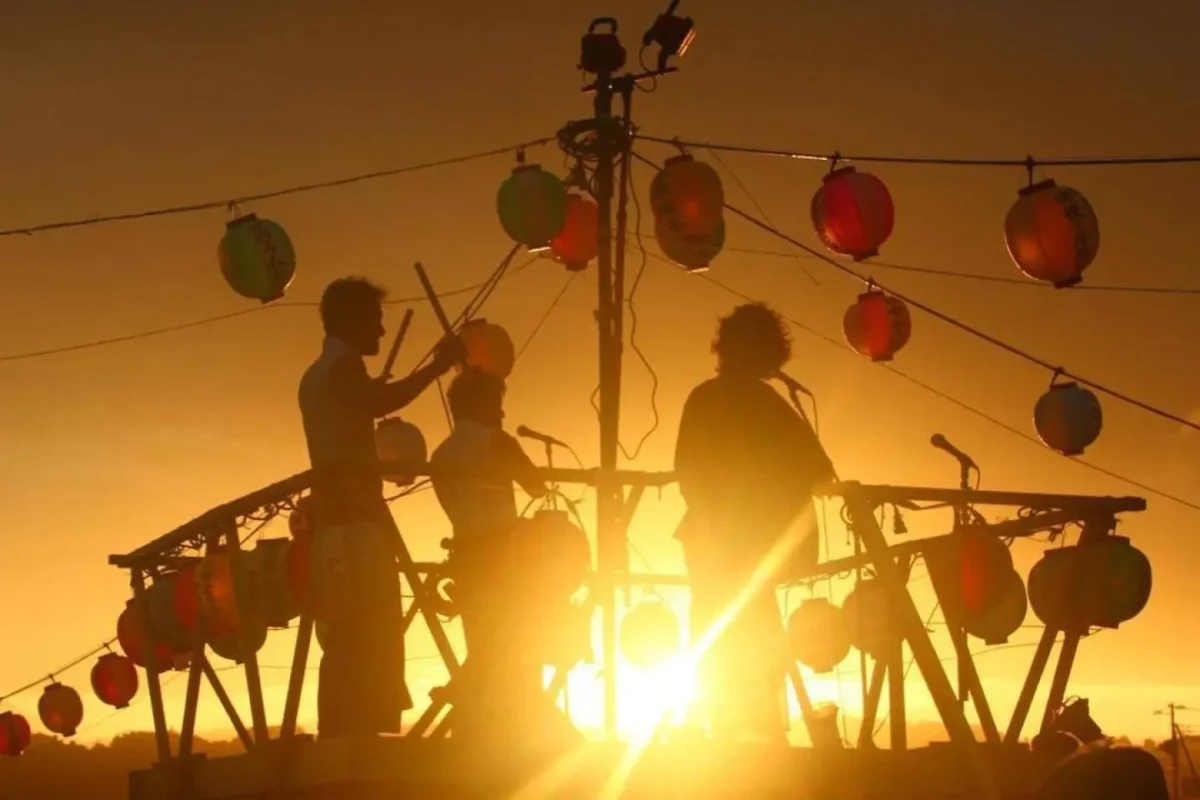
As evening falls over the coastline, the beach transforms into a magical outdoor pavilion illuminated by traditional paper lanterns and string lights swaying gently in the ocean wind. A central yagura stage stands proudly on the shore, where master musicians perform live folk tunes accompanied by the rhythmic and resonant beat of taiko drums. Attendees of all ages gather in a massive, inclusive circle on the sand, moving in graceful harmony as they take part in the communal Bon Odori dances while listening to the soothing sound of rolling waves.
Participating in this remarkable Kamakura tradition offers a wonderful gateway into authentic local Japanese culture within an unmatched coastal setting. It serves as a heartwarming gathering place where cultural curiosity is welcomed with genuine hospitality and seaside joy. Whether you are learning the simple dance steps for the first time on the sand, savoring classic festival treats, or simply soaking in the nostalgic ambiance beneath a starlit ocean sky, the Kamakura Beach Bon Odori Festival delivers an unforgettably serene and joyous cultural experience.
Enjoy Your Event Stress-Free with Japan Travelo
Do you know? Planning events, festivals, concerts, and cultural experiences in Japan can be overwhelming. Japan Travelo brings everything together in one place, helping you manage your itinerary, transport, and accommodation with ease—so you can enjoy Japan without the stress of planning.
Event Highlights:
- Experience an authentic beachside Bon Odori festival hosted directly along the scenic sandy shores of Kamakura.
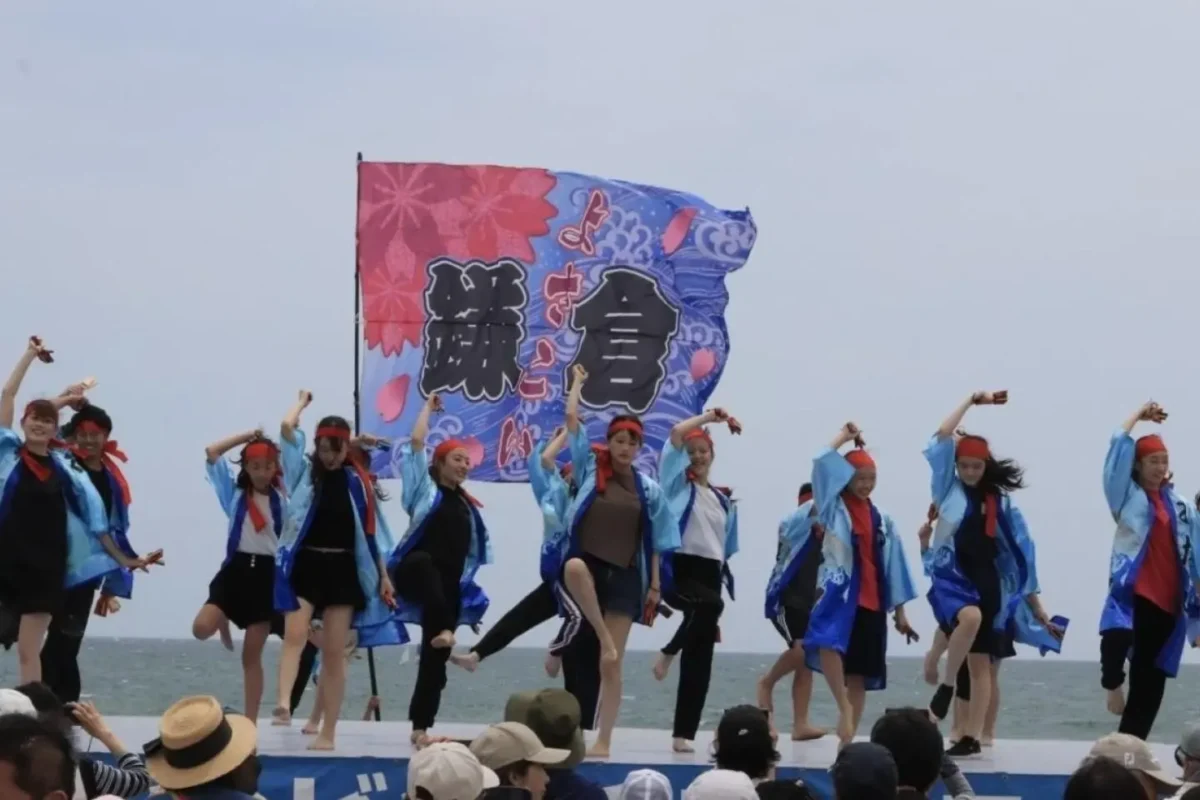
- Participate directly in joyous communal circle dances surrounding a traditional central yagura performance stage set against the ocean.
- Listen to live traditional folk music and the rhythmic, powerful beats of Japanese taiko drums echoing across the water.
- Enjoy a warm, family-friendly atmosphere filled with glowing paper lanterns and refreshing coastal evening breezes.
Why Attend
Attending the Kamakura Beach Bon Odori Festival is an essential experience for anyone looking to connect with the genuine, unpretentious soul of Japanese coastal community life during the summer season. It is exceptionally ideal for cultural travelers, families, beach lovers, and coastal explorers who want to witness how local communities celebrate their heritage through shared dance and ocean views. The primary benefit of attending is the rare opportunity to step beyond the role of a standard tourist and become an active participant in a living folk tradition right on the beach.
Furthermore, this welcoming seaside gathering provides a low-pressure, friendly environment where visitors of all backgrounds can comfortably learn traditional dances and interact with friendly local residents. It offers a refreshing antidote to fast-paced sightseeing, allowing you to slow down and appreciate the simple pleasures of summer music, ocean air, and togetherness. By spending an evening on the shores of Kamakura, you will take home wonderful memories, cultural insights, and a deeper appreciation for Kanagawa seaside community life.
Date & Duration:
- Event Date: Late July 2027 (Exact Dates TBD)
- Event Duration: Spanning multiple festive evening sessions, featuring nightly dancing and musical performances by the sea.
Visiting this event? Don’t miss out on these amazing activities and local experiences while you’re here.
Ticket Information:
- How Tickets Are Sold: This is an open community beach festival that requires no advance ticket purchases or reservations for general entry.
- Admission Type: Free Admission for all local residents, beachgoers, international travelers, and festival guests.
- Ticket Pricing: Free Admission.
- Special Seating Options: Open-air beach seating areas and public viewing spaces surrounding the central coastal dance circle.
- VIP Options: There are no VIP ticket tiers or exclusive seating sections for this community-focused public beach festival.
Venue / Location:
- City and Country: Kamakura, Japan
- Venue Name: Kamakura Beachfront
- Google Maps Address: Yuigahama Beach, Kamakura, Kanagawa 248-0014, Japan
Contact Information:
- Phone Number: +81 467-23-3050
- Official Website: https://en.japantravel.com/kanagawa/kamakura-beach-bon-odori-festival/69964
Accommodation Options:
The surrounding Kamakura and Yuigahama districts offer a delightful selection of comfortable lodging choices, ranging from cozy seaside guesthouses to charming boutique hotels and traditional ryokans. Staying within convenient walking or short tram distance of the beach allows you to enjoy the evening festival festivities late into the night without worrying about complex transit connections.
Many nearby properties provide rapid access to local scenic rail lines, serving as the ultimate strategic base for exploring the historic shrines and temples of the broader city. Because summer beach season brings lively local activity, securing your preferred hotel a few weeks in advance is recommended to ensure optimal availability.
Getting There:
- Nearest Airport: Haneda Airport, approximately 45 kilometers from the Kamakura coastal area.
- Nearest Train/Metro Station: Yuigahama Station on the Enoshima Electric Railway (Enoden) or JR Kamakura Station.
- Bus Routes or Public Transport Options: Extensive local bus and scenic tram networks connect Kamakura Station directly to the beachfront zones.
- Parking Availability: Public and commercial beach parking lots are located near the coastline for visitors arriving by car, though public transit is heavily encouraged.
- Directions by Car: Accessible via the Yokohama-Yokosuka Road and regional coastal highways leading directly into the historic city of Kamakura.
Dining Recommendations
Breakfast Recommendations:
- Charming beachside cafes near Yuigahama offering freshly brewed coffee and delicious morning toast sets.
- Local neighborhood bakeries serving soft pastries and artisanal breakfast sandwiches.
- Classic hotel breakfast spreads featuring wholesome rice and grilled fish dishes.
Lunch Recommendations:
- Charming local seafood eateries near the coast serving fresh catches sourced from Sagami Bay.
- Casual beachfront dining spots offering delicious shirasu bowls featuring local whitebait specialties.
- Traditional noodle shops serving comforting bowls of handmade udon and soba in the city center.
Dinner Recommendations:
- Cozy local izakaya taverns offering grilled seafood, small plates, and refreshing beverages.
- Neighborhood family restaurants featuring a wide variety of comforting Japanese home-style dishes.
- Traditional sushi counters providing fresh regional seafood selections with ocean views.
Local Specialties To Try:
- Shirasu, a famous local Kamakura delicacy consisting of fresh silver whitebait served raw or boiled over steamed rice.
- Classic festival street food snacks like yakisoba, takoyaki, and grilled squid from beachfront vendor stalls.
- Refreshing Japanese summer shaved ice desserts topped with fruity syrups and sweet condensed milk.
What is this event?
The Kamakura Beach Bon Odori Festival is a traditional seaside summer celebration hosted along the sandy shores of Yuigahama Beach in Kamakura. It celebrates classic Obon customs with community dancing and music against an ocean backdrop.
This cultural event brings together local residents, beachgoers, and visitors to participate in joyful circle dances around a central stage on the sand. It serves as a wonderful tradition combining historic folk customs with a relaxed coastal atmosphere.
Why is it popular?
The festival enjoys immense popularity because it offers a genuine, scenic beachfront festival experience in Kanagawa Prefecture. Admission is entirely free, welcoming everyone to join the welcoming coastal atmosphere.
Attendees love the friendly community spirit, the live taiko music over the waves, and the chance to dance on the sand. It represents a quintessential Japanese summer evening filled with warmth, ocean breezes, and culture.
Tips before you go
- Arrive shortly after the evening sessions begin to secure a comfortable spot on the sand near the dancing perimeter.
- Wear comfortable, lightweight clothing and footwear suitable for walking and standing on sandy beach surfaces.
- Stay properly hydrated by carrying a water bottle, as coastal summer evenings can remain quite warm and humid.
- Bring a light jacket or windbreaker, as ocean breezes can pick up after sunset along the shoreline.
- Check official city announcements prior to your visit to confirm exact evening start times and weather updates.
Tips for First-Time Visitors
- Do not hesitate to step into the dancing circle on the sand, as the steps are repetitive and easy to pick up by following others.
- Take time to explore the charming historic streets and temples of Kamakura during the afternoon before the evening beach festival begins.
- Utilize the scenic Enoshima Electric Railway (Enoden) to reach the beachfront area easily and enjoy local transit views.
- Respect the natural environment by keeping all litter properly disposed of in designated beach recycling and trash bins.
- Keep small cash notes and coins handy if purchasing light snacks or refreshments from local beachfront vendor stalls.
- Engage with friendly event staff or local volunteers if you need directions across the festival grounds.
Attendee Experiences:
- Joining the friendly circle dance directly on the warm sand with the sound of ocean waves nearby felt magical.
- The sound of the live taiko drums echoing across the dark Pacific waters created a truly unforgettable summer atmosphere.
- It was wonderful to experience such an authentic, community-driven festival right on the famous shores of Kamakura.
Location
FAQ
What makes holding the Bon Odori festival on the beach unique?
Hosting the traditional celebration directly on the sandy shoreline allows participants to enjoy cool ocean breezes and the soothing sound of waves while dancing. It creates a distinctive coastal atmosphere that sets it apart from inland urban festivals.
Do I need any previous experience to join the beach Bon Odori dance?
No prior dance training or experience is necessary because the choreography features simple, repetitive movements. Anyone can easily learn the steps on the spot by watching friendly dancers in the circle on the sand.
Are food and beverage options available during the beachfront festival?
Various light refreshment booths, seasonal food trucks, and beachside snack options are typically set up near the festival grounds during the event hours. Visitors are also welcome to enjoy dining at local eateries in the surrounding Kamakura coastal district.
Is the beach venue accessible for visitors with wheelchairs or strollers?
While the main festival takes place on sandy terrain, designated viewing paths and firm boardwalk areas are typically established near the perimeter. Event organizers and staff are available on-site to assist guests requiring special accessibility considerations.
What is the best way to travel to Kamakura Beach for the festival?
Utilizing the scenic Enoshima Electric Railway to arrive at Yuigahama Station or walking from JR Kamakura Station is the most recommended travel method. The beachfront festival area is located within a convenient short walking distance from the local transit stops.

Leave a Reply