
Overview
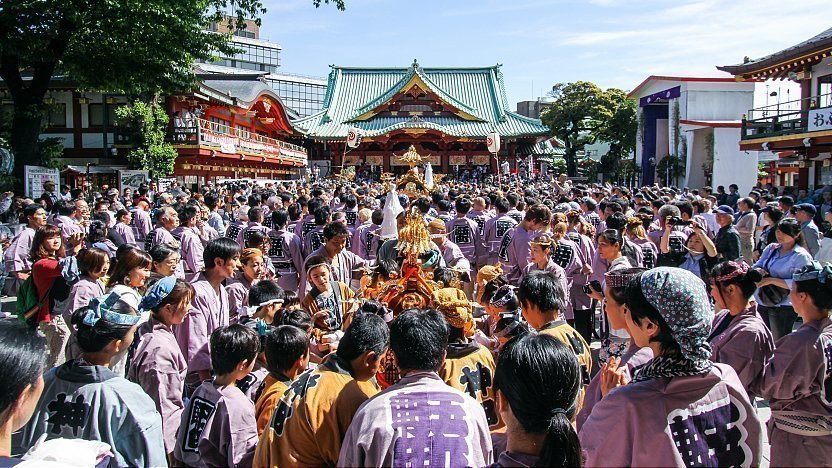
Kanda Matsuri, widely celebrated as the Kanda Festival, stands as one of the three most prestigious and illustrious Shinto festivals in Tokyo. Rooted in the early 17th century, the event initially honored the momentous victory of Tokugawa Ieyasu at the Battle of Sekigahara. Over the subsequent centuries, it transformed into a magnificent, sprawling exhibition of the wealth and cultural vitality of the Tokugawa shogunate during the Edo period, ultimately cementing its status as an indelible pillar of Tokyo’s spiritual and historical identity.
In the contemporary era, this sacred festival is held to venerate the three primary deities enshrined at the historic Kanda Myojin Shrine. These revered figures include Daikokuten, the benevolent god of prosperity, wealth, and agriculture; Ebisu, the patron deity of fishermen and honest merchants; and Taira no Masakado, a legendary figure deeply venerated for his protective powers against disaster. This kaleidoscopic event serves as a magnificent bridge between eras, inviting both local residents and curious international explorers to bear witness to a breathtaking amalgamation of ancient religious solemnity and exuberant, modern-day community celebration.
Characterized as a rare biennial occurrence, Kanda Matsuri predominantly graces Tokyo’s calendar during odd-numbered years, making every celebration a highly anticipated and significant cultural milestone. The festivities effectively transfigure the districts surrounding Kanda Myojin Shrine and the bustling Chiyoda area into a vibrant tapestry of tradition. With massive, ornate processions featuring portable shrines known as mikoshi, and an atmosphere saturated with rhythmic taiko drumming, melodic flute performances, and enthusiastic communal chanting, the festival serves as a powerful testament to the resilient spirit and enduring social harmony of the Tokyo populace.
Enjoy Your Event Stress-Free with Japan Travelo
Do you know? Planning events, festivals, concerts, and cultural experiences in Japan can be overwhelming. Japan Travelo brings everything together in one place, helping you manage your itinerary, transport, and accommodation with ease—so you can enjoy Japan without the stress of planning.
Event Highlights
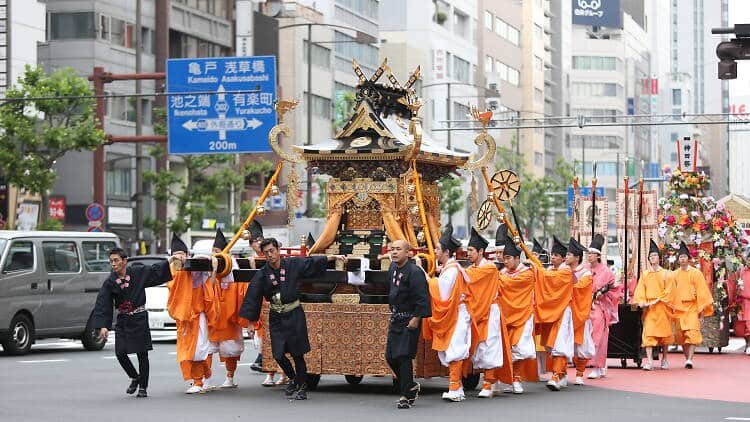
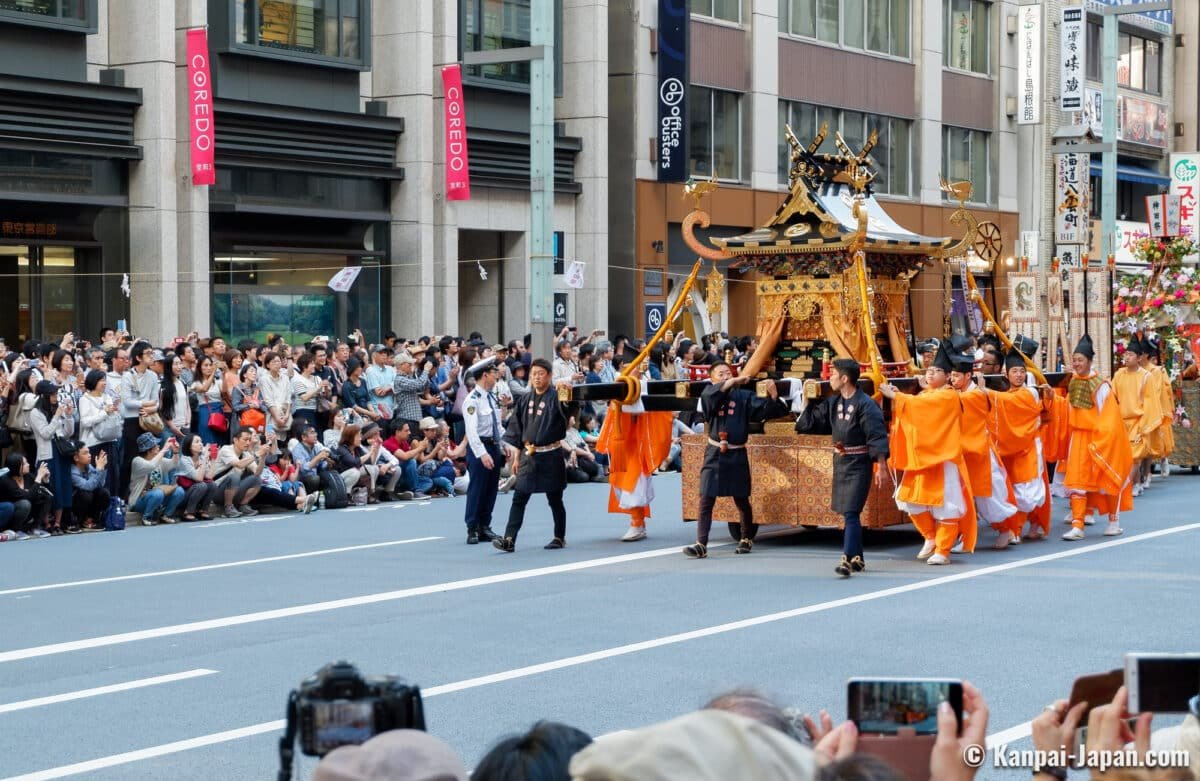
- The grand Shinkosai procession, featuring an extensive ensemble of participants who march to honor the enshrined deities with profound reverence.
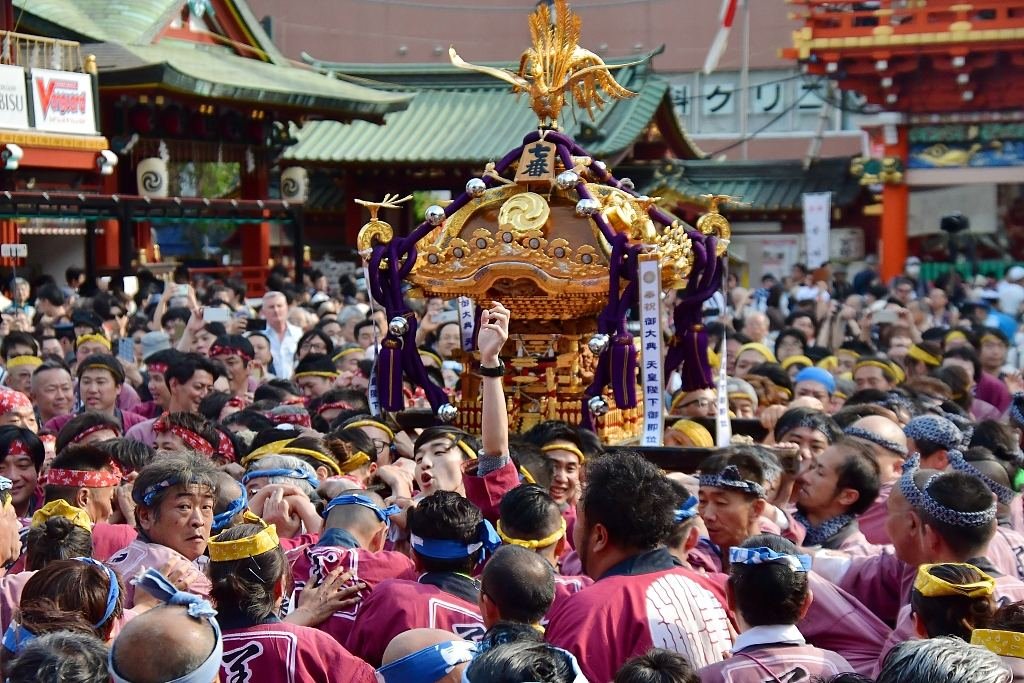
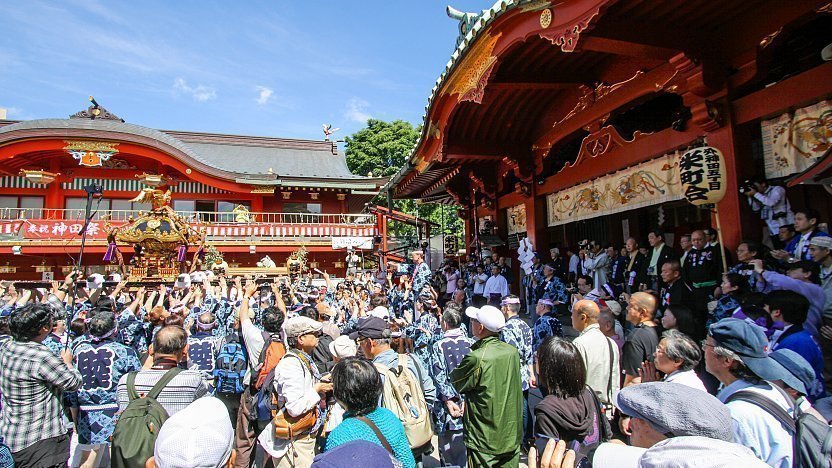
- A spectacular exhibition of over 200 intricately decorated mikoshi, or portable shrines, which are skillfully hoisted and maneuvered by spirited teams through the narrow, historic city thoroughfares.
- Traditional artistic performances featuring talented musicians orchestrating flutes and thunderous drums, perfectly synchronized with graceful dancers and elaborate, historically themed floats.
- The mesmerizing Tsukematsuri parade, a visual masterpiece showcasing colorful floats adorned with folklore motifs, historical icons, and whimsical representations of Japanese mythology.
Why Attend
Attending Kanda Matsuri is an absolute imperative for those seeking a deeply immersive encounter with authentic Japanese heritage and spiritual tradition. This festival is exceptionally ideal for culture aficionados, passionate street photographers, and travelers who yearn to discover the heartbeat of Tokyo far beyond the gleaming facade of its modern skyscrapers. Observing the community-driven processions provides an unparalleled window into the profound spiritual and social interconnections that continue to define the vibrant character of the city.
By participating in these jubilant festivities, attendees are granted a unique, firsthand perspective on the sacred bond existing between Tokyo’s diverse residents and their local shrines. The electrifying energy radiating from the enthusiastic participants, the meticulous craftsmanship visible on every golden ornament of the portable shrines, and the overall atmosphere of joyous communal harmony combine to offer a truly transformative experience that remains both visually breathtaking and deeply resonant in its emotional significance.
Date & Duration:
- Event Date: Early ~ Mid May 2027
- Event Duration: A multi-day series of sanctified rituals and celebratory processions culminating in a grand weekend finale.
Visiting this event? Don’t miss out on these amazing activities and local experiences while you’re here.
Ticket Information:
- How Tickets Are Sold: As a sacred public religious festival, this event does not require tickets for viewing or participation.
- Admission Type: Free Admission.
- Ticket Pricing: Free Admission.
- Special Seating Options: No formal seating is provided, as the festival is an open-air public procession occurring throughout the historic city streets and shrine grounds.
- VIP Options: There are no exclusive VIP tiers or reserved viewing platforms, ensuring an egalitarian atmosphere for all observers.
Venue / Location:
- City and Country: Tokyo, Japan.
- Venue Name: Kanda Myojin Shrine and the surrounding districts of the Chiyoda ward.
- Google Maps Address: 2 Chome-16-2 Sotokanda, Chiyoda City, Tokyo 101-0021, Japan.
Contact Information:
- Phone Number: 03-3254-0753.
- Official Website: https://tokyocheapo.com/events/kanda-matsuri/.
Accommodation Options:
The neighborhood surrounding the Kanda Myojin Shrine is expertly served by a diverse spectrum of lodging facilities, ranging from sophisticated luxury business hotels to charming, intimate boutique retreats. Selecting a base in the Chiyoda or Akihabara districts ensures travelers benefit from seamless, rapid access to the festival epicenter, effectively positioning visitors at the very heart of Tokyo’s cultural festivities.
Travelers will discover a multitude of high-quality hotel options within easy walking distance of the shrine, guaranteeing that they remain in close proximity to the vibrant action. These accommodations frequently offer a harmonious blend of refined modern comforts, stellar hospitality, and convenient proximity to both transport hubs and hidden culinary gems, making them a premier choice for those wishing to experience Tokyo with ease.
Getting There:
- Nearest Airport: Haneda Airport, situated approximately 20 to 25 kilometers from the central festival venue.
- Nearest Train/Metro Station: Ochanomizu Station (accessible via the JR Chuo or Sobu lines) and Suehirocho Station (located on the Tokyo Metro Ginza Line).
- Bus Routes or Public Transport Options: Dedicated local bus services, including the Cha 51 line, provide convenient and direct access to the Kanda Myojin Shrine stop.
- Parking Availability: Public vehicular parking is severely limited during festival dates; utilizing Tokyo’s world-class public transportation infrastructure is strongly encouraged.
- Directions by Car: Utilize the Shuto Expressway system, exiting at primary ramps servicing the Chiyoda and Akihabara wards, and follow the local directional signage toward the shrine vicinity.
Dining Recommendations:
Breakfast Recommendations:
- Indulge in an exquisite, traditional Japanese breakfast set featuring grilled fish, miso soup, and steamed rice at a classic teahouse adjacent to the shrine.
- Explore the chic bakery cafes dotting the Ochanomizu district, where artisanal pastries and premium roasted coffees offer an invigorating start to the morning.
- Enjoy the extensive, high-end breakfast buffets available at major hotels in Akihabara, providing a fusion of refined Western favorites and authentic Japanese morning specialties.
Lunch Recommendations:
- Savor a succulent, perfectly breaded tonkatsu cutlet served at an acclaimed, historic culinary institution within the lively Akihabara district.
- Discover local hidden gems serving delicious omurice, a quintessential Japanese comfort food featuring fluffy eggs atop savory chicken-infused rice.
- Sample authentic pork rice bowls seasoned with secret, decades-old house sauces at specialty shops located along the bustling festival routes.
Dinner Recommendations:
- Experience the culinary soul of the city by visiting a traditional Izakaya in the Chiyoda district, famous for its grilled yakitori skewers and seasonal small plates.
- Dine at one of the diverse, multi-level gastronomic complexes near the Tokyo Dome, offering everything from sophisticated sushi to international fusion cuisine.
- Enjoy a relaxing evening at a refined dining spot in Akihabara, where traditional Japanese techniques meet contemporary flair to create memorable, flavorful meals.
Local Specialties to Try:
- Taiyaki, a delightful, fish-shaped cake filled with premium sweet red bean paste or creamy custard, famously sold by stalls surrounding the shrine grounds.
- Hearty portions of traditional Oden, a flavorful, slow-simmered medley of seasonal ingredients, ideal for enjoying as a comforting, savory snack.
- Delectable artisanal wagashi, which are traditional Japanese confections meticulously crafted to reflect the beauty of the season.
What is this event?
Kanda Matsuri is a monumental and historic Shinto festival hosted in the heart of Tokyo to honor the powerful protective deities of the Kanda Myojin Shrine. It is recognized as one of the three most significant festivals in the capital, characterized by massive, vibrant processions that traverse the city streets.
The event serves as a magnificent celebration of Tokyo’s spiritual resilience and cultural prosperity. Participants carry monumental, ornate portable shrines, known as mikoshi, through the local neighborhoods to bestow divine blessings upon the community and ensure continued fortune.
Why is it popular?
The festival achieves its immense popularity through its breathtaking display of raw energy, profound historical reverence, and unparalleled community spirit. It consistently attracts massive crowds of observers who are eager to witness the vivid, kaleidoscopic parades and ancient musical rituals.
Many visitors are deeply captivated by the sheer spectacle and physical intensity of the grand mikoshi processions. It offers a rare, once-in-a-lifetime opportunity to witness an ancient, centuries-old tradition that highlights the unique unity and vibrant, enduring soul of the modern Japanese capital.
Tips before you go
- Ensure you wear highly comfortable walking shoes, as you will likely be traversing significant distances on foot throughout the duration of the festivities.
- Prioritize consistent hydration, especially considering that the mid-May climate in Tokyo can be unexpectedly warm and filled with bright, direct sunlight.
- Regularly consult the official Kanda Myojin Shrine digital portal for real-time updates regarding specific parade routes, schedule adjustments, and timing modifications.
- Carry a high-capacity portable battery charger for your mobile devices to ensure you can document the spectacular festivities without interruption.
- Observe local cultural etiquette with care, specifically refraining from inadvertently obstructing the path of the sacred mikoshi processions as they move through the streets.
Tips for First-Time Visitors
- Aim to arrive at the shrine grounds or established parade routes during the early morning hours to secure an advantageous, unobstructed viewing position before the crowds swell to their peak.
- Familiarize yourself with a few fundamental Japanese phrases, as this can greatly enhance your interactions with locals and make navigating the bustling festival environment much smoother.
- Carry a small, discreet bag for your personal refuse, as public waste disposal facilities can be exceptionally scarce in crowded areas during the height of the festival.
- Prepare for the reality of significant, dense crowds in the Akihabara and Chiyoda districts; maintain close contact with your party and designate a clear, identifiable meeting point.
- Dedicate sufficient time to exploring the Kanda Myojin Shrine itself, allowing yourself a moment of tranquility to pay respects and absorb the sacred atmosphere before the main events escalate.
- Mindfully observe the ritualistic behaviors of local worshippers, such as the rhythmic bowing and purification hand-washing ceremonies, to foster a much deeper, authentic appreciation for Japanese spiritual culture.
Attendee Experiences
- The sheer intensity and vibrant energy generated by the massive crowds hauling the golden portable shrines was absolutely unforgettable and truly breathtaking to witness firsthand.
- Watching the procession of traditional dancers and musicians move elegantly through the modern streets of Tokyo was undoubtedly the crowning highlight of my entire Japanese adventure.
- It is genuinely miraculous to observe how a sprawling, technologically advanced metropolis like Tokyo pauses to collectively celebrate these ancient, deeply-rooted traditions with such passion and joy.
Video
Location
FAQ
What is the profound cultural significance of the mikoshi featured in the festival?
The mikoshi act as sacred portable vessels that house the spirits of the revered Shinto deities during the festival period. Transporting these structures through the streets is considered a holy act designed to purify the entire community and bestow divine blessings upon the people.
Is the Kanda Matsuri an annual event or does it occur periodically?
The grand, full-scale Kanda Matsuri event is primarily scheduled for celebration during odd-numbered years. In the intervening even-numbered years, the shrine conducts smaller-scale, more intimate ritual ceremonies rather than the massive, city-wide public processions.
Can international visitors actively participate in the festival parade?
Participation in the primary, high-energy mikoshi procession is typically reserved for local community members, neighborhood associations, and dedicated shrine volunteers. However, observers are always welcomed with open arms to watch the parade from the sidelines and join in the festive atmosphere.
What happens if the weather becomes inclement during the festival days?
The festival organizers and participants maintain a steadfast commitment to the tradition, meaning the event typically continues regardless of light precipitation. While significant, hazardous weather might necessitate minor schedule adjustments, cancellations are exceptionally rare for this major cultural milestone.
Are there specialized religious events hosted within the Kanda Myojin Shrine grounds?
Yes, the shrine serves as the epicenter for various solemn religious ceremonies and intricate ritual performances throughout the festival duration. These sacred events are open to public observation and provide a serene, deeply spiritual atmosphere for attendees amidst the surrounding urban excitement.

Leave a Reply